
Florida. Sunshine, palm trees, world-class beaches, theme parks, and retirement dreams. It all sounds pretty perfect, doesn’t it? Well, here’s the thing – beneath that postcard-perfect exterior, the Sunshine State is home to a remarkable and sometimes shocking variety of creatures that can seriously ruin your day. Or worse.
Although Florida seems mild and tropical on the surface, it hosts some surprisingly dangerous creatures beneath the palm trees and in its waters. Venomous snakes, spiders, insects, and aggressive predators all pose serious health hazards to both residents and visitors. I think most people who visit Florida for the first time are genuinely surprised by just how wild this state really is. The wildlife here doesn’t politely stay out of the way. Let’s dive in.
1. American Alligator – Florida’s Original Apex Predator
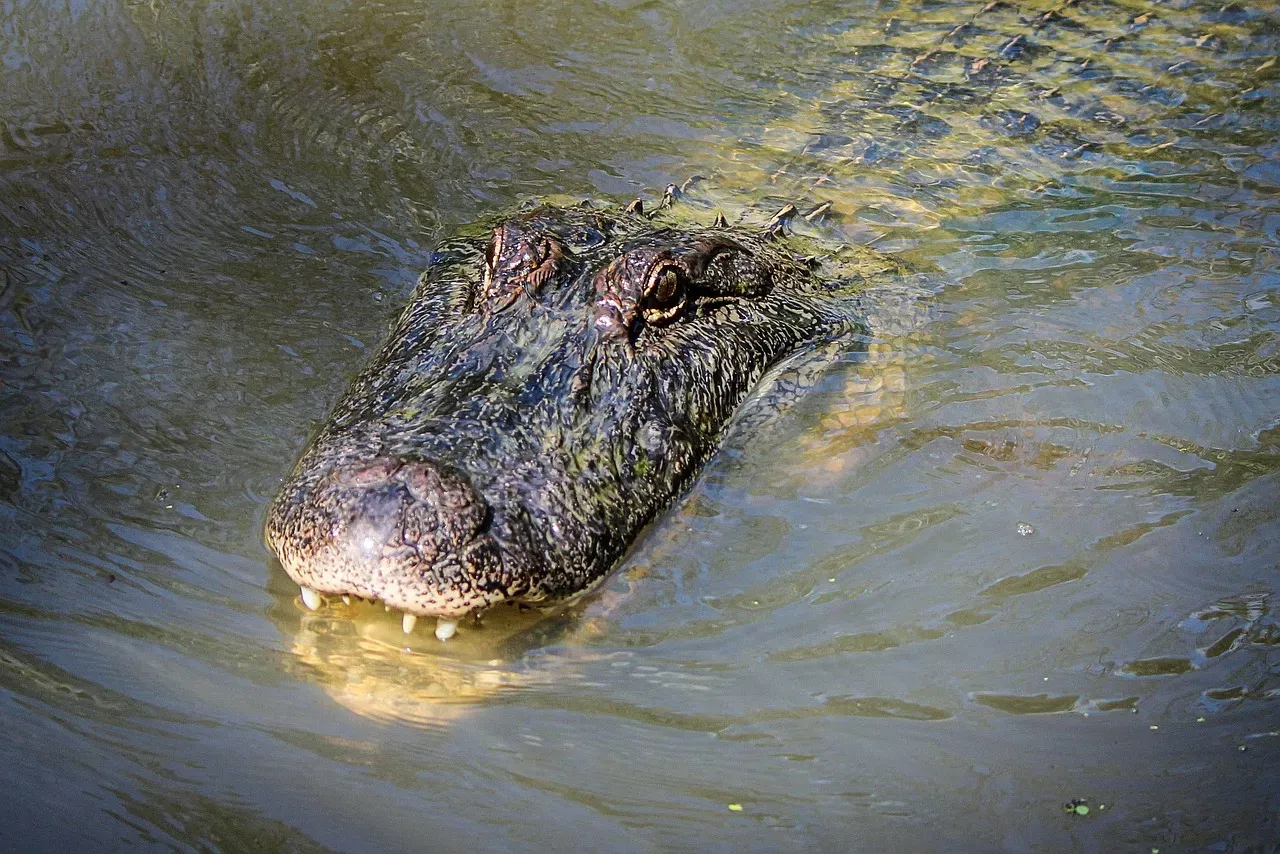
Let’s be real – no list of dangerous Florida wildlife would be complete without starting here. The American alligator tops the list as Florida’s most dangerous animal, with approximately 1.3 million alligators inhabiting the state’s freshwater systems. These prehistoric reptiles can grow up to 14 feet long and weigh more than 1,000 pounds, making them formidable predators.
The danger of alligators lies in their incredible bite force – approximately 2,000 pounds per square inch – and their ambush hunting style. They’re most active during breeding season from April to June, when males become territorial and aggressive.
Over the last 10 years, Florida has averaged 8 unprovoked bites per year that are serious enough to require professional medical treatment. Think of them like that quiet neighbor who seems fine – until you step too close to their yard. Most attacks happen when alligators feel threatened or when they’ve been illegally fed by humans and lose their natural fear.
2. Eastern Diamondback Rattlesnake – Silent, Deadly, and Everywhere
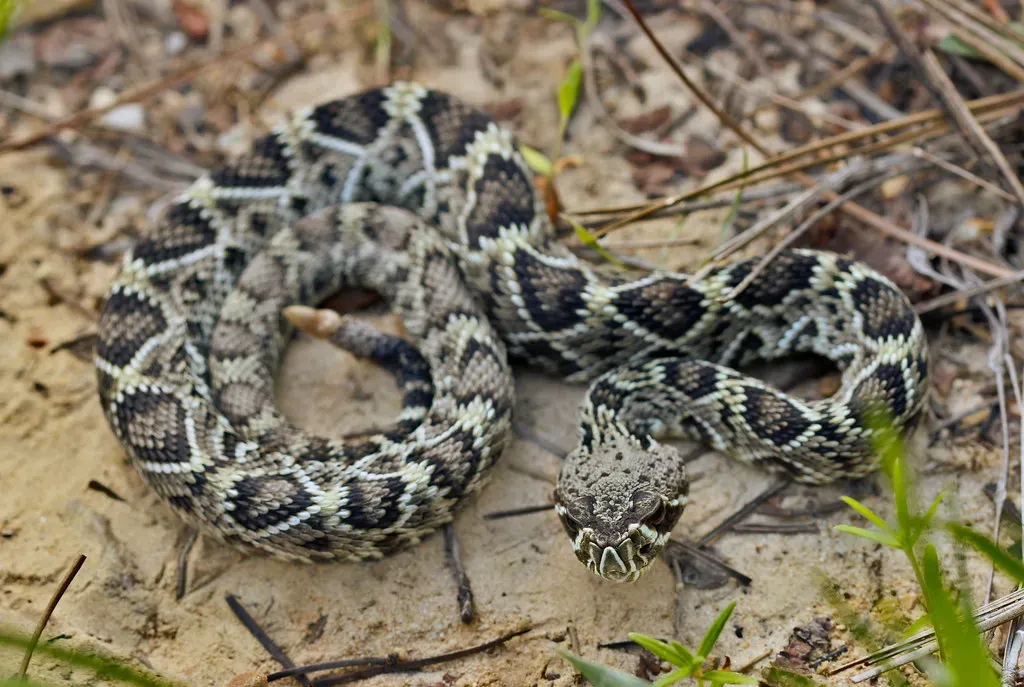
Here’s a creature that genuinely deserves your full respect. Eastern diamondback rattlesnakes are robust creatures made up of muscle and scales. They are among the heaviest venomous snakes worldwide and are considered one of the most dangerous in North America.
The eastern diamondback rattlesnake is the largest venomous snake in North America, reaching lengths of up to 8 feet. It has a heavy body with dark diamond-shaped markings outlined in cream along its back and a rattle on its tail that produces a loud buzzing warning. Its venom is hemotoxic, destroying tissue and blood cells, and can be fatal without prompt antivenom treatment.
Found in pine forests, palmetto flatwoods, and dry scrubland, it’s highly camouflaged and prefers to avoid confrontation. However, when threatened, it coils, rattles, and strikes with precision. Hikers, take note – those sandals won’t do you any favors out on the trail.
3. Bull Shark – The Ocean’s Most Unpredictable Visitor
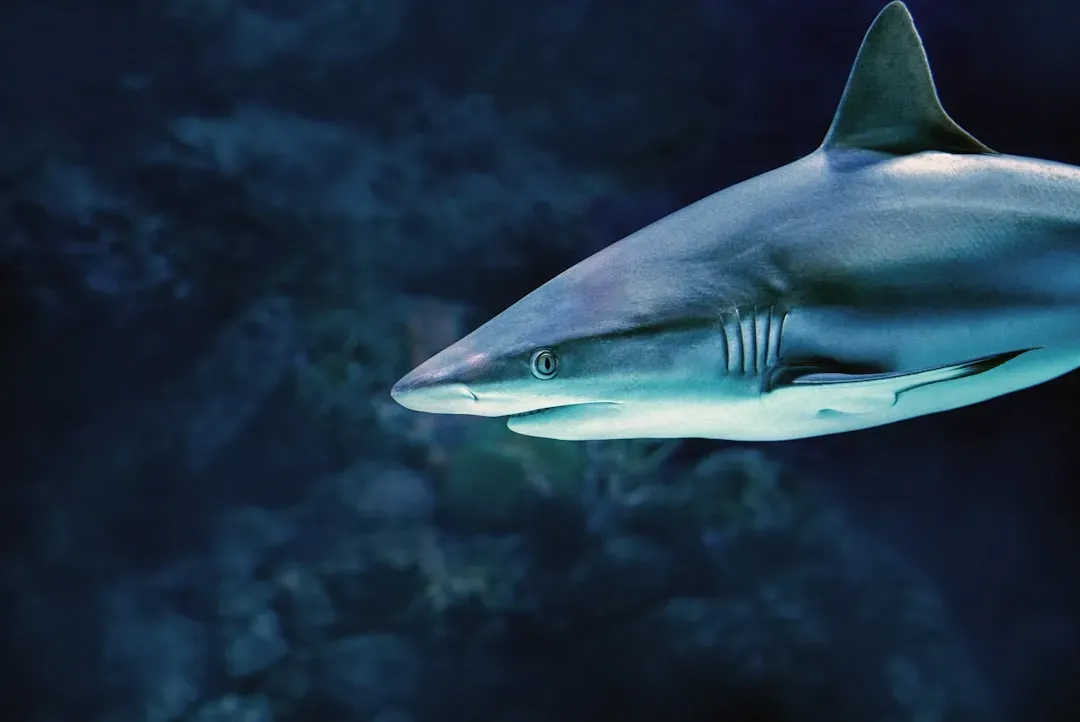
Sharks scare people in general, but bull sharks? They’re on a completely different level of terrifying. Bull sharks are one of the most aggressive shark species in the world. What makes them especially dangerous in Florida is their ability to thrive in both saltwater and freshwater, often swimming up rivers and into estuaries. They’re stocky, powerful, and unpredictable, with a bite force among the highest of any shark.
Bull sharks are responsible for more recorded attacks on humans than any other species in Florida waters. They’re commonly found near beaches, especially during summer months when baitfish are abundant.
Volusia County is actually the “Shark Bite Capital Of The World.” That’s not a title anyone would want. The fact that these animals can transition between salt and fresh water means no body of water is entirely off-limits for them. Honestly, knowing that a bull shark might be swimming upriver past your kayak is the stuff of nightmares.
4. Cottonmouth (Water Moccasin) – The Snake That Stands Its Ground
Note: Not all PHIL images are public domain; be sure to check copyright status and credit authors and content providers.
العربية | Deutsch | English | македонски | slovenščina | +/−
I downloaded the high-resolution TIFF from the website and re-saved it in the PNG format (compression level 9) using GIMP. This reduced the file size by about half while resulting in no loss of visual information., Public domain)
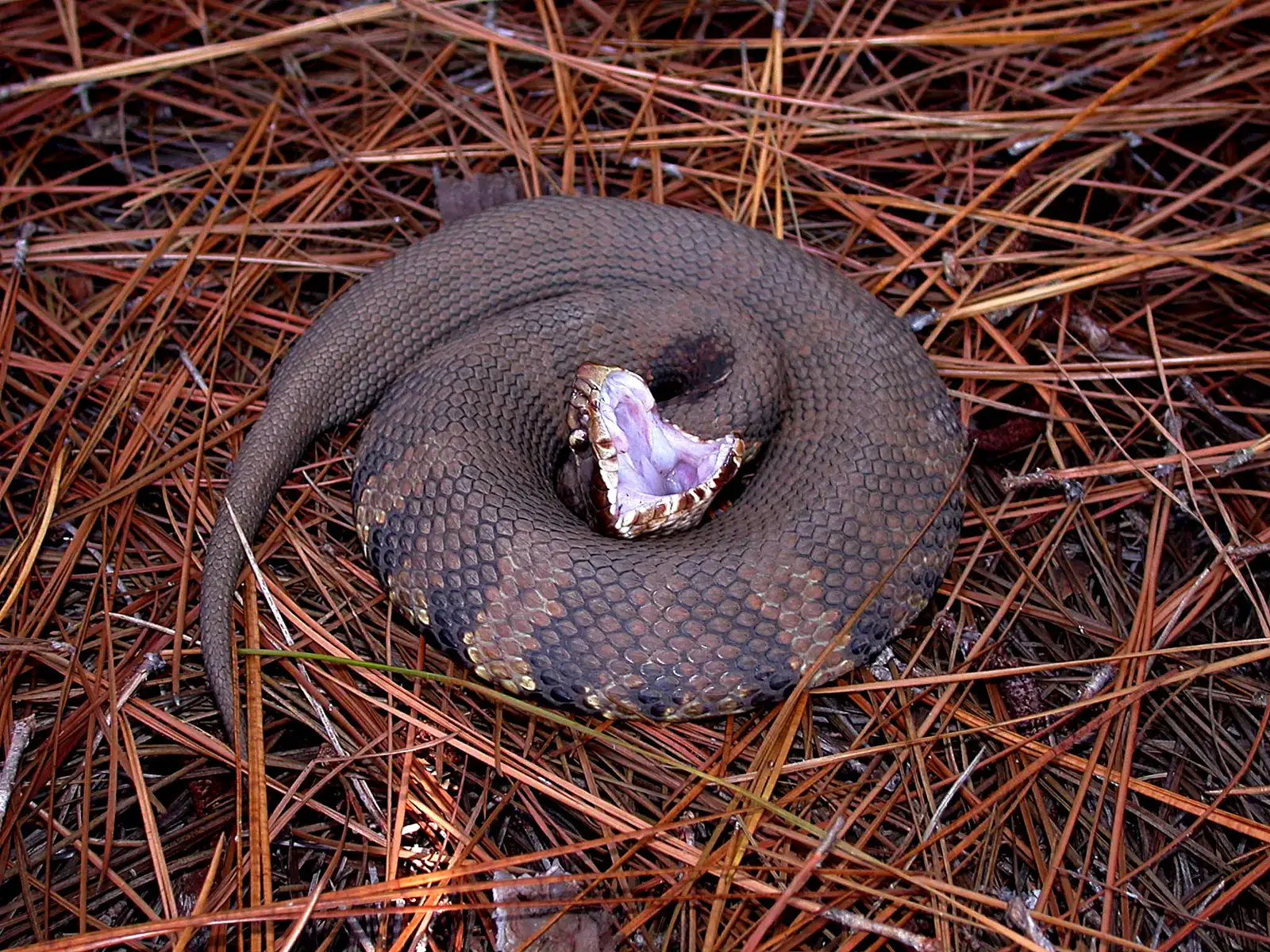
The cottonmouth is a dangerous semi-aquatic pit viper occurring throughout the Southeast United States. In Florida, they occupy inland watersheds, including lakes, streams, marshes, swamps, and roadside ditches. Unlike most snakes that would rather escape, these ones have a different attitude.
Also known as water moccasins, these venomous snakes inhabit freshwater marshes, swamps, lake edges, and streams throughout Florida. Unlike many snakes that retreat when threatened, cottonmouths often stand their ground and display their white mouth lining as a warning.
Cottonmouths possess cytotoxic venom that causes severe tissue damage, swelling, and pain. While bites are rarely fatal with modern medical care, they can result in serious injuries or infections. If you ever see a snake open wide and flash a bright white interior at you, that’s your moment to calmly back away.
5. Florida Black Bear – The Gentle Giant That Isn’t Always Gentle
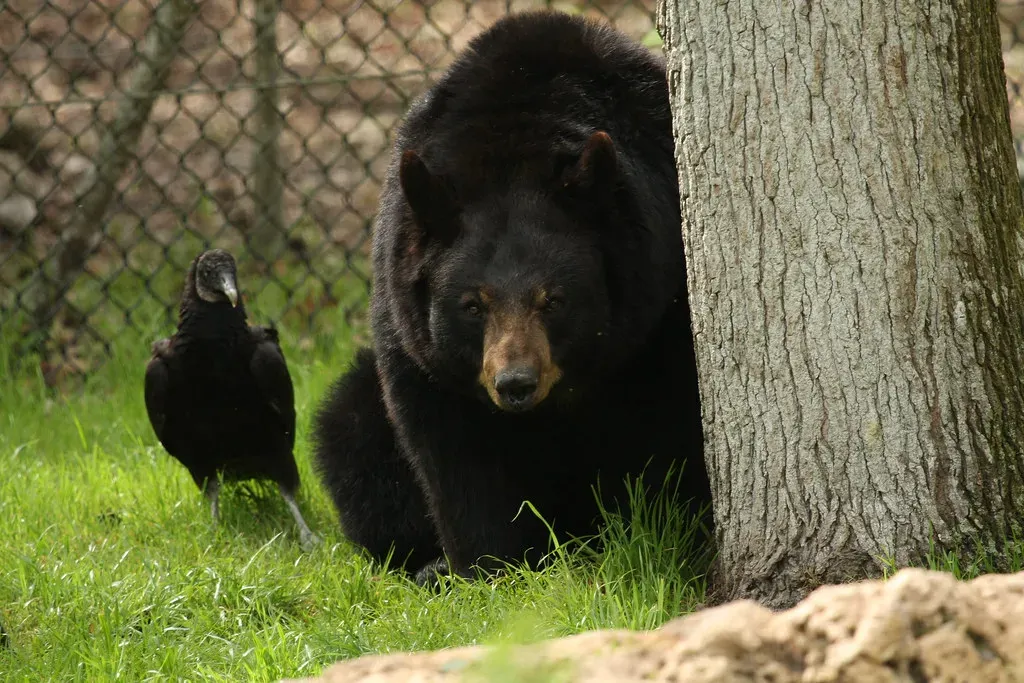
While not as big as their grizzly counterparts, black bears will surprise you with their strength. These omnivorous beasts roam the Florida scrublands and wetlands, with a history of straying into human settlements. In their search for food, they are often found fiddling with trash cans and bird feeders.
Adult males can weigh up to 450 pounds and possess incredible strength. These bears are generally shy and avoid human contact, but as development encroaches on their habitat, human-bear encounters have increased. Most problematic interactions involve bears seeking food in residential areas, where they can damage property and potentially become dangerous if cornered or if they perceive a threat to their cubs.
Despite their imposing size, serious attacks on humans are extremely rare in Florida, with no documented fatalities in the state’s history. However, the potential for injury exists, especially if bears become food-conditioned from accessing human garbage or deliberate feeding. Think of a black bear like a very large, very hungry toddler – mostly harmless, until you get between it and its snacks.
6. Eastern Coral Snake – Small, Colorful, and Lethally Venomous
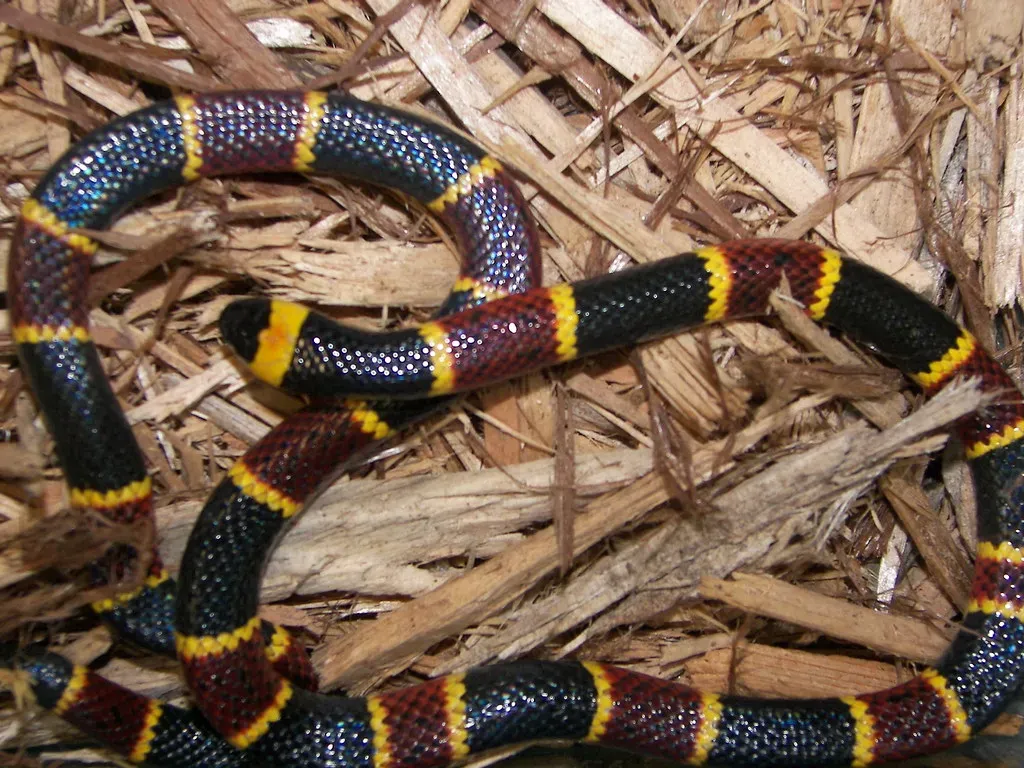
Coral snakes are one of the most dangerous animals in Florida. They primarily feed on frogs, lizards, and other smaller snakes. Their venom is a potent neurotoxin that causes rapid paralysis and respiratory failure for their prey.
Rarely seen by humans, these nocturnal venomous snakes spend most of their time underground. Because of this, and because they’re not very aggressive, coral snakes rarely bite humans. When they do bite, the venom is seldom deadly when medical treatment is immediately sought.
Here’s what makes them uniquely dangerous – their striking appearance. Red touching yellow, kill a fellow. Red touching black, friend of Jack. That old rhyme exists for a reason. With its red, yellow, and black bands, the Eastern Coral Snake packs a venomous bite that requires immediate medical attention. Don’t let the beautiful colors fool you for even a second.
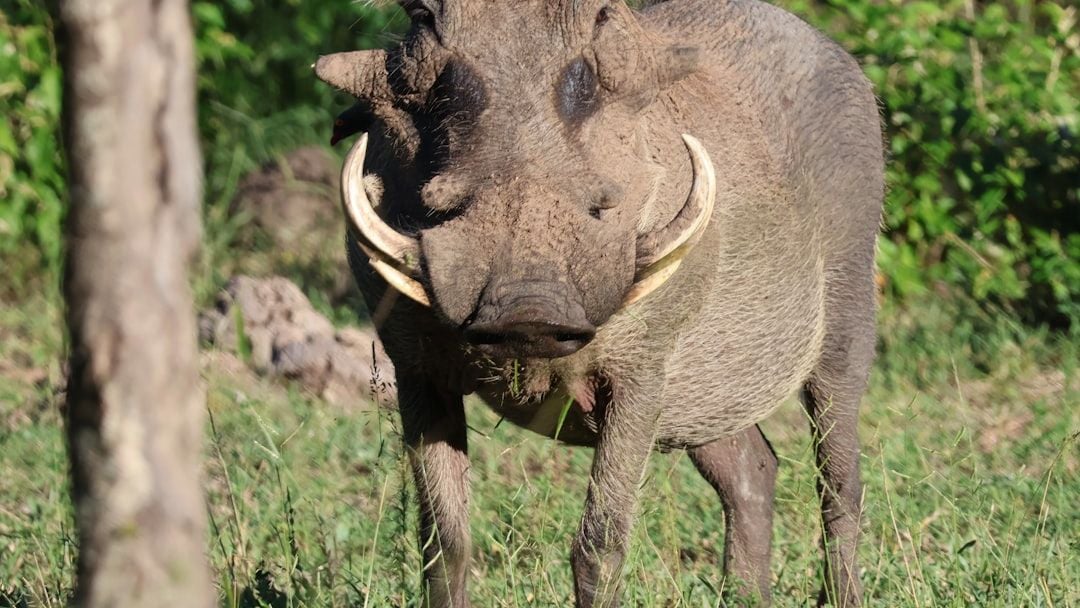
7. Wild Boar (Feral Hog) – Fast, Aggressive, and Armed With Tusks
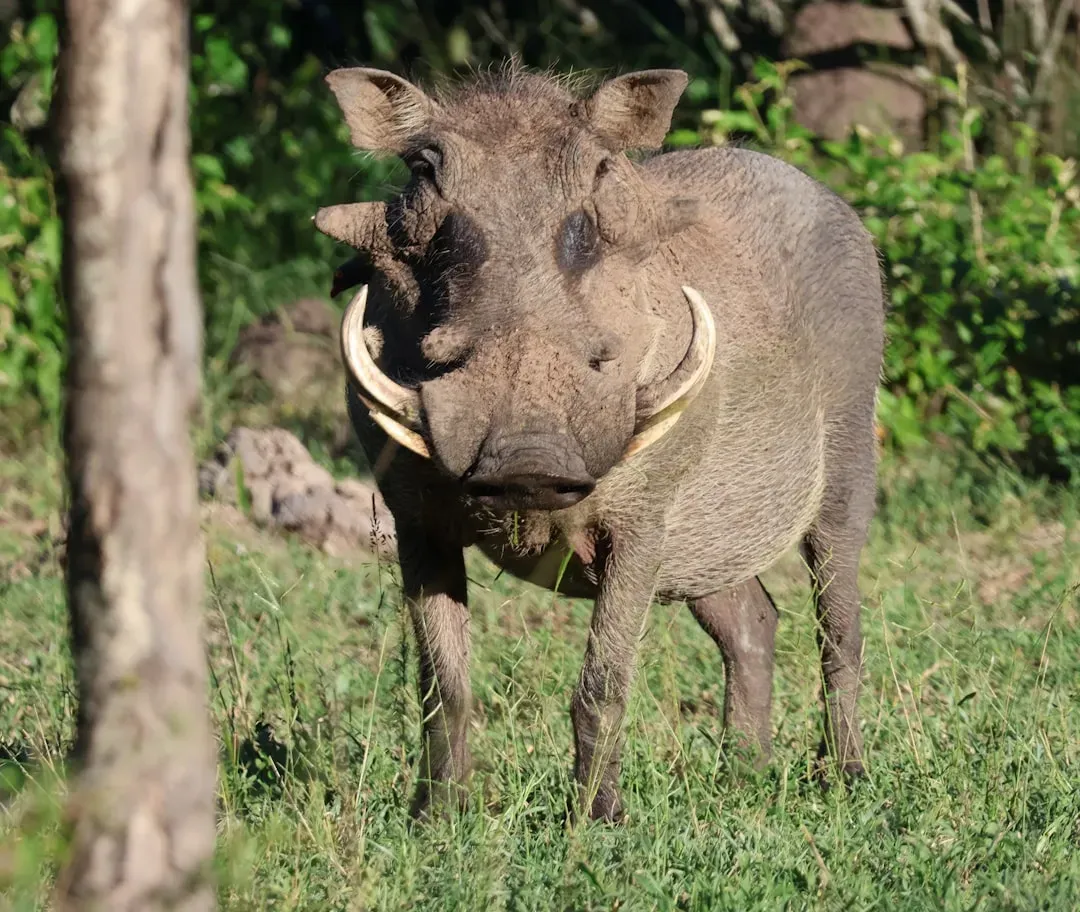
Wild boars are among Florida’s most destructive and aggressive invasive species. Weighing up to 300 pounds, they roam forests, wetlands, and even suburban areas, rooting up vegetation and damaging crops. Most people don’t even know these animals are roaming Florida’s woods.
They’re known to charge when threatened, capable of running at speeds up to 30 mph, and their tusks can inflict serious lacerations. Additionally, they can carry diseases transmissible to humans, including brucellosis and leptospirosis.
Attacks on humans, while uncommon, do occur – especially during hunting or when boars feel cornered. They also carry diseases like brucellosis and leptospirosis, posing risks to livestock and pets. A 300-pound animal charging at 30 mph with sharp tusks is essentially a living weapon. No hike in the Florida wilderness should be taken lightly.
8. Box Jellyfish – The Most Dangerous Thing You Can’t See Coming
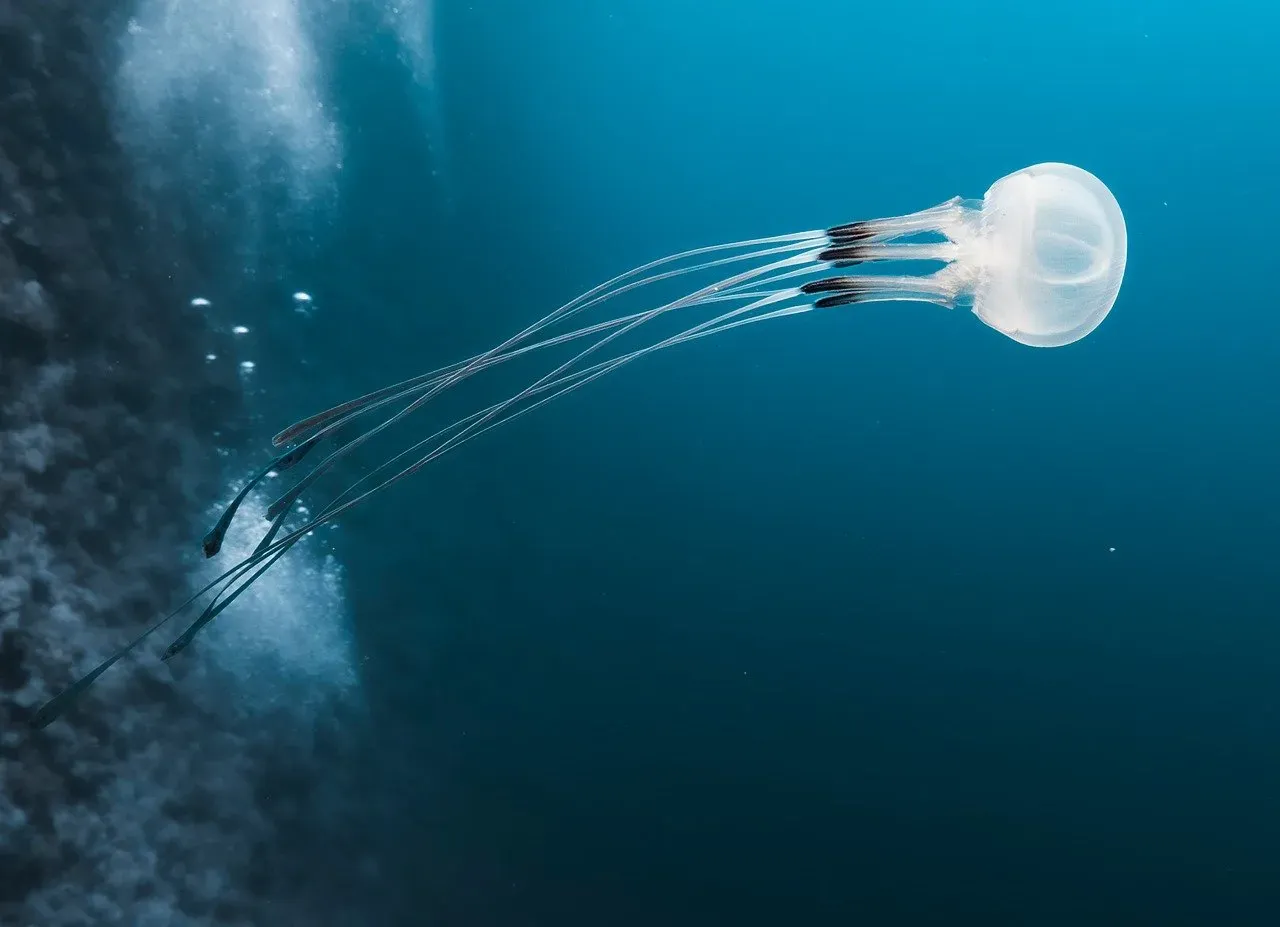
You’d be forgiven for underestimating something that’s almost entirely transparent. But box jellyfish are genuinely one of the most terrifying creatures in Florida’s coastal waters. The tropical shores of Florida are teeming with aquatic wildlife, and the box jellyfish makes itself right at home. The jellyfish’s venom is considered the deadliest in the sea, because it can literally stop your heart. Its dangling tentacles work to paralyze the heart and nervous system.
Box jellyfish are known to be the deadliest jellyfish, with venomous stingers that can cause a person to go into shock or have a heart attack. They are clear, which doesn’t help to spot them in the ocean, and can grow to be 10 feet long.
Over a period of three days in 2018, 800 people were stung by jellyfish along the central Florida coast with a large group of moon jellyfish showing up. That’s not a typo. Eight hundred people in three days. Box jellyfish kill more people annually than sharks. Let that one sink in before your next beach trip.
9. Southern Black Widow Spider – The Danger Hiding in Your Backyard
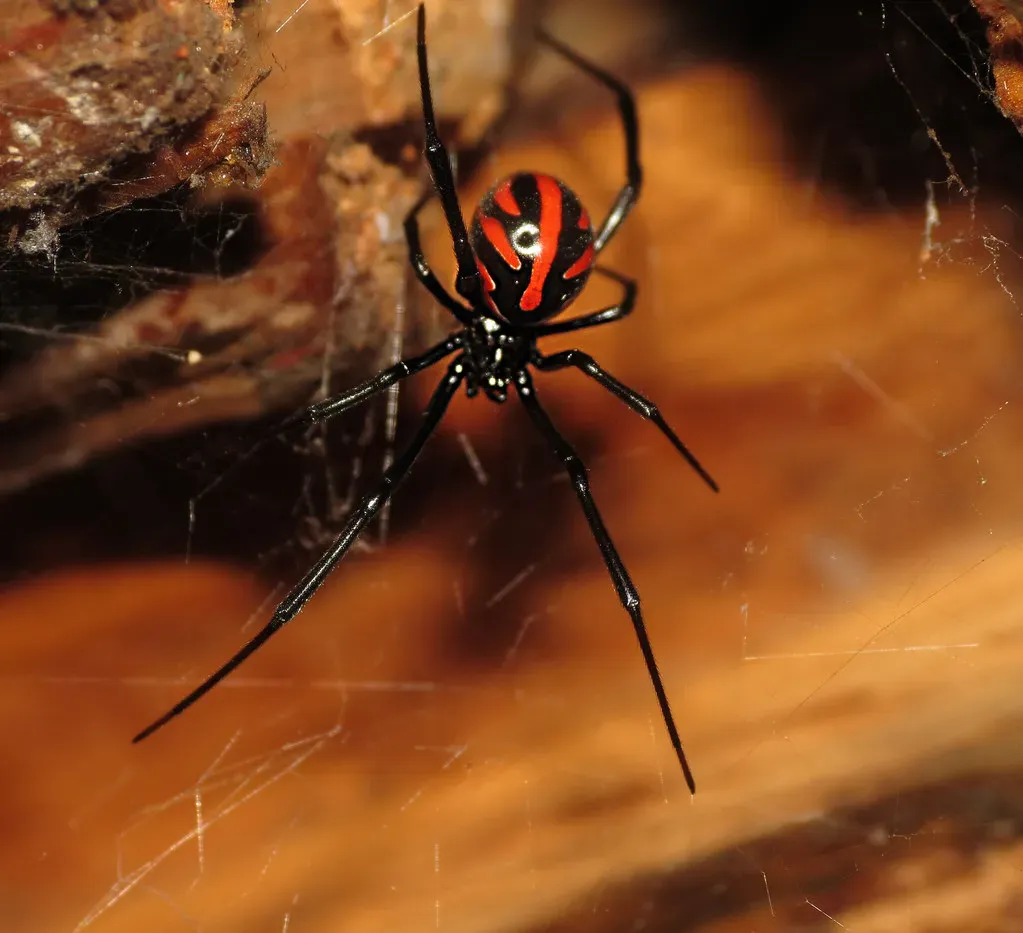
Most of Florida’s dangerous creatures live in the wild. The black widow, though, might be lurking in your own garden shed, mailbox, or patio furniture. Easily recognizable by the red hourglass marking on its abdomen, the black widow spider is notorious for its potent venom. Found throughout the US, particularly in the South, these spiders prefer dark, undisturbed areas. Though not usually fatal to humans, a black widow bite can cause severe pain, muscle cramps, and systemic illness, requiring medical attention.
There are two particularly dangerous spiders that can be found in Florida – the brown recluse and the southern black widow. Neither are outwardly aggressive towards humans, but they will bite if threatened.
The Black Widow Spider carries a potent venom that can be fatal – especially potent to the young and older humans. It sounds counterintuitive, but the places you’d least expect danger in Florida are sometimes the most risky. Always shake out your shoes and gloves before putting them on.
10. Florida Panther – Rare, Elusive, and Powerful
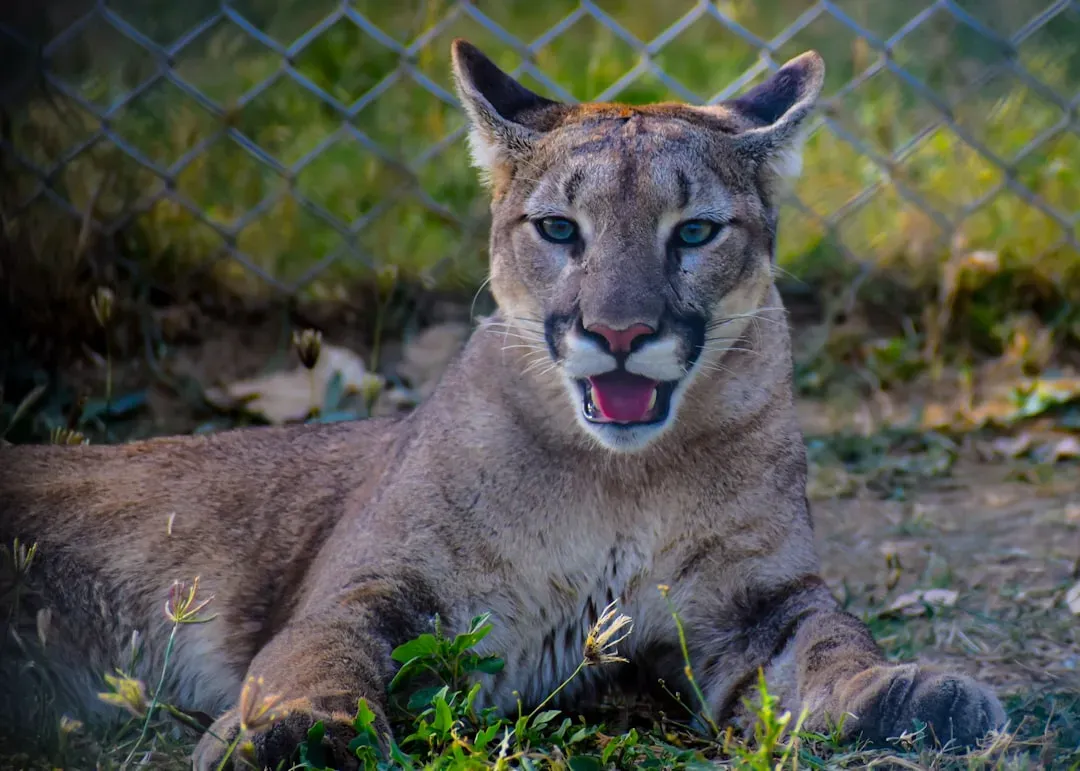
The Florida panther is simultaneously one of the state’s most endangered and most powerful residents. The Florida panther is a subspecies of the mountain lion and is actually the state animal. These mountain lions can grow to be 60–160 lbs and measure 5–7 feet in length.
Because Florida panthers are endangered, it’s extremely rare that humans come into contact with them. They are listed as endangered and are protected in Florida, with 120–230 left in the wild.
In 2025, increased development and habitat fragmentation have led to more sightings near residential areas. Wildlife officials urge caution and respect, as panthers are protected and play a crucial role in Florida’s ecosystem. Honestly, a panther sighting is breathtaking – but breathtaking for all the wrong reasons if one decides you’re a threat to its cubs.
11. Red Imported Fire Ant – Tiny Terror, Massive Impact
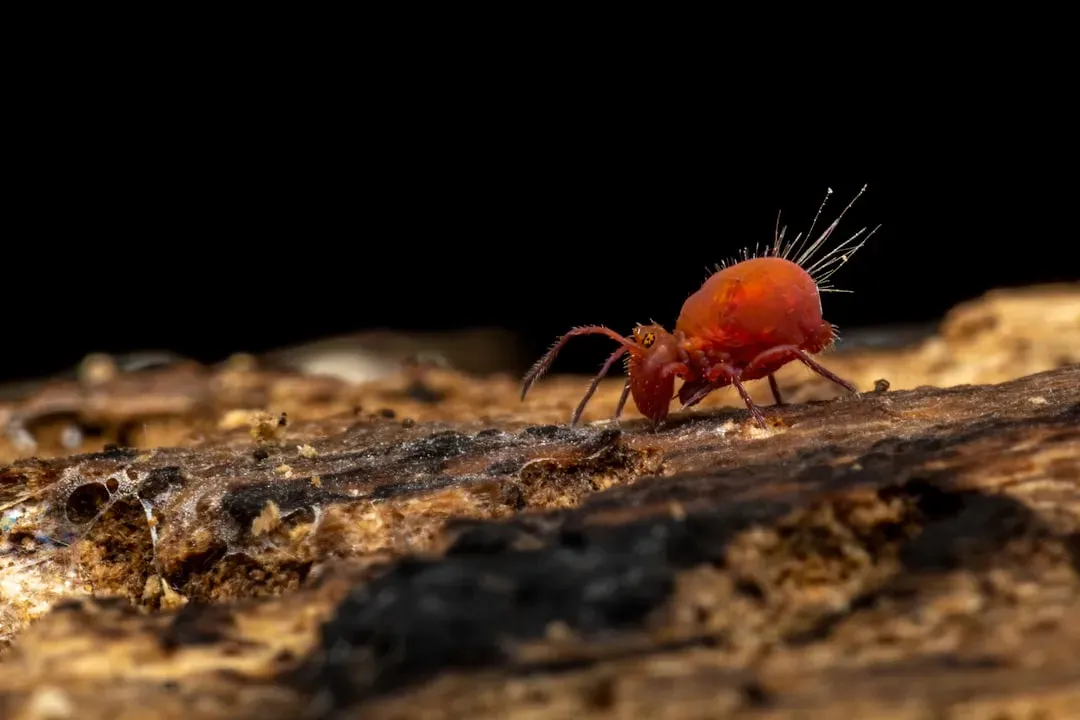
Don’t let the size fool you. Fire ants may be small, but they are one of the most commonly encountered dangerous creatures in Florida – and they mean business. Florida is home to many ant species, but the red imported fire ant is especially notable for its aggression and problematic nature.
These aggressive insects build distinctive mounded nests throughout Florida, particularly in sunny, open areas like lawns, parks, playgrounds, and agricultural fields. When disturbed, they attack en masse, delivering painful stings that often develop into pustules.
In some cases, individuals may experience severe allergic reactions or anaphylaxis, requiring immediate medical treatment. Fire ants often attack in swarms when their nests are disturbed, so caution is advised when outdoors in their territory. Stepping barefoot on a fire ant mound in Florida is something you will never, ever forget. Always watch where you step, especially in grassy open areas.
12. Burmese Python – The Invasive Giant Reshaping the Everglades
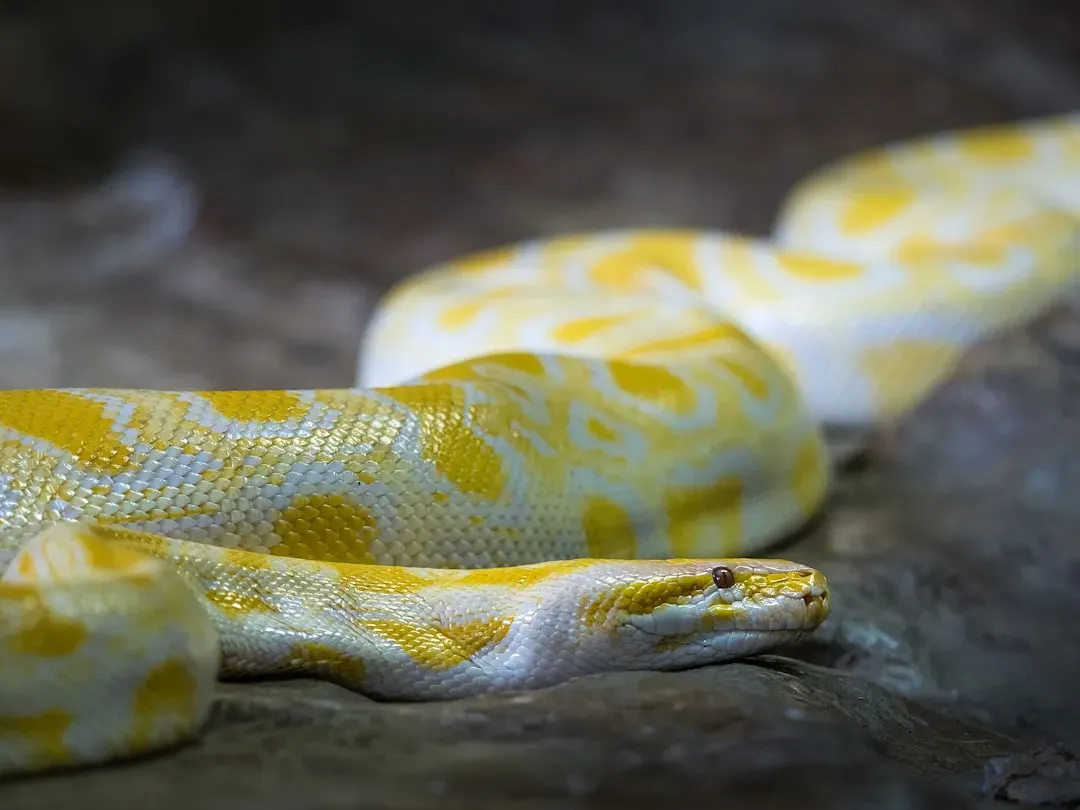
Florida has a unique problem that most other states simply don’t face – a population of massive invasive snakes now living permanently in its wilderness. Some estimates of Burmese python populations in Florida reach over 100,000 snakes spread across the Everglades. Burmese pythons are not native to Florida but do live here.
According to the United States Geological Survey, there have not been any fatalities resulting from Burmese pythons in Florida. Pets, like dogs and cats, have been victims of these giant snakes and they are considered an invasive species. That’s somewhat reassuring, though the idea of an 18-foot constrictor silently prowling through the grass still makes the skin crawl.
These snakes are ambush hunters that can constrict with extraordinary force, and their sheer size makes them a legitimate physical threat. They are also quietly devastating Florida’s native wildlife, wiping out populations of mammals and birds across the Everglades ecosystem. If you see one, you should report the sighting and get to safety as soon as possible. This is one creature that has genuinely changed the entire ecological balance of southern Florida.
Conclusion: Respect, Awareness, and Common Sense Go a Long Way
Florida is one of the most ecologically diverse and genuinely wild places in the entire United States. The animals on this list are not villains – they are simply creatures living in their natural environment, doing what nature designed them to do.
You can greatly lower the chances of conflict or injury by learning about their habitats, behaviors, and knowing what to do if you encounter the deadliest animals in Florida. Always stay aware of your surroundings in wilderness areas, avoid disturbing or provoking wildlife when possible, and seek prompt medical attention if bitten or stung.
The real takeaway here isn’t fear – it’s respect. Florida’s wild side is part of what makes this state so incredibly special, and most people visit and live here for years without a single dangerous encounter. Knowledge is your best protection. Stay alert, stay informed, and the Sunshine State will be every bit as wonderful as the brochures promise.
Now that you know what’s out there – would you have guessed Florida was home to all 12 of these creatures? Tell us in the comments which one surprised you the most.

- 10 Surprising Ways Your Cat Shows You Undying Affection - August 4, 2026
- Which Wild Animal Matches Your Favorite Anime Archetype? - August 4, 2026
- What The Fish In Zodiac Sign Pisces Says About You - August 4, 2026