

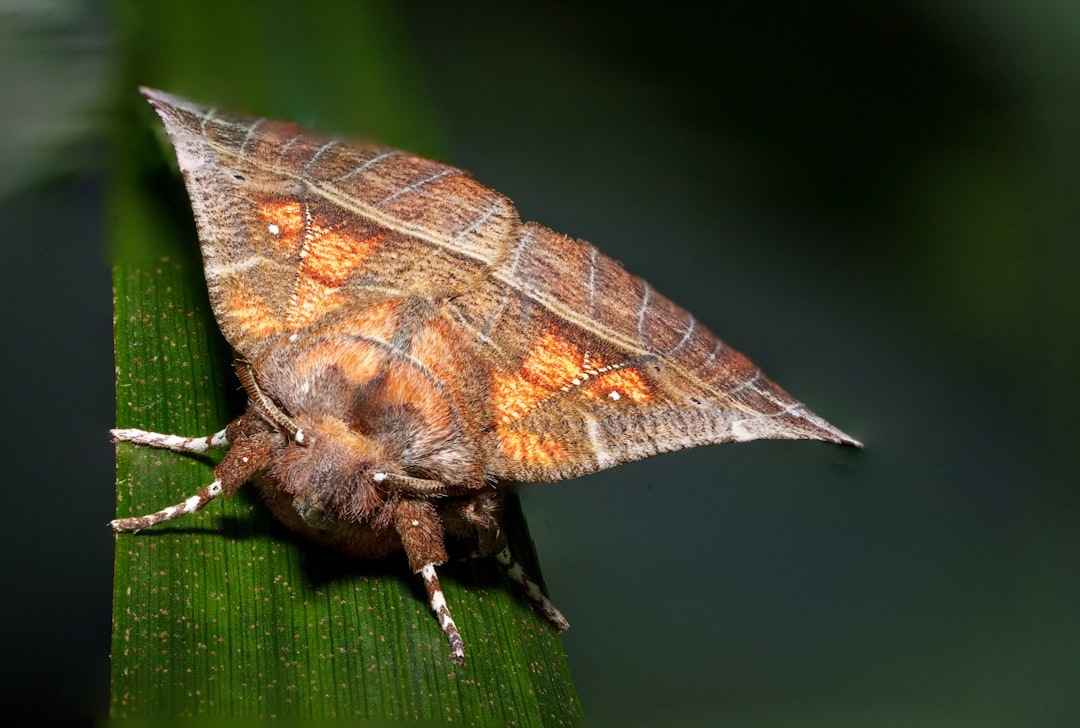
A Taxonomic Feat Decades in the Making (Image Credits: Unsplash)
Hawaiʻi – Entomologists at the University of Hawaiʻi at Mānoa recently unveiled 10 new species and seven new genera of leaf-roller moths, a find that illuminates the archipelago’s vast, underexplored biodiversity. These native insects, part of the Tortricidae family, demonstrate remarkable evolutionary adaptations shaped by isolation in the Pacific. The discoveries emphasize how even well-studied islands harbor secrets, with new genera representing a taxonomic rarity in modern science.[1][2]
A Taxonomic Feat Decades in the Making
Graduate student Kyhl Austin and Professor Daniel Rubinoff led the effort, sifting through century-old museum specimens and conducting fieldwork in remote habitats. Their analysis combined anatomical dissections, genetic sequencing, and high-resolution automontage imaging to produce detailed, three-dimensional-like views of the moths. This approach not only confirmed the new taxa but also reorganized previously misclassified species.[1]
The paper appeared in the journal Zootaxa, titled “The giant, the flightless, and the iridescent: seven new endemic genera of Hawaiian leaf-roller moths.” While new species descriptions occur routinely in Hawaiʻi, identifying seven genera simultaneously stands out as exceptional. Entomologist Daniel Rubinoff noted that such events underscore “how poorly known Hawaii’s fauna still is.”[2]
Revealing Frequent Long-Distance Voyages
Leaf-roller moths emerged as prolific colonizers, with evidence pointing to up to 20 independent arrivals across millions of years. Austin described Hawaiʻi as a “world-renowned laboratory for evolution,” where these tiny insects traversed thousands of miles of ocean more often than previously thought. This dispersal pattern sets them apart from other native Hawaiian animals.[1]
Genetic and morphological data revealed deep evolutionary divergences, justifying the new genera. Karl Magnacca, an entomologist not involved in the study, called it “a really important contribution,” as many native insect groups have gone unexamined for about 100 years.[2]
Standout Species Honoring Island Heritage
Several moths captured attention for unique traits and culturally resonant names. The genus Iliahia includes six new species tied to the endangered ʻiliahi, or sandalwood tree. One, Iliahia pahulu, clings to survival in a grove of roughly 30 trees on Lānaʻi, earning critically endangered status.
- Paalua leleole: Females exhibit a rare flightless form, limiting mobility.
- Iliahia lilinoe: Honors the goddess of mists on Haleakalā volcano.
- An unnamed species from Hawaiʻi Island: Potentially the largest in its family worldwide.
- Others: Feature iridescent, brilliantly colored wings.
These names pay tribute to Hawaiian ecology and mythology, linking science to cultural roots.[3]
Conservation Urgency Amid Losses
Habitat destruction, host plant declines, and invasive species threaten many of these moths. Some, known only from old collections, qualify as presumed extinct after over a century without sightings. Rubinoff called the work a “testament to what was here and what we’ve lost,” as researchers name species on the verge of vanishing.[1]
The historical Sandalwood Wars exacerbated declines, as overharvesting for export decimated ʻiliahi populations. Restoration of native forests and invasive removal now emerge as critical steps. The detailed imaging aids field identification, equipping conservationists with practical tools.[2]
Key Takeaways
- Seven new genera highlight unprecedented colonization history for Hawaiian insects.
- Many species face extinction from habitat loss and host plant scarcity.
- Advanced methods like automontage imaging support ongoing conservation efforts.
These moths remind us of Hawaiʻi’s fragile evolutionary legacy, where discovery races against disappearance. Protecting them demands swift action on habitats and invasives. What steps should prioritize native insect recovery? Share your thoughts in the comments.

- Urban Coyotes Show Remarkable Adaptability, Learning to Thrive in City Environments - July 22, 2026
- Beavers Are Nature’s Engineers, Creating Vital Habitats for Other Wildlife Species - July 21, 2026
- The Recovery of the California Condor Offers Hope for Other Critically Endangered Birds - July 21, 2026