

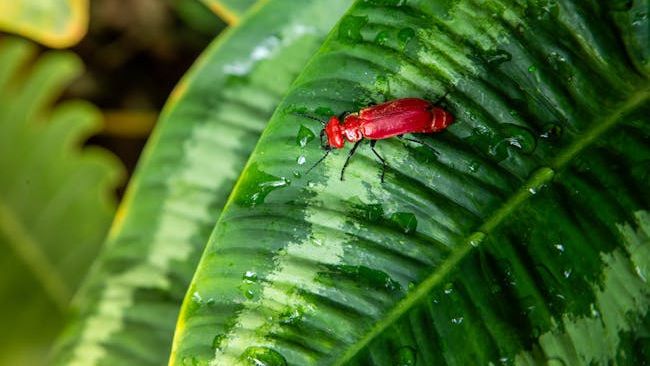
There’s something quietly alarming happening in the world’s rainforests and tropical zones right now. The creatures that form the backbone of these ecosystems, the insects, are being squeezed in ways most of us never think about. Not crushed by deforestation alone, not just poisoned by pesticides, but cooked. Slowly, relentlessly, by rising temperatures that are creeping ever closer to the biological limits these animals can actually survive.
What researchers are uncovering changes the way we understand climate vulnerability entirely. It turns out proximity to the equator doesn’t make you resilient. It might actually make you more fragile. Let’s dive in.
The Tropics Are Not the Safe Haven We Assumed
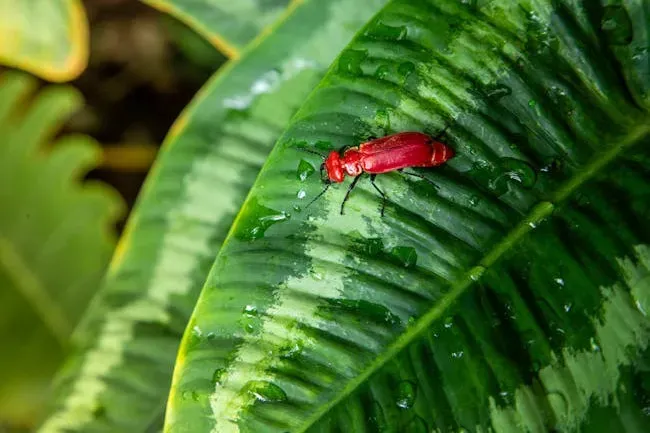
For decades, scientists assumed tropical species were somewhat insulated from climate change. The logic seemed reasonable enough: tropical regions are warm year-round, so the animals there must be adapted to heat, right? Honestly, that assumption is turning out to be dangerously wrong.
New research published in April 2026 is flipping that narrative on its head. Tropical insects already live extremely close to their upper thermal tolerance limits, meaning even modest temperature increases could push them past the point of no return. It’s a bit like someone who’s been running at ninety percent capacity their whole life suddenly being asked to sprint. There’s very little buffer left.
What the Research Actually Found
The study examined how insects across different climate zones respond to rising temperatures, comparing tropical species to their temperate counterparts found in places like North America and Europe. The findings were striking. Temperate insects tend to have a much wider gap between the temperatures they currently experience and the temperatures that would kill them.
Tropical insects, on the other hand, operate in a much narrower thermal window. The gap between their average daily temperature exposure and their critical thermal maximum is surprisingly thin. Think of it like a pot of water that’s already simmering at ninety-five degrees Celsius versus one sitting at sixty. It takes a lot less additional heat to bring the first one to a full boil.
Why Tropical Species Are Already Near Their Limits
Here’s the thing that makes tropical insects especially vulnerable: they evolved in a relatively stable thermal environment. Because tropical climates don’t swing between extreme cold and extreme heat across seasons the way temperate climates do, tropical insects never needed to develop broad heat tolerance. They’re specialists in a narrow comfort zone.
This evolutionary history becomes a liability as global temperatures rise. These insects haven’t built in biological “slack” to handle unusual warmth. Temperate insects, by contrast, regularly experience temperature swings and have evolved more flexible physiological responses. It’s almost counterintuitive, but the species living in perpetually warm regions may be far less prepared for more warmth than species already used to dealing with dramatic temperature variation throughout the year.
The Cascading Consequences for Entire Ecosystems
Insects in tropical regions aren’t just passengers in the ecosystem. They’re the engine. Pollination, decomposition, nutrient cycling, serving as the food base for birds, reptiles, and amphibians. Remove or significantly reduce insect populations and entire food webs start to collapse in ways that are incredibly difficult to reverse.
Tropical forests like the Amazon and the Congo Basin depend on insects in ways that are still being fully mapped by scientists. If warming accelerates and thermal limits are crossed, the downstream effects on plant reproduction alone could be catastrophic. It’s hard to say for sure exactly how quickly these cascades would occur, but the research suggests we shouldn’t be waiting around to find out. The dependencies run deep.
Geographic Hotspots Facing the Greatest Risk
Not all tropical regions face identical levels of risk, and this is where the research gets particularly detailed. Areas in Southeast Asia, Central Africa, and the Amazon basin appear to contain insect communities sitting closest to their thermal limits. These are regions where even a one or two degree Celsius rise in average temperature could tip local populations into serious decline.
The researchers identified these zones by mapping the difference between current environmental temperatures and the critical thermal maximum of insect species found there. Where that gap is smallest, the danger is greatest. Some areas in lowland tropical forests showed margins so slim that they registered as genuinely alarming to the scientists conducting the analysis. This isn’t a distant future problem. The gap is narrowing now.
What This Means for Climate Science Going Forward
This research is significant not just for entomology but for how we model climate risk across the board. For years, climate vulnerability assessments tended to focus most heavily on Arctic and sub-Arctic species, polar bears being the obvious poster creature. The new evidence suggests that framework needs urgent revision.
Tropical biodiversity hotspots may actually deserve equal if not greater concern when it comes to thermal stress and population collapse. Climate models that underweight tropical insect vulnerability could be dramatically underestimating the biological risks of warming even under moderate emissions scenarios. It’s a recalibration that climate science, policy, and conservation planning all need to absorb quickly. The implications stretch far beyond insects.
The Bigger Picture and What Needs to Happen Next
I think what makes this research genuinely unsettling is how it reframes urgency. We often talk about climate change in terms of extreme weather events, sea level rise, or melting glaciers. Those are visible, dramatic, photogenic. The slow thermal squeeze on tropical insects is none of those things. It’s quiet, it’s invisible to the naked eye, and it could have consequences that dwarf what we see on the surface.
Conservation efforts, emissions reduction targets, and international climate agreements now need to explicitly account for the thermal vulnerability of tropical insect communities. Protecting habitat alone won’t be enough if the temperatures within that habitat are rising toward lethal thresholds. The science is pointing clearly toward a conclusion that is difficult but impossible to ignore: the most biodiverse places on Earth may also be the most thermally fragile.
Conclusion
Tropical insects surviving on the edge of their thermal tolerance is one of those findings that fundamentally changes how we should think about which species and ecosystems are most at risk. The comfortable assumption that tropical life is heat-adapted and resilient has been seriously challenged by this April 2026 research, and the implications cut across ecology, climate modeling, and conservation strategy alike.
The next time someone talks about climate change primarily as a problem for ice caps and polar regions, remember this: the forests closest to the equator may be harboring some of the most thermally vulnerable life on the planet. It’s not the obvious picture, which is exactly why it matters so much. What do you think about that? We’d love to hear your thoughts in the comments below.

- Urban Coyotes Show Remarkable Adaptability, Learning to Thrive in City Environments - July 22, 2026
- Beavers Are Nature’s Engineers, Creating Vital Habitats for Other Wildlife Species - July 21, 2026
- The Recovery of the California Condor Offers Hope for Other Critically Endangered Birds - July 21, 2026