

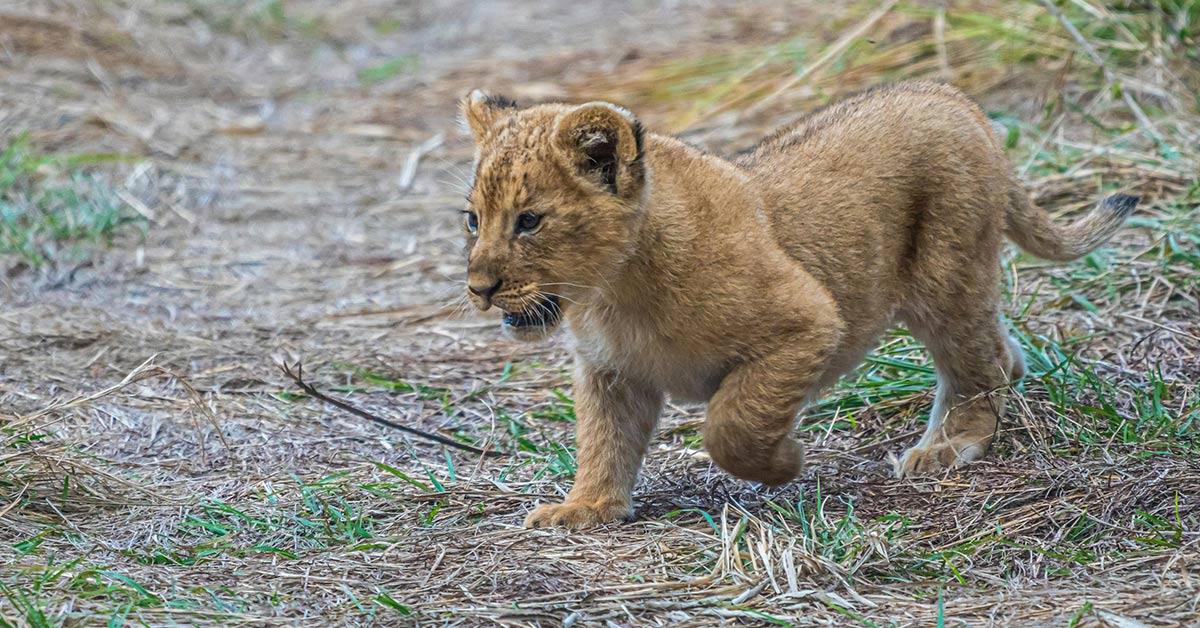
A Shocking Separation at a Roadside Zoo (Image Credits: Facebook)
Minnesota – A young African lion cub named Kiros has achieved a rare and heartwarming reunion with his parents at The Wildcat Sanctuary. Stolen from a roadside zoo and thrust into the shadowy world of illegal pet trading, Kiros endured months of uncertainty before authorities intervened. His story underscores the perils faced by big cats in exploitative captivity and the vital work of dedicated rescue organizations.
A Shocking Separation at a Roadside Zoo
The saga began at a dilapidated roadside zoo in Quebec, where nine lions, including Kiros’s parents, Kim and Carl, languished in substandard conditions. Kiros, their first cub, was born into this grim environment but vanished when thieves stole him and sold him into the illegal pet trade. Roadside facilities like this one often prioritize profits over animal welfare, leading to cramped enclosures, poor nutrition, and constant stress.
Rescuers from The Wildcat Sanctuary acted swiftly in 2023, relocating Kim, Carl, and the other seven lions to their spacious Minnesota habitat. Yet Kiros remained missing, passed between traders without documentation. His parents settled into sanctuary life, unaware their offspring roamed far from safety.
Seizure from the Pet Trade Underworld
Authorities eventually seized Kiros from the illicit network that treats wild animals as disposable commodities. Placed temporarily at an accredited zoo, the cub received essential care during ongoing legal battles tied to the Quebec facility. Sanctuary staff pored over records and photographs, confirming his identity as Kim and Carl’s lost son.
The name Kiros, meaning “lord,” suited the resilient cub perfectly. Transporting him over 2,000 miles required international permits and meticulous planning. Upon arrival in Minnesota, he displayed a healthy appetite and confident demeanor, signs of his innate strength despite the trauma.
Careful Steps Toward Family Reunion
At the sanctuary, staff introduced Kiros gradually to minimize risks inherent in big cat social dynamics. He now inhabits a natural enclosure where he can hear, smell, and see his family, including half-sister Mango. Early observations revealed positive interactions; Kiros and Mango regarded each other calmly across divides, without signs of aggression.
Direct contact awaits veterinary clearance and behavioral assessments. The process prioritizes the animals’ well-being, allowing time for decompression from the pet trade’s chaos. Proper nutrition and routine now replace the instability of frequent relocations and rough handling.
Spotlighting the Cruelty of Exploitation
The illegal pet trade fuels a cycle of suffering, with cubs like Kiros commodified for profit. Roadside zoos exacerbate the problem, breeding animals in unnatural settings and discarding them when unprofitable. Tammy Thies, founder and executive director of The Wildcat Sanctuary, highlighted this reality: his story underscores the cruelty of roadside zoos and the illegal pet trade.
Cooperation among sanctuaries, authorities, and advocates proved crucial here. Kiros’s case demonstrates how persistent efforts can restore fractured families and provide lifelong protection.
- Big cats endure psychological distress from isolation and poor husbandry.
- Illegal networks evade oversight, complicating rescues.
- Accredited sanctuaries offer species-appropriate habitats spanning acres.
- Public awareness reduces demand for exotic pets.
- Legal actions against bad actors deter future abuses.
A Second Chance and a Call to Action
Kiros’s reunion offers hope amid widespread wildlife exploitation. Protected in Minnesota’s wildcat haven, he embodies resilience and the power of compassionate intervention. His future holds potential bonds with kin, all under expert supervision.
Key Takeaways:
- Family recognition persists even after prolonged separation in lions.
- Sanctuaries bridge gaps left by law enforcement in animal rescues.
- Supporting ethical organizations combats the pet trade effectively.
This triumph reminds us that every rescued life matters. What do you think about efforts to end the illegal pet trade? Share your thoughts in the comments.

- Urban Coyotes Show Remarkable Adaptability, Learning to Thrive in City Environments - July 22, 2026
- Beavers Are Nature’s Engineers, Creating Vital Habitats for Other Wildlife Species - July 21, 2026
- The Recovery of the California Condor Offers Hope for Other Critically Endangered Birds - July 21, 2026