

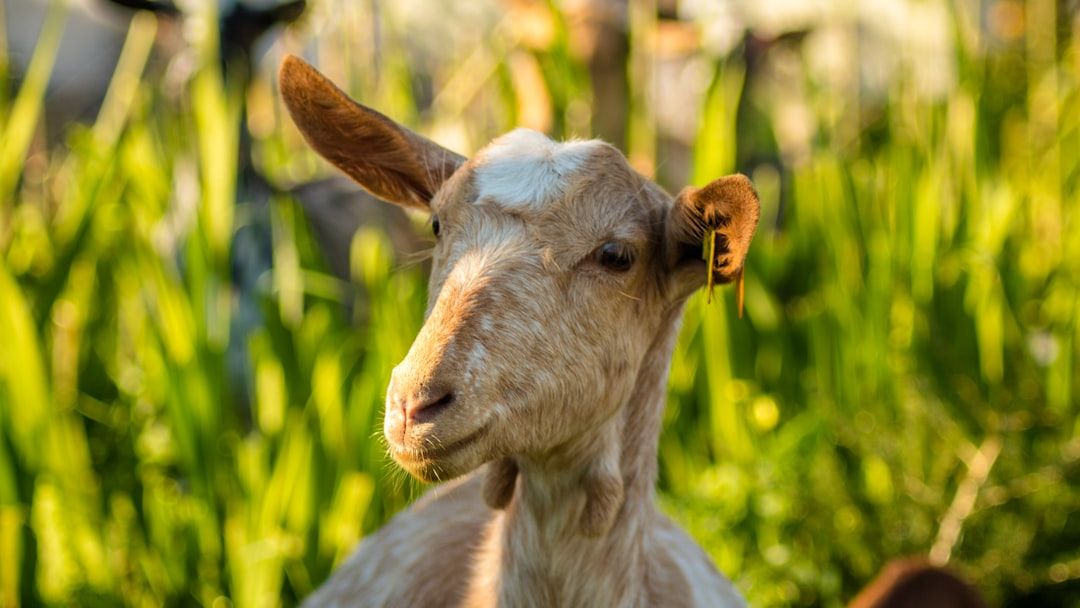
Meadow the goat spent months in solitude after her dramatic rescue from a Texas roadside, where she was found starving and battling a contagious illness. Sanctuary workers knew separation was essential for her survival, yet her lonely bleats tugged at everyone’s heartstrings. Here’s the thing: goats crave connection like few other animals, and Meadow’s story proves just how transformative the right friendships can be. What happened next has animal lovers everywhere cheering.
Meadow’s Frail Beginnings and the Necessity of Quarantine
Austin Farm Sanctuary in Texas spotted Meadow alone on the roadside, severely malnourished and weakened by Caseous Lymphadenitis, or CL, a bacterial disease that spreads easily among goats. Staff rushed her into quarantine to protect the herd and let her rebuild strength through careful feeding and vet care. Isolation hit hard, though; she paced endlessly and called out for companions, revealing the deep social nature wired into these creatures. Rescuers watched her progress daily, determined to end her loneliness once she stabilized. This standard protocol saved her life but highlighted the emotional cost of rescue work.
Matching Personalities: The Search for Meadow’s Ideal Friends
Caretakers refused to let Meadow suffer alone forever, scouring for goats with matching quirks and backgrounds. They pinpointed four others, all rescues dealing with similar health challenges like CL, ensuring no risk to the broader sanctuary population. Introductions happened gradually under close supervision to dodge any clashes, a smart move given goats’ herd hierarchies. Almost immediately, playful head-butts and shared explorations bonded the group. Let’s be real, this wasn’t luck – it was deliberate matchmaking that turned strangers into family.
A Unified Herd: Joyful Days in the Pasture
Today, Meadow and her four pals form an inseparable quintet, romping through fields and huddling together at night. Stress signs like pacing vanished, replaced by synchronized grazing and relaxed cud-chewing. Their appetites soared, coats gleamed healthier, and even weight gains followed across the board. Visitors flock to watch their antics, which boost morale for volunteers too. This tight-knit dynamic underscores how social bonds accelerate physical recovery in rescues.
Goat Psychology and Sanctuary Strategies Revealed
Experts at places like Austin Farm Sanctuary stress that isolation triggers depression-like symptoms in goats, spiking stress hormones like cortisol. Meadow’s turnaround aligns perfectly with research favoring personality-matched groups over solo living. One staffer put it bluntly: connection acts like medicine for these animals. Facilities nationwide now eye “friendship fostering” inspired by such successes, shifting from mere survival to thriving. Her case challenges old views of goats as low-maintenance livestock.
Ripple Effects on Farm Animal Welfare
Meadow’s saga spotlights surging rescue intakes, up sharply from hobby farm busts and farm pressures. Sanctuaries fill vital gaps, boasting higher success when social needs top the list. Public buzz from stories like hers fuels donations and pushes for welfare reforms. Communities pitch in with supplies and events, amplifying the impact. Policymakers eye grants to expand these havens, proving one goat’s joy can spark real change.
Final Thought
Meadow’s leap from solitude to herd bliss reminds us that companionship heals deepest wounds, even for farm animals. Sanctuaries like Austin Farm prove thoughtful care pays off big. What animal friendship story has moved you most? Share in the comments.
Source: Original YouTube Video

- Beavers Are Nature’s Engineers, Creating Vital Habitats for Other Wildlife Species - July 21, 2026
- The Recovery of the California Condor Offers Hope for Other Critically Endangered Birds - July 21, 2026
- Bats Play a Crucial Role in Controlling Insect Populations Across the United States - July 21, 2026