

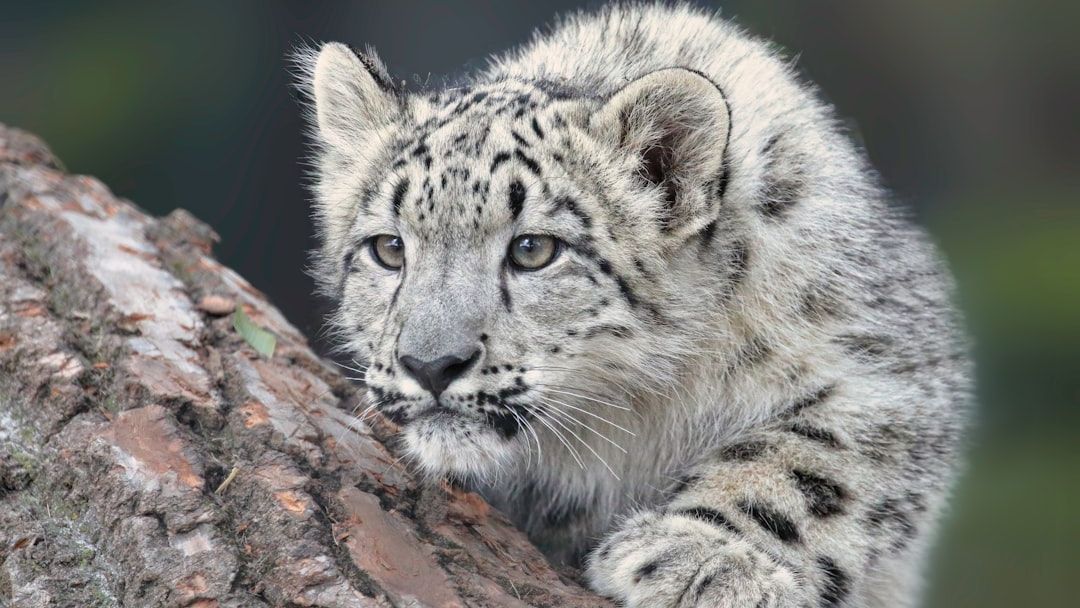
The Himalayas are one of the most brutal and beautiful places on Earth. Razor-thin oxygen, temperatures that would stop most animals dead, and terrain so unforgiving it barely supports life at all. Yet somehow, three of Asia’s most formidable predators, the snow leopard, the wolf, and the Himalayan brown bear, manage to share this frozen world without constantly fighting over the same meals.
That might sound impossible. Predator competition is one of nature’s most ruthless games, and resources at altitude are scarce. So how does it actually work? The answer involves some surprisingly elegant ecological strategy, and honestly, it’s more fascinating than most people would ever expect. Let’s dive in.
The Surprising Discovery That Started It All
Researchers studying predator behavior in the high-altitude regions of the Himalayas have uncovered something genuinely striking. These three apex predators, animals that would seemingly clash over every available prey item, have developed a remarkably organized system of coexistence. The study, published in April 2026, sheds light on a concept ecologists call “prey partitioning,” and it turns out that nature is far more orderly than we give it credit for.
Here’s the thing: scientists already suspected some level of resource sharing among large carnivores in overlapping territories. What they didn’t expect was how cleanly and consistently the division appears to hold, even in an environment as extreme as the Himalayan highlands. It’s a bit like discovering that three rival chefs somehow agreed, without ever meeting, to never cook the same dish.
Prey Partitioning: Nature’s Version of Dividing the Menu
Prey partitioning is essentially what it sounds like. Different predators, occupying the same landscape, gravitate toward different prey species, different sizes of prey, or even different parts of the terrain when hunting. Think of it less like chaos and more like an unspoken contract between species that have had thousands of years to figure out how not to waste energy fighting each other.
In the Himalayas, this plays out across species like blue sheep, known locally as bharal, Himalayan marmots, livestock, and various ungulates scattered across different elevation zones. The predators aren’t sharing a communal buffet. They’re each claiming their own table, so to speak, and the ecology of the mountains makes that surprisingly achievable.
Snow Leopards: The Silent Specialists of the High Ridges
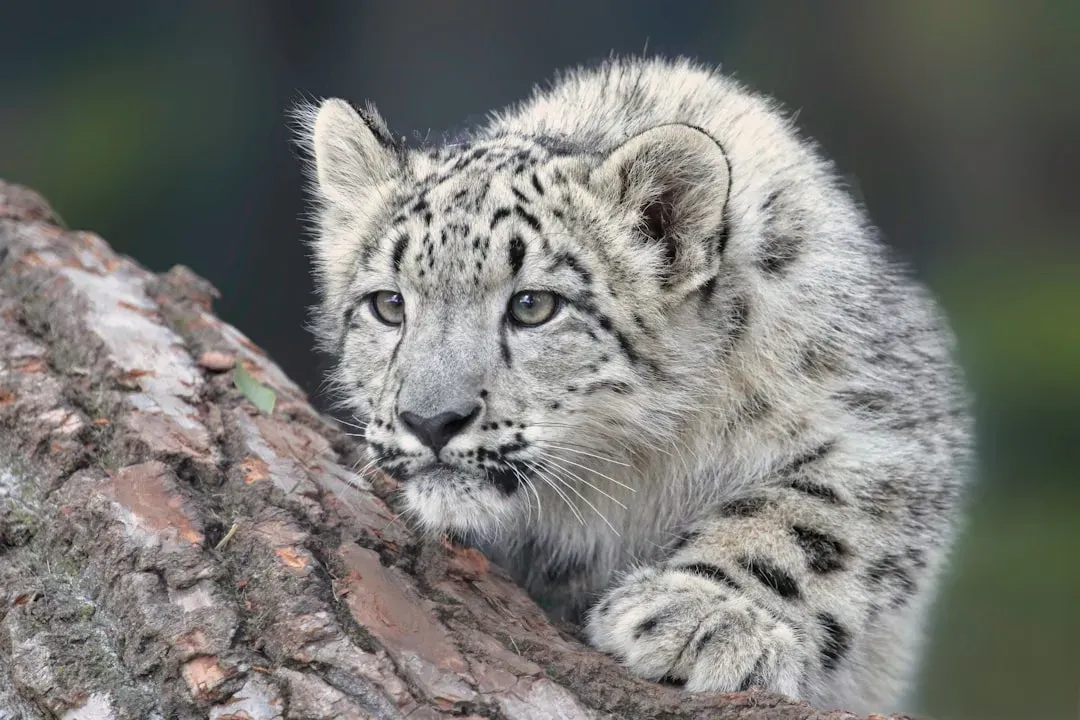
Snow leopards are built for one environment and one environment only. These cats operate at elevations that would leave most mammals gasping, and they are highly specialized hunters of blue sheep and ibex. Their prey tends to be agile, mountain-adapted ungulates that other predators either can’t catch at altitude or simply don’t pursue as a primary strategy.
What makes snow leopards particularly interesting is their ambush style. They rely on rocky terrain, patience, and absolute stealth. This makes them effective in a niche that wolves, with their pack-based pursuit hunting style, are not well-suited for. Honestly, you could argue the snow leopard has claimed the most exclusive dining spot in the entire mountain range, and no one else is really equipped to take it from them.
Wolves: Pack Power and a Broader Palate
Himalayan wolves are a different story altogether. Recent genetic research has increasingly recognized the Himalayan wolf as a distinct lineage, possibly one of the most ancient wolf populations on the planet. They hunt cooperatively, which gives them access to larger prey or prey in open terrain, and they tend to operate across a wider range of elevations.
Their diet shows more flexibility. Wolves in these regions will take livestock opportunistically, and they pursue prey across open valleys and plateaus where coordination and endurance matter more than stealth. This behavioral and dietary breadth means they rarely need to compete directly with snow leopards, who stick to the cliffs and rocky outcrops higher up. It’s a clean division, and it works precisely because each predator is playing to its own strengths.
Brown Bears: The Omnivore Wild Card
The Himalayan brown bear complicates things in the best possible way. Unlike the strict carnivores sharing their range, brown bears are opportunistic omnivores. They eat marmots, insects, roots, berries, carrion, and occasionally larger prey. This dietary flexibility means they don’t rely on the same prey base as snow leopards or wolves, which dramatically reduces direct competition.
Brown bears also follow seasonal patterns that shift their diet depending on what’s available. During warmer months, plant material and smaller prey dominate. As seasons change, so do their foraging strategies. In a strange way, their unpredictability is exactly what makes them compatible cohabitants with two dedicated carnivores. They simply aren’t playing the same game.
What Elevation and Terrain Have to Do With Everything
It’s easy to underestimate how much the physical landscape itself enforces these divisions. The Himalayas aren’t a flat grassland where predators have to actively avoid each other. The terrain is vertically stratified, and prey species are distributed across those vertical zones in ways that naturally push different hunters to different areas.
Snow leopards dominate the high rocky zones above roughly 3,500 meters. Wolves range across the broader plateau landscapes and lower alpine meadows. Bears tend to use habitat edges, forested fringes, and areas near human settlements. The mountain itself acts almost like a natural zoning law, separating predator territories in three dimensions rather than two. That’s a level of ecological architecture that’s genuinely hard to fully appreciate until you look at a map of where each species actually moves.
Why This Matters Far Beyond the Himalayas
Understanding how multiple apex predators coexist without collapsing into constant conflict has enormous implications for conservation biology worldwide. In many ecosystems, large predators have been reduced to the point where we’ve lost sight of how they naturally interact. The Himalayas offer a rare living laboratory where these dynamics are still intact.
For wildlife managers working to restore predator populations in places like Europe, North America, or Central Asia, evidence from functioning multi-predator systems is invaluable. It suggests that with enough space, habitat diversity, and prey availability, predators don’t necessarily wipe each other out. They find an equilibrium. I think that’s one of the most quietly hopeful findings in recent ecological research, and it deserves far more attention than it tends to get in mainstream conversation. The Himalayas, it turns out, aren’t just a backdrop for extreme adventure. They’re one of nature’s most sophisticated experiments in coexistence, still running after thousands of years. What would our managed landscapes look like if we actually let predators find their own balance?

- Beavers Are Nature’s Engineers, Creating Vital Habitats for Other Wildlife Species - July 21, 2026
- The Recovery of the California Condor Offers Hope for Other Critically Endangered Birds - July 21, 2026
- Bats Play a Crucial Role in Controlling Insect Populations Across the United States - July 21, 2026