
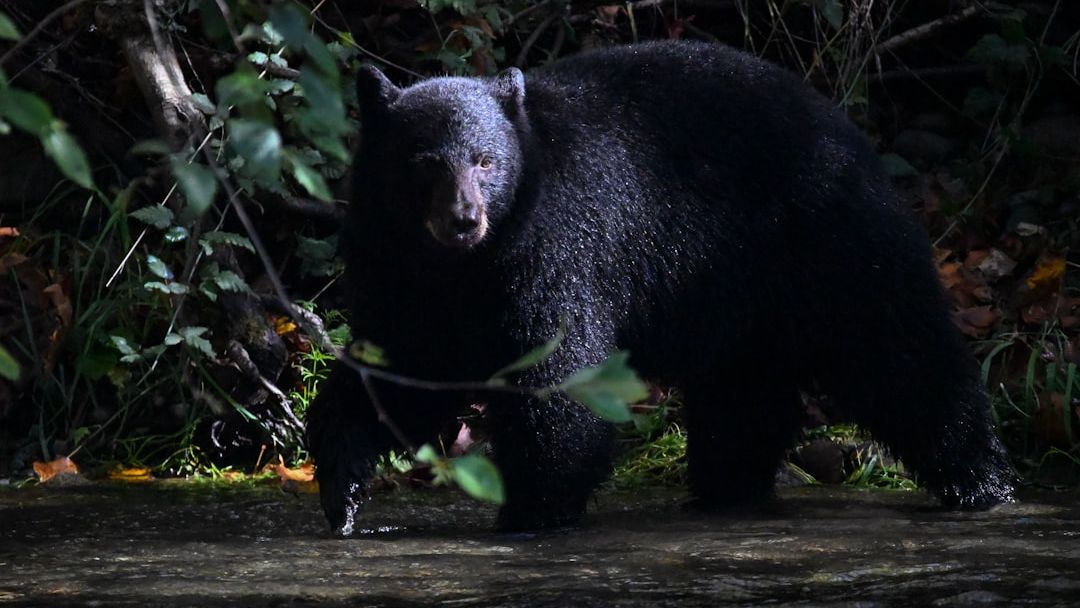
Every summer, millions of people lace up their boots, shoulder their packs, and head into some of the most breathtaking wilderness on the planet. Mountains, forests, river valleys – places where the air is sharp and the trails wind through terrain that feels wonderfully untamed. The thing is, that untamed terrain is home to some very large, very powerful animals that were there long before the first hiking boot touched the ground.
Bears are majestic. They’re also real, and sharing their habitat demands more than good intentions. You don’t need to be terrified – honestly, the fear is often far bigger than the actual risk. What you do need is solid knowledge before you hit the trail. Let’s dive in.
Understanding Bears Before You Meet One

Here’s the thing most people get wrong about bears: they imagine a creature lurking behind trees, sizing up every hiker as a potential meal. Reality is far less dramatic. Most of the time, bears will run away from you, and it’s easy to hike and camp in bear country safely. Think of it less like walking into a predator’s territory and more like being a noisy, unusual visitor that the resident animal would honestly prefer to avoid.
Negative encounters are often a result of human carelessness rather than an aggressive act by the animal. This is especially true with bears. Most bear attacks are caused by surprising a bear and usually can be prevented. That changes the whole dynamic, doesn’t it? It means most of the power to prevent a bad encounter sits firmly in your hands.
Understanding bear behavior helps in predicting and managing encounters. Bears exhibit various behaviors, such as bluff charging or vocalizations, which indicate their feelings. Knowledge of these actions can help hikers react appropriately. Think of a bluff charge a bit like a dog barking at the fence. Terrifying in the moment, but usually not an attack.
Make Noise and Let Bears Know You’re Coming
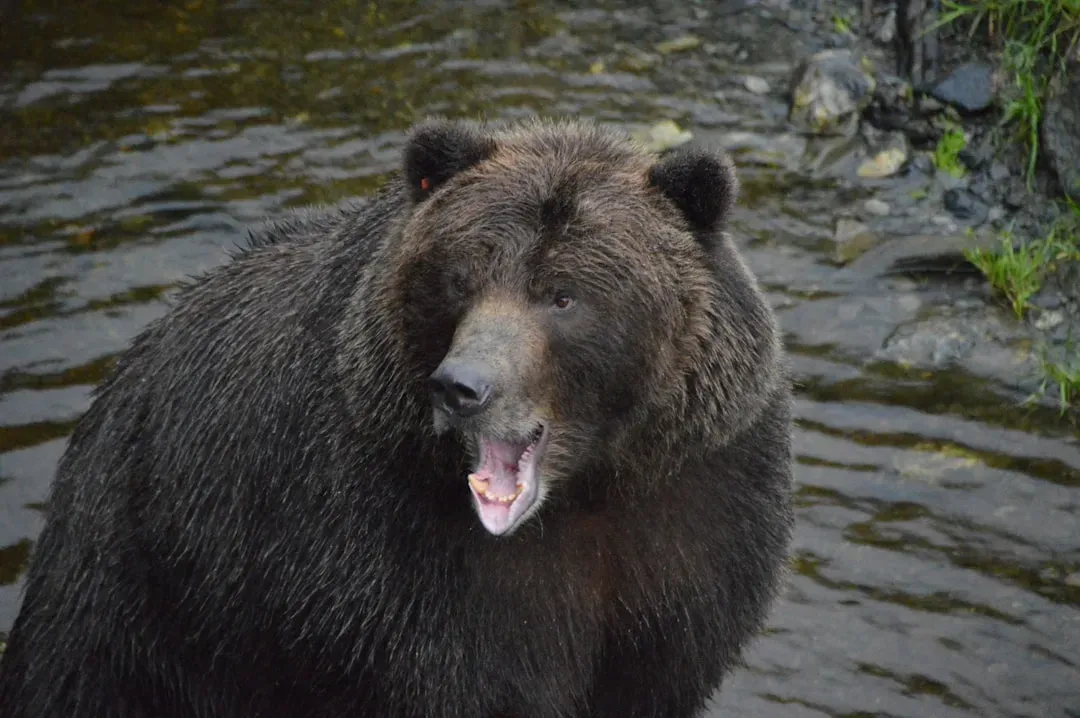
This is genuinely one of the simplest, most effective strategies available to any hiker in bear country. Surprise is the enemy. Keep in mind that you, not bear bells, are the most effective noisemaker in bear country. Talking or singing loudly can help prevent surprise encounters. So yes, strike up a conversation with your hiking partner. Belt out a song. Call out “hey bear” when you round a blind corner.
You might have seen people clipping small bells to their packs and feeling covered. I hate to break it, but that probably isn’t enough. Bear bells are cheap and may seem like an easy bear deterrent option, but they don’t actually make enough noise to alert wildlife that you are there. Your voice carries infinitely further and sounds unmistakably human, which is precisely what a bear needs to hear before deciding to step off trail.
Avoid hiking at dusk or dawn when bears are most active. Hike in groups and make noise, especially when going around blind corners. Those golden-hour mountain light shots look beautiful on social media, but dawn and dusk are genuinely the riskiest windows for an unexpected encounter.
Always Carry Bear Spray – And Know How to Use It
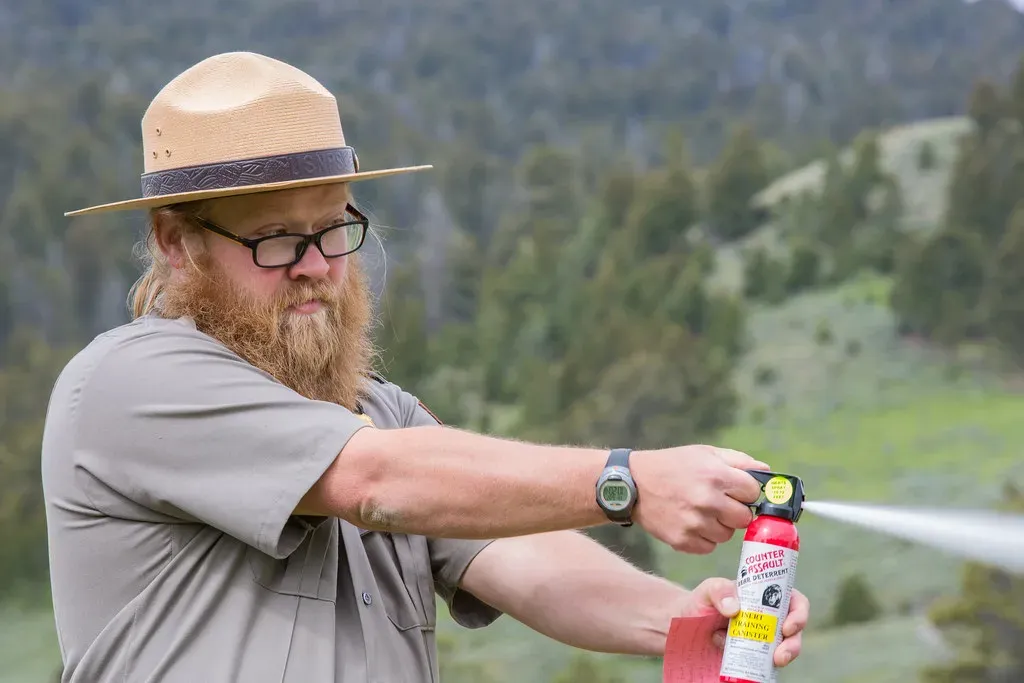
Let’s be real: bear spray is the single most important piece of safety gear you can carry into bear country. Full stop. Research shows that using bear spray protected people from serious injury or death more than 90% of the time. Those are extraordinary odds when you think about it.
A 2008 review of bear attacks in Alaska from 1985 to 2006 found that bear spray stopped a bear’s undesirable behavior in 92% of cases. Further, 98% of persons using bear spray in close-range encounters escaped uninjured. Compare that to firearms, where using a firearm during a bear attack may only worsen the attack, and an injured bear will be more aggressive, especially during a fight.
Carrying the spray matters very little if it’s buried at the bottom of your pack. Always carry bear spray and have it readily available in bear country. Carry the bear spray in a belt holster, backpack strap, cargo pocket, or hip belt. Bear spray should never be at the bottom of your pack, as you need to be able to access it quickly in an emergency. Practice drawing it before you go. Muscle memory matters when you have seconds to react.
Hike in Groups and Stay on Established Trails
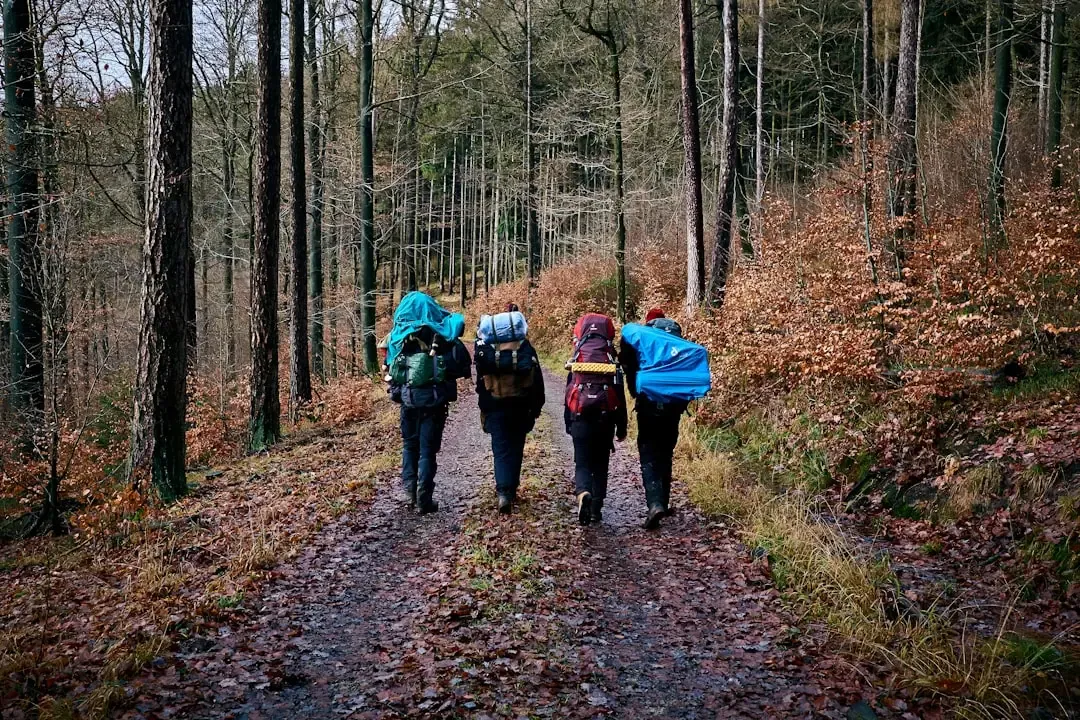
There is genuine safety in numbers when it comes to bear country, and it’s not just a comforting thought. Bears are less likely to approach larger groups of people. A party of four or five people moving through a trail makes more noise, appears more formidable, and is simply less likely to be investigated by a cautious bear.
Bears are most active at dawn, dusk, and at night, but can be encountered at any time. Groups of three or more people make more noise and appear more formidable. Solo hiking has its own magic, I know. But if you’re in known grizzly territory, this is one genuine reason to bring a friend or two.
Stay on established trails. Venturing off-trail into dense brush means you’re moving quietly through the kind of terrain where a bear might be resting or feeding, with very little warning on either side. The trail is your friend. Respect it.
Store Food and Scented Items Properly
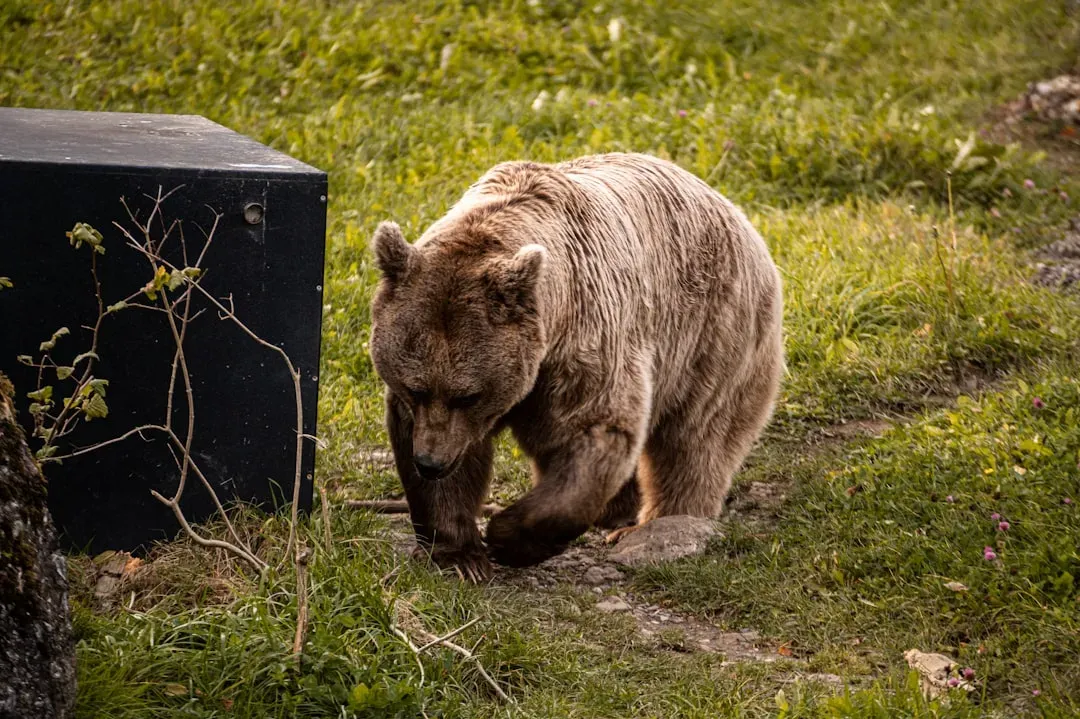
A bear’s sense of smell is extraordinary. We’re talking about an animal that can detect an odor from several miles away under the right conditions. That should fundamentally change how you think about what you bring into bear country. Bears have a strong sense of smell and are inveterate scavengers. The BearWise program advises campers to store food, trash, and other items in the car or in bear-proof containers.
Some rangers even suggest you pack away anything scented and edible, including toothpaste and lip balm. That sounds extreme until you understand the scale of a bear’s olfactory ability. Your vanilla-scented lip balm smells like a snack bar from half a mile away. It’s not worth the risk.
Eat and prepare food at least 100 yards from camp. Use a bear-resistant container. Store all odorous items in the container when not in use, such as food and toiletries. And never sleep with your food. Not a maybe, not a sometimes. Never. It is both dangerous and prohibited across many wilderness areas.
Read the Signs – Learn What Bear Activity Looks Like
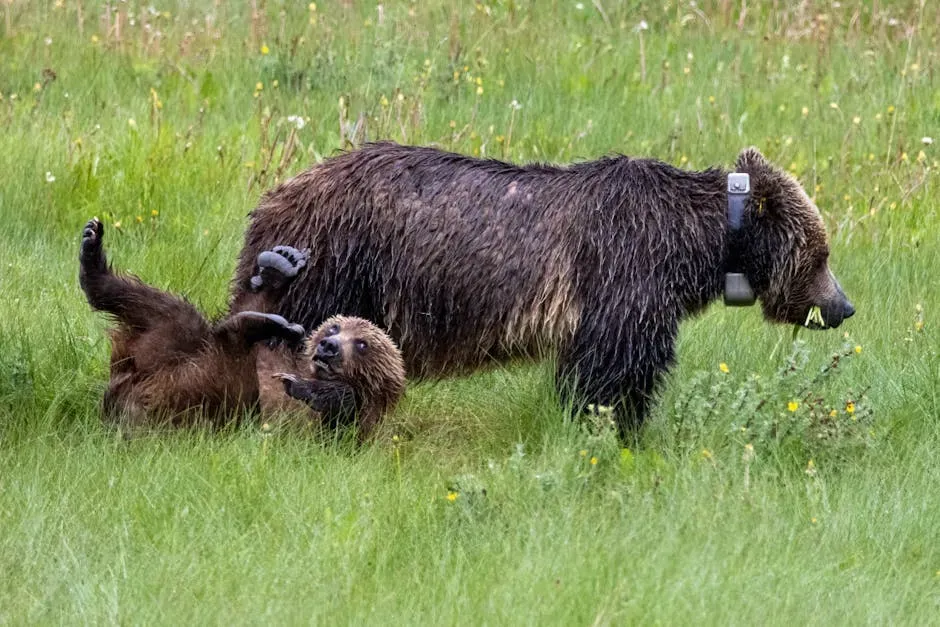
A big part of staying safe in bear country is developing what experienced hikers call “trail awareness.” It’s not paranoia. It’s paying honest attention to your environment. Awareness of bear signs is essential. Look for tracks, scat, or diggings, which indicate bear activity in the area. Fresh tracks or digging near a trail is the wilderness equivalent of a warning sign.
Watch for bear signs such as tracks, droppings, diggings, rocks rolled over, scratch marks on trees, and logs torn apart. Carry binoculars and scan ahead periodically. Think of binoculars not just as wildlife-watching tools but as early-warning devices. Spotting a bear at 300 meters is a very different experience from discovering one at 10 meters.
Contact the local wildlife agency or park headquarters for information about the area wildlife, hiking and camping procedures and precautions, as well as for any current bear activity areas. This takes five minutes before your hike and could be the most valuable five minutes you spend all day. Rangers know what is actually out there right now.
Know Exactly What to Do If You Encounter a Bear
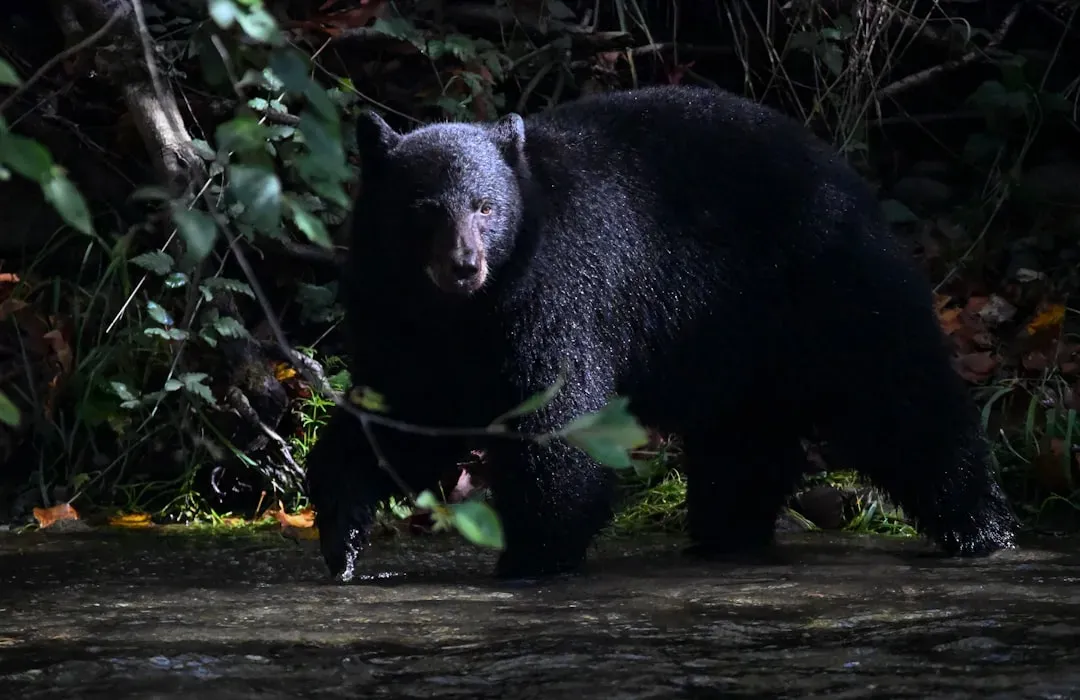
This is where preparation pays off, because the moment a bear appears on the trail is not the time to start figuring things out. Don’t run. Whether the bear sees you or not, try to stay calm and avoid sudden moves or screams. If possible, move sideways as you leave the area rather than turning your back to the animal.
If the bear approaches, stand your ground and slowly wave your arms. Start talking in an even, unthreatening tone, so that the animal recognizes you as human rather than prey. The National Park Service points out that a bear standing on its hind legs is usually just curious, not about to go on the attack. Many people panic at that moment. Don’t. That upright posture is almost always the bear trying to figure out what you are.
The response also differs depending on bear type, and this matters enormously. For a defensive grizzly attack, play dead. Wait until the bear is almost on top of you before dropping to the ground. Lie flat on your stomach with your hands linked behind your neck. Spread your legs and elbows to stop the bear from flipping you over. For a black bear attack, the advice flips completely: fight back using any available objects like rocks or sticks, and focus your blows on the bear’s face, eyes, and nose.
Keep Dogs Leashed and Respect Wildlife Distances
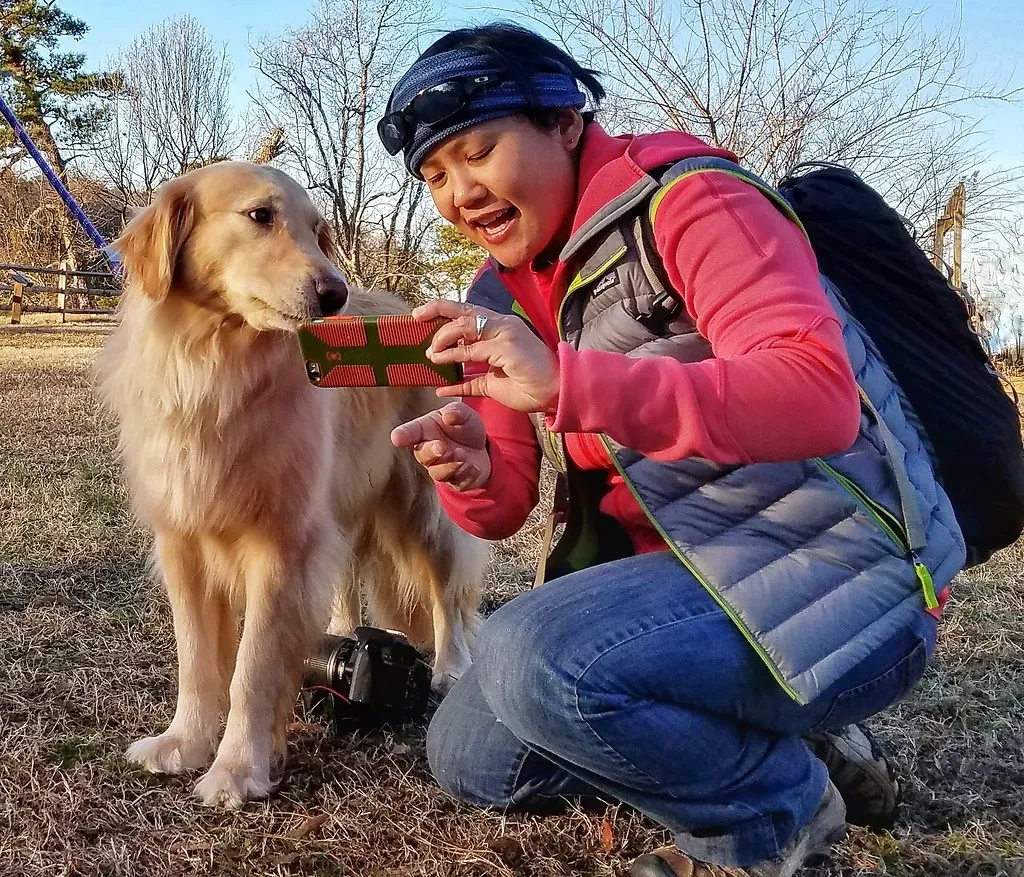
If you’re one of the many hikers who brings their dog into bear country, this tip is especially for you. Keep your dog on a leash. Dogs may startle bears and should never be allowed to chase wildlife. A dog off-leash can run toward a bear, panic, and then sprint directly back to you with an agitated bear in close pursuit. It happens more often than you’d think.
Visitors to national parks should keep a distance of at least 100 yards (91 meters) from bears and wolves. That’s roughly the length of a football field. It sounds like a lot until you realize how fast a bear covers that distance when startled. Don’t leave designated trails and don’t approach dangerous wildlife to snap photos. Their mom is likely nearby and you are making her mad.
Honestly, the temptation to get that close-up shot of a cub is one of the most reliably dangerous mistakes hikers make. Stay away from newborn or young animals, nests, and dens. Never sneak up on or surprise an animal, especially a bear. A mother bear defending her cubs is in a completely different behavioral state, and no photograph is worth that risk.
Conclusion: Respect the Wild, Enjoy Every Trail
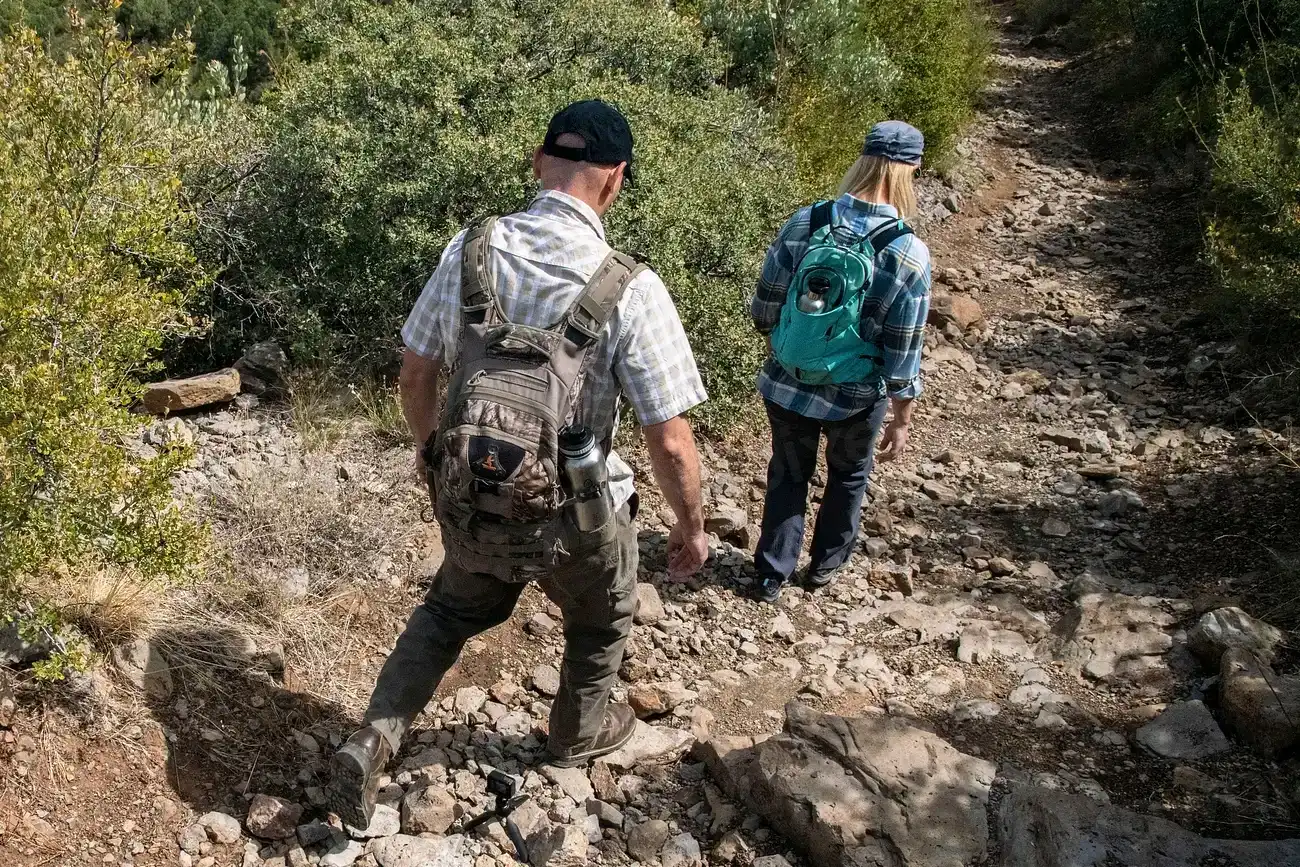
Bear country is not something to be feared into avoiding. It is something to be understood, respected, and navigated with preparation. There are just a small handful of bear attack deaths in the lower-48 over the last 20 years. Statistically you are 130 times more likely to be hit by lightning. The numbers are not the story of a mortal threat. They’re the story of an incredibly rare event that good preparation makes even rarer.
The tips above are not complicated. Make noise. Travel in groups. Store your food. Carry your spray where you can reach it. Know your bears. These habits become second nature fast, and once they do, hiking through bear country shifts from something anxiety-inducing into something genuinely extraordinary.
There is something deeply humbling about moving through a landscape where something much larger and more powerful than you also lives. That feeling of being a visitor in a wild place, rather than the owner of it, is exactly what makes wilderness worth protecting. Go out there, be smart about it, and enjoy every single step. What would you have guessed was the most important rule before reading this? Let us know in the comments.

- The Swift Hummingbird: How It Can Fly at Speeds of Up to 60 mph - August 8, 2026
- Which Dog Breed Would Choose You Based on Your Zodiac Sign - August 8, 2026
- 10 Signs You Are Your Dog’s Anchor - August 8, 2026