
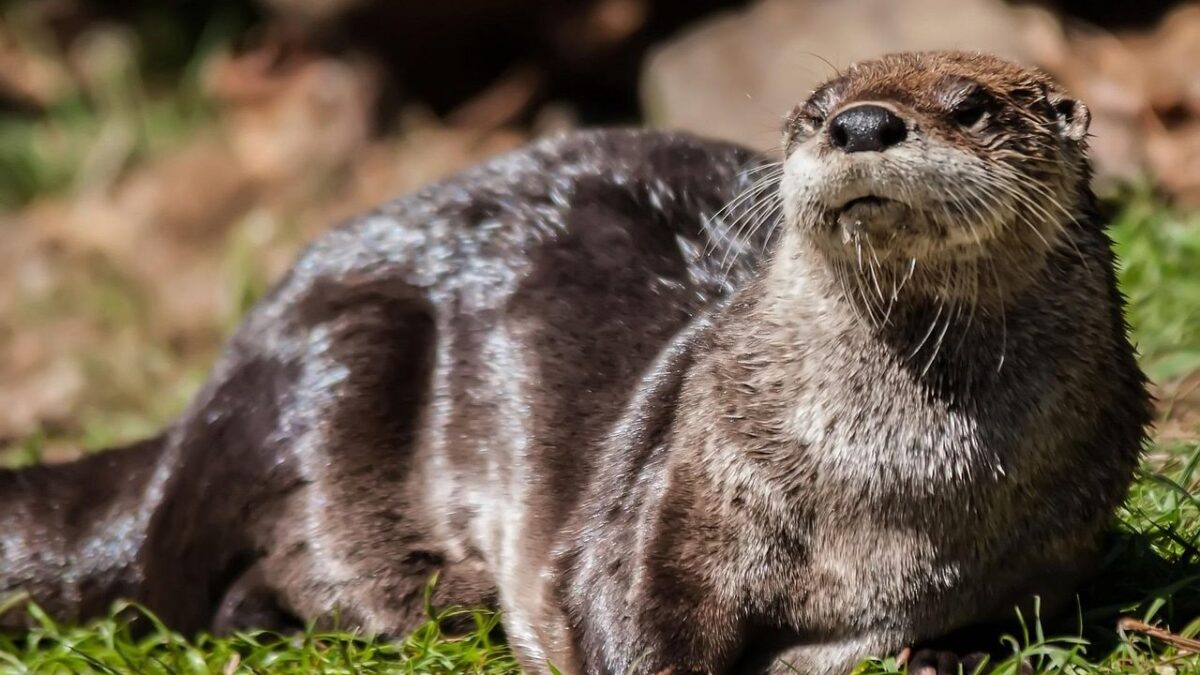
There’s something almost irresistibly joyful about watching a river otter in action. Whether it’s barrel-rolling through a current or tobogganing down a muddy bank on its belly, this animal seems to have cracked the code on having fun. But beyond the undeniable charm, the North American river otter is a remarkably complex and capable creature with a story far more layered than most people realize.
From extraordinary physical adaptations to surprising social dynamics, these animals are full of secrets. A few of them might genuinely surprise you. Let’s dive in.
1. They Are Built Like Underwater Athletes
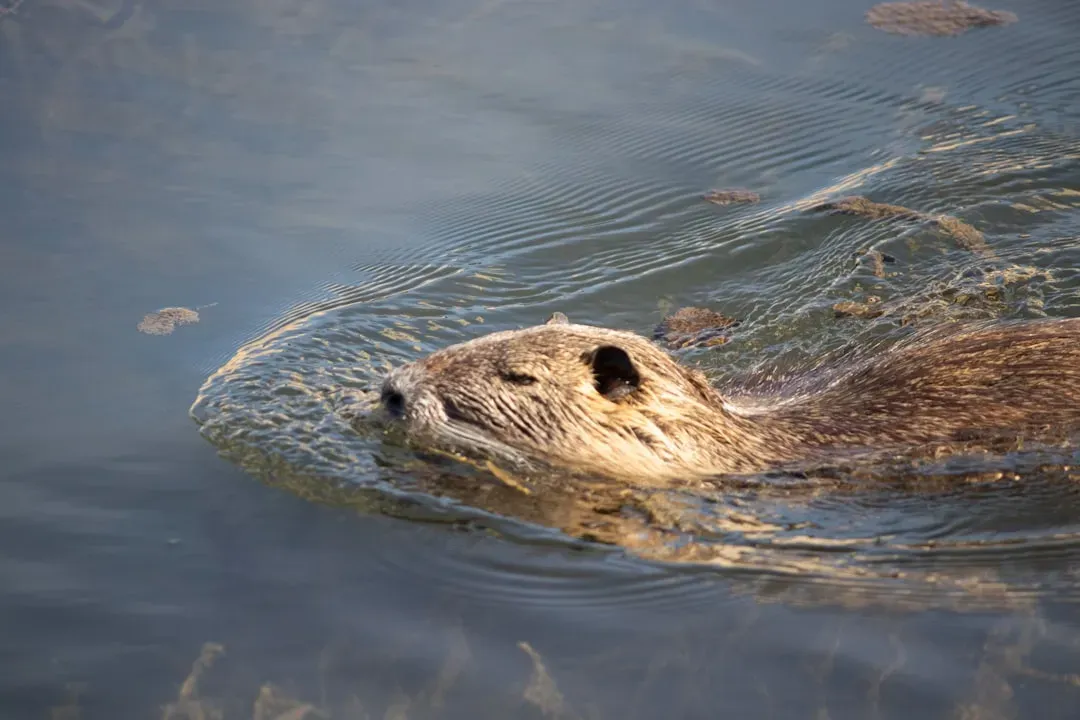
The North American river otter is well adapted for semi-aquatic living. They have thick, protective fur to keep warm while swimming in cold waters, short legs, webbed feet for faster swimming, and a long, narrow body with a flattened head for streamlined movement.
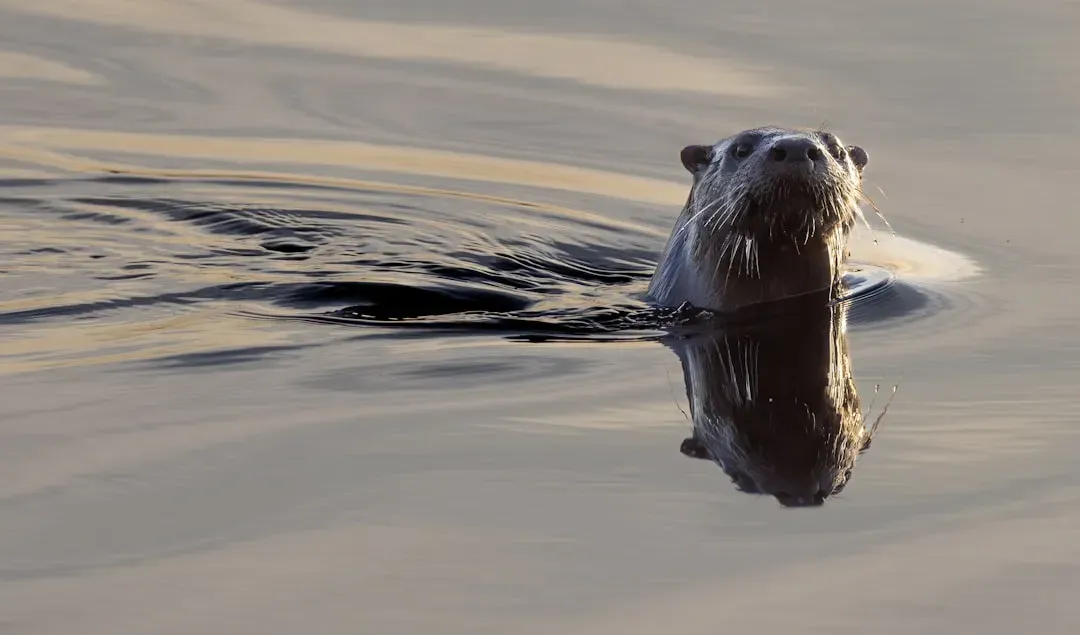
The river otter’s eyes and ears are located high on its head for surface swimming. A third eyelid, known as a nictitating membrane, protects the eye and allows the otter to see clearly when swimming underwater.
They have long, muscular, streamlined bodies with short legs and fully webbed feet bearing non-retractable claws. Their small heads widen to long necks and shoulders, and they have flattened, well-muscled tails. Think of them as the Navy SEALs of the river ecosystem.
2. They Can Hold Their Breath for an Astonishing Amount of Time
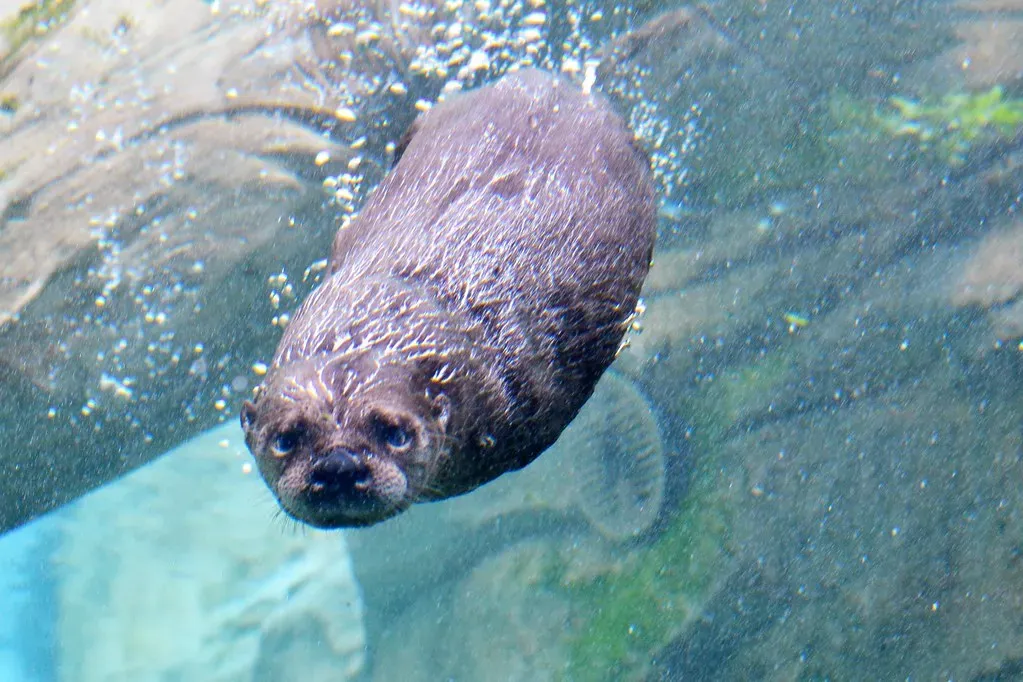
Here’s a fact that stops most people cold. River otters remain active even in winter, using ice holes to surface and breathe, and they can hold their breath underwater for some eight minutes.
River otters can also dive to depths of at least 60 feet and stay submerged for more than four minutes. Honestly, that’s the kind of breath-hold ability that would make most competitive swimmers jealous.
The North American river otter is a semi-aquatic mammal that is highly adapted to hunt prey in water. In addition to their clawed, webbed feet and propeller-like tail, river otters have the ability to shut their ears and nostrils to prevent water from entering.
3. Their Fur Is Extraordinarily Dense
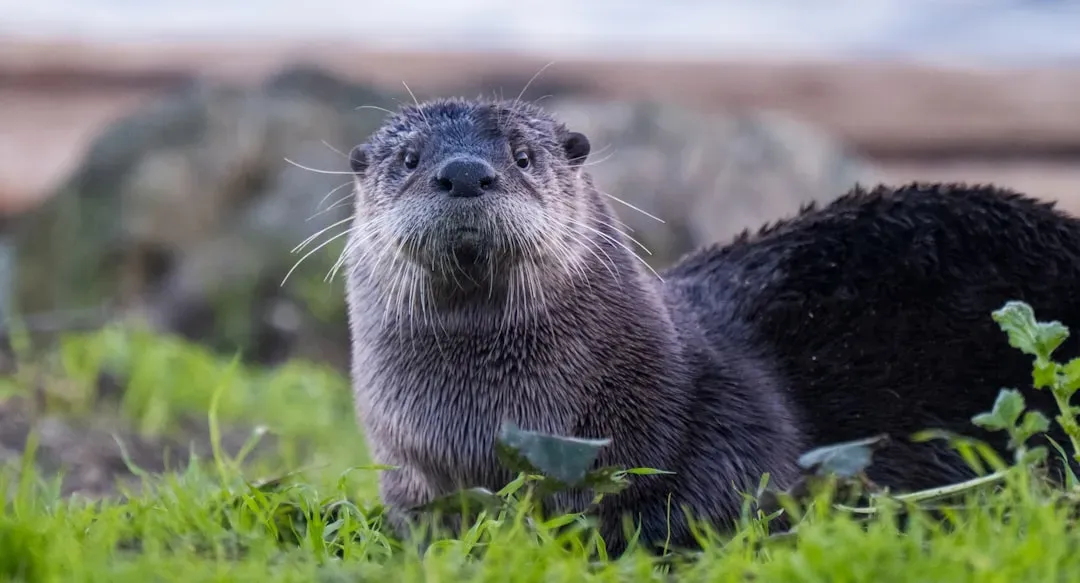
Most people think of sea otters when the topic of incredible fur comes up. River otters, though, deserve far more credit. Otters have the thickest fur of any mammal, having as many as 850,000 hairs per square inch. That’s not a typo.
Their dense, short under-fur is overlain by darker, coarse guard hairs that help repel water. River otters are almost impervious to cold because of this outer coat of coarse guard hairs plus a dense, thick undercoat that helps waterproof the animal. They have no blubber at all – it’s the fur that keeps them warm.
4. They Are Incredibly Fast – on Land Too
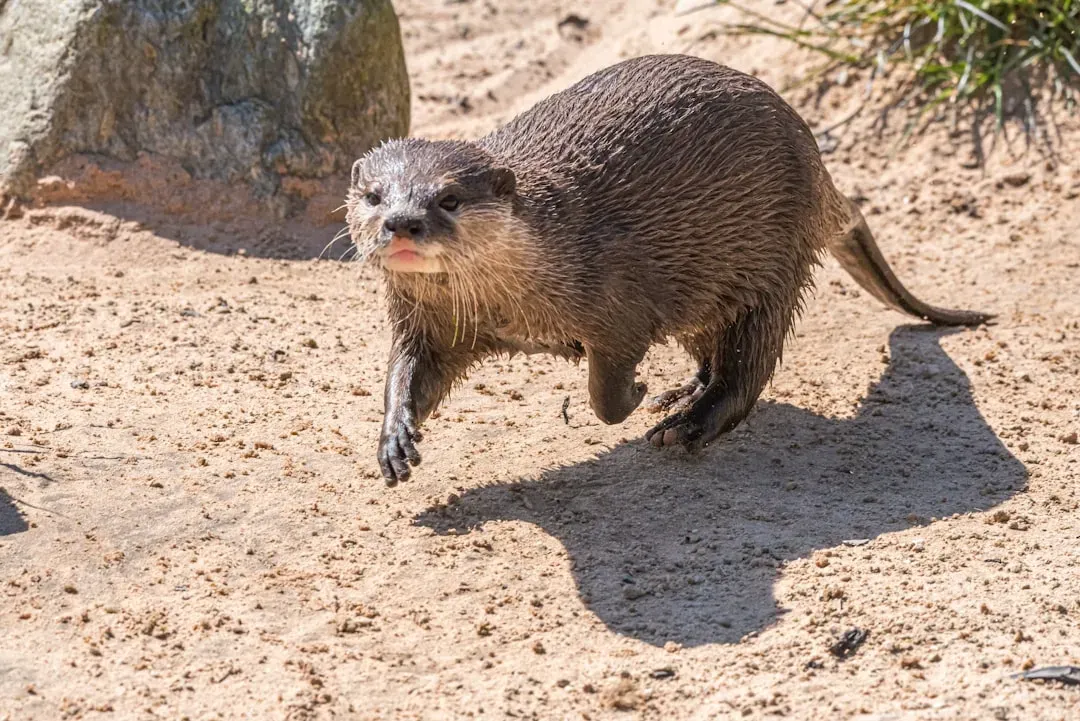
People assume otters are creatures of the water alone. That’s a mistake. On land, a river otter can run at speeds of up to 15 miles per hour – and they can slide even faster.
While river otters spend most of their time in water, they do travel across land as well, often in search of a mate. Otters even make their land travel look playful – they run a few steps and then slide on their bellies.
It’s like watching someone who treats every commute as a reason to have fun. That sliding behavior is iconic, and it turns out there’s more to it than just entertainment, which we’ll get to a little later.
5. Play Is Actually Serious Business
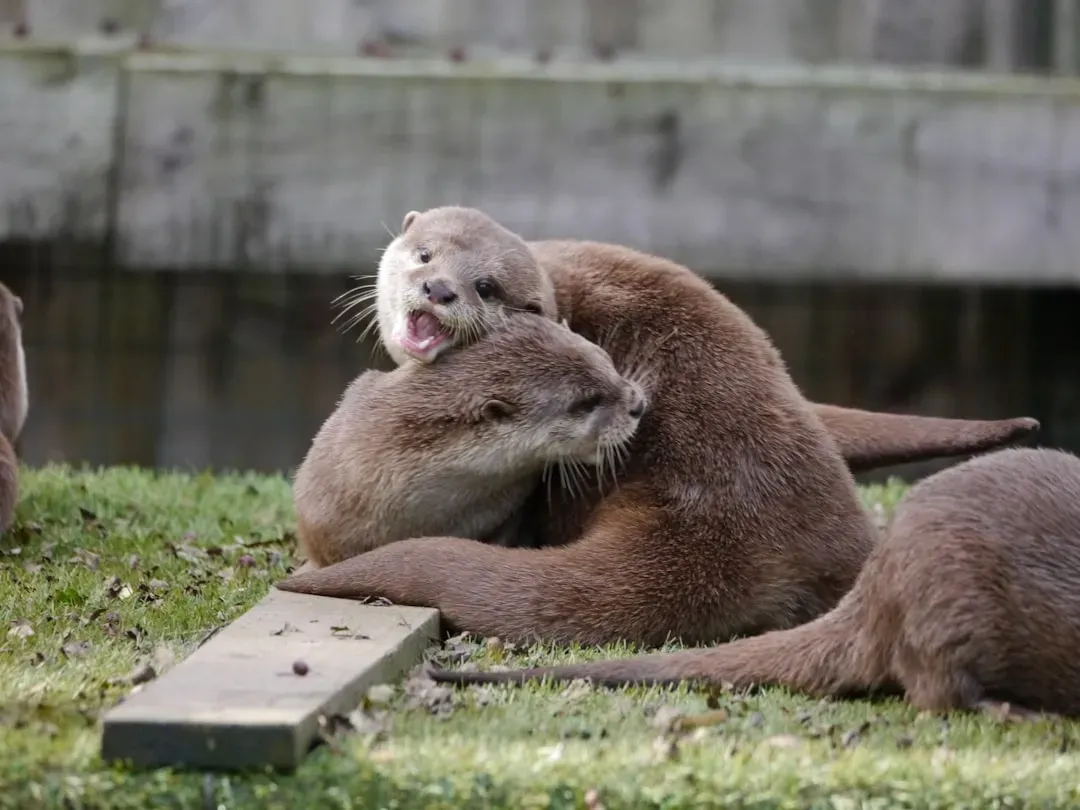
Otters are known as playful animals, exhibiting behaviors such as mud and snow sliding, burrowing through the snow, and waterplay. Many of these play activities actually serve a purpose. Some are used to strengthen social bonds, to practice hunting techniques, and to scent mark.
Their playful snow and mud sliding, tail chasing, water play, and snow burrowing activities also help strengthen social bonds and let young otters practice hunting techniques. So the next time you see an otter sliding down a riverbank, know that it’s not just goofing around – it’s essentially attending school.
6. Their Whiskers Are Powerful Sensory Tools
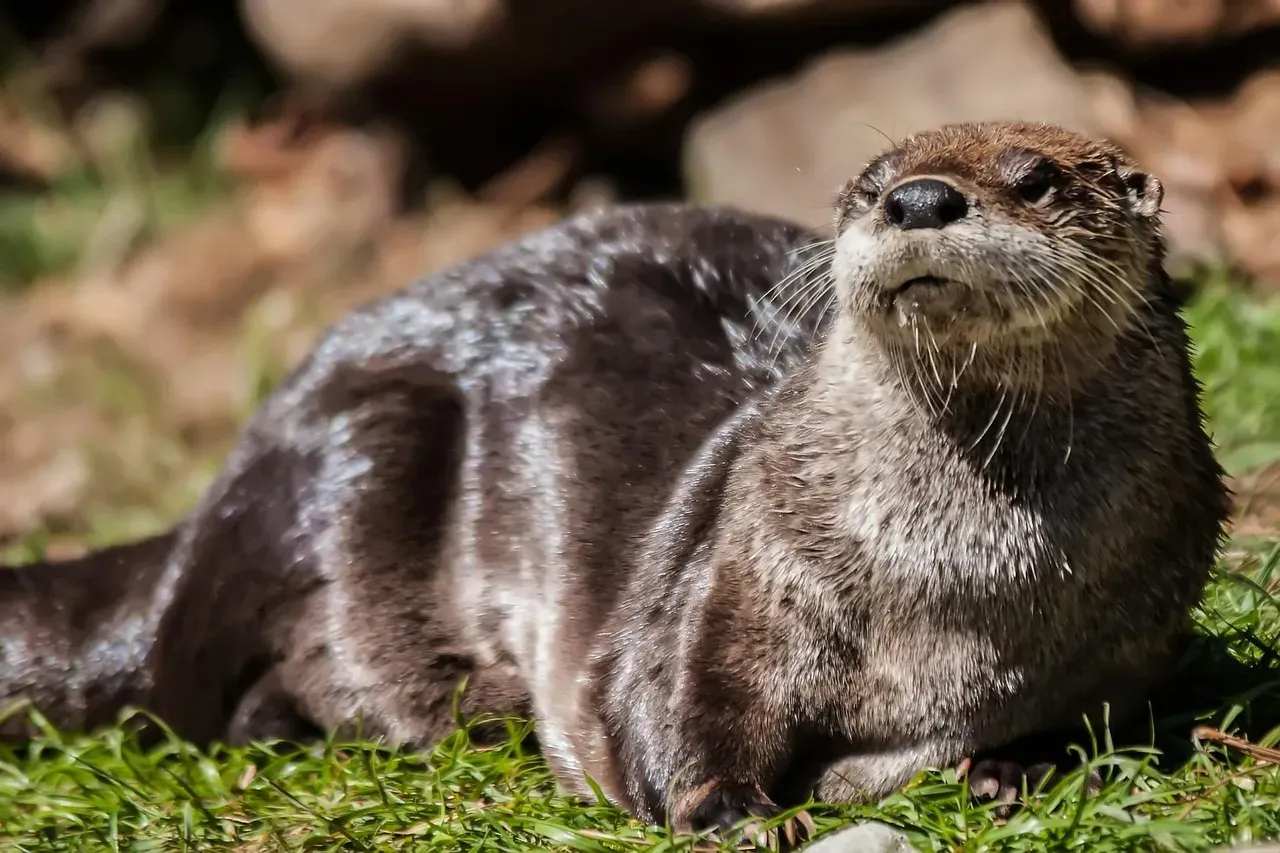
North American river otters have long whiskers, which they use to detect prey in dark or cloudy water, and clawed feet for grasping onto slippery prey. Think of those whiskers as a built-in sonar system, picking up the faintest vibrations in the water.
River otters are primarily visual predators, with eyes shaped to facilitate underwater vision and acuity. In situations where murky water occurs, they are further enabled to forage by motion-sensitive whiskers that help them locate prey movement.
Their large and abundant whiskers are very sensitive and are important in tactile sensation. These whiskers are used extensively in hunting, as smell, vision, and hearing are all diminished in the water. It’s a fascinating backup system for a world of low visibility.
7. Their Diet Is Surprisingly Varied
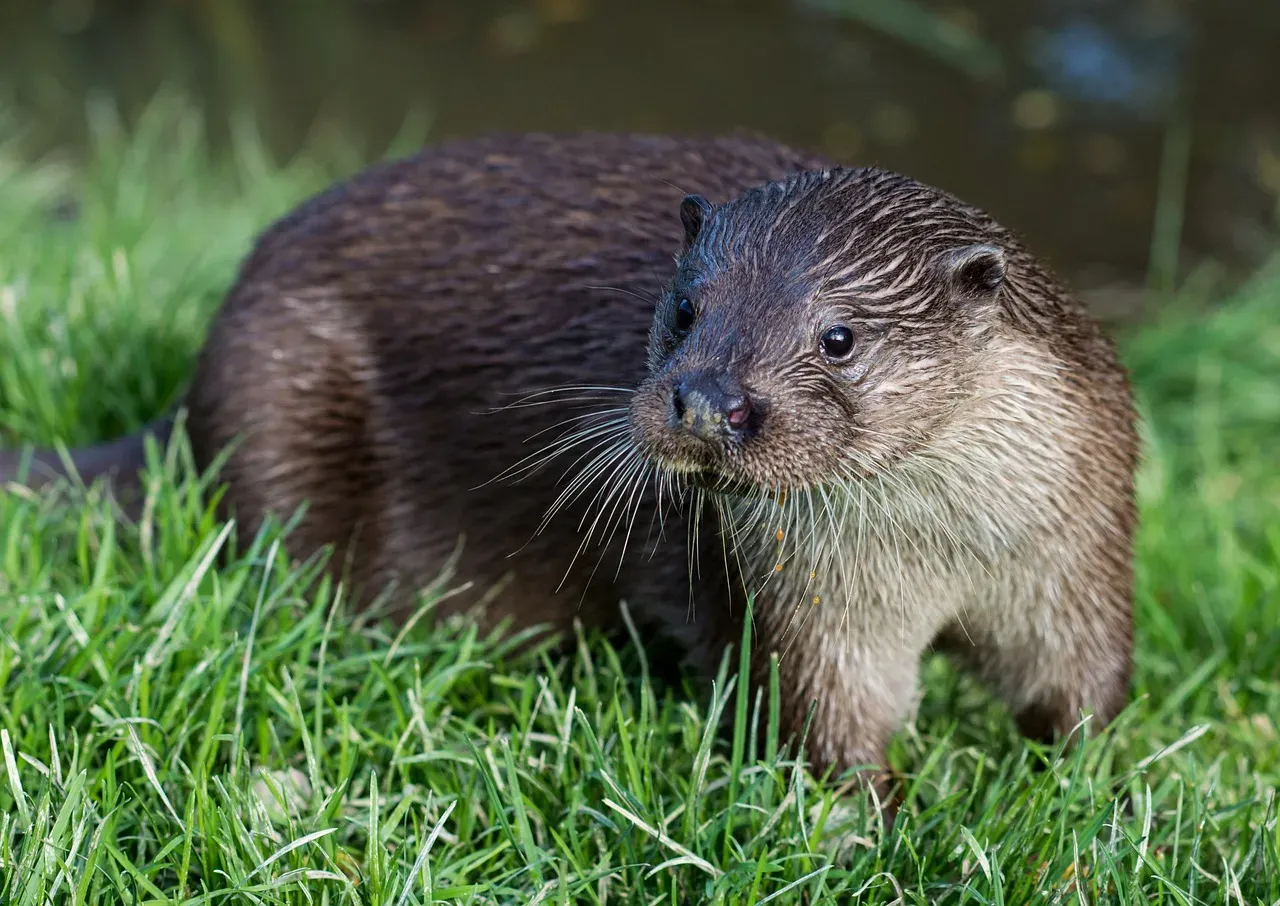
A highly active predator, the North American river otter has adapted to hunting in water and eats aquatic and semiaquatic animals. The vulnerability and seasonal availability of prey mainly governs its food habits and prey choices.
River otters eat a variety of aquatic wildlife, such as fish, crayfish, crabs, frogs, birds’ eggs, birds, and reptiles such as turtles. They have also been known to eat aquatic plants and to prey on other small mammals, such as muskrats or rabbits.
A study conducted in a central California marshland indicated crayfish formed nearly all of the river otter’s diet at certain times of the year. I find it fascinating how adaptable their palate is – they’re essentially the opportunistic food lovers of the river world.
8. They Have a Bizarre but Brilliant Reproductive Strategy
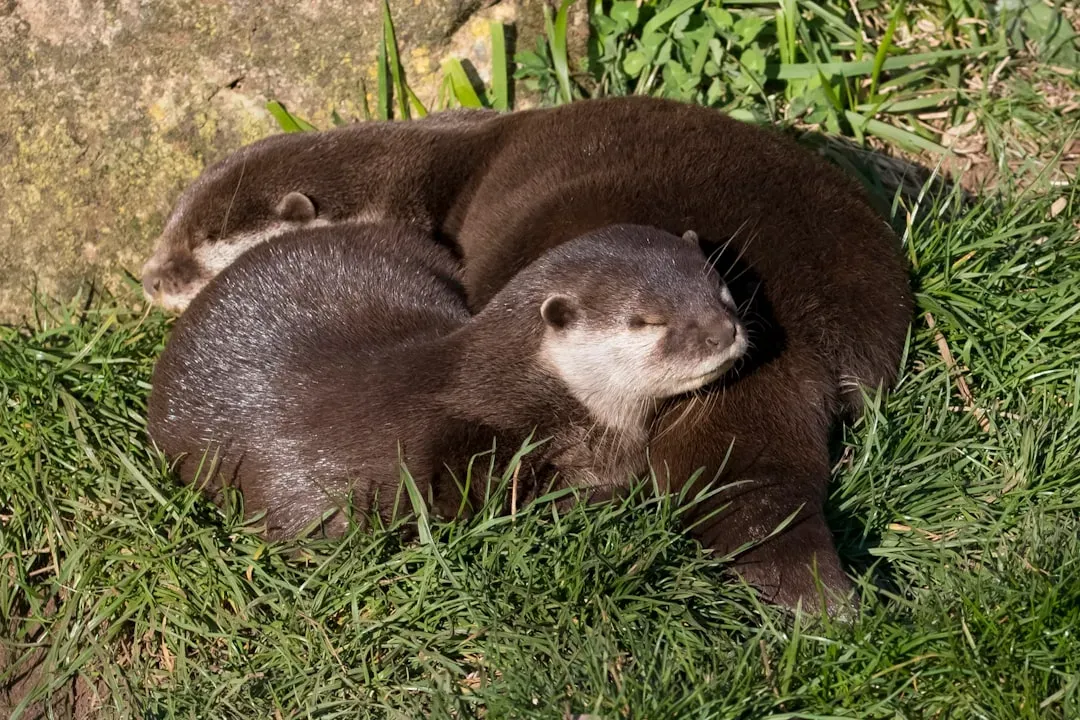
The river otter’s approach to pregnancy is genuinely one of the more surprising things in mammalian biology. What is clear is that there is a delayed implantation of nine to eleven months, with actual gestation taking about 60 days.
This process, known as delayed implantation, enables the fertilized eggs to mark time within the female, receiving only a sparse ration to stay alive for several months. Then, within her body, a signal awakens the tiny embryos which resume their growth.
Female otters have delayed implantation of the embryo, allowing them to mate whenever they chance upon a male, and can become pregnant at a later date. It’s a clever biological trick that gives females extraordinary control over when their pups actually arrive.
9. Pups Are Born Helpless but Grow Quickly
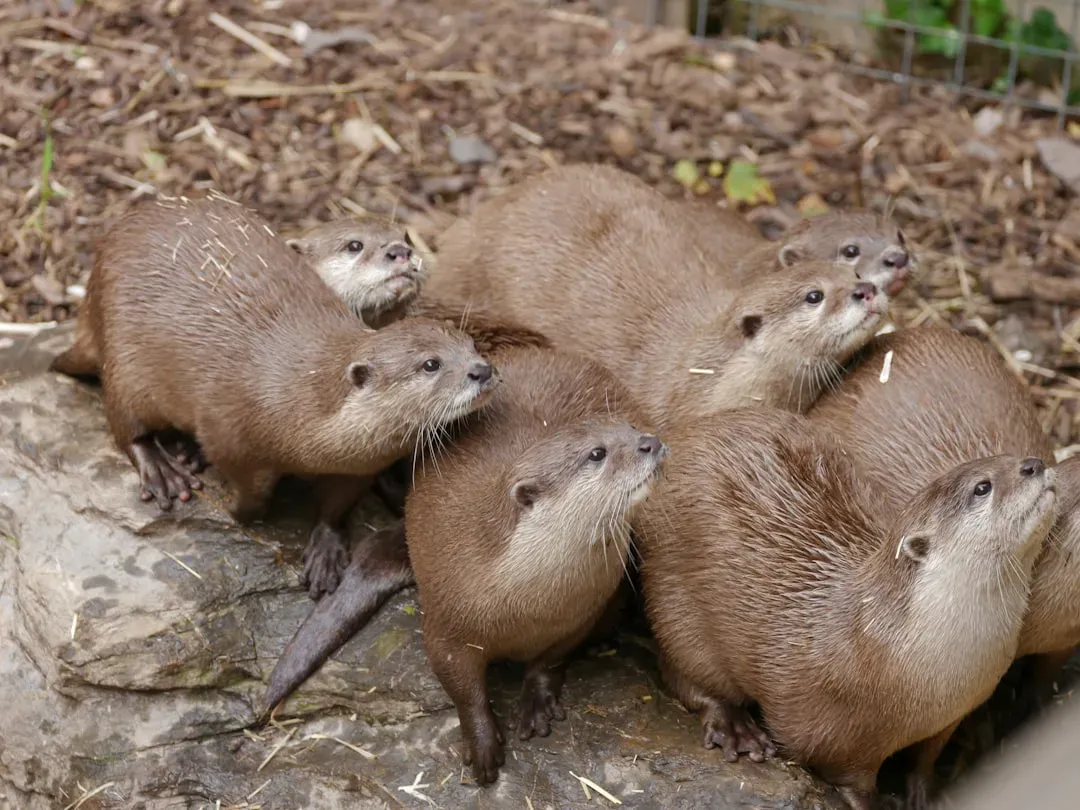
Young otters are born between April and May and arrive silky black, blind, toothless, and totally helpless. It’s hard to picture something so helpless growing into such a confident and capable swimmer, but the transformation happens fast.
Their eyes open seven weeks after birth. When about two months old, pups begin to leave the den and shortly thereafter start to swim and eat solid food. They are taught to swim by the female, who must coax or even drag them into the water.
Mothers will catch and release prey to teach their young how to forage and to catch food items. Kits leave the nest at around 10 weeks, but stay with their parents for one year. Mother river otters teach their young how to swim, hunt, and socialize.
10. They Are Masters of Communication

River otters exhibit a variety of vocalizations, ranging from whistles and buzzes to twitters, staccato chuckles, chirps, and growls. When threatened or frightened, they emit a hair-raising scream that can be heard up to 1.5 miles across the water.
River otters leave scent marks on vegetation within their home range. Scent marking is done by either urinating or defecating, or by emitting a strong, musky odor from the paired scent glands near the base of the tail.
So they’ve basically got both a loud alarm system and a chemical messaging network. In mother-offspring groups, otters will use scent, body language, touch, and sound to communicate with one another. That’s a surprisingly rich communication toolkit for an animal most people just think of as cute.
11. Their Home Ranges Are Vast
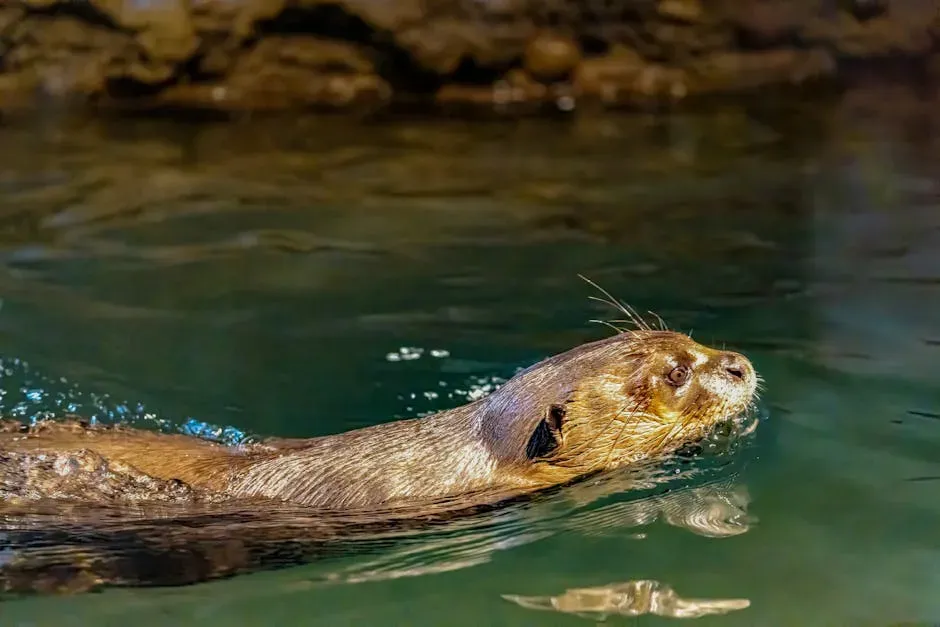
A North American river otter’s home range can be as large as 30 square miles, but a typical territory is 3 to 15 square miles. That home range shrinks drastically during the breeding and rearing season.
For the majority of the year, the river otter is most active during the period from dusk until dawn, but in winter, it may be more commonly seen during the day. The social structure is very variable, as some animals are solitary, while others live in family groups or sometimes in large groups of just adult males. Groups typically travel and hunt together, and use the same resting site and den.
12. They Are a Living Indicator of Water Quality
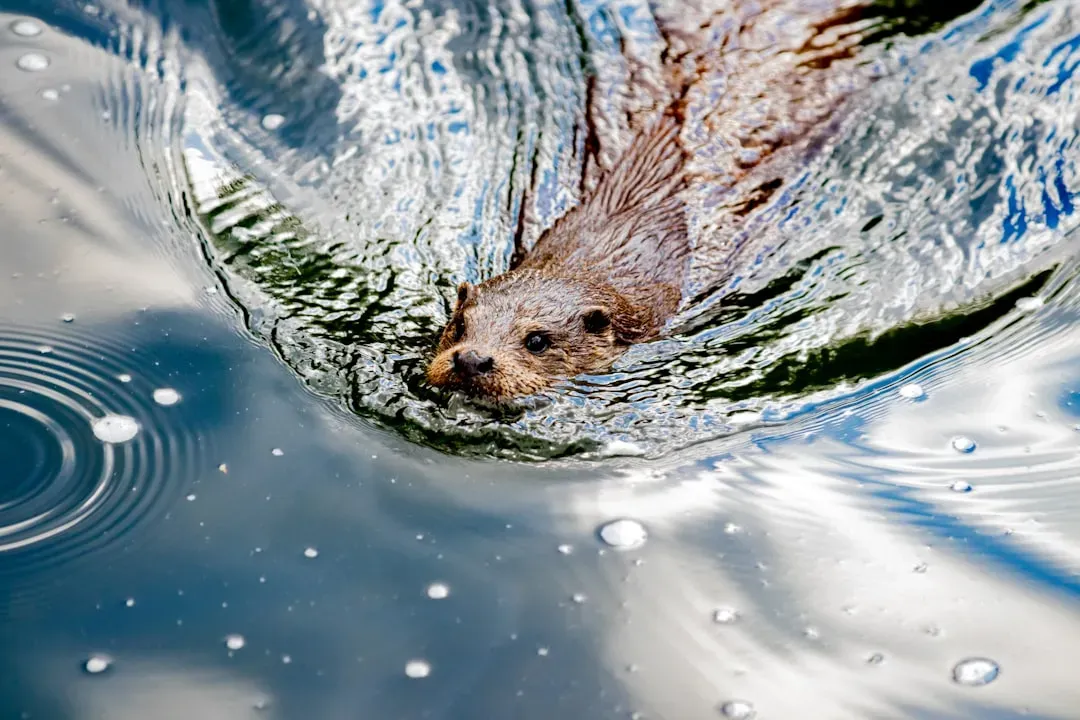
Here’s something that surprises most people. Because they have a low tolerance for polluted water, river otters are considered by some naturalists to be a good indicator, or “keystone,” species of the quality of aquatic habitats. They are found at the top of the food chain, and there is evidence that their birth rates are reduced when pollution levels – including toxic chemicals, heavy metals, pesticides, and agricultural wastes – build up.
North American river otters seem to be sensitive to pollution and disappear from areas with polluted waters. Think of them as a canary in a coal mine, except the coal mine is your local river, and the canary is a sleek, whiskered swimmer.
They are highly susceptible to pollution such as oil contamination by accumulation of certain compounds due to their position at the top of the food chain. Their presence in a river system is genuinely good news for that ecosystem.
13. They Almost Disappeared – and Are Now Making a Comeback
Historically, river otters were present at every watershed throughout the continental United States. However, after years of unregulated harvest of their fur pelts combined with the destruction of their habitat in the early 1900s, river otters were completely eradicated from 11 of these 48 states.
As recently as the mid-1980s, more than 30,000 pelts were harvested annually. Today, accidental trappings in beaver traps constitute the most otter fatalities. That shift tells its own story about how hunting practices have changed.
With conservation programs, regulations on trapping, and the improvement of water quality, river otters are finally making a comeback in certain wetland areas. Provided it survives its first year of life, a typical North American river otter will live to the age of 12, with some surviving longer. The oldest living river otter on record was 27 years old. It’s a conservation story worth celebrating.
A Final Thought Worth Holding Onto
The North American river otter is, by almost any measure, one of the continent’s most remarkable wild animals. Physically extraordinary, socially nuanced, ecologically vital, and frankly just wonderful to observe, these creatures represent something bigger than themselves.
The fact that we nearly lost them to the fur trade – and that they are quietly reclaiming rivers across the continent – is one of wildlife conservation’s quieter success stories. It’s a reminder that when we clean up our waterways and give nature a little breathing room, life has a way of bouncing back.
Next time you’re near a river or lake and catch a glimpse of a sleek brown shape slipping beneath the surface, take a moment. You might just be watching one of nature’s finest athletes at work. Would you have guessed there was this much going on beneath that playful surface?

- 15 Little-Known Facts About DNA That Control More Than You Think - August 10, 2026
- 10 Things Cats Never Forget About Their Owners - August 10, 2026
- 8 Ways Cats Show They're Worried About You - August 10, 2026