
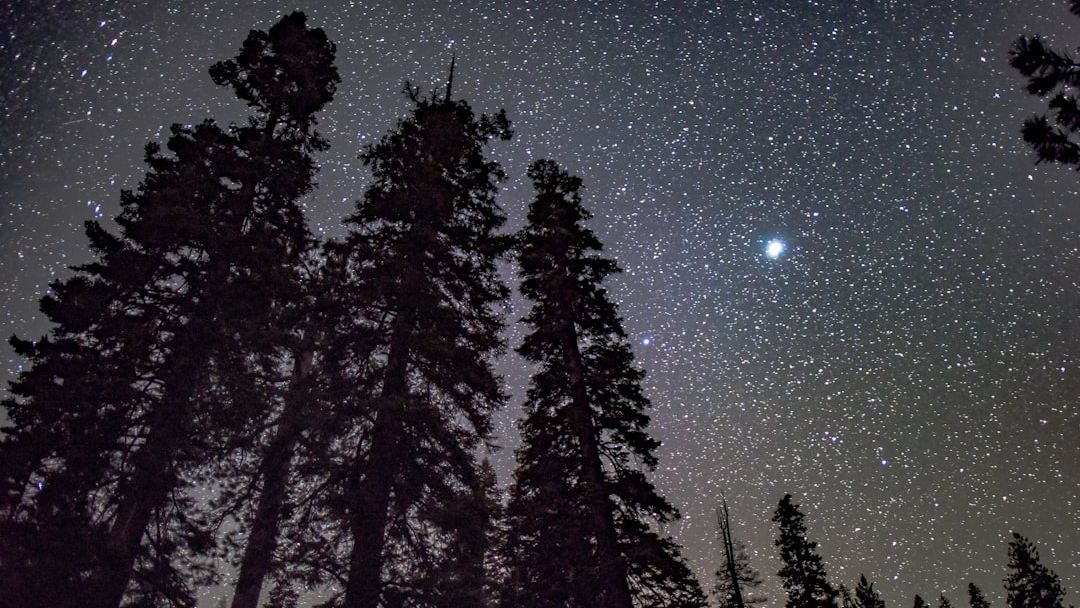
Picture this: a velvet black sky pierced by dozens of fiery streaks, silent fireworks from cosmic debris raining down. It’s the thrill of a meteor shower, one of nature’s most mesmerizing free shows. Yet finding the perfect spot amid light-polluted cities can feel impossible.
Across the US, hidden gems with pitch-black skies await. These places turn ordinary nights into unforgettable spectacles. Ready to chase shooting stars? Let’s explore the top 10.[1][2]
1. Big Bend National Park, Texas
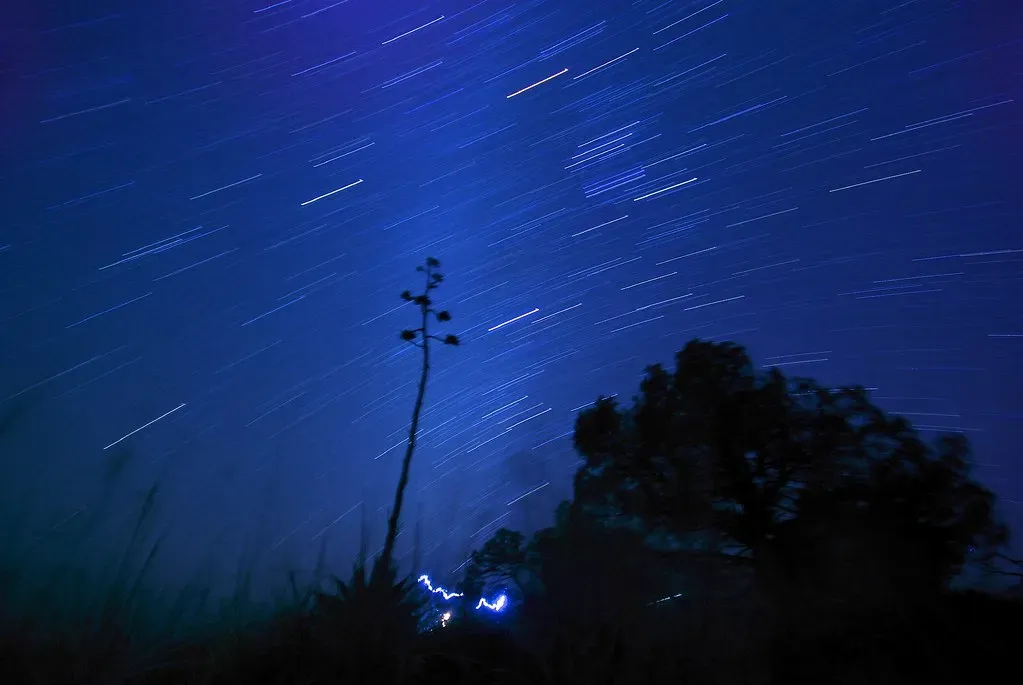
Deep in the Chisos Mountains, Big Bend boasts some of the darkest skies in the continental US. Its International Dark Sky Park status means minimal light pollution, perfect for Perseids or Geminids. Camp at Chisos Basin for panoramic views.[2]
Here’s the thing: the vast desert horizon lets meteors streak across huge swaths of sky. Rangers often host star parties, adding guided insights. Pack layers; nights chill fast even in summer. I bet you’ll count more than you expect.[3]
2. Joshua Tree National Park, California
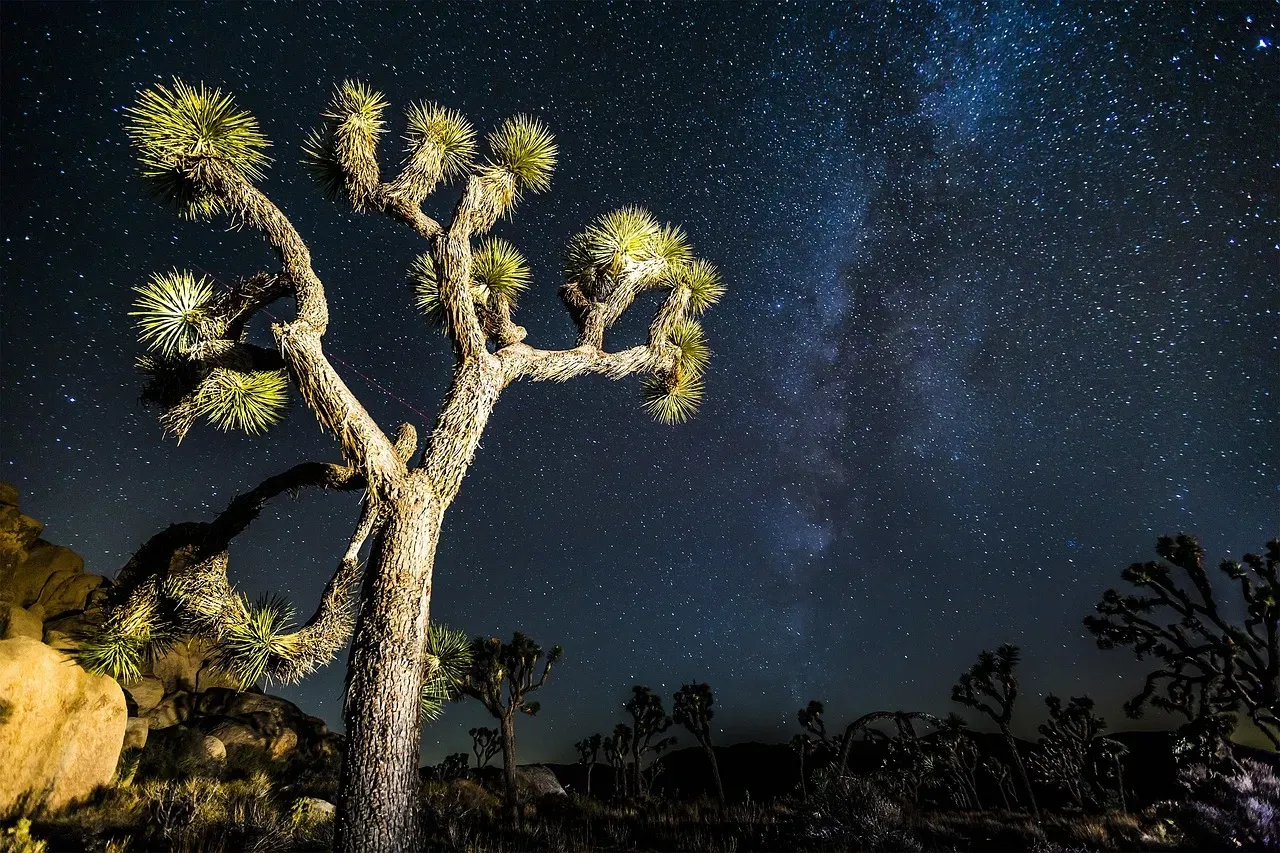
Twisted yuccas frame the Milky Way here, but meteors steal the show under Bortle class 2 skies. Head to Quail Springs or Keys View for unobstructed eastern horizons during Perseids. The elevation sharpens every streak.[3]
Remote pullouts dot the park, ideal for blanket setups away from crowds. Winter Geminids shine brightest pre-dawn. Light domes from LA fade into oblivion. It’s like the universe put on a private display just for you.
3. Death Valley National Park, California
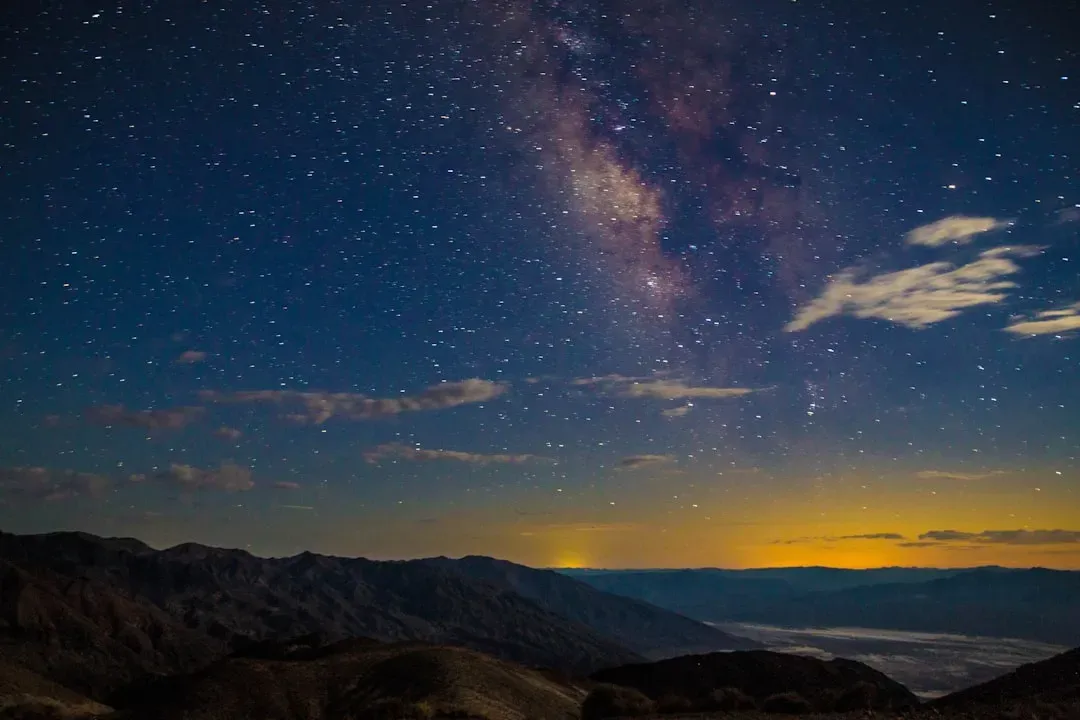
America’s largest Dark Sky Park, Death Valley delivers crystal-clear views from Mesquite Flat Sand Dunes. Low humidity and high desert air make faint meteors pop. Target Badwater Basin for 360-degree sweeps.[2]
Though scorching by day, nights cool to perfect stargazing temps. Leonids zip fast here in November. Avoid full moons; new moon phases amplify the magic. Honestly, the silence amplifies every whoosh.
Bring a reclining chair for comfort on the salt flats.
4. Cherry Springs State Park, Pennsylvania
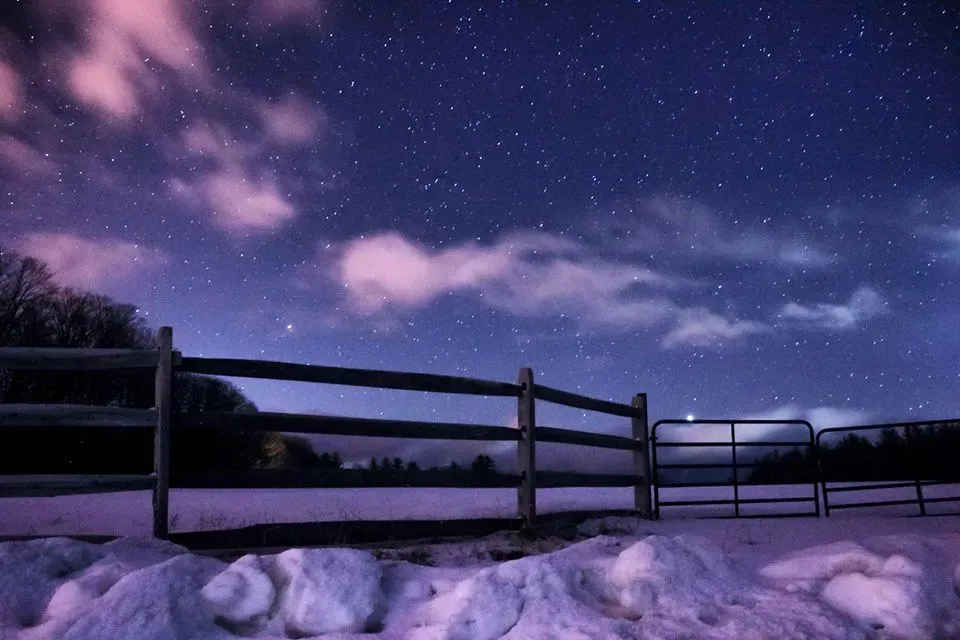
This Gold Tier Dark Sky Park rivals anywhere for meteor counts. A dedicated 50-acre stargazing field hosts Perseids watchers yearly. Skies hit Bortle 1-2, letting even slow Leonids dazzle.[2]
Arrive early for spots; events draw crowds but enforce quiet. Geminids in December feel otherworldly amid bare trees. Cabins with private fields cater to overnighters. It’s the East Coast’s best-kept secret.
5. Great Basin National Park, Nevada
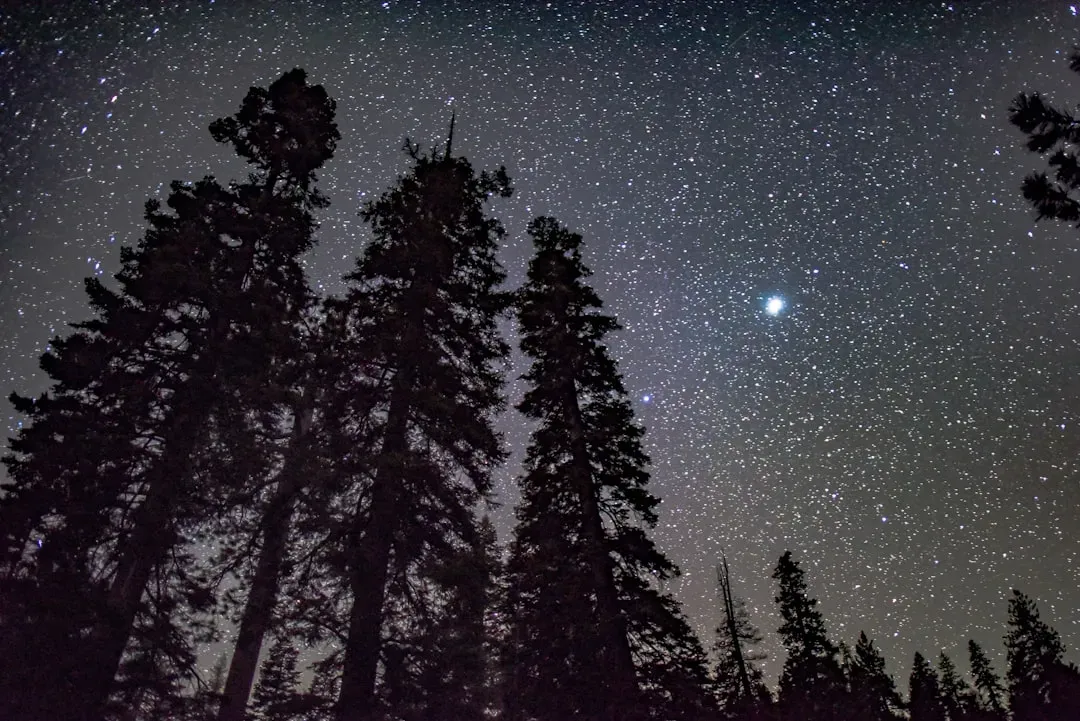
Wheeler Peak’s 13,000-foot heights pierce thin air for superior clarity. Lehman Caves area offers flat spots for Geminids viewing. As a Dark Sky Park, it minimizes artificial glow entirely.[2]
Summer Perseids reward patient eyes post-midnight. Ancient bristlecones witness your show. No entrance fees after dark sweetens the deal. Feels like stepping into a planetarium without walls.
Roads close late, so plan daylight hikes first.
6. Zion National Park, Utah
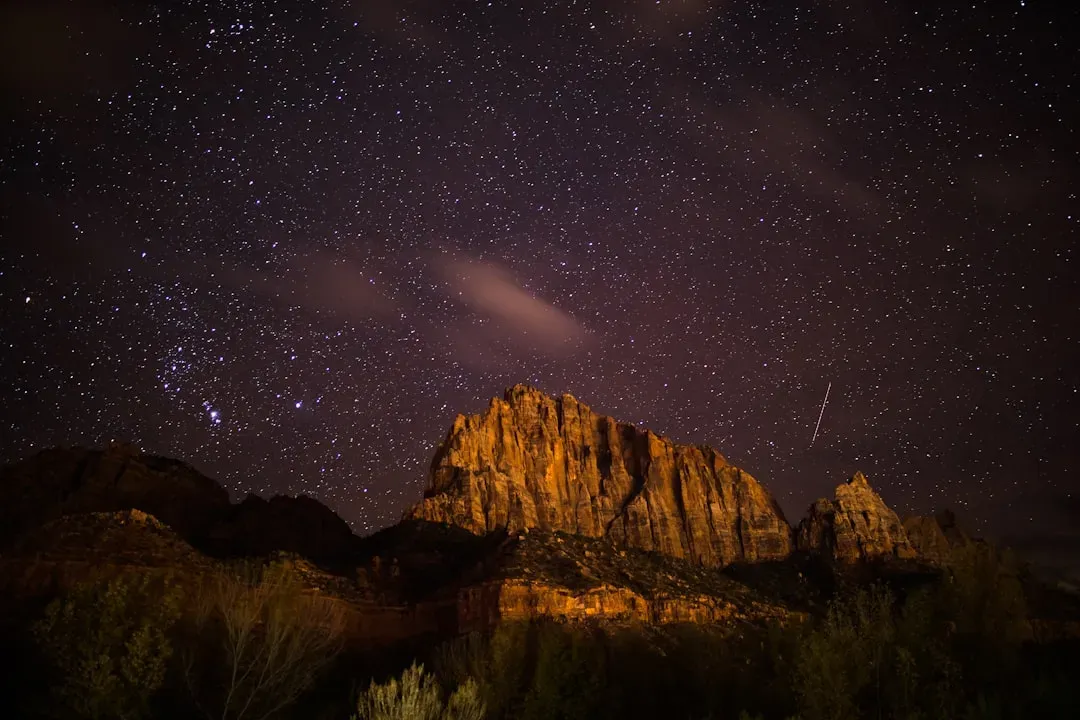
Canyon walls cradle dark skies at Lava Point Overlook, 7,000 feet up. Clear desert air boosts meteor brightness during August Perseids. Canyon Junction Bridge provides safe pull-offs.[1]
Remote trails lead to secluded viewpoints. Winter nights crisp up Geminid trails. Shuttle-free after hours means peaceful vigils. The red rock backdrop turns streaks into art.
7. Grand Canyon National Park, Arizona
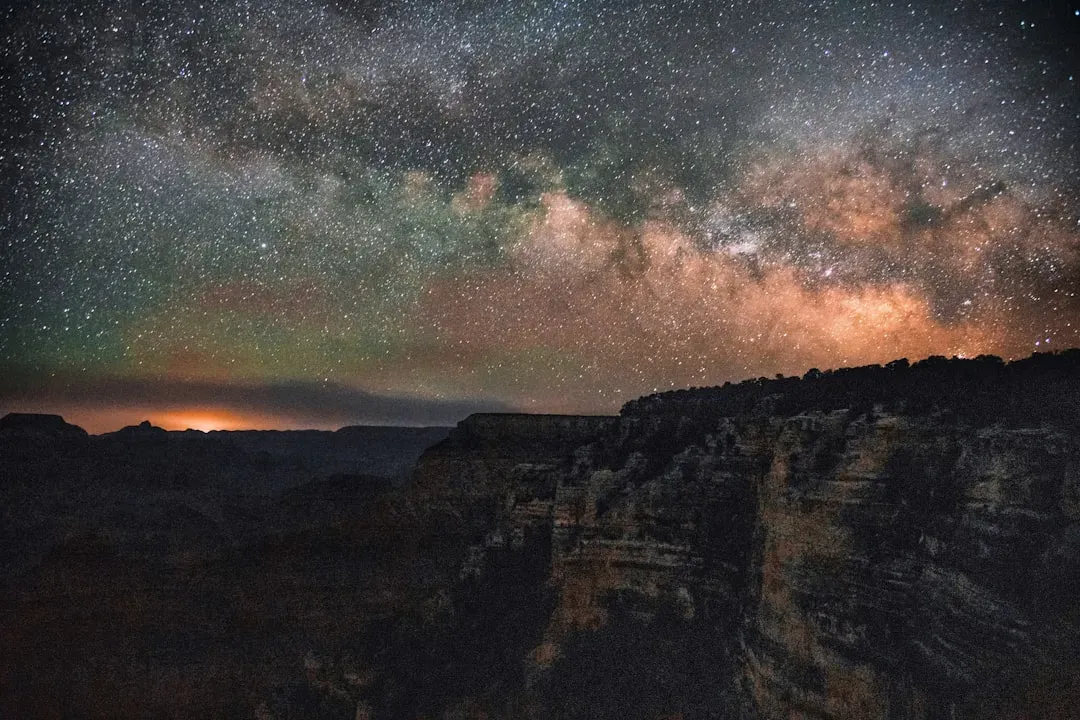
South Rim’s Desert View Watchtower overlooks endless dark expanse. International Dark Sky certified, it excels for all showers. Mather Point’s elevation clears horizons beautifully.[1]
Layer up; rims drop cold fast. Programs guide newcomers. Canyon layers silhouette daytime hikes, night skies reward evenings. Truly humbling scale.
Pre-dawn spots fill quick during peaks.
8. Bryce Canyon National Park, Utah
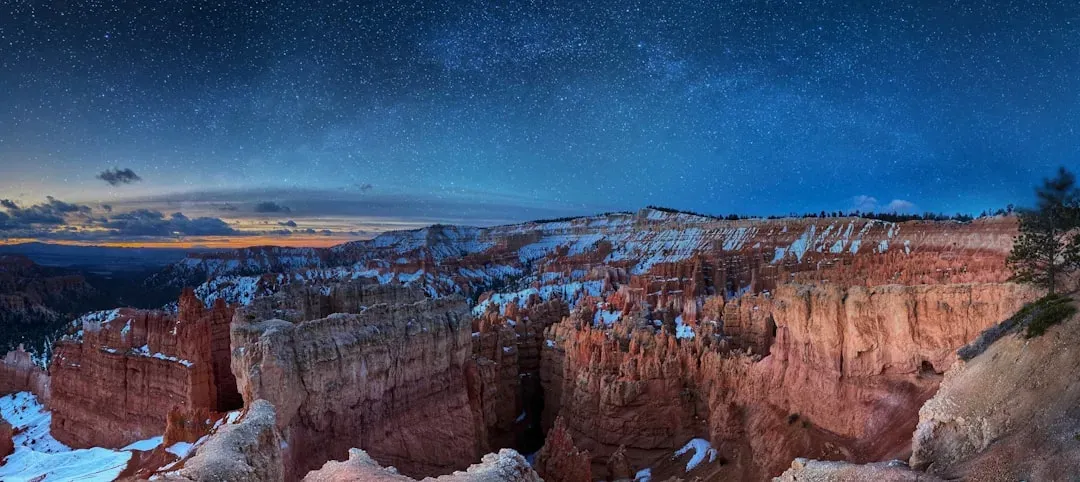
Hoodoos glow faintly under meteor fire from Inspiration Point. High plateau delivers pristine air for faint shooting stars. Dark Sky status ensures top-tier conditions year-round.[3]
Perseids arc over amphitheaters spectacularly. Astronomy rangers share facts. Short winter days extend Geminid windows. Like a fairy tale etched in stone and stars.
9. Great Sand Dunes National Park, Colorado
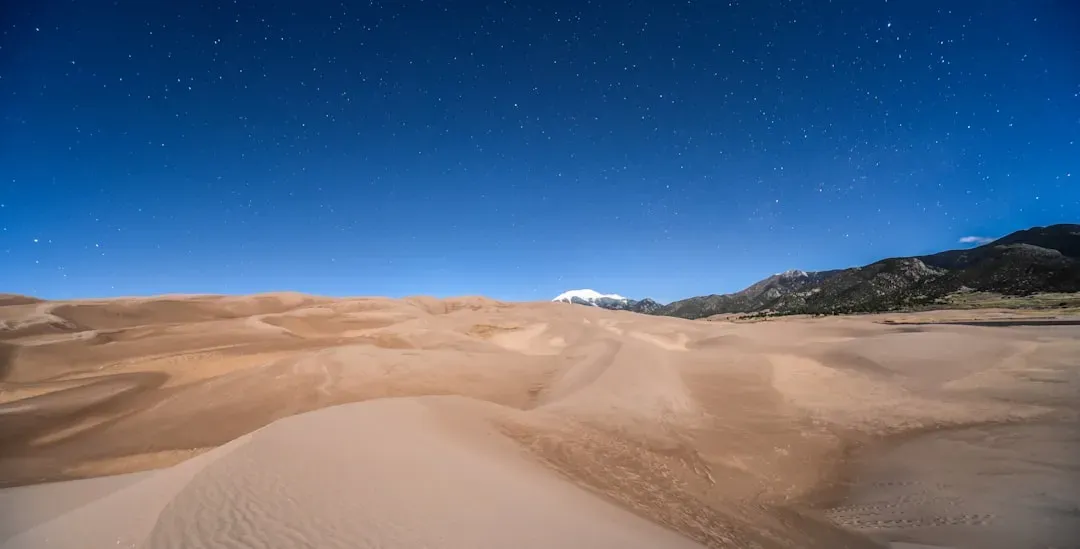
Towering dunes mirror stars on Medano Pass lot. Remote southern location slashes light pollution. Open flats allow reclined comfort for hours.[1][2]
Perseids dance above silica waves. Sand stays warm longer than air. Pack sleds for dune fun by day. Ethereal combo no beach rivals.
10. Acadia National Park, Maine
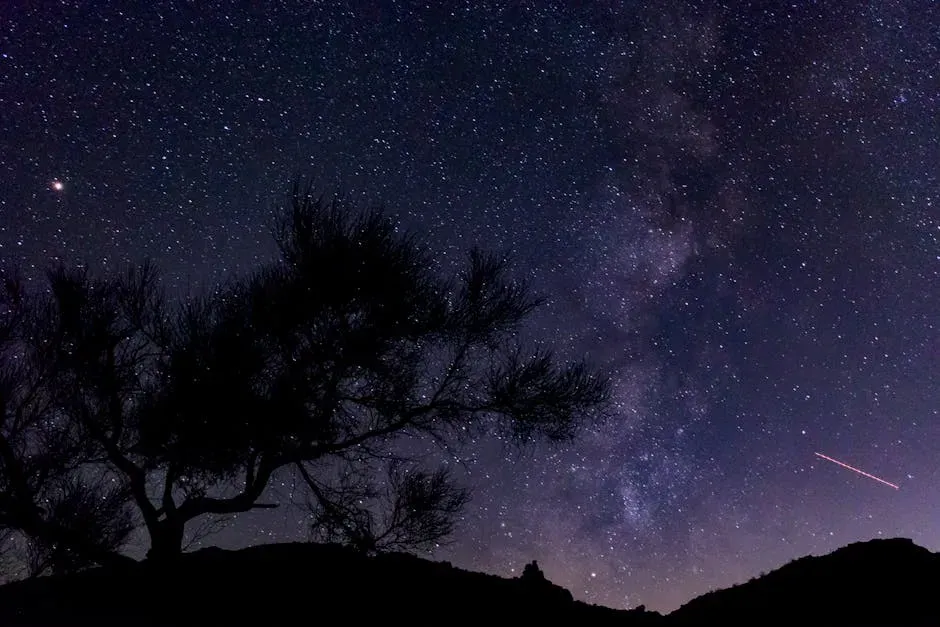
Cadillac Summit’s rocky dome offers Atlantic-facing dark skies. Coastal breezes clear haze for Perseids. Sand Beach below frames horizons perfectly.[2]
Autumn Leonids pair with foliage echoes. Park loops ease access. Fog rare on clear nights. Ocean whispers heighten the romance.
Layer against chill; rewards immense.
Why Chase Meteors in 2026?
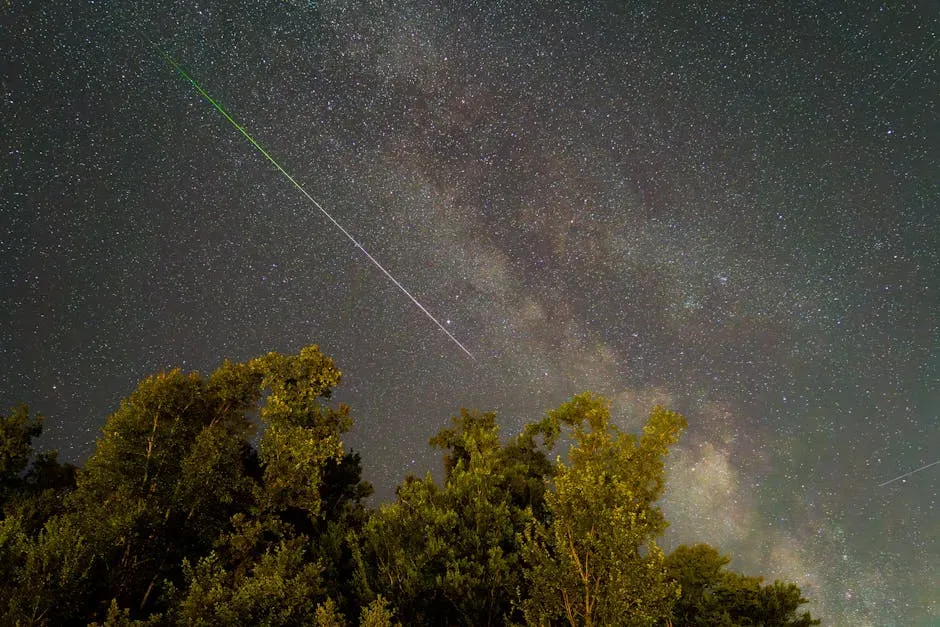
These spots shine brightest during peaks like Perseids in August or Geminids in December. Check moon phases; new moons maximize visibility. Apps track radients, but dark sites do the heavy lifting.
Grab a blanket, hot cocoa, and patience. One blazing bolide makes the drive worthwhile. Which will you hit first? Share your cosmic adventures below.

- Animal Science Says Crows Gather Around Dead Crows to Learn About Possible Threats - August 9, 2026
- How to Keep Your Pets Active and Engaged Indoors - August 9, 2026
- 10 Unique Names for Your New Pet That Stand Out From the Pack - August 9, 2026