
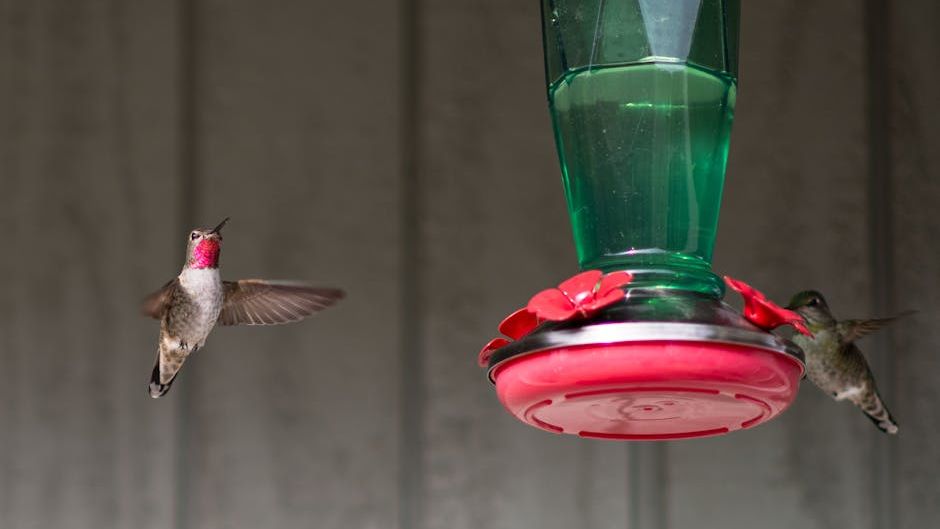
There are birds that simply make you stop and stare. Hummingbirds are absolutely that kind of creature. Tiny, impossibly fast, and almost supernaturally beautiful, they seem to exist in a category all their own. Honestly, the more you learn about them, the harder it becomes not to fall completely in love with these little wonders.
From biology that defies common sense to behaviors that almost seem borrowed from science fiction, hummingbirds are full of surprises. Let’s dive in.
They Are the Only Birds That Can Fly Backwards
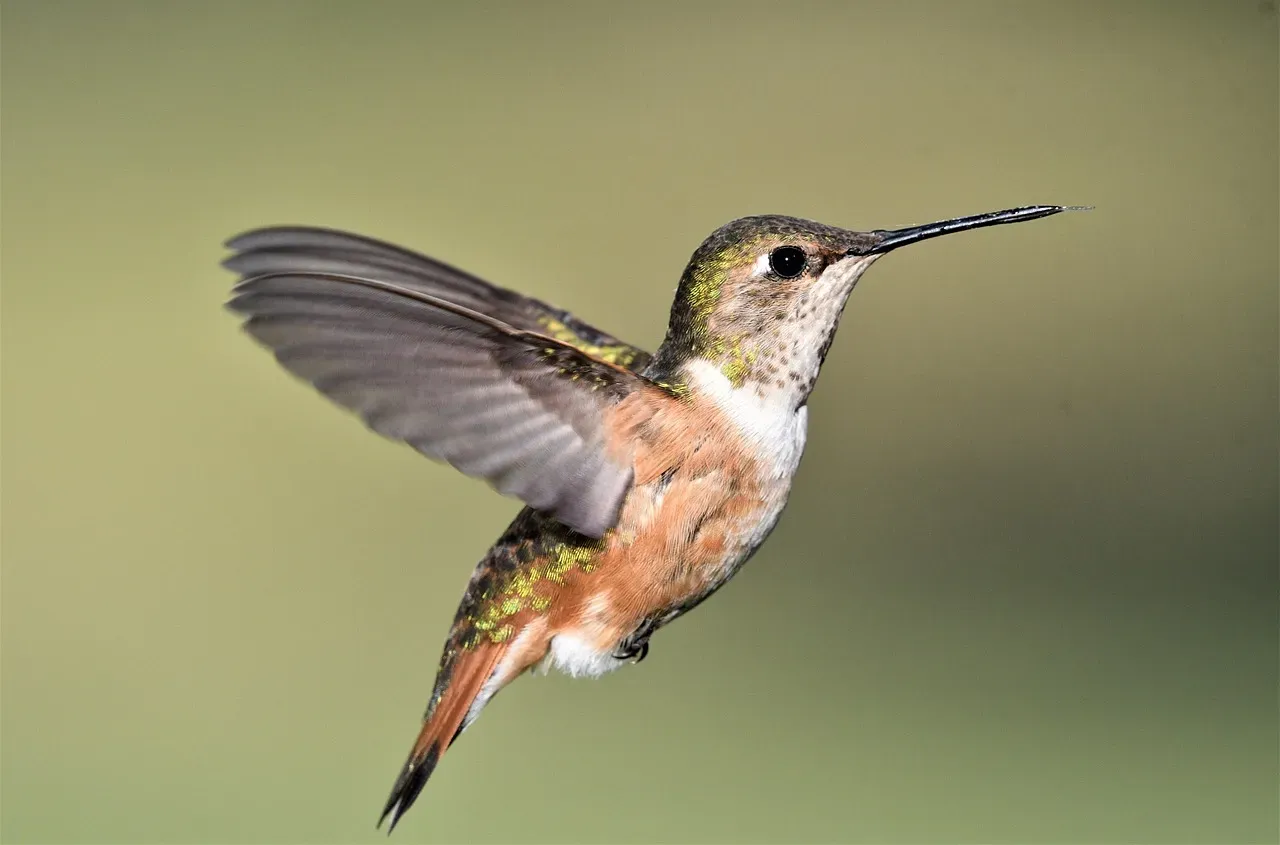
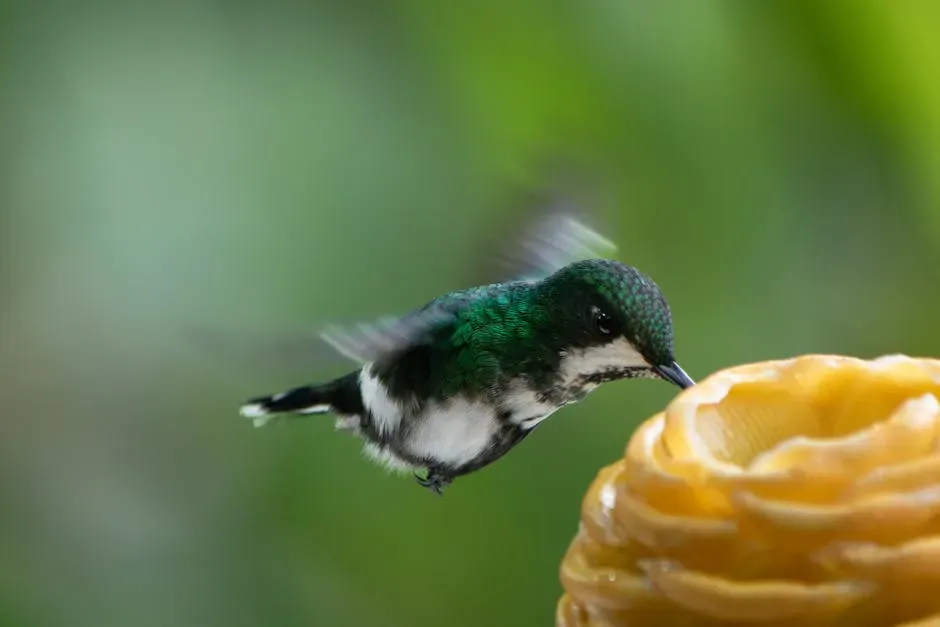
Most birds are designed for forward momentum. Hummingbirds? They wrote a different rulebook entirely. These fascinating creatures have the unique ability to hover in mid-air, fly backward, and even upside down.
Hummingbirds can hover in mid-air by flapping their wings in a figure-eight pattern. Think of it like a helicopter that can also moonwalk. No other bird on the planet can claim that.
Hummingbirds rotate their entire wing, with little or no flexing of the wrist or hand joints. It’s this unusual rotation that makes their aerial acrobatics possible. A simple but extraordinary anatomical twist that changes everything.
Their Heart Beats at a Speed That Would Stagger a Doctor
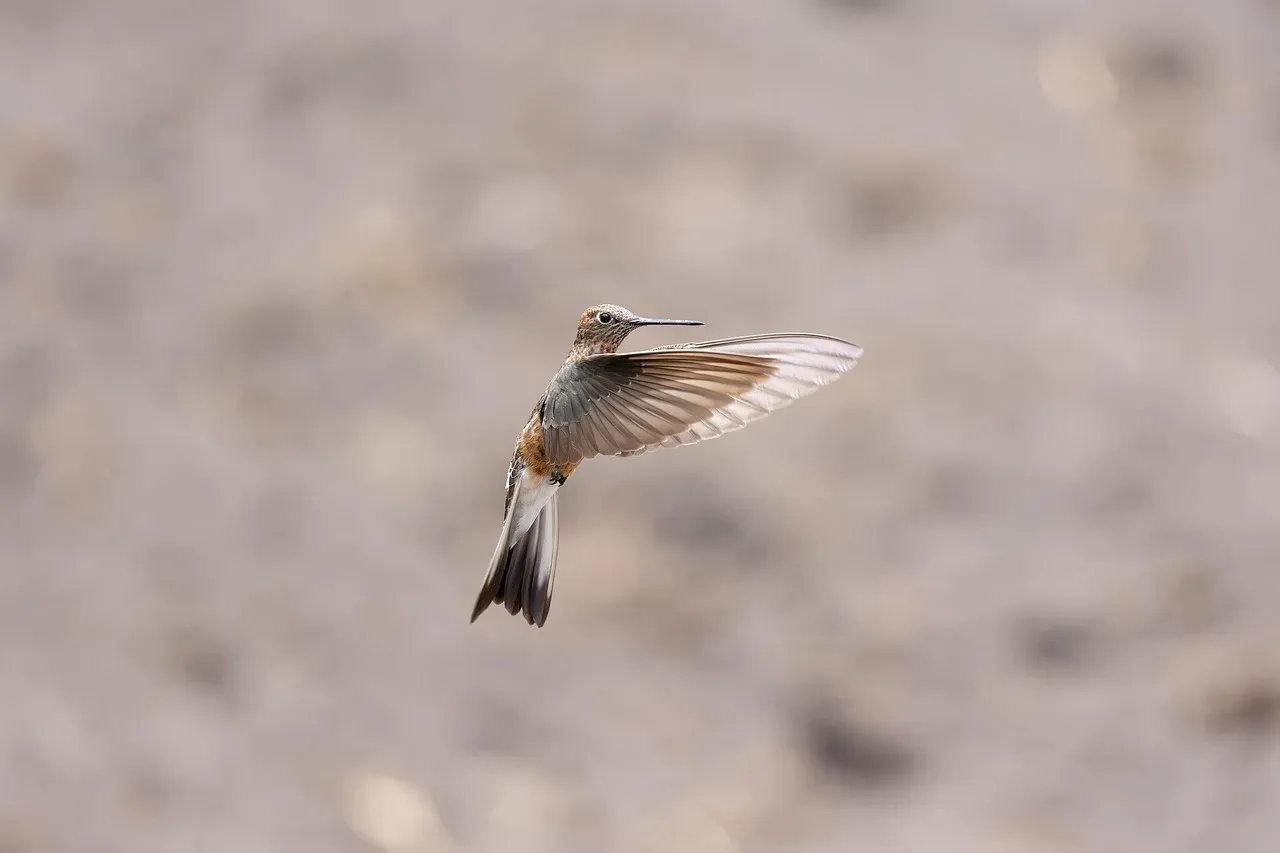
Here’s a number that genuinely made me do a double-take. A hummingbird’s heart beats up to 1,260 times per minute. For comparison, a resting human heart beats somewhere between 60 and 100 times in the same span of time.
This miniature powerhouse constitutes an impressive 2.5% of the bird’s total body weight. To put this into perspective, a human heart accounts for only about 0.3% of total body mass. That is a staggering difference for such a tiny animal.
During torpor, heart rate can drop as low as 50 to 80 beats per minute. Torpor is a state of decreased physiological activity used to conserve energy during periods of cold weather or scarce food. It’s almost as if they have two completely different modes of living built right into their biology.
They Enter a Nightly Mini-Hibernation Just to Survive
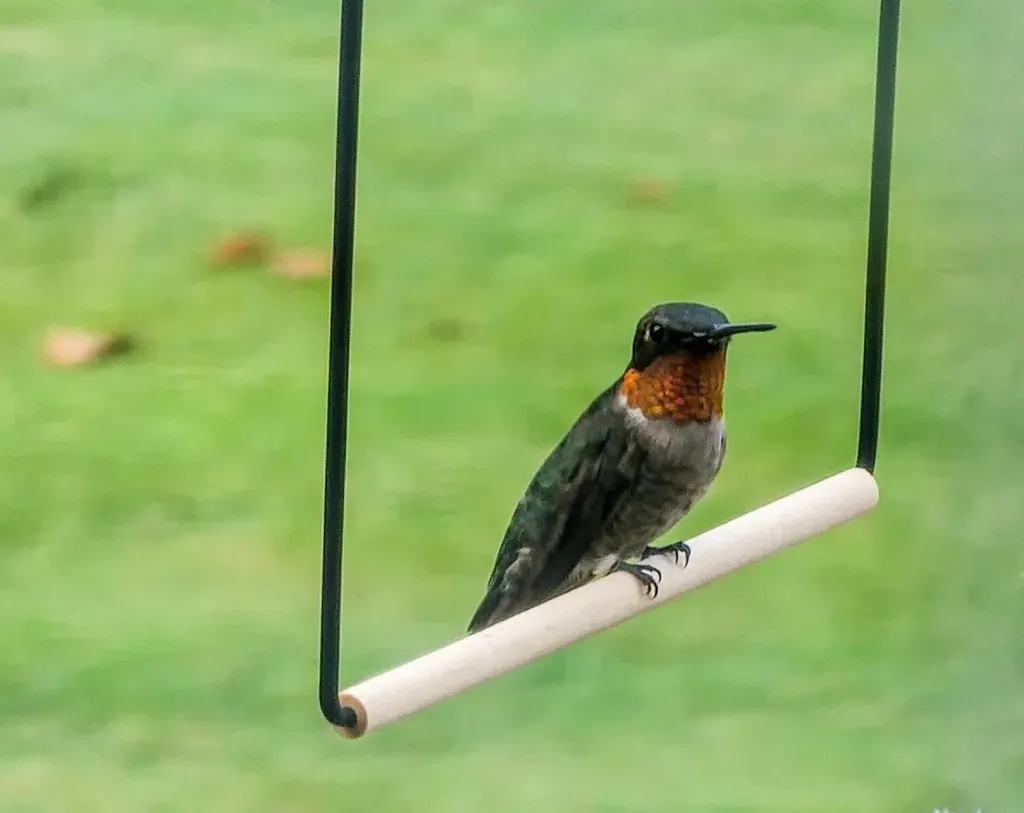
Imagine burning through energy so furiously that simply going to sleep without a backup plan could kill you. That’s the reality for hummingbirds. When food is scarce and they are fatigued, hummingbirds go into a hibernation-like state also known as torpor to conserve energy.
During nighttime torpor, body temperature in a Caribbean hummingbird was shown to fall from 40 to 18 degrees Celsius, with heart and breathing rates slowing dramatically. That’s not a light nap. That’s a full physiological shutdown.
Torpor is a type of deep sleep where an animal lowers its metabolic rate by as much as 95%. By doing so, a torpid hummingbird consumes up to 50 times less energy when torpid than when awake. Without this survival trick, they simply would not make it through a single cold night.
Their Metabolism Is Jaw-Droppingly Extreme
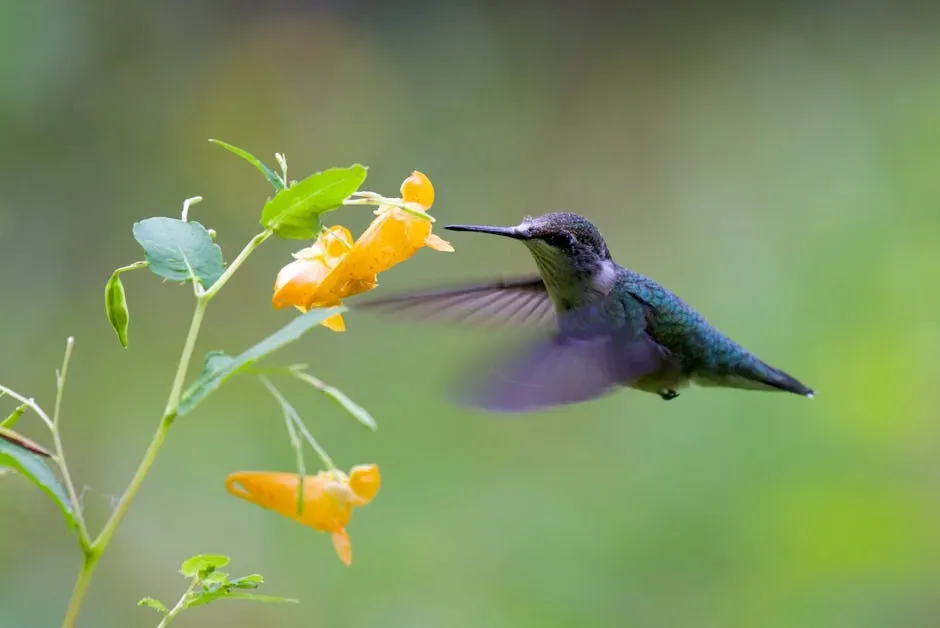
Hummingbirds have one of the highest metabolic rates relative to metabolic body size of any animal on Earth. Heart rates up to 1,260 beats per minute have been recorded, and breathing rate is about 250 breaths per minute even at rest. That’s not at full sprint. That’s just sitting still.
A hummingbird has to visit at least 1,500 flowers a day in search of nectar because of their great expenditure of energy to stay warm and maintain their heart rate. Think about that for a second. Fifteen hundred flowers. Every single day.
The oxygen consumption per gram of muscle tissue in a hovering hummingbird is approximately ten times higher than that seen in elite human athletes during peak exertion. So the next time someone calls an Olympic sprinter a physical marvel, just remember: a hummingbird outperforms them on a molecular level, routinely, every morning.
Their Feathers Are Living Works of Light Physics
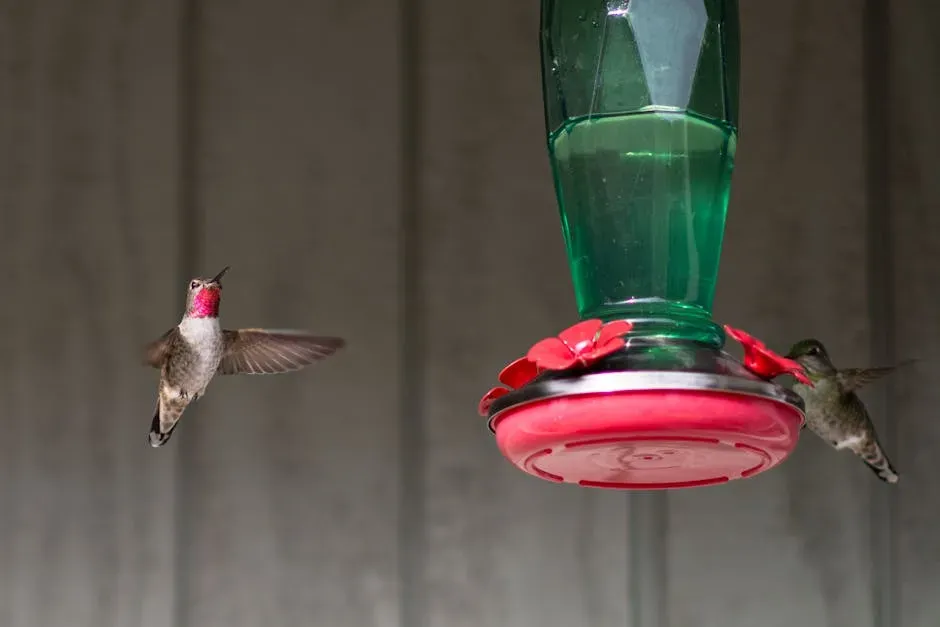
You might assume hummingbird colors come from rich pigments, like a painted canvas. I thought the same thing. Turns out, the truth is far more interesting. The rainbow spectrum of colors displayed by some hummingbirds comes not from feather pigments, but from nanoscopic structures inside their feathers.
What sets hummingbird melanosomes apart from those in other birds is their structure: they’re flat like pancakes, and packed with air bubbles that reflect light in interesting ways. The hummingbird family owes its stunning diversity of color schemes to varying arrangements and layerings of these air pockets, and to the way feather linings of different thicknesses further complicate the way light dances.
Among the 360 or so hummingbird species, there is example after example of colors that seem to be plucked out of a prism. Hummingbirds are not just a colorful group of birds, they are the most colorful family of birds on Earth. And they achieve it all without a single drop of paint.
They Can See Colors That Are Completely Invisible to You
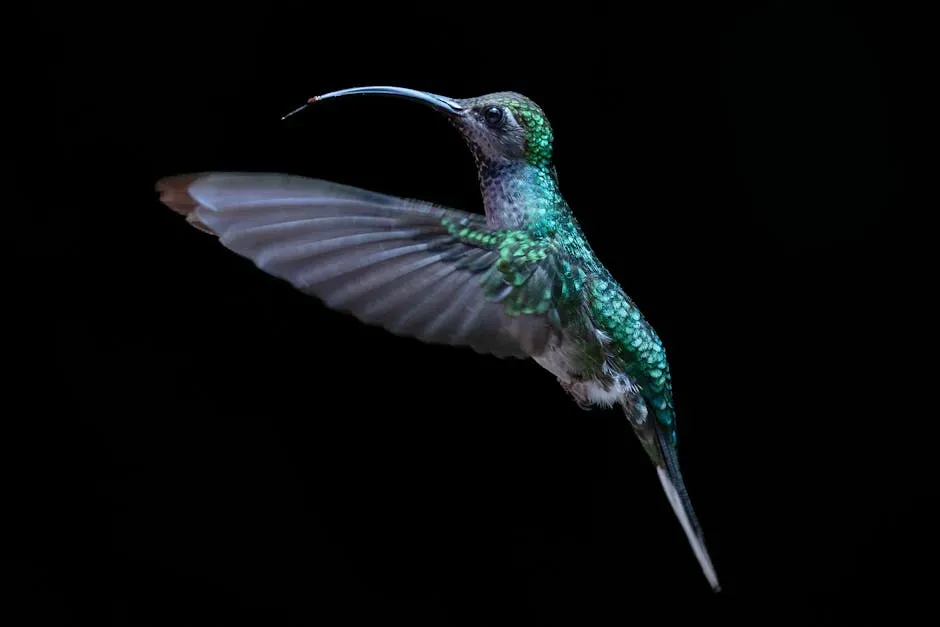
Here’s a perspective shift that genuinely humbled me. When you look at a flower and see red, a hummingbird sees something entirely different. Hummingbirds are tetrachromatic, meaning they have four types of color cones in their eyes. This adaptation allows them to perceive a vast range of colors that go beyond what humans can see, including ultraviolet light.
Hummingbirds possess the ability to perceive ultraviolet light, which is invisible to humans. This unique adaptation allows them to see patterns and markings on flowers that are invisible to our eyes, aiding in their search for nectar.
Male hummingbirds often have iridescent feathers that reflect UV light, creating bright, vibrant displays that are visible only to other birds with UV-sensitive vision. These UV-reflective feathers enhance their appearance during courtship displays, helping attract mates and establish dominance. A whole dimension of their social lives is happening in a spectrum we cannot even access.
They Have a Memory That Rivals a GPS System
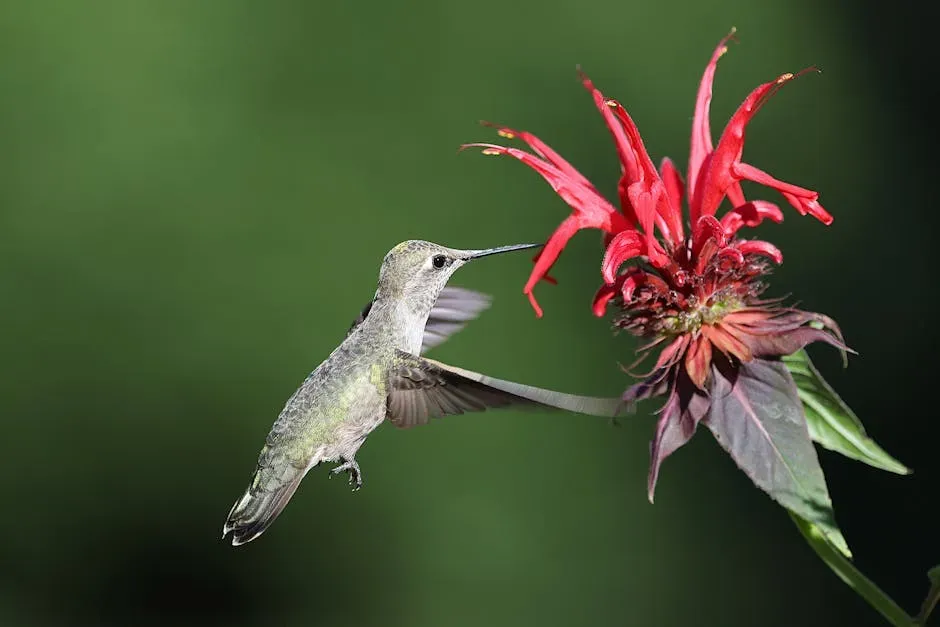
Let’s be real, most of us can’t remember where we parked the car twenty minutes ago. Hummingbirds, on the other hand, have something closer to a biological supercomputer running their food logistics. Not only can hummingbirds remember the locations of flowers they have visited, but also the nectar quality, the nectar content of each individual flower, and even the nectar refilling rate, which helps them avoid revisiting empty flowers and wasting a trip.
This amazing memory is in part due to their very large hippocampus, the part of the brain that deals with memory. When compared as a percentage of their brain volume, a hummingbird’s hippocampus is two to five times larger than many other songbirds.
The hummingbird brain is 4.2% of its body weight, which is the largest, in proportion, of the wild bird group. For such a tiny animal, that is an extraordinary amount of cognitive real estate. They may be small, but they are anything but simple.
They Build Nests Using Spider Silk as Natural Elastic
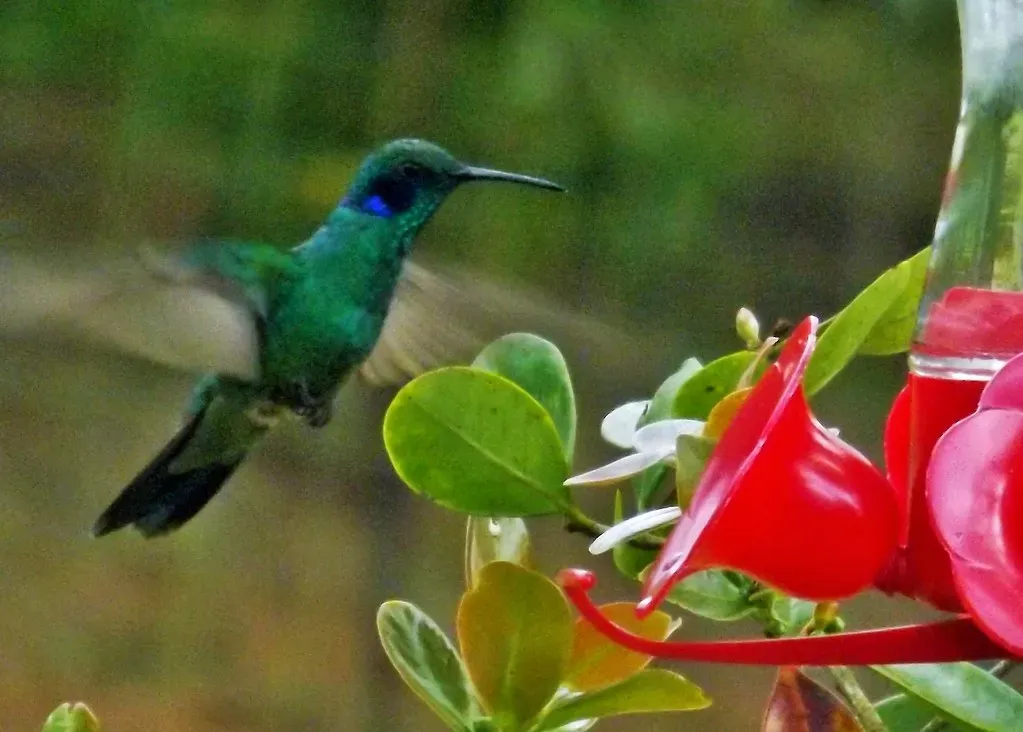
A hummingbird nest is one of nature’s most brilliant pieces of engineering, and almost nobody ever sees one. Hummingbirds build velvety, compact cups with spongy floors and elastic sides that stretch as the young grow. They weave together twigs, plant fibers, and bits of leaves, and use spider silk as threads to bind their nests together and anchor them to the foundation.
When a female Ruby-throated Hummingbird is building her nest, she collects the spider silk she needs by sticking it all over her beak and breast. When she reaches the nest site, she’ll press and stretch the silk onto the other materials, such as lichen and moss, creating a tough, tiny cup. Spider silk not only acts as a glue, holding the other bits together, but it’s flexible enough to accommodate the growing bodies of nestlings.
These small homes are usually only 1.5 to 2 inches wide, about the size of a large walnut shell or ping pong ball. You could genuinely hold one in the palm of your hand. The fact that most people walk past dozens of these in their lifetimes without ever noticing one is both humbling and oddly beautiful.
The Smallest Hummingbird Is the Smallest Bird on Earth
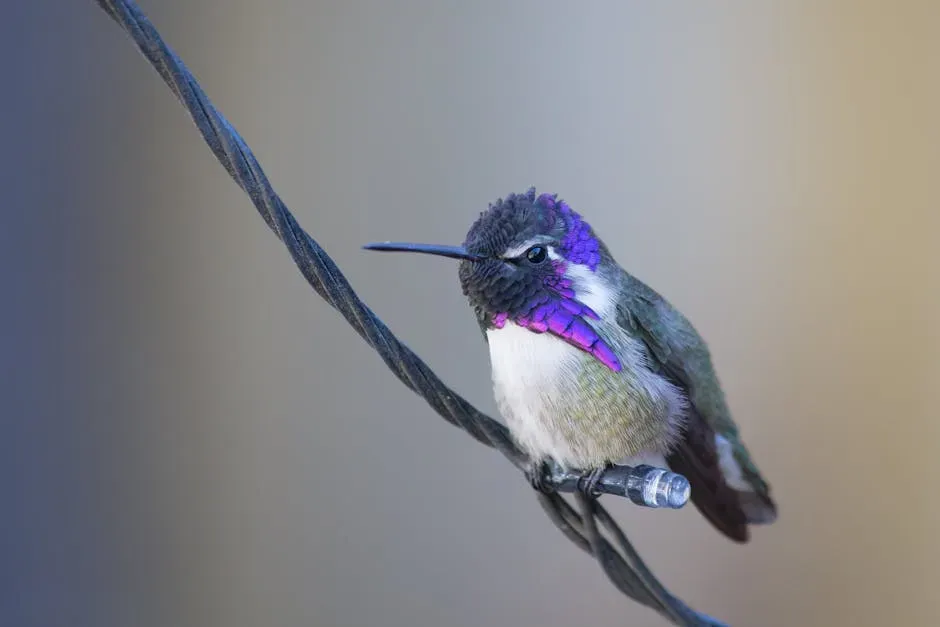
It’s hard to imagine something smaller than a hummingbird. Then you meet the Bee Hummingbird and your brain simply refuses to process it. Hummingbirds are the smallest birds in the world. The bee hummingbird, native to Cuba, measures just 2 inches long. Despite their size, they have the highest metabolism of any bird species.
From the tiny bee hummingbird weighing just 1.6 grams to the northern giant hummingbird measuring a whopping 22 grams, every hummingbird powers this astonishing ability by eating mostly nectar. That range is remarkable when you realize they all belong to the same family.
The average weight of a hummingbird is less than a nickel. Less than a nickel. Something that can make a sound, fly backwards, navigate thousands of miles, and outsee a human in color spectrum, all while weighing less than the loose change sitting in your pocket.
They Migrate Alone and Cover Astonishing Distances
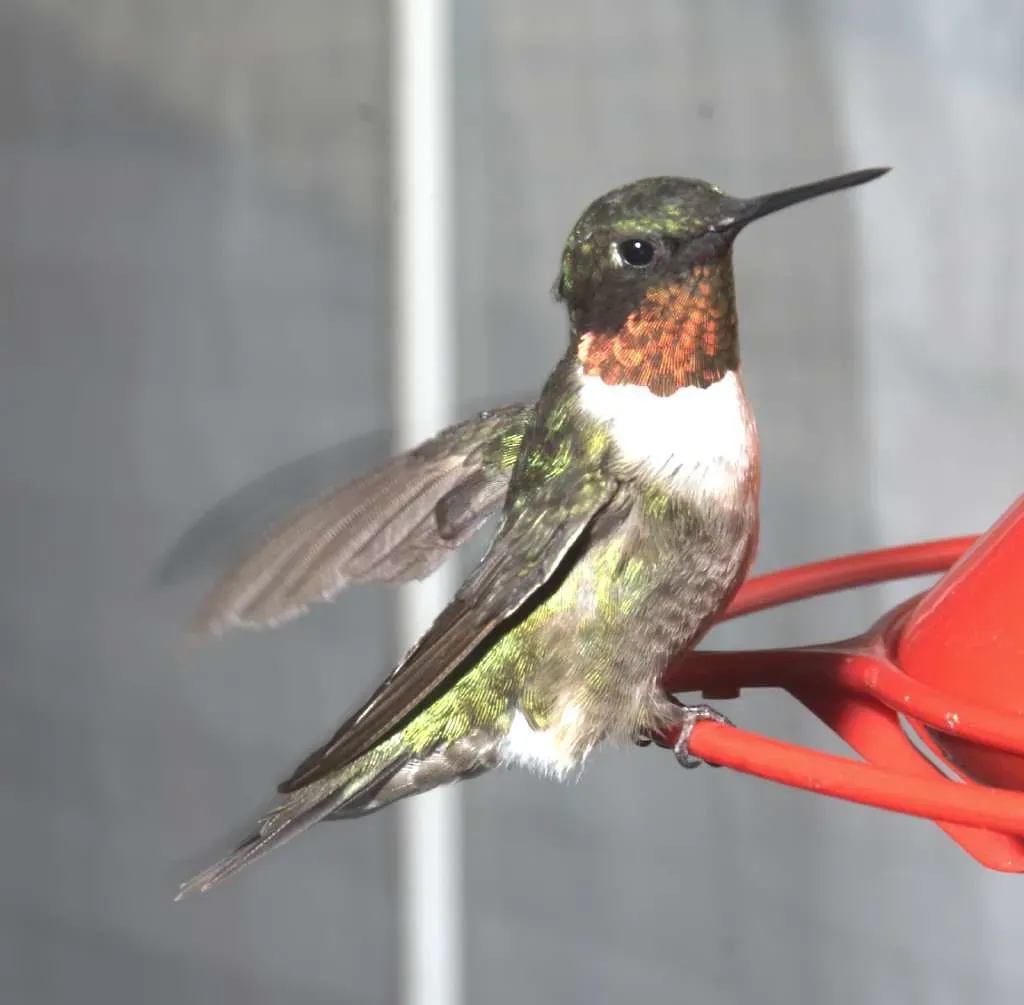
There’s something quietly heroic about how hummingbirds migrate. No flock to follow, no buddy system. Just a tiny bird and an ocean of air. They are the smallest migrating bird. They don’t migrate in flocks like other species, and they typically travel alone for up to 500 miles at a time.
Rufous hummingbirds migrate farther than any other North American species. They travel 4,000 miles from Mexico to Alaska every spring. That is an almost incomprehensible journey for an animal the size of a large insect.
Some hummingbird species, like the Ruby-throated Hummingbird, undertake impressive migrations, traveling thousands of miles between their breeding and wintering grounds. These tiny birds are even capable of flying nonstop for 18 to 22 hours during their journey. No rest stops. No refueling. Just pure, relentless determination from a creature that weighs less than a coin.
They Are Also Insect Hunters, Not Just Nectar Sippers
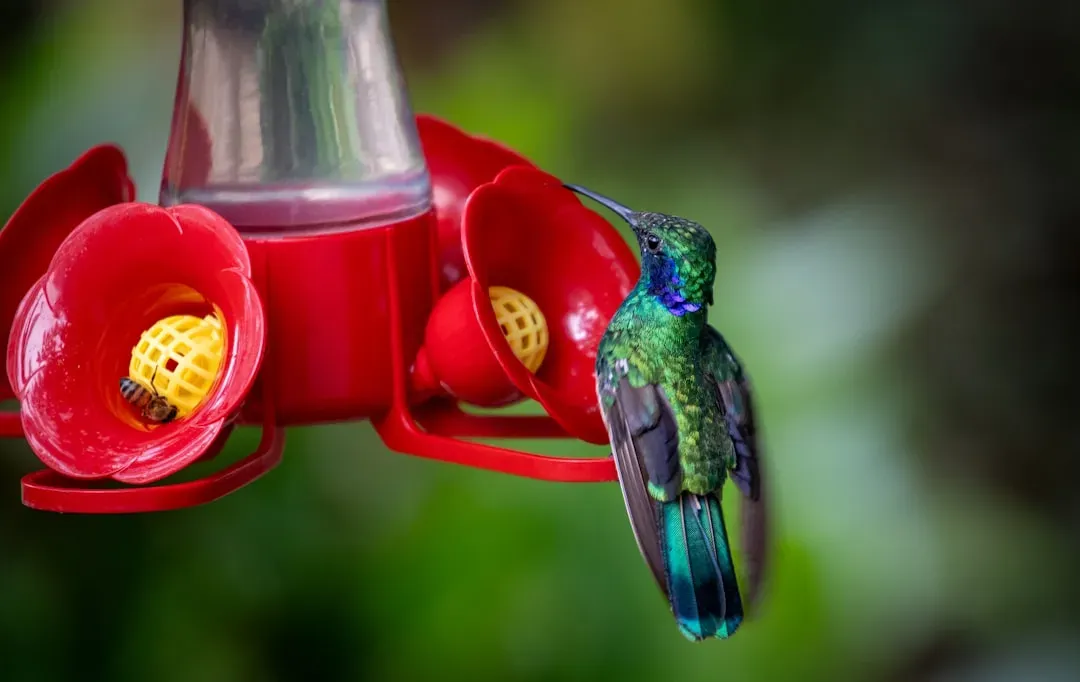
Here’s the thing: most people picture hummingbirds sipping daintily at flowers, and that image is perfectly accurate. However, it’s also wildly incomplete. You typically see hummingbirds at nectar blooms and sugar-water feeders, but they also eat tree sap and small insects when flowers are hard to find. Nectar is the high-octane nourishment that fuels hummingbirds, but they also need body-building protein. They spend considerable time hunting and eating the small insects, spiders and other arthropods that provide the vital compound.
Thanks to the fliers’ amazing agility and the special adaptation that essentially makes their bills spring-loaded sets of chopsticks, hummingbirds snatch insects out of the air.
They digest the sugar they get from nectar in as quickly as 20 minutes. Around 97% of the sugar they consume is converted into energy. That’s an efficiency rate that would make any engineer envious. They are, in many ways, nature’s most optimized little machines.
Over 191 Hummingbird Species Are Already Declining
This is the fact that stings a little. With all their extraordinary qualities, hummingbirds are not invincible. As of today, over 191 species of hummingbirds have been identified as having decreasing population trends by the IUCN. That’s a sobering number when you consider how much wonder these creatures hold.
Hummingbirds visit hundreds of flowers in one day and depend on these ample nectar sources, but their habitat is smaller than it used to be. Where flowers once grew, roads, houses, and businesses now stand. Even our lawns provide very little habitat for hummingbirds who need nectar, insects, and sheltered nesting spots.
As of 2026, 21 hummingbird species are listed as endangered or critically endangered, with about 255 species declining in population. The good news is that small actions in your own backyard can genuinely make a difference. Planting native nectar-producing flowers, putting up clean feeders, and reducing pesticide use all create real habitat. The hummingbirds show up. Every single time.
Conclusion: The Tiniest Creatures With the Biggest Story
There is something almost philosophical about hummingbirds. They live at an extreme pace, burning brighter and faster than almost anything else in the natural world. Their entire biology is a marvel of radical efficiency, beautiful adaptation, and absolute precision.
They remind us that size has nothing to do with significance. A creature weighing less than a nickel can see colors we cannot imagine, migrate distances that dwarf our understanding, and engineer nests that flex and grow like living architecture. That’s not a small life. That’s a spectacular one.
The next time one flickers past your window in a jewel-toned blur, pause for a moment. You’re watching something genuinely extraordinary. What surprised you most about these incredible little birds? Drop your thoughts in the comments below.

- 9 Cat Behaviors That Are Actually Signs of Anxiety - August 8, 2026
- 12 Animals That Can Predict Disasters (And How They Do It!) - August 8, 2026
- 11 Beautiful U.S. Destinations That Feel Strangely Untouched by Time - August 8, 2026