
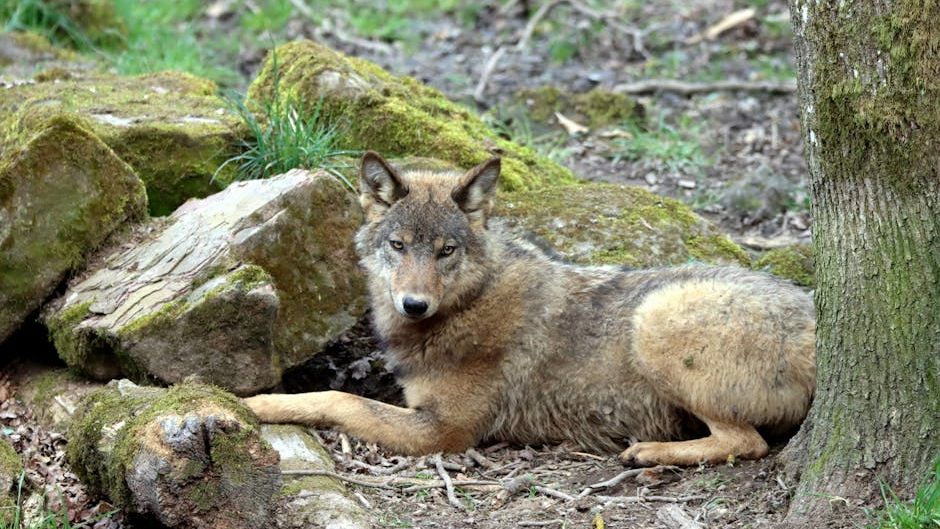
Most people who hike, camp, or live in Montana’s wild back country know the landscape well. The mountains, the rivers, the piercing morning cold. What they sometimes don’t prepare for is standing a few hundred feet from a grey wolf, heart hammering, wondering what on earth they should do next.
Here’s the thing: if you’ve ever spent time observing your dog at home, you already know more about wolf communication than you might think. The raised hackles, the stiff tail, the low warning growl – your dog’s body language is essentially a domesticated echo of the wolf. Understanding that connection could, genuinely, keep you safe one day. Let’s dive in.
Why Montana Is Ground Zero for Grey Wolf Encounters
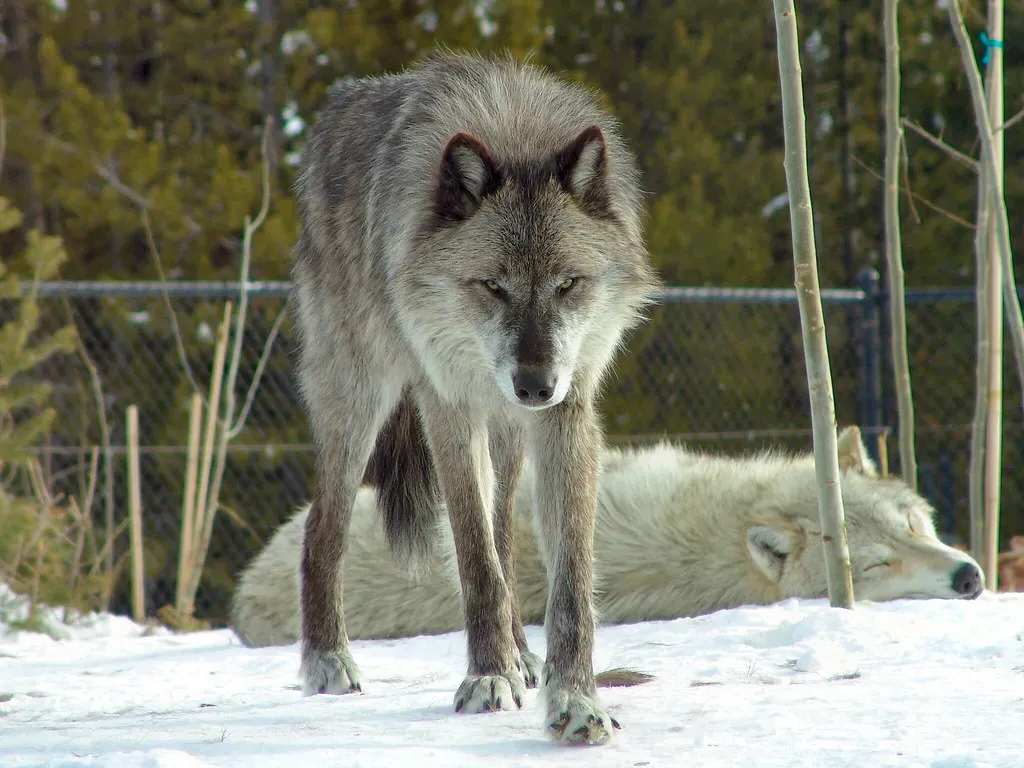
Montana isn’t just wolf country in name. Grey wolves once existed throughout Montana, but persecution and poisoning began shortly after European settlement, and by the late 1930s no wolves were left. In the early 1980s, wolves dispersed from Canada, making their way back into northwest Montana. That slow, quiet return eventually turned into something significant.
Montana Fish, Wildlife, and Parks estimates there to be well over a thousand wolves statewide, and most are found on the western portion of the state. Think about that the next time you’re hiking in regions 1 through 3 with your dog on a long lead.
Main prey for wolves in Montana includes elk, moose, deer, bighorn sheep, mountain goats, and beaver. This means wolves are almost always active, always moving, and always present in the very terrain that outdoor enthusiasts love. Knowing this isn’t meant to frighten you. It’s meant to sharpen your awareness.
Thing 1: Don’t Run – Your Dog Knows This Instinctively, and So Should You
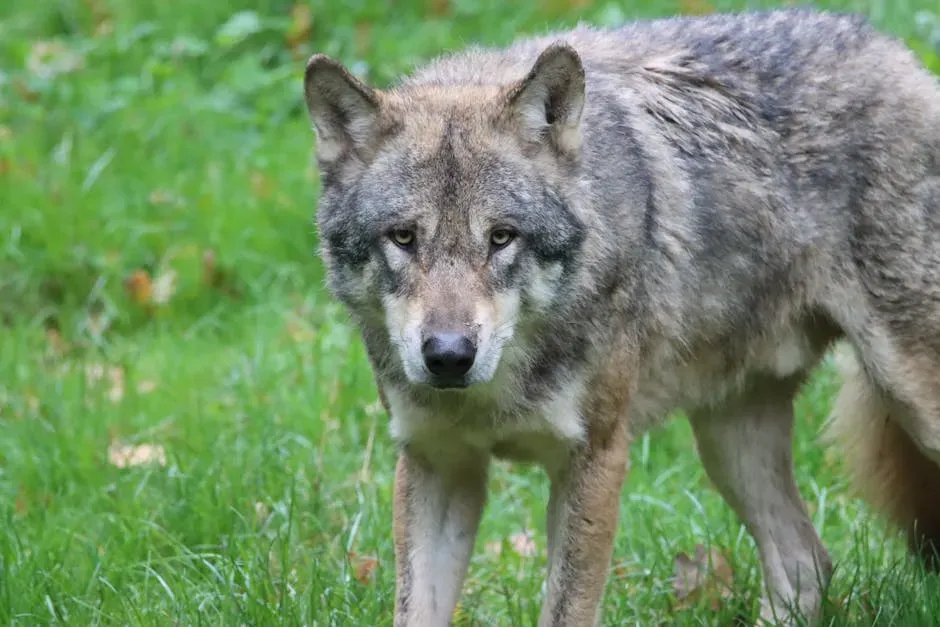
Honestly, the instinct to bolt when you see a large predator is almost impossible to suppress. It feels primal. It is primal. The problem is that running is one of the worst things you can do.
You should not turn your back on a wolf or run away. The logic behind this is the same reason your dog freezes when it spots a squirrel. Motion triggers pursuit. To a wolf, a fleeing human starts to look less like a threat and more like prey. It’s a simple, brutal equation.
You should retreat slowly while facing a wolf and act assertively. Unlike with some animals where direct eye contact is seen as a threat, wolves respect assertiveness when it’s combined with backing away. Move slowly toward safety, but never turn your back on the animal. Keep yourself facing the wolf as you gradually increase the distance between you. Think of it like a slow negotiation – one where you are communicating calm authority, not panic.
Thing 2: Never Approach a Wolf, No Matter How Dog-Like It Looks
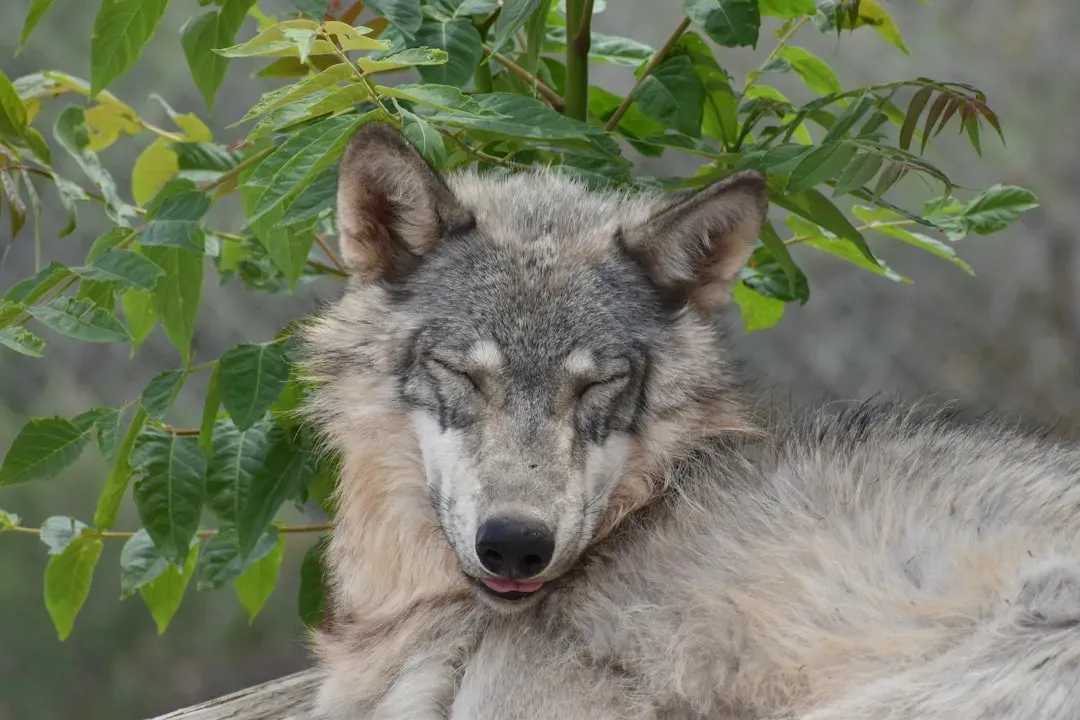
This one sounds obvious, but it trips people up more often than you’d expect. A wolf at a distance can look strikingly like a large husky or a German shepherd. That visual familiarity breeds false confidence, and false confidence in wolf country is genuinely dangerous.
You must resist the temptation to approach wolves. Do not entice or allow wolves to come nearby. The resemblance to your beloved pet is a trap. Think of it this way: your dog has been shaped by thousands of years of living beside humans, learning to read your face, your moods, your intentions. A wolf has not.
Despite being portrayed in some outlets as vicious, experts say that wolves are actually shy and will avoid people. It’s also incredibly rare that a wolf will attack a person. The rarity of attacks, however, does not mean you should press your luck by closing the gap. Rare is not the same as impossible. Respect the distance.
Evidence from recent cases of humans being bitten during wild wolf encounters indicates these animals may have been fed by people, thereby losing their natural fear of humans and associating humans with food. A wolf that approaches you without hesitation is a wolf that someone else has compromised. That is the wolf you need to be most careful around.
Thing 3: Do Not Feed a Wolf or Leave Food Where It Can Smell It
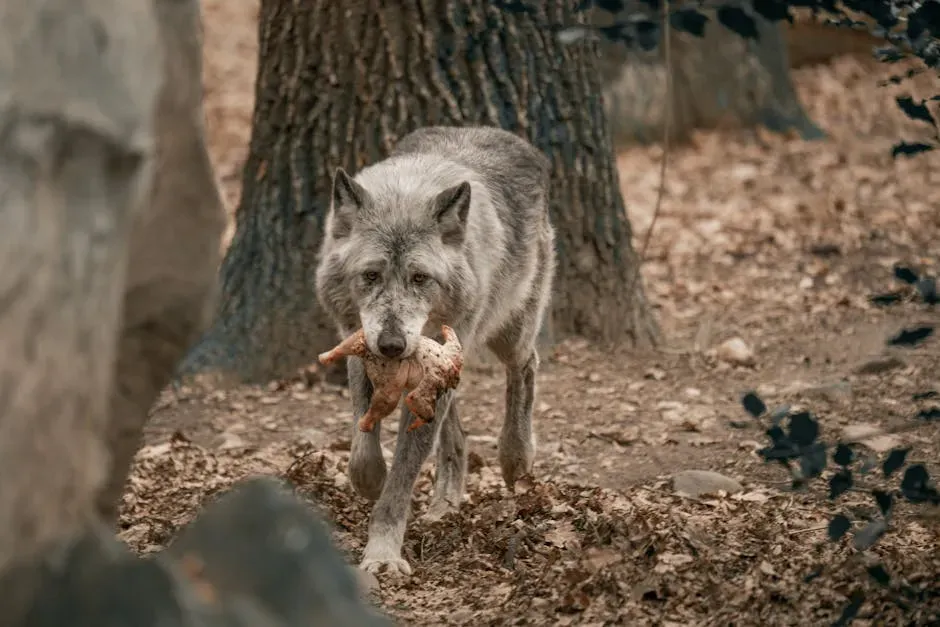
This is a behaviour mistake that echoes directly with what dog owners already know. You’d never intentionally train your dog to beg aggressively at the dinner table by rewarding the behaviour every time. The same principle applies here, except the stakes are dramatically higher.
You should not feed wolves or leave food outdoors, including pet food. It sounds simple. It isn’t always practiced. Campers leave scraps. Hikers drop food. Homeowners leave pet bowls on the porch. Every one of those actions can pull a wolf closer to a human space it has no natural business being in.
You should not leave pet food outdoors where it may be accessible to a wolf or other predators. Wolves quickly become accustomed to a consistent food source and may eventually injure or kill pets. Even something as simple as a bowl of dog food left on the porch can turn your yard into a wolf magnet. The connection between food and habituation is well documented and genuinely alarming.
You should check for garbage cans that aren’t secured, bird feeders, compost piles, or anything else that might smell interesting to a hungry wolf. Your nose is nothing compared to a wolf’s. What you can barely detect, they can track from extraordinary distances. Remove the attraction and you remove a significant portion of the risk.
Thing 4: Never Let Your Dog Confront a Wolf Off-Leash
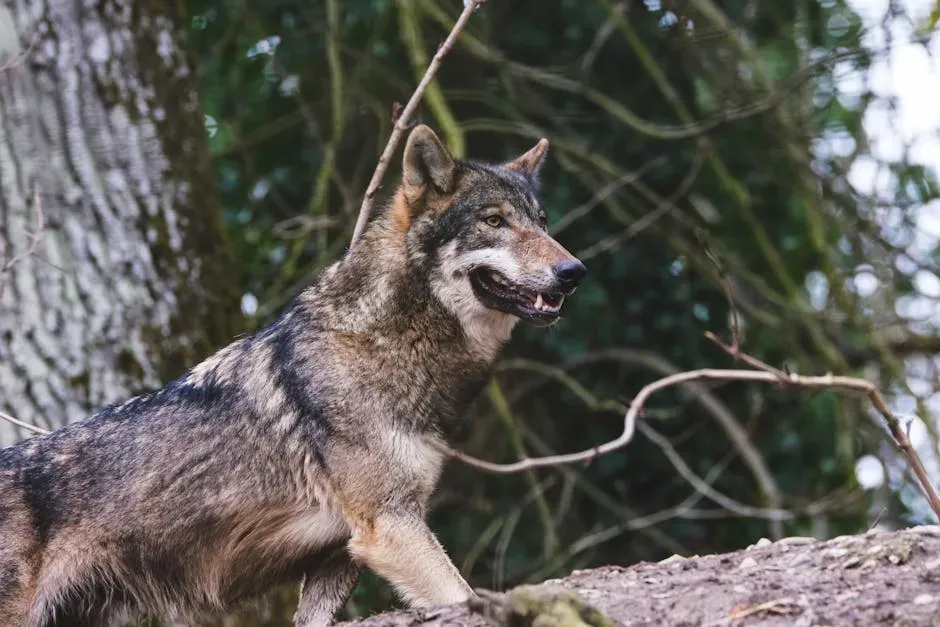
Dog owners in particular need to hear this one loud and clear. Your dog’s body language, inherited almost entirely from wolf ancestors, can inadvertently send signals that escalate a wolf encounter in seconds. Have you seen dogs jump up to greet their owners, bark at strangers, or roll over when another dog approaches? Then you already know something about how wolves communicate. Dogs inherited most of their language from their ancestors, the wolves.
The problem is that while the language is shared, the dialect has shifted over thousands of years of domestication. Since dogs and wolves are two very different species, the chance of miscommunication through body language can still be misinterpreted. What your dog thinks is a playful greeting signal may read as a territorial challenge to a wild wolf.
Wolves may treat dogs as interlopers on their territories and attack and kill or injure them, especially if the wolves have pups nearby. I think this is probably the most underestimated danger in the whole conversation. People assume their dog will be okay because it’s “good with other dogs.” A grey wolf in Montana is not another dog.
If a dog is about to encounter a wolf, the dog should be brought to heel at the owner’s side as quickly as possible and leashed. Standing between the dog and the wolf often ends the encounter. To avoid risk of injury to yourself, do not attempt to break up a physical fight between a wolf and a dog except by using bear spray or a powerful hose from a safe distance.
Thing 5: Don’t Approach a Wolf Den, Kill Site, or Pups – Ever
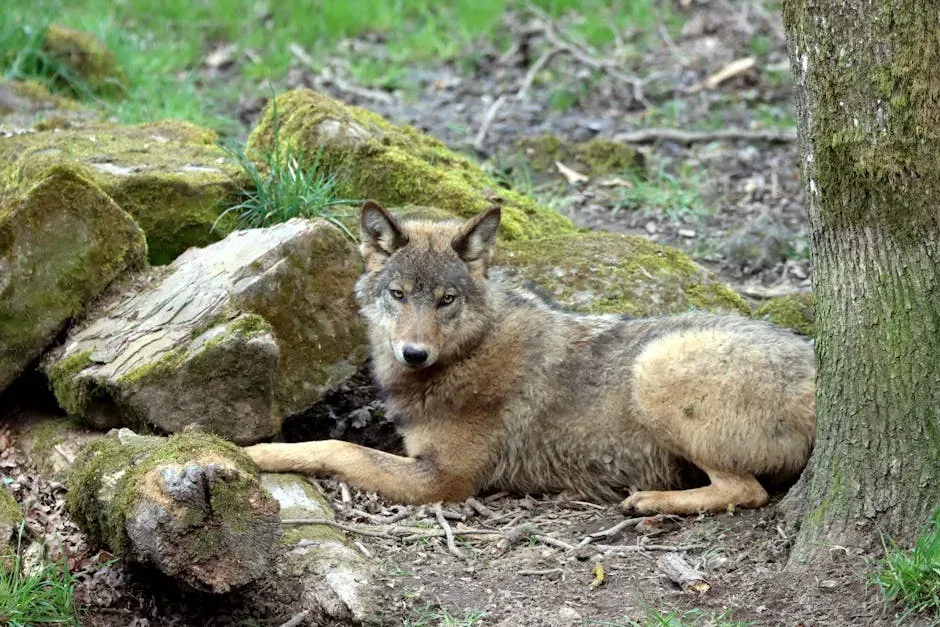
If you come across what looks like a fresh animal carcass in the woods, or you hear pups, or you notice wolves watching you from the tree line with unusual intensity, stop. Understand that you may have stumbled into the most dangerous situation a wolf encounter can produce.
You should not approach fresh wolf kills, dens, or rendezvous sites. This is the scenario that takes a normally cautious, human-avoiding wolf and turns it into something entirely different. A mother protecting pups is operating on pure instinct, and that instinct does not include patience for curious hikers.
If the wolf does not retreat and is acting aggressively by holding its tail high, raising its hackles, barking or howling, you should yell and throw things at it while continuing to back away. If it attacks, fight back aggressively to show you are too dangerous to attack. Your dog’s raised hackles near another dog at the park is a warning sign you already know how to read. On a wolf, that same signal means exactly what you think it does – only with far greater consequence.
Attacks by non-rabid wolves typically involve captive wolves, healthy wild wolves that became habituated to humans, territorial attacks by wolves on pet dogs where the dog owner tried to intervene, defensive attacks by wolves when trapped or cornered, or when den sites with pups were threatened. Knowing this, the best thing you can do near a possible den site is leave, quietly and immediately.
Conclusion: Your Dog Has Been Teaching You Wolf Literacy All Along
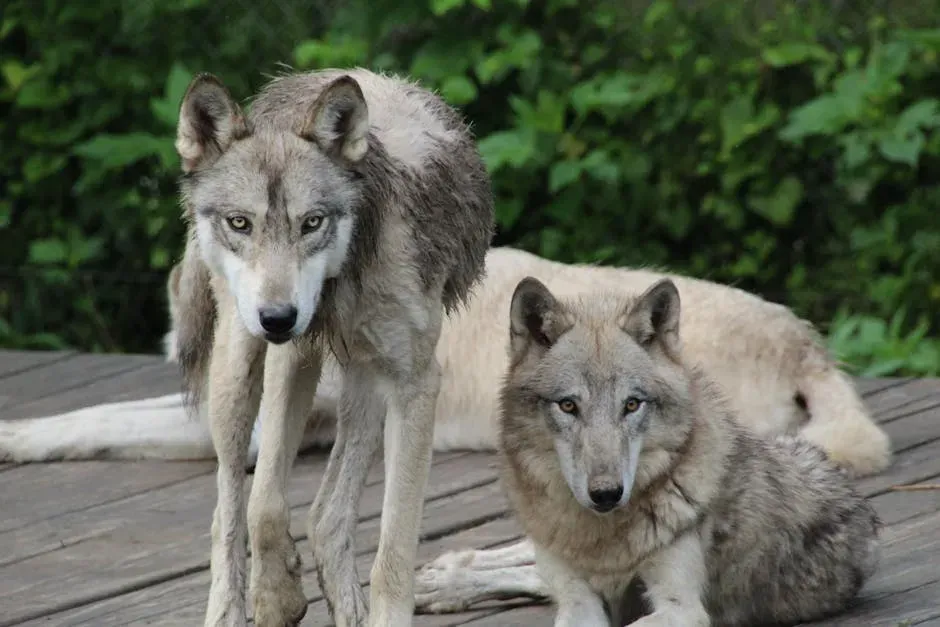
There’s something almost poetic about the fact that understanding your dog’s body language can genuinely prepare you for one of Montana’s wildest encounters. Both species use a combination of vocalizations and body language to convey their emotions and intentions. The stiff posture, the high tail, the averted gaze – these aren’t random. They’re a language, and your dog speaks a version of it every single day.
Research shows that wolf attacks on humans in North America are extremely rare, though not impossible. These magnificent animals are generally more afraid of you than you are of them. That should bring some comfort. It doesn’t, however, mean the encounter is without risk if you handle it wrong.
The five things to avoid – running, approaching, feeding, unleashing your dog, and venturing near dens or kill sites – aren’t complicated rules. They’re common sense wrapped in a deep understanding of wolf behaviour. Montana is their home. You’re a visitor. Act accordingly, stay observant, and that encounter in the wild will almost certainly end with both of you walking away unharmed.
The next time your dog locks eyes with you and holds that low, steady stance, take note. Nature has been giving you a masterclass. The question is whether you were paying attention.

- 15 Little-Known Facts About DNA That Control More Than You Think - August 10, 2026
- 10 Things Cats Never Forget About Their Owners - August 10, 2026
- 8 Ways Cats Show They're Worried About You - August 10, 2026