
Nature is, honestly, one of the most relentless engineers that has ever existed. Over millions of years, life on Earth has been quietly solving problems that would make the best human minds sweat. Think about it: no warm coat? Grow one. No water in the desert? Harvest it from your food. Predator about to eat you? Shoot blood from your eyes.
The animal kingdom is stuffed with evolutionary tricks so bizarre, so brilliant, and so jaw-dropping that they sound like something out of a science fiction novel. From creatures that freeze solid and come back to life, to deep-sea worms that eat poison for breakfast, the natural world never stops surprising. Let’s dive in.
1. The Wood Frog: Nature’s Master of Freeze-and-Thaw
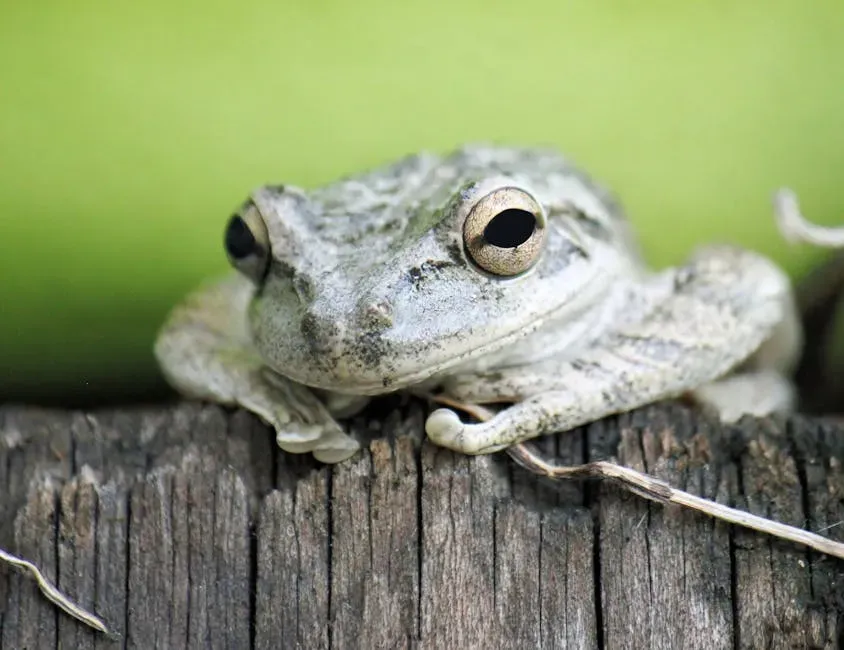
Imagine being literally frozen for months on end and then just waking up, hopping away, and going about your day. That’s the wood frog’s reality. The wood frog performs one of nature’s most remarkable survival feats. As winter approaches in habitats ranging from Alabama to Alaska, these amphibians prepare for something extraordinary – they freeze solid for up to eight months of the year. When temperatures drop, up to about three-fifths of the wood frog’s body freezes completely. Their heart stops beating, blood stops flowing, and breathing ceases entirely.
While ice forms on the outsides of their organs and cells, the frog’s liver produces large amounts of glucose, which prevents their cells from freezing and binds water molecules to prevent dehydration – so the insides of their cells are actually protected.
In spring, once they thaw, their hearts start beating again. This adaptation allows them to become active much earlier in the spring than other frogs, enabling them to breed in pools of freshly melted water. If that doesn’t count as a superpower, I genuinely don’t know what does.
2. The Horned Lizard: The Animal That Shoots Blood From Its Eyes
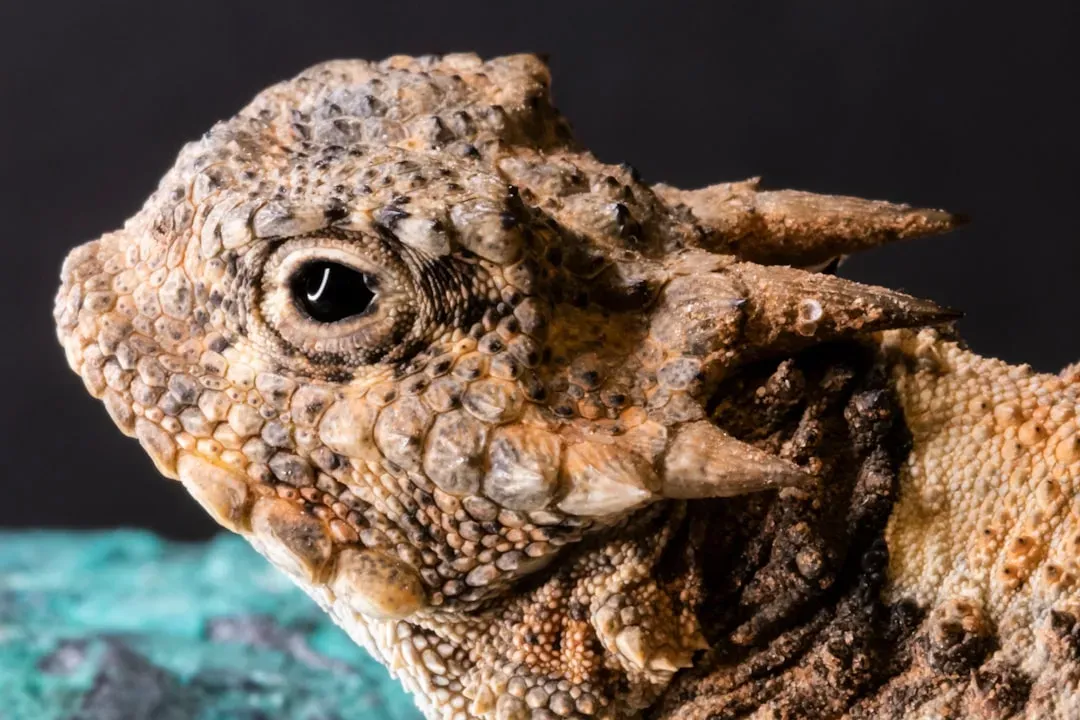
Let’s be real, this one sounds like something a kid made up. But it’s completely true. When confronted by predators, particularly canines, this desert-dwelling reptile increases blood pressure in vessels around its eyes until they rupture, spraying blood up to five feet away. This blood contains chemicals that are particularly foul-tasting to canine predators, making the horned lizard an unappetising meal.
Beyond the blood-squirting trick, their scales provide camouflage that closely resembles the soil and rocks of their habitats. If this fails, and they find themselves in the mouth of a predator, they can puff their bodies up with air, poking their spikes into the other animal’s skin.
It’s layered defense at its finest – camouflage first, spikes second, blood-spray last. This lizard came prepared for every scenario life could throw at it.
3. The Mimic Octopus: Master of Disguise in the Deep
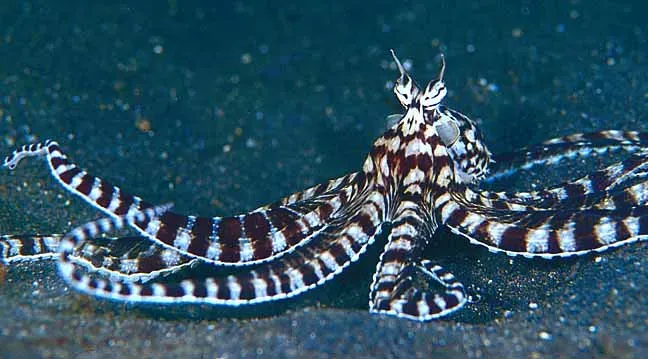
The mimic octopus showcases one of nature’s most impressive adaptations: mimicry. Found in the tropical waters of Southeast Asia, this octopus can imitate the appearance and movements of various marine animals like lionfish, flatfish, and sea snakes. By changing its skin color and texture, the mimic octopus can confuse predators and potential prey. This ability to mimic multiple species helps it evade threats by posing as dangerous or unpalatable creatures.
Think of it like a method actor that can switch roles mid-scene. Most animals have one defense trick. The mimic octopus has a whole repertoire. Its ability to seamlessly switch between multiple disguises highlights its quick-thinking survival skills. By convincing potential threats that it’s dangerous or unpalatable, the mimic octopus turns deception into an art form.
4. Geckos: Defying Gravity With Microscopic Hairs
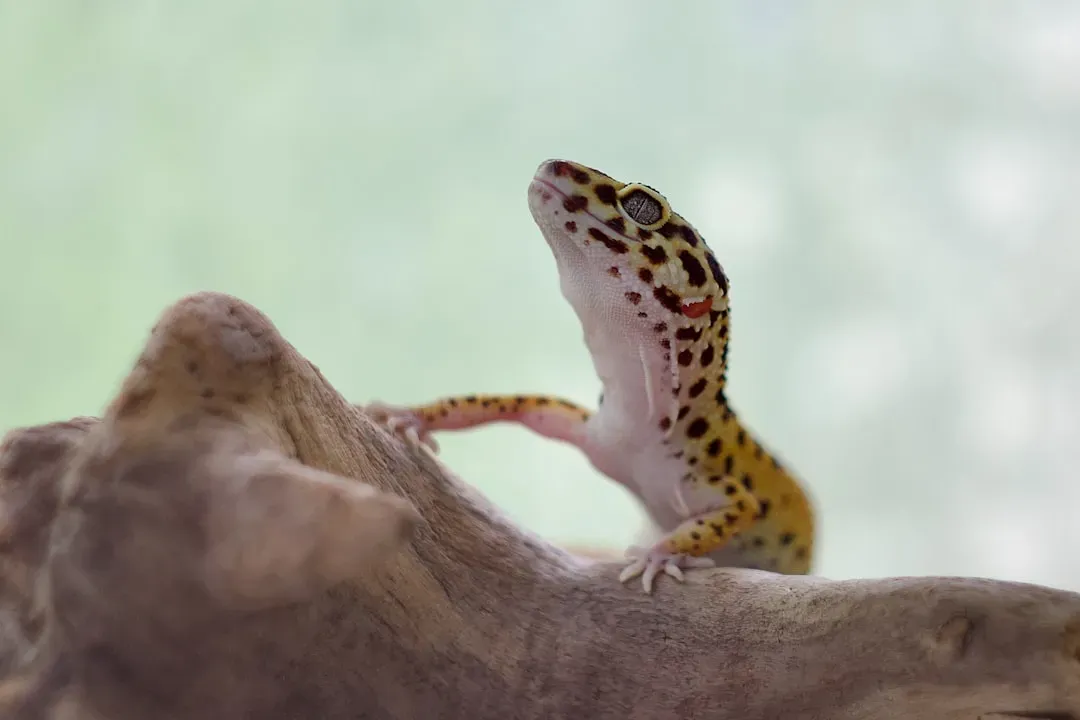
Watch a gecko sprint up a glass wall and your brain refuses to accept it. It looks like a magic trick. Geckos have toe pads with millions of microscopic hairs that create an electromagnetic bond, enabling them to climb smooth surfaces. It’s not sticky glue, no suction cups involved – it’s physics working at the tiniest possible scale.
Scientists are studying gecko-inspired adhesives for applications like medical adhesives and space exploration, as they can stick without residue and be reused. So the next time you see a gecko strolling casually across your ceiling, know that engineers are taking serious notes.
5. The Axolotl: The Animal That Regrows Its Own Organs
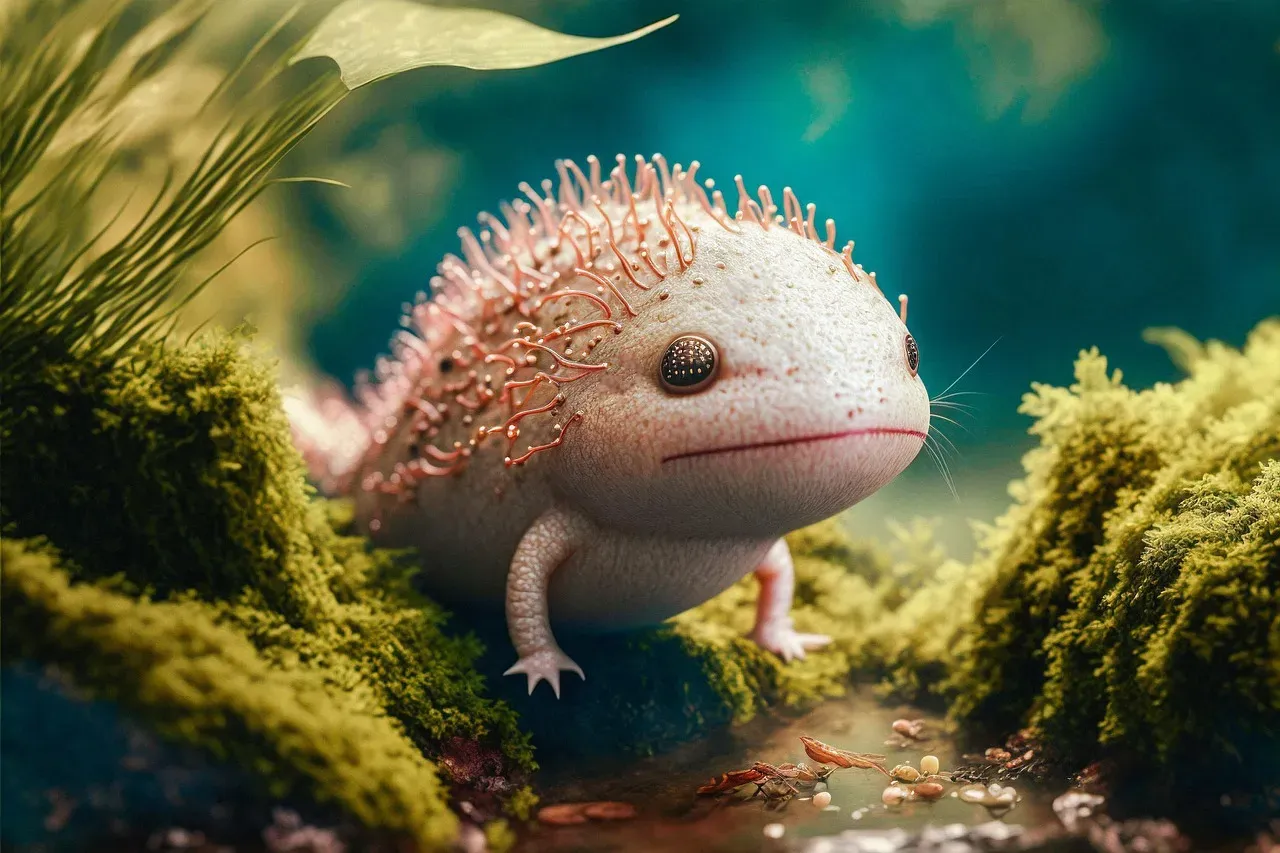
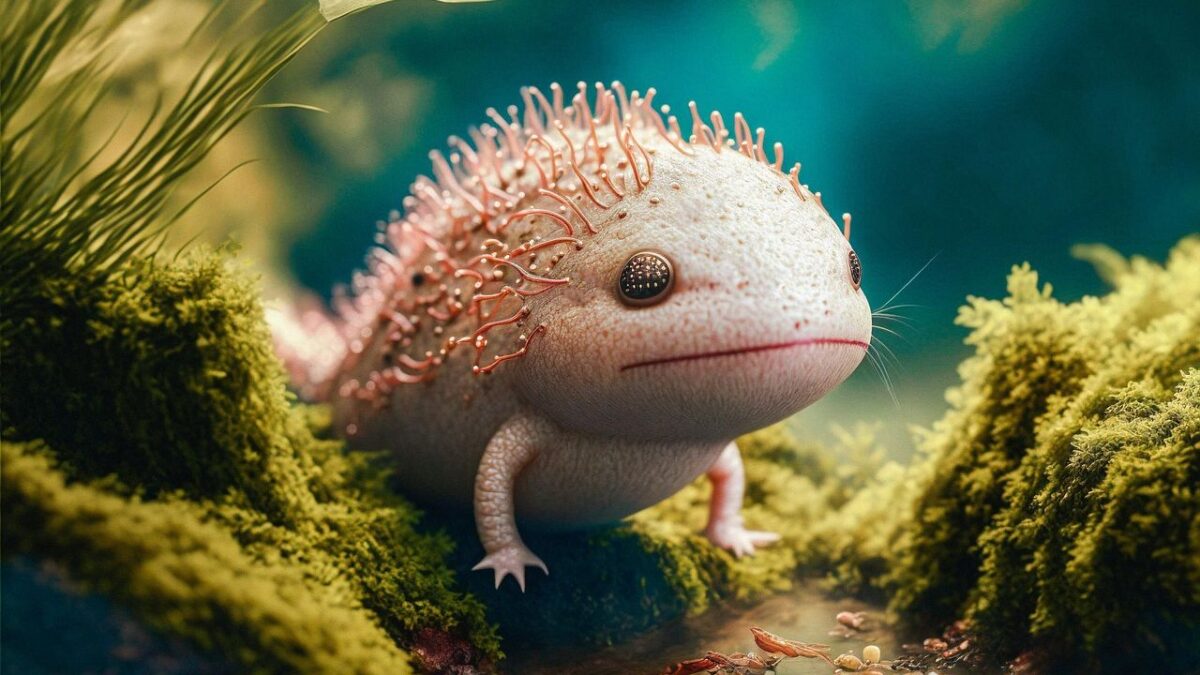
Most of us can heal a cut. The axolotl can regrow a limb. These aquatic salamanders can not only regrow limbs but also replace their spinal cords, hearts, and other organs. It’s a level of biological self-repair that frankly makes human medicine look modest by comparison.
This incredible adaptation has made the axolotl a focal point for medical research, with scientists studying its potential applications for human tissue regeneration. Its remarkable regenerative abilities give it a survival advantage in the wild, allowing it to recover from injuries that would be fatal to most species.
Honestly, the axolotl might be one of the most medically important animals alive today. It also happens to look perpetually cheerful, which feels appropriate for something essentially immortal in that way.
6. The Mantis Shrimp: The Punch That Breaks the Laws of Reality
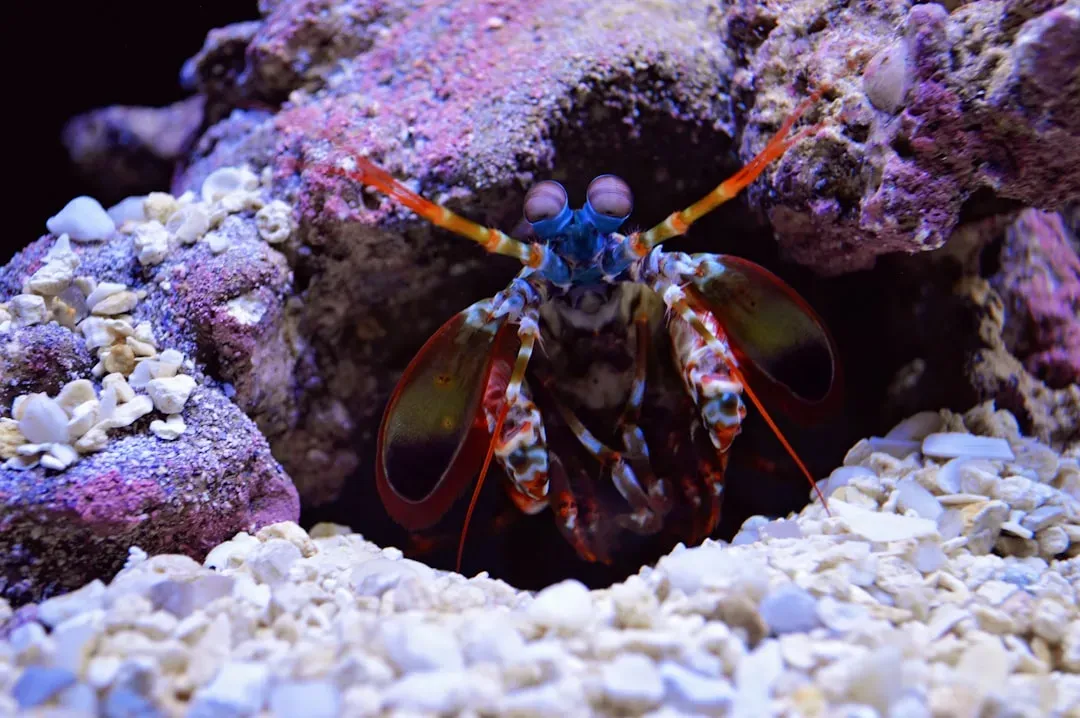
Small but absolutely terrifying. The mantis shrimp is, pound for pound, one of the strongest animals in the world. Using the clubs at the ends of their forelegs, these crustaceans pack a punch of roughly a hundred times their bodyweight – the strongest self-powered strike of any animal.
These strikes are not only powerful but incredibly fast. The mantis shrimp can strike their prey at a speed similar to a .22-caliber bullet – that’s around fifty times faster than the speed of a blink. The strike is so quick that it causes vapor bubbles to erupt around the club, effectively doubling the power of the punch.
It’s the underwater equivalent of a wrecking ball fitted onto something you could hold in your hand. Nature packed extraordinary force into a tiny crustacean, and it’s as terrifying as it sounds.
7. The Cuttlefish: Colorblind Animals That Paint Themselves Perfectly
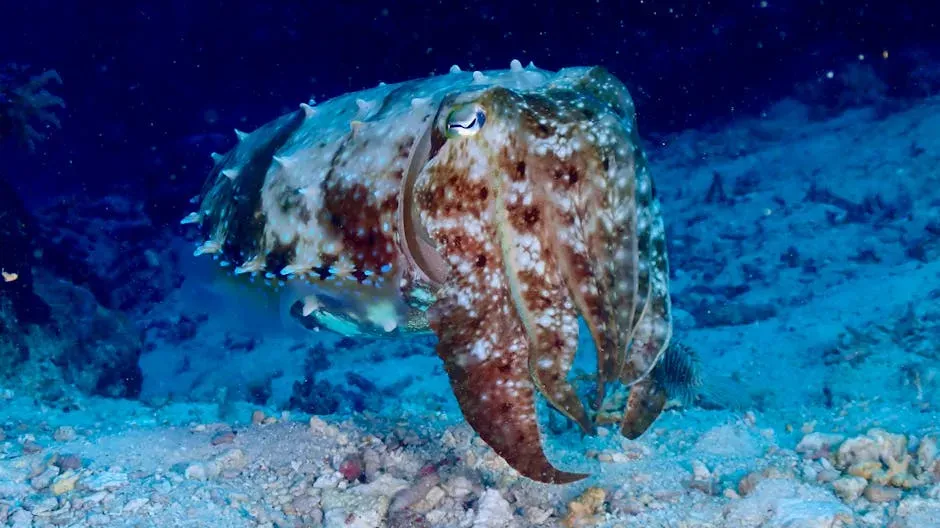
The cuttlefish is a cephalopod with the ability to change colors. This unique animal’s body is made up of millions of pigment cells that allow it to change its color and pattern. This process is unleashed whenever the cuttlefish moves its muscles, allowing it to transform when facing a predator threat. The creature is not only able to evade predators but can also stun them by flashing its colors and squirting ink.
Here’s the truly mind-bending part. Octopuses and cuttlefish are actually colorblind. So how do they know what color to adopt? The truth is, we don’t know for sure. One idea is that they can feel color – both animals have a special chemical in the tiny fibers on their arms that allows them to sense light.
A colorblind creature that pulls off perfect color camouflage. It’s hard to say for sure exactly how it works, but the fact that we’re still figuring it out makes it even more spectacular.
8. The Platypus: Nature’s Stranger-Than-Fiction Creation
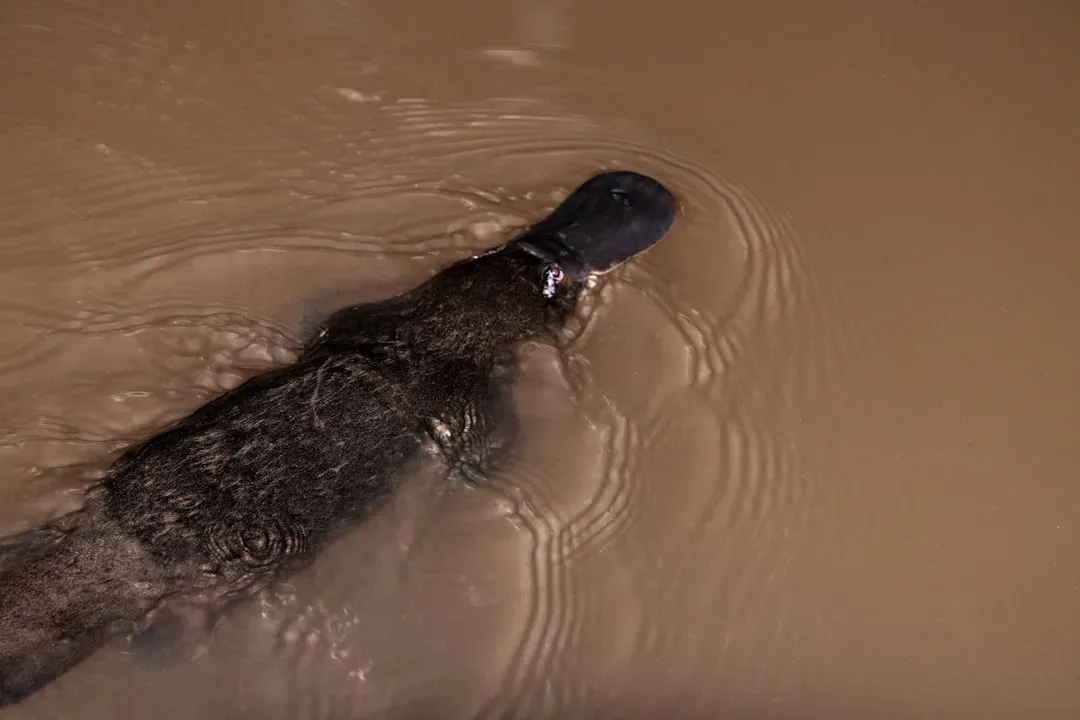
The platypus looks like the result of a nature committee that couldn’t agree on anything. It has webbed feet and a bill like a duck, a tail like a beaver, and fur like an otter. Don’t be fooled by its cuteness, though – males have a venomous spur near their back leg.
One of the platypus’s most remarkable adaptations is that its special bill can detect electric fields generated by other animals, which helps it hunt for food. This is called electrolocation. Think of it like a living metal detector, except far more precise and biological.
It hunts with its eyes closed underwater, navigating purely through electricity. Few animals on Earth do this. The platypus is genuinely in a league of its own.
9. Desert Animals That Never Drink Water
Most of us are reaching for a glass of water right now without giving it a second thought. Some animals have adapted to never need to do that at all. Roadrunners, kangaroo rats, and some gazelles can survive their whole lives without ever taking one sip of water. These desert animals get all the moisture they need from the food in their diets.
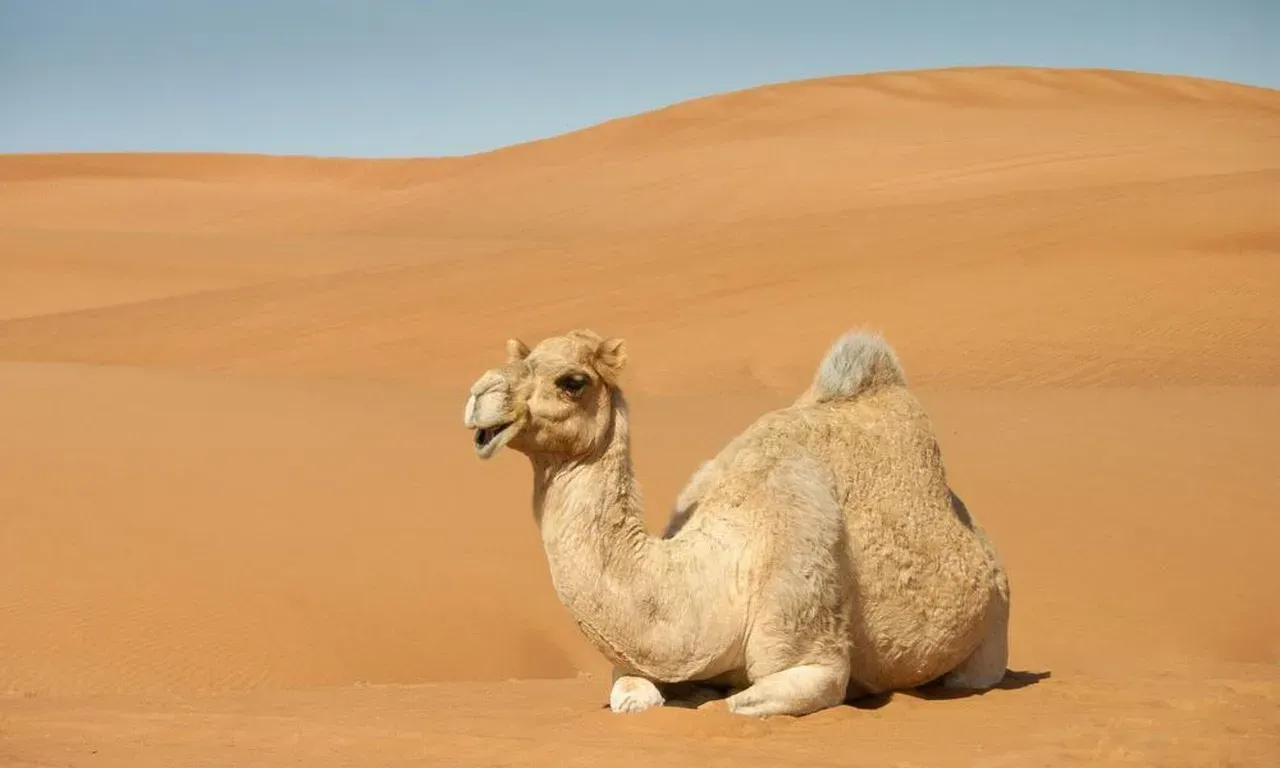
Camels take desert adaptation to a whole other level as well. Camels have long eyelashes and even a third eyelid to keep sand out of their eyes, and wide feet to distribute their weight evenly on the sand. They have thick fur in sun-facing parts of their body for shade, and thin fur in other places to allow heat to escape. Their signature hump is full of fat that they can metabolize when there is no food or water around.
10. Tubeworms: Creatures That Eat Poison for Breakfast
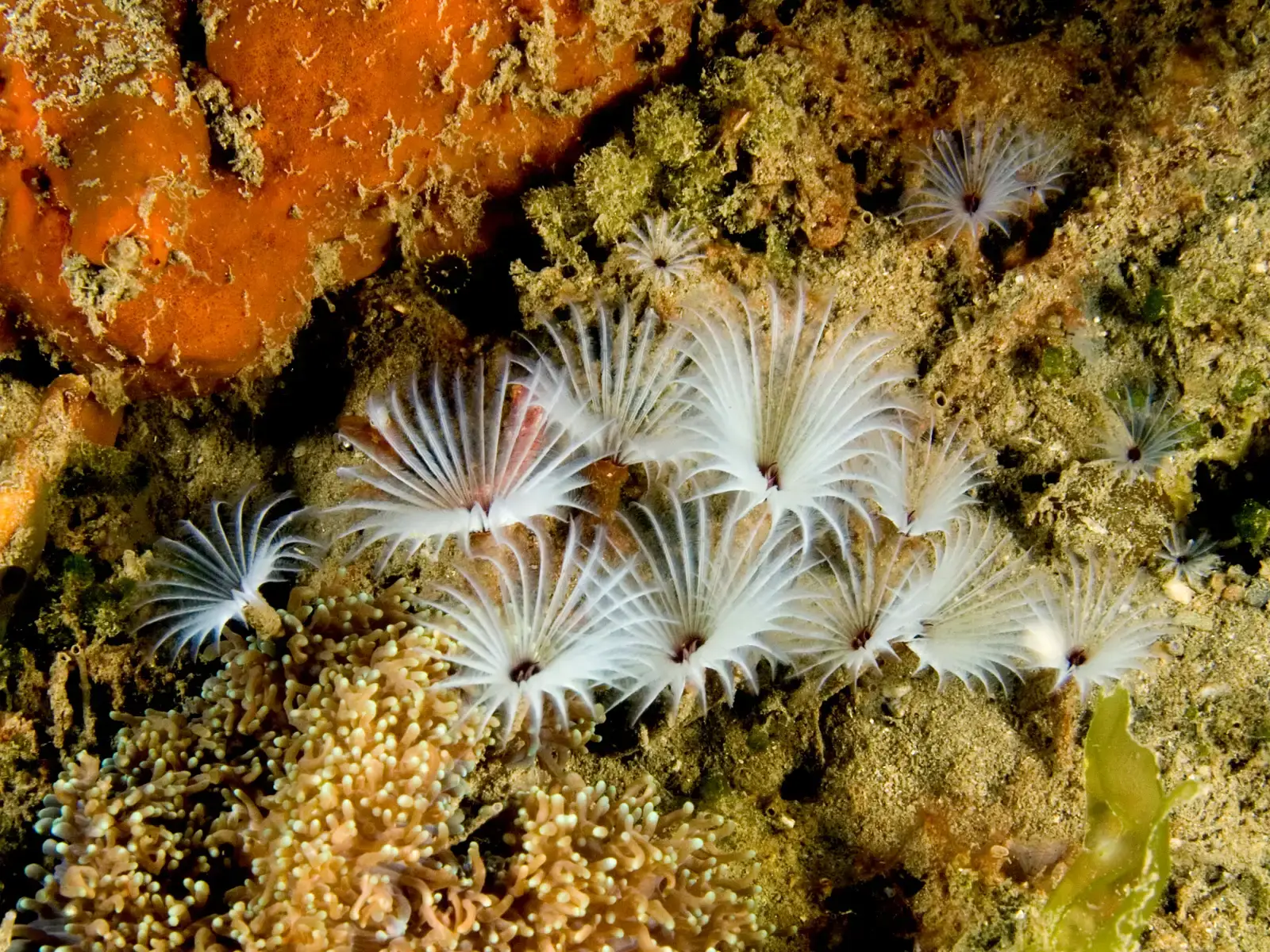
Living in the extreme conditions of deep-sea hydrothermal vents, tubeworms have evolved to thrive where few other organisms can. These remarkable creatures lack a digestive system, instead relying on chemosynthetic bacteria housed within their bodies to convert toxic chemicals into energy. This unique physical adaptation allows tubeworms to survive in environments with high levels of toxic chemicals and low oxygen levels.
Think about that for a moment. Where most life would be instantly killed, tubeworms have turned their entire biology into a toxin-processing factory. Their ability to endure extreme temperatures and pressures showcases the incredible resilience of some animal species.
They’re a reminder that life doesn’t just adapt to difficult environments. Sometimes, life decides to move in permanently and thrive in the places that seem most hostile of all.
11. Bats and Echolocation: Hearing Their Way Through the Dark
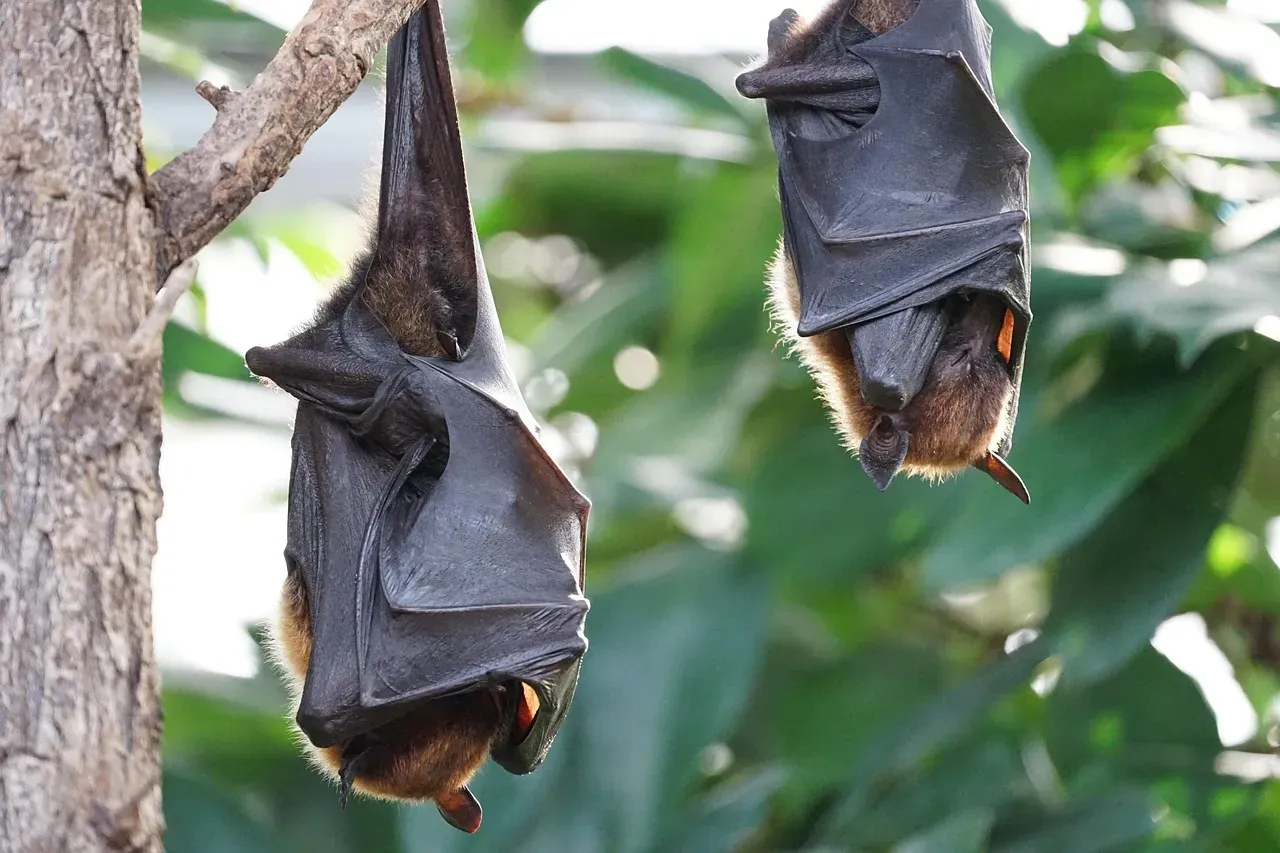
Bats have essentially built their own sonar system. Bats have developed an incredible adaptation known as echolocation, which allows them to navigate and hunt in complete darkness. By emitting high-frequency sound waves, bats can listen for echoes that bounce off objects around them.
The precision is almost unbelievable. A bat flying at full speed through a pitch-black cave, navigating around thousands of other bats, swooping down to catch a tiny moth mid-flight – all without seeing a single thing. It’s a masterpiece of biological engineering.
It’s believed that the barn owl has better hearing than any other animal on the planet. Owls can hunt in complete darkness by sound alone, pinpointing a mouse from over a hundred yards away. The dark, it turns out, is full of hunters that evolved specifically to own it.
12. The Pufferfish: When Toxins and Inflation Are Your Best Defense
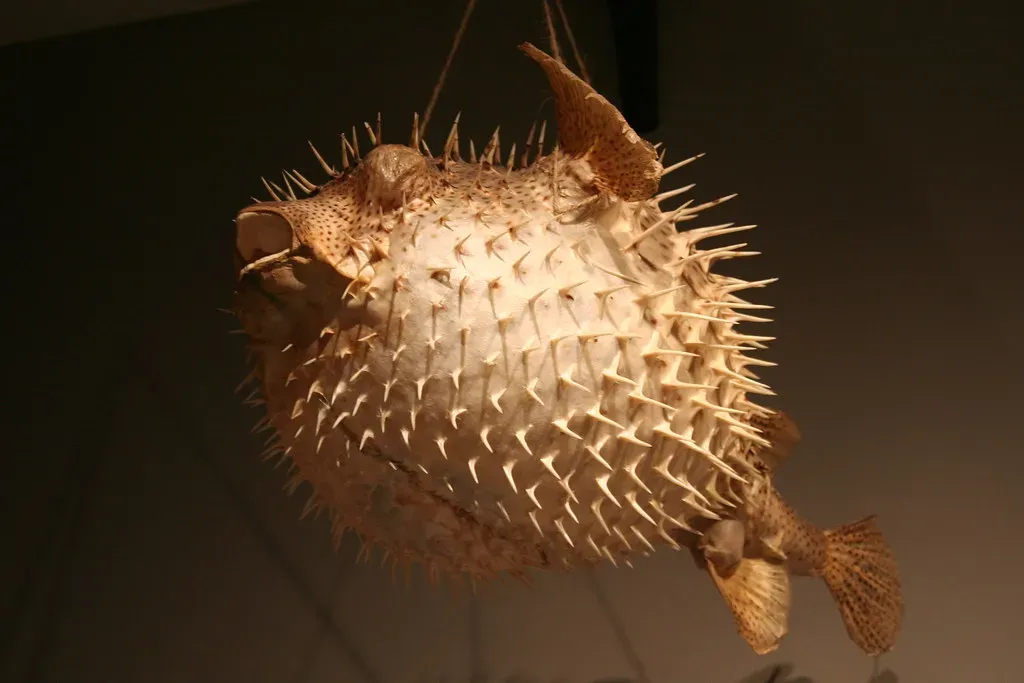
Few animals have a more dramatic panic response than the pufferfish. Pufferfish have stomachs that have evolved to be super stretchy, allowing them to inflate with water to scare predators away. Pufferfish also contain a deadly toxin, making them highly dangerous if eaten.
In addition to puffing themselves up, most pufferfish species produce a neurotoxin called tetrodotoxin. This chemical can cause paralysis and seizures, and it can even be fatal to humans. It’s a two-in-one deterrent that is wildly effective.
Interestingly, pufferfish don’t inflate themselves only when they feel threatened. Sometimes, they do it just to stretch their muscles. A creature that occasionally inflates itself just to loosen up. Honestly, that might be the most relatable thing on this entire list.
The Bigger Picture: Evolution Is a Genius With Unlimited Time
Over millions of years, these species have evolved to exist in their surrounding environmental conditions. It’s a matter of survival of the fittest – the most well-adapted members of a species live the longest, and thus have the best chances of breeding and passing on their genetics. This makes it more likely that the next generation will inherit these traits.
Adaptations are what allow such a diversity of animal species to live on Earth’s land, seas, and skies. Through adaptations, animals have found ways to inhabit every environment on Earth. From scalding hydrothermal vents to Arctic tundra, from pitch-black caves to scorching deserts. Every corner occupied. Every challenge answered.
What strikes me most about all of this is how humbling it is. Humans have built cities and spacecraft, yet we can’t freeze solid and wake up again in spring. We can’t regenerate a heart. We can’t turn poison into dinner. The natural world, patient and relentless, has quietly solved problems we haven’t even thought to ask about yet. Every time science looks deeper, it finds another miracle hiding in plain sight.
Which of these twelve adaptations shocked you the most? Drop your thoughts in the comments – I’d genuinely love to know.

- 15 Little-Known Facts About DNA That Control More Than You Think - August 10, 2026
- 10 Things Cats Never Forget About Their Owners - August 10, 2026
- 8 Ways Cats Show They're Worried About You - August 10, 2026