

There’s something quietly profound about the relationship between an older adult and their pet. It isn’t just about having a warm, furry presence on the couch. It goes much deeper than that. Research has been building for years, and what scientists are now uncovering is nothing short of remarkable.
For millions of older adults navigating the quieter, sometimes lonelier chapters of life, a four-legged companion may be doing far more than offering comfort. From the heart to the brain to the social fabric of daily life, pets seem to reach places that medicine alone often cannot. Curious about what the science actually says? Let’s dive in.
The Loneliness Factor: How Pets Fill the Emotional Gap
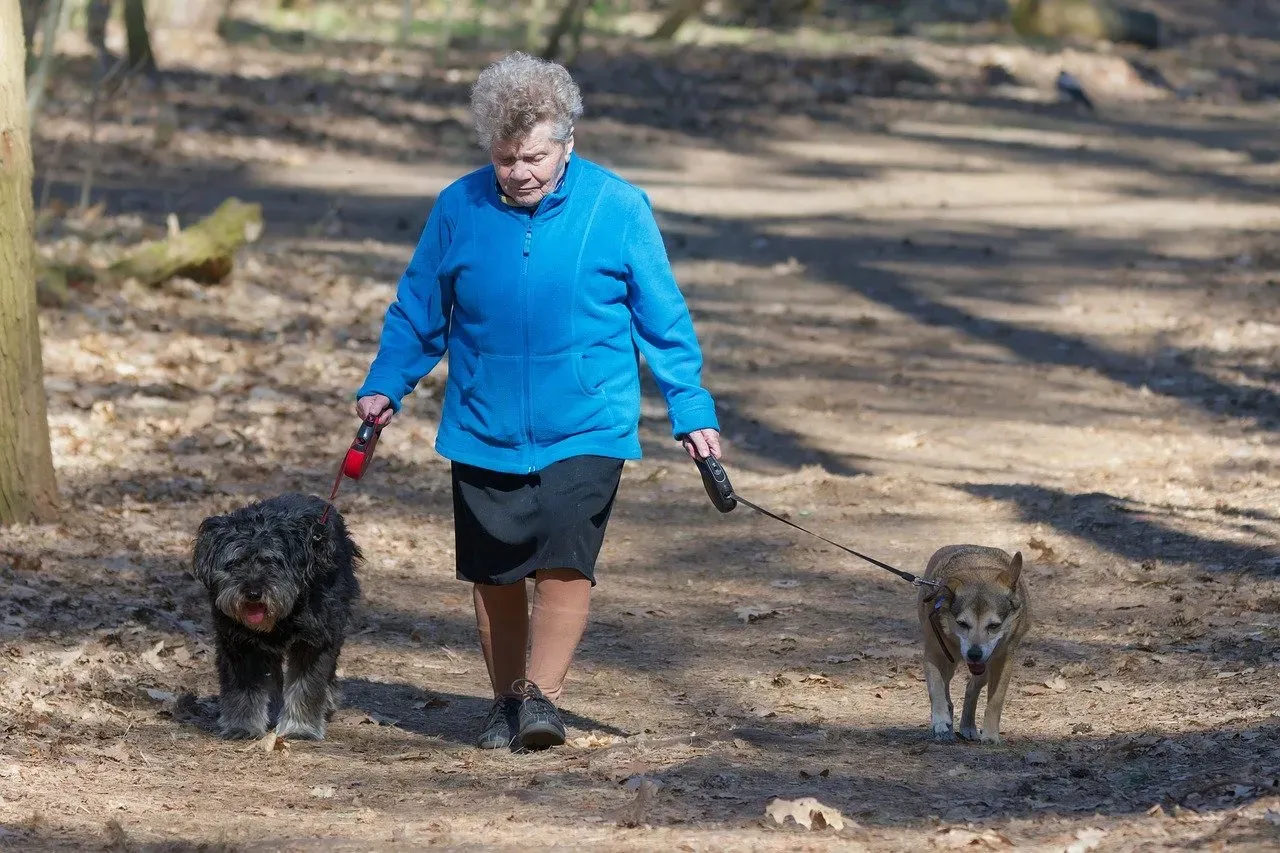
Let’s be real – loneliness among seniors is a genuine crisis. The number of adults aged 65 and older is growing, and older adults are at higher risk for social isolation and loneliness due to changes in health and social connections that can come with growing older. That’s a sobering reality.
Human-animal interaction has been shown to reduce feelings of loneliness in older adults. A survey found that the vast majority of respondents agree that interaction with pets can help reduce loneliness, and more than three quarters agree that human-pet interactions can help address social isolation.
Research analyzing data from the Health and Retirement Study suggests that pets can offer social support in the event of major loss. The study found that pet ownership significantly minimized the depressive effects of a social loss when compared to non-pet owners in middle-aged and older adults. Honestly, that’s something even a close friend might struggle to provide consistently.
Heart Health: The Surprising Cardiovascular Connection
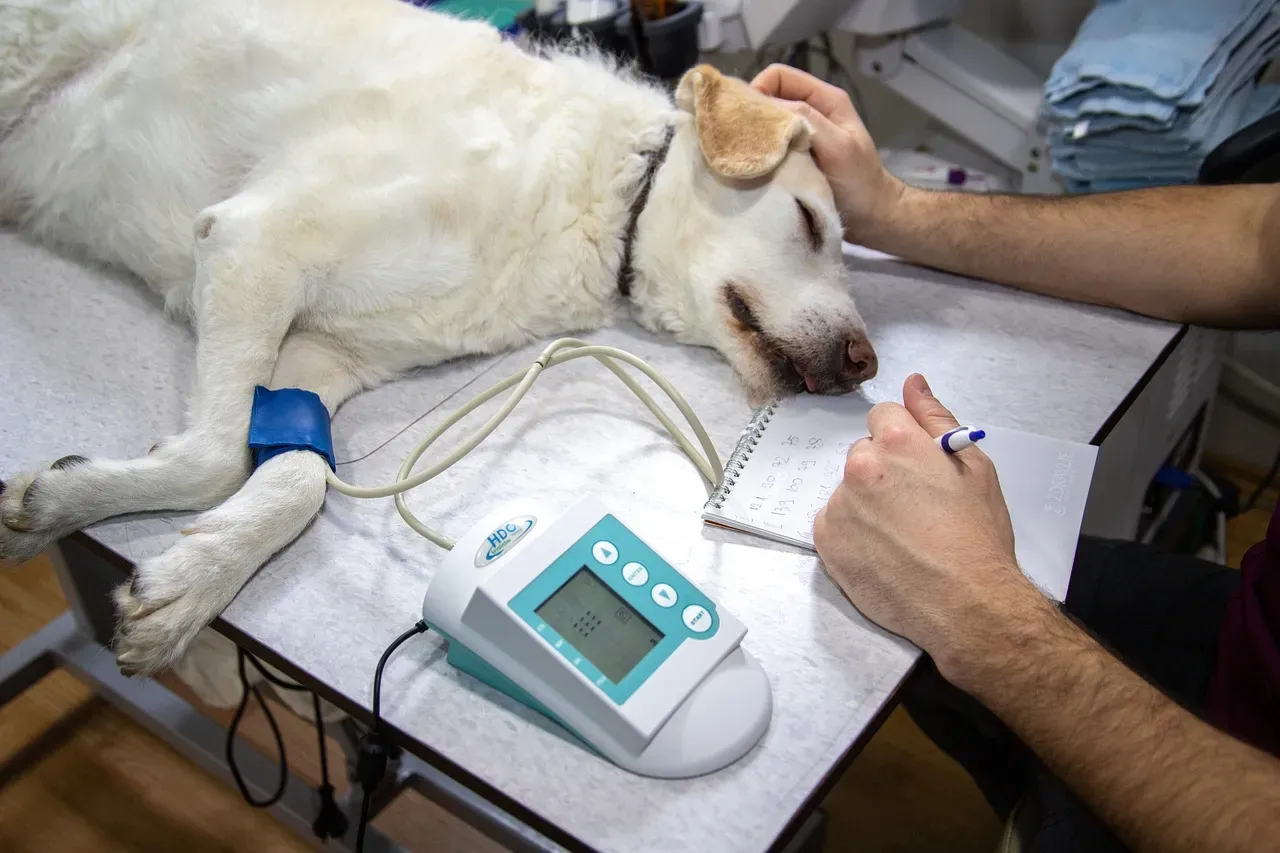
Here’s the thing – most people don’t think of their cat or dog as a cardiologist. Yet the evidence connecting pet ownership to better heart health is genuinely hard to dismiss. The largest study on dog ownership and human health, which took place in Sweden and was published in 2017, found that owning a dog may reduce cardiovascular disease and cardiovascular disease death risks. The study was more than 12 years long and followed more than 3.4 million adults who did not have a history of heart disease.
Dogs and cats can specifically benefit seniors because they can help improve overall cardiovascular health by reducing stress and lowering blood pressure. Think of it as natural stress buffering – the kind you don’t need a prescription for.
The presence of a pet dog or cat resulted in lower heart rate and blood pressure responses relative to the presence of a friend or spouse, in people exposed to psychological stress. That finding raised more than a few eyebrows in the medical community, and rightly so.
Keeping the Brain Sharp: Pets and Cognitive Decline
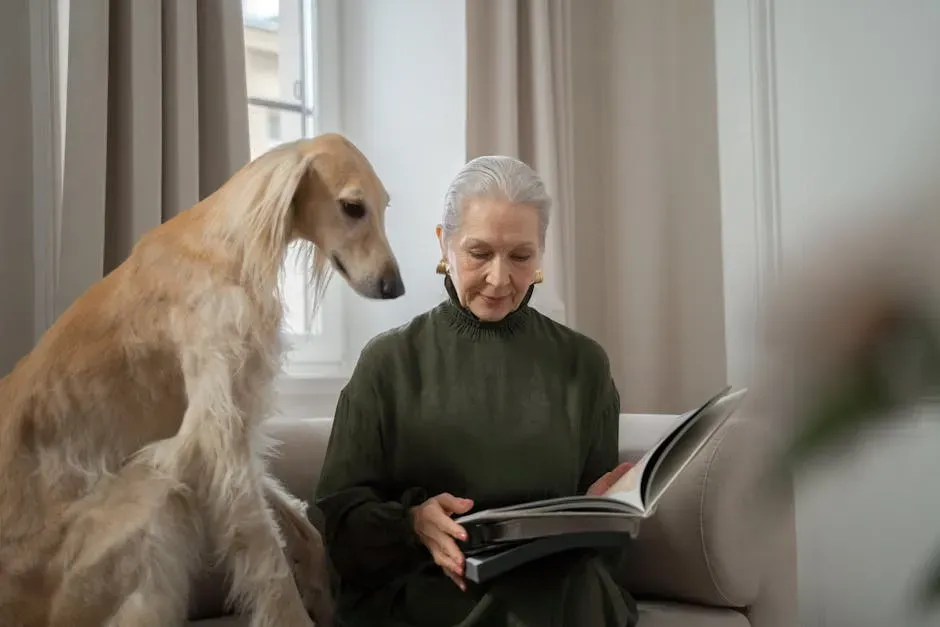
Cognitive decline is one of the most feared aspects of aging, and perhaps one of the most surprising revelations in recent research is how much pets seem to help protect against it. Several recent studies find that pet ownership can help slow cognitive decline and prevent dementia in older adults. In a study of nearly 8,000 older adults published in JAMA Network Open, researchers found that among those living alone, having a pet was associated with a slower rate of cognitive decline, specifically in composite verbal cognition, verbal memory, and verbal fluency.
To take care of an animal, one needs to remember to feed, walk, and groom them. One must engage in critical thinking, plan for the future, and practice self-regulation when exerting patience with a pet. In other words, pet care is essentially daily brain training – just disguised as love.
Researchers in Finland followed a group of more than 220 older adults with mild Alzheimer’s who were living in their homes over a five-year period. Over those five years, pet owners had significantly better daily activity function and slower disease progression compared to non-pet owners. The authors concluded that the significant positive effects suggest that having a pet may support daily activity and slow the progression of Alzheimer’s.
Getting Moving: Pets as Unexpected Exercise Partners

Physical inactivity among older adults is a well-documented problem. It’s hard to stay motivated to exercise when the couch is comfortable and the body protests. But a dog waiting by the door? That’s a whole different kind of motivation. Pets, especially dogs, can help their owners get more physical activity because it’s a necessary part of a dog’s well-being. As a matter of fact, over roughly three in five dog owners meet the recommended weekly amount of exercise, according to research by UC Davis Health.
Dog owners walked significantly longer than non-owners, and pet owners had significantly lower serum triglycerides than non-owners. Lower triglycerides means a healthier metabolic profile – a real, measurable payoff from a simple daily walk.
Dog owners who walk their dogs are roughly two and a half times more likely to achieve moderate physical activity of at least 150 minutes per week compared to non-dog walkers. That number genuinely surprised me when I first came across it. It’s not trivial. It’s transformational for a senior’s long-term health trajectory.
Structure and Purpose: The Gift of a Daily Routine
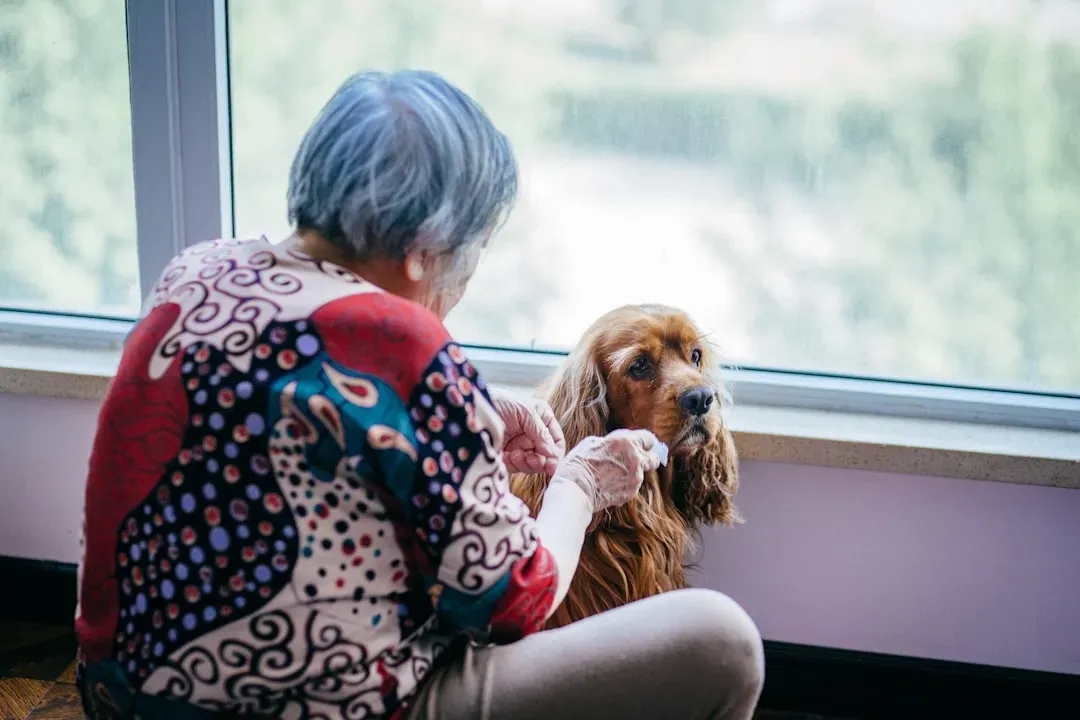
One of the quieter, less talked-about benefits of having a pet is the sense of routine and purpose it instills. Retirement can be wonderful – but it can also quietly erode the sense of structure that keeps people mentally grounded. The responsibility of owning a pet helps seniors feel a sense of purpose, which can help them maintain a routine. Pets require regular walks, nourishing meals, and engaging playtime, which can help senior pet owners feel accomplished.
The vast majority of pet owners aged 50 and older said their pets give them a sense of purpose, and nearly three quarters said their pets help them enjoy life. Those are striking numbers, reflecting something deeply human about caring for another living being.
Dogs and cats often act as an alarm clock, waking up their owners at the same time every day. Pet owners must feed their animals around the same time each day, which can also serve as a reminder to take their own medications or stick to their own mealtimes. It’s a small thing, but small things compound over time.
Social Bridges: How Pets Bring People Together
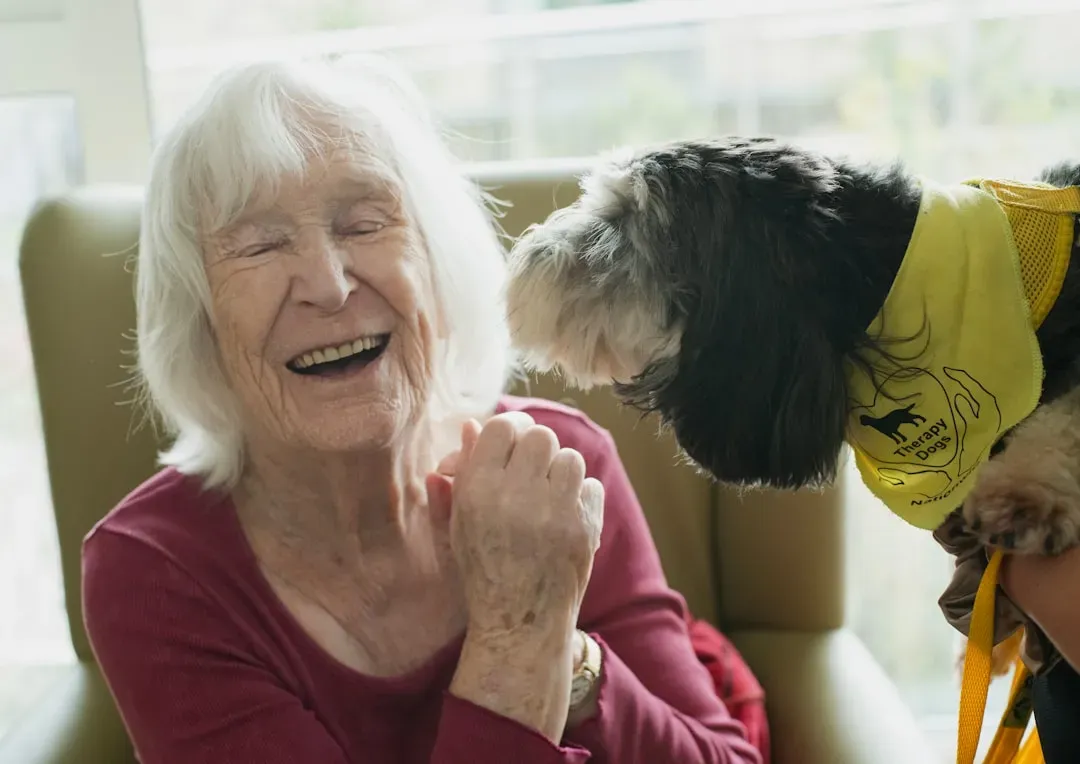
I think this benefit is consistently underrated. People don’t often picture pet ownership as a social strategy, but for seniors, it can be one of the most powerful ones available. Walking with a dog results in a significantly higher number of chance conversations with complete strangers than walking alone. That spontaneous social contact matters enormously for older adults who might otherwise go days without meaningful interaction.
Dog walking has been associated with increased social interaction among older adults. Think of the dog park, the sidewalk, the neighbourhood cafe where regulars know your dog’s name before they know yours. Pets open doors – sometimes literally – to community.
Owning a pet can promote social interaction and reduce daily stresses, which can improve cognition and enhance brain health for seniors, according to research on pet ownership and cognitive health. So the social benefit loops back into the cognitive one. It’s really a full-circle effect.
Emotional Rescue: Pets and Mental Health in Later Life
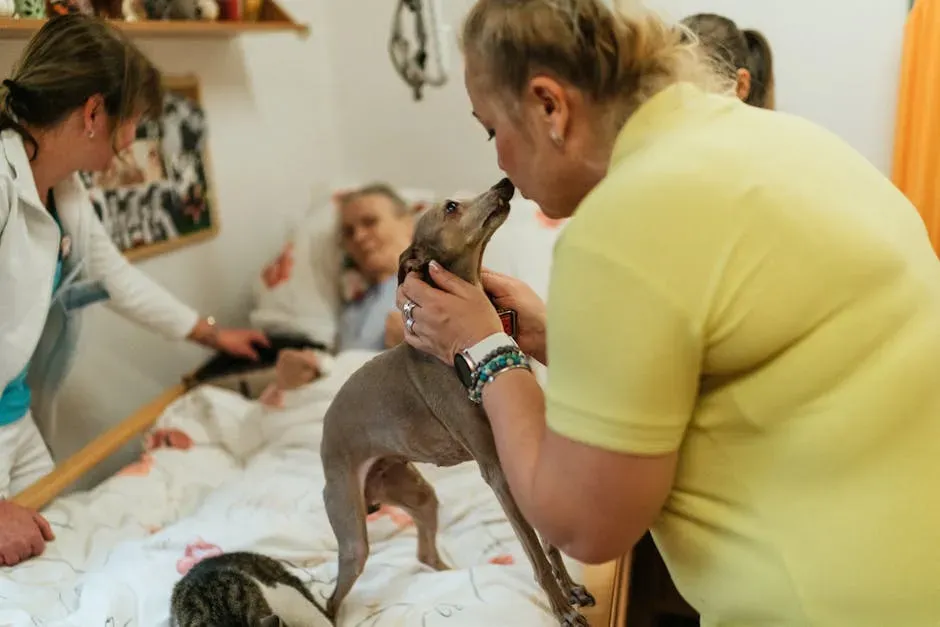
Perhaps the most emotionally resonant benefit of all is what pets simply do for the spirit. For older adults, the companionship of a pet can significantly reduce feelings of loneliness and depression, which are common in this age group. Depression in seniors is frequently underdiagnosed and undertreated – making a natural intervention like pet companionship even more meaningful.
Pet therapy has been found to be efficient in improving depressive symptoms and cognitive function in residents of long-term care facilities with mental illness. That’s not a soft claim – it’s a clinical finding. Even short, structured sessions with animals produced measurable results in mood and cognition.
According to the National Institutes of Health, pets help reduce stress, anxiety, and depression while encouraging a positive mental outlook. Dogs, in particular, are proven to reduce cortisol levels – the stress hormone – while promoting the release of serotonin, which improves mood. All of that from an animal who simply wants to be near you. It almost sounds too good to be true, but the science keeps confirming it.
Conclusion: More Than Just a Pet
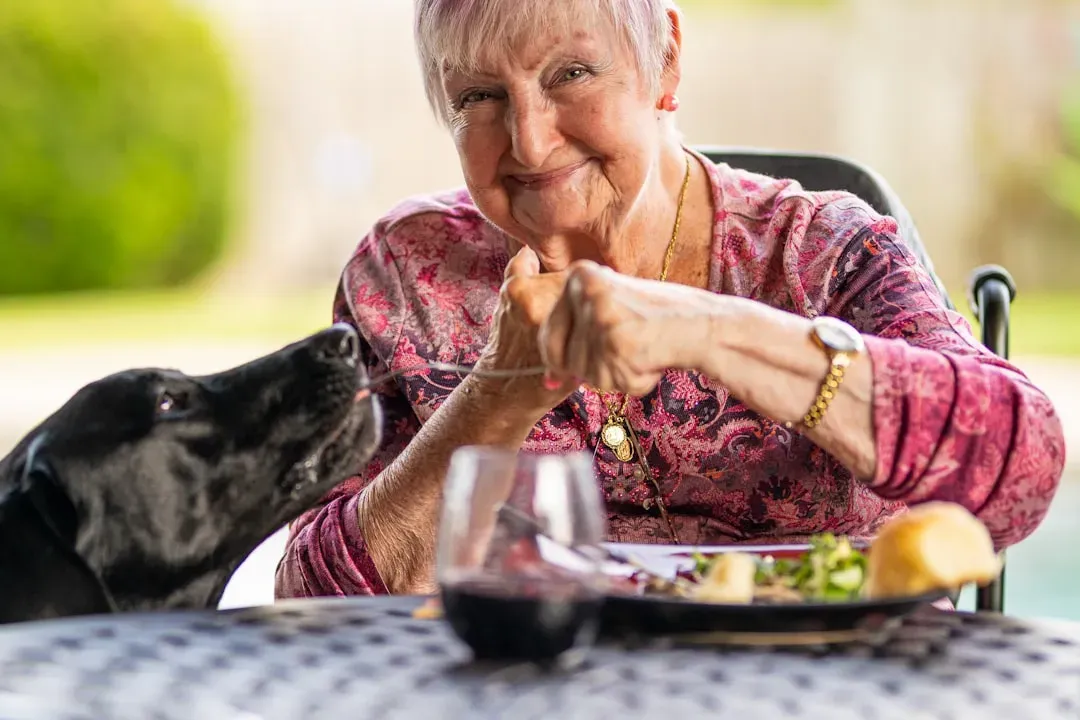
When you step back and look at the full picture, it becomes clear that a pet is far more than a companion animal for seniors. It is, in many cases, a genuine wellness intervention – one that touches the heart, the brain, the body, and the soul simultaneously.
Pets can support healthy aging by offering companionship and contributing to physical, mental, and social well-being. That simple sentence quietly contains multitudes. From warding off loneliness to slowing cognitive decline, from strengthening the heart to creating daily purpose, the humble act of caring for a pet ripples outward in ways that researchers are still uncovering.
Of course, pet ownership comes with real responsibilities and isn’t the right choice for everyone. Older adults considering a pet should think about how it may support their physical and mental health needs, as well as whether they can manage the responsibility. Factors like breed, age, and temperament should be considered to ensure the pet is a good match for the owner’s lifestyle. It’s about the right fit, not just any pet.
Still, for those who are able, the evidence is compelling and a little wonderful. Sometimes the most powerful medicine comes on four legs, asks for very little, and gives back everything. Would you have guessed that a wagging tail could do this much? Tell us your thoughts in the comments below.

- 10 Ancient Ruins Hidden Deep Inside Dangerous Landscapes - August 12, 2026
- 15 Dog Breeds That Are Surprisingly Good with Cats (and 5 to Avoid) - August 12, 2026
- Why Some Dog Breeds Form Unbreakable Bonds with Their Human Families - August 12, 2026