
Most gardeners obsess over their plants. The leaves, the blooms, the fruit. Honestly? The real magic is happening underneath your feet. Soil is one of the most complex, overlooked ecosystems on the planet, and the way you treat it every single season either builds it up or quietly destroys it.
Here’s something that might surprise you: the difference between a garden that thrives and one that constantly struggles often has nothing to do with the plants you choose. It comes down to what’s living, breathing, and cycling nutrients in the ground beneath them. Let’s dive in and explore the habits that truly move the needle.
1. Start Composting Consistently
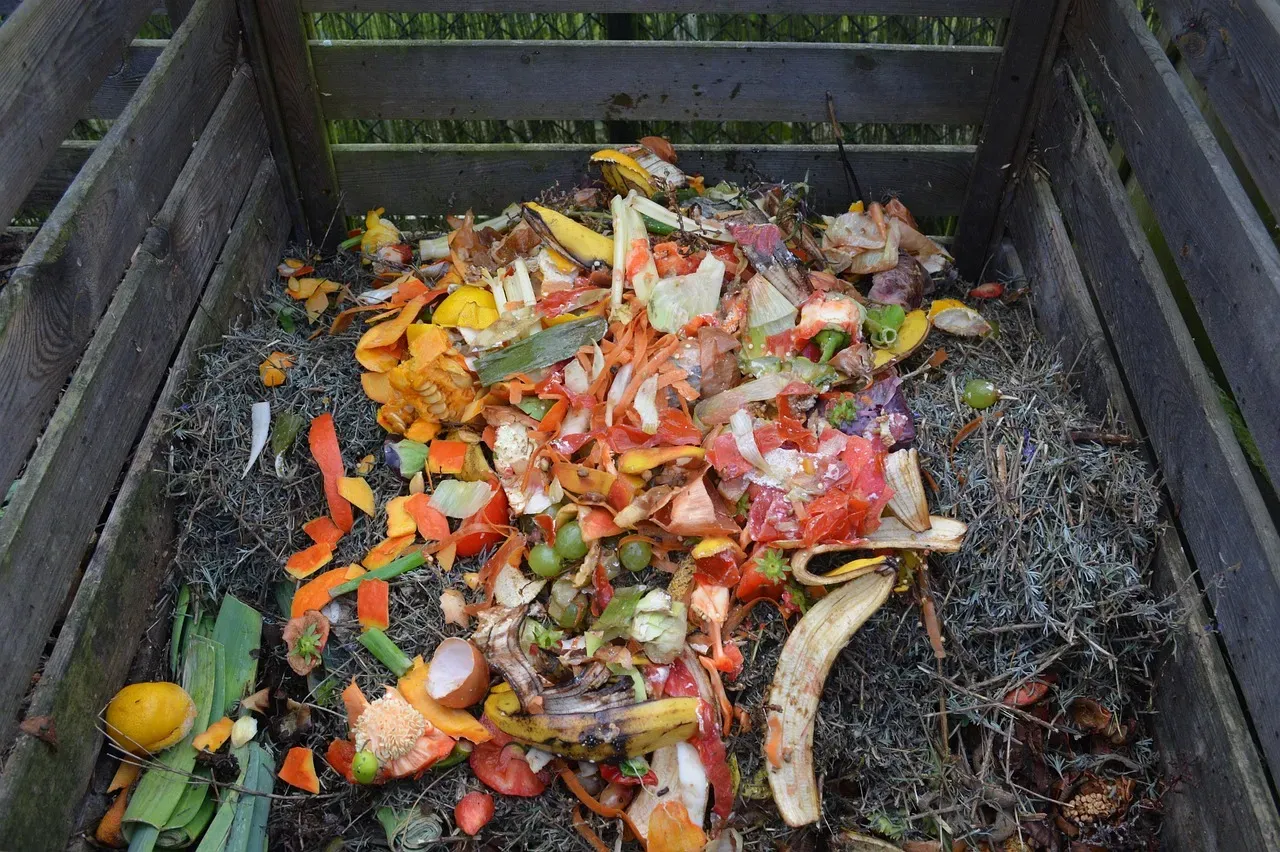
Think of compost as the single greatest gift you can give your garden. Composting is nature’s way of recycling. It is one of the most powerful actions we can take to reduce our trash and build healthy soil. That’s not an exaggeration, it’s just biology doing its thing beautifully.
Compost enables soil to better absorb and hold water, helping to reduce erosion and flooding in heavy rains and retain water during droughts. When applied to the land, carbon is stored in the soil instead of being released into the atmosphere. Compost also slowly releases and retains nutrients in the soil, reducing nutrient runoff and protecting water quality.
Consider adding compost as it is a great way to improve soil structure and its water holding capacity. Additionally, compost will provide nutrients for your garden’s soil microbes and plants. Adding a couple of inches to your garden each year is a smart move.
The best part? You’re probably already throwing away the materials you need. Composting is simply the act of helping natural materials such as leaves, grass clippings, and vegetable scraps to break down. Start a bin this week. Seriously, there’s no good reason to wait.
2. Mulch the Bare Soil Every Season
Bare soil is basically an open wound in your garden. It’s exposed to rain, wind, compaction, and temperature swings. The fix is simple and satisfying. Keep soils covered with garden plants, groundcovers, mulches, and cover crops to reduce erosion risks and nutrient run-off, moderate soil temperatures, and slow the evaporation of water from your soil.
Mulching bare soil around plants prevents the splashing of soil particles and soil-borne pathogens onto leaves and stems, reducing the occurrence of disease. Mulch and cover crops conserve soil moisture, minimize weeds, and reduce plant stress by moderating soil temperatures.
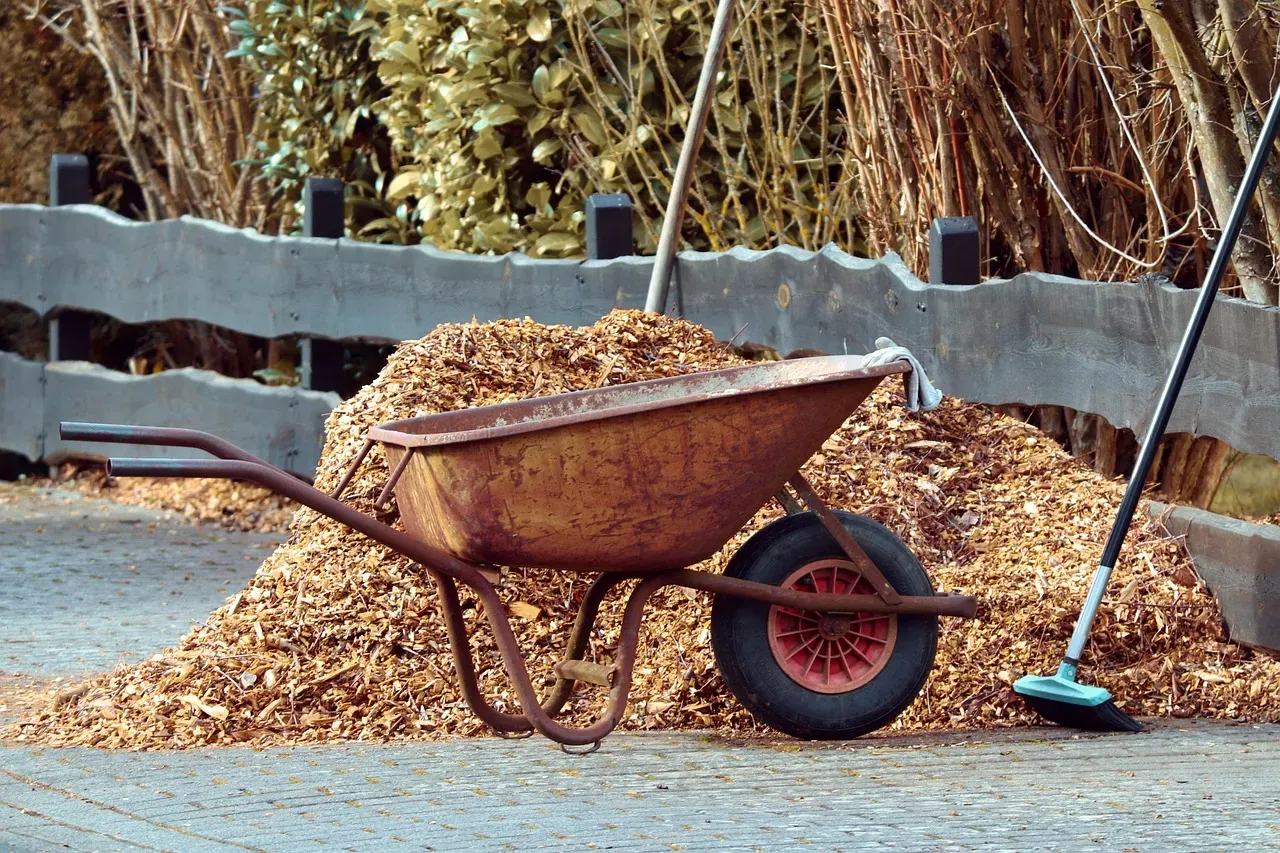
Organic mulches protect and improve garden soil through retaining soil moisture by shading the soil from harsh sun. A variety of organic mulch materials exist for the home garden, including shredded bark or hardwood, shredded leaves, screened compost, pine needles, pine bark nuggets, coarse wood chips, and straw. Honestly, you’ve got a lot of options, so there’s no excuse for leaving soil bare.
Mid-spring is a good time to mulch garden beds. Place a two to four inch uniform layer of organic matter on top of the garden soil. That single action does more for your soil than most gardeners realize.
3. Embrace Cover Crops Between Seasons
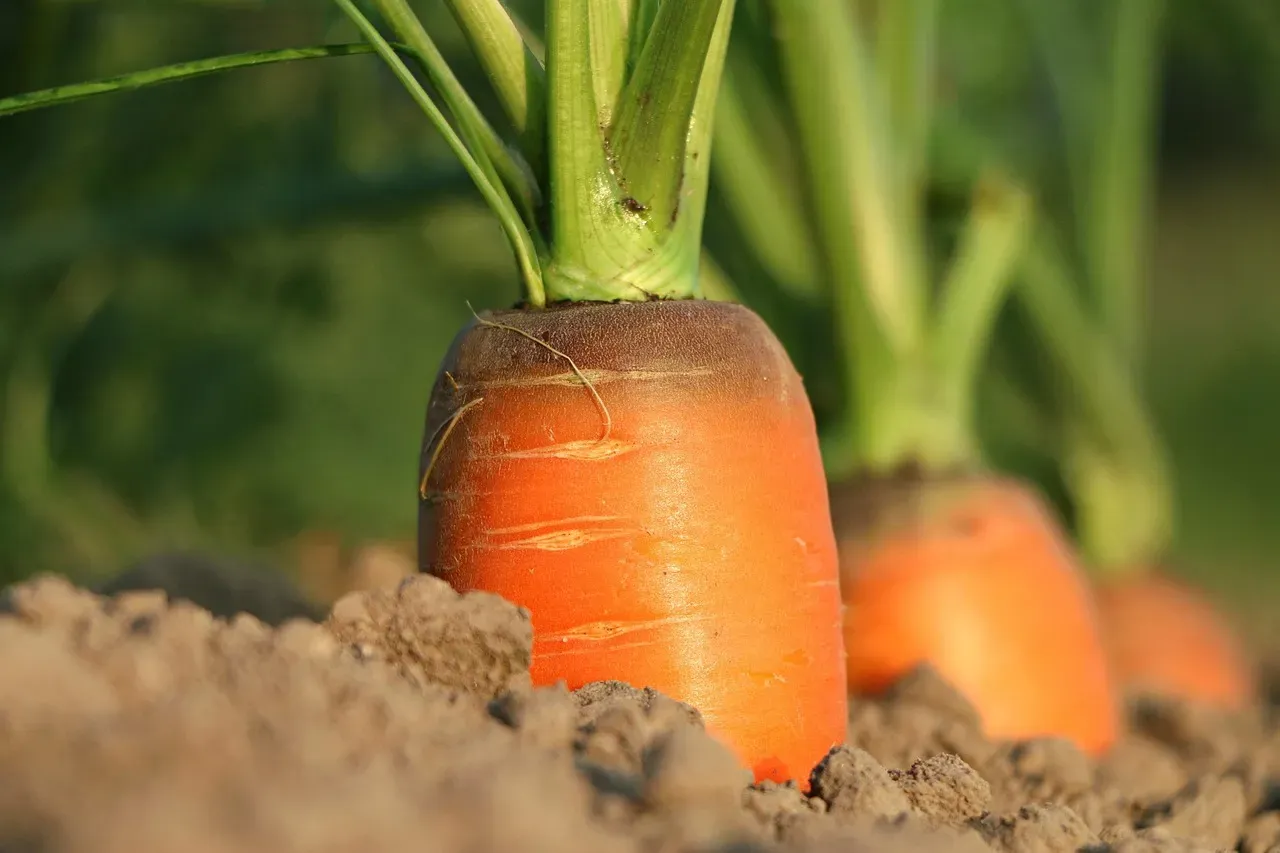
Here’s the thing. Most gardeners let their beds sit empty over winter, and that’s a missed opportunity of enormous proportions. Cover crops help increase organic matter in the soil and improve overall by adding living roots to the soil during more months of the year. Cover crops can improve water infiltration into the soil.
Legume cover crops serve as natural fertilizers while grasses scavenge nutrients that are often lost after harvest or during winter. It’s like having a free, self-managing fertilizer system working while you’re not even paying attention.
Think cover crops are only for large farming operations? Think again. Try using a cover crop like vetch, clover, beans, or rye to protect and nurture your garden soil over winter. Even a small raised bed can benefit dramatically from this habit.
4. Stop Tilling So Aggressively
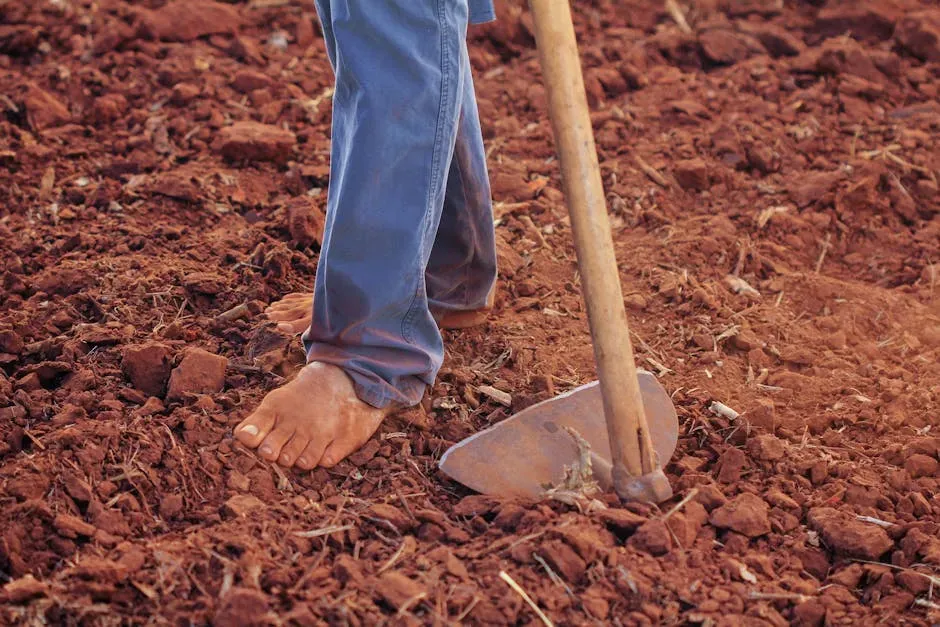
I know it sounds crazy, but the urge to dig everything up and start fresh every spring may actually be sabotaging your soil. Tillage can destroy soil organic matter and structure along with the habitat that soil organisms need. Tillage, especially during warmer months, reduces water infiltration, increases runoff and can make the soil less productive. Tillage disrupts the soil’s natural biological cycles, damages the structure of the soil, and makes soil more susceptible to erosion.
Tilling and turning soil to start a garden or prepare soil for planting will bring weed seeds to the surface, accelerate the loss of organic matter, and disturb the soil food web including microbes, earthworms, and other small soil animals. So you’re doing double damage. More weeds AND fewer beneficial organisms. Not a great trade.
Instead of tilling, add compost or mulch to the surface and let the soil organisms do the work of mixing it in. Let earthworms and fungi do the heavy lifting. They’re actually very good at it, and they work for free.
5. Test Your Soil Regularly
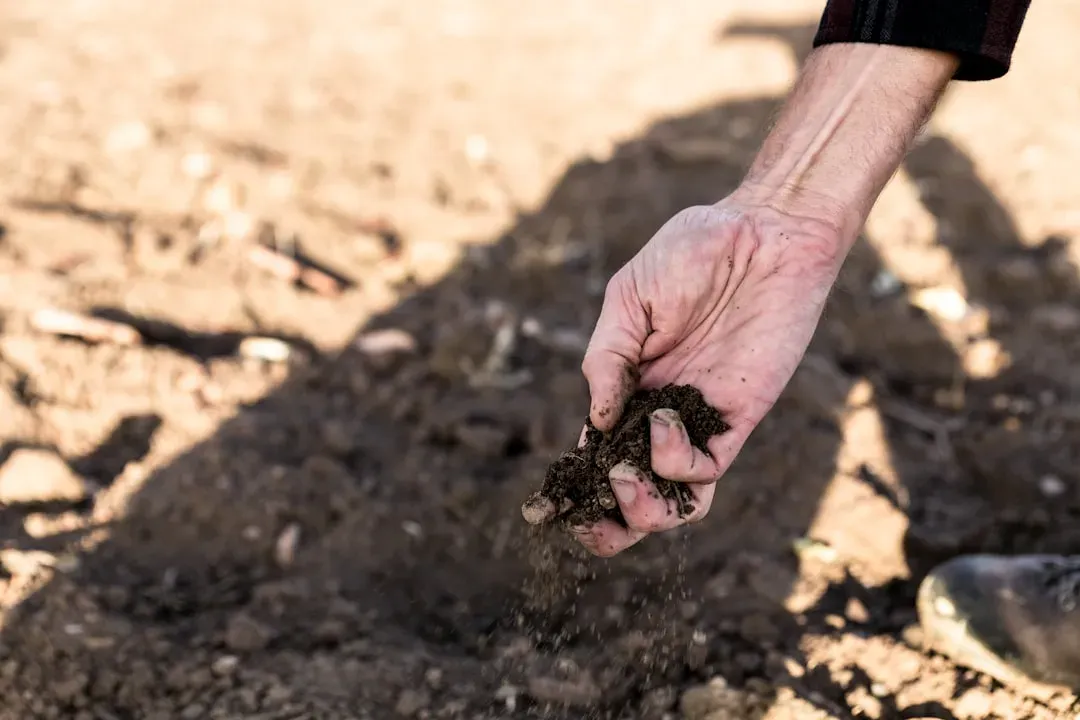
You wouldn’t take medicine without knowing what’s wrong first, right? The same logic applies here. A soil test should be the first step of the growing season. A basic soil analysis covers your soil’s pH, nutrient levels, and can provide fertilizer recommendations based on your selected crop. It removes all the guesswork.
Creating a healthy soil habitat through managing pH, soil structure, and organic matter promotes beneficial soil microbes. Building organic matter, maintaining optimal pH, and managing deficiencies in critical nutrients such as nitrogen, phosphorous, and sulfur are important for both your plants and soil microbes.
Most garden plants prefer a pH between 6.0 and 7.0. Soil pH affects nutrient availability, so it’s important to adjust it if necessary. A simple, inexpensive test once a year can reveal information that saves you seasons of frustration. It’s one of those habits that pays back far more than it costs.
6. Rotate Your Crops Each Year
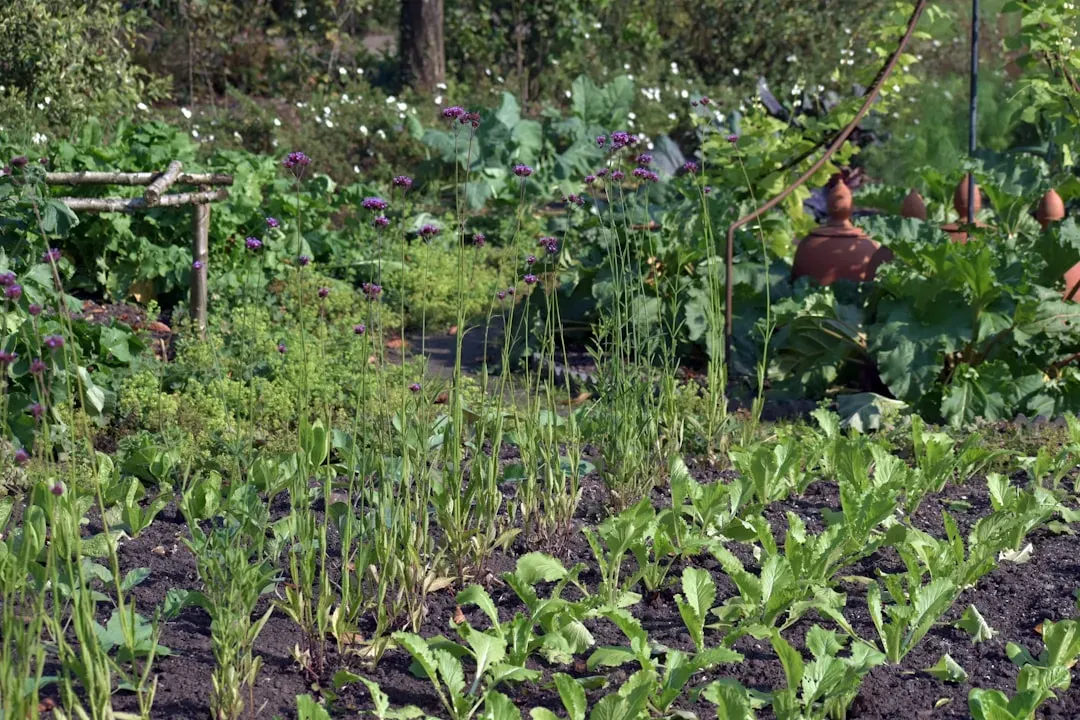
Growing tomatoes in the same spot year after year feels convenient. It really isn’t. Avoid planting the same crops in the same spot year after year. Rotating crops reduces the buildup of pests and diseases and improves by varying nutrient demands.
Diverse crop rotations can reduce pests and diseases that are specific to certain plant species, build the health of soil microbes that provide nutrients to your plants, and ultimately lead to improved yields. Think of it like rotating tires. You extend the life of everything involved.
Let’s be real: rotation also keeps your garden interesting. You’re always experimenting, always observing how different plants interact with the same patch of earth over time. Increasing diversity can break disease cycles, stimulate plant growth, and provide habitat for pollinators and organisms living in your soil. That’s a lot of payoff for simply moving your plants around.
7. Avoid Overusing Chemical Pesticides and Fertilizers
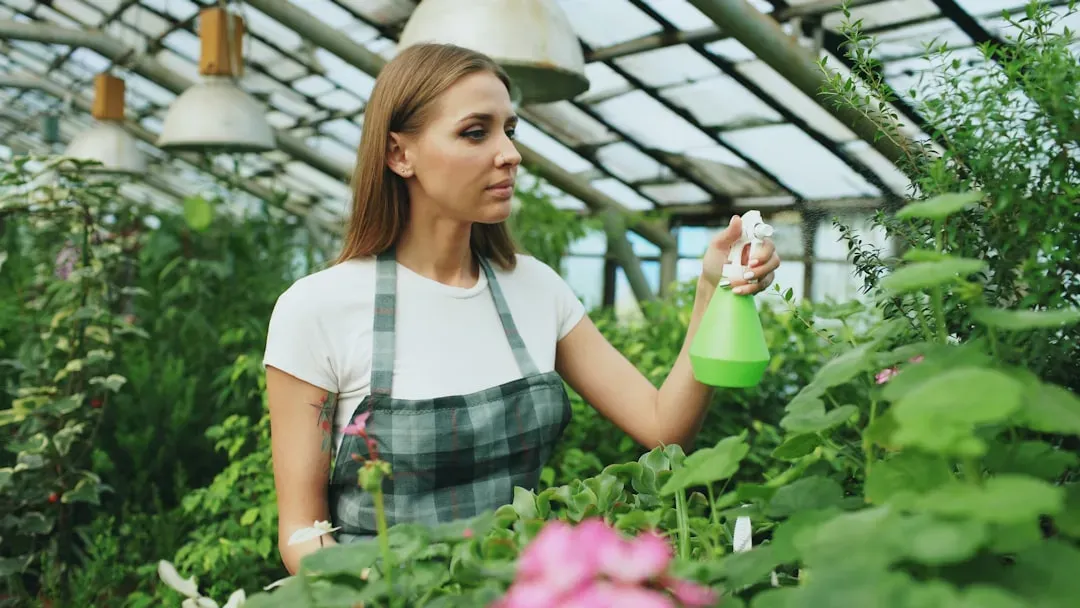
This one is quietly controversial, but the science is clear. Pesticides kill pests, but they also can kill beneficial soil microbes and insects. Soil is a living community, and chemical interventions often don’t discriminate between the harmful and the helpful.
Spraying pesticides needlessly can kill beneficial insects, including pollinators. Systemic pesticides taken up by plant roots and leaves can also hurt beneficial insects and other wildlife. The collateral damage goes far deeper than most gardeners imagine.
Try to avoid synthetic nitrogen fertilizers because they require large amounts of natural gas to produce. Rely on local resources as much as possible to reduce energy use in transportation. Natural alternatives like compost, worm castings, and organic fertilizers feed your soil over the long term rather than providing a short burst followed by a crash. It’s worth the shift in thinking.
8. Protect Soil From Compaction
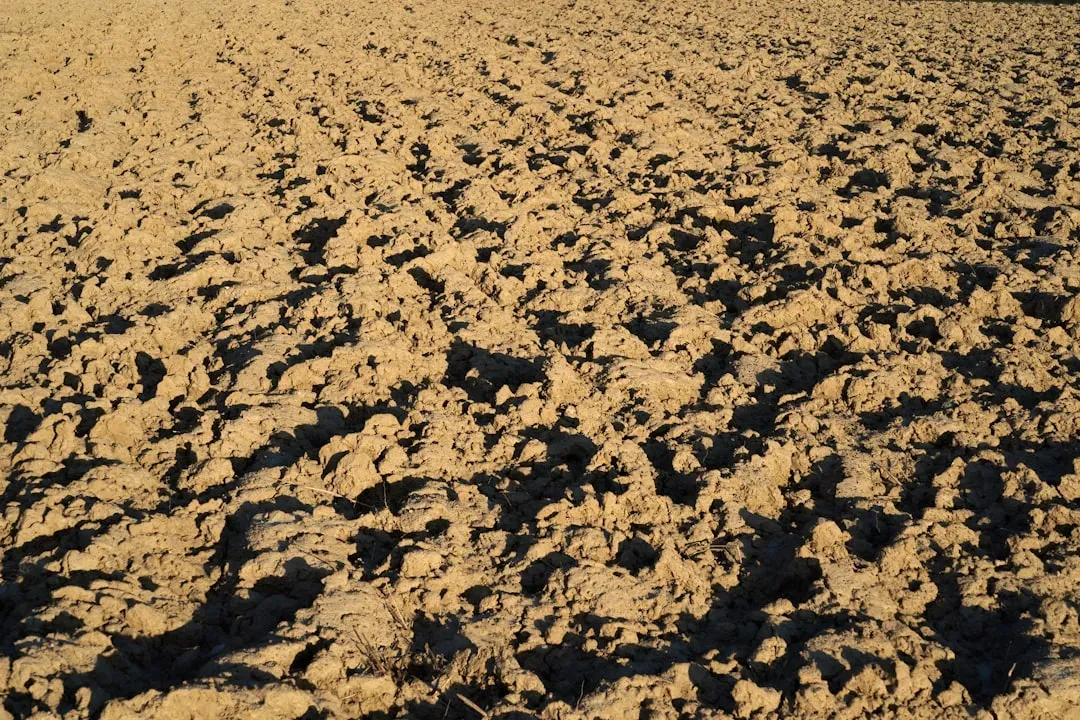
Soil is full of microenvironments, which are tiny habitats that differ in the amount of available air, water, and nutrients. Soil compaction and disturbance such as excessive tillage can eliminate these important microenvironments. This makes it hard for plant roots to penetrate the soil, absorb water and nutrients, and interact with beneficial microbes.
To minimize compaction and provide an optimal growing environment, use designated walking paths through planting beds to avoid compacting soil around plant roots. Some design options include planting in raised beds that are no wider than four feet, allowing you to reach across. That simple design decision alone changes everything.
Compacted soil restricts air circulation and makes it tougher for roots to spread. Think of compacted soil like a sponge that’s been squeezed flat. Water can’t get in, roots can’t push through, and organisms can’t survive. Incorporating compost into compacted soil increases air, water, and nutrients available for plants. Sometimes the simplest fix is already sitting in your compost pile.
Conclusion: Your Soil Is the Real Garden
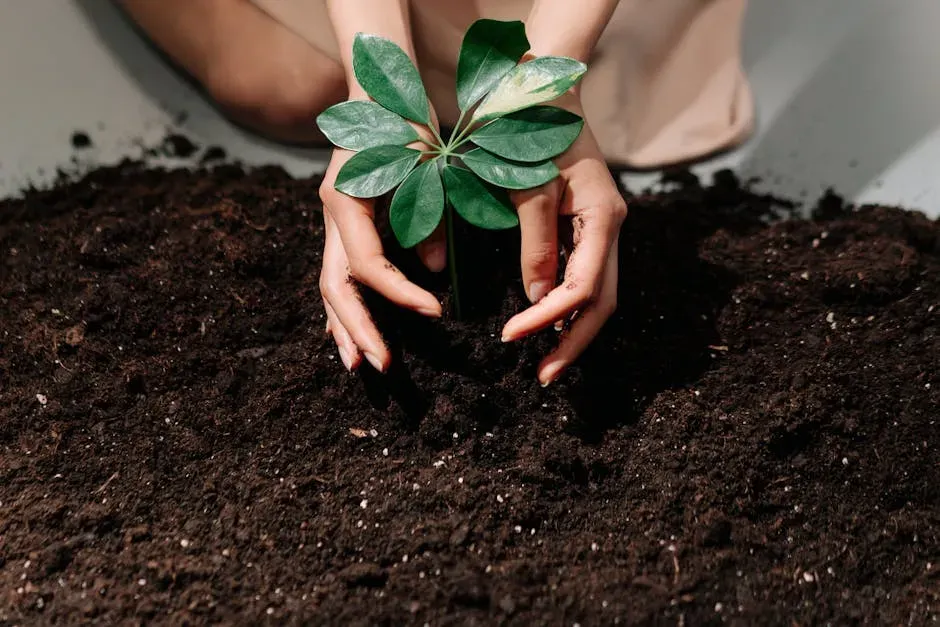
Soil is a living ecosystem, a large community of living organisms linked together through nutrient cycles and energy flows. Every teaspoon of soil is home to billions of microorganisms including bacteria, fungi, nematodes, insects, and earthworms that play important roles. Once you truly internalize that, gardening changes completely.
These eight habits are not complicated. They don’t require expensive tools or special knowledge. They require consistency, observation, and a willingness to work with nature rather than against it. The success or failure of gardening depends heavily on how gardeners prepare and use their soil and on the amount of organic matter in the soil. Rich, productive garden soil does not usually happen by itself, but can be achieved with plenty of effort and persistence. Improving the soil is an ongoing process if you desire healthy soil.
Start with just one habit this season. Swap aggressive tilling for a layer of compost. Toss your kitchen scraps into a bin instead of the trash. Cover bare beds before winter sets in. Small shifts, done consistently, create extraordinary soil over time. The garden you’ve always wanted is literally just beneath your feet. What habit are you going to start with? Let us know in the comments.

- Game of Thrones Houses as U.S. Animals – From Bison to Alligators? - August 12, 2026
- Which Creature Matches Your Zodiac Sign’s Reaction to Chaos - August 12, 2026
- 10 Fascinating Facts About Fireflies That Make Summer Nights Feel Magical - August 12, 2026