
Something remarkable is happening across every continent and ocean on this planet right now, in 2026. Animals that have followed the same instincts, routes, and rhythms for thousands of years are suddenly doing things differently. Some are waking up at the wrong time. Others are heading to places they have never been. A few are struggling to produce the next generation at all.
It is not random. It is not coincidence. The planet’s rising temperatures are not only melting ice caps and drying rivers – global heating is transforming the behaviour of wildlife in ways that are both fascinating and deeply unsettling. The natural world is essentially being rewritten in real time, and the consequences reach far beyond the animals themselves. Let’s dive in.
1. Migration Routes Are Being Scrambled Beyond Recognition
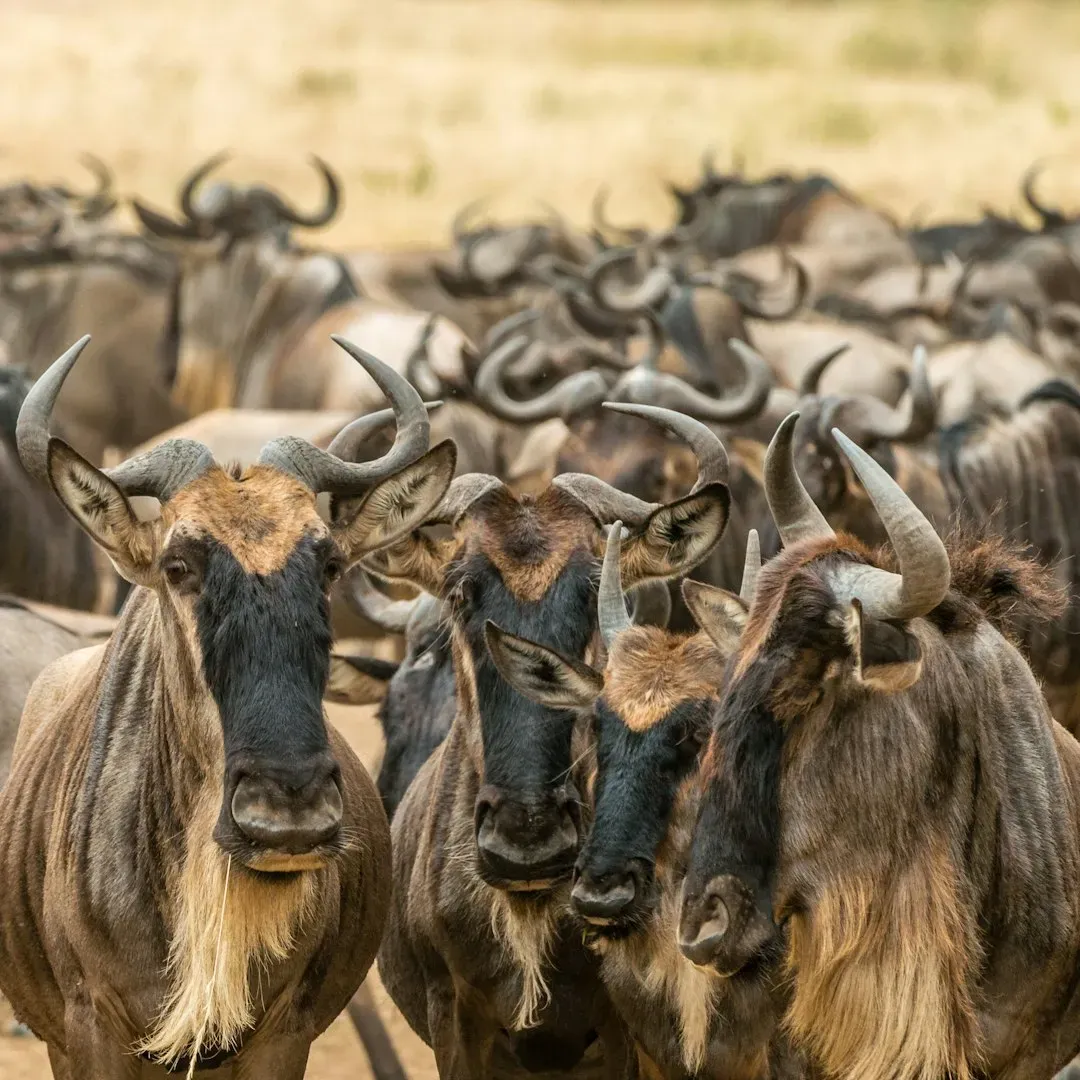
Climate shifts are reshaping animal movements by altering traditional migration schedules and routes. Many species now begin their journeys earlier or deviate to new areas as their usual corridors heat up or lose critical resources. Think of it like a trusted GPS suddenly rerouting you through roads that don’t exist yet.
Warmer temperatures shift seasonal cues like spring blooms and insect hatches earlier, confusing migrants who rely on daylight or food peaks. Extreme weather, such as droughts and storms, destroys stopover sites and scatters flocks mid-journey. The consequences of missing a critical stopover can mean starvation before the journey is even complete.
Monarch butterflies embody the chaos. Each fall, eastern populations launch a multi-generational 3,000-mile odyssey from Canada to Mexico’s oyamel fir groves. Heat and drought ravage milkweed stands – the sole caterpillar food – shrinking breeding output by roughly four-fifths since 1994.
A study published in the Proceedings of Royal Society B found an unexpected and rapid shift in migratory timing for a long-distance migratory bird, the Hudsonian Godwit, potentially due to climate change. They travel from southern South America to Alaska and Canada each spring to breed, including a six to seven-day nonstop flight from Chile to the mid-continental U.S. The study found that this species is instead migrating later, which may be having especially negative consequences for their ability to reproduce. It is the kind of finding that makes you stop and think about how many other species we haven’t studied yet.
2. Breeding Cycles Are Falling Dangerously Out of Sync
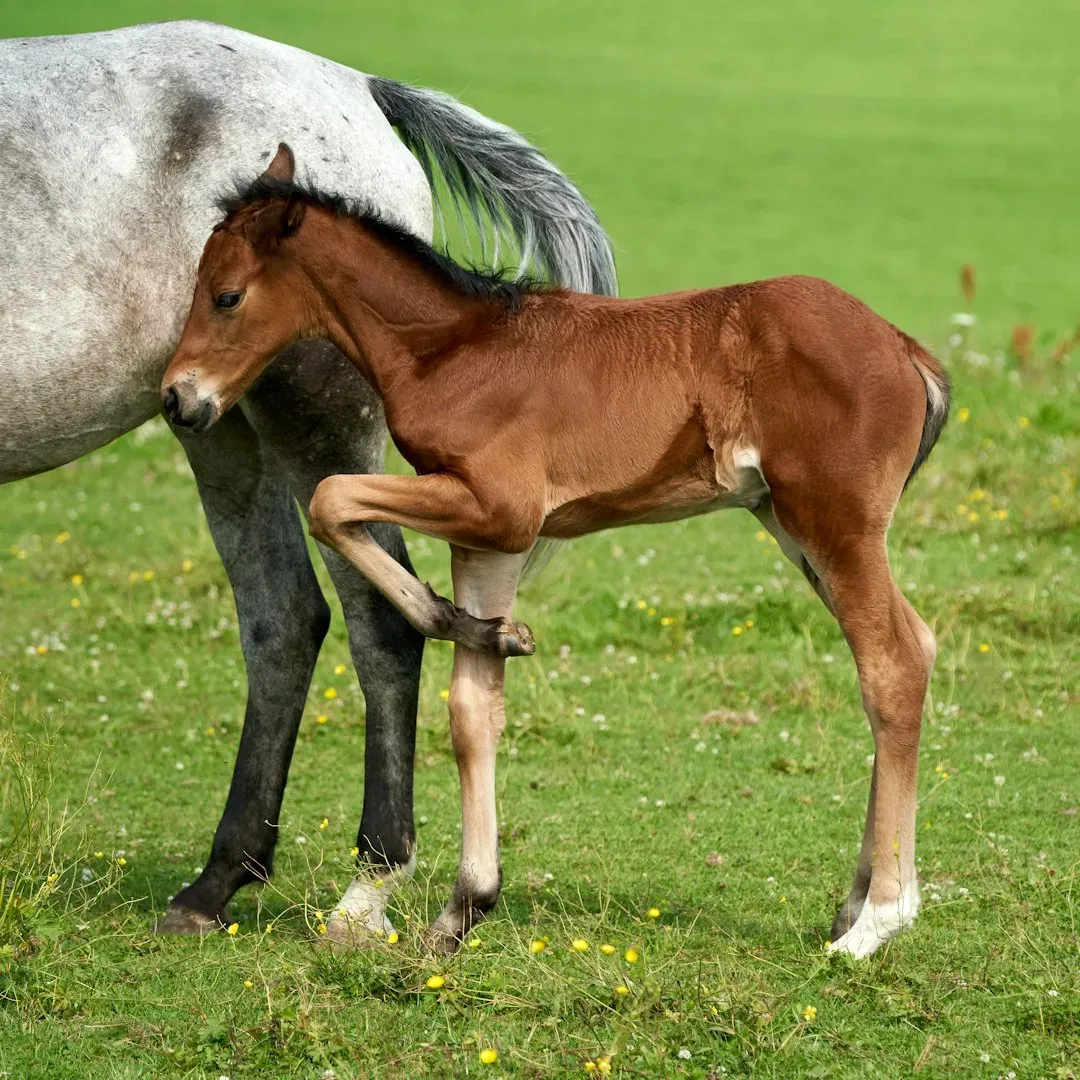
Here’s the thing about nature – it runs on timing. Everything is connected by a precise biological clock, and when that clock gets disrupted even slightly, the effects cascade in all directions.
Rising temperature levels, altered precipitation patterns and extreme weather events are disrupting natural cues that animals rely on for survival. Many birds and mammals are shifting their breeding seasons earlier in the year to align with warmer weather, while some insect populations are expanding into new territories as their preferred climates shift. These behavioral changes can lead to mismatches in timing, throwing off the balance of entire ecosystems.
When breeding seasons fall out of sync with peak food supply or favorable weather, offspring survival rates plummet. Birds that hatch too early may miss the seasonal abundance of insects, while amphibians born during sudden dry spells may struggle to find enough water to survive. These mismatches reduce the chances of young animals reaching adulthood and ultimately weaken entire populations.
Honestly, it’s a bit like showing up to a feast three hours after everyone has already eaten and gone home. The food is gone. The opportunity is gone. And for young animals, that missed window can be fatal.
3. Hibernation Patterns Are Being Disrupted in Alarming Ways
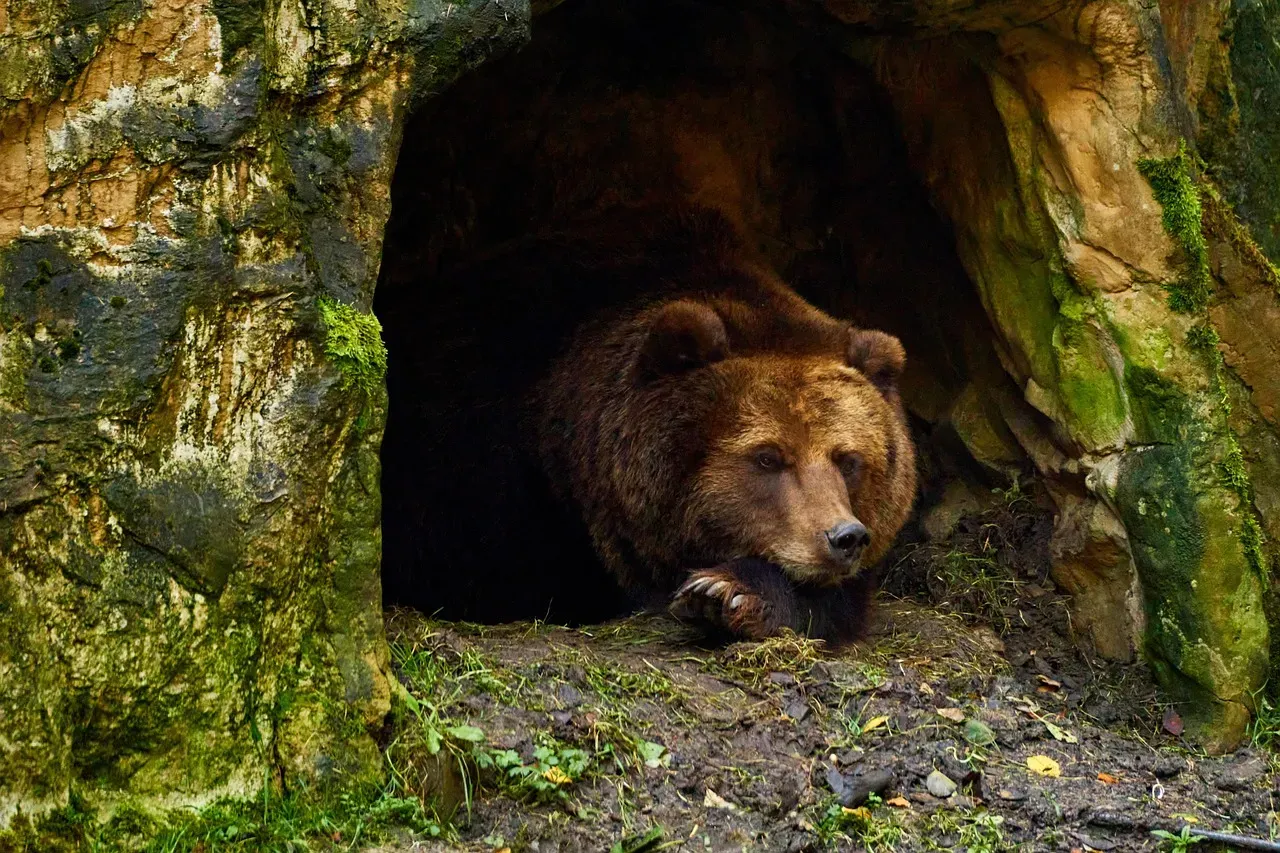
Most people assume hibernation is just a long, cozy sleep that animals snap out of come spring. The reality is far more fragile than that. Hibernation is a precisely timed survival strategy, and warmer winters are throwing it into complete disorder.
Increasing temperature can directly affect hibernators by elevating hibernacula temperatures, shortening torpor bouts, increasing arousal frequency, and depleting energy reserves crucial for survival and reproductive success. In other words, an animal waking up too many times in winter is burning through the very fat reserves it needs to survive until spring arrives.
As the winters get warmer, scientists have already seen squirrels and bears emerge from hibernation sooner. This means they might wake up when their food sources just aren’t ready yet, or in periods where they have to fight other species for food. It’s a dangerous gamble, and nature doesn’t forgive bad timing.
Both black bears and brown bears have been found to reduce hibernation length in response to warming falls and springs. A study of black bears in Colorado observed that a one degree Celsius increase in the winter minimum temperature was associated with a six-day reduction in hibernation. Six days may sound minor, but warmer winters can cause hibernators to wake too soon or fail to enter hibernation at all, leading to mismatches in timing between predators and prey.
4. Sea Turtles Are Producing Almost No Males
This one, I think, is among the most shocking stories in wildlife science right now. And it barely makes the mainstream news cycle.
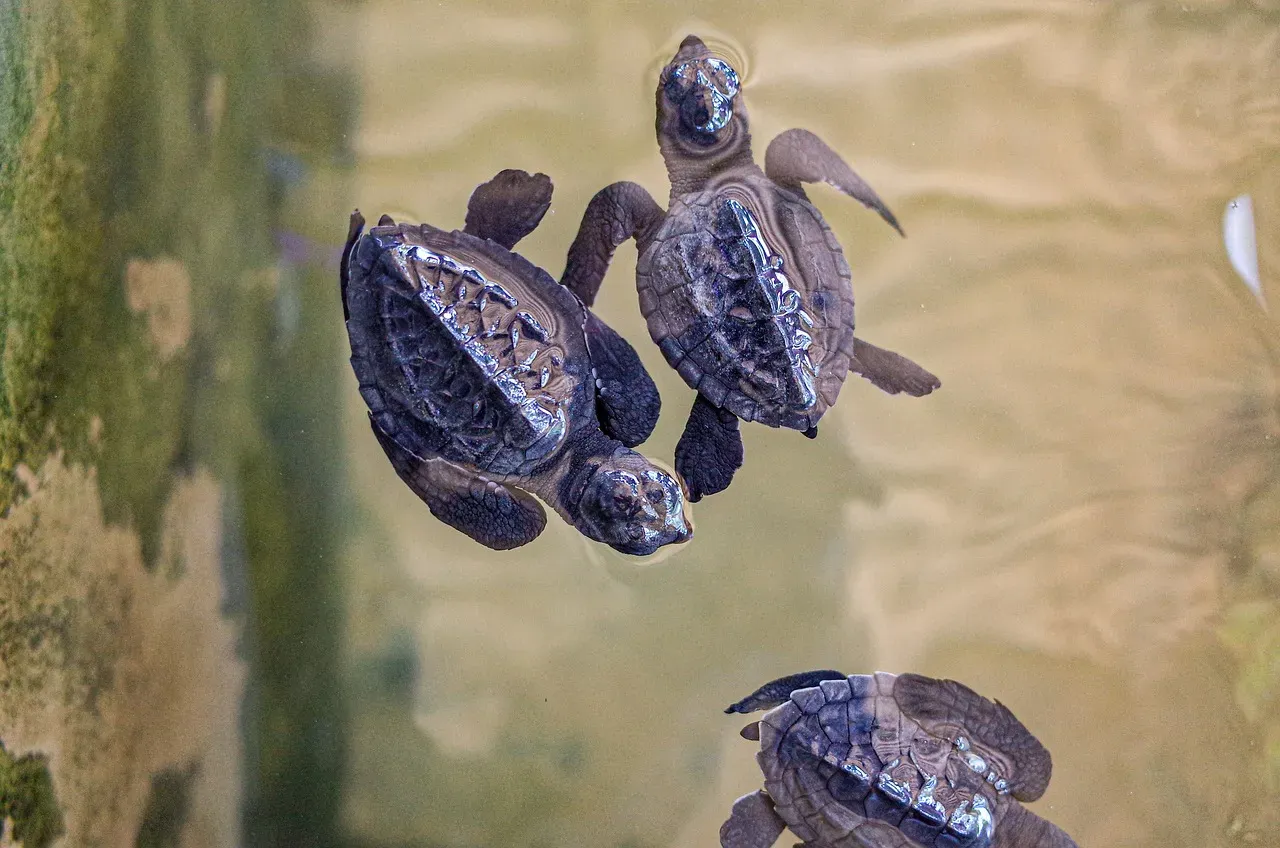
Sea turtles exhibit temperature-dependent sex determination, which means that the gender of sea turtles is determined by the temperature of the sand in which they are laid. Cooler temperatures produce males and warmer temperatures produce females. With rising temperatures, the sand will also increase in temperature, which eventually will lead to an all-female population.
Recent research has revealed that the northern Great Barrier Reef’s green sea turtle offspring are born almost completely female, with males outnumbered by at least 116 to 1. That number is staggering. For a species that has survived for over 100 million years, this kind of imbalance is genuinely unprecedented.
At Rushikulya beach in Odisha, India, data reveals olive Ridley hatchlings are emerging predominantly female, with an average of nearly three-quarters over the past nine years, and ratios reaching over 97% in some years. Sea turtles have temperature-dependent sex determination, whereby female hatchlings are produced at warmer incubation temperatures, and recent evidence suggests that climate warming will outpace the ability of turtles to adapt through phenological shifts in nesting. The clock is ticking, and it is ticking fast.
5. Animals Are Shifting to New Habitats and Time Zones
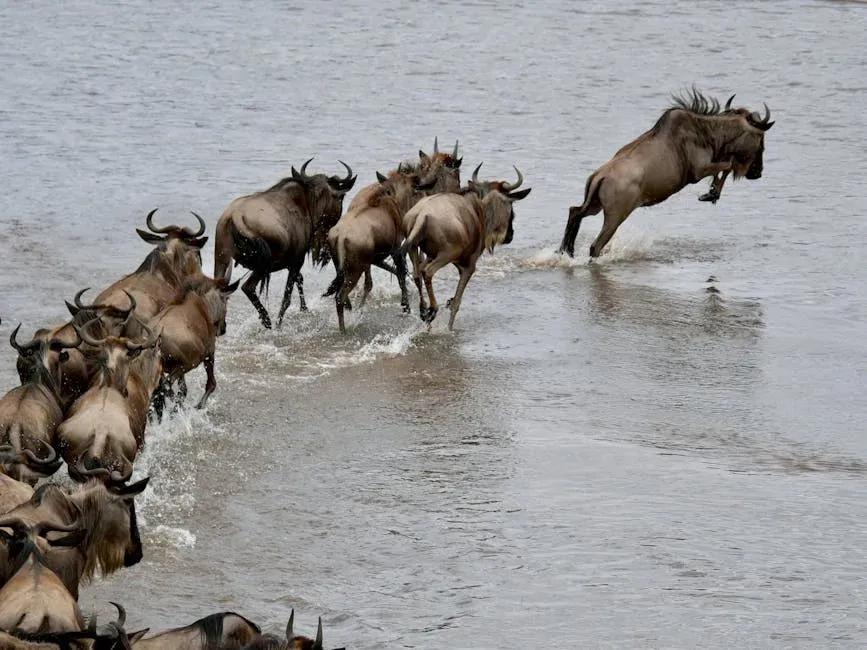
When the environment an animal evolved in starts changing, the animal has two choices: adapt or move. Increasingly, species are choosing to move. Not by choice, really, but by necessity.
Fish in warming seas have shifted to cooler, deeper waters that have dramatically different light intensity and color range than their visual systems are used to. Furthermore, because not all species will shift their behaviors in the same way, species that do move to a new habitat, time of day or season will confront new ones, including food plants and prey animals, competitors and predators, and pathogens.
It is also possible that some animals will do better in a warmer climate. Those species will outcompete others, expanding their own territory and food sources. Yet not all wildlife belongs where they flourish. When species adapted to their environments lose their natural advantages, that leaves room for invasive species to multiply in the changing environment.
In 2025, scientists and communities around the world recorded extraordinary shifts: mosquitoes thriving in Iceland for the first time in known history, bears raiding towns in Japan, elephants drowning in flash floods and crocodiles struggling to cool off. These aren’t isolated curiosities. They are signals that something fundamental has shifted in the planet’s operating system.
6. Animal Cognition and Sensory Abilities Are Taking a Hit
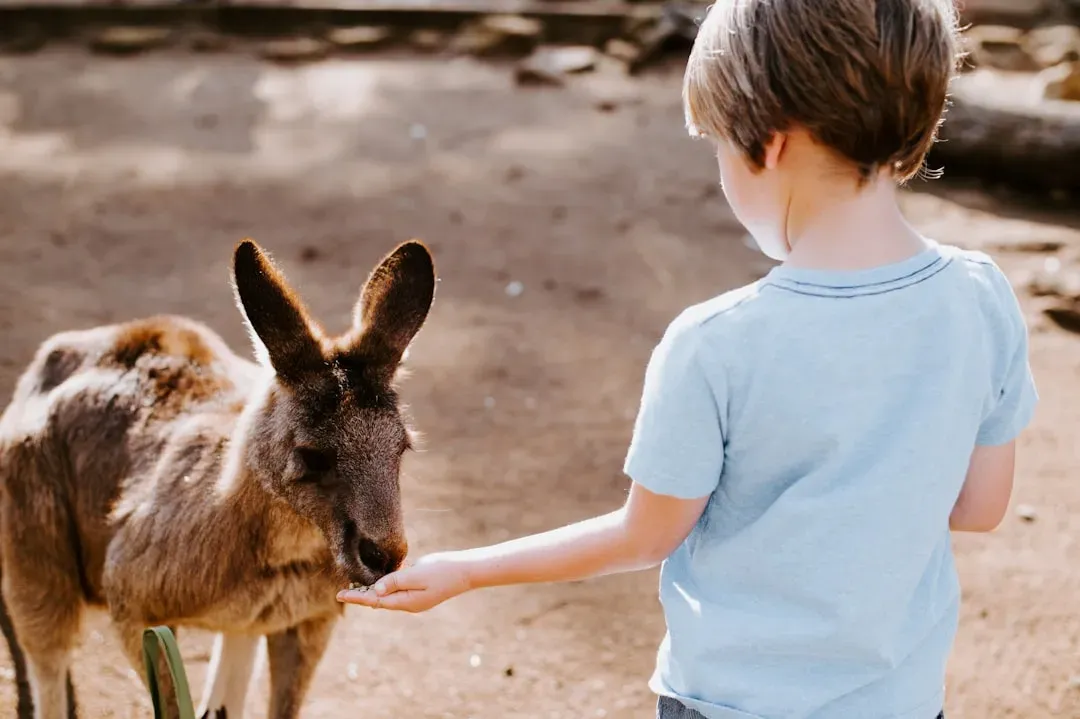
This one tends to fly under the radar, but it might be the most far-reaching consequence of all. Rising temperatures aren’t just altering where animals go or when they breed. They are literally changing how animals think.
Rising temperatures may disrupt how animal brains develop and function, with potentially negative effects on their ability to effectively adapt to their new environments. Researchers have documented how temperature extremes can alter individual neurons at the genetic and structural levels, as well as how the brain is organized as a whole.
In marine environments, researchers have found that climate-induced changes of water chemistry like ocean acidification can affect animals’ general cognitive performance and sensory abilities, such as odor tracking in reef fish and sharks. When a shark loses its ability to track scent accurately, or a reef fish can no longer navigate by smell, the ripple effects through the food chain are hard to fully predict.
Formerly reliable sources of information like seasonal changes in daylight can lose utility as they become uncoupled. This could cause a breakdown in the link between day length and plant flowering and fruiting, and interruptions to animal behavior like hibernation and migration when day length no longer predicts resource availability. It’s a bit like someone slowly breaking all the road signs in a city – the routes are still there, but the navigation is failing.
7. Predator-Prey Relationships Are Being Rewritten
Every ecosystem on Earth is essentially a tightly choreographed dance between predators and prey. Change the tempo, and everything falls apart. That is exactly what rising temperatures are doing.
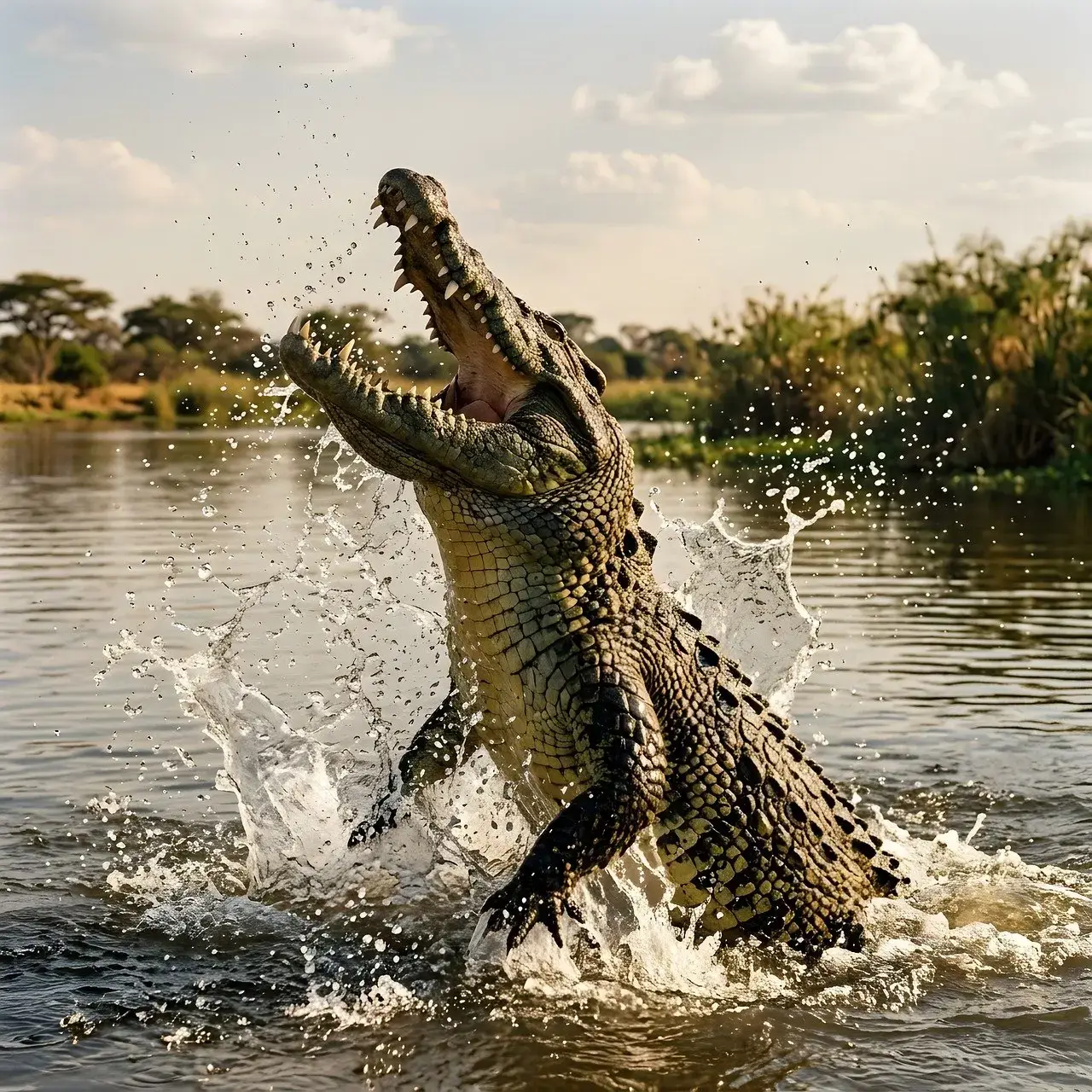
In northern Australia, crocodiles – apex predators evolved to dominate tropical waterways – are now struggling to keep cool. A 15-year study found that estuarine crocodiles’ average body temperatures have risen alongside ambient air temperatures, with individuals spending more time near their critical thermal limit. Overheated crocs dive less, swim slower, and hunt less effectively. An apex predator that struggles to hunt is an ecosystem-level problem.
The behavioral shifts of ectothermic thermoregulating animals induced by increased thermal extremes could include time spent in warm and cool microhabitats within the local range, shifts in daily phenology for foraging or mating, time spent resting, and overall caloric intake per unit of time. Every one of those shifts ripples outward, affecting what the prey population does, which then affects plant life, which then affects the whole system.
These changes don’t occur in isolation – they ripple across entire ecosystems, affecting food chains, predator-prey relationships and even plant life. Behavioral shifts driven by climate change will restructure ecosystems worldwide, with complex and unpredictable outcomes. The honest truth is that we are only beginning to understand the full scale of this restructuring.
Conclusion: Nature Is Sending a Message We Should Not Ignore
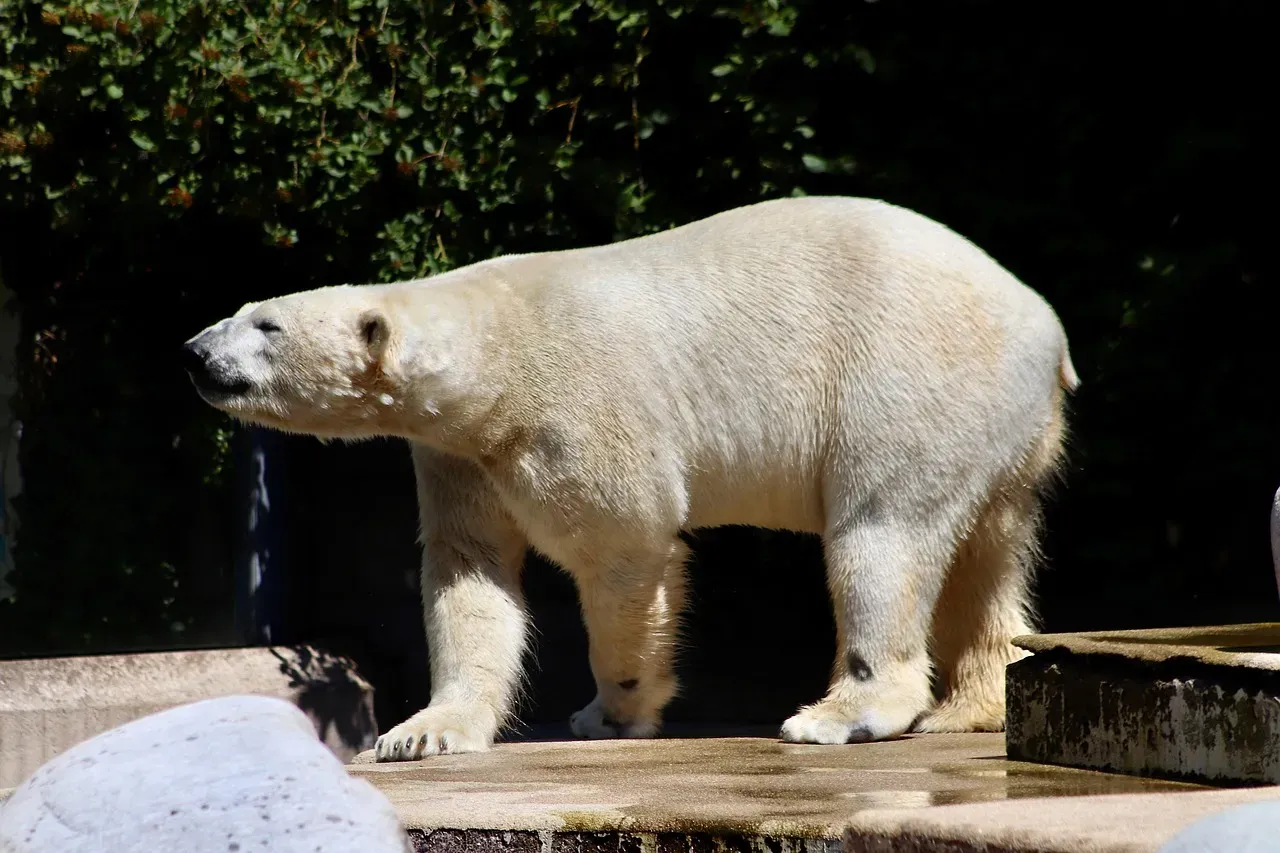
The seven shifts described here are not theoretical future predictions. They are happening right now, in real time, documented by scientists across the world. Animals do not have the luxury of debating the causes or holding committees to respond. They simply adapt or they disappear.
As global temperatures continue to rise, animals are responding in ways that highlight how deeply interconnected our planet’s systems are. We’re seeing major shifts in species migration, disrupted breeding cycles, and changes in long-established behaviors – all pointing to a growing climate change impact on the natural world.
What strikes me most is the sheer speed of all this. Evolution is supposed to take thousands of generations. What we are witnessing is behavioural change happening within single lifetimes, and for some species, it is simply not fast enough. This current rate of global warming far exceeds the abilities of animals to adapt naturally to such dramatic environmental changes.
The animals are telling us something. The real question is whether we are listening. What changes have you noticed in the wildlife around you? Tell us in the comments.

- 10 Things Cats Never Forget About Their Owners - August 10, 2026
- 8 Ways Cats Show They're Worried About You - August 10, 2026
- 10 Signs Your Cat Is Happier Than Most Cats - August 10, 2026