
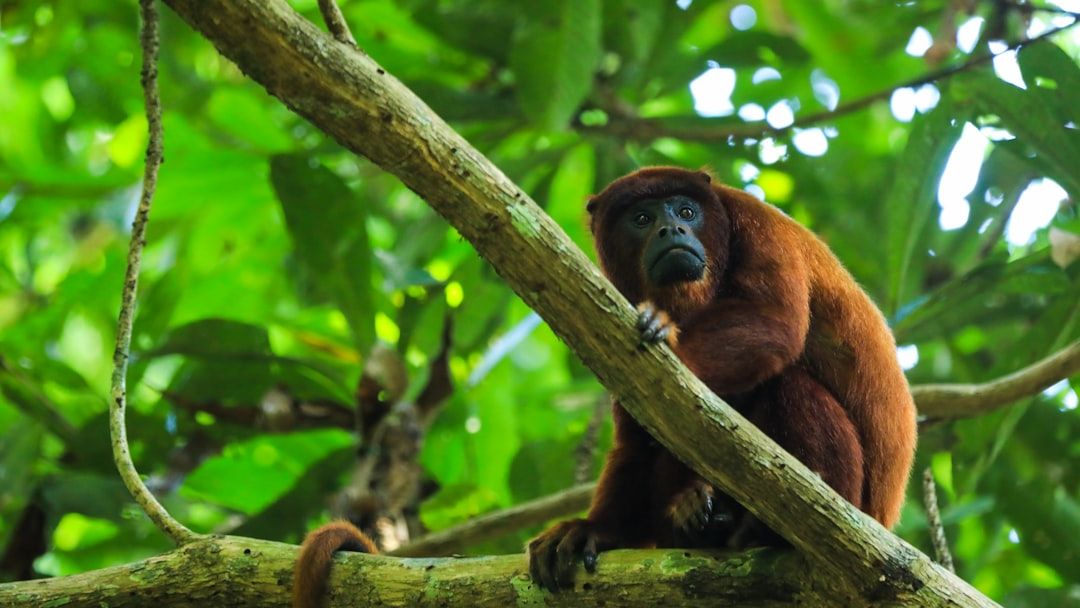
Imagine a place so wildly alive that scientists cannot even count all its residents. A forest so dense, so ancient, so endlessly layered with life that a single tree can host more beetle species than some entire countries. That is not a fantasy. That is the Amazon.
Known as the “Lungs of the Earth,” the Amazon Rainforest covers over 6.7 million square kilometers and stretches across nine South American countries. It is not merely a forest. It is the single most biologically complex ecosystem our planet has ever produced. The deeper you look into it, the more impossible it seems. So let’s dive in.
A Number So Large It Barely Makes Sense
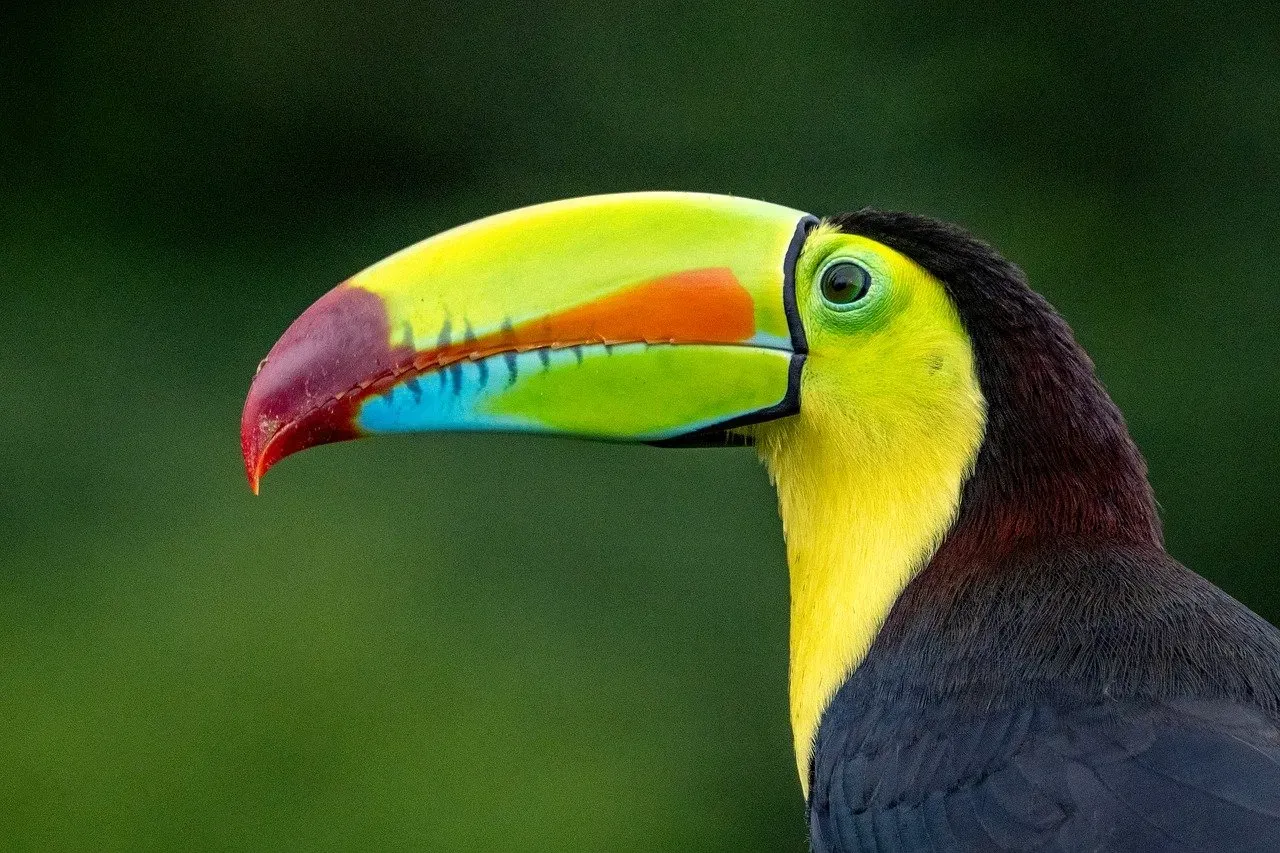
Here’s the thing about the Amazon’s biodiversity: the actual numbers are genuinely hard to wrap your head around. One in ten known species in the world lives in the Amazon rainforest, constituting the largest collection of living plants and animal species on Earth.
To date, at least 40,000 plant species, 2,200 fishes, 1,294 birds, 427 mammals, 428 amphibians, and 378 reptiles have been scientifically classified in the region. Those are just the ones we know about.
One in five of all bird species are found in the Amazon rainforest, and one in five of the fish species live in Amazonian rivers and streams. That ratio, honestly, is staggering. Think about that the next time you imagine a single patch of green on a map.
The region is also home to about 2.5 million insect species, tens of thousands of plants, and some 2,000 birds and mammals. Insects alone could fill entire encyclopedias. One acre of Amazon Rainforest is estimated to contain as many as 70,000 species of insects, and scientists once found 700 different species of beetle on just one tree.
The biodiversity of plant species is the highest on Earth, with one study finding a quarter square kilometer of Ecuadorian rainforest supporting more than 1,100 tree species. For comparison, all of Europe has around 250 native tree species. Let that sink in.
The Creatures That Defy Belief
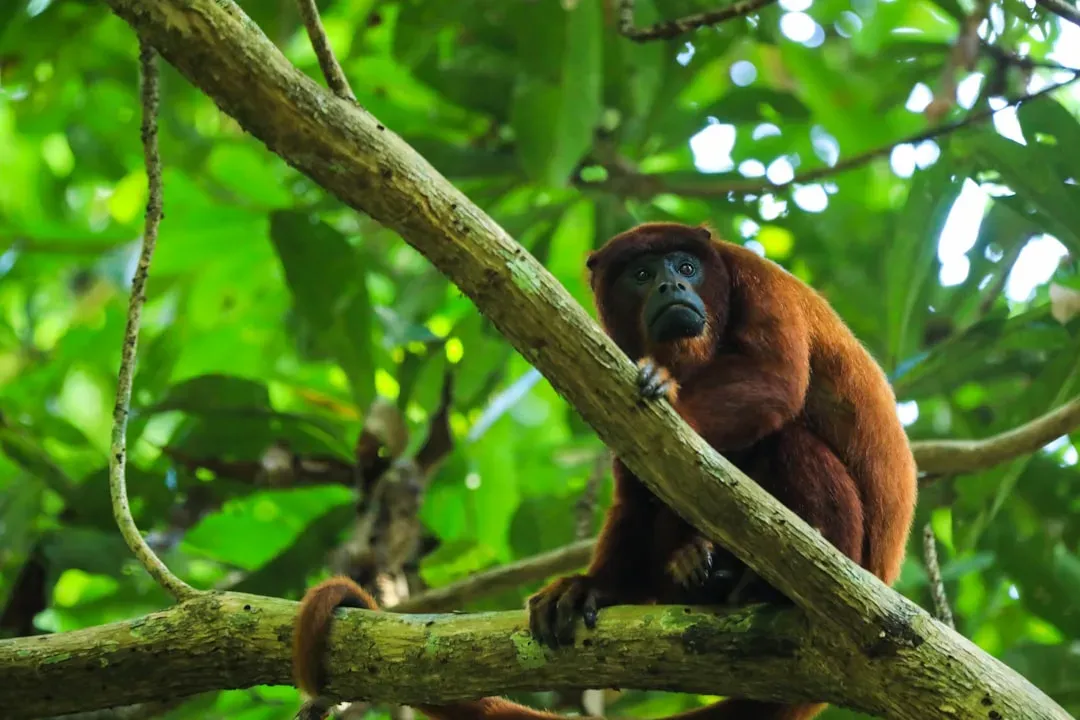
If biodiversity were a competition, the Amazon would not just win. It would make every other contestant look like they forgot to show up. Home to rainbow-colored squawking parrots, elusive jaguars, and fabled but very real pink dolphins, the Amazon is a living, breathing wonder teeming with fascinating life in every corner.
The Amazon is one of Earth’s last refuges for jaguars, harpy eagles, and pink river dolphins, and it is home to sloths, black spider monkeys, and poison dart frogs. Each of these animals plays a role in a system so interconnected that removing one thread can unravel the whole fabric.
Take the pink river dolphin, for instance. The Amazon river dolphin is the largest river dolphin species and is known for its unique pink colour, which becomes more vibrant with age. Adapted to life in the flooded forests, they have flexible necks that allow them to navigate through submerged trees with ease.
Scientists have found that in just 16 hectares of the Amazon, there are more ant species than in all of Europe, demonstrating the rainforest’s astonishing diversity even among its smallest inhabitants. That is not a typo. Sixteen hectares. More ants than a continent.
According to the Scientific Panel for the Amazon, between 80 and 90 percent of trees depend on animals for seed dispersal and up to 98 percent of plants depend on animals for pollination. Every creature here is doing a job. Nothing is wasted.
The Forest as a Living Pharmacy
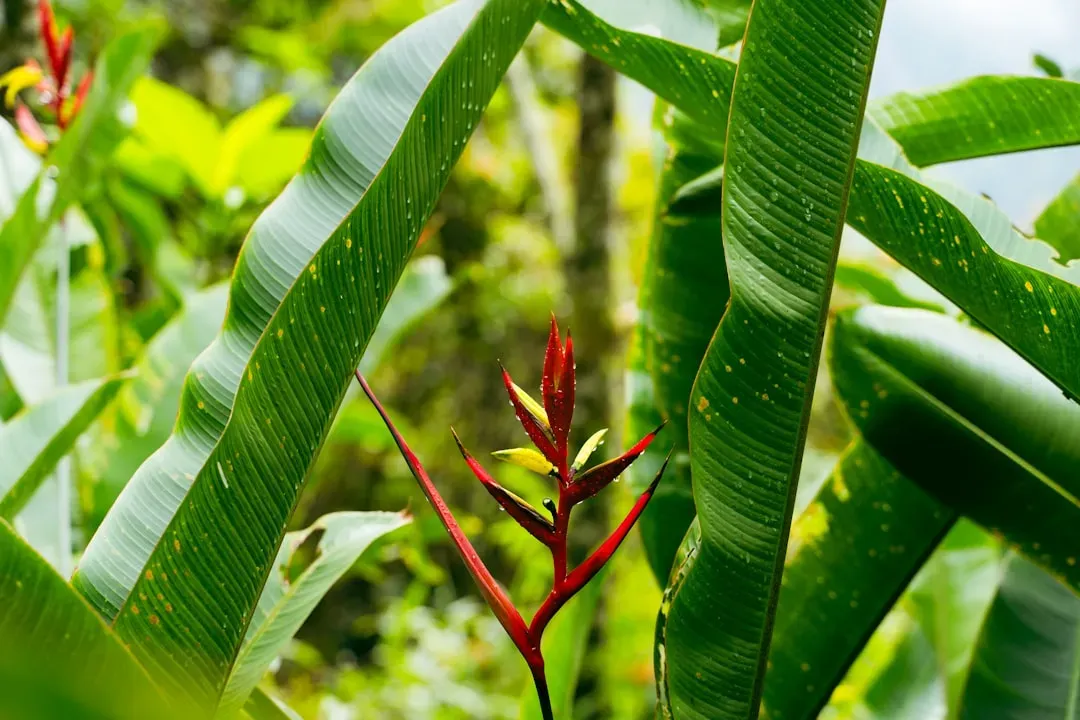
I think this is the part most people do not fully appreciate. The Amazon is not just a wildlife spectacle. It is, quite possibly, the world’s greatest untapped source of life-saving medicine.
Its nickname as “The World’s Largest Medicine Cabinet” is well-earned: around a quarter of all drugs used in modern Western medicine are derived from Amazonian plants. What makes this even more miraculous is that less than 5 percent of all plant species in the Amazon have been tapped for their potential to create various cures.
As one of the most biodiverse areas of the world, the Amazon has great potential as a source for medicinal plants. Only a small percentage of the plants have been tested for active compounds, yet a great wealth of healing knowledge is held by shamans, the medicine men of indigenous tribes.
Consider what has already been found. Quinine is the first effective medicine used to treat malaria, and it was originally discovered by the Quechua, an indigenous group that still resides in Peru and Bolivia. Curare, an extract from Amazonian plants including Strychnos toxifera, was long used by indigenous hunters as an arrow poison and is now used in modern medicine for general anesthesia and to treat muscular disorders.
Many plants that test positive for bioactive compounds are promising for the treatment of diseases that are not yet curable, especially cancer. The next breakthrough cancer drug could be sitting right now in an unstudied leaf somewhere deep in the jungle. It’s hard to say for sure, but that possibility alone makes every acre lost feel like an irreversible tragedy.
Species Still Being Discovered Every Single Year
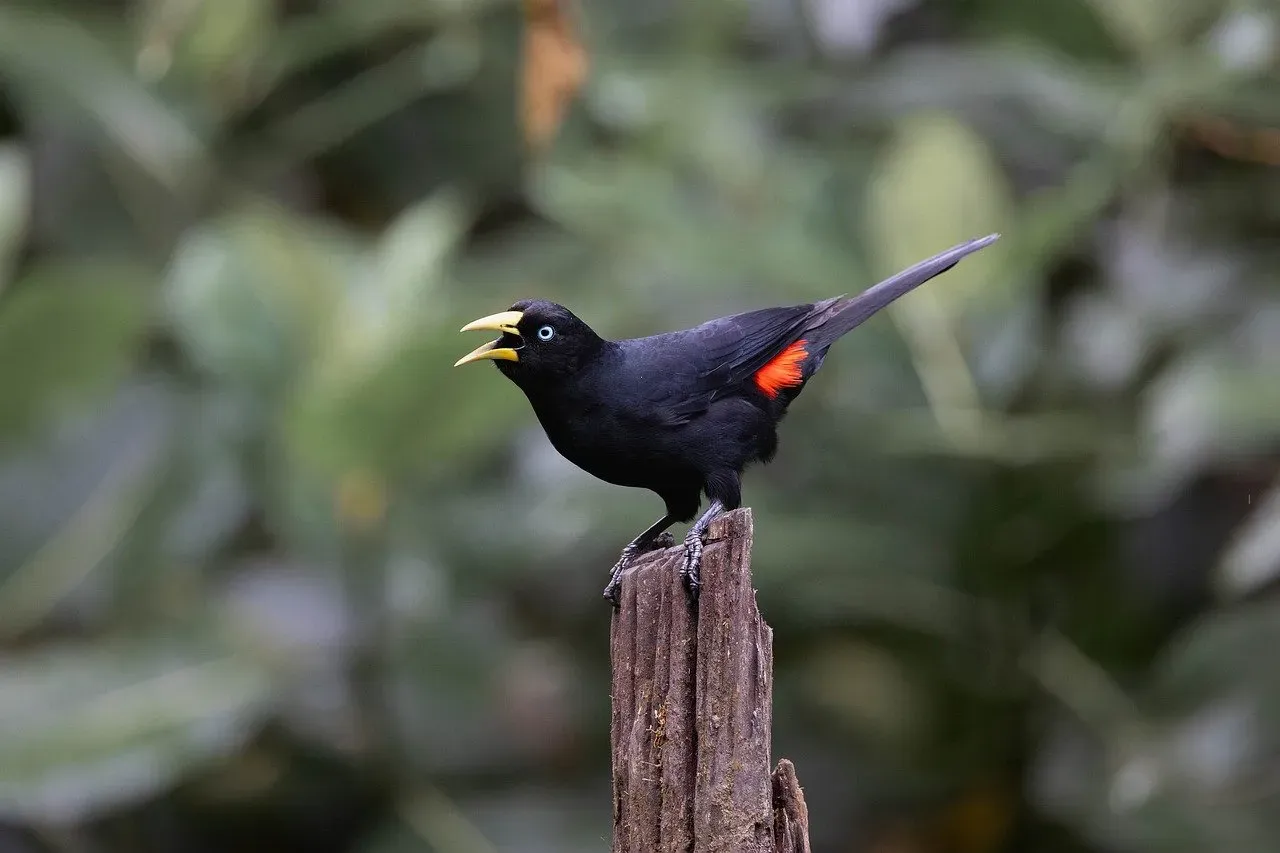
Here is something that still manages to surprise me: we have not even finished counting what lives there. The Amazon Rainforest is known to be home to 427 mammal species, 1,300 bird species, 378 species of reptiles, and more than 400 species of amphibians, and species are still being discovered every year.
From 1999 to 2009 alone, researchers discovered 637 new plants, 357 fish, 216 amphibians, 55 reptiles, 39 mammals, and 16 new birds. That is over a decade of ongoing revelation. New life, named and catalogued, year after year.
The Amazon has the largest number of endemic species worldwide, as a result of the geographical barriers formed by water bodies. Endemic means found nowhere else on Earth. These are species that exist only here, shaped by millions of years of isolation into forms found absolutely nowhere else.
The layered structure of the forest, consisting of the emergent layer, canopy, understory, and forest floor, creates countless microhabitats, each supporting different species. Think of it like a city with dozens of floors. Each floor has its own residents, its own rules, its own ecosystem. Over time, the warm, humid climate allowed plant life to flourish, which in turn supported an explosion of animal diversity.
The formation of the Amazon basin began approximately 100 million years ago, when Pangaea, a supercontinent that existed in the late Paleozoic and early Mesozoic eras, began to fracture and divide. That ancient history is written in every species still waiting to be named.
A Biodiversity Wonder Under Serious Threat
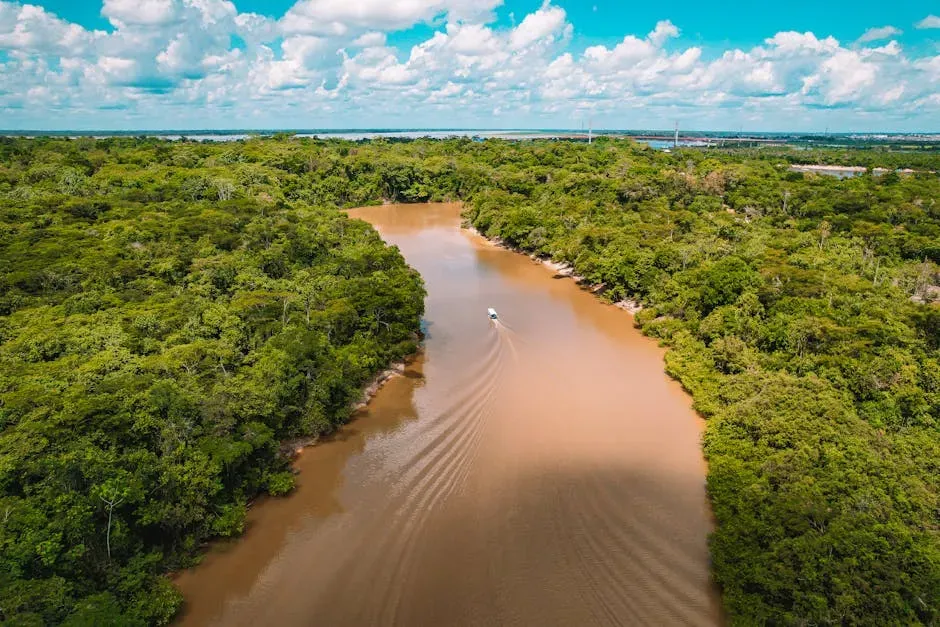
All of this wonder, all of this irreplaceable life, is under pressure. Serious, urgent, accelerating pressure. More than three-quarters of the Amazon rainforest has been losing resilience since the early 2000s, with resilience being lost faster in regions with less rainfall and in parts closer to human activity.
In May 2025 alone, the Amazon lost 960 square kilometers of forest cover, an area larger than New York City, representing a 92 percent increase in deforestation compared to May 2024. The scale of that loss is almost numbing. Almost.
Theoretically, either global warming or direct deforestation could trigger a tipping point for the Amazon. In reality, a combination of both has already pushed the Amazon to the edge. Multiple studies show that only a slight further increase in global temperatures and the continued cutting of the forest will turn it into a savannah.
Scientists now believe the Amazon could reach its tipping point, when it loses its natural ability to regenerate and becomes permanently degraded, as soon as 2050, with impacts reverberating globally.
Recent studies show that where Indigenous people control their resources and hold collective property rights to their lands, deforestation and carbon emission rates plummet and biodiversity and the forests thrive. That is not a coincidence. It is a model.
Conclusion: The Most Important Place on Earth
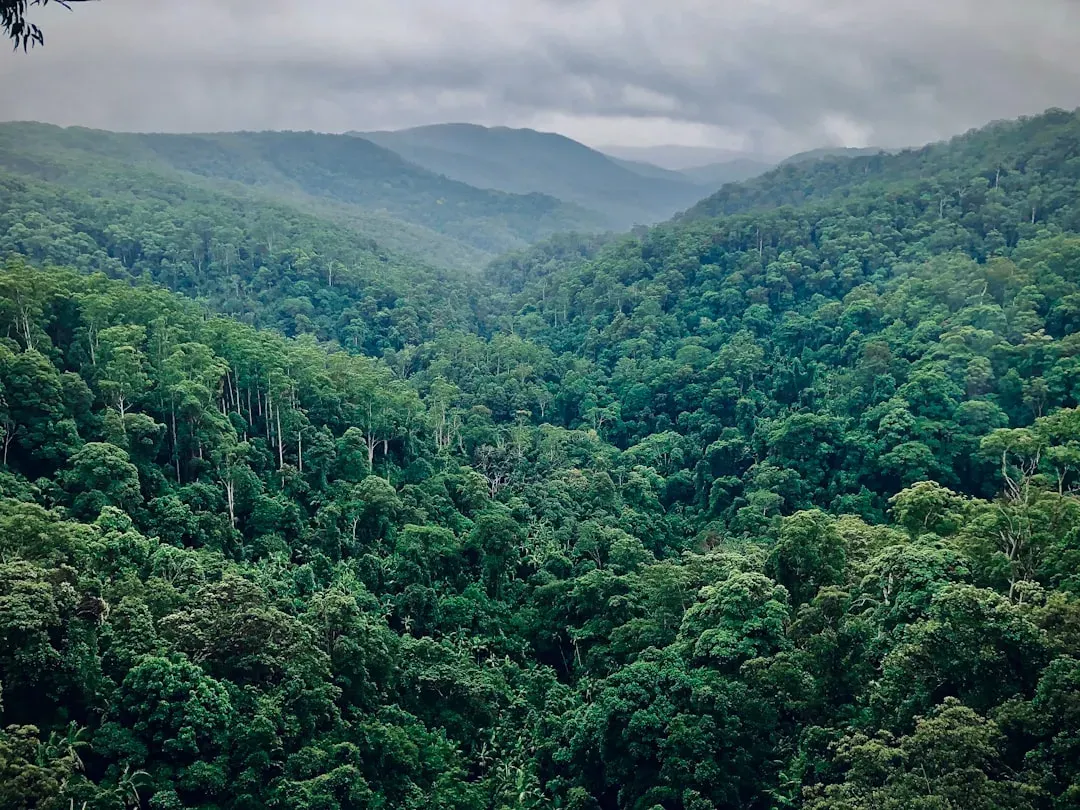
Honestly, no list of numbers, no catalogue of species names, can fully convey what the Amazon actually is. It is something closer to a living miracle. A system that has been building itself, quietly and relentlessly, for over 100 million years.
The Amazon forest holds more than 10 percent of Earth’s terrestrial biodiversity, stores an amount of carbon equivalent to 15 to 20 years of global CO₂ emissions, and has a net cooling effect that helps to stabilize the Earth’s climate. Every species lost there is a thread pulled from a web we do not fully understand.
The Amazon does not just belong to South America. It belongs to all of us, in the most practical possible sense. Its future is, quite literally, woven into ours. The question is no longer whether we can afford to save it. The question is whether we can afford not to.
What would it take for the world to truly treat the Amazon like the irreplaceable treasure it is?

- 17 Cat Breeds Shelters Are Quietly Overwhelmed With That Almost Nobody Seems to Want Anymore - August 13, 2026
- What Hummingbirds Do Before They Vanish for Winter Will Surprise You 18 Behaviours Gardeners Miss - August 13, 2026
- 10 Tiny Rituals Dogs Memorize Because They Love You So Much - August 13, 2026