

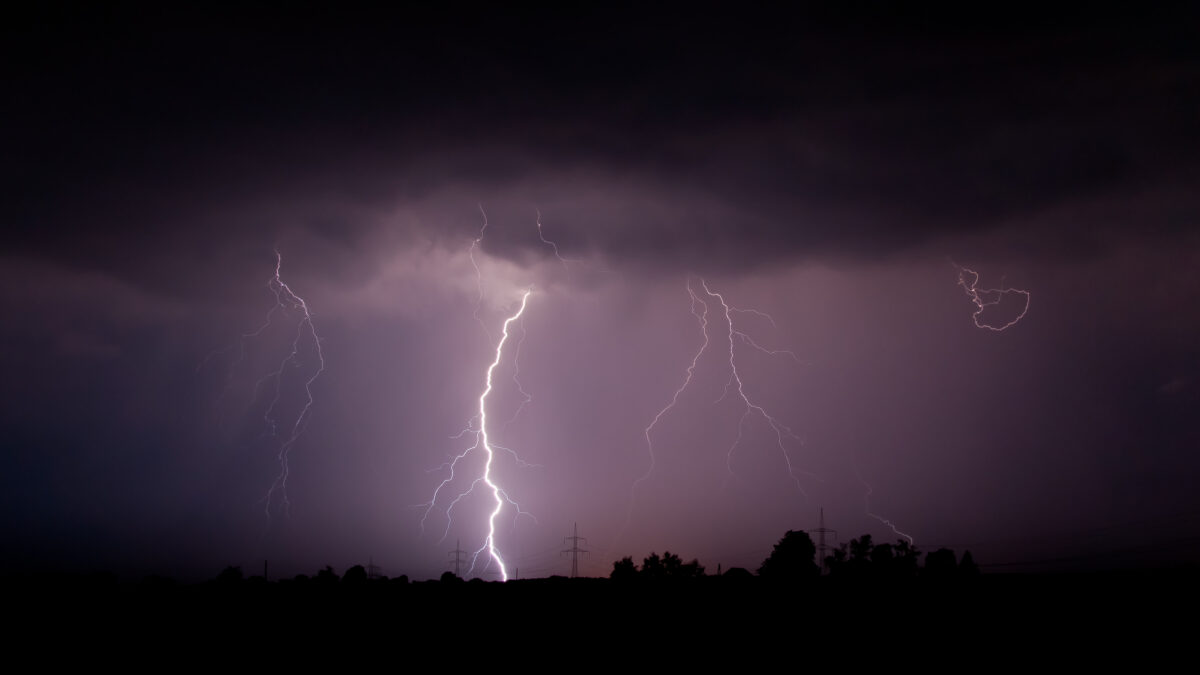
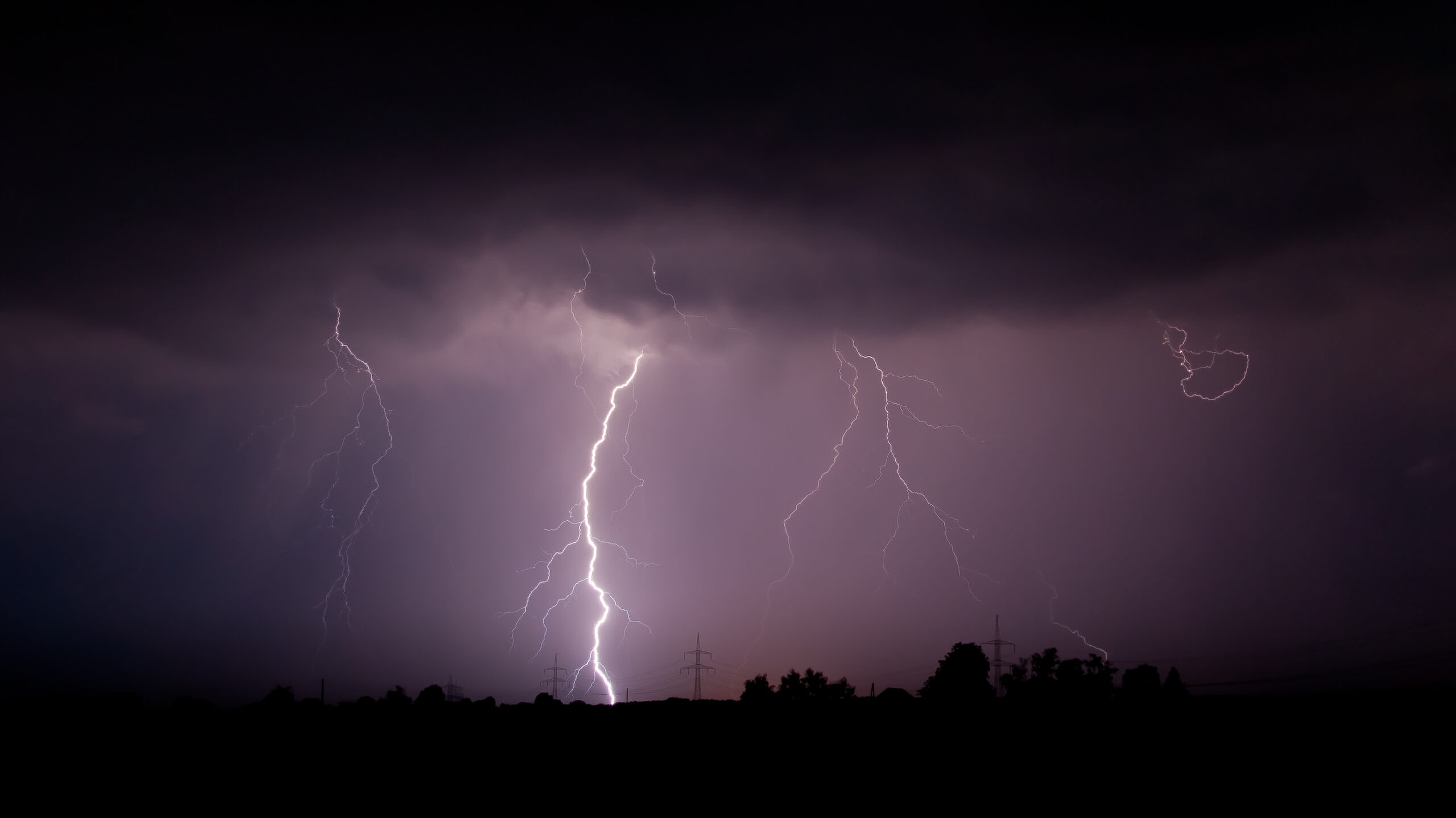
Proactive State Activation Signals Heightened Alert (Image Credits: Upload.wikimedia.org)
North Texas – Governor Greg Abbott directed the activation of state emergency response resources on March 31 as forecasts warned of severe storms bearing down on the region. Multiple rounds of thunderstorms threatened to unleash large hail, damaging winds, flash flooding, and possible tornadoes across Dallas and surrounding areas. Local officials coordinated with state agencies to ensure readiness as the multi-day event unfolded.[1][2]
Proactive State Activation Signals Heightened Alert
The governor’s decision came swiftly in response to escalating weather models predicting intense storm activity starting late that evening. Storms were set to impact North Texas between 8 and 10 p.m., with risks extending through the end of the week.[3] “The State of Texas is taking action to prepare for severe storms expected to affect Texans in North, West, and Central Texas,” Abbott stated.[1]
This move positioned critical assets ahead of potential chaos, underscoring Texas’ commitment to rapid deployment during natural threats. The Texas Division of Emergency Management led the effort, coordinating with numerous agencies to support local operations.
Forecast Highlights Grave Risks for Dallas Region
Weather services issued enhanced risk levels, rating parts of North Texas at level 3 out of 5 for severe thunderstorms. Primary dangers included hail large enough to damage property, wind gusts capable of downing trees and power lines, and isolated tornadoes.[3]
Heavy rainfall raised flash flooding concerns, particularly in urban areas like Dallas where drainage systems often strain under deluge. The National Weather Service emphasized these hazards as storms shifted eastward over several days, prolonging the vigilance required.
Residents in the Dallas-Fort Worth metroplex prepared for disruptions, including travel delays and power outages.
Comprehensive Resources Poised for Action
A broad array of state teams stood ready to assist, reflecting the scale of preparation. These included swiftwater rescue squads and urban search and rescue teams from Texas A&M Engineering Extension Service.
- Texas Parks and Wildlife Department provided game wardens, rescue boats, and helicopters equipped for hoist operations.
- Texas Department of Public Safety deployed Highway Patrol troopers and a tactical marine unit.
- Texas Department of State Health Services offered severe weather support packages with medics, ambulances, and all-terrain vehicles.
- Texas A&M Forest Service sent saw crews to clear storm debris from roadways.
- Texas Department of Transportation monitored conditions to guide motorists safely.
- Additional support came from the Public Utility Commission for power restoration coordination and the Railroad Commission for energy supply oversight.
This lineup ensured coverage for rescues, medical aid, infrastructure clearing, and environmental monitoring.[2][1]
Critical Guidance for Public Safety
Governor Abbott urged immediate action from residents. “Texas stands ready to deploy all necessary resources to support Texans as severe storms move across our state that may bring potential flash flooding and heavy rain,” he added. “I urge Texans to stay up to date by monitoring local forecast information, make an emergency plan, and heed the guidance of state and local officials.”[1]
Key steps included assembling emergency kits, reviewing family plans, and checking trusted sources like local forecasts. The familiar slogan “Turn Around, Don’t Drown” reinforced the need to avoid flooded roads. Resources such as TexasReady.gov offered further safety tips, while DriveTexas.org provided real-time road updates.
Local governments in North Texas echoed these calls, activating their own alert systems to reach communities promptly.
As the storms progressed, the state’s preemptive measures proved vital in minimizing impacts. This episode highlighted ongoing vulnerabilities in storm-prone regions and the importance of layered preparedness.
Key Takeaways
- Governor Abbott activated over a dozen state agencies for North Texas storm response.
- Threats encompassed large hail, damaging winds, flash floods, and tornadoes.
- Residents should prioritize emergency kits and flood avoidance strategies.
Texas’ swift mobilization offers a model for handling severe weather threats. How prepared is your household for the next storm? Share your tips in the comments.

- Urban Coyotes Show Remarkable Adaptability, Learning to Thrive in City Environments - July 22, 2026
- Beavers Are Nature’s Engineers, Creating Vital Habitats for Other Wildlife Species - July 21, 2026
- The Recovery of the California Condor Offers Hope for Other Critically Endangered Birds - July 21, 2026