

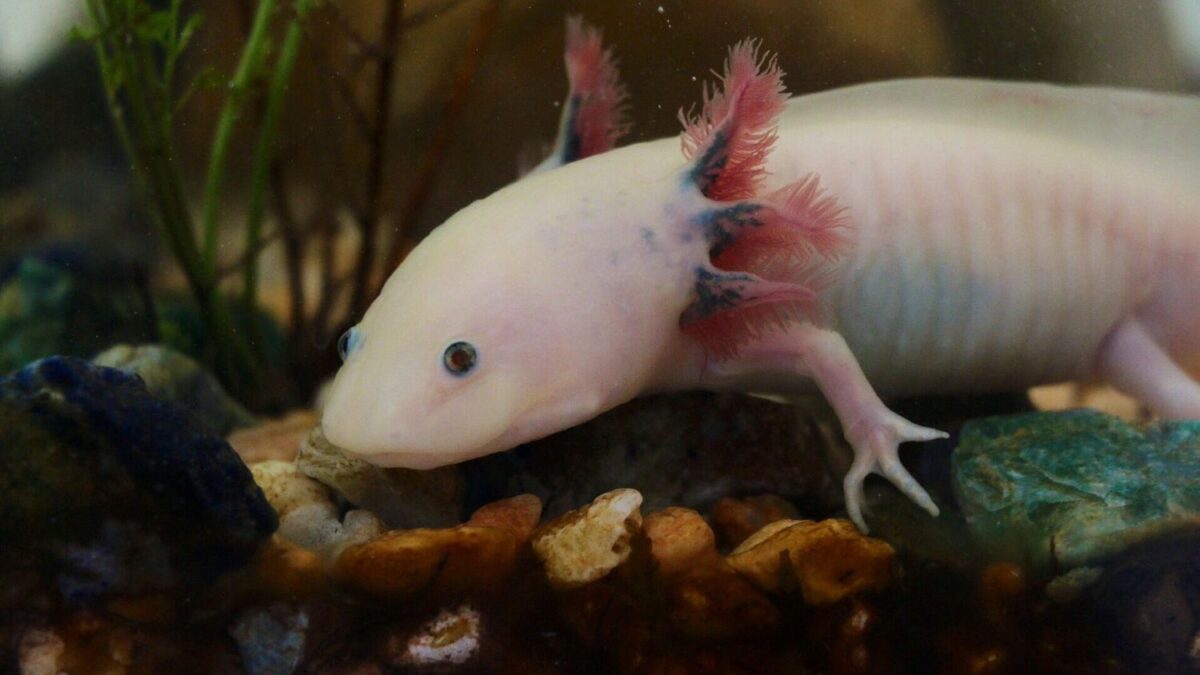
Salamanders do something that still manages to surprise scientists: they regrow entire limbs, complete with bone, muscle, and nerve tissue, after amputation. Mammals, for all their biological complexity, simply can’t do that. The gap between these two outcomes has puzzled researchers for decades, and a new line of inquiry suggests the answer might lie somewhere surprisingly fundamental.
Recent research points toward oxygen metabolism as a key variable in this long-standing biological mystery. The way cells use and respond to oxygen appears to differ meaningfully between species that regenerate and those that don’t, opening a fresh angle on a question that touches the future of regenerative medicine directly.
The Regeneration Gap Between Amphibians and Mammals
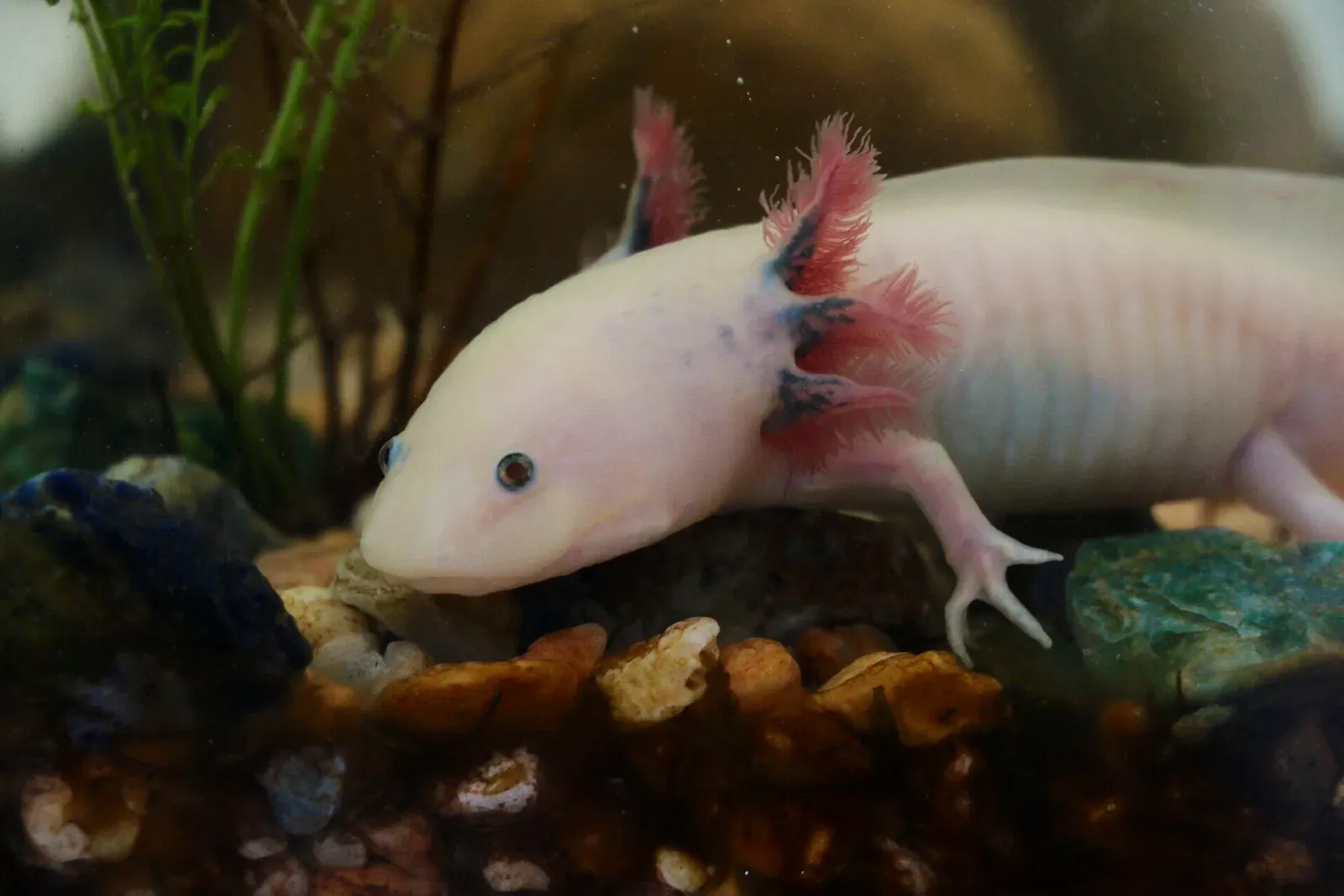
Salamanders, axolotls, and certain frog species can regrow lost limbs with remarkable fidelity. Mammals, including humans, respond to injury with scarring instead, a process that seals the wound but forfeits any chance of structural recovery. This biological divide has been documented for centuries, though its underlying cause remains actively debated.
What makes the gap more puzzling is that both groups share many of the same basic cellular machinery. The genes for tissue patterning and limb development exist in mammals too. Something suppresses or bypasses those regenerative pathways after injury, and identifying what that something is has become a central goal in the field.
Where Oxygen Enters the Picture
The new research, published in April 2026, proposes that differences in oxygen availability and cellular oxygen response during wound healing play a defining role in whether regeneration proceeds. Amphibians tend to tolerate lower oxygen environments more readily than mammals, and their cells may be better suited to the metabolic conditions that arise immediately after tissue damage.
When a limb is injured, oxygen supply to the surrounding tissue drops sharply. In mammals, cells in this low-oxygen state tend to trigger inflammatory and fibrotic responses. In regenerating species, the same low-oxygen conditions appear to activate a different cascade, one that primes cells for regrowth rather than closure.
The Biology of Low-Oxygen Environments and Cell Behavior
Cells detect and respond to oxygen levels through a class of proteins called hypoxia-inducible factors, or HIFs. These proteins act as molecular switches, adjusting gene expression depending on how much oxygen is available. Research has shown that HIF activity differs between mammals and amphibians in ways that could significantly influence healing outcomes.
In regenerating species, HIF signaling appears to sustain a cellular environment that keeps progenitor cells, essentially the rebuilding blocks of tissue, in an active and flexible state. In mammals, the same pathway may inadvertently lock cells into a repair mode that prioritizes speed over complexity. The wound closes, but the architectural detail of the original structure is lost.
What the Research Actually Found
The study examined how oxygen tension, meaning the concentration of oxygen in tissue, affects the behavior of cells at wound sites in both amphibians and mammals. Researchers found that maintaining lower oxygen levels experimentally in mammalian tissue altered cell behavior in ways that partially resembled what happens naturally in regenerating species.
This doesn’t mean that simply reducing oxygen exposure in a wound would trigger limb regrowth in humans. The biology is considerably more layered than that. What it does suggest, though, is that oxygen-responsive pathways are a meaningful lever in the regeneration process, one that may be possible to engage more deliberately through targeted interventions.
The Role of the Wound Epidermis
One structure that appears particularly important in this oxygen story is the wound epidermis, a thin layer of cells that forms rapidly over an amputation site in regenerating species. In salamanders, this layer is thought to send critical signals that initiate regrowth. In mammals, an equivalent structure doesn’t form in the same way, or with the same signaling capacity.
Oxygen levels may influence how well this wound epidermis forms and functions. If the metabolic environment immediately after injury shapes what kind of cellular layer develops over the wound, then manipulating that environment early in the healing process could potentially shift outcomes in a more regenerative direction. The timing appears to matter considerably.
Implications for Regenerative Medicine
The practical implications of this research sit at a meaningful distance from clinical application, but the conceptual shift it represents is worth noting. Most efforts to unlock mammalian regeneration have focused on genetic reprogramming, stem cell delivery, or scaffold-based tissue engineering. Oxygen metabolism hasn’t been a primary target, and this study makes a reasonable case that it should be.
If researchers can identify the specific oxygen-responsive signals that distinguish a regenerative response from a fibrotic one, there may be ways to pharmacologically or mechanically recreate those conditions in damaged human tissue. This remains speculative for now, but it’s the kind of well-grounded hypothesis that gives a field productive direction. The path from basic biology to therapy is long, though history suggests it’s rarely as impossible as it first appears.
What Comes Next in This Line of Research
The April 2026 study adds to a growing body of work that treats regeneration not as an on-or-off switch but as a spectrum influenced by multiple interacting variables. Oxygen is now one of those variables with a stronger evidential footing than it had before. Follow-up studies are likely to focus on mapping the precise molecular chain of events that oxygen levels trigger, and when in the healing process those events are most decisive.
There’s also interest in comparative genomics, looking at how the genes that respond to oxygen differ between regenerating and non-regenerating species at a fine-grained level. The more precisely researchers can identify where the two biological strategies diverge, the better positioned they’ll be to design interventions that nudge mammalian cells toward the regenerative path.
A Measured Conclusion on a Finding Worth Watching
This research doesn’t rewrite what we know about regeneration overnight. It adds a specific, testable, and biologically plausible piece to a puzzle that has resisted simple answers for a long time. That’s how science actually works, through incremental findings that occasionally reframe the larger question.
What’s genuinely interesting here is the implication that the key difference between a salamander regrowing a leg and a human forming a scar might not require entirely new biological machinery. It may involve unlocking pathways that already exist but respond differently to the conditions around them. If oxygen is one of those conditions, then the conversation about human regenerative medicine just got a quieter but potentially important new thread to follow.

- Urban Coyotes Show Remarkable Adaptability, Learning to Thrive in City Environments - July 22, 2026
- Beavers Are Nature’s Engineers, Creating Vital Habitats for Other Wildlife Species - July 21, 2026
- The Recovery of the California Condor Offers Hope for Other Critically Endangered Birds - July 21, 2026