
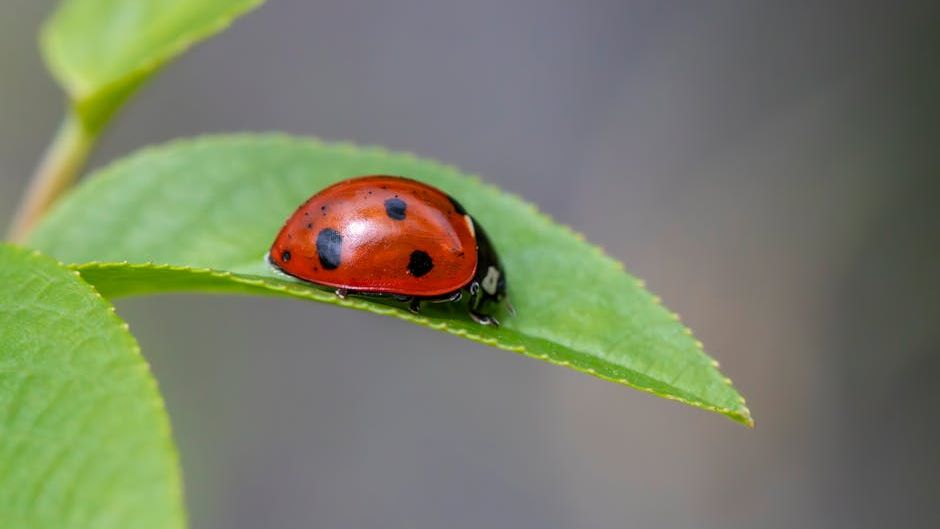
Most gardeners reach for a spray bottle the moment they spot trouble in their beds. It’s a reflex, almost. Aphids on the roses, slugs near the lettuce, and suddenly the urge to intervene chemically feels urgent. Yet the garden already has its own system of checks and balances, a quiet, working network of animals that handle pests without any help from a hardware store.
Research has found that landscapes with many different species can help prevent pest outbreaks. The trick is knowing which creatures to welcome. Some of them are obvious. Others are genuinely surprising.
Toads: The Garden’s Most Underappreciated Night Shift Worker
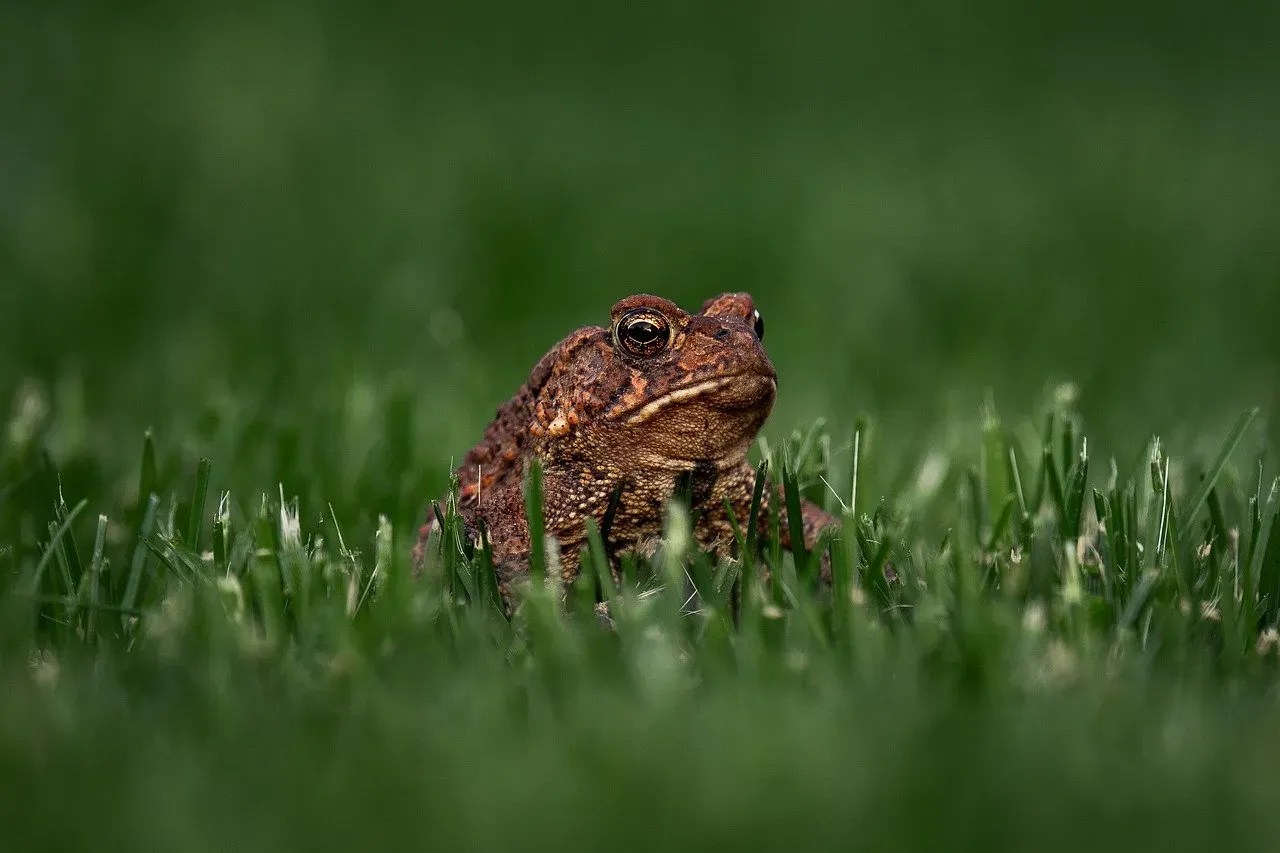
Toads rarely get the appreciation they deserve. They sit in the dirt, look a bit prehistoric, and most people nudge them out of the way without a second thought. That’s a mistake.
In a single summer, toads can eat around 10,000 bugs, which is far more than most gardeners could manage without resorting to extreme measures. Frogs and toads can eat up to 100 insects a night, which makes them powerful allies to have.
Beetles, flies, moths, caterpillars, various insect larvae, slugs, and snails are among the pests they eat. To keep them around, it’s always a good idea to provide a moist place to live for toads and frogs alike, which can be something as simple as an overturned flowerpot.
It’s crucial to avoid using chemical pesticides that can harm these amphibians, as they rely on a healthy insect population for their survival. Toads are fragile partners in the garden ecosystem. Protect them, and they’ll protect your plants.
Bats: Silent Hunters After Dark
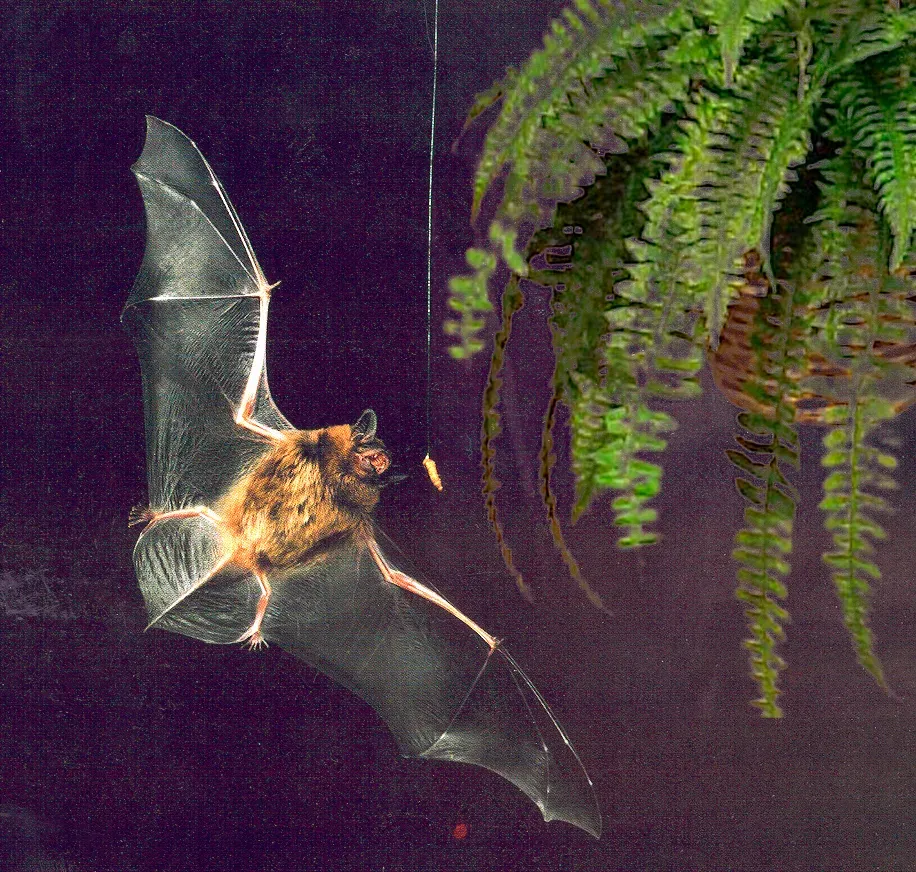
Bats have a reputation problem. Most people associate them with attics and horror films, not healthy gardens. The reality is far more useful.
Bats, often associated with spooky images, are actually incredible creatures that play a vital role in pest management. These nocturnal mammals are essential for the ecosystem as they aid in pollination and seed dispersal, and they are natural pest controllers, consuming vast quantities of insects.
When night falls, they are wicked predators, snatching garden pests and mosquitoes right out of the air. They are especially into moths, which create plant-gobbling caterpillars. That alone makes them one of the most valuable animals a garden can attract.
Bats keep the mosquito population down and also feed on thousands of other tiny insects. They are attracted to a good bat house. Installing a simple bat box on a nearby fence post or tree is a low-effort, high-return move for any serious gardener.
Ladybugs: Small, Spotted, and Ruthlessly Effective
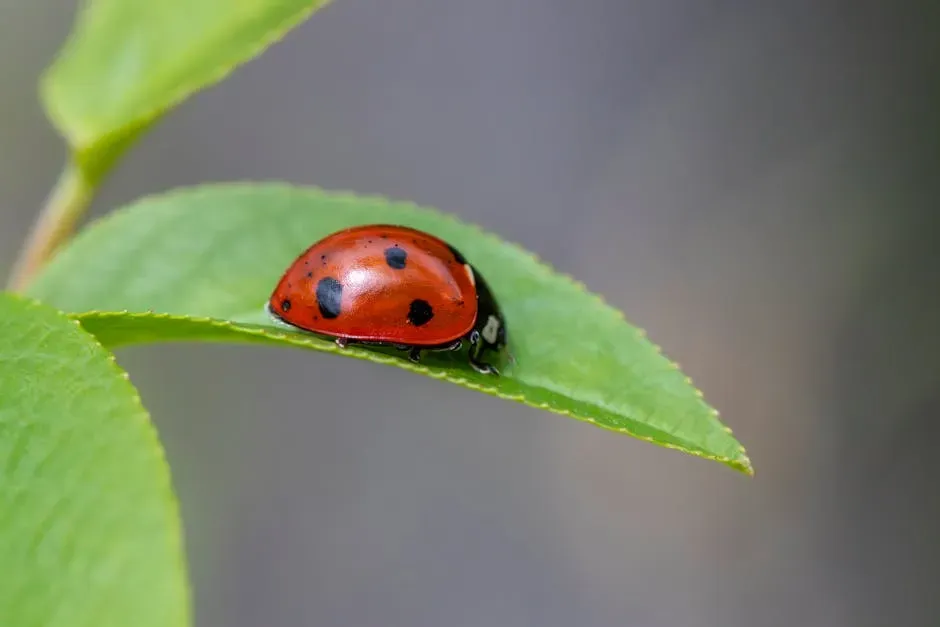
Ladybugs are one of those cases where the cute exterior hides a genuinely fierce predator. They look cheerful. Their behavior, from a pest’s perspective, is anything but.
A single lady beetle may consume up to 5,000 aphids in its lifetime. Ladybugs love to devour all of the most despised plant-eating insects, like mites, whiteflies, scales, and even thrips.
Ladybugs also feed on other pests such as mites, scale insects, and whiteflies, making them valuable allies. Consider planting pollen and nectar-rich flowers like daisies, dandelions, and marigolds to attract ladybugs to your garden.
Providing suitable habitat elements like leaf litter and small rocks can also encourage ladybugs to stay in your garden and contribute to pest control efforts. The goal is to invite them in, then get out of their way.
Spiders: The Pest Controllers Nobody Wants to Acknowledge
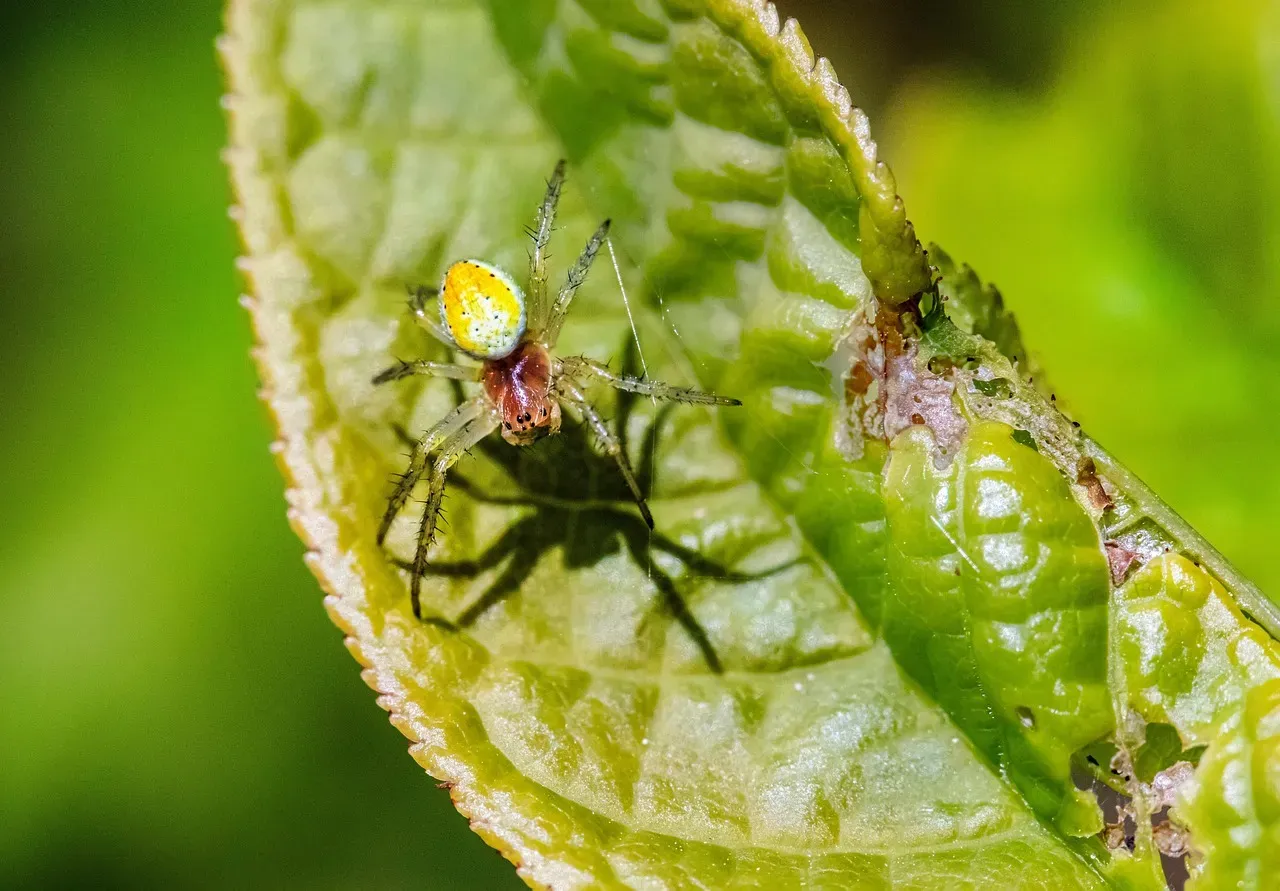
Spiders are the least welcome beneficial animal in most gardens, purely on the basis of appearance. That hesitation is worth reconsidering.
They eat mosquitoes, flies, mites, aphids, and roaches, allowing for very effective pest control. Spiders help control the natural ecosystem in any garden, keeping things in a healthy balance.
They don’t eat plants at all, but some spin webs between them and catch a buffet of unruly bugs. Other spiders burrow into the ground and find the insects causing trouble there. Web-spinners like perennial herbs to set up in, and ground dwellers appreciate natural mulches.
Ground-dwelling spiders, such as the wolf spider, actively hunt for their prey instead of waiting for them to fall into their web. You can promote the presence of wolf spiders by leaving mulch piles and dried leaves for them to live in. Two types of hunter, two different strategies, both working in your favor.
Owls: The Garden’s Rodent Management System
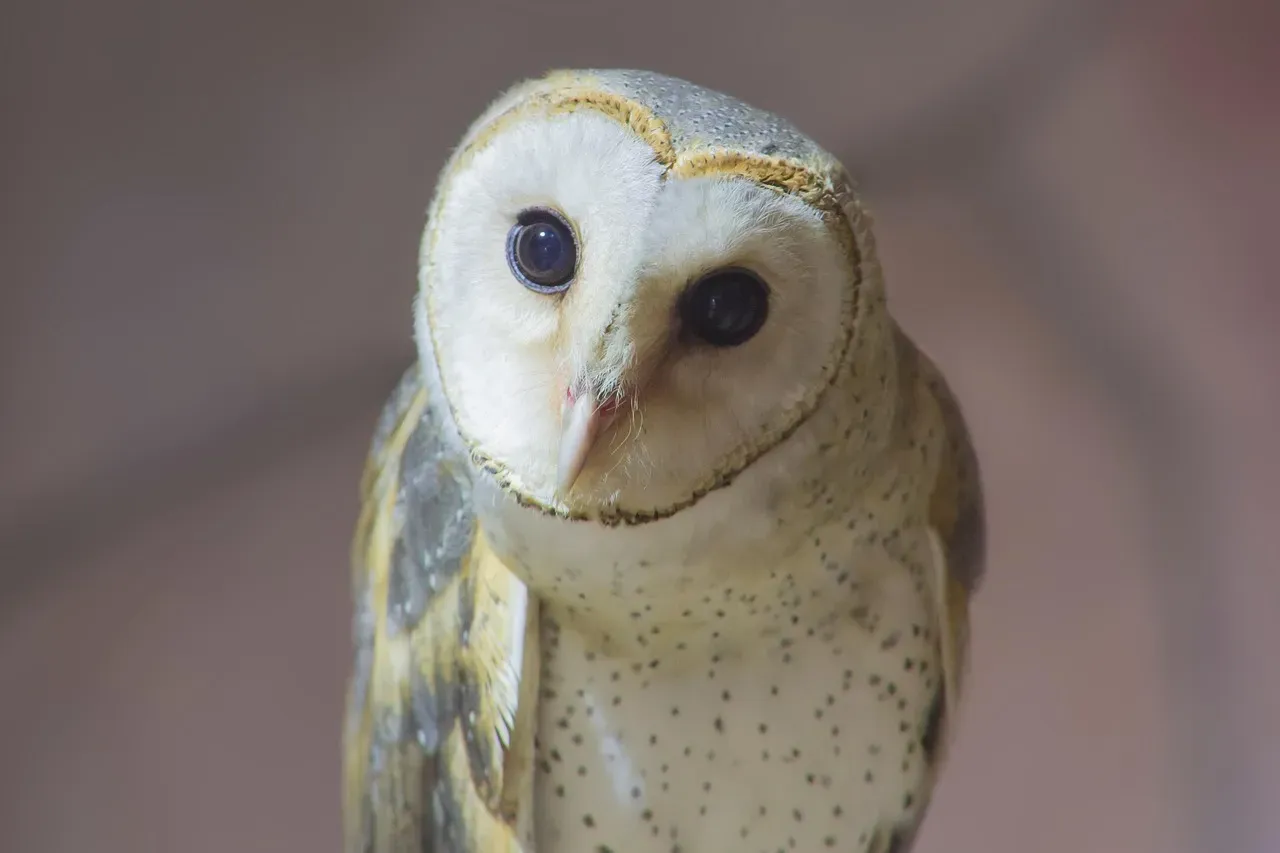
When people think about garden pests, they usually picture insects. Rodents, though, cause a different and often more serious kind of damage, eating bulbs, tunneling through root systems, and raiding stored vegetables. Owls are nature’s answer to that problem.
Owls are nocturnal predators known for their exceptional rodent control capabilities. These birds of prey feed on mice, rats, voles, and other small mammals that can cause significant damage to crops and homes. By keeping rodent populations in check, owls contribute to pest management efforts.
Barn owls are skilled rodent hunters that can aid in the management of rodent infestations. Some problem birds, moles, gophers, and flying insects can also be controlled by barn owls. If you want to attract barn owls to your property, you may build and place nesting boxes to offer them refuge.
Owls are silent, efficient, and ask for nothing beyond a safe place to roost. For a garden plagued by burrowing rodents, that trade is well worth it.
Lizards: The Overlooked Insect Patrol
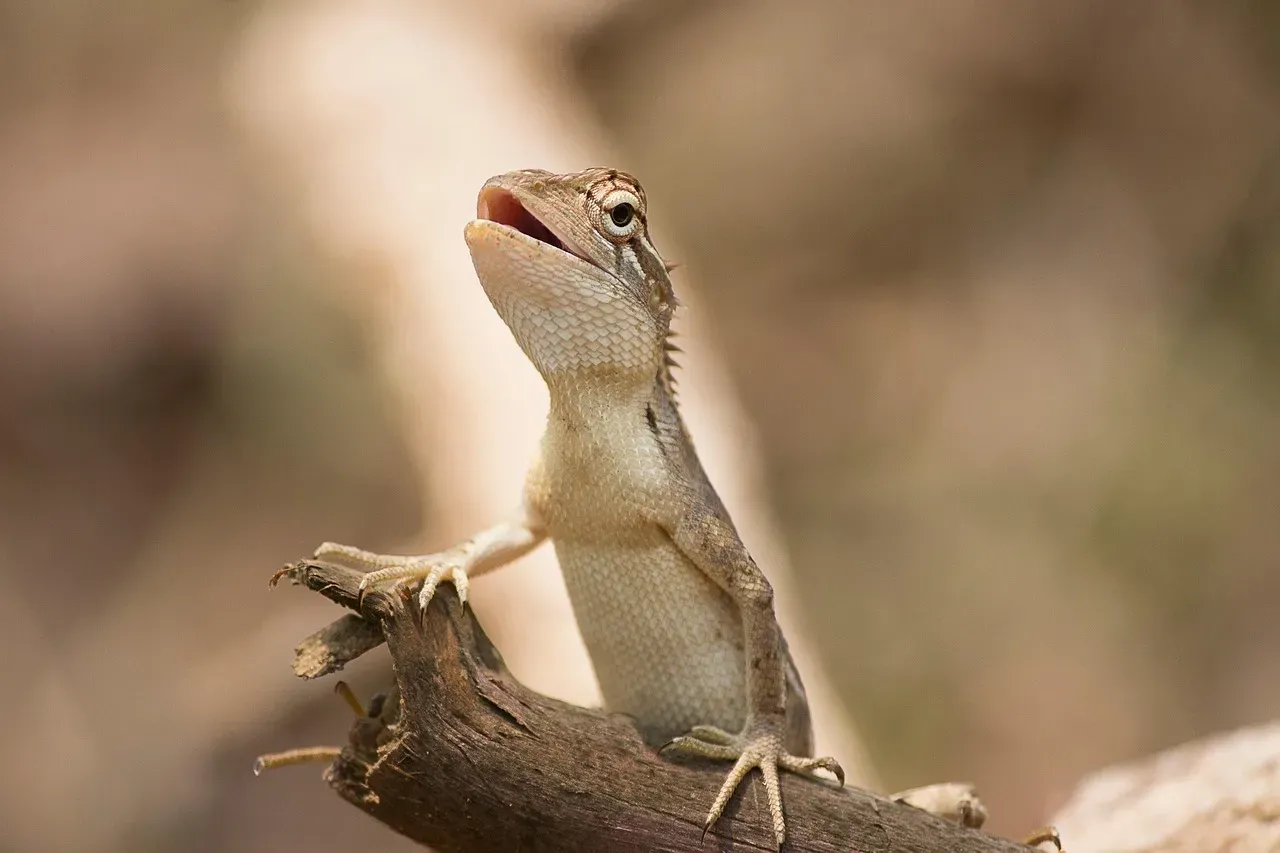
Lizards rarely come up in conversations about beneficial garden wildlife, which is part of what makes them so genuinely surprising. They’re easy to overlook, moving fast and staying low, but they’re quietly doing important work.
Lizards are valuable animals to have in the garden. They happily feed on insects but show sparing interest in the plants, except maybe for hunting perches. That combination, high pest appetite and zero plant damage, is exactly what a gardener wants.
To make lizards feel at home, it’s a good idea to construct a pile of rocks here and there or even a stack of rotting wood. Small habitat adjustments like these create the kind of microenvironment where lizards shelter, hunt, and stay rather than moving on.
They’re not flashy contributors. They don’t come in striking red with black spots or make interesting sounds at night. They just quietly work through insect populations, doing exactly what a good garden helper should.
Parasitoid Wasps: Tiny, Misunderstood, and Extraordinarily Precise
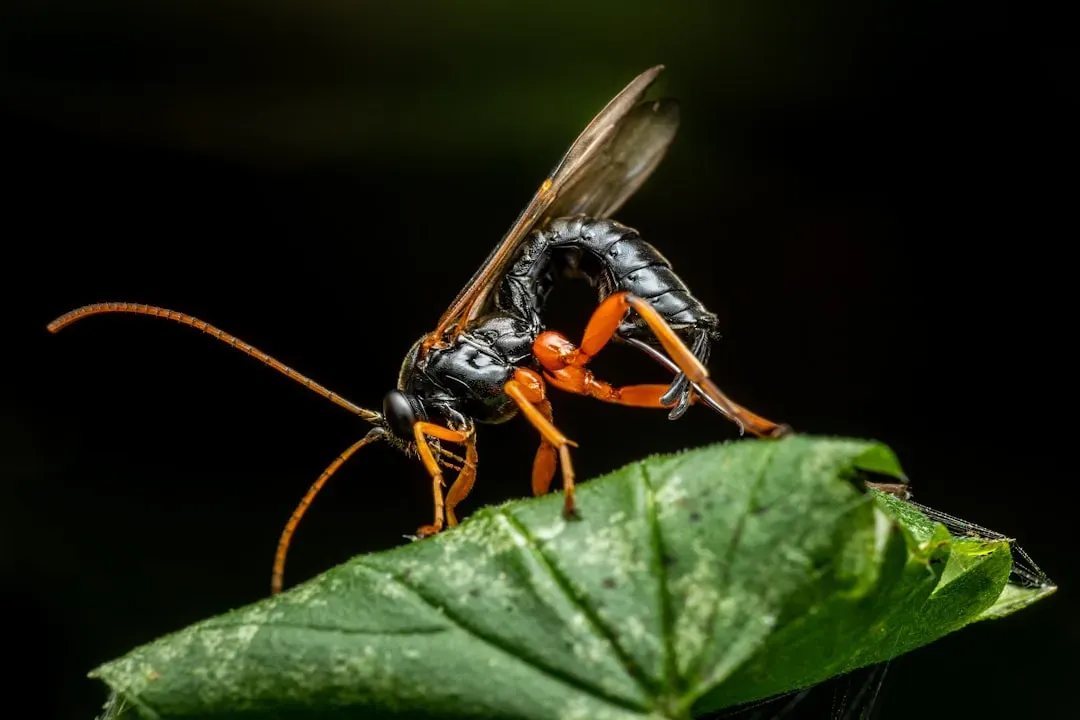
The word “wasp” sends most people reaching for a shoe. Parasitoid wasps, though, are a completely different story. They’re small, mostly unnoticeable, and they operate with a level of pest-targeting precision that no pesticide can match.
With approximately 7,600 species in North America, adult female parasitoid wasps control pests by laying their eggs on or in the prey insect. Their targets can include eggs, nymphs, larvae, or adults, covering many different potential pests.
Their targets include caterpillars, grasshoppers, aphids, sawflies, mealybugs, scales, whiteflies, beetles, and more. The larvae then develop on or inside their host, feeding on it but usually not killing it until they reach maturity and pupate.
The life cycle of parasitoid wasps is very closely synchronized to that of their hosts, making them particularly effective in reducing pest populations. By naturally regulating pest populations, beneficial insects like these can help minimize reliance on pesticides that have harmful effects on pollinators and soil health.
Conclusion: Work With the Garden, Not Against It

The animals on this list don’t need to be purchased or imported. Most of them will show up on their own, provided the conditions are right. The real work is in creating a garden environment that makes them want to stay.
Pesticides don’t discriminate between the bugs you want to keep and the ones you’re worried about. Natural enemies are sensitive to insecticides, and spraying can easily destroy their populations. Using insecticides to solve pest problems right now often results in pest population booms down the road, since no natural enemies are left to keep them in check.
A healthy garden with minimum pest problems and high organic production requires some cooperation with nature, and that means working with the animals that will naturally protect the crops. Before long, the garden will be acting like a real ecosystem.
That’s really the point. A garden that supports toads, bats, ladybugs, spiders, owls, lizards, and parasitoid wasps isn’t just a prettier place to grow vegetables. It’s a system that largely manages itself. The best pest control, it turns out, was never in a bottle.

- What Happens to Your Brain in the Final 60 Seconds Before Death – Neuroscientists Just Mapped It - August 13, 2026
- The Most Dangerous Myths About Tornadoes at Night - August 13, 2026
- How To Ride A Horse Safely - August 13, 2026