
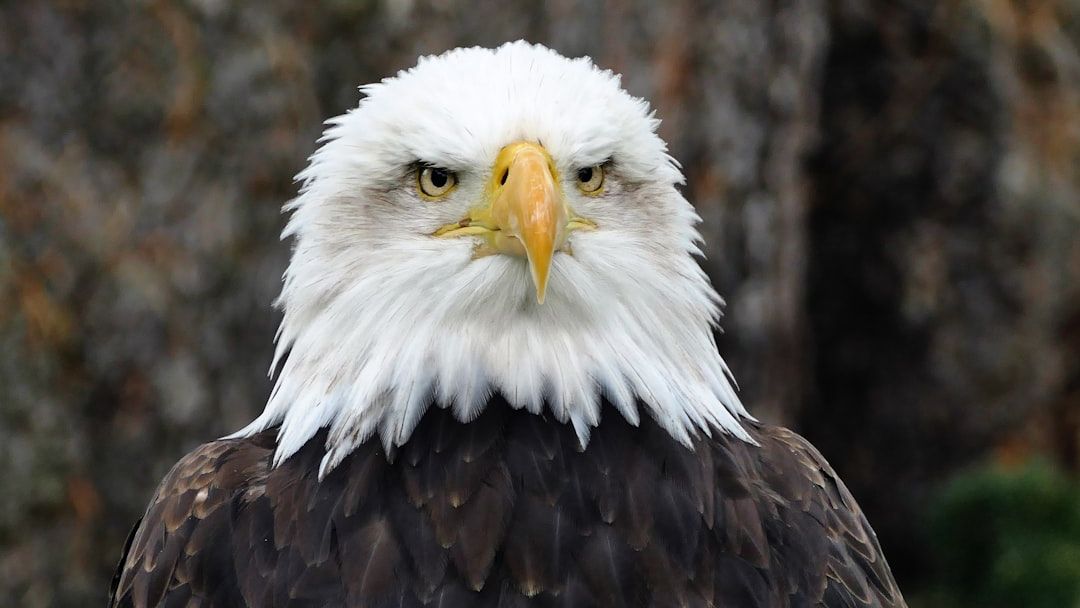
Few wildlife recoveries in American history feel as personal as this one. The bald eagle is not just a species bouncing back from the edge; it’s the country’s own symbol, a bird that once teetered on the verge of disappearing entirely from the continental United States. Seeing one perched on a riverbank or riding a thermal overhead still carries a kind of weight, even if sightings are far more common today than they were a generation ago.
Across much of their range, bald eagles had fallen to near-extinction levels due to the effects of pesticides, habitat loss, and illegal shooting. In 1963, only 417 nesting pairs had been documented in the lower 48 states. The distance traveled since that low point is genuinely staggering.
How Low the Population Actually Fell
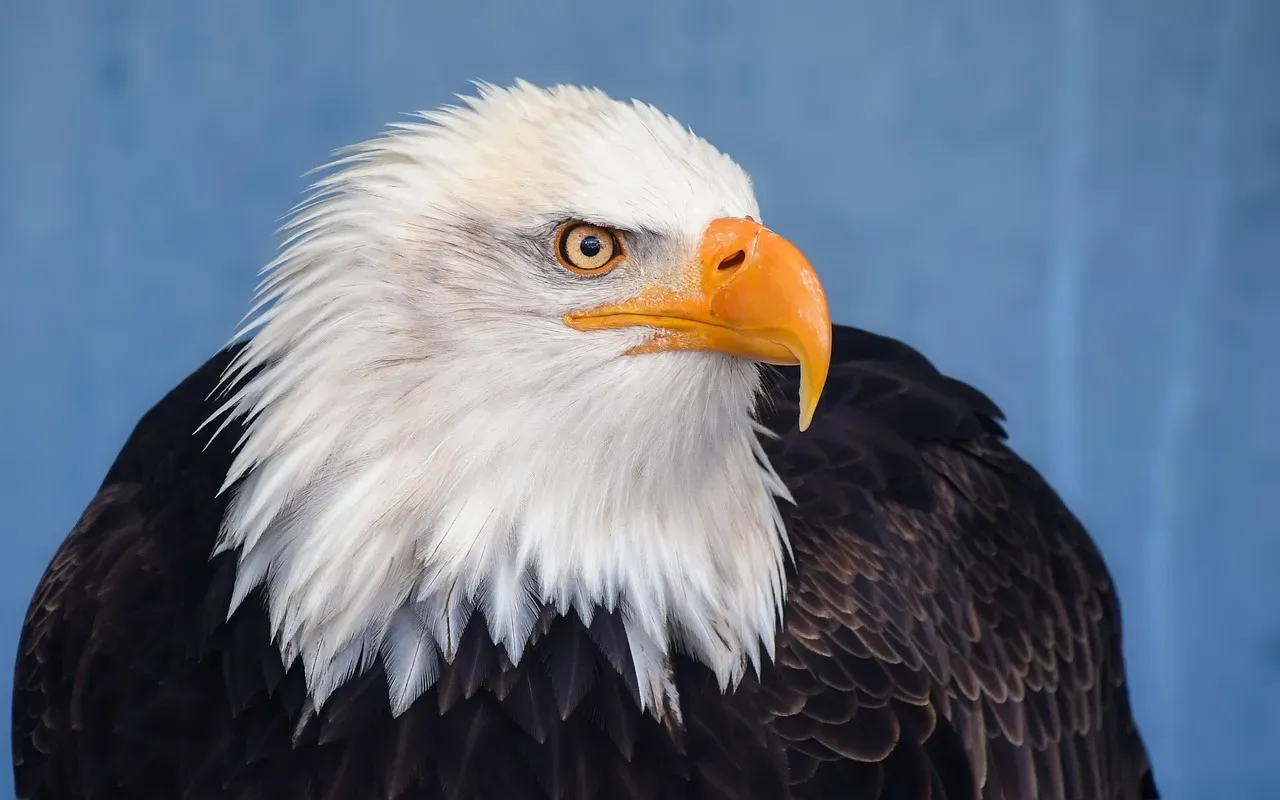
The story of the bald eagle’s decline is rooted in decisions made well before most Americans were paying attention to wildlife conservation. After the insecticide DDT was used extensively after the mid-1940s, bald eagle populations declined catastrophically. DDT caused the eggshells to become so thin that they would easily break.
By the late 19th and early 20th centuries, their populations began to decline at an alarming rate. The primary factors contributing to the decline were hunting, habitat destruction, and exposure to toxic chemicals. Eagles were also shot regularly because many farmers viewed them as a threat to livestock.
By 1940, the decline of bald eagles compelled Congress to pass the Bald Eagle Protection Act, which outlawed the killing and disturbing of eagles, as well as the possession of eagle parts. Even so, the chemical threat from DDT continued to devastate nesting success for decades after that legislation passed.
The Turning Point: Legal Protections and the DDT Ban

One of the most significant actions taken to aid the bald eagle’s recovery was the ban on DDT in 1972. Scientists had already established a link between the pesticide and the thinning of eagle eggshells, and its ban immediately resulted in a reduction in the chemical’s presence in the environment.
Thanks to legal protections, captive-breeding programs, and habitat protection around nests, the bald eagle population rebounded. The Endangered Species Act, signed into law in 1973, gave the recovery effort a strong legal backbone that had been missing before.
In 1963, when the species was at its lowest ebb, there were only an estimated 417 breeding pairs of bald eagles in the lower 48 states. By 1997, this number had increased to more than 5,000. That kind of growth, sustained over three decades, reflects just how powerfully the bird responded once the core threats were addressed.
Bald eagles staged a remarkable population rebound and recovered to the point that they no longer needed the protection of the Endangered Species Act. On June 28, 2007, the U.S. Fish and Wildlife Service announced the recovery of the nation’s symbol and its removal from the list of threatened and endangered species.
Where the Numbers Stand Today

The latest U.S. Fish and Wildlife Service Bald Eagle Population Update report estimates 316,708 eagles across the contiguous United States, which is more than quadruple the eagle population reported in the 2009 report. That figure is hard to fully absorb when set against the 417 nesting pairs counted in 1963.
The report estimates 71,467 nesting pairs of bald eagles in the lower 48 states, which is double the number of eagle nests noted in the 2009 report, and many multitudes higher than the all-time recorded low of 417 known eagle nests in 1963.
Alaska leads the pack with an estimated population of around 30,000 bald eagles, making it one of the prime habitats for these iconic birds. Minnesota follows closely behind with approximately 9,800 bald eagles, showcasing the species’ thriving presence in the region. In states like Florida and Wisconsin, bald eagle populations have rebounded impressively, with around 1,500 individuals in each state.
State-Level Success Stories Across the Country
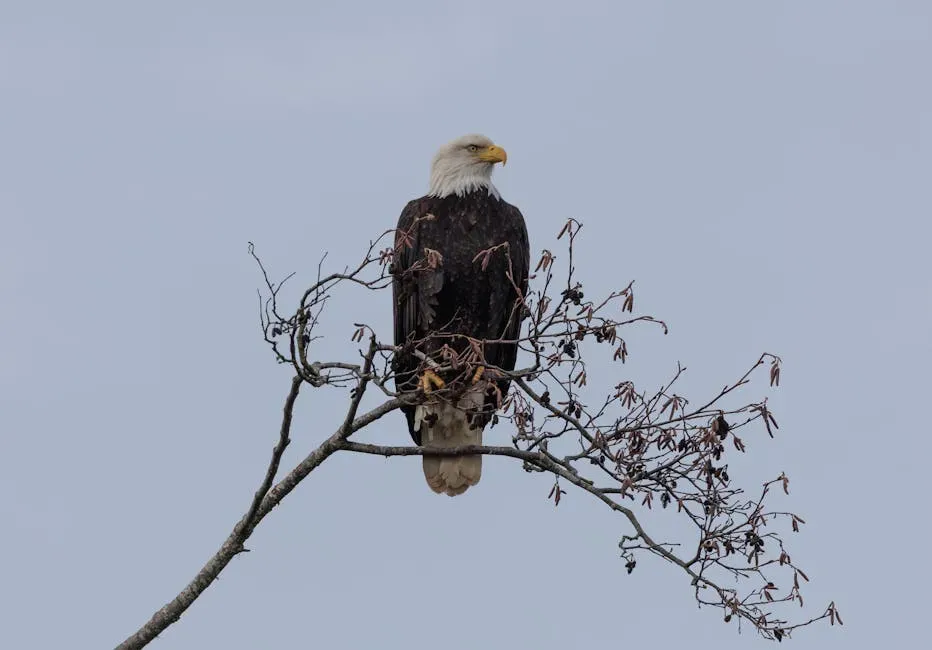
Some of the most vivid evidence of the recovery comes from individual states, where the numbers paint a picture that’s hard to dismiss as statistical noise. Maryland’s bald eagle survey began in 1985, when there were only 62 breeding pairs in the state. By 2025, the Maryland Bird Conservation Partnership estimates there are over 1,400 breeding pairs in Maryland.
In Colorado, after dwindling to three or four nests in the 1970s, there are now estimated to be over 300 nests across the state. In the last decade, this growth has accelerated, with the population more than doubling since 2015.
In 1972, there was a single pair of nesting American bald eagles left in New York state. By 2014, the number of nesting bald eagle pairs had grown to about 600 pairs in New York and Pennsylvania combined. Further south, bald eagles are making a triumphant return across the United States, including the southern regions. Texas and the South, in particular, have witnessed a resurgence of bald eagle populations.
In central interior California, the known bald eagle population increased by an annual average of 19% from four known nesting pairs in 2011 to 31 pairs in 2024. That kind of sustained annual growth, across dramatically different landscapes, speaks to how broadly the species has re-established itself.
Ongoing Challenges and What Still Needs Attention

The recovery is real and well-documented, but it hasn’t eliminated every threat the species faces. Despite the remarkable recovery, challenges remain for the bald eagle. Habitat loss continues to be a concern, especially as human development expands into previously untouched areas. Climate change also poses new threats, as rising sea levels and unpredictable weather patterns affect the birds’ migratory patterns, nesting sites, and food sources.
Additionally, bald eagles face threats from lead poisoning. As hunters use lead ammunition, eagles that scavenge carcasses of animals killed by hunters may ingest lead fragments, leading to poisoning. Efforts to promote the use of non-lead ammunition and increase awareness about this issue are ongoing.
Bald eagles were impacted by avian flu in 2022 and West Nile virus in 2024. Lead poisoning of both bald and golden eagles is also a threat in Colorado, according to the state wildlife agency. These are real vulnerabilities in an otherwise encouraging story.
Bald eagles will continue to be protected under three federal laws: the Bald and Golden Eagle Protection Act, the Migratory Bird Treaty Act, and the Lacey Act. Those legal safeguards remain in place even though the bird is no longer listed as endangered, which matters more than it might appear.
A Conservation Model Worth Remembering
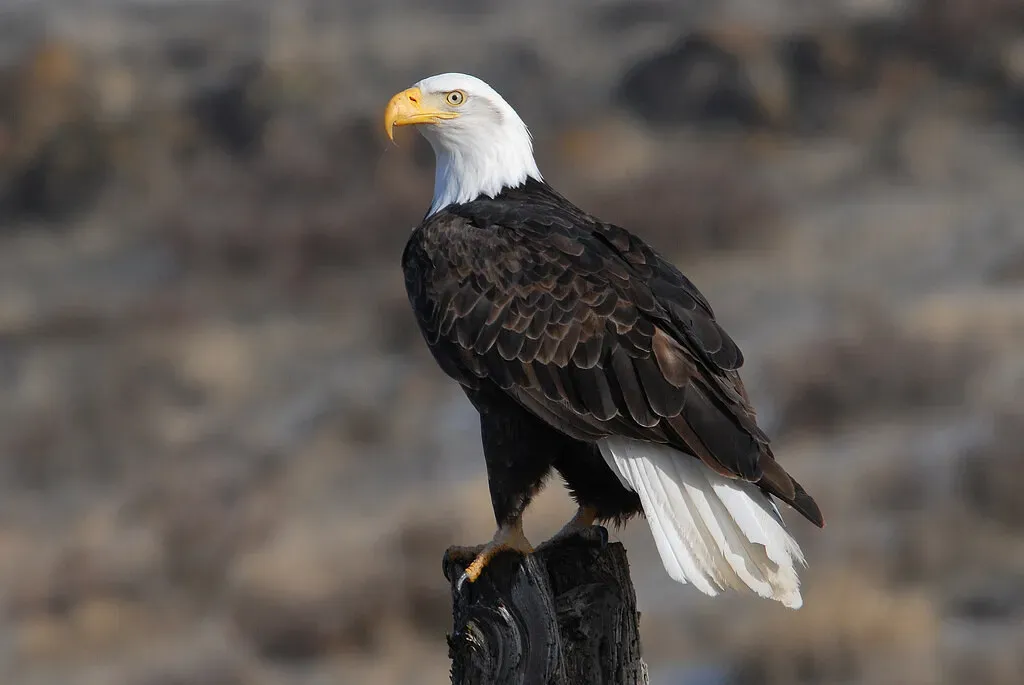
The bald eagle’s return is one of those rare cases where the intervention worked exactly as intended, and at scale. The recovery of the bald eagle across North America is a major success story in the history of wildlife conservation in the United States.
For the latest population estimate, the federal government collaborated for the first time with the Cornell Lab to augment aerial surveys with a big-data population model generated by eBird. The computer science behind the model was powered by citizen science. More than 180,000 birders shared data with the Cornell Lab by uploading eBird checklists. The science behind modern eagle monitoring has become as impressive as the recovery itself.
The bald eagle’s rebound doesn’t have to be such a singular victory. There are many more success stories waiting to happen, with 41 U.S. bird populations listed under the Endangered Species Act showing upward trends, making their recovery a real possibility.
The bald eagle’s story is ultimately a reminder that ecological damage, even when it seems near-irreversible, can be undone with sustained effort, sound policy, and enough public will. The bird didn’t save itself. It needed the DDT ban, the legal framework, the biologists, the citizen scientists, and decades of patient monitoring. That combination worked. It’s worth holding onto that fact, especially when other species are still waiting for their own turning point.

- What Happens to Your Brain in the Final 60 Seconds Before Death – Neuroscientists Just Mapped It - August 13, 2026
- The Most Dangerous Myths About Tornadoes at Night - August 13, 2026
- How To Ride A Horse Safely - August 13, 2026