
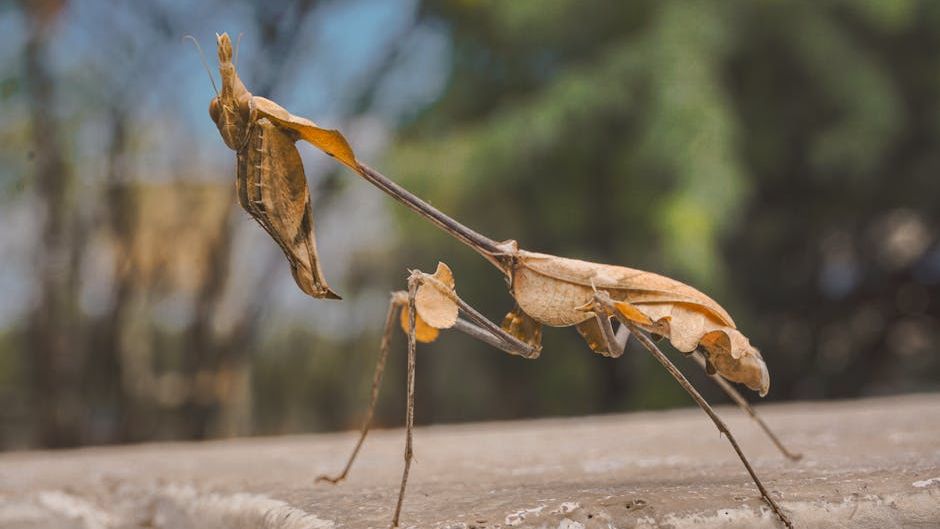
Nature is, among other things, a relentless competition. Every day, across every habitat on earth, animals face a stark and simple challenge: stay alive. Predators are fast, strong, and persistent. The prey that survive are often neither the biggest nor the toughest. They’re the most inventive.
In the wild, survival isn’t always about being the strongest or fastest. Often, it’s about being the smartest. Throughout millions of years of evolution, countless species have developed fascinating and ingenious ways to outwit those that would make them a meal. Some of these strategies are subtle. Others are shocking. All of them are worth knowing.
1. Playing Dead: The Art of Thanatosis
It may sound like cowardice, but “playing dead” is one of the most ingenious tactics in the animal world. Known scientifically as thanatosis, this behavior can instantly turn a predator’s interest into indifference.
The opossum’s notorious act, known as thanatosis, is an effective anti-predator adaptation. When threatened, an opossum will collapse, emit a foul smell, and appear lifeless. This dramatic performance often confuses predators who lose interest in what seems to be a decaying carcass. This uncanny act of deception offers opossums a significant survival advantage, allowing them to escape many encounters unscathed.
Certain snakes, like the Hognose snake, perform elaborate death scenes. They flip onto their backs, hang their tongues out, and even release a disgusting odor mimicking decaying flesh. The performance is so convincing it would fool most onlookers, not just predators.
2. Master Camouflage: Disappearing in Plain Sight
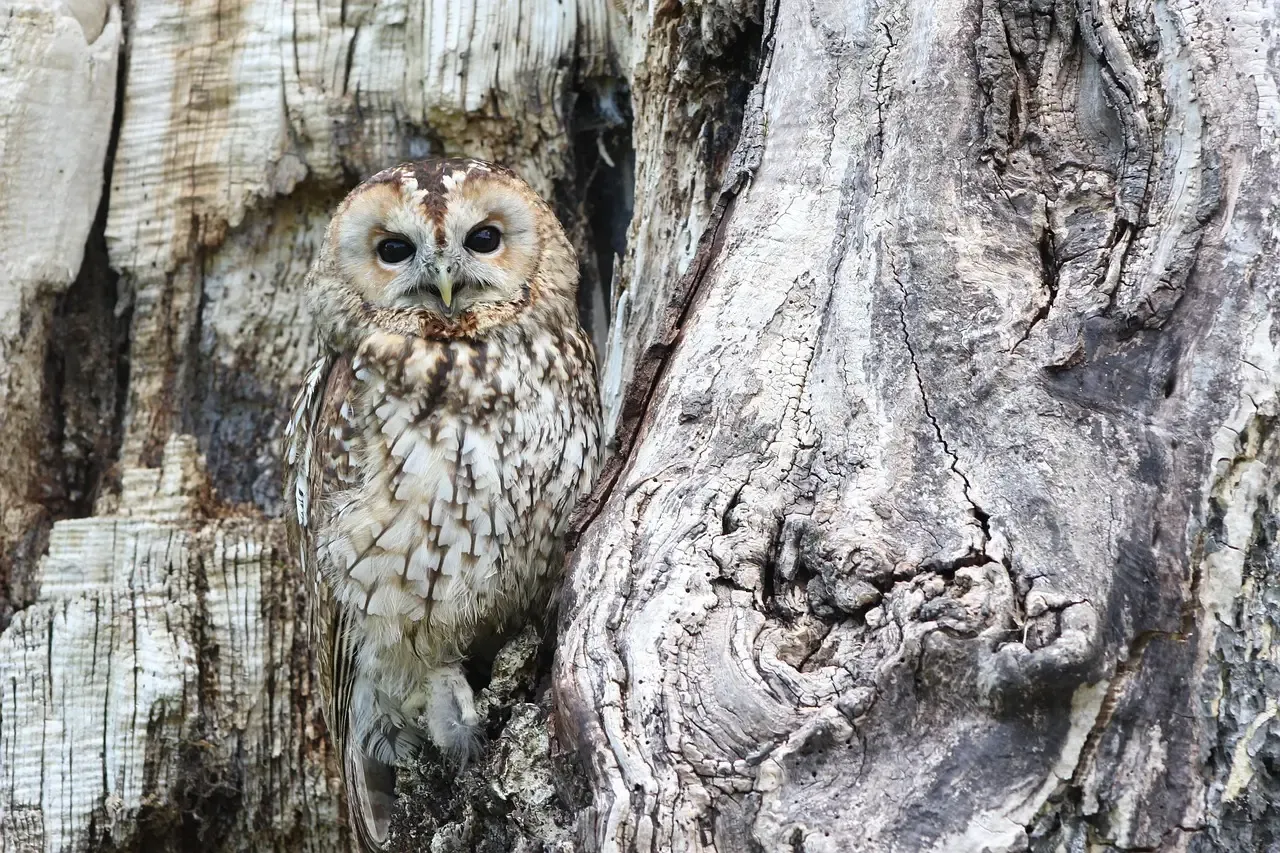
Camouflage, also called cryptic coloration, is a defense mechanism or tactic that organisms use to disguise their appearance, usually to blend in with their surroundings. Organisms use camouflage to mask their location, identity, and movement.
Stick insects have evolved one of the most effective forms of crypsis in the animal kingdom. Their extraordinary resemblance to twigs, leaves, and branches allows them to hide in plain sight from predators like birds, reptiles, and small mammals. This mimicry extends beyond mere appearance – stick insects also behaviorally enhance their disguise by swaying gently when breezes blow, mimicking the natural movement of vegetation.
The snowshoe hare turns white in winter to match the snowy landscapes, making it nearly invisible to predators. This seasonal shift is a perfect example of how camouflage isn’t static – it evolves with the environment itself.
3. Chemical Warfare: Weapons That Don’t Require Claws
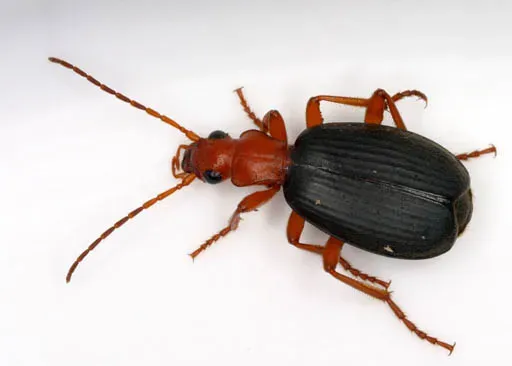
The bombardier beetle sprays boiling-hot chemicals from its abdomen, deterring predators with a painful surprise. What makes this beetle especially remarkable is the precision of its aim and the repeatability of the attack.
The bombardier beetle defends itself in a spectacular fashion. When threatened, it releases a hot, noxious chemical spray from its abdomen, startling predators. This explosive defense is a result of a unique chemical reaction, providing an effective deterrent. Its ability to aim and spray makes it a formidable survivor.
Skunks are the champions of this tactic, spraying a stench so powerful it can linger for days. Chemical defense doesn’t get more effective – or more memorable – than that.
4. Mimicry: Looking Like Something You’re Not
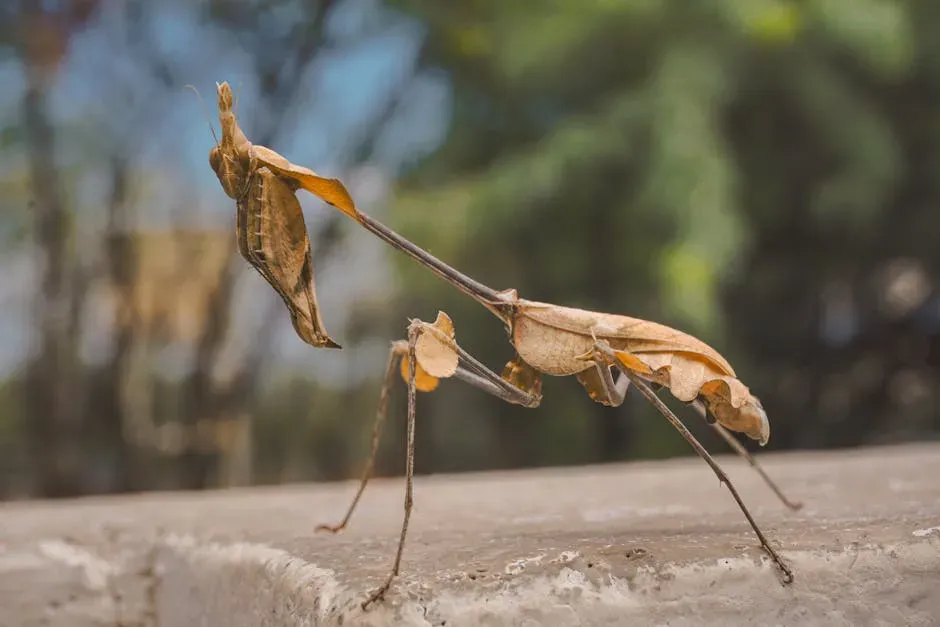
Batesian mimicry is when a harmless species, such as the syrphid fly, resembles a poisonous or dangerous species such as the honeybee. It’s a borrowed reputation, and it works extraordinarily well.
A number of species of snake mimic the striped pattern of the dangerous coral snake. Predators that have learned to avoid the real thing will steer clear of the mimic too, even though the mimic poses no actual threat. The deception runs entirely on the predator’s own memory.
Certain animals have evolved deceptive physical features to misguide predators. For instance, the hawk moth caterpillar displays eye spots on its posterior that resemble a snake’s head, frightening away potential threats and providing the caterpillar a chance to escape.
5. The Pufferfish Defense: Instant Transformation
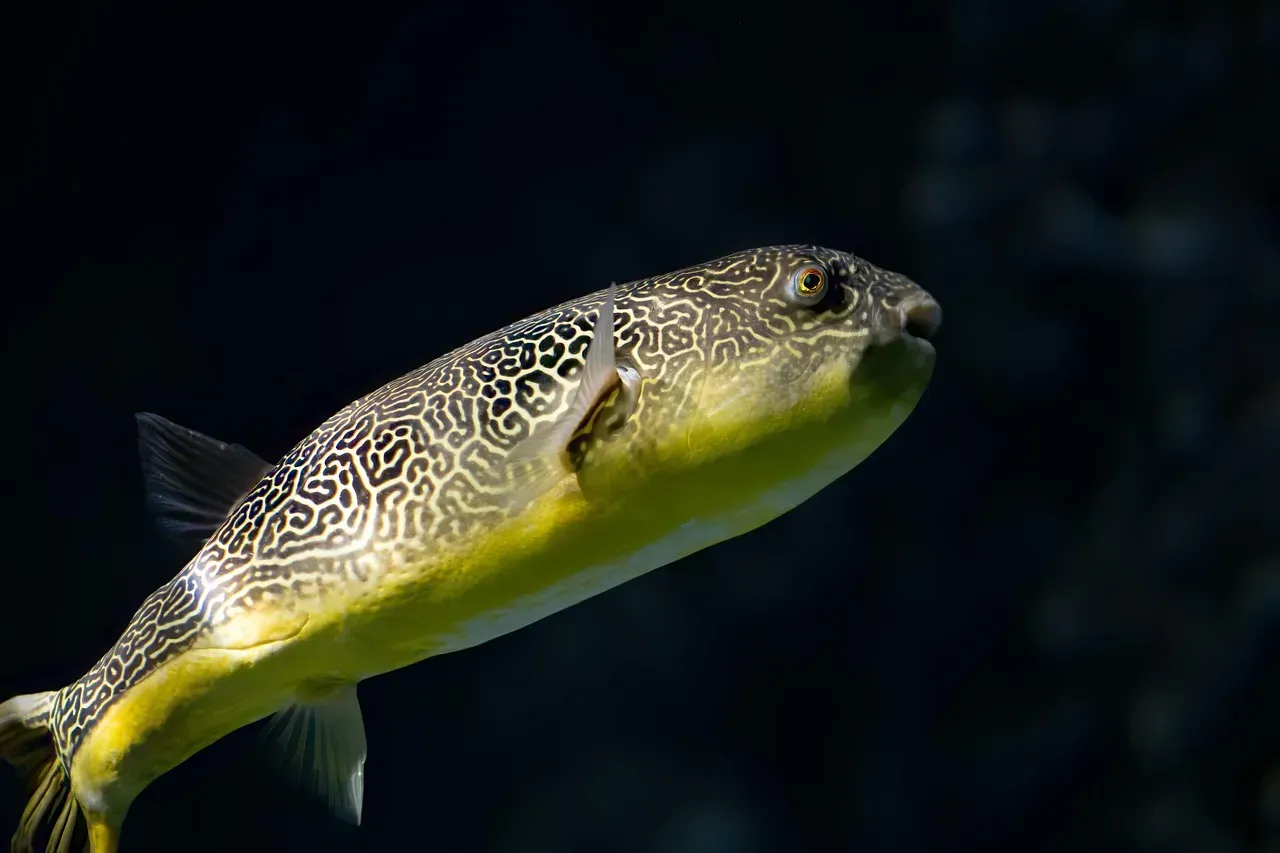
Pufferfish employ a twofold defense mechanism to deter predators. When threatened, they can quickly inflate their elastic stomachs, turning their small bodies into large, spiky balls that are difficult to swallow. Secondly, many pufferfish contain a potent toxin, tetrodotoxin, making them unpalatable and dangerous to potential predators, ensuring they think twice before attacking.
The combination of physical transformation and chemical toxicity makes the pufferfish one of nature’s most comprehensively protected animals. Its first line of defense is visual intimidation. Its second is genuinely lethal.
6. Sacrificial Distraction: Giving Up a Part to Save the Whole
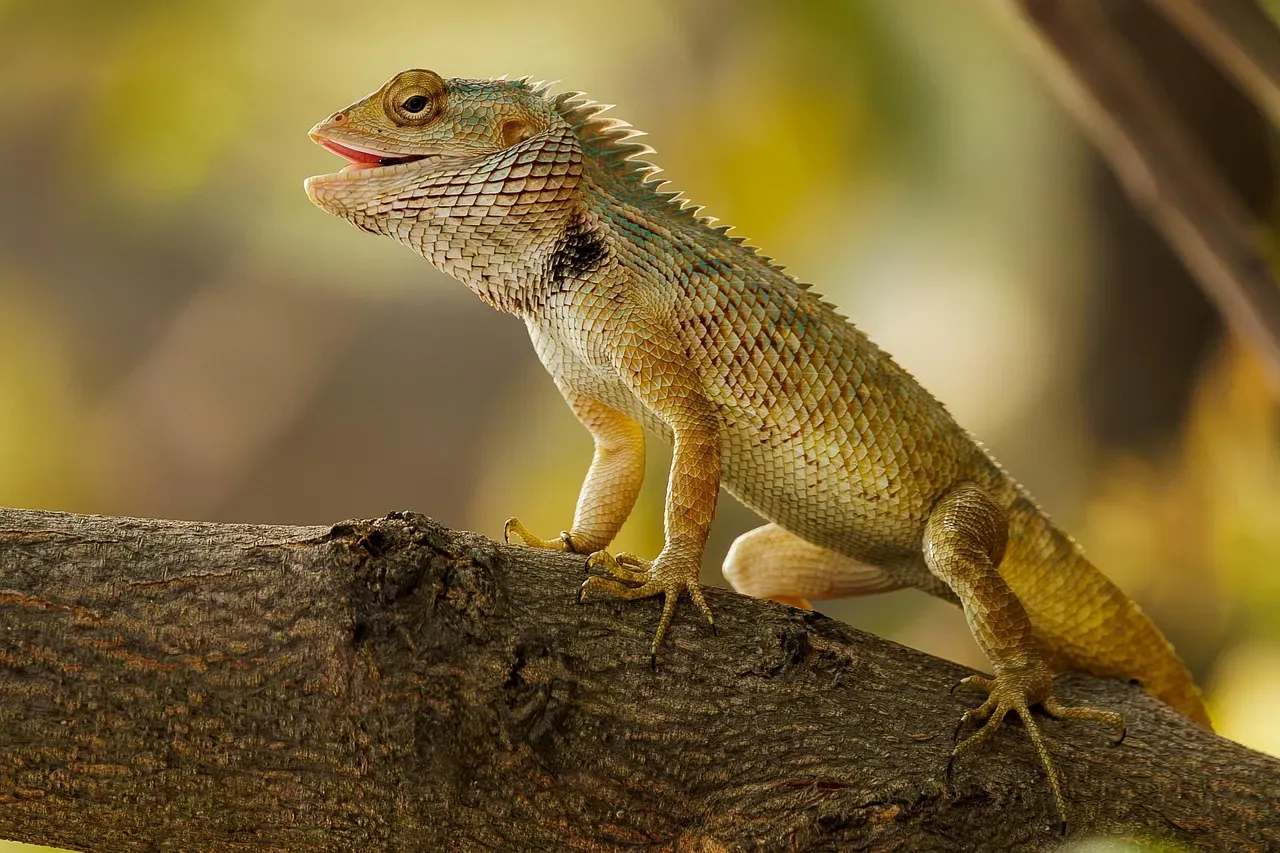
Certain lizards have evolved detachable tails – a brilliant escape trick. When grabbed, the tail breaks off and continues to wiggle violently, confusing the predator long enough for the lizard to escape. Later, the tail regrows.
Sea cucumbers have developed a unique defense mechanism where they expel their internal organs to distract predators – quite literally offering a part of themselves as a decoy. The expelled organs are sticky and irritating, giving the sea cucumber time to escape while eventually regenerating its lost organs, an extraordinary feat of nature.
The willingness to sacrifice something temporary in exchange for survival is a recurring theme across very different species. It speaks to just how powerful evolutionary pressure really is.
7. The Hagfish Slime Trap: Suffocating the Attacker
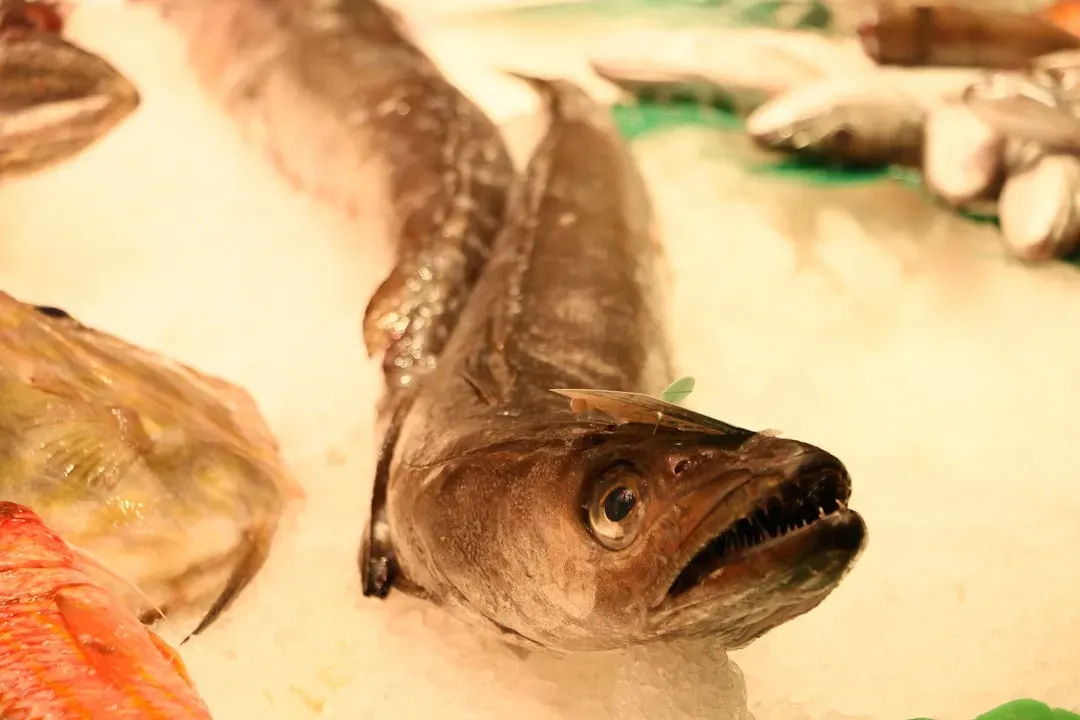
The hagfish, often considered one of the most disgusting creatures in the ocean, has survived relatively unchanged for over 300 million years thanks to one repulsive but effective defense mechanism. When attacked, the hagfish instantaneously releases a special slime from up to 200 slime glands distributed along its body. This is no ordinary slime – a single hagfish can produce enough slime to turn a five-gallon bucket of water into gel in seconds.
The slime consists of mucin proteins and thread-like fibers that, when combined with seawater, expand up to 10,000 times their original volume. This substance is particularly effective against gill-breathing predators like sharks and bony fish, clogging their gills and potentially suffocating them if they don’t immediately retreat.
Few defensive strategies are as immediately disabling as this one. The attacker becomes the one fighting for its life, which is exactly the point.
8. Group Vigilance: Safety in Numbers and Signals
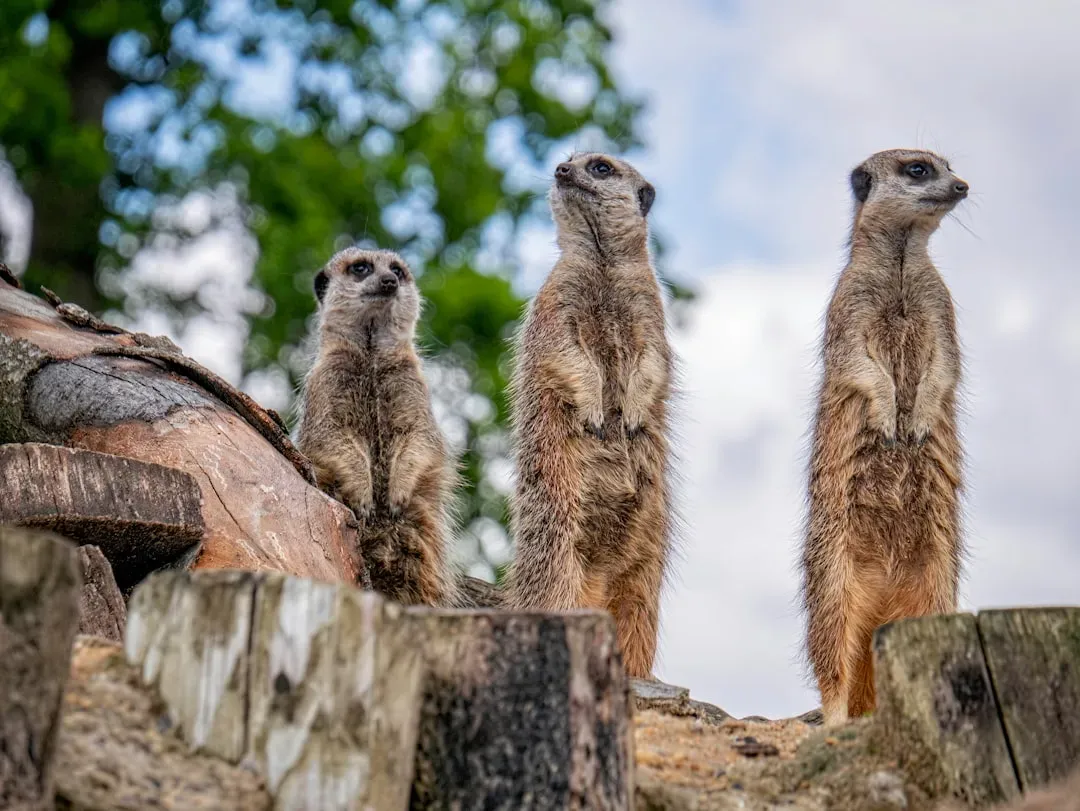
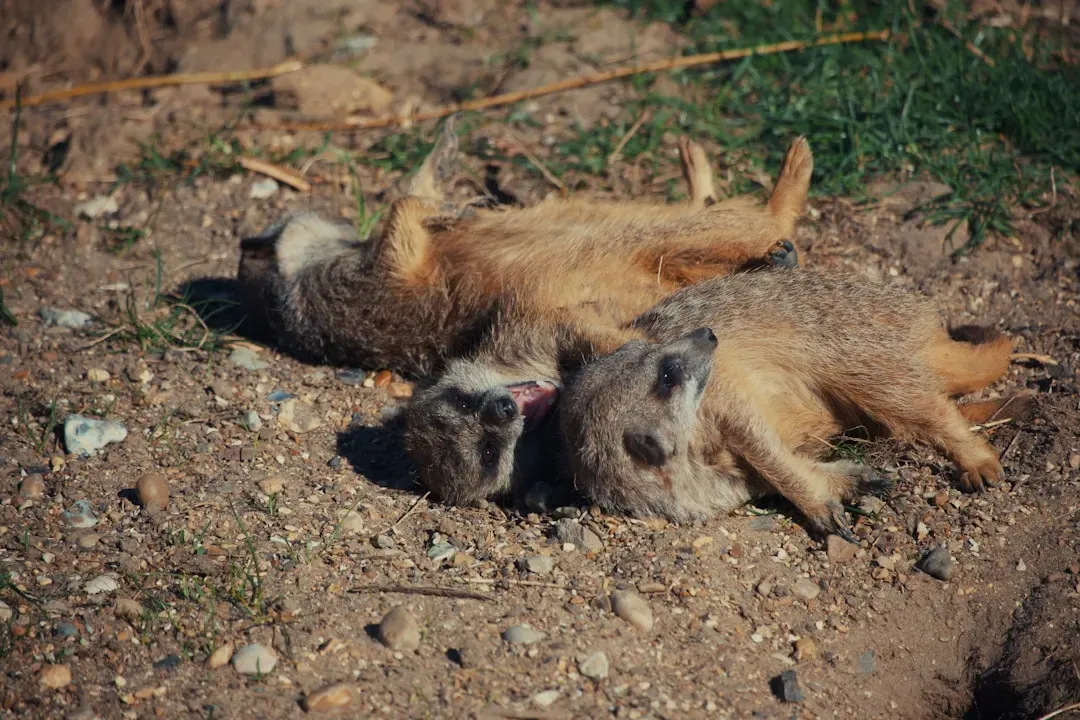
The meerkat, native to Africa’s deserts, lives in tight-knit family groups. While some forage, others act as sentinels, standing upright and scanning the horizon for predators. One warning call sends the entire group diving for cover.
Meerkats assign sentinels, or lookout guards, who keep a watchful eye on the surroundings. When a threat is detected, the sentinel meerkats give off specific alarm calls that instruct the group on the appropriate action – whether to take cover or gather together, showcasing an extraordinary display of coordinated safety measures.
Prairie dogs also employ a sophisticated communication system to evade predators. Using a series of vocal alarms, they alert their colony of impending threats. These burrowing mammals have an intricate tunnel system, providing shelter and escape routes. Prairie dogs even have different alarm calls for specific predators, showcasing their advanced communication skills.
9. Horned Lizard Blood Squirting: A Defense That Has to Be Seen to Be Believed
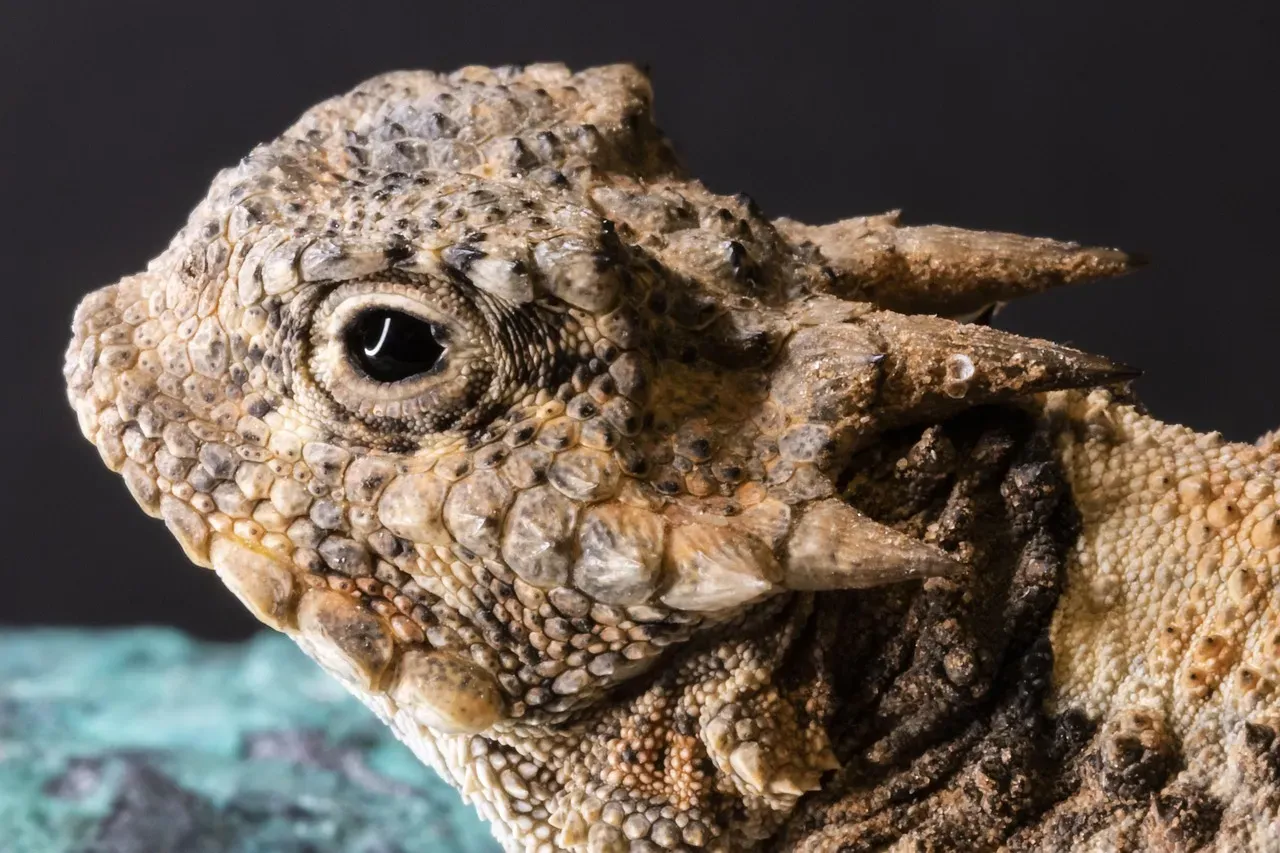
The horned lizard has developed an unusual technique to deter predators: squirting blood from its eyes. By increasing the blood pressure in their head until tiny blood vessels around the eyes burst, the lizard shoots a stream towards its attacker. The blood contains chemicals that deter canine predators, making them think twice about their choice of prey.
Horned lizards use their fascinating blood-squirting ability as a last resort. A sinus under their eyes fills with blood and pressurizes enough to shoot it out. This stream can reach over one metre away.
It’s one of the most extreme defensive adaptations known in vertebrates. The fact that the lizard essentially weaponizes its own circulatory system tells you something about just how seriously evolution takes survival.
10. Deceptive Displays: False Eyes and Broken Wings
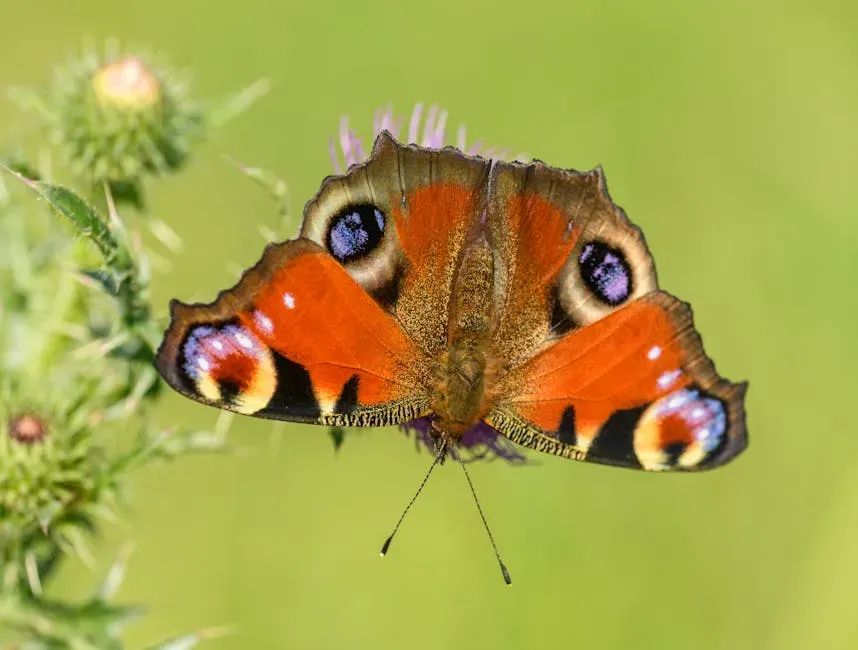
To confuse potential predators, the peacock butterfly displays large eye-like patterns on its wings. These “false eyes” make it appear larger and more menacing than it actually is, often scaring away birds that would otherwise pose a threat.
The bodies of many insects and other animals bear a range of circular, highly contrasting features, often termed “eyespots.” These may intimidate or startle predators, preventing or halting an attack, and deflect predator strikes to non-vital body regions.
The killdeer, a small bird found in North America, is famous for its “broken wing” act. When a predator approaches its nest, the bird limps away, dragging one wing as if injured. The predator follows the easy-looking prey, only for the bird to miraculously “recover” and fly off once its eggs are safe. It’s theatrical, calculated, and remarkably effective.
Conclusion: Evolution’s Most Creative Masterpieces
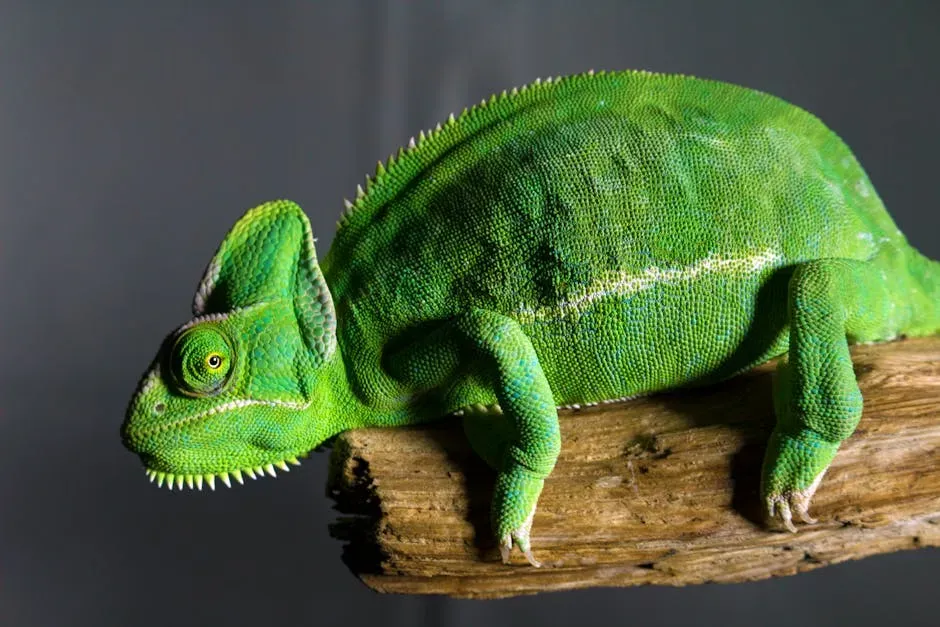
What unites all ten of these tactics is a single underlying truth: in nature’s relentless arms race between predator and prey, brute strength and sheer speed often take a backseat to cleverness and innovation.
Evolution has gifted animals with extraordinary tools: intelligence, adaptation, and ingenuity. Every species is shaped by millions of years of trial and error, sculpted by the invisible hand of natural selection. Those that survive are not always the strongest or fastest – but the cleverest.
From a tiny beetle that fires boiling chemicals to a bird that fakes its own injury to protect its eggs, the breadth of these strategies is genuinely humbling. Nature doesn’t follow a script. It rewards whoever finds a way to stay one step ahead – and these animals have been doing exactly that for longer than our species has existed.

- 8 Dog Breeds That Form the Strongest Bond With One Person - August 14, 2026
- 6 Unique Facts About the Blue Dragon Sea Slug: The Ocean’s Tiny Electric Flame - August 14, 2026
- The Vital Role of Bees in Maintaining Our Planet’s Delicate Ecosystems - August 14, 2026