
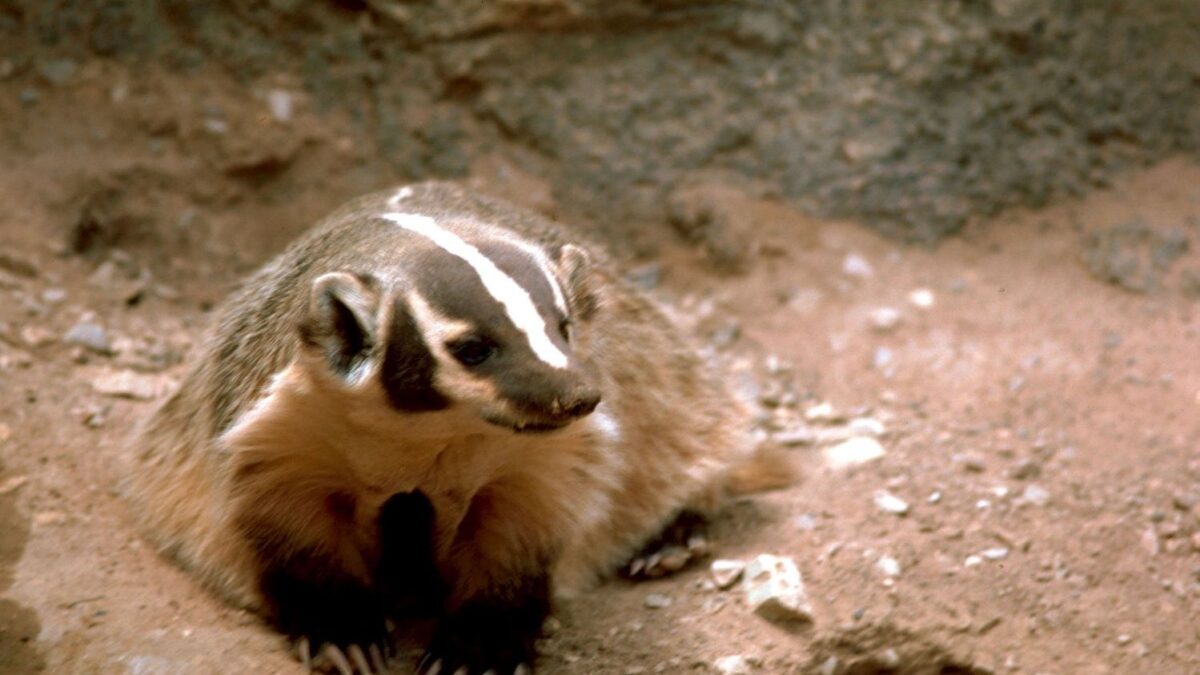
Few wild animals are as quietly remarkable as the American badger. Stocky, low-slung, and built like a small bulldozer, it moves through the grasslands of the American interior with a purpose that seems almost ancient. Most people have never seen one in the wild, which is part of what makes them so fascinating.
According to the IUCN Red List, the American badger is locally common throughout its range, though no precise overall population estimate is available. The U.S. population has been roughly estimated at several hundred thousand individuals. That number is spread unevenly across a wide stretch of western and central America, with certain states hosting far denser concentrations than others. The geography of badger life tells a story worth knowing.
What Makes a State Good Badger Country
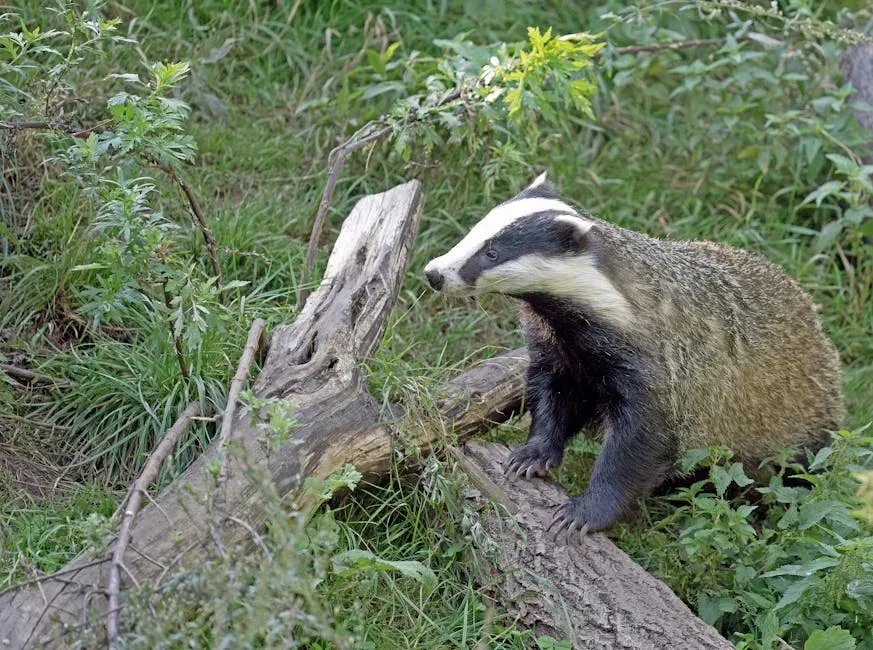
Not every state is equally suited to the American badger, and the reasons why come down to a few very specific factors. The American badger’s habitat is typified by open grasslands with available prey such as mice, squirrels, and groundhogs, and the species prefers prairie regions with sandy loam soils where it can dig more easily for its prey.
Several factors influence badger distribution, including prey availability, since badgers are opportunistic carnivores primarily feeding on ground squirrels, prairie dogs, mice, and other small mammals. Soil type matters too, as they prefer sandy or loamy soils that are easy to dig in, with rocky or heavily forested areas being far less suitable.
American badgers are most commonly found in treeless areas, including tallgrass and shortgrass prairies, grass-dominated meadows and fields within forested habitats, and shrub-steppe communities. States with the most intact prairie and open range naturally support the healthiest populations.
The Great Plains States: The Badger’s True Heartland
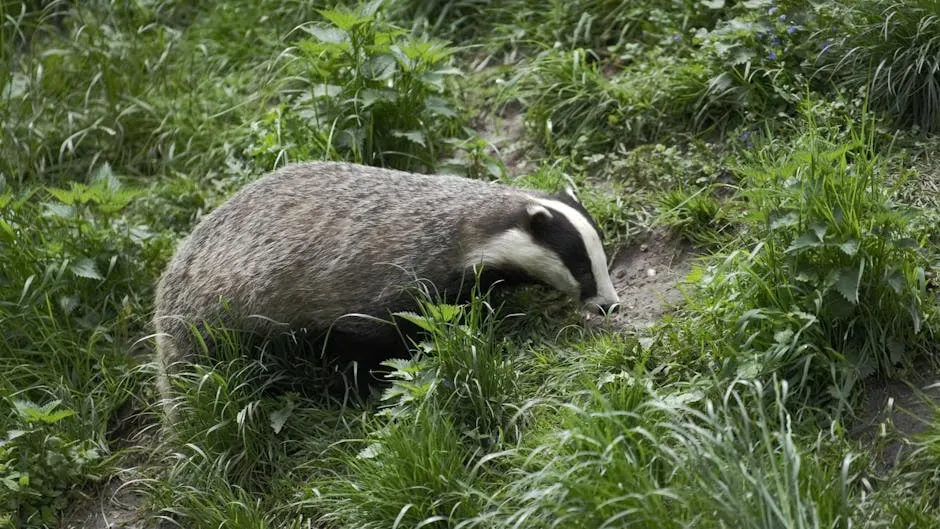
Badgers are found primarily in the Great Plains regions of North America, ranging north through central western Canada, throughout the western United States, and south through the mountain areas of Mexico. Within the U.S., this puts the Great Plains states firmly at the center of badger country.
North Dakota, South Dakota, and Minnesota make the largest contribution to the regional furbearer harvest, with smaller contributions from Iowa and Michigan. Harvest data, while imperfect as a measure of total population, does offer a useful window into relative abundance across states. The Dakotas consistently stand out.
The American badger is considered a significant predator of snakes, including rattlesnakes, and is regarded as their most important predator in South Dakota. That kind of ecological weight speaks to just how embedded this animal is in the prairie systems of the northern plains.
Wyoming, Montana, and the Wide Open West
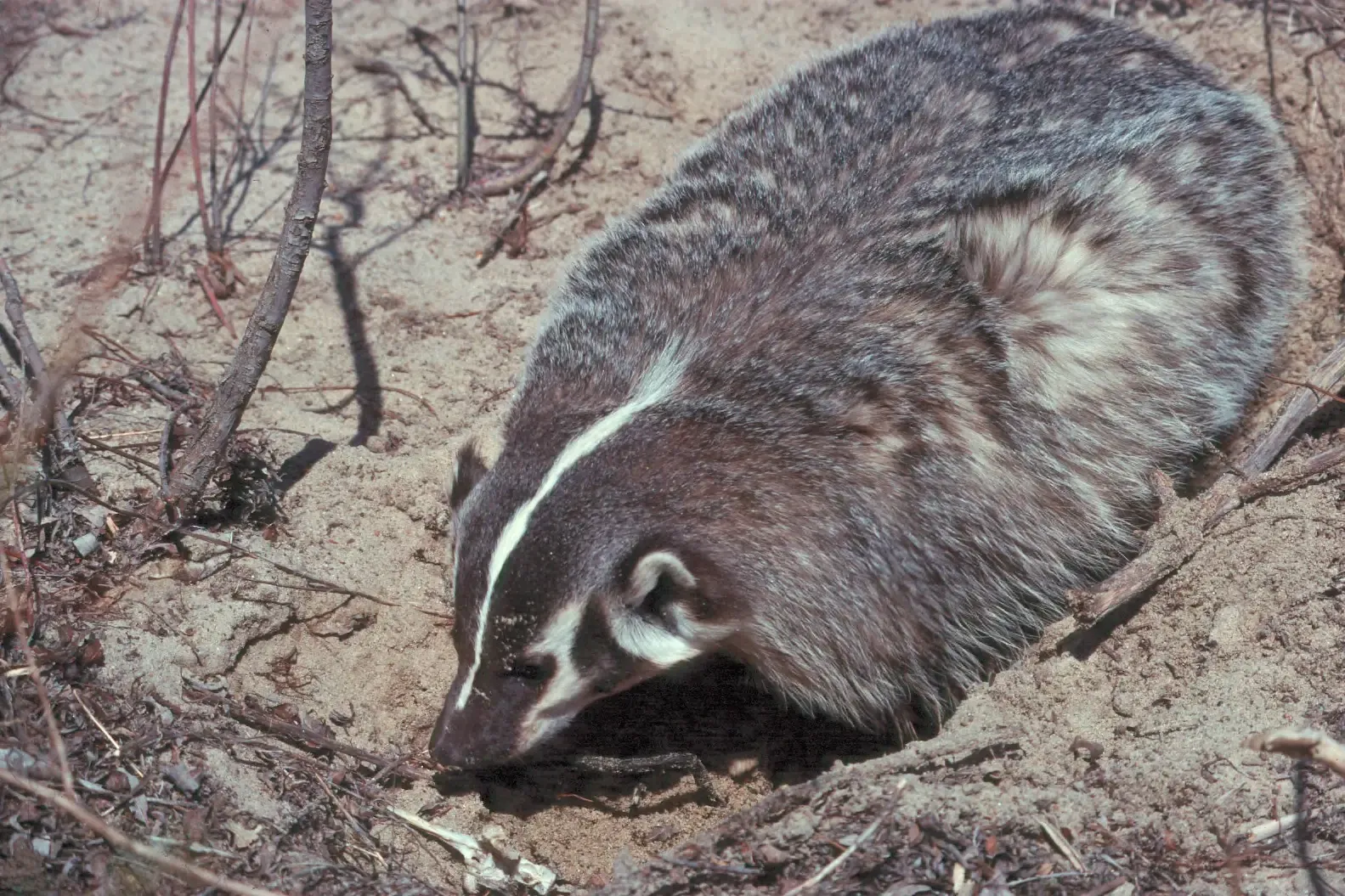
Record in source catalog
DPLA identifier: a609f648618a6d427001c30bec973c66, CC BY-SA 4.0)
Wyoming and Montana rank among the states where the American badger finds some of its most favorable and expansive territory. These states combine enormous stretches of undisturbed grassland with abundant burrowing prey, making them ideal landscapes for a species that evolved to dig and hunt in open terrain.
In Montana, badgers have been documented as far as Glacier National Park, recorded in fescue grasslands. Montana assigns the American badger a conservation status rank of S4, indicating the species is apparently secure statewide. That’s a notably healthy designation compared to some other states.
The subspecies Taxidea taxus jeffersonii occupies the western Great Plains from Colorado and Wyoming through eastern Montana, extending to southern British Columbia, Washington, Oregon, western California, and northern Baja California. Wyoming sits squarely within that subspecies’ core range, and the state’s low human population density means far less habitat pressure than in more developed parts of the country.
Texas, Kansas, and the Southern Prairie Belt
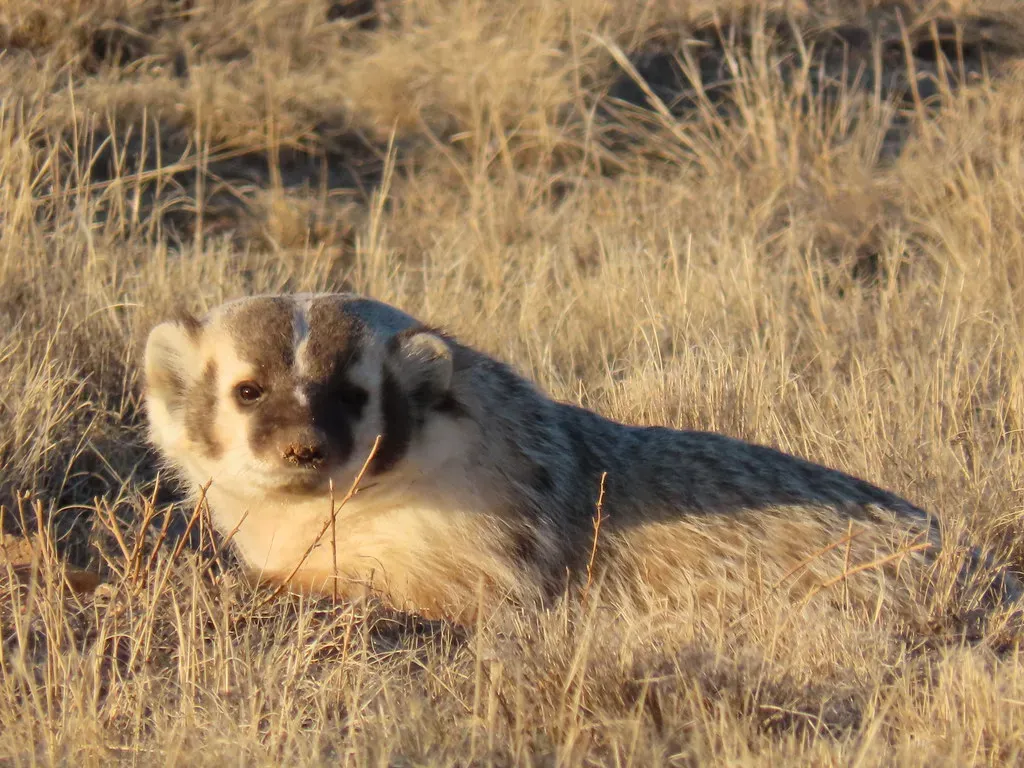
Texas is a fascinating case in the badger story. Its sheer size, combined with an enormous variety of open habitat, means badgers are broadly distributed across much of the state. Badgers are distributed throughout much of Texas except for the extreme eastern part, and may actually be extending their range eastward as a result of land-clearing operations and increased artificial grasslands.
They are most common in the prairie and desert sections of the West, but limited numbers also occur in the mountains, where individuals have been seen at elevations well above 3,000 meters. In general, they occupy the entire range inhabited by ground squirrels and prairie dogs, which they rely on for food.
In Kansas, American badgers are common in tallgrass prairie dominated by big bluestem, little bluestem, and Indian grass. American badgers in Texas are locally abundant at many places in the state, with populations appearing stable. They have been expanding their range and seem to be reasonably adaptable to human conditions.
California, Nevada, and the Western Fringe States
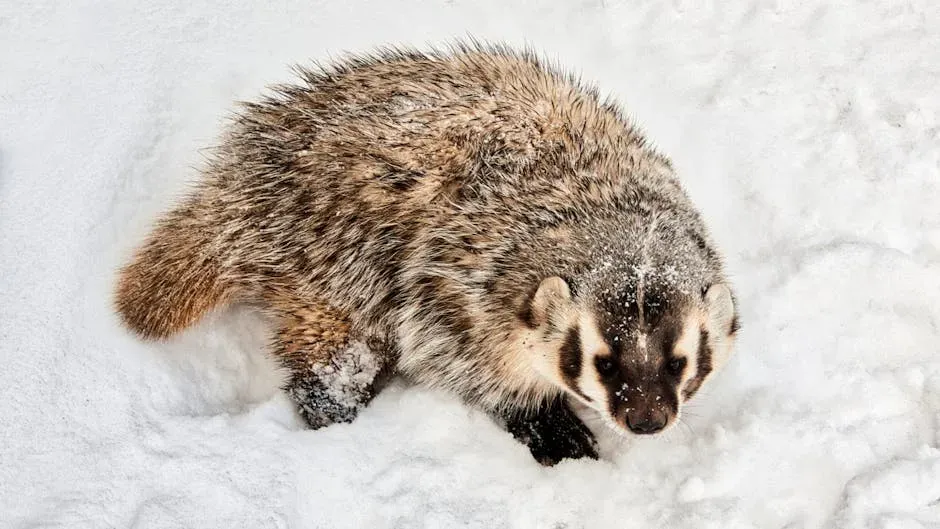
The western coastal and basin states present a different picture. Badgers are present, sometimes locally common, but they’re working with far more fragmented and pressured landscapes than their counterparts on the Great Plains. California is a telling example of how urbanization squeezes a species into smaller and smaller pockets of viable ground.
In California, American badgers are primarily able to survive through a combination of open grasslands of agricultural lands, protected land trust and open space lands, and regional, state, and national park lands with grassland habitat. It’s a patchwork existence, and a precarious one in places.
Nevada lists the American badger as a species of least concern at the federal level, and badgers can be found throughout the state. Nevada’s basin and range geography, with its wide valleys and scrubland corridors, offers enough open ground to sustain a reasonable badger presence. Estimated density of American badgers in Utah scrub-steppe was roughly one per square mile, with ten dens in active or recent use.
Conservation Pressures and the Broader Picture
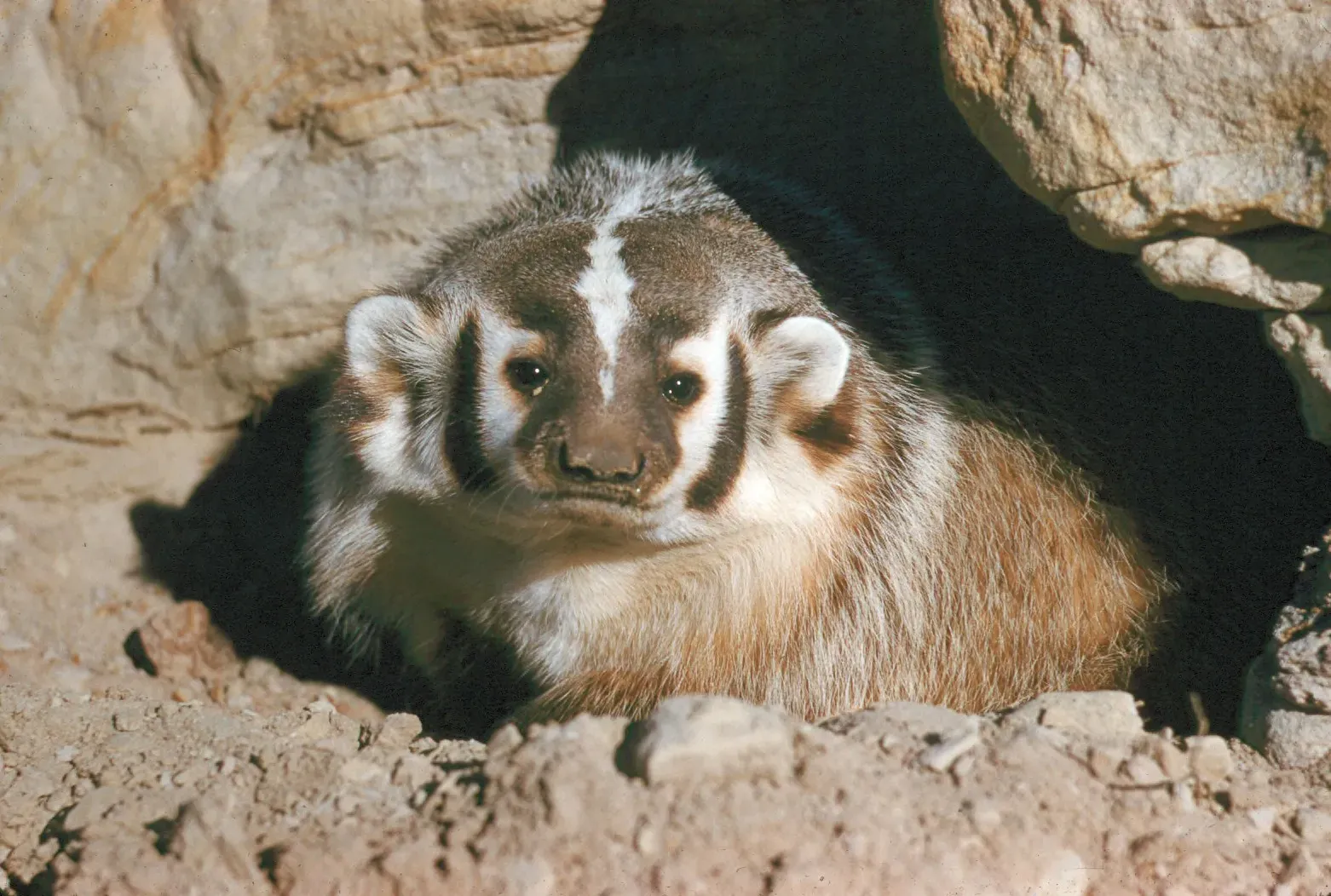
Record in source catalog
DPLA identifier: f4cd4424dad16aa98dee94a92957b052, CC BY-SA 4.0)
Despite their broad range, American badgers are not immune to the forces reshaping the American landscape. As of relatively recent assessments, overdevelopment of American badger habitat has resulted in reduced range, decreased prey availability, and forced badgers into contact with humans when foraging between habitat fragments.
Habitat loss due to agriculture, urbanization, and road construction can negatively impact badger populations. While historically the badger’s range was even broader, current distributions reflect both natural environmental limitations and human influences, with some populations declining due to habitat fragmentation and reduced prey availability.
Badgers are important consumers of many small prey items in their ecosystems. They help to control rodent populations, kill venomous snakes, and eat insects and carrion. Their burrows also provide shelter for other species, and their digging activity contributes to soil development. Losing them from a landscape isn’t simply a wildlife statistic. It’s a functional loss.
Conclusion
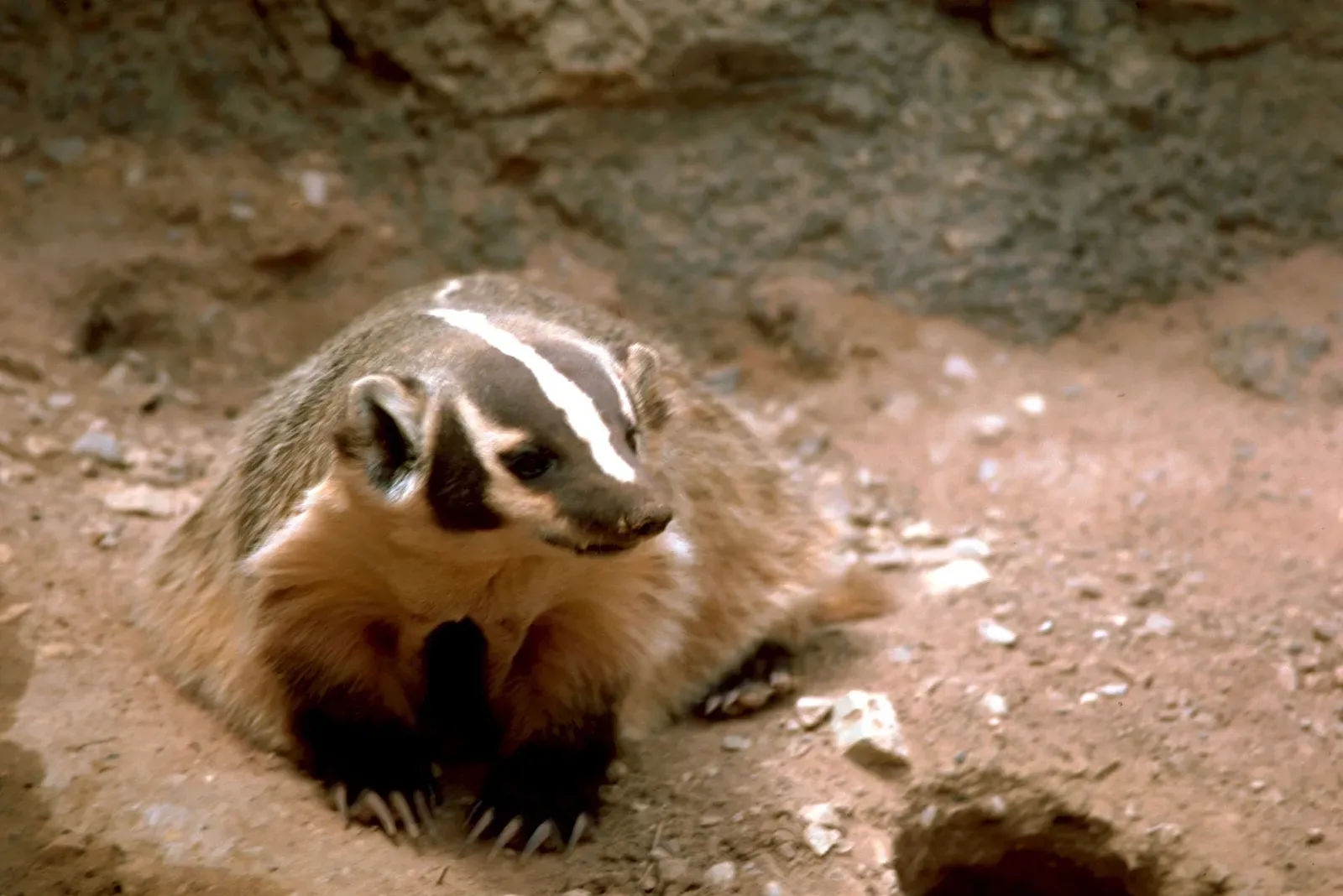
The American badger is one of the more underappreciated creatures sharing the American landscape. It doesn’t inspire the same headlines as wolves or bears, yet its role in maintaining healthy grassland ecosystems is genuinely significant. The states that support the most badgers, chiefly the Dakotas, Wyoming, Montana, Texas, and Kansas, are the ones that still hold large stretches of open, relatively undisturbed prairie and range.
What the badger really needs is simple in principle and increasingly difficult in practice: open ground, diggable soil, and plenty of small burrowing prey. Conservation efforts such as protecting grassland habitats and managing prey populations are considered crucial for ensuring the long-term survival of these animals.
In a way, where the badger thrives tells you something about the health of the land itself. Follow the badger, and you’ll find the prairie still intact. Lose the badger, and the grassland has likely already begun to unravel.

- Why the Cheetah Is Not Just the Fastest, But Also the Quietest - August 14, 2026
- 15 Dog Breeds Known for Their Unwavering Loyalty and Affection - August 14, 2026
- Why Do Birds Sing at Dawn? The Scientific Reason Explained - August 14, 2026