
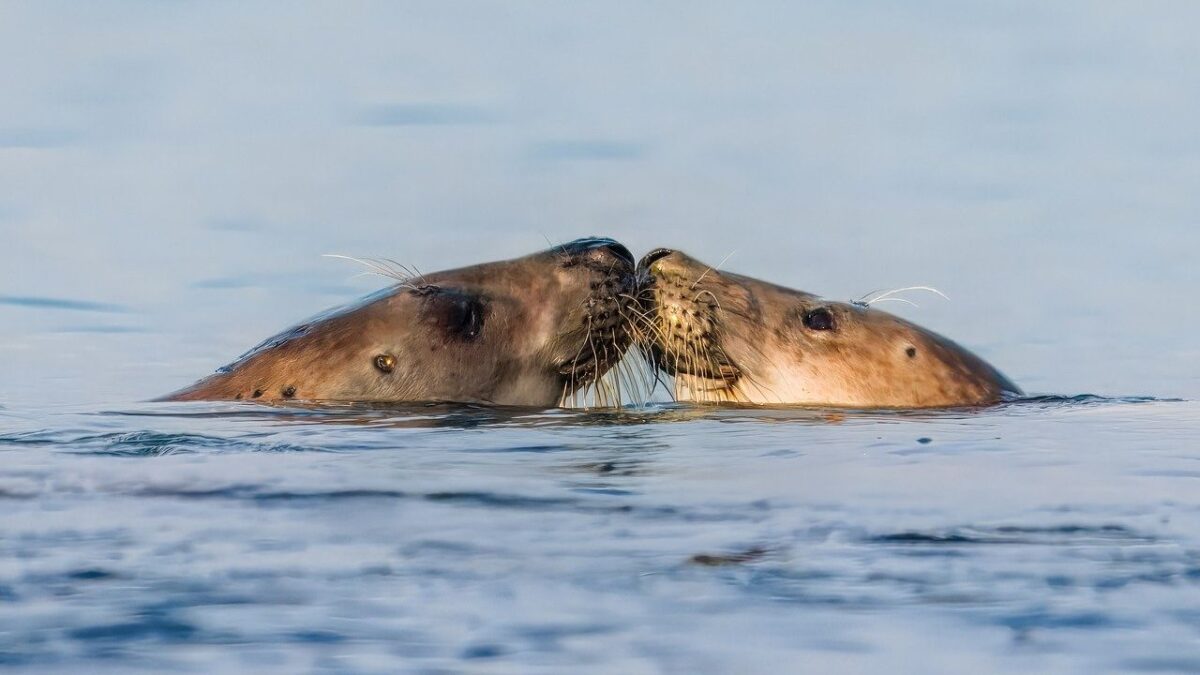
The ocean covers more than two thirds of Earth’s surface, yet most people spend their lives far from its edge, largely unaware of how deeply it shapes the air they breathe, the food they eat, and the climate they live in. What happens beneath those waves is not simply the story of fish and coral. It is the story of planetary survival.
The ocean, and the life within it, are critical to the healthy functioning of the planet, supplying roughly half of the oxygen we breathe and absorbing a substantial portion of the carbon dioxide emitted into the atmosphere each year. Evidence continues to emerge showing just how essential marine biodiversity is to underpinning a healthy planet and broader human well-being. There is nothing decorative about marine life. It is load-bearing.
1. Producing the Oxygen We Breathe
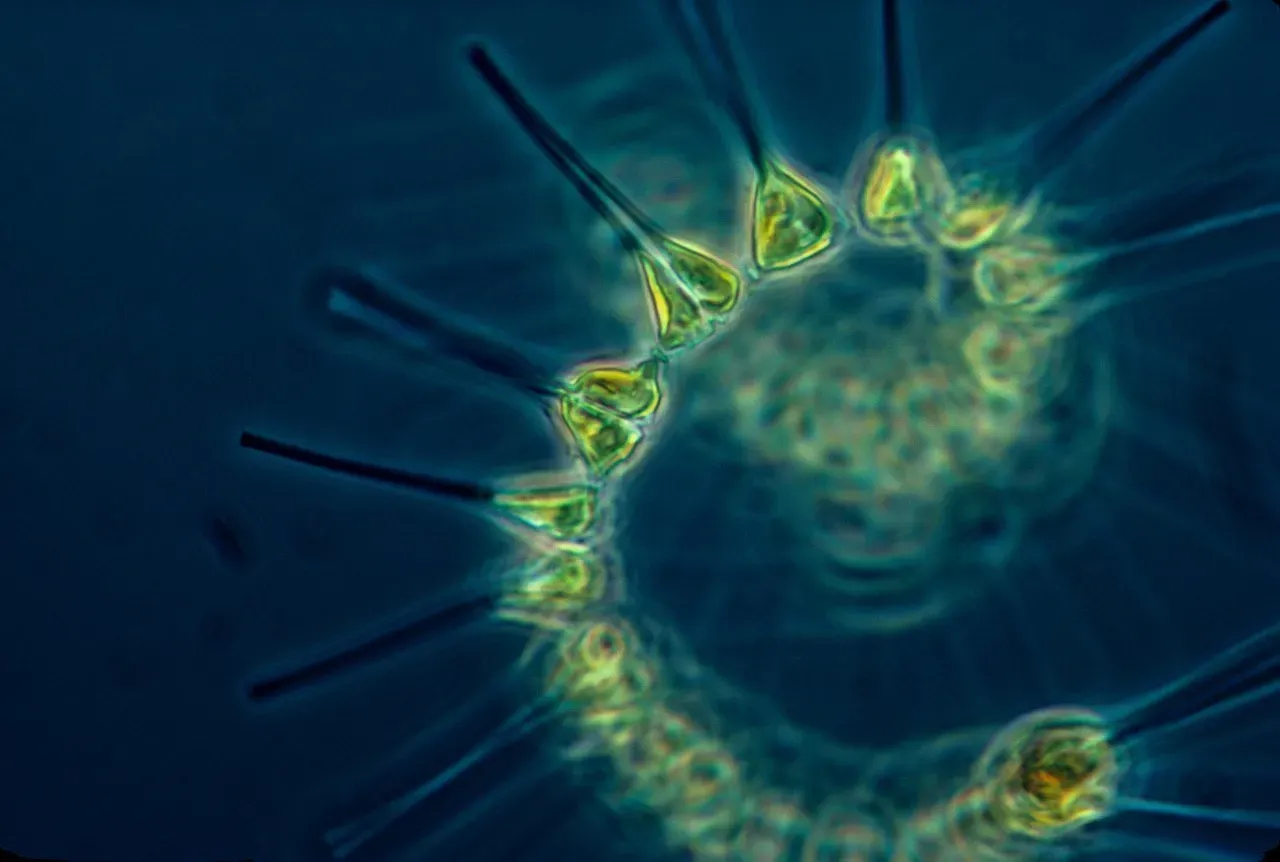
Most people think of forests when they think of oxygen. The ocean deserves equal credit, if not more. The ocean generates roughly half of the oxygen we need, absorbs around a third of all carbon dioxide emissions, and captures the vast majority of the excess heat generated by those emissions.
Phytoplankton, which produce about half of the world’s oxygen, absorb carbon dioxide during photosynthesis. These microscopic organisms are invisible to the naked eye, yet their collective output keeps the atmosphere breathable for billions of land-based species, including us.
Phytoplankton are the primary producers of the ocean. They form the base of the marine food web and play a crucial role in the global carbon cycle, absorbing carbon dioxide from the atmosphere through photosynthesis and converting it into organic carbon. Without them, the chemistry of the air above us would be fundamentally different.
2. Acting as the Planet’s Largest Carbon Sink
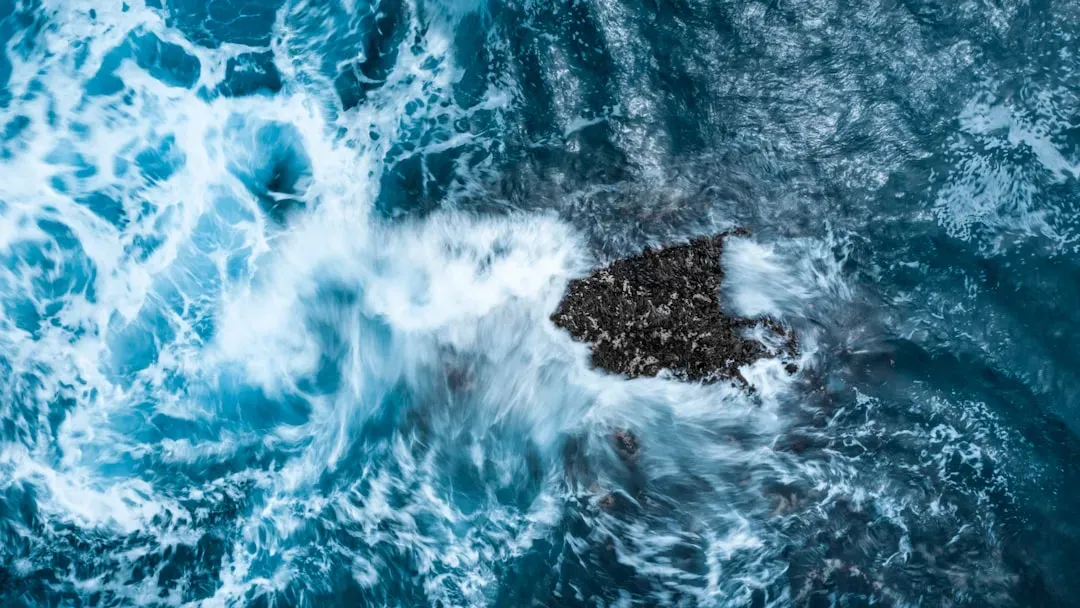
The ocean acts as the planet’s greatest carbon sink. This single fact has enormous implications for how the climate system functions and how much warming the planet would experience without the ocean’s quiet, continuous work.
Scientists estimate that the sinking of organic matter sequesters approximately 2.8 billion tonnes of carbon annually, locking it away from the atmosphere for at least 50 years. This carbon sequestration capacity is equivalent to roughly a quarter of emissions generated by fossil fuels in recent years.
Without marine life, the ocean’s capacity to capture carbon dioxide emissions would be significantly diminished. The biological engine driving that sequestration is not the water itself. It is the living organisms within it.
3. Regulating Global Temperature Through Heat Absorption
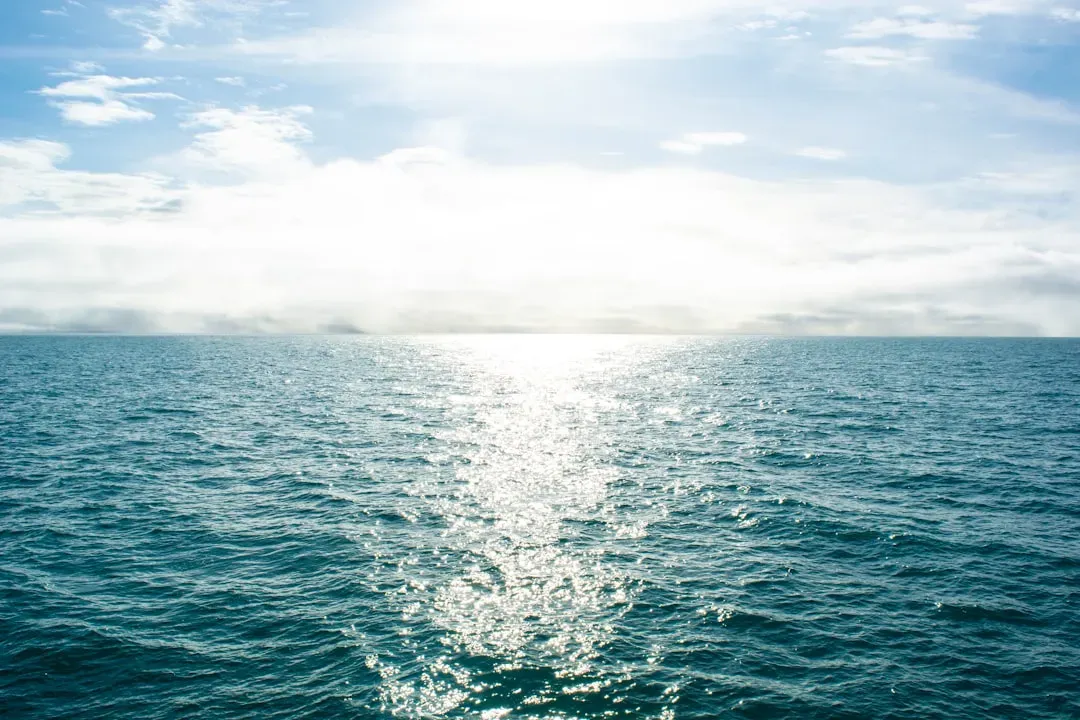
The ocean has absorbed more than ninety percent of the excess heat in the climate system. That figure is staggering. Without the ocean absorbing that thermal energy, land temperatures worldwide would be far more extreme than anything we currently experience.
Ocean currents play a critical role in distributing heat around the globe, with significant implications for regional climate patterns. The thermohaline circulation, a global conveyor belt of ocean currents, is driven by changes in water density caused by variations in temperature and salinity.
The deep ocean plays an important role in transporting and storing heat and, consequently, in regulating climate and weather patterns. The Atlantic Meridional Overturning Circulation, for instance, transports and exchanges water masses and heat throughout the world’s oceans from the surface to several kilometers in depth. Marine life underpins the biological processes that keep these systems active and balanced.
4. Powering the Biological Carbon Pump
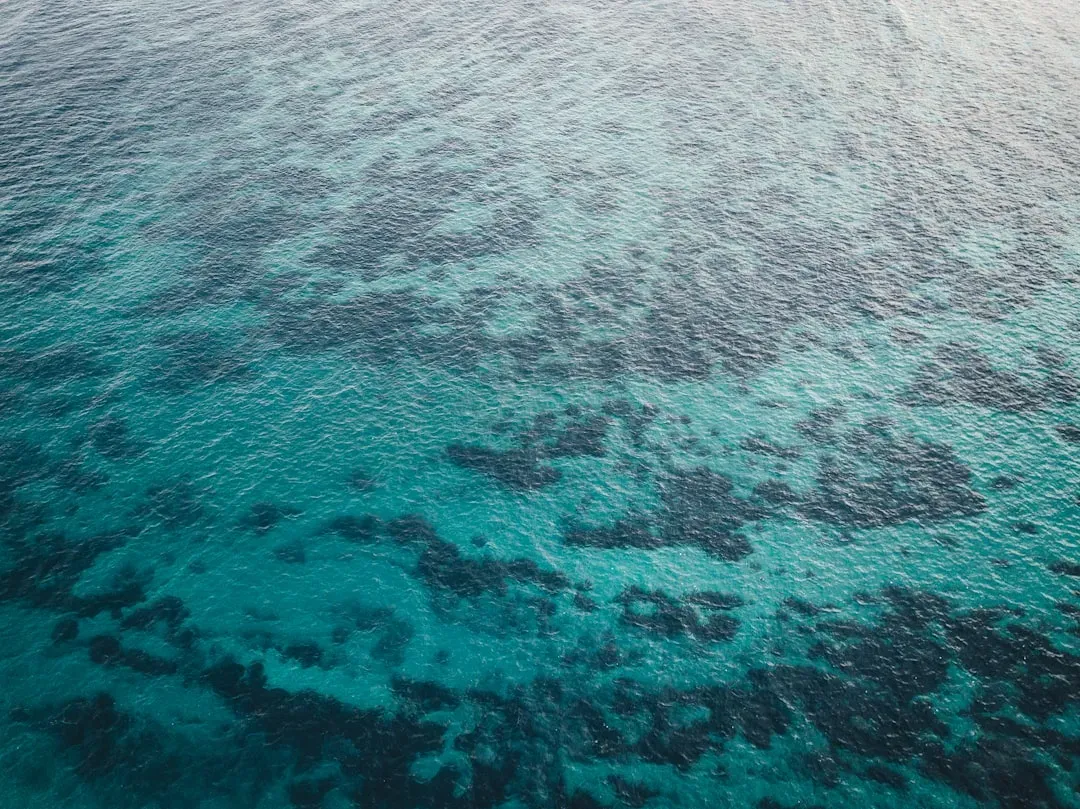
This biological mechanism involves microscopic marine organisms, particularly phytoplankton, which absorb carbon dioxide during photosynthesis in surface waters. As these organisms die or are consumed, carbon-rich particles sink to deeper waters. It is one of nature’s most effective carbon removal systems, operating continuously and without human involvement.
When these tiny organisms die, they sink to the ocean floor, taking the captured carbon with them. This process, known as the biological carbon pump, sequesters roughly 10 gigatons of carbon annually. That is an almost incomprehensible quantity of carbon being removed from the atmosphere each year by life forms most of us have never seen.
Marine life also actively transports carbon to deeper ocean layers, contributing to its sequestration in deep water and within the seafloor. This active transport is conducted primarily by species inhabiting the mesopelagic zone, between 200 and 1,000 meters depth, which can migrate vertically hundreds of meters each day.
5. Storing Carbon in Blue Carbon Ecosystems
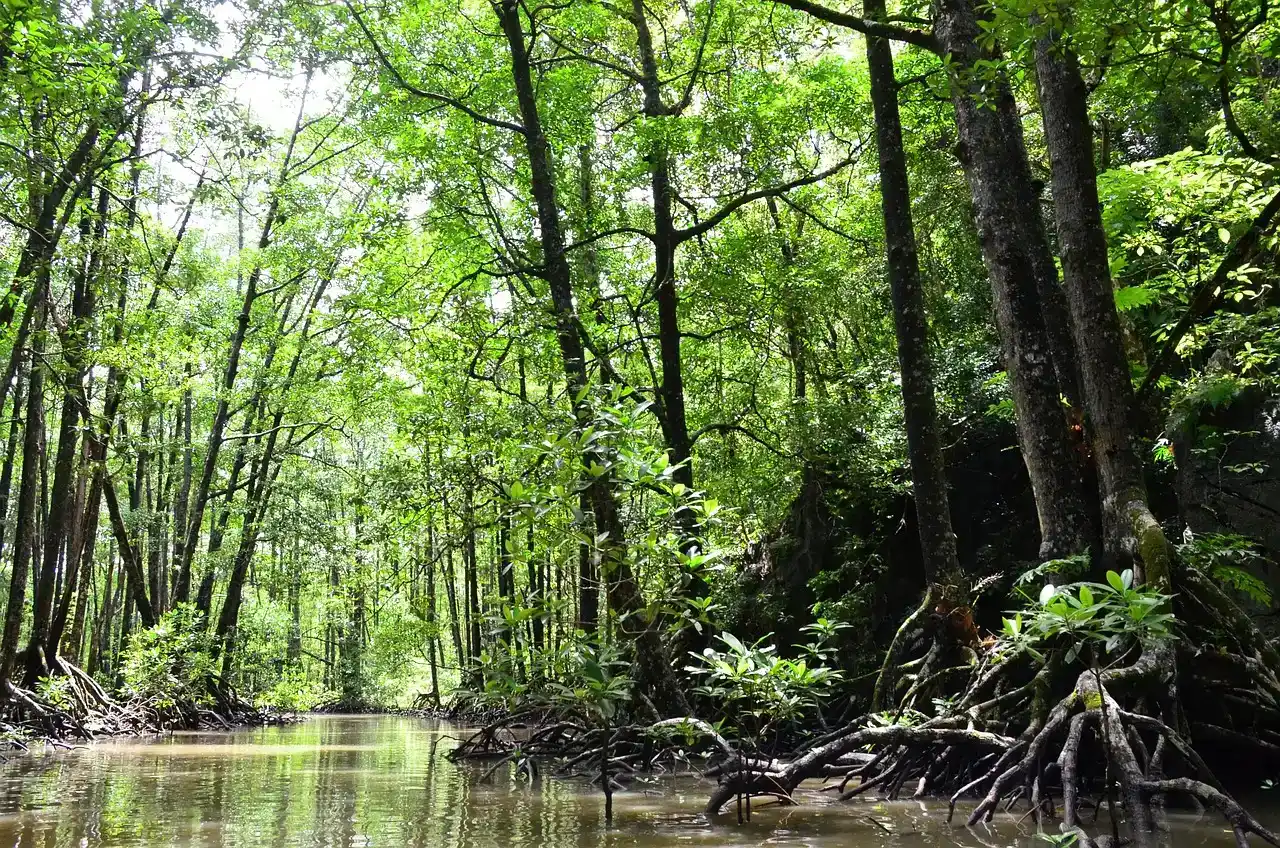
Coastal ecosystems like mangroves, seagrass meadows, and salt marshes, often called “blue carbon” ecosystems, are particularly efficient at capturing and storing carbon. Their efficiency per unit of area far exceeds that of most terrestrial ecosystems, including many tropical forests.
Mangroves are some of the most carbon-rich ecosystems on the planet, storing on average around 1,000 tonnes of carbon per hectare in their biomass and underlying soils. These ecosystems also support healthy fisheries, improve water quality, and provide coastal protection against floods and storms.
Seagrass beds perform multiple functions, with carbon sequestration being a vital one. They capture carbon dioxide from the atmosphere, trapping it in their roots and sediment, which helps mitigate climate change. They also provide excellent habitat for various marine species including fish, sea turtles, and invertebrates.
6. Maintaining Nutrient Cycles That Sustain All Life
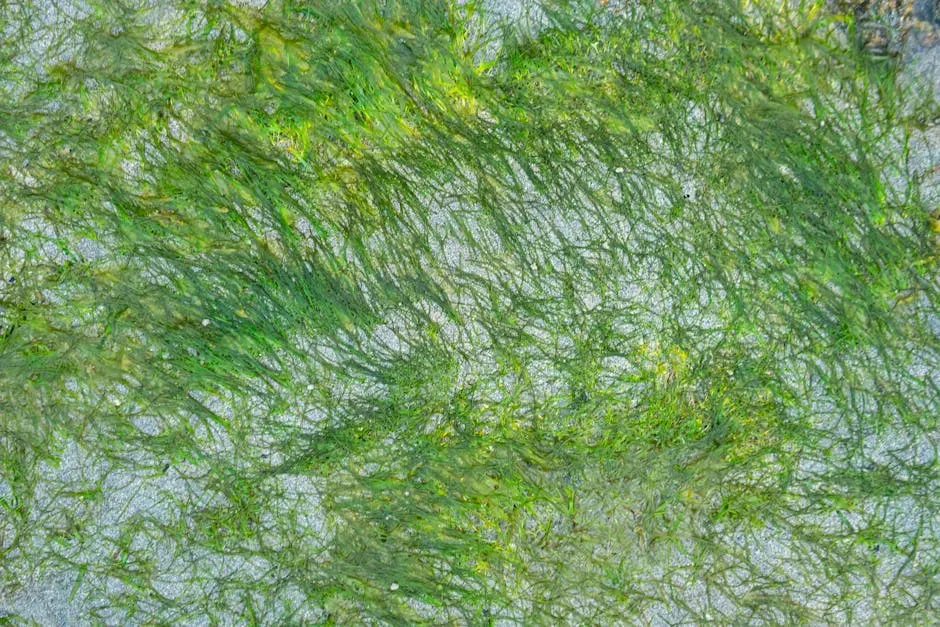
Marine biodiversity is essential for the cycling of nutrients like nitrogen and phosphorus, which are vital for all life on Earth. These cycles do not stay in the ocean. They connect to land-based food systems, freshwater systems, and the broader web of terrestrial life.
At the core of many marine ecosystems is nutrient cycling. This process involves the movement and exchange of elements like nitrogen and phosphorus throughout the marine system. Microorganisms like phytoplankton play a significant role, capturing sunlight and converting it into energy, forming the base of the food web.
These micro-organisms not only sustain larger forms of life, from fish to whales, but also help in the breakdown of organic matter. Through decomposition, nutrients are recycled and become available for use again, ensuring that marine systems remain self-sustaining. The whole system is an engine of renewal, running on biological processes alone.
7. Protecting Coastlines From Storms and Erosion
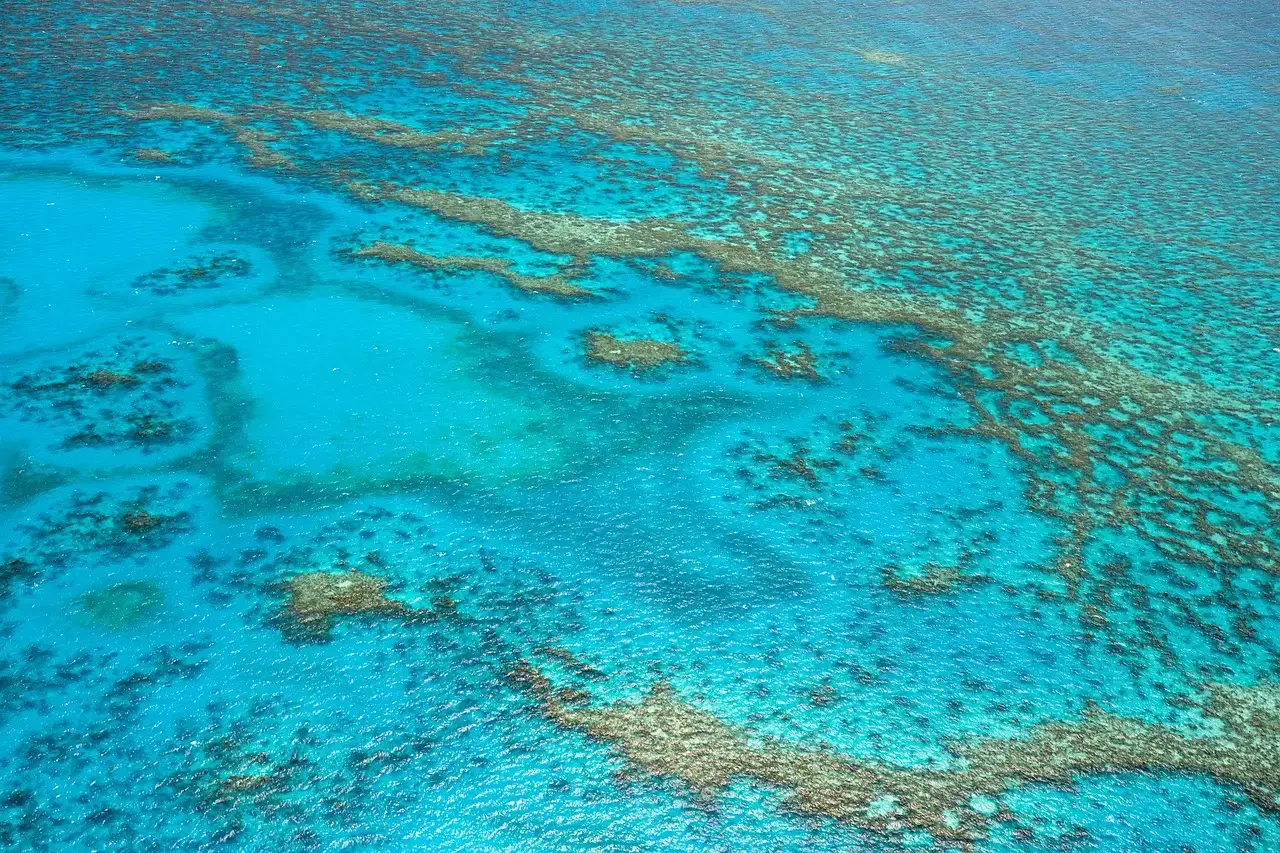
Coral reefs and mangroves buffer shorelines from erosion and storm surges. For hundreds of millions of people who live near coastlines, this is not an abstract environmental benefit. It is a form of physical protection that reduces loss of life, property damage, and the cost of recovery after extreme weather events.
Covering less than a tenth of a percent of the world’s ocean, coral reefs support over a quarter of marine biodiversity and serve up to a billion people with coastal protection, fisheries, sources of medicine, recreational benefits, and tourism revenues. The concentration of value packed into coral reef ecosystems is remarkable by any measure.
Coral reefs and mangroves act as natural barriers against storms and hurricanes, reducing coastal erosion and flooding. Degraded marine ecosystems lead to higher risks of storm damage and increase recovery costs for communities. Losing these ecosystems does not just hurt biodiversity. It raises the bill for every coastal government and community on Earth.
8. Supporting Global Food Security
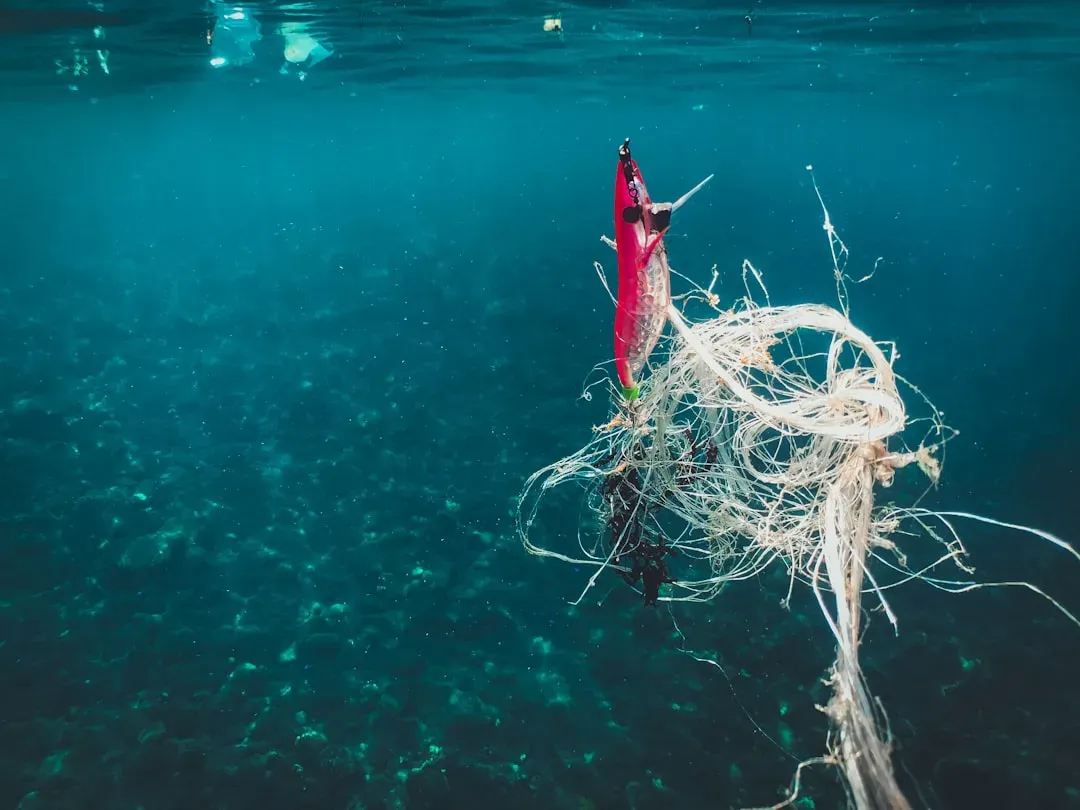
Seafood plays an essential role in feeding the world’s growing population. Healthy fish populations lead to healthy oceans, and the resilience of marine ecosystems and coastal communities depends on sustainable fisheries. For billions of people, particularly across Asia, Africa, and island nations, the ocean is not a food option. It is a food foundation.
The fishery and aquaculture sectors are a source of income for hundreds of millions of people, especially in low-income families, and contribute directly and indirectly to their food security. The ocean’s contribution to human nutrition extends well beyond the plate of any individual consumer.
Estuaries, mangroves, lagoons, seagrasses, and kelp forests serve as nurseries for both inshore and offshore fish and other species, many of which are commercially significant. The productivity of the world’s fisheries depends entirely on the health of these coastal nursery environments.
9. Purifying Water and Filtering Pollutants
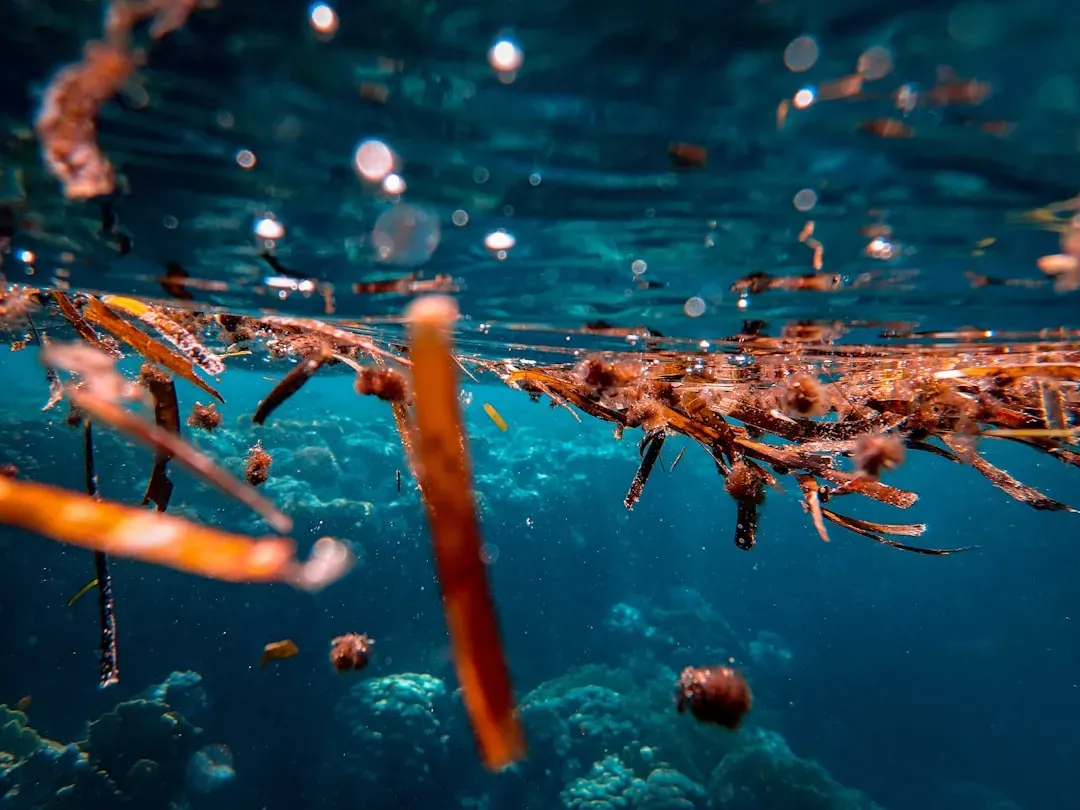
Certain marine organisms and ecosystems, such as wetlands and shellfish beds, naturally filter and purify water, improving water quality for human use. This service operates at vast scale, removing nutrients, sediments, and contaminants that would otherwise accumulate in coastal waters.
Healthy marine environments filter pollutants and maintain clean water, which is essential for both wildlife and human recreation. Poor water quality from algal blooms, chemical runoff, or sewage pollution can cause health issues for both residents and tourists. The purification work that marine life does, quietly and constantly, has real consequences when it breaks down.
Seaweed, for instance, absorbs excess nutrients, reducing risks of eutrophication and improving water quality. Restoration of kelp and seaweed habitats in degraded coastal zones has become an increasingly recognized tool for improving the health of nearby waters.
10. Supplying the Raw Materials for Medicine and Scientific Discovery
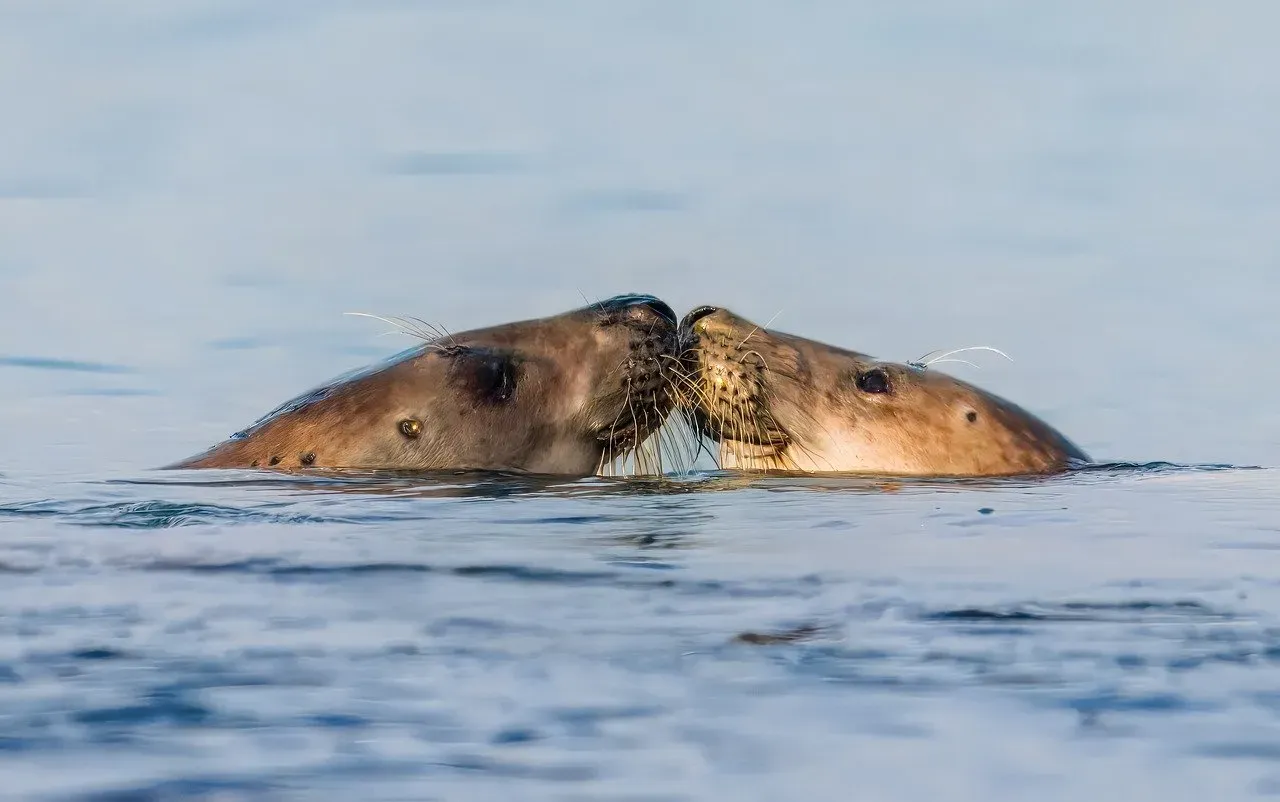
The ocean provides key natural resources including food, medicines, biofuels, and other products, and helps with the breakdown and removal of waste and pollution. The pharmaceutical potential locked within marine organisms is still only partially understood.
Mangrove forests are good reservoirs for medicinal plants. The pharmaceutical industry has discovered several potentially useful substances, such as compounds with cytotoxicity useful for anti-cancer drugs, among sponges, sea mosses, jellyfish, and starfish. The deep ocean, in particular, remains a largely unexplored frontier for biomedical research.
Most marine biodiversity is still undocumented, and marine organisms’ unique adaptive traits are still largely undiscovered. What that means in practical terms is that the ocean likely holds solutions to human health problems we haven’t even fully defined yet.
11. Building Resilience Into the Global Ecosystem
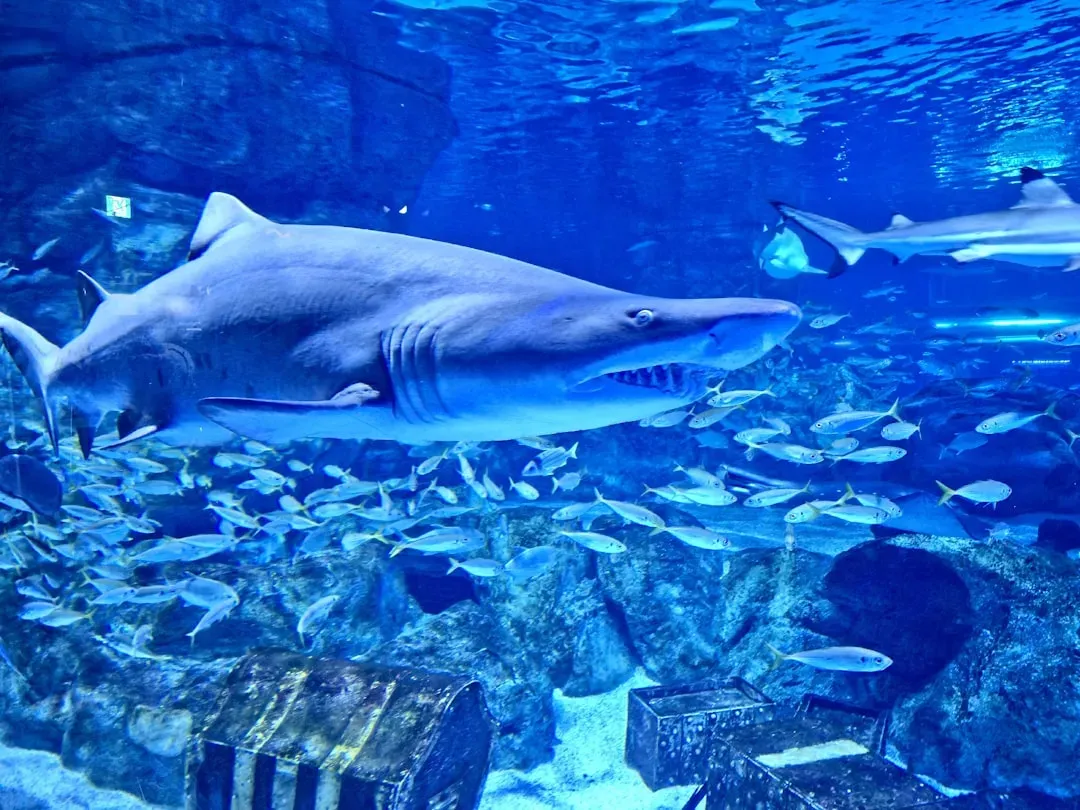
A biodiverse marine environment is more resilient to environmental changes and disturbances, including those caused by climate change. If one species is affected by warming waters or ocean acidification, a diverse ecosystem is more likely to have other species that can fulfill similar ecological roles. In contrast, simplified ecosystems with low biodiversity are more vulnerable to collapse when faced with environmental stressors.
Marine biodiversity ensures that ecosystems can maintain their stability even amidst environmental disruptions. Multiple species often perform similar roles within an ecosystem, so if one species declines, others can compensate, preserving ecosystem functions. This redundancy is not inefficiency. It is insurance.
In marine environments, biodiversity is the foundation of complex, interdependent systems that sustain essential ecological processes such as nutrient cycling, carbon sequestration, and habitat creation. These functions are crucial not just for marine life but for the health of the entire planet.
Conclusion: A Planet Held Together by What Lives in the Sea
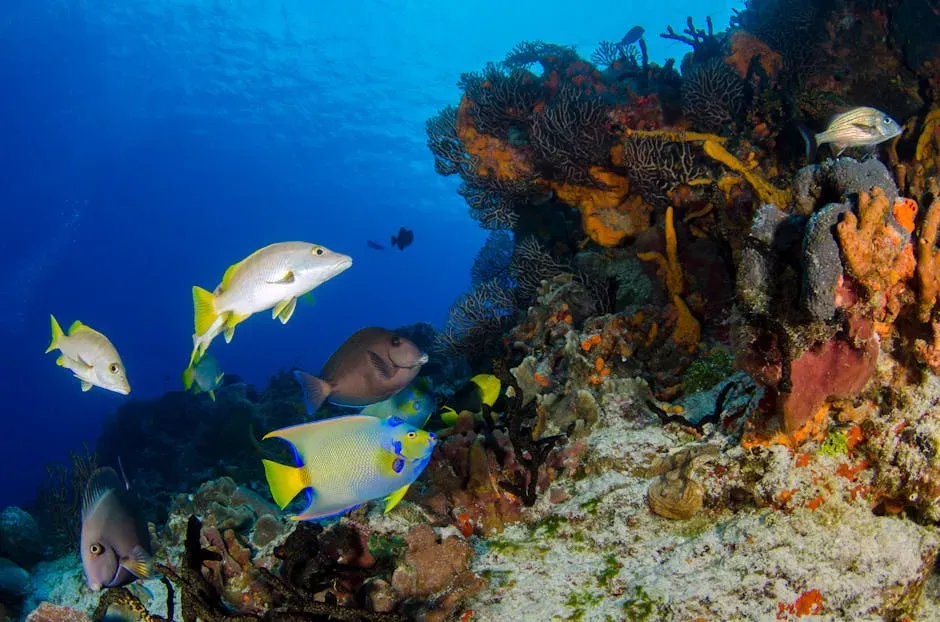
The ocean is not a separate system. It is the connective tissue of a living planet, and the organisms within it are doing work that no technology has yet been able to replicate at scale. From the smallest phytoplankton to the largest whale, each creature plays a part in a system that keeps the atmosphere breathable, the climate stable, and the food chain intact.
Marine ecosystems are underfunded and the opportunities for returns are often not fully appreciated, yet the world economy depends on a healthy blue planet. The gap between what the ocean gives and what it receives in terms of protection and investment remains wide.
Understanding these eleven contributions is more than an exercise in ecology. It is a reminder that the health of the ocean and the health of human civilization are not two separate concerns. They are the same one. The question worth sitting with is not whether marine life matters. It is whether we are prepared to act as though it does.

- Dog Breeds That Can Detect Cancer Before Your Doctor Does - August 13, 2026
- 10 Amazing Facts About Finches That Make Birdwatchers Love Them - August 13, 2026
- 10 Signs Your Dog Might Be Happier Than You Think They Are - August 13, 2026