
America’s wildlife is extraordinary in its diversity. From the sun-bleached desert floors of Arizona to the dense, fog-threaded forests of the Pacific Northwest, the country holds creatures of remarkable beauty, power, and unpredictability. Most of the time, these animals want nothing to do with humans. They vanish into tree lines, slip beneath waterways, or simply watch from a safe distance.
The trouble is, “most of the time” isn’t always. Some of the most dangerous encounters on record involve animals that gave no obvious warning, or gave one that most people simply didn’t know how to read. The ten animals below deserve genuine respect, not fear-driven avoidance, but a clear-eyed understanding of what they’re capable of.
The American Alligator
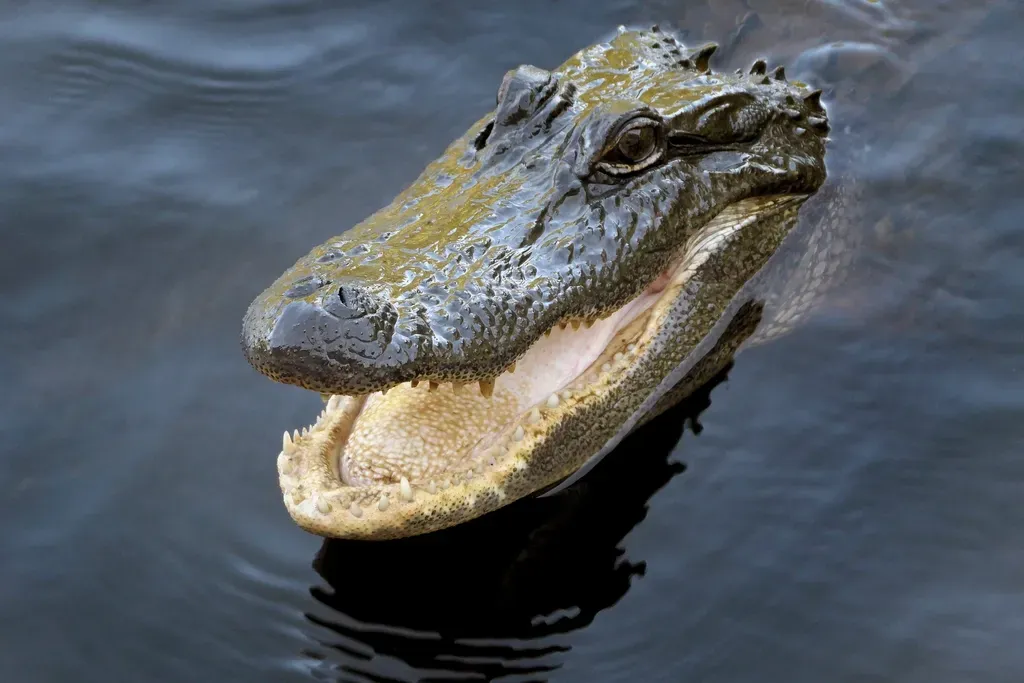
Mostly found in marshes and swamps in the southern US, Florida, Louisiana, and the Carolinas are thriving locations for this reptile. They move through the water with a stillness that makes them genuinely hard to detect, especially near murky shorelines or reed-filled banks. That placid surface appearance is precisely what makes them so dangerous.
Since 1948, Florida has recorded 444 unprovoked alligator attacks, including 26 fatalities. The state’s warm climate and abundant wetlands provide ideal habitat for its estimated 1.3 million alligators, creating numerous opportunities for human-alligator encounters. Feeding them, even once, is illegal in Florida for good reason. Small cuts and punctures from alligator bites often become severely infected due to the multitude of bacteria in their mouths, making immediate medical attention necessary even for minor bites.
The Grizzly Bear
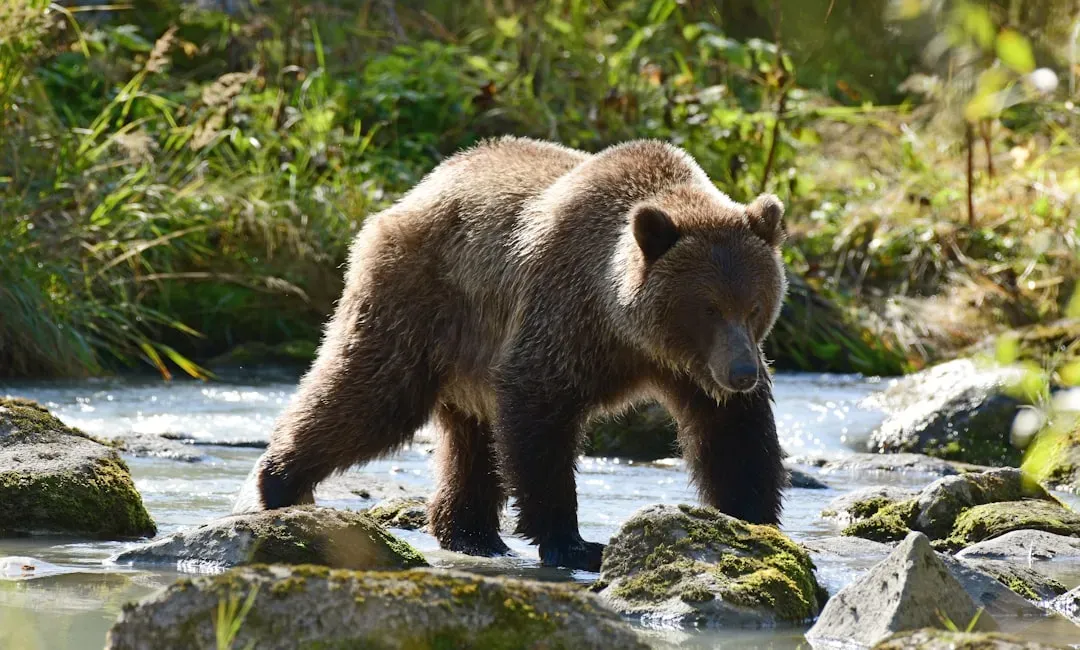
Grizzlies roam vast territories in Montana, Wyoming, and Alaska, where they’ve become icons of raw wilderness. Especially when cubs are involved, they’ve been known to charge at the slightest hint of a threat. Grizzlies can weigh over 700 pounds and stand over eight feet tall, making them one of the largest and most powerful predators on land.
Bulky yet extraordinarily agile, grizzlies can run up to 35 miles per hour and have been known to attack humans in a predatory way. Their behaviour is unpredictable but females with cubs are typically the most aggressive, as are hungry bears newly emerged from hibernation. They have a bite force of 1,160 pounds per square inch and could chomp through metal. There is very little time between the moment a grizzly decides to charge and the moment it arrives.
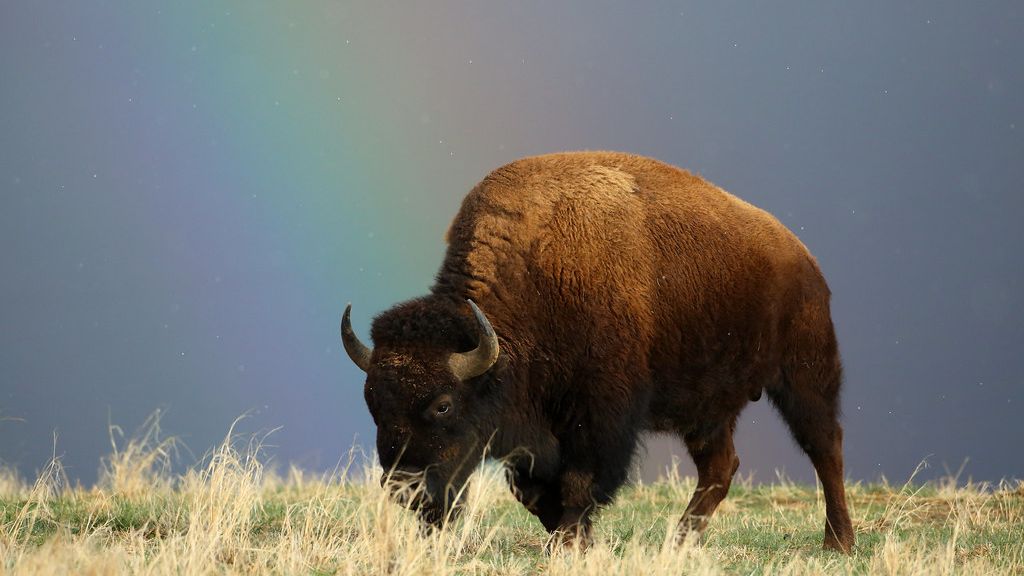
The American Bison
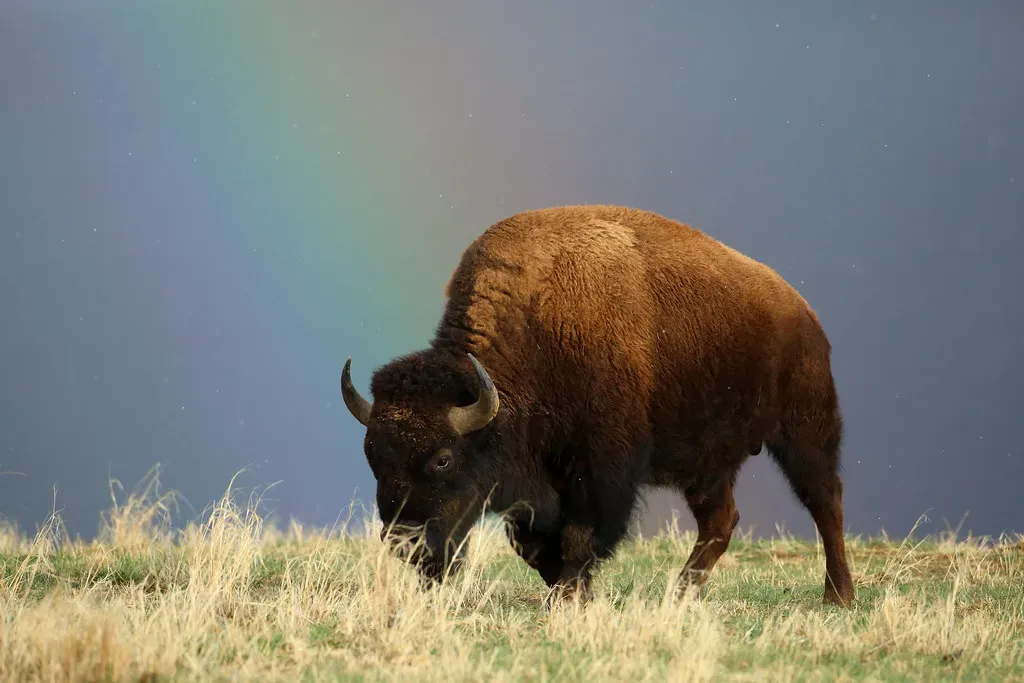
North America’s largest and best-known land mammal is mesmerizing to look at but also aggressive and territorial, particularly during breeding season. American bison boast massive frames and piercing horns but are also fast and agile, running at speeds of up to 40 miles per hour and able to jump up to six feet. Yellowstone visitors learn this the hard way more often than wildlife managers would like.
Given the size and power of the American bison it is little surprise they have proven deadly to humans. Standing nearly six feet tall and weighing in at up to 1.5 tons, these are the biggest land animals in America. They may appear to be grazing peacefully one moment and charge the next, with little readable transition in between. Keeping a safe, respectful distance is not optional around these animals.
The Moose
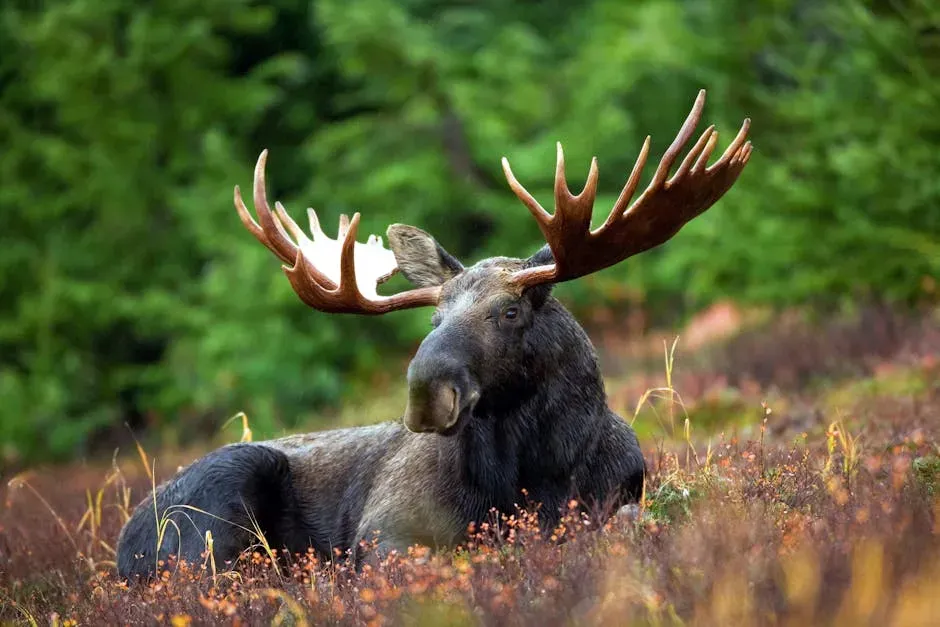
The largest member of the deer family, moose can measure up to six feet at shoulder height. Fairly easy to see in northern parts of the US and Alaska, this charismatic animal is an incredible sight in the wild but can pose real dangers when it feels threatened. In fact, Alaska reports more human injuries by moose than by bears.
Bull moose get very aggressive during the mating season and will attack without warning. On the other hand, cows are most aggressive when they have a calf and will charge at you when you get too close for comfort. These animals can weigh up to 1,500 pounds and, especially in the fall, don’t appreciate close company. Despite their size, they’re surprisingly quick on land and can become aggressive if they feel cornered or protective of calves.
The Rattlesnake
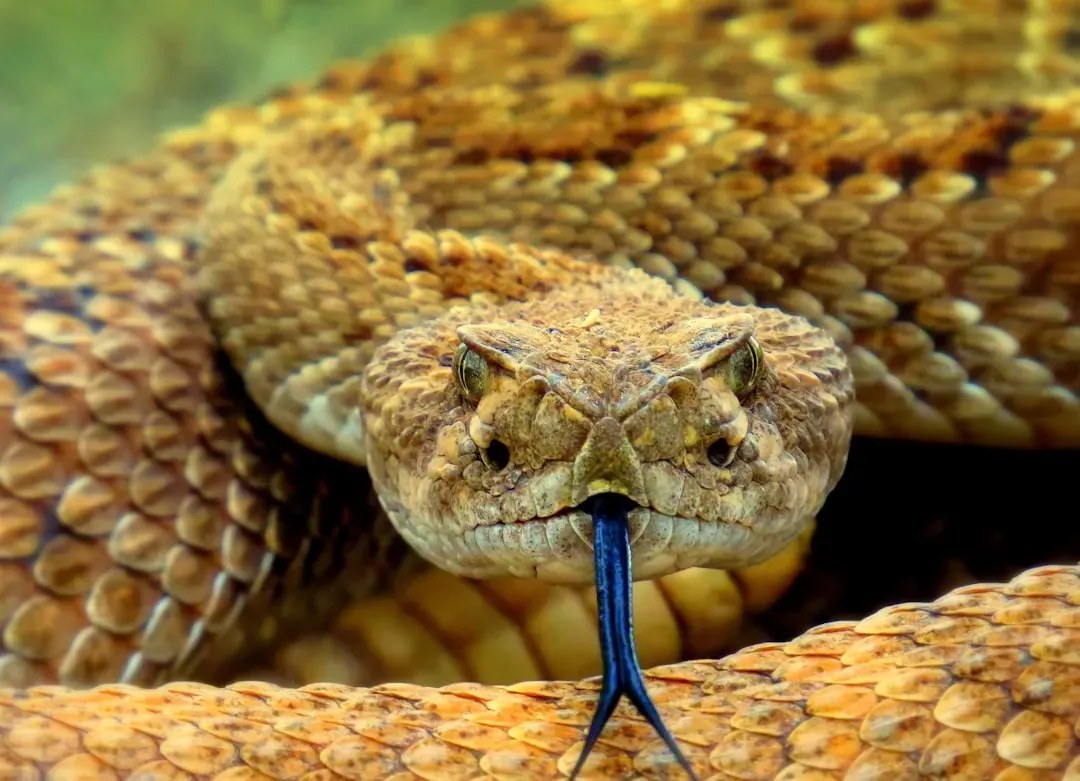
Deadly types of snakes like the rattlesnake, copperhead, and cottonmouth can all be encountered in the United States, though the vast majority of fatalities are attributed to rattlesnake bites. The rattlesnake’s iconic warning sound is well known, but many encounters happen before the rattle ever sounds, particularly when a snake is surprised or stepped on in dense brush. There are quite a few species of venomous snake in North America, several of which pose a genuine danger to humans. It is estimated that there are somewhere between 5,000 and 8,000 bites from venomous snakes every year in the USA, resulting in around five deaths. This number would be much higher if it weren’t for the availability of antivenoms.
Fatalities are rare, with just around five per year. The key factor for survival is good medical care; deaths are much more common in poorer, rural regions without easy access to hospitals and antivenom treatments. Hikers in rocky terrain, particularly in the Southwest, should always watch where they place their hands and feet.
The Mountain Lion (Cougar)
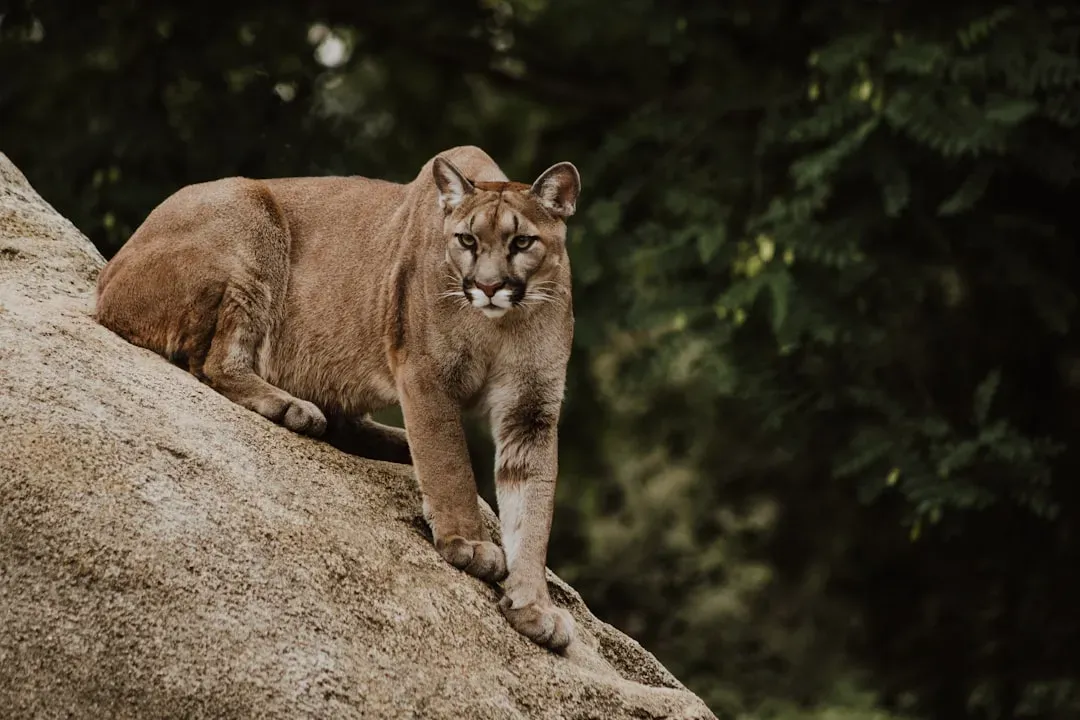
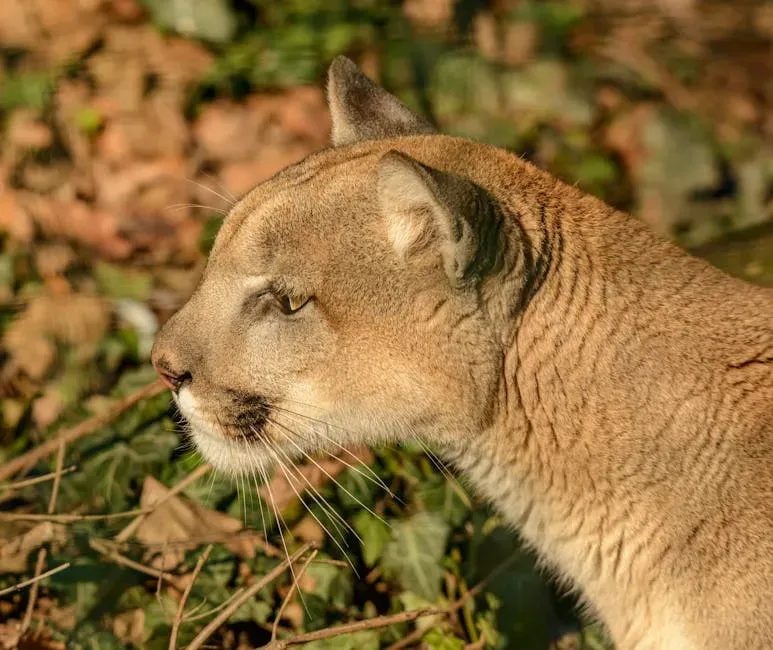
California’s diverse landscapes support the mountain lion, also known as the cougar or puma. These powerful big cats can weigh up to 150 pounds and leap 15 feet vertically from a sitting position. While generally elusive and preferring to avoid human contact, mountain lions can display extreme aggression when protecting cubs, defending a kill, or if startled at close range. Their hunting strategy involves stalking prey silently before delivering a powerful leaping attack, often targeting the neck or spine.
Cougars prefer to live in wooded areas and attacks tend to be opportunistic. Although fatalities are extremely rare, joggers, hikers and small children in particular need to be wary. The animal’s preference for ambush means that by the time a person realizes a cougar is nearby, the encounter is already underway. Running triggers their chase instinct, which is why wildlife experts consistently advise standing your ground.
The White-Tailed Deer
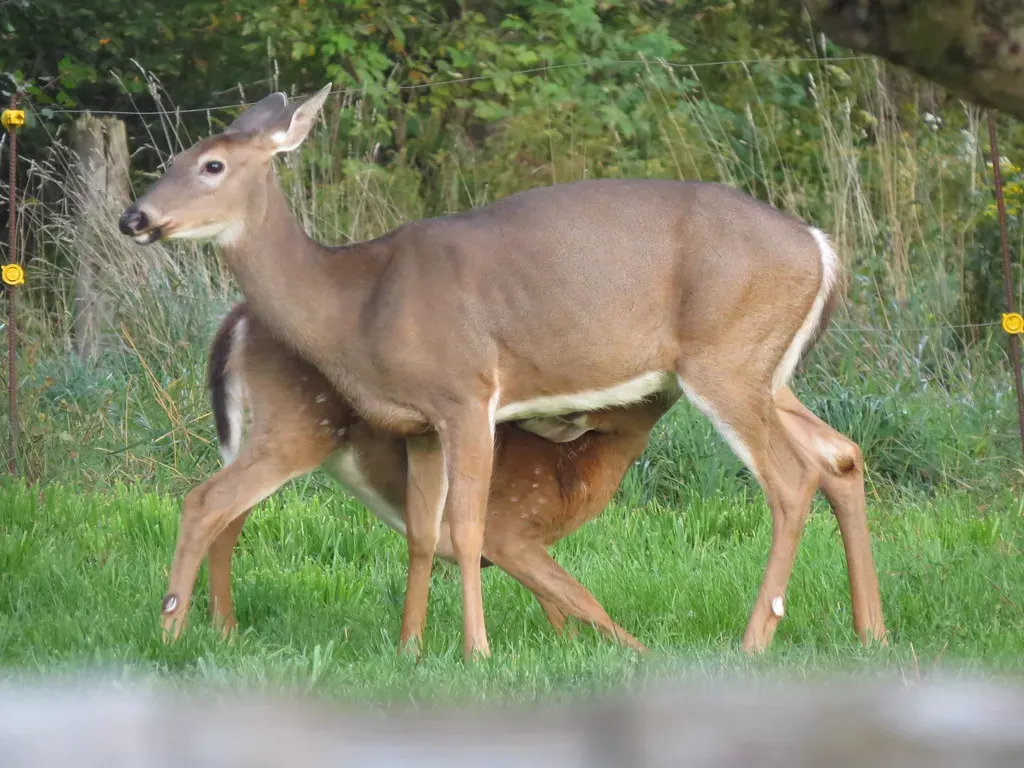
Few animals in America are more familiar, and few are statistically more dangerous. Every year, deer are responsible for more injuries and deaths in the United States than all the classic “dangerous” animals combined. Not because they attack or hunt humans, but because they wander into roads, creating sudden, violent collisions that account for 59,000 injuries and 440 deaths annually.
Deer have even been known to attack people as well. Stags in a rut can gore people with their antlers and even antler-less deer can kick, trample and headbutt. This usually happens to hunters who use scent lures to attract bucks to them. Sometimes it works too well and the buck attacks what he sees as a rival because of the scent. The image of the gentle, grazing deer is not entirely wrong. It’s just incomplete.
The Shark
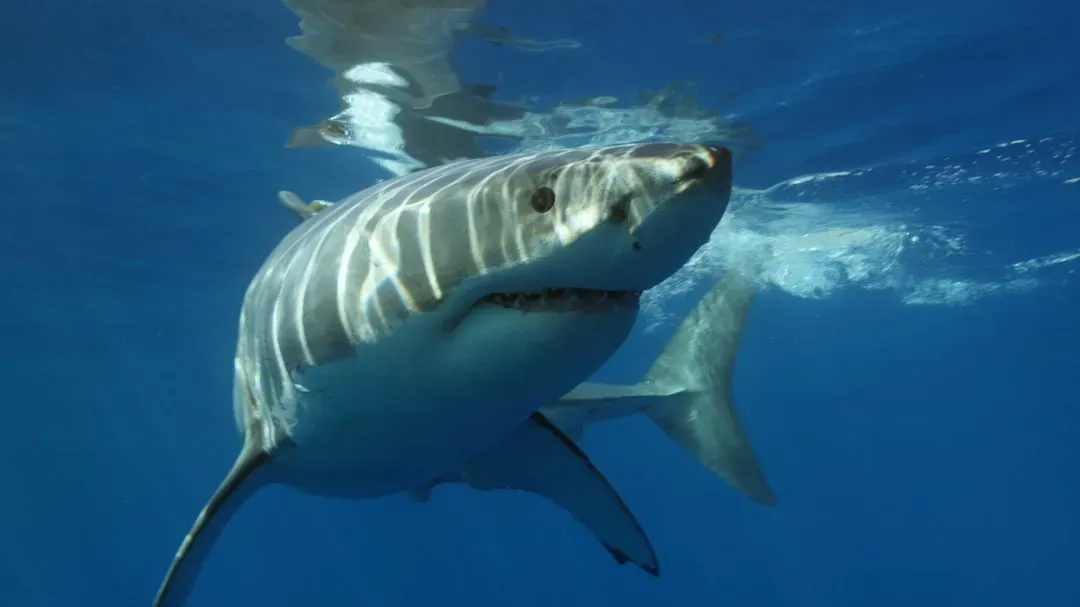
Out of more than 500 shark species, only three are responsible for a double-digit number of fatal, unprovoked attacks on humans: the great white, tiger, and bull. The United States had 36 unprovoked shark bites in 2023, which was more than half of the world’s total number. The concentration of attacks along Florida’s coastline in particular is a consistent pattern in the data year after year.
Scientists believe that much of the time, a shark that attacks a human is mistaking the human for a seal. After an exploratory bite reveals that the creature isn’t the shark’s usual prey, the fish goes about its business. The victim isn’t so lucky. That single investigatory bite from a large shark can be catastrophic, which is why awareness of high-risk conditions like murky water, fishing activity nearby, and dawn or dusk swimming matters so much.
The Wild Pig (Feral Hog)
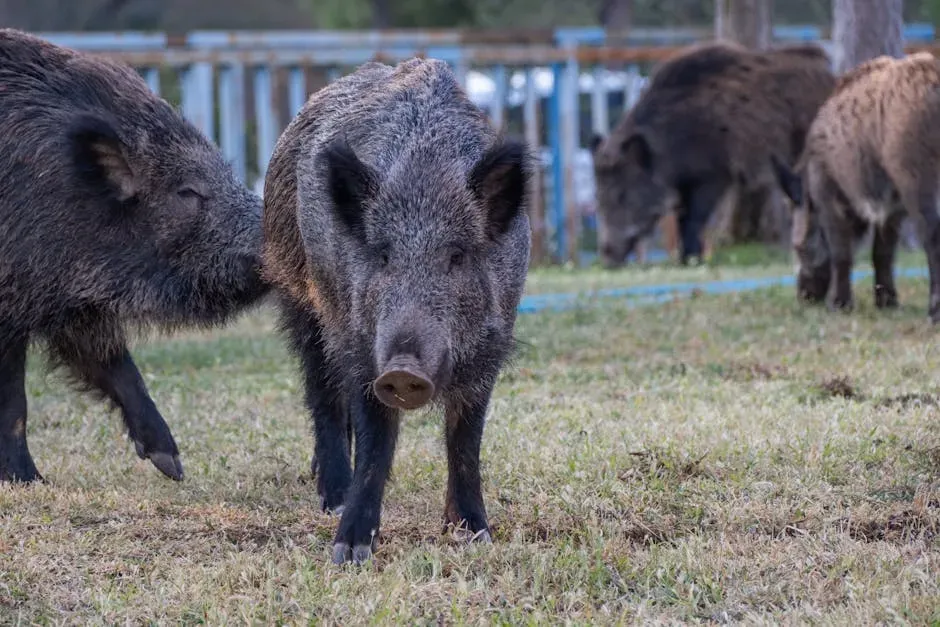
Wild pigs are more destructive and dangerous than many people realize. With more than 6 million in the US alone, feral wild pigs cause an estimated 2.5 billion dollars in damage annually, destroying crops, ecosystems, and infrastructure. They also carry dozens of diseases and parasites that can be transmitted to humans, pets, and livestock.
When wild pigs feel threatened, they can become aggressive in an instant. A global study in 2023 documented over 170 human deaths caused by wild pigs between 2000 and 2019, and it also revealed that most of those attacks were the result of unexpected, non-hunting encounters. They travel in groups and possess sharp tusks that can inflict deep lacerations. Boars are known for their aggression and will charge if they feel trapped or are defending their young.
Stinging Insects (Wasps, Hornets, and Bees)
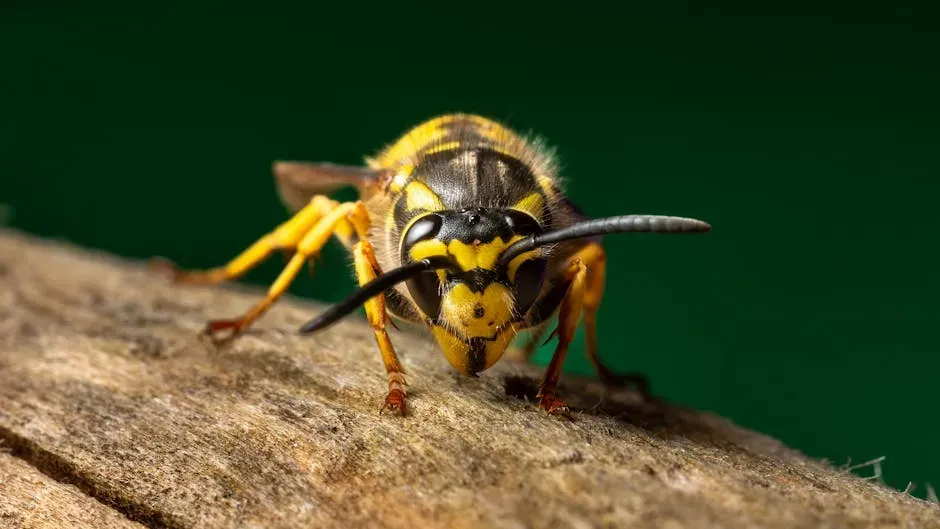
They don’t look like apex predators, and that is exactly the point. If we mean which animals kill the most Americans per year, the answer would be insects, more specifically stinging insects such as wasps, bees and hornets. This is because many people are allergic to their stings and die from anaphylaxis. Between 2011 and 2021, 788 people died as a result of these types of stings in the USA.
In some cases, these insects will even chase down a victim to sting them over and over. In rare cases, hornets or wasps will chase down someone and sting them to death hundreds of times. The vast majority of hornet, bee, and wasp fatalities came from men, and most of those deaths involved people over the age of 35. The danger is compounded by the fact that many people have no idea they carry a severe allergy until the first serious sting occurs.
Respect Is the Real Safety Strategy
The animals on this list are not villains. Every one of them is acting within its nature when it turns dangerous. Across America’s diverse ecosystems, animal aggression almost always stems from defensive reactions rather than predatory intent. Understanding this fundamental principle is key to safely coexisting with wildlife in every state. From Alaska’s towering grizzlies to tiny fire ants, aggressive behaviors typically occur when animals feel threatened, are protecting young, or when humans inadvertently violate their space.
The most effective strategy for preventing dangerous wildlife encounters is education, learning to recognize warning signs, understanding seasonal behavior patterns, and respecting wildlife by maintaining appropriate distances. Conservation officials across all states emphasize that most aggressive animal encounters result from human behaviors, such as approaching too closely for photographs or allowing pets to harass wildlife.
America’s wild spaces are worth exploring, deeply and often. The key isn’t avoiding the animals that share this landscape. It’s knowing enough about them to move through their world with care, awareness, and a healthy measure of humility. The wilderness doesn’t owe anyone a safe passage. It offers one, most of the time, to those paying attention.

- Dog Breeds That Can Detect Cancer Before Your Doctor Does - August 13, 2026
- 10 Amazing Facts About Finches That Make Birdwatchers Love Them - August 13, 2026
- 10 Signs Your Dog Might Be Happier Than You Think They Are - August 13, 2026