
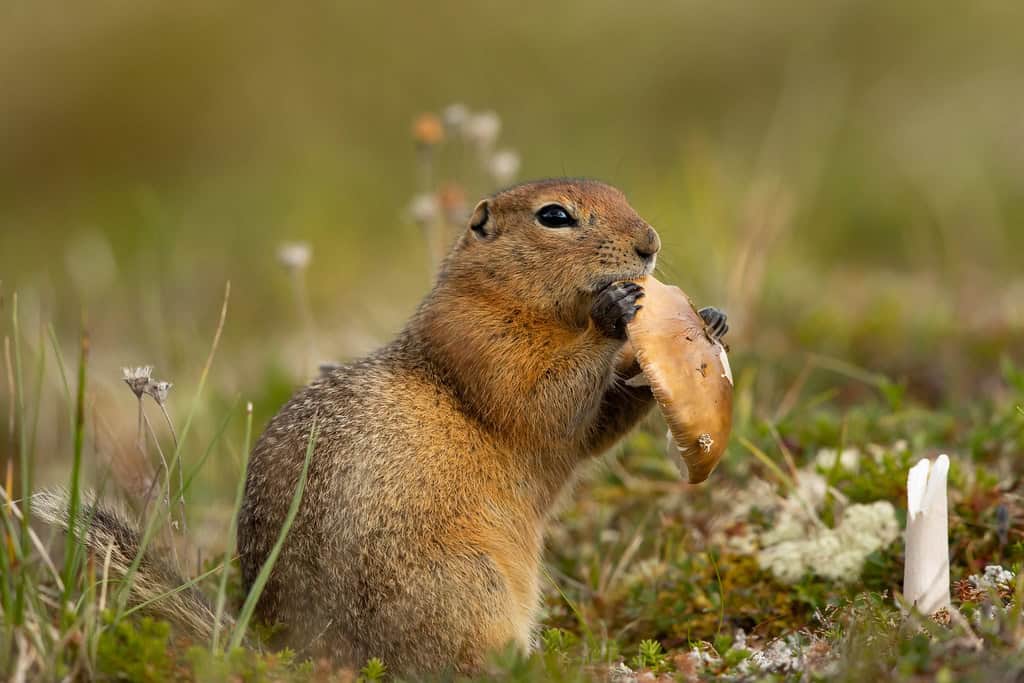
Most of us have watched a squirrel dart across the lawn, pause with twitching nose, and then vanish up a tree like it was never there. They seem simple enough. Busy, fidgety, ever-hungry creatures that raid bird feeders and dig up flower beds. Familiar, even unremarkable.
The reality is something else entirely. Squirrels turn out to be surprisingly strategic animals, running quiet mental operations right outside your window. The more researchers look closely, the more complexity they find in what looks like ordinary backyard chaos.
They Are Master Food Strategists, Not Just Hoarders
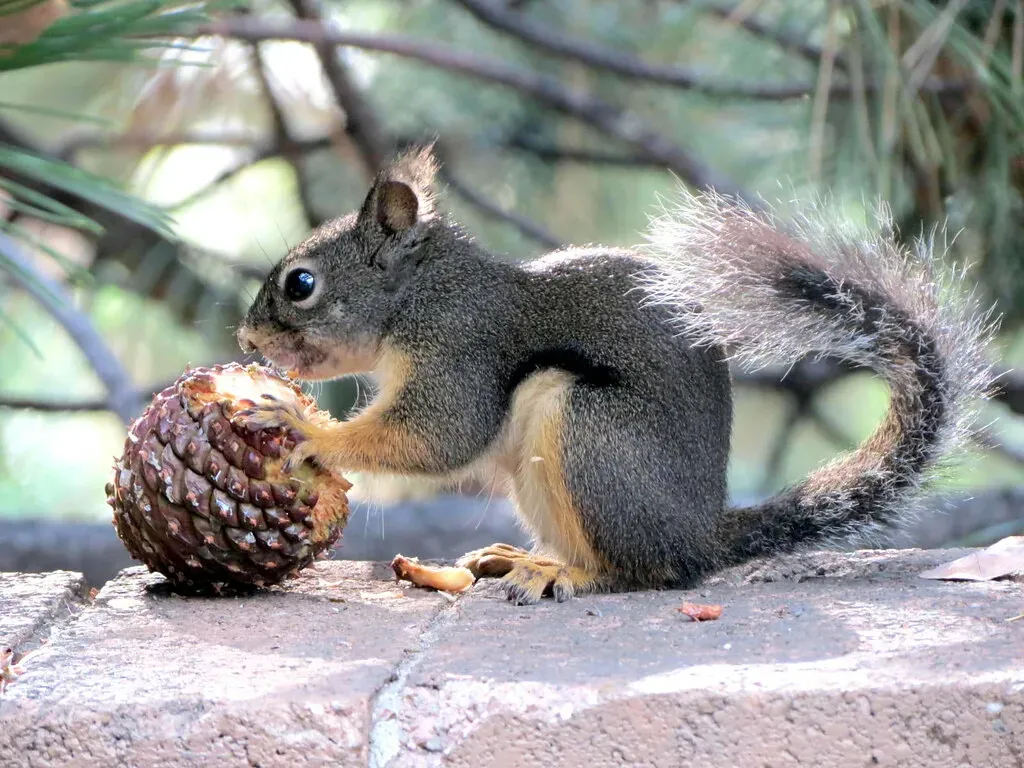
A single squirrel can bury up to 3,000 nuts in a season in a process known as caching. That alone is remarkable. What makes it genuinely impressive is the organizational logic behind it.
Researchers from the University of California, Berkeley, observing fox squirrels found that the rodents organized their nut stashes by quality, variety, and possibly even preference. The arrangement is referred to by researchers as “chunking.”
Studies have shown that squirrels can remember not only the locations of their caches but also the type and quantity of nuts stored in each. This selective memory allows them to retrieve the most valuable or perishable nuts first. For instance, if a squirrel has cached both acorns and hazelnuts, it may prioritize retrieving the hazelnuts, which spoil faster, over the more durable acorns.
They’re also more likely to immediately eat a white-oak acorn, which has less fat and will germinate soon after it is buried in the fall, while stashing away the red-oak acorn because it won’t sprout until spring and contains more fat. That is not random behavior. It’s calculated food management.
Their Memory Is Far Better Than the Myth Suggests
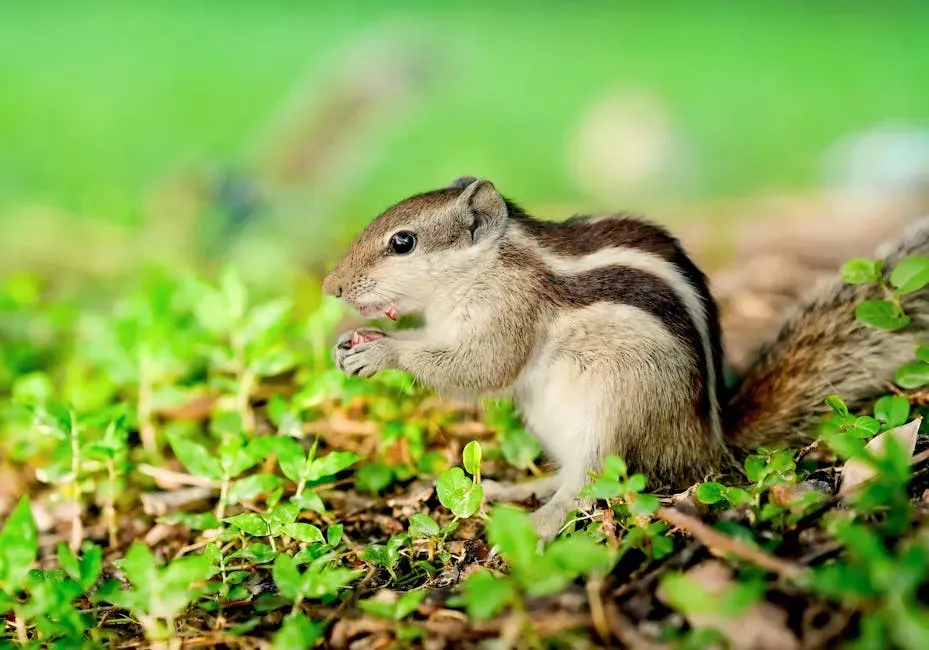
The popular image of a forgetful squirrel that can’t find its own buried nuts is mostly wrong. It turns out squirrels have remarkable spatial recall, and the science backs this up clearly.
Research indicates that squirrels can remember the locations of their buried food with a remarkable degree of accuracy, often retrieving up to 95 percent of their caches under optimal conditions. This memory-driven efficiency is a key component of their foraging strategy, allowing them to maximize their energy expenditure and ensure a steady food supply.
Research indicates that squirrels can remember the locations of their caches for several months, with some studies suggesting retention periods of up to a year. This long-term memory is essential for their survival, especially in environments where food availability fluctuates seasonally.
Squirrels seem to have a good spatial memory, which helps them relocate their caches, although it has been suggested that memory guides the squirrel to the area and scent guides the squirrel to the specific location of the cache over the final few centimetres. It’s a two-step recovery system, part map, part nose.
They Actively Practice Deception
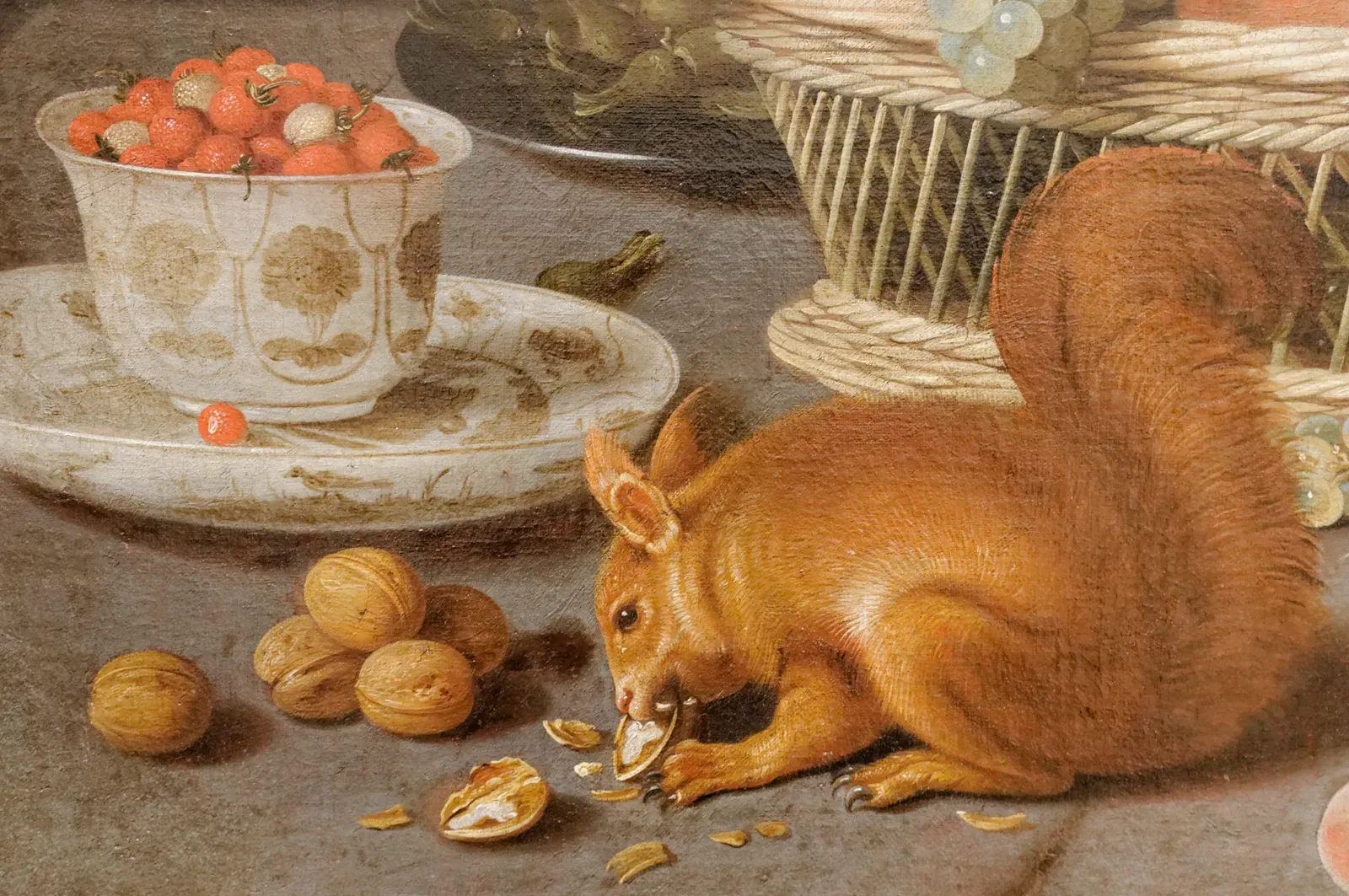
This is the one that tends to surprise people most. Squirrels don’t just hide food. They engage in deliberate acts of misdirection to protect it from thieves.
In an effort to deceive other animals and protect their real food caches, squirrels will pretend to bury food periodically, digging empty holes and covering them up with leaves. This behavior is not accidental.
Food thieves are estimated to steal up to 25 percent of a squirrel’s underground stash, which gives this deceptive behavior real evolutionary weight. The fake burial is a countermeasure, and it works precisely because it costs the thief time and effort.
Research found that when squirrels sensed their caches were under threat, they used a greater variety of anti-pilfering behaviors, including deceptive caching and hiding food in spots difficult for pilferers to locate or access, such as under bushes and in muddy areas. A squirrel might even retrieve a carelessly hidden morsel and rebury it in a more suitable spot. The level of situational awareness here is genuinely striking.
Their Tails Are a Sophisticated Communication Tool
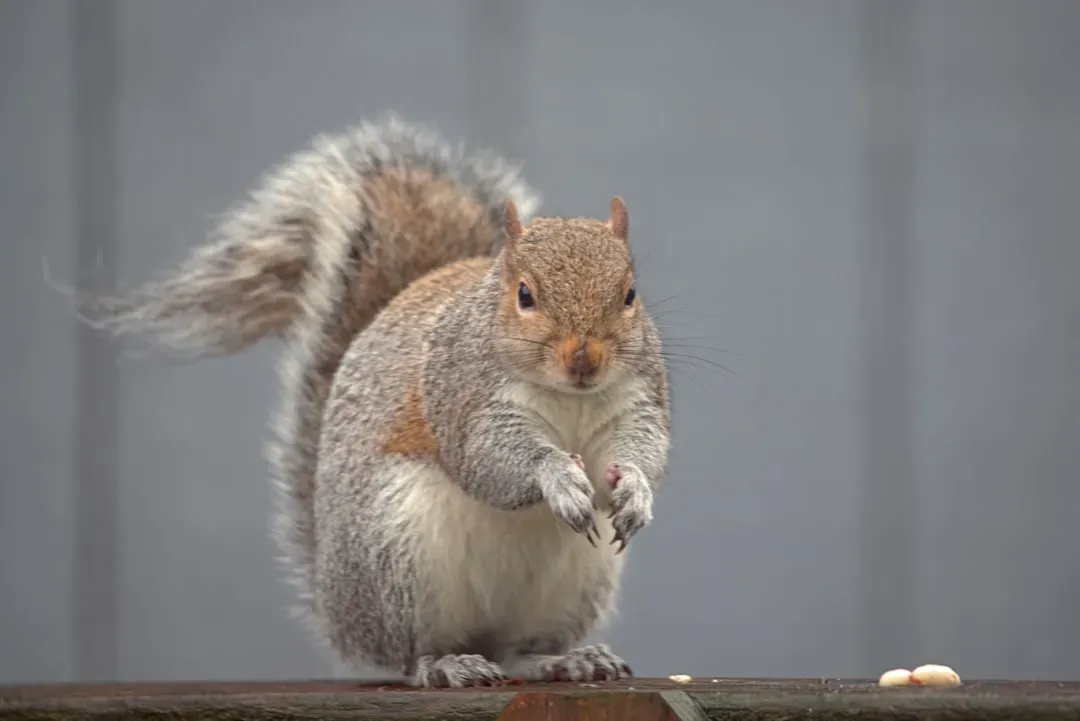
A squirrel’s tail is far more than a fluffy accessory for balance. It’s an active signaling device used to convey a surprisingly wide range of messages.
Research published in the journal Behavior observed that different calls were used in tandem with various types of tail flicks to give specific signals. The researchers found that some sounds and tail movements were closely associated with predators that approached on the ground versus from the sky.
Both tail position variables and their interaction effects significantly predicted the dominant squirrel’s degree of aggression in a multiple regression analysis, suggesting tail position communicates information related to aggression in eastern gray squirrels.
A squirrel that flicks its tail in snappy, arced movements is likely frustrated, showing a reactionary emotion akin to someone stomping their foot. To understand this behavior, a 2016 study published in the Journal of Comparative Psychology tested how the animals react to obstacles. The more frustrated squirrels became, the more actively they moved their bushy tails. Squirrels presented with frustrating tasks didn’t only show signs of annoyance, but they also persisted in trying to obtain their coveted walnuts and tried several problem-solving strategies.
They Eavesdrop on Other Animals for Safety
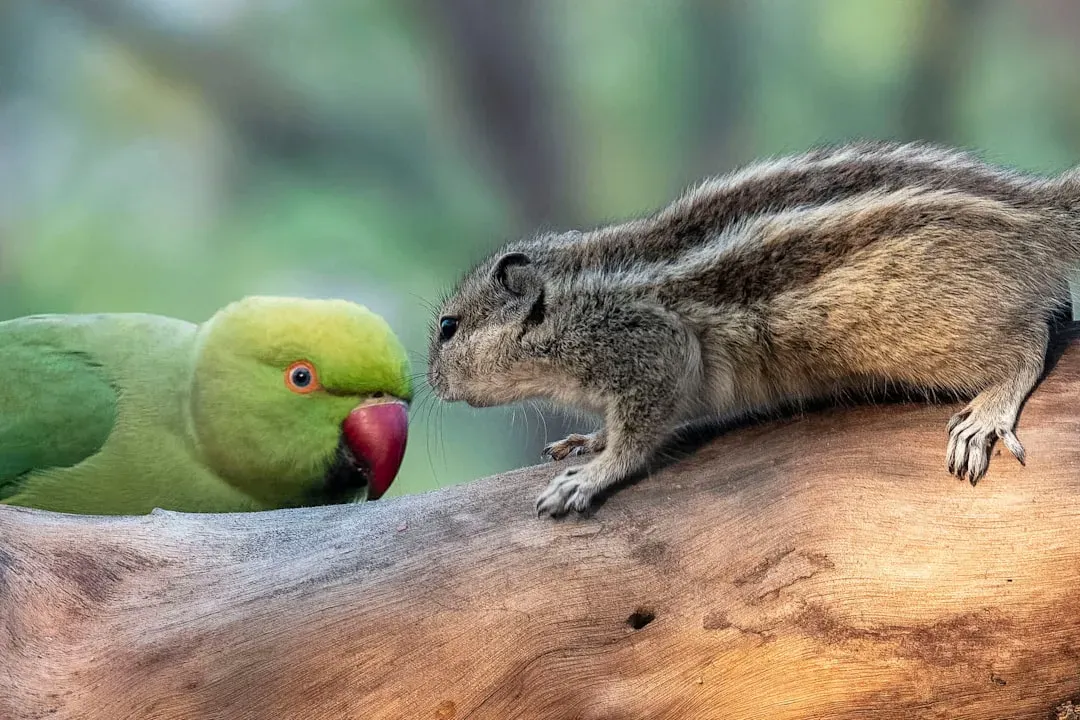
Squirrels don’t rely solely on their own senses to detect danger. They quietly monitor the social chatter of other species around them, using that information to make real-time decisions about their own safety.
A study conducted in Oberlin, Ohio, found that gray squirrels listen to bird chatter as an “all clear” signal. When the chatter stops or is replaced by alarm or “sentinel” calls from birds such as robins, chickadees, and tufted titmice, the squirrels assume the vigilant position. The authors concluded that the squirrels were “eavesdropping” on the birds to increase their ability to detect a threat.
This is a genuinely clever adaptation. Rather than expending their own energy constantly scanning for predators, they let the local bird network do some of the monitoring for them. It’s passive intelligence gathering, and it works.
They Don’t Actually Hibernate
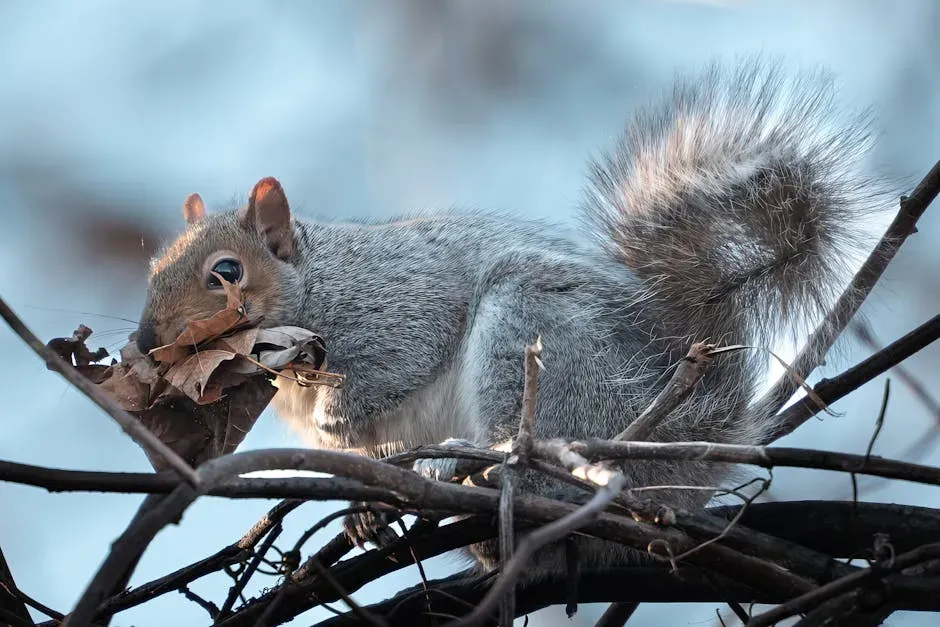
It’s a common assumption that squirrels disappear each winter, tucked away somewhere warm in a deep sleep. The reality is more nuanced, and more interesting.
Squirrels do not hibernate. To survive winter, squirrels hoard food and build nests to withstand the cold weather. Although squirrels do not hibernate, they can enter a state of torpor, which is similar to hibernation. Torpor is a state of decreased physiological activity and metabolic rate, which can help them conserve energy during the coldest periods.
As winter arrives and temperatures drop, tree squirrels will spend days sleeping in their nest. They do this by slightly lowering their heart rate, breathing, and body temperature, but not to the point of hibernation. On warmer days, they leave their nest on a mission to retrieve food from a buried stash or search for food.
An incredible aid in their winter feeding cycle is their olfactory ability, which is so powerful they are able to smell cached food under 30 centimeters of snow on top. So even in the depths of winter, under a thick white blanket, a squirrel’s nose leads it straight to breakfast.
Their Teeth Never Stop Growing
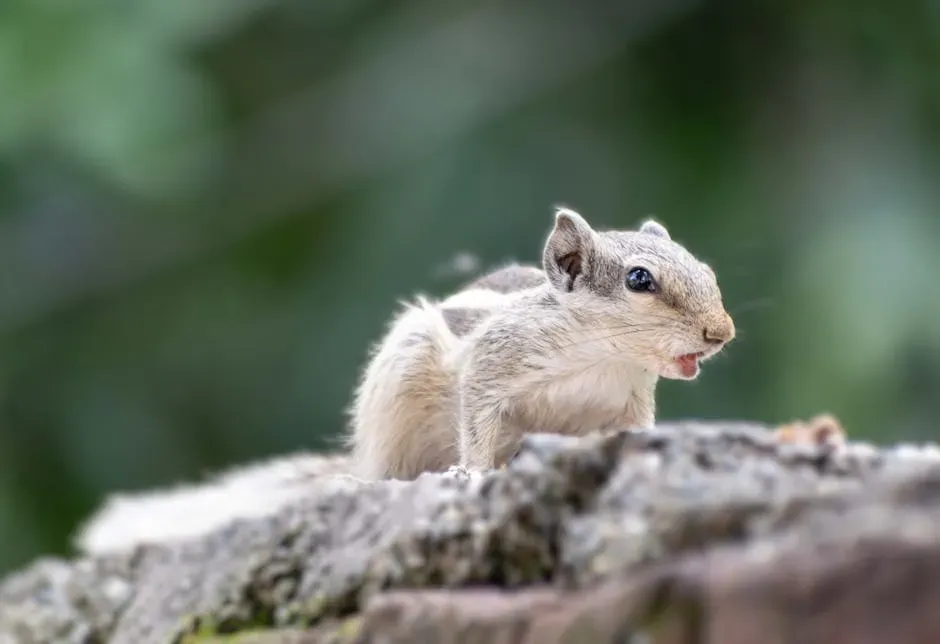
Squirrels belong to the rodent family, and one of the defining characteristics of all rodents is a set of incisors that grow continuously throughout their lives. For squirrels, this creates a biological imperative to chew constantly.
Squirrels have teeth that grow all the time. Their front teeth, called incisors, can grow up to 6 inches a year. To keep their teeth from getting too long, they chew on all kinds of things, like wood, nuts, and even wires. This constant gnawing helps file their teeth down to the right size.
As the squirrel caches food, the nut is cleaned and then rubbed on the face of the squirrel to attach a scent to the food, which in turn allows the squirrel a greater probability of finding the cache during the winter. The gnawing and the scent-marking are both part of the same survival toolkit, two behaviors that look simple on the surface but serve precise functions.
Squirrels Are Accidental Forest Gardeners
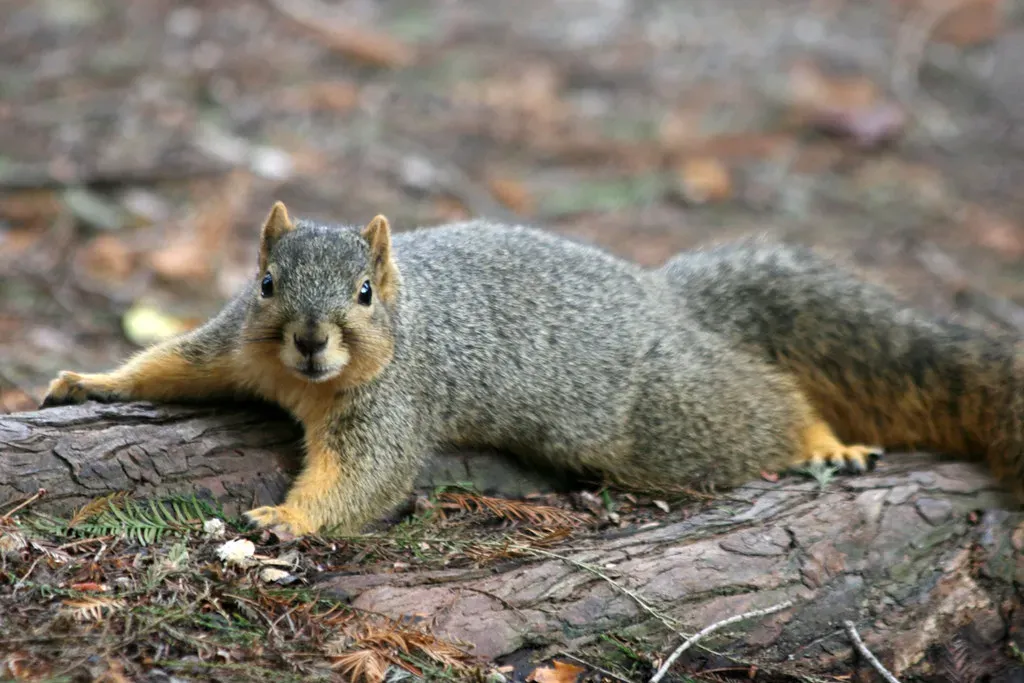
Perhaps the most underappreciated fact about backyard squirrels is the quiet ecological role they play. Their food habits have real consequences for the landscape around them, including the forests many people enjoy.
Squirrels do not always remember where they buried their food. Unrecovered nuts and seeds give way to germinating trees, which is why squirrels are known to play an important role in growing and maintaining forest tree populations.
Trees benefit from this relationship through seed dispersal strategy: trees deliberately overproduce seeds every few years to overwhelm the local squirrel population. This strategy, known as predator satiation, ensures that enough seeds remain in the ground to sprout into new trees, even after accounting for those consumed by wildlife.
Squirrels are not just another amusing character from cartoons or a playful denizen of our backyard. They play a crucial role in our ecosystem, acting as nature’s efficient gardeners, unknowingly planting thousands of trees each year. The next time one digs up your flower bed, it’s worth remembering that somewhere in the woods, another tree is growing because of exactly that habit.
Conclusion
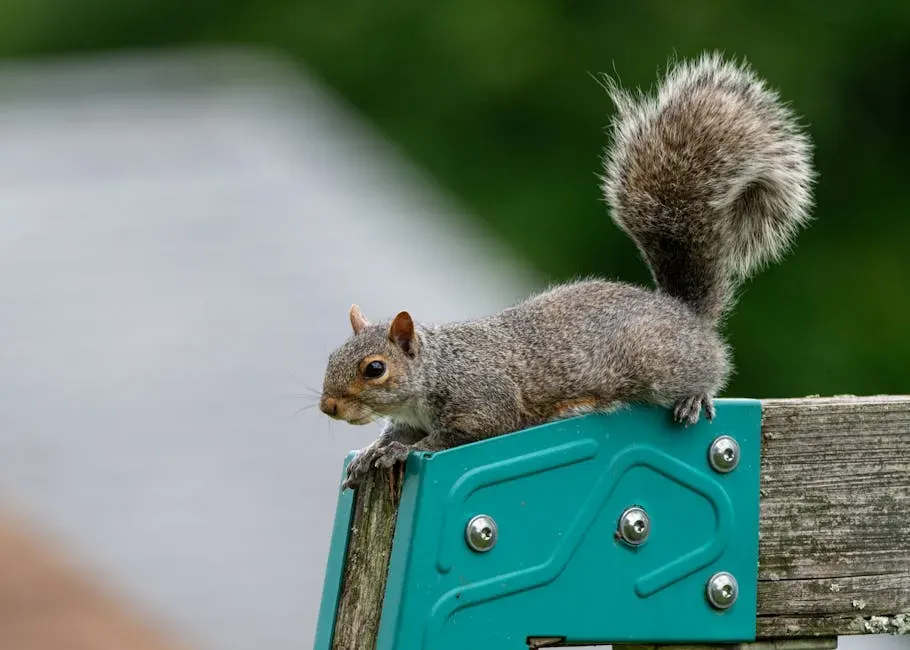
Squirrels occupy a strange place in how we think about wildlife. Common enough to be ignored, complex enough to reward real attention. The research paints a picture of an animal that plans ahead, deceives rivals, listens to the social landscape around it, and contributes to its environment in ways that outlast a single lifetime.
None of this requires seeing squirrels as anything other than what they are, small, resourceful mammals doing what they’ve evolved to do. Still, there’s something worth sitting with in the idea that a creature so ordinary is quietly running sophisticated cognitive operations in the oak tree at the end of your yard.
The backyard, it turns out, is a richer place than it looks.

- 7 Clever Tricks Animals Use to Outsmart Their Predators and Survive - July 22, 2026
- 10 Dog Breeds That Are Not Suitable for First-Time Owners - July 22, 2026
- 10 Ways the Creek (Muscogee) Shaped the Early American Southeast - July 22, 2026