

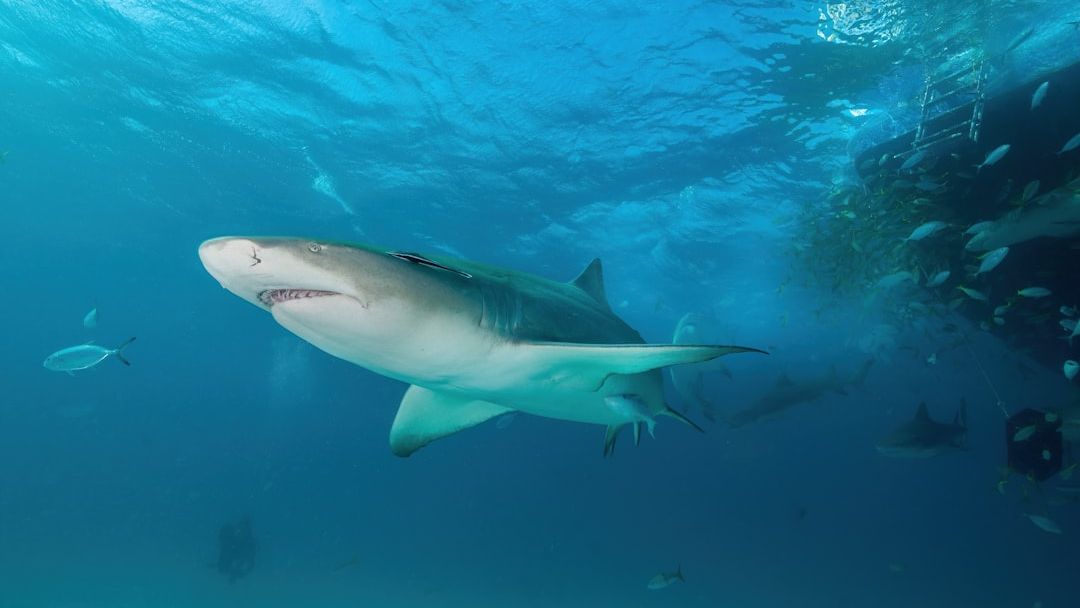
Diver Rayna Cassano swims with a massive lemon shark that rivals any loyal pup for affection. This 9-foot behemoth, a species known for its yellowish hue and powerful build, seeks her out on dives like an eager golden retriever craving pets. Their bond challenges everything people think they know about these ocean predators.
Encounters like this one off Florida and the Bahamas highlight sharks’ hidden sociable sides. Patience turns potential peril into playtime. What follows reveals how this friendship formed and why it matters now more than ever.
Forging Trust with a Gentle Giant
Rayna’s connection with her lemon shark buddy started years ago in the shallow waters near Bimini, Bahamas. These sharks, scientifically Negaprion brevirostris, can stretch up to 10 feet and tip the scales at over 400 pounds. Yet hers approaches with calm curiosity, nuzzling her hands during routine dives. Consistency proved key; repeated non-threatening visits built recognition over time. Fellow divers now flock to witness this mellow giant’s welcoming routine. Here’s the thing: such trust flips the script on solitary hunter stereotypes.
Playful Behaviors That Mimic Man’s Best Friend
The shark circles Rayna enthusiastically, wagging its tail and rubbing its head for attention, much like a retriever begging for a game of fetch. This dog-like energy persists across encounters, amplified by the animal’s sheer size. Lemon sharks boast sharp senses, including electroreception, which likely helps them ID familiar humans. Marine observers note these nudges signal comfort, not aggression. Rayna’s tales draw crowds eager for a glimpse of this joyful dynamic. Let’s be real, who wouldn’t want a shark pal this affectionate?
Meet the ‘Pitties of the Sea’ Counterparts
Rayna contrasts her laid-back lemon shark with rowdier types she dubs the pitties of the sea, akin to energetic pit bulls. Nurse sharks and reef dwellers charge during feedings, nipping bait and tumbling playfully. Their boisterous chaos adds thrill to dives, showcasing sharks’ personality range. Unlike her friend’s mellow vibe, these groups demand respect amid the fun. This nickname humanizes them, sparking empathy. Such variety keeps every outing unpredictable and alive.
Science Validates Shark Sociability
Experts like Dr. Samuel Gruber, a lemon shark research pioneer, confirm these animals hold long-term memories and return to favored sites. Studies at Bimini Biological Field Station show juveniles form hierarchies, while adults learn human tolerance. Their ampullae of Lorenzini detect bioelectric fields, aiding familiar face recall. Tagged tracking reveals stable populations open to coexistence. Rayna’s experiences align perfectly with this data. Coexistence thrives on respect, proving sharks far smarter than myths suggest.
Safety and Conservation in Shark Hotspots
Dives happen at protected Bimini reefs with pro guides enforcing no-touch rules and small groups. Protective gear and bait protocols keep stress low for everyone involved. Lemon sharks here flourish, aiding reef balance by curbing fish numbers. Overfishing threatens them, yet shark tourism boosts local economies sustainably. Rayna pushes education to ditch Hollywood fears. Unprovoked attacks remain vanishingly rare, zero fatalities lately.
Final Thought
Rayna’s shark saga inspires a rethink on ocean giants, blending awe with advocacy. These stories fuel communities sharing ethical dive tips worldwide. Imagine the impact if more saw sharks this way. What shark encounter would change your view?
Source: Original YouTube Video

- Urban Coyotes Show Remarkable Adaptability, Learning to Thrive in City Environments - July 22, 2026
- Beavers Are Nature’s Engineers, Creating Vital Habitats for Other Wildlife Species - July 21, 2026
- The Recovery of the California Condor Offers Hope for Other Critically Endangered Birds - July 21, 2026