

Most people shop for homeowner’s insurance thinking about the roof, the foundation, maybe a flood zone. Rarely does anyone walk into that conversation thinking about the family dog. Yet your pet’s breed can be one of the most quietly significant factors in what you pay – or whether you get covered at all.
Homeowner’s insurance premiums are not one-size-fits-all, and they can vary significantly due to a number of factors, including the specific dog breed residing in your home. In 2024, insurers paid out over $1.5 billion in claims for dog bites and related injuries, with the average claim exceeding $69,000. Those are numbers that underwriters simply cannot ignore.
What often surprises pet owners is which breeds make the list. Some are well-known, others genuinely catch people off guard. Here are twelve breeds that could quietly reshape your insurance options.
1. Pit Bull Terriers (and Related Types)

No breed appears on restricted lists more consistently than the pit bull type. For clarification, pit bulls as defined by insurance companies generally include Staffordshire Bull Terriers, American Pit Bull Terriers, American Staffordshire Terriers, Bull Terriers, or any combination of these breeds.
Controlled studies have not found pit bulls to be disproportionately dangerous, and the American Veterinary Medical Association has found that breed is a poor sole predictor of dog bites. Still, the insurance industry leans on historical claim data, and that data has made this group of breeds one of the most restricted in the country.
Depending on the insurer, owning one of these breeds could lead to higher premiums, specific exclusions for your dog, or even denial of coverage. It’s worth calling your insurer before bringing one home.
2. Rottweilers

Rottweilers are considered highly affectionate with family and more neutral with strangers, making them vigilant watchdogs. They can weigh as much as 135 pounds, on average. That combination of size, strength, and protective instinct places them near the very top of most restricted breed lists.
Some insurers, like Farmers, typically only restrict coverage for pit bull breeds, rottweilers, and wolf hybrids – a short list that speaks to just how seriously this breed is treated by underwriters. The liability potential from a bite incident involving a dog of this size is simply too significant for many carriers to absorb.
3. German Shepherds
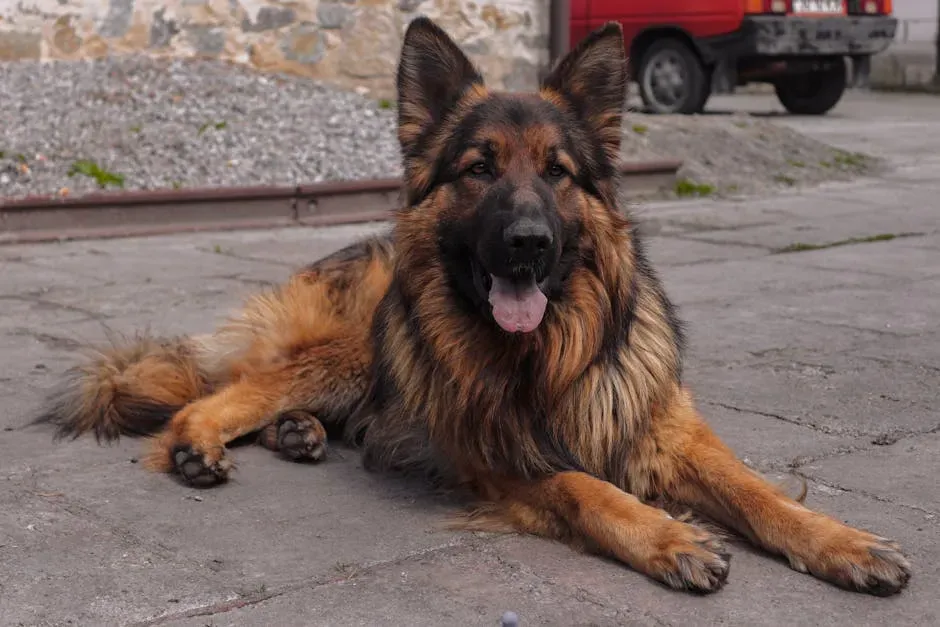
It might genuinely surprise some owners to find German Shepherds on this list. Consistently one of the most popular breeds and often used in police work, German Shepherds are praised for their intelligence and loyalty, and they are highly affectionate, eager to please, and great with kids.
Breeds commonly found on restricted lists include Pit Bulls, Rottweilers, and German Shepherds. Their working-dog heritage, size, and strong protective instincts are what give insurers pause. These breeds are viewed as having a greater potential to cause harm based on their size, strength, and historical incident rates.
4. Doberman Pinschers
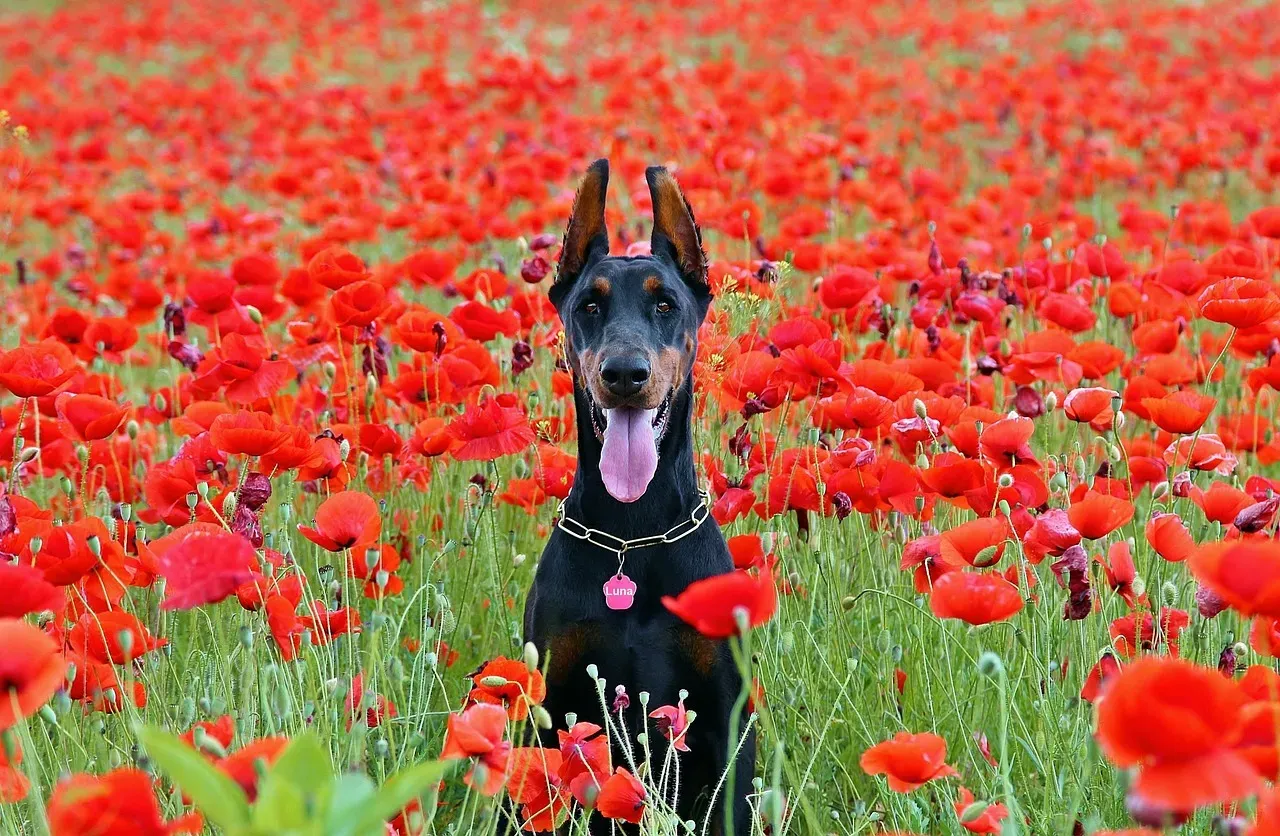
Doberman Pinschers are known to be intelligent, alert, and loyal companions, which is also why they tend to make excellent guard dogs. Their reputation as a guard breed is precisely what puts them on the radar of insurance underwriters.
In the hands of a bad trainer, Dobermanns can be headstrong and stubborn. The dog was bred as a personal protection dog, which is why they can be stereotyped as ferocious and aggressive. That stereotype, fair or not, carries real weight when policies are being written. Many carriers will either charge more or exclude dog-related liability entirely.
5. Chow Chows

The Chow Chow is one of the more surprising entries on this list, given their famously aloof and sedentary personality. The Chow Chow is a dog breed that originated in northern China. They are one of the native dogs used as the model for the Foo dog, the traditional stone guardians found in front of Buddhist temples and palaces. They are also famous for being fiercely protective and resistant to training.
Owning a Chow Chow can raise the cost of your homeowner’s insurance because some companies consider them high-risk dogs. Their tendency to bond deeply with one person and remain suspicious of strangers is at the core of this classification. Some owners describe their personality as almost cat-like, yet the insurance industry sees something closer to a liability.
6. Akitas

Widely considered the national dog of Japan, the Akita’s ancestors were bred to hunt a variety of animals, including bears. Akitas are considered one of the most dominant dog breeds around. That dominance, combined with their imposing size, is enough to land them on restricted lists across the country.
Many insurance companies do not cover Akitas, and this extends in many cases to mixes that include any Akita lineage. Dog owners should know that it is unlikely that insurance providers will take an individual dog’s behavior into consideration when providing or denying liability insurance coverage. That’s a hard reality for Akita owners who know firsthand how loyal and gentle their dogs can be.
7. Siberian Huskies
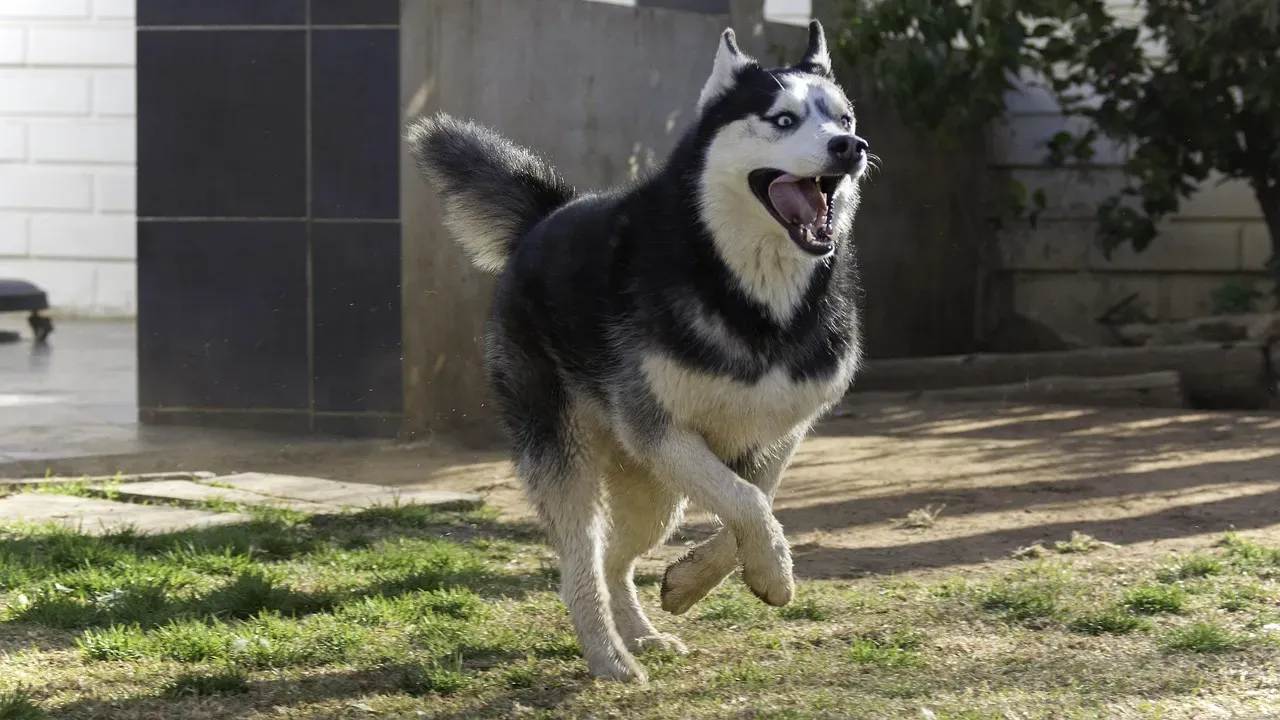
Huskies are beloved for their striking looks and playful energy, which makes their appearance on restricted breed lists genuinely catch people off guard. The challenge with Huskies is their high energy level and escape artist tendencies. While they’re generally friendly dogs, their ability to jump fences and their strong prey drive can lead to situations that result in insurance claims.
The high-energy Siberian Husky tends to weigh under 60 pounds and stand less than 2 feet tall – not a giant by any measure. Yet their unpredictability in unfamiliar situations and their history as working sled dogs with strong prey instincts are enough for many insurers to flag them. They appear regularly on comprehensive restricted breed lists alongside much larger dogs.
8. Alaskan Malamutes
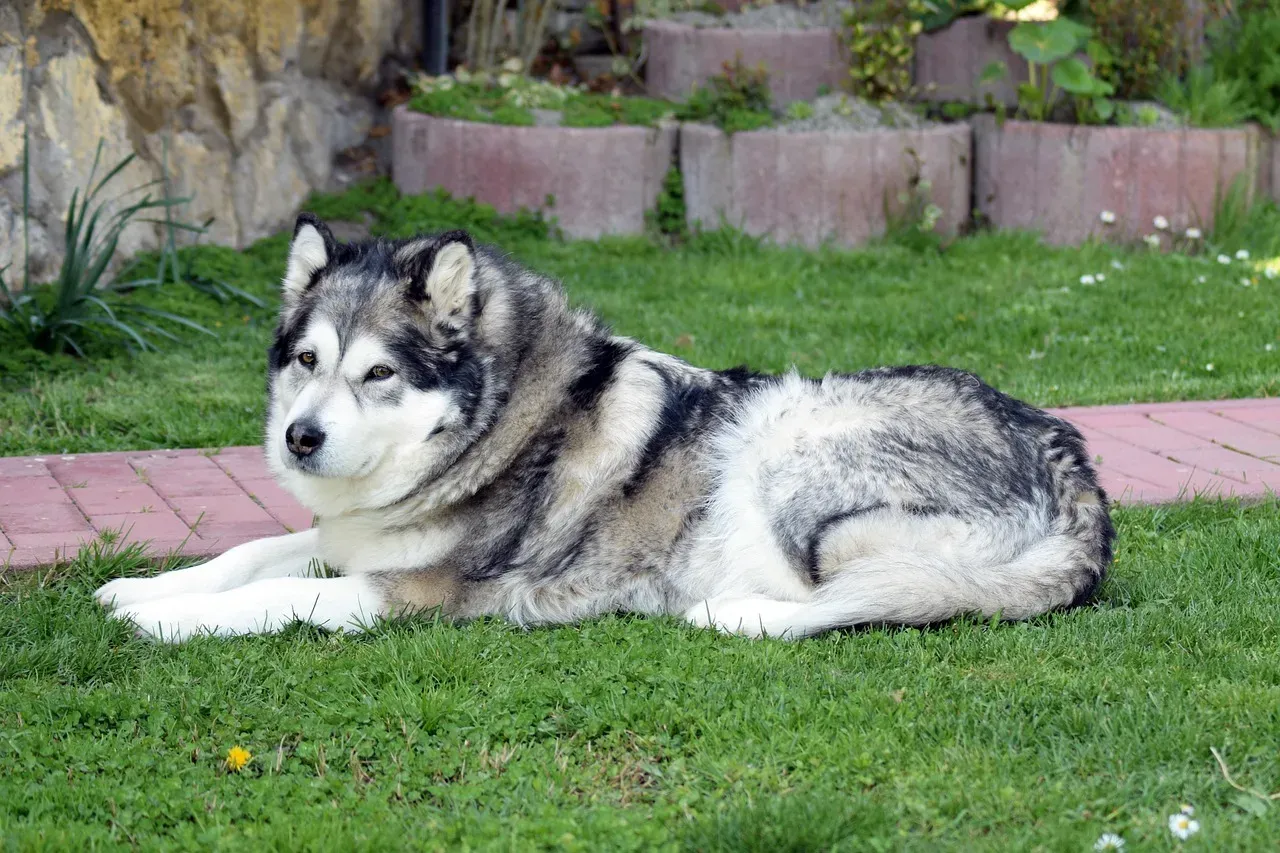
Alaskan Malamutes are large dogs related to other arctic breeds, such as the Siberian Husky and Eskimo Dog. They were originally bred for their strength and endurance to haul heavy freight. Malamutes, like other northern and sled dog breeds, can have a high prey drive due to their origins and breeding.
Insurance companies often view this strength as a potential liability rather than recognizing the gentle nature most Malamutes display with proper training and socialization. Still, Malamutes are very fond of people, a trait that makes them particularly sought-after family dogs – but their hunting instincts mean insurance companies are wary of them.
9. Great Danes

Few things feel more contradictory than a “gentle giant” landing on an insurance restricted list. The Great Dane is a German breed known for its giant size. Their large and imposing appearance goes in contrast with their friendly nature. They are known for loving affection from their owners and are often referred to as gentle giants.
If not properly socialized, a Great Dane may become fearful or aggressive toward strangers, which is why insurance providers have placed Great Danes on their lists of aggressive dogs. When a dog weighs over 200 pounds, even playful behavior can result in serious injuries – and that physics-based risk is not lost on underwriters, regardless of temperament.
10. Wolf Hybrids
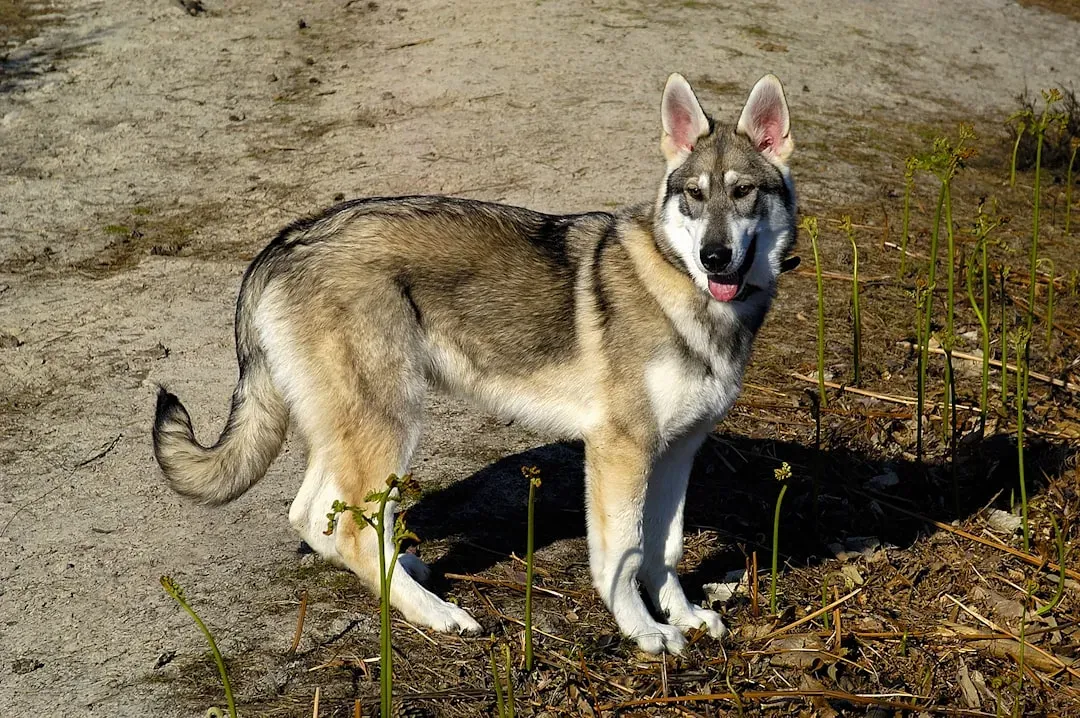
A descendant of the wolf mixed with domesticated dogs, Wolf Hybrids are unique in that they exhibit a combination of domesticated and wild behaviors. This combination can result in unpredictable and potentially dangerous behaviors, causing many insurance companies to restrict coverage for homeowners who have a Wolf Hybrid on the premises.
Wolfdogs are extremely territorial animals and tend to not do well inside a house. They typically don’t do well with any interaction with people or animals they are unfamiliar with and also require a lot of care. It’s one of the few cases where the insurance industry’s caution is broadly shared by animal behaviorists as well.
11. Presa Canarios (Canary Dogs)

So-called Canary dogs are especially suited to guarding and were traditionally used for herding cattle. The breed isn’t known to be particularly affectionate with anyone – children, other dogs, strangers, or even family. That combination of guarding instinct and emotional distance from humans is about as close to a red flag as insurers can find.
The Presa Canario appears on nearly every major restricted breed list in the United States. Some dog breeds are perceived and statistically shown to pose a higher risk of causing injury or property damage, leading to more frequent or more costly insurance claims. For a breed with this dog’s physical power and guarding history, that perception carries real weight with carriers.
12. Staffordshire Bull Terriers
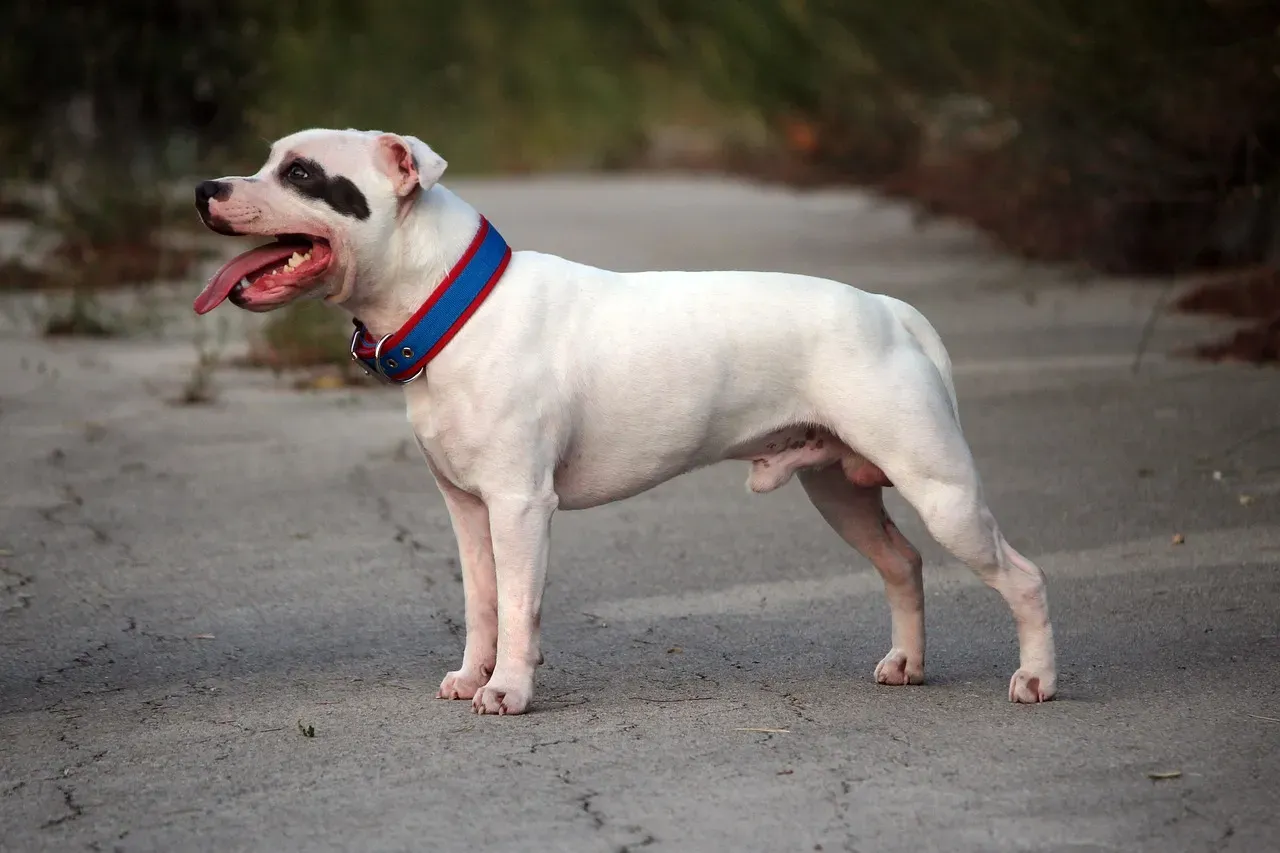
Staffordshire Terriers are medium-sized, short-coated dogs considered to be within the pit bull type, and therefore carry a reputation for aggressiveness. They are known to fight when challenged, especially when encountering stranger dogs. The breed is also considered by many to be headstrong and stubborn.
Many experts have found that Staffies can be great dogs if they have a great owner who introduces proper socialization from a young age. That nuance, however, rarely makes it into an underwriting decision. Even if your dog has no history of being aggressive, insurance companies tend to err on the side of caution when developing their list of ineligible dog breeds.
What You Can Actually Do About It

Owning a restricted breed doesn’t automatically mean you’re without options. Some insurance companies don’t automatically reject dog owners based on breed. In these cases, they may still offer coverage if you provide proof of your dog’s good behavior, such as a veterinarian’s letter, a Canine Good Citizen certification from the American Kennel Club, or an in-home evaluation by an insurance agent.
A growing number of insurers and states are moving toward behavior-based approaches that focus on an individual dog’s history rather than the breed alone. A few states have passed laws limiting or banning breed-specific insurance restrictions. Shopping across multiple carriers is genuinely worth the effort. State Farm does not consider dog breed at all when you get a quote for home insurance – you’ll only need to answer questions about your dog’s bite history. In addition to State Farm, other insurance companies that provide insurance to dog owners regardless of breed include USAA and Chubb.
Always disclose your dog’s breed accurately on the insurance application and rental agreement. Misrepresenting or hiding a dog can lead to denied claims when you need coverage most. Transparency, even when uncomfortable, is always the smarter financial move.
Conclusion

The relationship between pet ownership and home insurance is one of the more underappreciated corners of personal finance. Most people discover it only after the policy is already written – or worse, after a claim is denied.
Selecting the right dog breed for your family is not only about finding a pet that fits into your home and lifestyle, but it’s also about ensuring you will still be financially protected in the event of a dog-related claim. That’s not a reason to avoid certain breeds, but it is a reason to go in with open eyes.
The breeds on this list are not bad dogs. Many are deeply loving, loyal, and misunderstood. The insurance industry’s view of them is shaped by aggregate data and liability mathematics, not by the individual animal in your living room. Knowing that distinction – and knowing your policy – puts you in the best position to protect both your household and your pet.

- 23 Things Hospice Vets Wish Every Family Knew Before a Dog's Final Weeks - July 14, 2026
- The American Bison’s Comeback Story Is a Testament to Conservation Success - July 14, 2026
- How Do Cats Show They Trust You? - July 14, 2026