

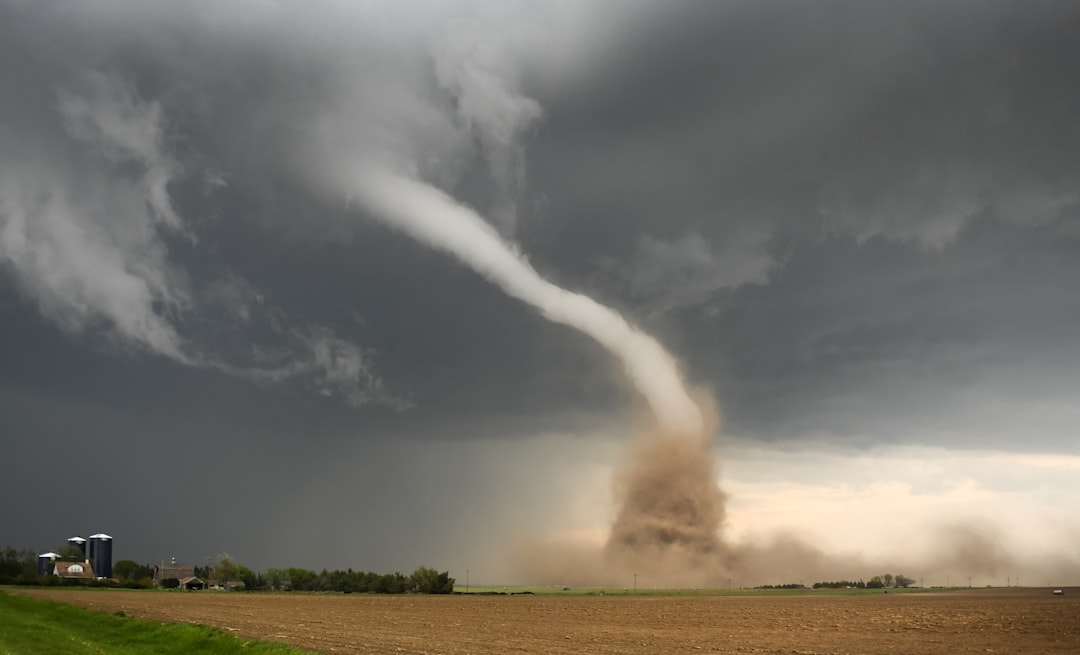
Lena, Illinois – A ferocious high-end EF2 tornado ripped through this quiet village of nearly 3,000 residents on Friday afternoon, downing trees, snapping power lines, and inflicting severe structural damage.[1][2] The twister, with estimated peak winds near 130 mph, marked the most intense impact from a broader severe weather outbreak that unleashed more than 20 tornadoes across the Midwest.[3] Communities from Missouri to Minnesota now assess the wreckage, grateful for the absence of fatalities amid the chaos.
Lena Bears the Brunt of Friday’s Fury
The tornado touched down along Highway 20 southwest of Lena around 3:32 p.m., carving a path directly through the village before lifting southwest of McConnell.[1] Residents witnessed roofs stripped from buildings, siding torn away, and three homes suffering extensive damage, including collapsed walls. Trees lay uprooted across roads, blocking access and complicating initial response efforts. Power outages plunged parts of the area into darkness, while debris from demolished garages and fences littered the landscape.
Local schools sustained hits, with portions of the high school roof peeled back during an ongoing music competition.[2] Vehicles bore scars from falling branches and flying objects, echoing early reports of downed trees damaging cars. Stephenson County Sheriff Steve Val Stovall noted the community’s fortune, stating that the storm spared lives despite its ferocity. Survey teams from the National Weather Service confirmed the high-end EF2 rating, highlighting possible multi-vortex characteristics in the storm.
Tornadoes Fan Out Across the Heartland
The Lena event formed part of a larger assault, with supercell thunderstorms spawning twisters in multiple states. In nearby areas, additional EF1 tornadoes struck Hancock and McDonough counties in Illinois, snapping dozens of utility poles and uprooting trees.[1] Further afield, an EF3 tornado leveled homes in Buffalo County, Wisconsin, while an EF2 near Rochester, Minnesota, scattered debris through neighborhoods.
Damage reports poured in from other hotspots:
- Ringle and Kronenwetter, Wisconsin: About 75 homes damaged, some demolished, with residents briefly trapped in basements before rescue.[4]
- Belton, Missouri: Homes and power infrastructure hit, roads blocked by fallen lines.
- Olmsted County, Minnesota: At least 30 homes affected, prompting temporary shelters.
- Howard County, Iowa: One injury from a tornado that damaged a residence and vehicle.[3]
Strong winds exceeding 70 mph and hail up to 3 inches compounded the threats, toppling semis and shredding barns in eastern Iowa and northeast Missouri.[1] Over 100 homes sustained damage regionwide, though emergency managers reported no deaths.
Communities Rally in the Aftermath
Response teams moved swiftly to clear debris and restore power. In Lena, authorities restricted access to damaged zones for safety assessments. Neighbors in Wisconsin pitched in to free trapped individuals and haul away wreckage, while utilities like Wisconsin Public Service warned of prolonged outages.
Door-to-door welfare checks in Minnesota ensured all residents were accounted for. Organizations such as the Community Foundation of North Central Wisconsin partnered with local United Way chapters to distribute aid. NWS crews planned weekend surveys to refine tornado ratings and paths, aiding insurance claims and future warnings. Marathon County Sheriff Chad Billeb emphasized the scale of recovery ahead after 34 years in service.
Meteorological Context and Forward Outlook
Thunderstorms ignited along a cold front in southeast Minnesota and western Wisconsin, evolving into supercells that tracked eastward. The outbreak peaked north of Interstate 90, prompting a record 26 tornado warnings from NWS La Crosse.[5] While the immediate threat subsided, forecasters monitored residual moisture for lingering risks.
Resident Rachel Nemon captured the shock, observing a massive tree uprooted amid flying sparks: something more akin to online videos than small-town reality. Such events underscore the Midwest’s vulnerability during spring storm season.
Key Takeaways
- High-end EF2 tornado caused Lena’s worst damage, with no serious injuries reported.
- Over 20 tornadoes confirmed across six states, damaging 100+ homes.
- Swift local responses prevented fatalities; surveys continue for full impact.
As cleanup progresses, the Midwest demonstrates resilience once more. These storms remind residents of nature’s power and the value of preparedness. What steps are you taking for severe weather season? Share in the comments.

- Urban Coyotes Show Remarkable Adaptability, Learning to Thrive in City Environments - July 22, 2026
- Beavers Are Nature’s Engineers, Creating Vital Habitats for Other Wildlife Species - July 21, 2026
- The Recovery of the California Condor Offers Hope for Other Critically Endangered Birds - July 21, 2026