

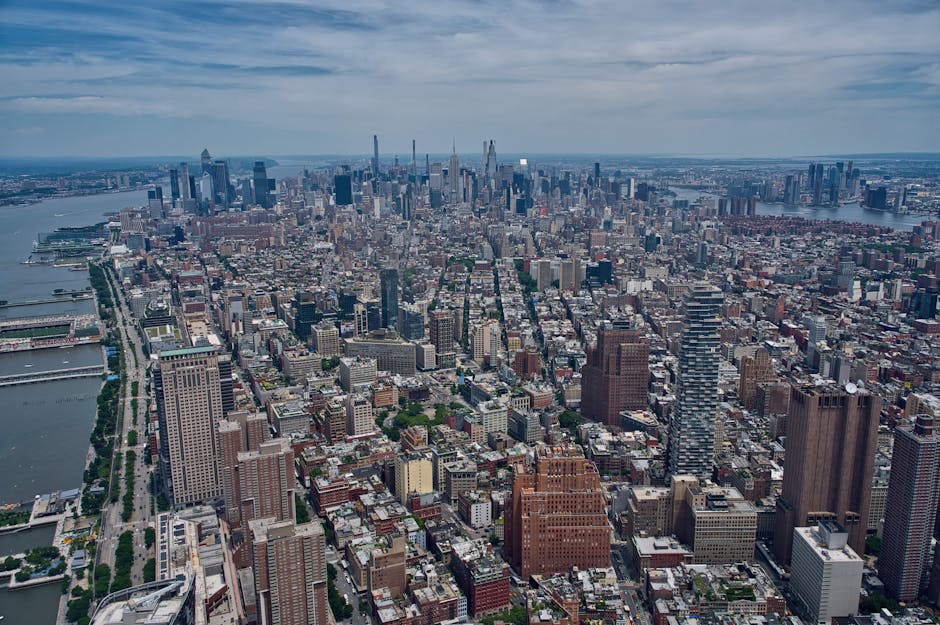
New York City – Residents traded shorts for coats in mere days as the Northeast experienced one of its most dramatic weather shifts this spring. Central Park and surrounding areas shattered temperature records last week with summer-like highs near 90 degrees Fahrenheit. Now, freeze watches cover much of the region, signaling overnight lows that threaten tender new growth.[1][2]
Record Heat Ignites Early Summer Vibes
On April 15, Central Park clocked 90 degrees after 3 p.m., eclipsing the previous mark of 87 degrees from 1941. This marked the first time the mercury hit that level since last August. The heat wave caught many off guard, prompting New Yorkers to flock to parks and beaches amid unseasonably balmy conditions.[2]
Several nearby stations also toppled their benchmarks. Newark reached 90 degrees, topping 88 from 2024. LaGuardia Airport hit 88, surpassing 86 set in 1941. Further out, Islip recorded 81 to beat 78 from 2024, while Bridgeport notched 82 over 81 from 1960. Temperatures climbed steadily through the week, fueled by a persistent warm air mass.[2]
- Central Park: 90°F (new record, prev. 87°F in 1941)
- Newark: 90°F (prev. 88°F in 2024)
- LaGuardia: 88°F (prev. 86°F in 1941)
- Islip: 81°F (prev. 78°F in 2024)
- Bridgeport: 82°F (prev. 81°F in 1960)
Cold Front Charges In from the North
A powerful cold front swept away the warmth, ushering in Canadian air that plunged readings sharply. On Monday, highs struggled in the 40s from western New York into New England. Overnight temperatures dipped near freezing across the Mid-Atlantic coast, with interior zones bracing for the 20s.[3][4]
Freeze watches activated early in the week, highlighting risks to agriculture and early blooms. Meteorologists pointed to the classic spring pattern clash: lingering southern warmth yielding to northern chill. This replacement air mass delivered the season’s most abrupt cooldown yet.[3]
Widespread Alerts Blanket Millions
Frost and freeze advisories stretched from the Midwest to the Northeast, impacting roughly 81 million people through Tuesday morning. Interior New England, upstate New York, Pennsylvania, and West Virginia faced hard freezes with lows in the 20s. Coastal spots saw milder but still chilly conditions in the upper 30s.[5]
| Location | Forecast Lows | Alert Type |
|---|---|---|
| Interior New England | 20s | Hard Freeze |
| Upstate NY / PA | 20s-30s | Freeze Watch |
| Mid-Atlantic Coast | Near 32°F | Frost Advisory |
Gardeners and farmers hurried to protect plants, as sub-freezing air posed threats to fruit trees and vegetables just emerging. Power demands ticked up slightly with heating needs returning unexpectedly.
Spring Weather’s Inherent Volatility
Such swings underscore the Northeast’s unpredictable April transitions. Warm fronts from the south battle cold outflows from Canada, creating steep gradients. Last week’s heat stemmed from a stalled high-pressure system, now displaced by low pressure ushering arctic air.[6]
Experts noted this as a textbook example of seasonal jet stream shifts. While not unprecedented, the 50-degree-plus drop highlighted climate patterns amplifying extremes. Still, no major disruptions emerged beyond routine advisories.
Key Takeaways
This rollercoaster reminds us of spring’s fickle nature in the Northeast—one day summer beckons, the next winter whispers back. As temperatures rebound later this week, residents can expect steadier mildness. What impacts did this swing have in your area? Share in the comments.

- Urban Coyotes Show Remarkable Adaptability, Learning to Thrive in City Environments - July 22, 2026
- Beavers Are Nature’s Engineers, Creating Vital Habitats for Other Wildlife Species - July 21, 2026
- The Recovery of the California Condor Offers Hope for Other Critically Endangered Birds - July 21, 2026