
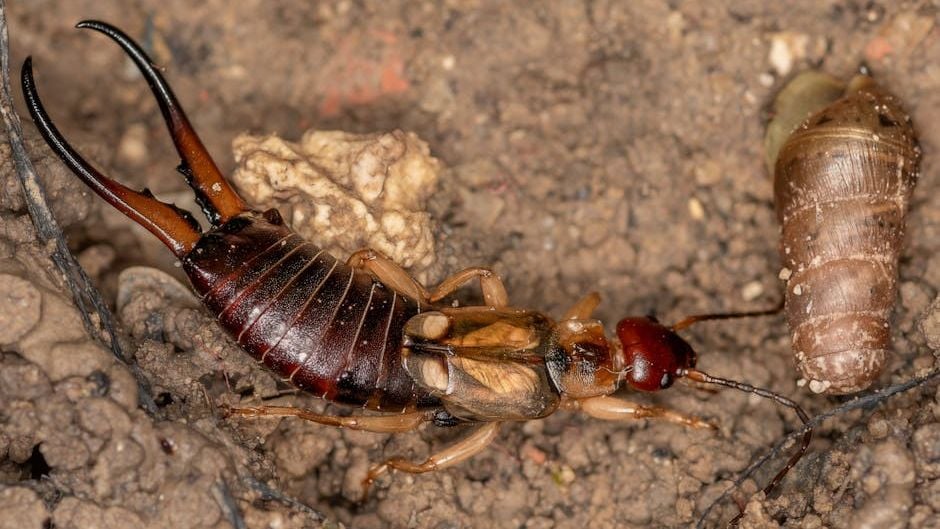
Most gardeners know to fear the aphid and celebrate the bee. The rest of the story, though, is far more interesting. Beneath your feet, across every leaf, and tucked inside every hollow stem, an entire society of insects is quietly running the show. They control pests, rebuild soil, carry pollen, and break down the dead. Without them, a garden doesn’t thrive. It barely survives.
Of the roughly one million known insect species, less than one percent are considered genuinely harmful to plants, animals, or human landscapes. That’s a striking number when you consider how readily most people reach for a spray bottle at the first sign of a bug. The overwhelming majority of insects in your garden are either harmless or actively working in your favor. Understanding which ones, and what they do, changes how you garden entirely.
The Pollinators: Far More Than Just Bees
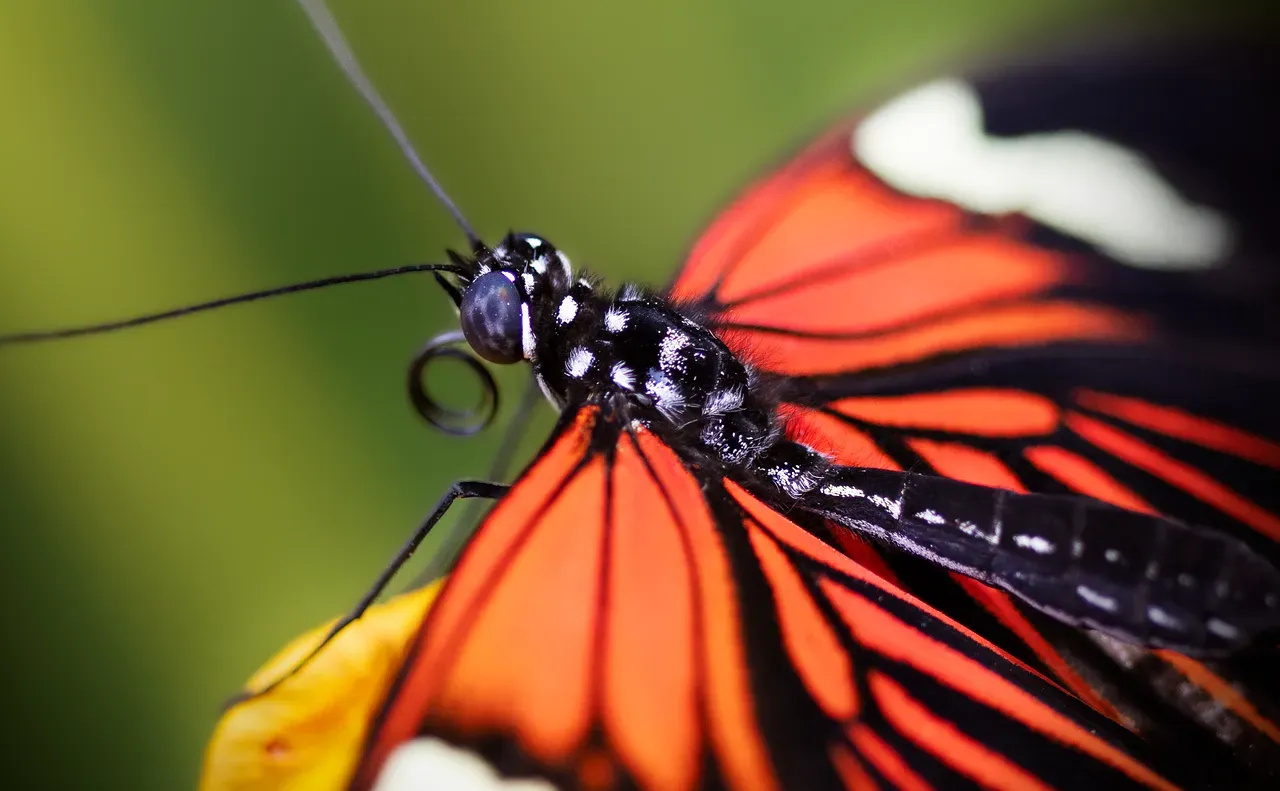
Bees get most of the credit, and it’s deserved. Three-fourths of the world’s flowering plants and roughly a third of the world’s food crops depend on animal pollinators to reproduce, which translates to about one in every three bites of food you eat. That’s a remarkable dependency for creatures most of us barely notice.
Still, the pollinator world extends well beyond the familiar honeybee. There are approximately 900 species of flower flies in North America alone, and as larvae many are ravenous predators of soft-bodied insects like aphids. A single flower fly larva can consume as many as 50 aphids per day, while in their adult stage they become important pollinators, visiting a wide variety of flowers to feed on nectar and pollen.
Butterflies are considered beneficial pollinators, though their larvae eat plants. Hover flies, by contrast, are predators while young but transition to pollinating as adult flies. It’s a reminder that the same insect can serve different ecological roles across its own lifespan. The garden is rarely as simple as it looks from above.
Nature’s Pest Control: Predators Working Without a Paycheck
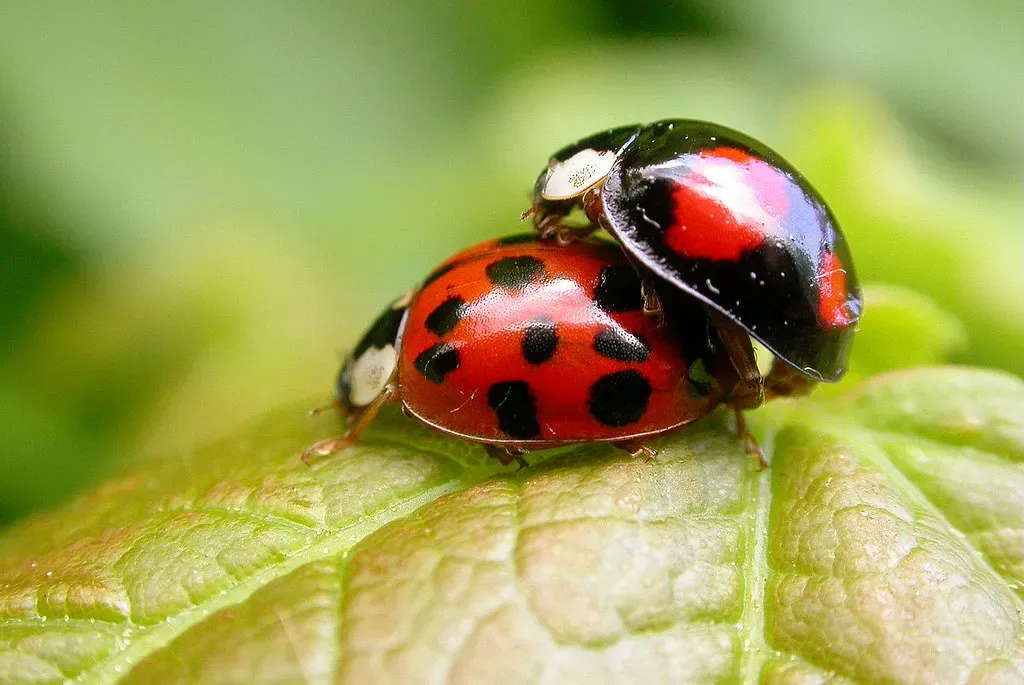
Beneficial insects such as ladybugs, lacewings, and praying mantids help regulate pest populations by preying on or parasitizing harmful insects, and encouraging these natural allies reduces the need for chemical insecticides. This isn’t just a nice idea; it’s a functional, self-sustaining system that has been operating in gardens long before pesticides existed.
A single lady beetle may consume up to 5,000 aphids in its lifetime. That figure alone makes a strong case for tolerating a few uninvited guests. With approximately 475 species in North America, lady beetles are highly regarded as voracious predators of agricultural pests, with most specializing in aphids or scale insects.
Lacewing larvae are voracious predators of aphids and other soft-bodied pests, feeding on them in large quantities to keep your garden free of harmful insects, while lacewing adults also pollinate flowers while feeding on nectar. Few insects manage that kind of double duty quite as elegantly. Beneficial insects broadly fall into two primary groups: predators, which actively hunt, kill, and consume pests, and parasitoids, which use other insects as hosts on which their larvae feed and eventually kill.
Soil Engineers: The Work Happening Beneath Your Feet
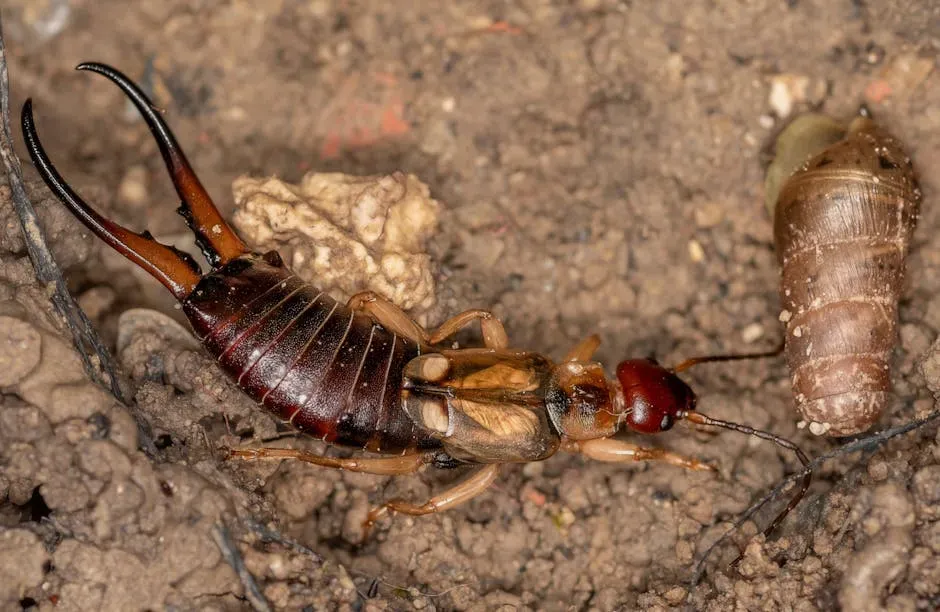
Soil-dwelling insects break down organic matter in the soil, converting nutrients into forms best used by plants. It’s unglamorous work, but it’s foundational. Everything that grows above ground depends on what these creatures are doing below it.
Earthworms tunnel through the soil, aerating it and allowing water and nutrients to reach plant roots more easily. They also break down organic matter such as fallen leaves and compost into nutrient-rich humus, which improves soil texture and provides essential nutrients for plants. Spotting earthworms when you dig is genuinely a good sign.
Other soil-dwelling invertebrates, such as springtails, ants, dung beetles, and ground beetles, help with improving soil health, breaking down organic matter, spreading beneficial fungi, and reducing pathogens. Through their various behaviors, insects influence key processes such as nutrient cycling, soil structure maintenance, and organic matter breakdown. It’s a full-time operation with no days off.
The Threat from Pesticides and Habitat Loss
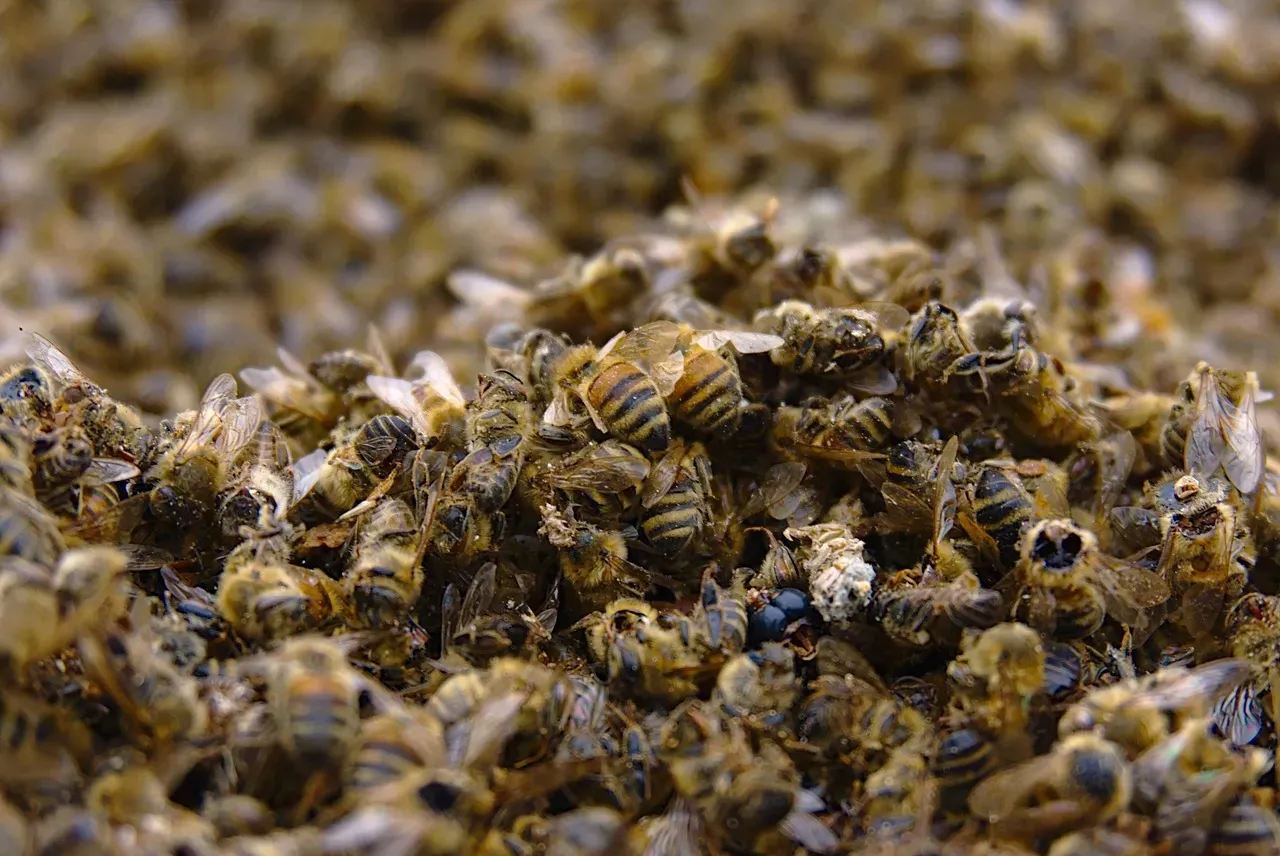
The expansion of urban, suburban, and agricultural areas reduces pollinator habitat and access to food, while pesticide applications expose bees, butterflies, and other beneficial insects to acute and sublethal levels of chemicals, which can result in reproductive abnormalities, impaired foraging, and even death. The damage, in many cases, is invisible until it’s already done.
Synthetic pesticides can wipe out both beneficial insects and pollinators. Instead, organic solutions such as neem oil, insecticidal soaps, or companion planting can deter pests naturally. These alternatives require more patience and observation, but they don’t compromise the broader system.
Gardeners hoping to support beneficial insects must tolerate a few pest insects in the garden. Some predatory insect species can survive on pollen and nectar in the absence of pests, but most need a few pests around for continued survival. This is a harder mindset shift than it sounds, but it’s an honest one. A perfectly pest-free garden is also a garden with no natural defenses.
How to Make Your Garden a Place Insects Want to Stay
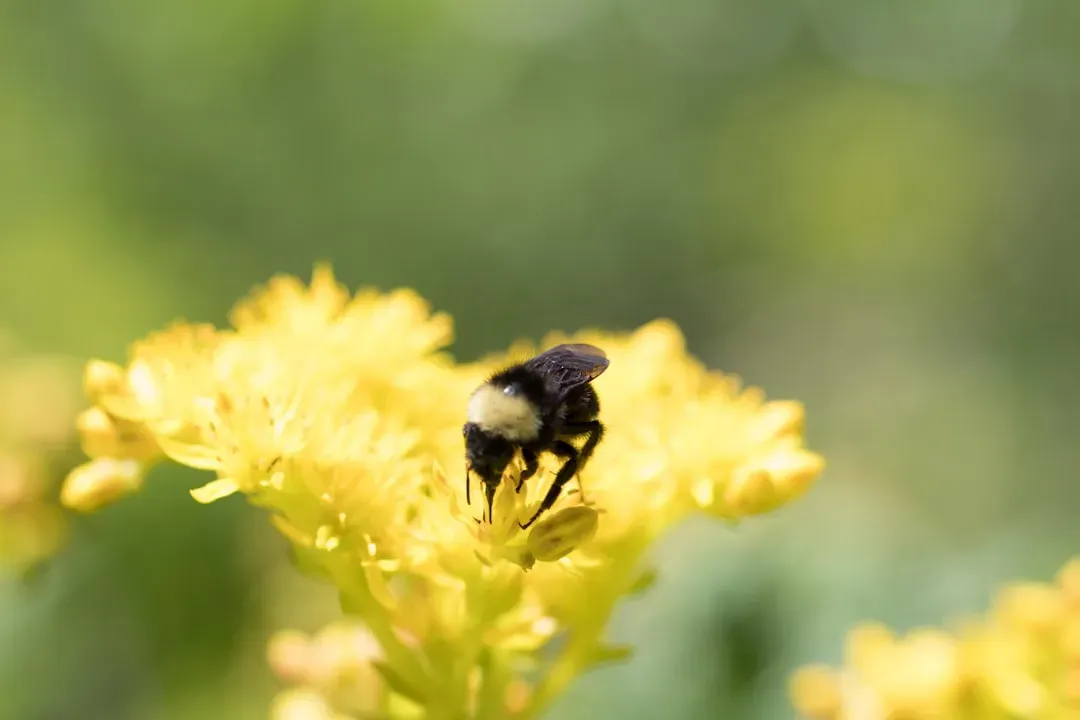
Plant selection directly affects beneficial insect populations, and the concept of habitat management can lead to increases in pollinating and other beneficial insect populations, contributing to improved pollination of plants, biological pest control, and a reduced need for pesticides. Choosing the right plants is genuinely one of the most powerful levers a gardener has.
Garden spaces well-suited for beneficial insects have a diversity of flower types, shapes, and colors, since diverse flowers provide pollen and nectar for a broader range of insects. Bee species are adapted to flowers of specific sizes and shapes, with long-tongued bees utilizing deeper-throated flowers like penstemons, while smaller bees prefer easily accessible blooms such as aster and goldenrod.
Common herbs such as rosemary, oregano, basil, marjoram, and borage are excellent pollinator plants, and allowing unharvested fruits and vegetables to bolt and go to flower adds extra pollinator and beneficial insect food. Leaving some garden debris like leaf piles and logs also provides vital habitat for ground-dwelling beneficial insects. Small choices, made consistently, add up to a garden that works with nature rather than against it.
Conclusion
There’s something quietly reassuring about realizing how much your garden can manage on its own, given the right conditions. The insects that live in it aren’t incidental. They’re structural. Pollinators keep plants reproducing, predators hold pest populations in check, and soil engineers maintain the fertility that makes any of it possible.
The roles that beneficial insects perform in the garden are sometimes referred to as “ecosystem services,” processes that occur in the ecosystem that happen to benefit humans. That framing is useful because it shifts insects from nuisances to essential contributors. They’re not guests in your garden. In a real sense, you’re working in theirs.
The most effective thing most gardeners can do is simply get out of the way. Reduce pesticide use, plant with diversity in mind, and leave a few corners a little wild. The insects will find them, and what follows tends to be a garden that’s healthier, more resilient, and far more alive than any amount of chemical intervention could achieve.

- These Incredible Insects Play a Vital Role in Your Garden’s Health - July 12, 2026
- 8 Unique Animals That Call Florida Wetlands Home - July 12, 2026
- 6 Wild Theories About Lost Civilizations and Their Downfall - July 12, 2026