
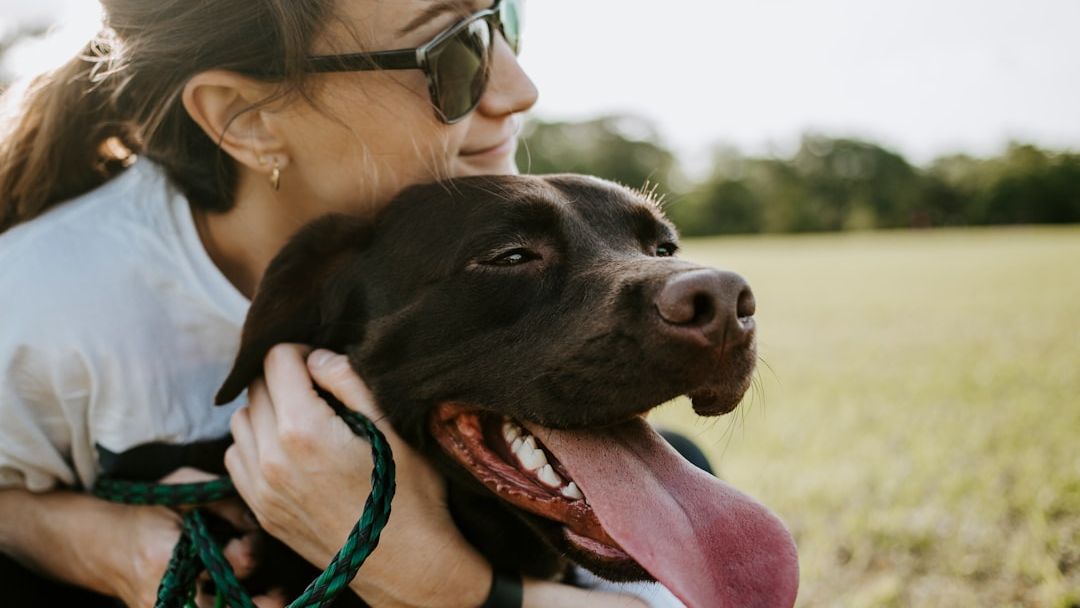
There’s a good chance your dog has said “I love you” a dozen times today and you didn’t notice. Not because they were hiding it, but because their language is entirely their own. No words. No greeting cards. Just a tail, a nose, a pair of soft eyes, and a thousand quiet gestures that mean more than most people realize.
While it’s impossible to say that dogs experience love exactly like we do, science suggests that dogs love us in their own way. The neurobiology of “love” involves hormones like oxytocin, dopamine, serotonin, and norepinephrine, and dogs have all of them, which play a powerful role in shaping their emotional experiences. Once you know what to look for, their affection becomes remarkably readable.
1. The Full-Body Tail Wag
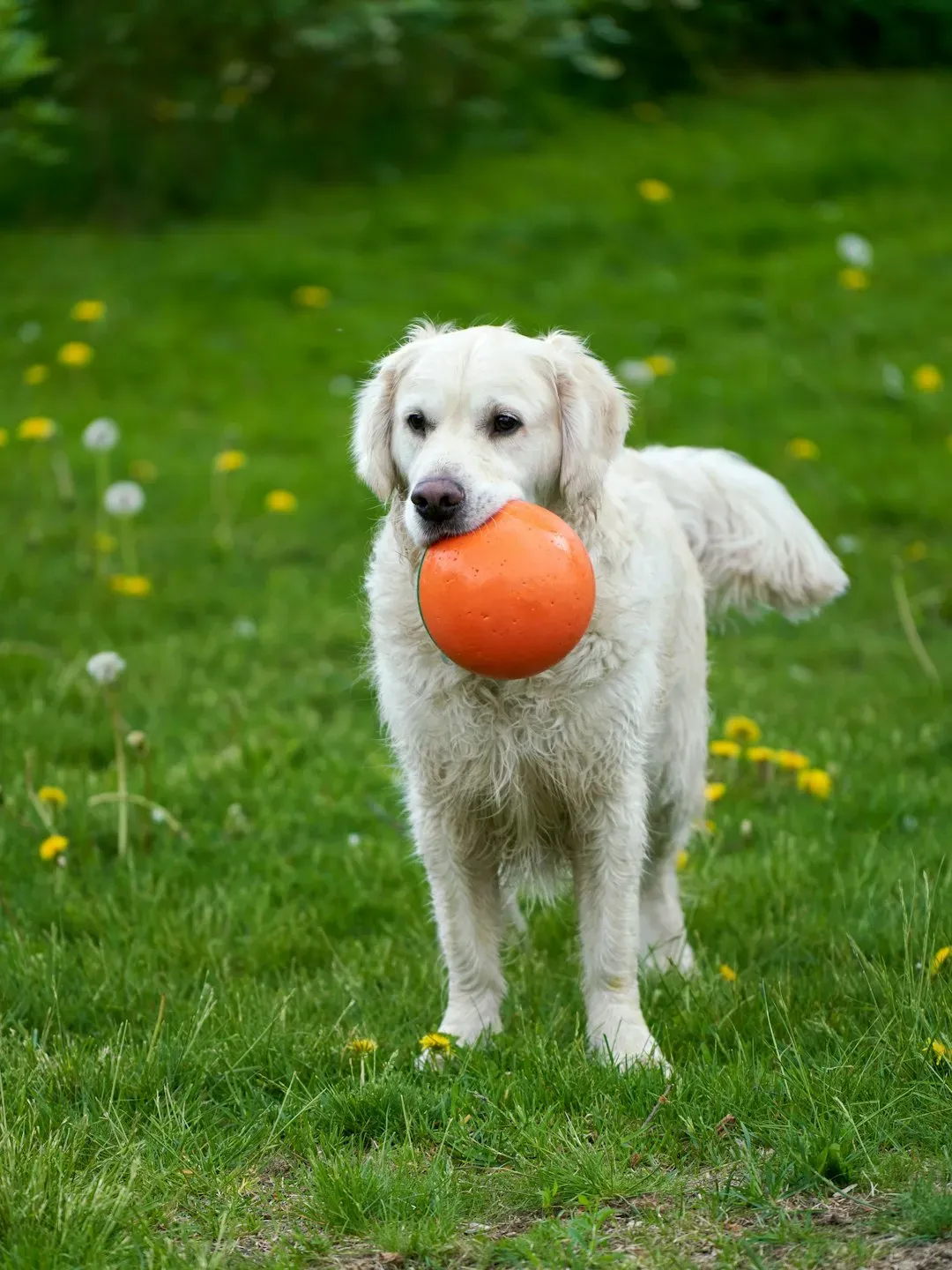
Most people know that a wagging tail is a happy sign, but the details matter. Tail wagging is often misunderstood and might not always be a good thing. If your dog’s tail is relaxed, raised at about mid-height, moving in a circular motion, and causing a full-body wag, that’s a sure sign that your dog is happy and excited to see you.
Dogs wear their hearts on their sleeves, and a full-body wiggle is a telltale sign that your pup is head-over-heels in love. They simply can’t contain their excitement. When the whole body gets involved, that’s not just communication. That’s pure, unfiltered joy.
2. Soft, Gentle Eye Contact
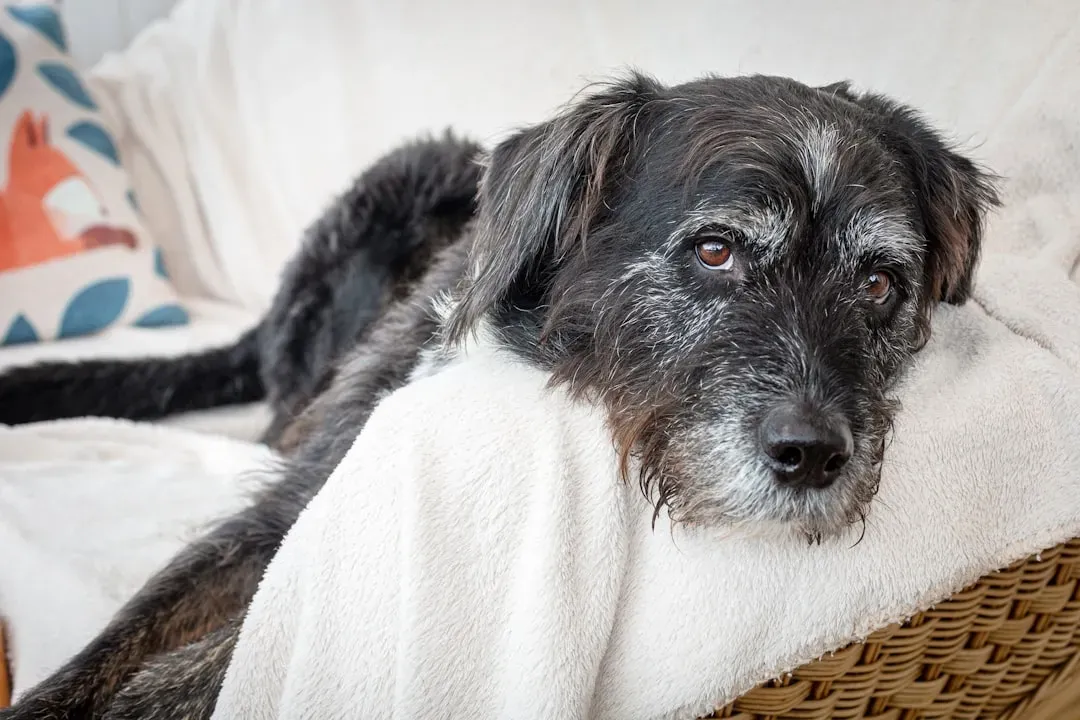
Studies show that domesticated dogs have learned to use eye contact differently than their wild ancestors. Soft eye contact is a special way that our dogs communicate with us, the same way humans connect with each other. What’s more, softly locking eyes with your pup triggers an oxytocin release, strengthening your special connection.
That soft, relaxed eye contact your dog gives you when they’re calm and content is often called the “oxytocin gaze.” When dogs and humans share this kind of look, both release oxytocin, the same hormone responsible for bonding between parents and babies. It’s one of the most intimate things a dog can offer, and they’re giving it freely.
3. Following You From Room to Room
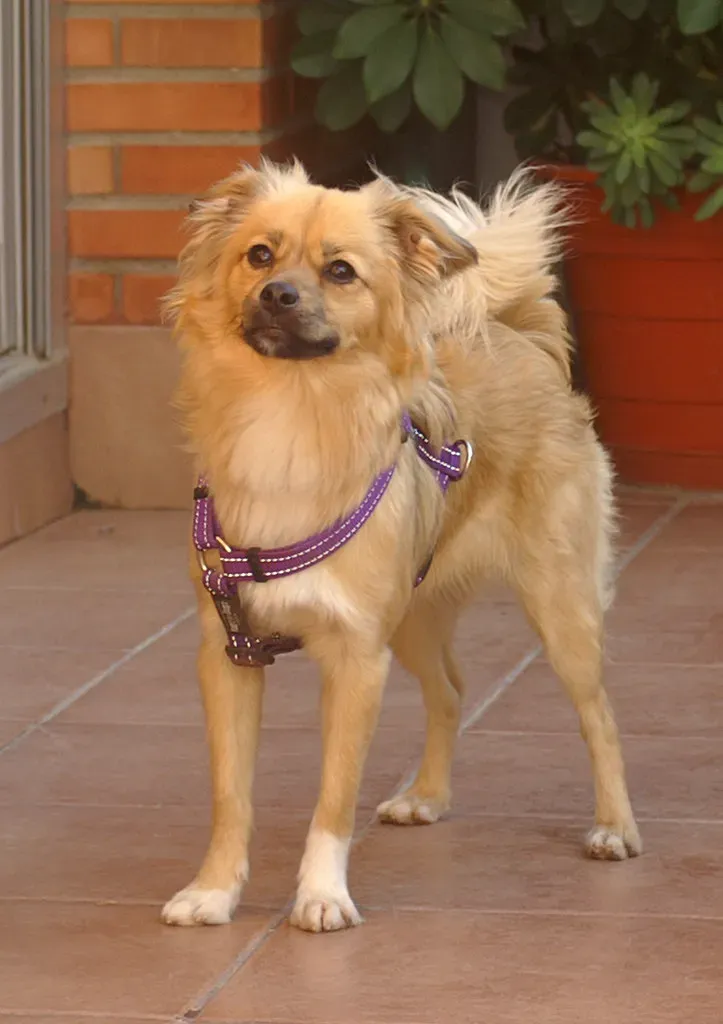
If your dog follows you from room to room or lies nearby while you’re doing something boring, that’s a big deal. Studies have found that dogs stick closer to their owners than to other people, which is a strong sign that they feel safe, bonded, and emotionally connected to you.
If your dog shadows you from room to room, it’s because they want to be near you. Dogs are social animals, and staying close is their way of saying you’re their favorite person. They’re not following you for food. They’re following you because you are, to them, home.
4. Leaning Their Body Weight Against You
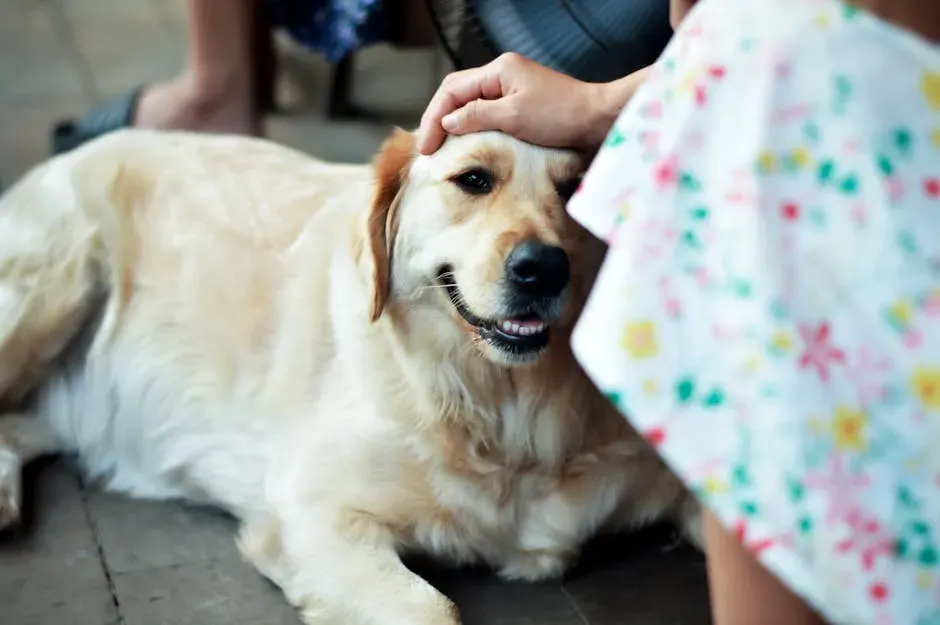
When dogs lean their full weight against you, it signifies complete trust. This means your dog sees you as a protector. Your dog may do this for comfort, but when they lean against you, it is the equivalent of a full-body hug.
They press their side, head, or whole body into you and just stay there. This kind of contact helps dogs feel grounded and calm. Your presence regulates their nervous system, even if you’re not actively petting them. To your dog, leaning on you feels like comfort, protection, and closeness all wrapped into one.
5. Bringing You Their Favorite Toy
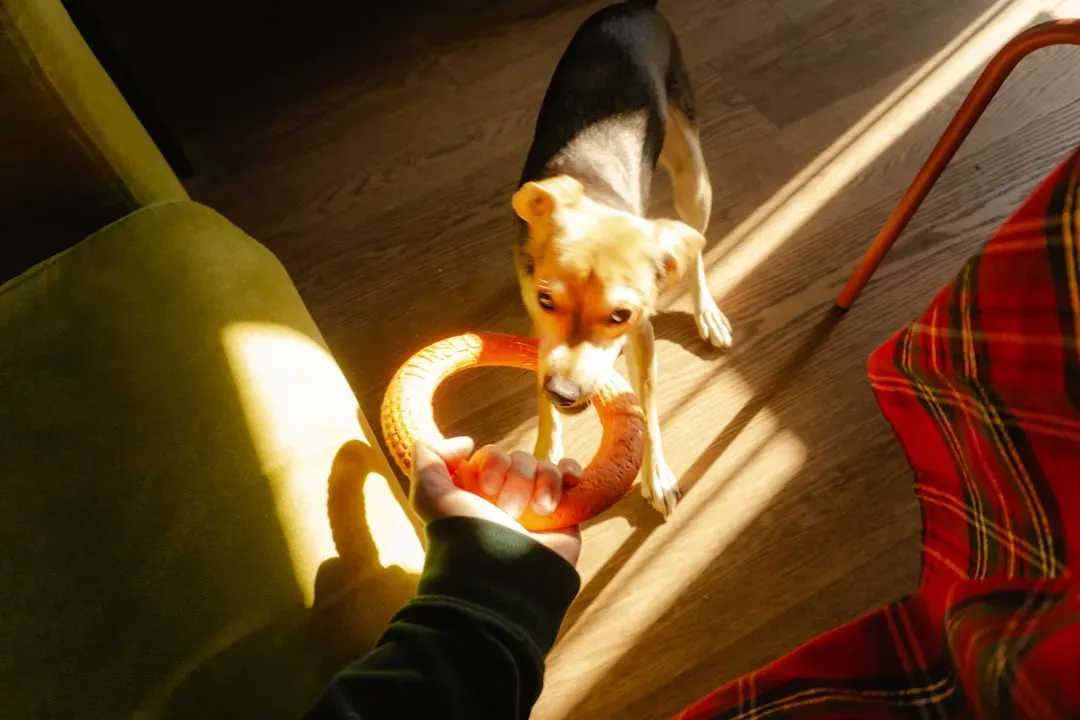
Dogs will often give gifts to the leaders of their pack to show affection, respect, and trust. They can be possessive of their belongings, so trusting you with their favorite toys could be their way of expressing their faith in you to take care of their treasured items for them.
Sharing prized possessions is a sign of social bonding in dogs and often reflects their desire to spend quality time with you. When a dog drops a toy at your feet or brings you their ball, they’re inviting you to interact and including you in their world. It’s a genuine gesture of generosity from a creature that understands exactly how precious that toy is.
6. Licking You
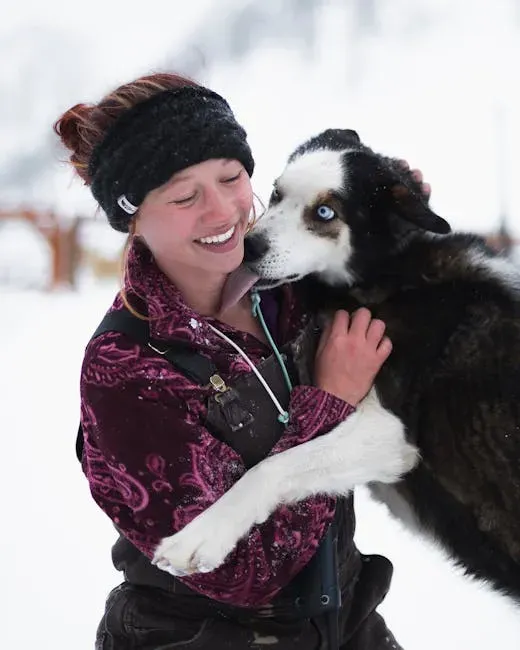
Kissing is a universal sign of affection, even among dogs. This is likely a behavior learned from the grooming and affection given to puppies by their mothers and has become a ritualized greeting for many. A dog licking their owner is so common that owners widely call it “giving kisses,” and these kisses release endorphins that make your dog feel relaxed, calm, and happy.
While licking can mean different things, gentle “kisses” are often a way for your dog to show affection and strengthen your bond. There’s something both instinctive and deliberate about it. They’re saying hello, they’re saying thank you, and they’re saying you matter.
7. Sleeping Close to You
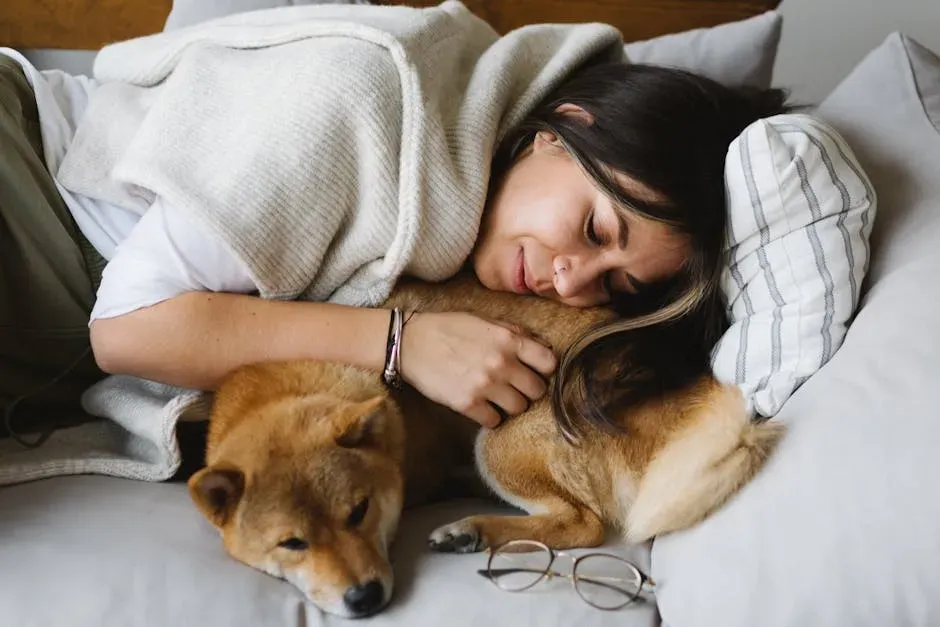
Sleeping together with their pack is a natural instinct for dogs and something they did as newborn puppies with their littermates. Your dog wanting to sleep next to you, either in your bed or in your room, is a sign of affection and closeness.
Canines are social creatures, and they love nothing more than being close to their pack. Even if your dog has a bed, they will often choose to sleep next to you or on your bed instead. In the wild, they would sleep huddled together for warmth and protection, so sleeping next to you is their way of showing you that they trust you and feel safe with you.
8. The Enthusiastic Homecoming Greeting
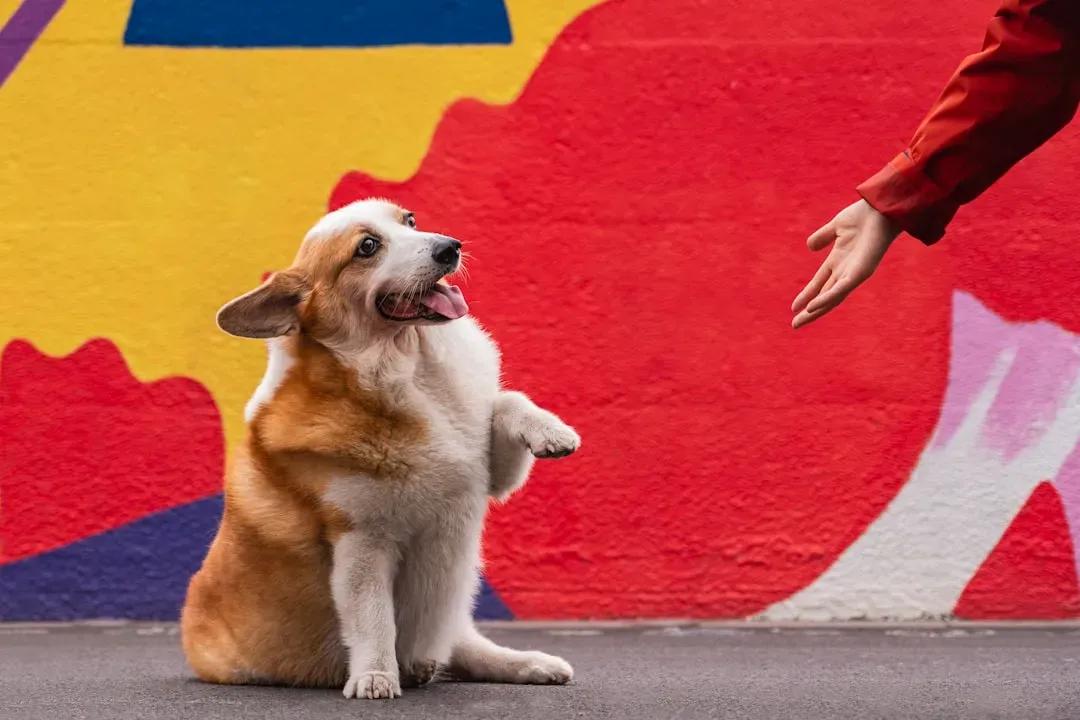
The moment you walk through the door, chaos erupts. Your dog acts like you’ve been gone for years, even if you only stepped out for ten minutes to check the mail. This enthusiastic welcome, complete with tail wagging, jumping, and maybe some happy barking, reflects genuine joy at your return. Your dog’s brain releases dopamine when they see you, creating feelings of pleasure and excitement that they can’t contain.
Few things compare to an exuberant greeting from your furry bestie upon returning home, even if only after a short absence. That unreserved enthusiasm, every single time, is a pretty remarkable thing when you stop and think about it.
9. Showing You Their Belly
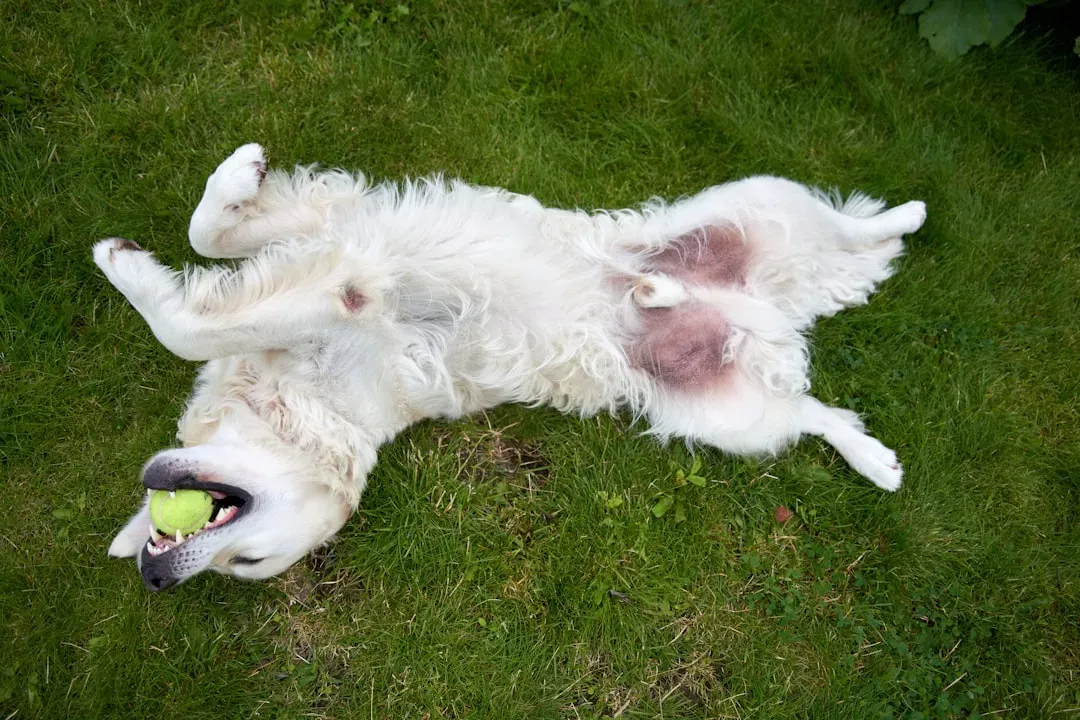
Nothing says “I really, really trust you” more than your pup rolling on their back and asking for a belly rub. Since a dog’s tummy is one of their most vulnerable body parts, this act puts them into a total state of submission, the ultimate signal of love and trust.
Nothing says “I like you” like a dog rolling onto their back and asking for belly rubs. Much like leaning, rolling over puts your dog in a vulnerable position and shows a high degree of trust and relaxation. They may even let out a long, happy sigh or other soft vocalizations to indicate that they feel safe and comfortable with you.
10. Raising Their Eyebrows When They See You
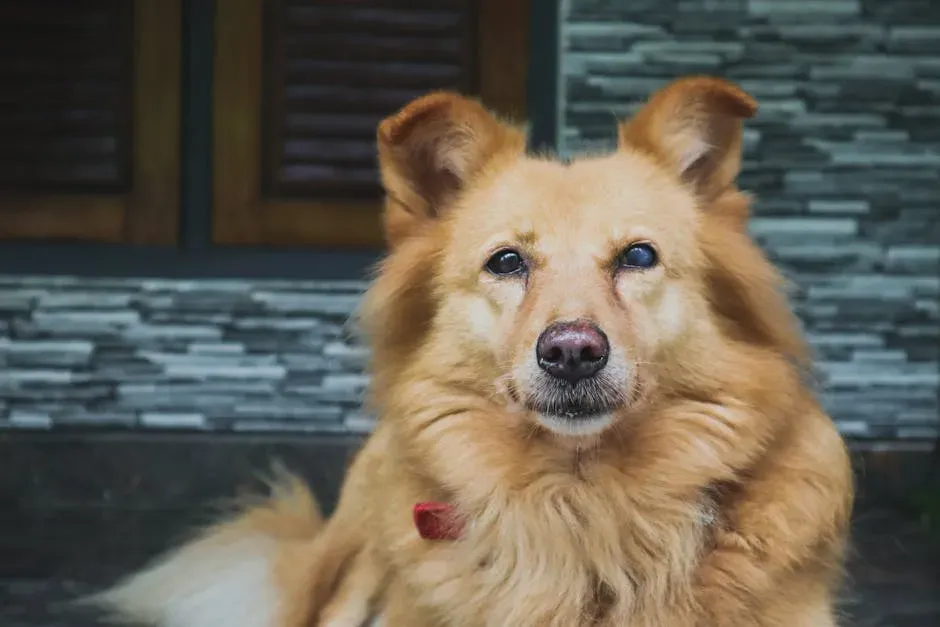
According to a study published in the journal Proceedings of the National Academy of Sciences, dogs have evolved a special eye muscle to better communicate with humans. They are able to move their eyebrows and make that sad, sweet puppy dog face that tugs at our heartstrings.
Puppy eyes are a real thing, and they’re more than just cute. Like humans, dogs use facial expressions to communicate and convey how they feel. One of the most telling is the eyebrow raise, which gives dogs that adorable, wide-eyed, expressive look. Another study from Japan’s Azabu University found that dogs raised their left eyebrow significantly more when looking at their owners than when looking at strangers.
11. Checking In on You During Walks
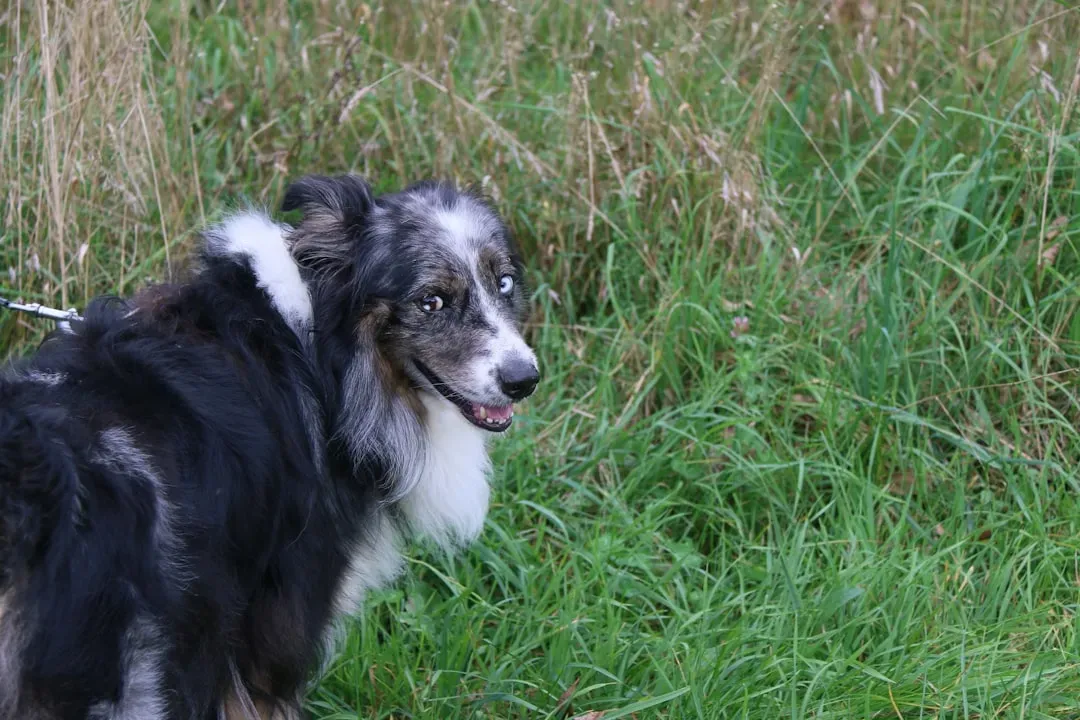
Even off-leash, if your dog frequently looks back to check on you during walks, it’s a sign they care about your whereabouts and want to ensure you’re close. It’s one of those small, easy-to-miss moments that speaks volumes about where their attention really is.
If your dog watches the door, waits by a window, or looks genuinely disappointed when you grab your keys, it’s because they’d rather go with you than stay behind. For dogs, togetherness is everything. It simply shows how much your presence matters to them. That glance back on the trail isn’t instinct alone. It’s love checking in.
12. Yawning When You Yawn
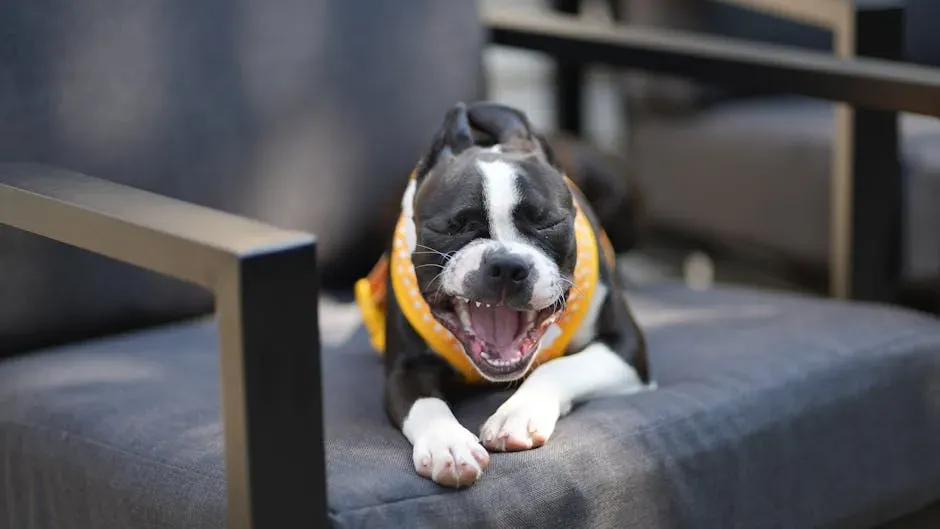
Research from the University of Tokyo found that dogs were more likely to yawn after seeing their owners yawn, versus after watching a stranger yawn. This suggests that dogs are emotionally attuned to the people they’re bonded with, and may even experience a form of empathy.
This phenomenon, known as contagious yawning, suggests a strong emotional connection. Scientists believe that dogs who yawn in response to their owners’ yawns are showing empathy. It’s a subtle way of mirroring your behavior, indicating they are tuned into your emotions. Most people never even notice this one. Now you will.
13. Stealing Your Clothes or Belongings
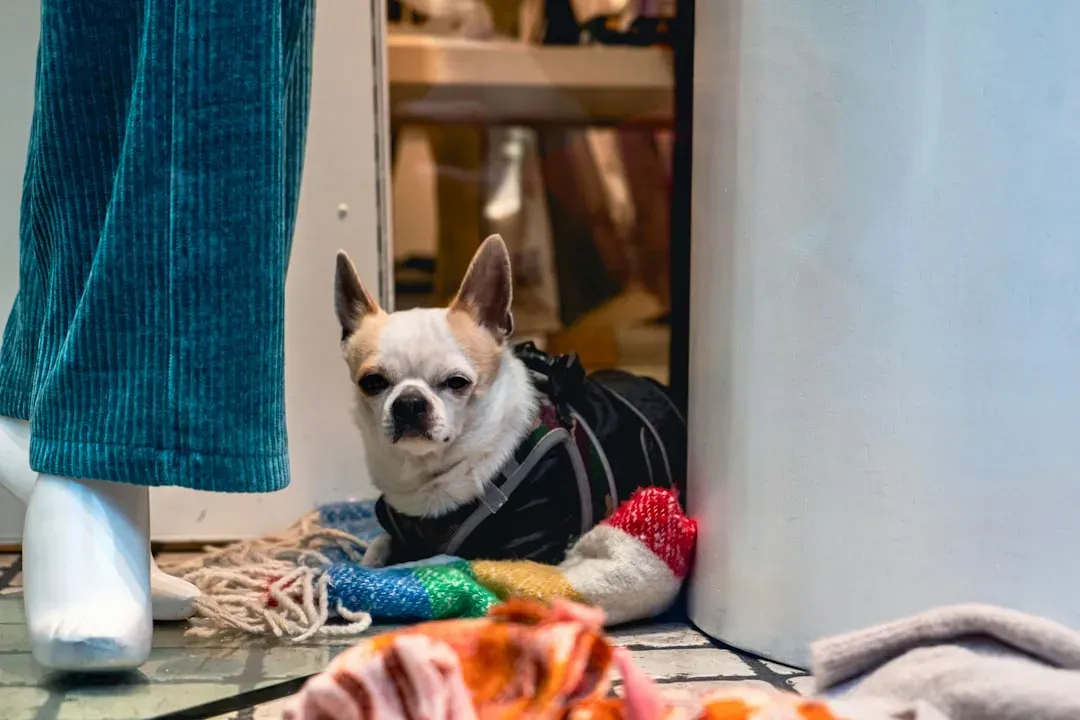
If your dog raids your dirty laundry for your smelliest clothes, dirtiest shoes, and stinkiest socks, it’s a sign of love. It shows that they missed you while you were away and can’t get enough of your unique smell. It’s okay to discourage this behavior for the sake of your shoes and socks, but remember, they are doing it out of love.
If your dog carries the things that smell the most like you wherever he goes, he likely loves you so much he wants to keep a reminder of you with him all the time. This is different from tearing apart your slippers or eating your shirts. Nuzzling your-scented stuff is pure affection. In the world of a dog, your scent is your presence, and your presence is comfort.
14. Initiating Cuddles
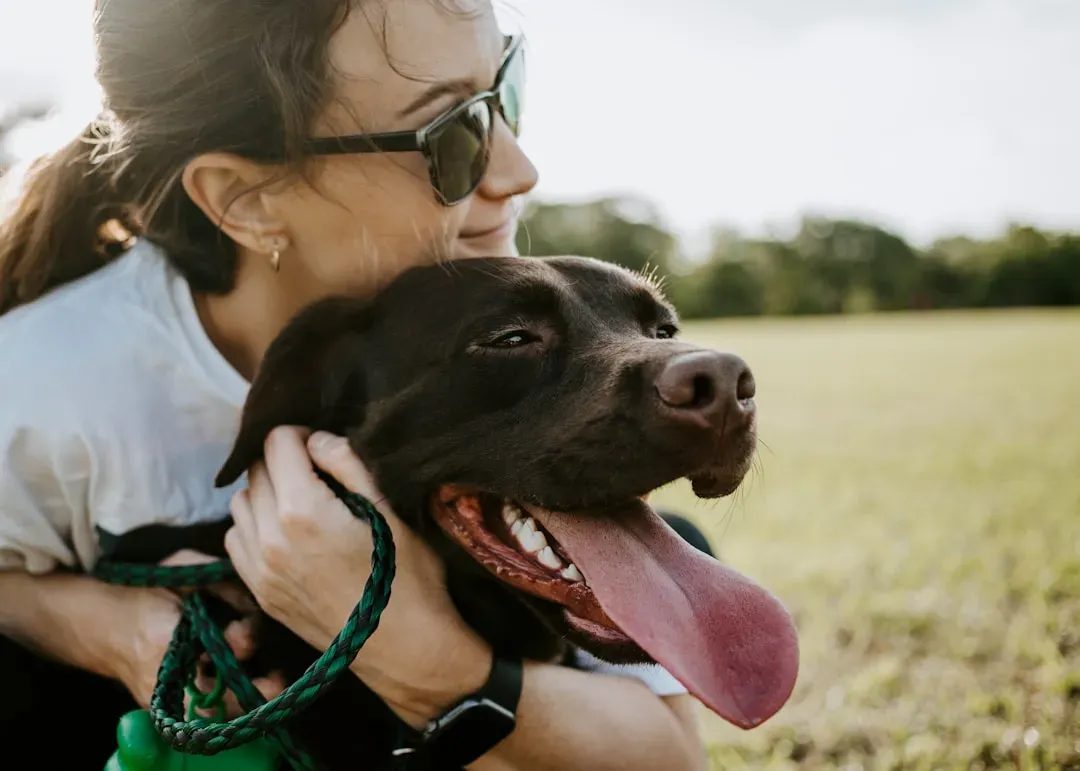
Dogs often show their love through physical affection, especially cuddling. An emotionally attached dog will be the first to initiate a cuddle session, snuggling with you on the couch or curling up at your feet while you work.
For some dogs, an occasional pat is not enough. Some are “Velcro” dogs that love body contact with you. Whether it’s a subtle paw on your leg or draping themselves lazily across your lap, pups of all sizes can show their love through physical contact. A dog that feels safe with you is a dog that has a strong bond with you.
15. Getting Excited When They Hear Your Name
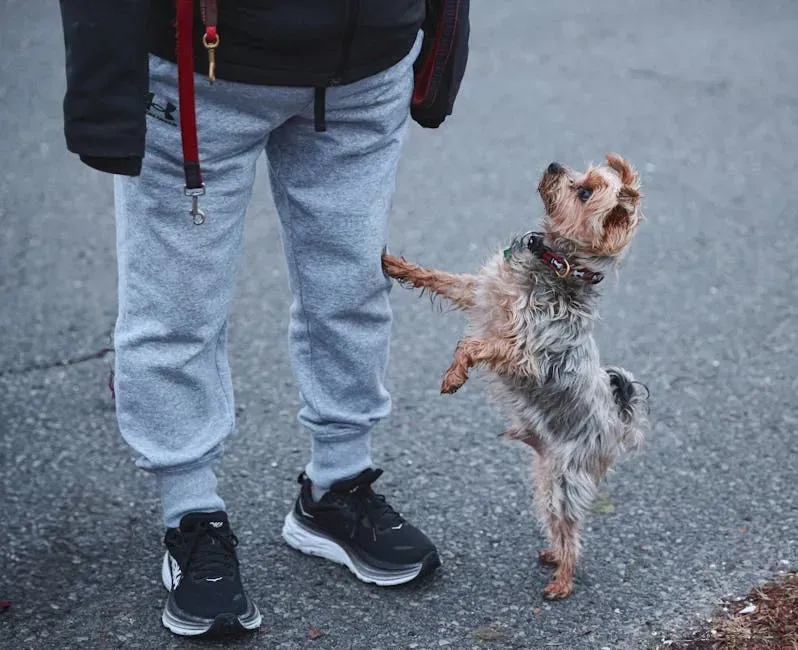
It’s well-established that dogs recognize their names, but over time, your dog will learn your name and be visibly excited when they hear it. That perk of the ears, that sudden alertness when someone in the room says your name, is not coincidence.
Dogs can learn the names of people they like. When dogs hear the names of people they like, they’ll get excited at the thought that person might appear. Your name has become, in their mind, a sound that means good things are coming. That’s a deeply personal kind of affection.
16. Leaning Their Head on Your Lap
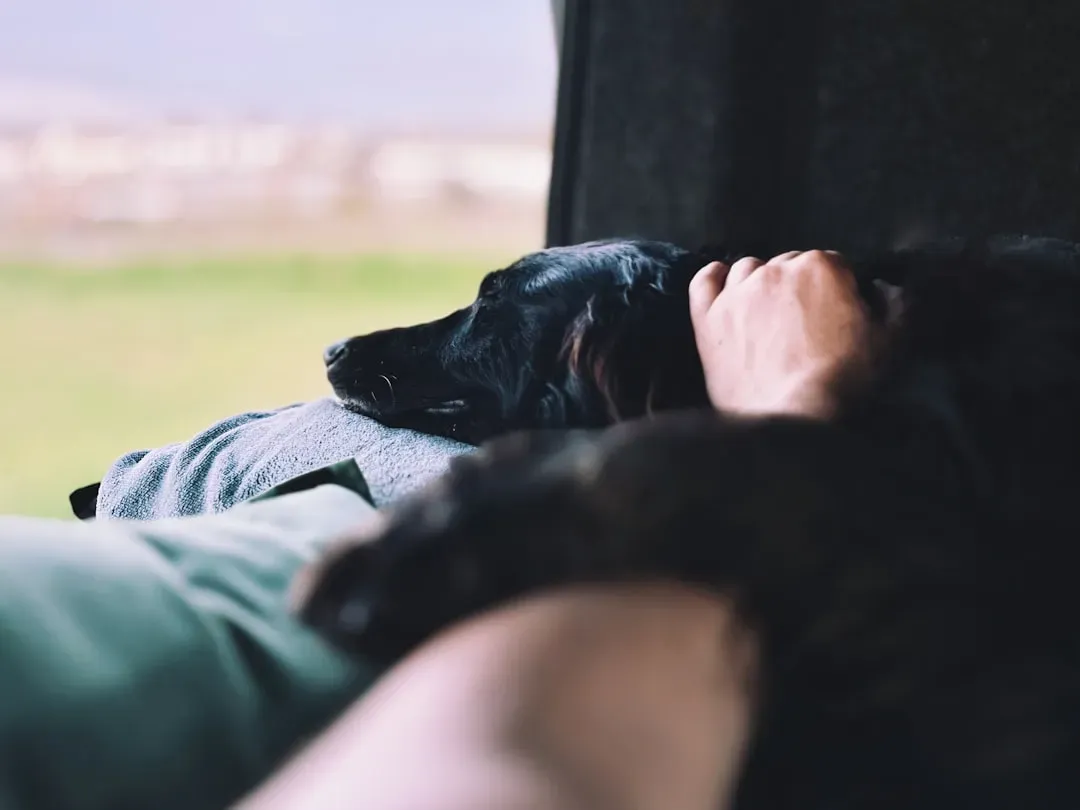
If your dog leans their body weight against you or rests their head on your lap, it’s a sign of trust and attachment. They only do this with people they feel comfortable and secure around.
Physical affection like leaning against your legs, sitting close, or touching with a paw is strong evidence of comfort and connection. Dogs find reassurance in physical proximity, making leaning a subtle but precious love gesture. Dogs lean for support during moments of insecurity, trusting you as their emotional anchor. It’s quiet, it’s unhurried, and it says everything without a single sound.
17. Smiling at You
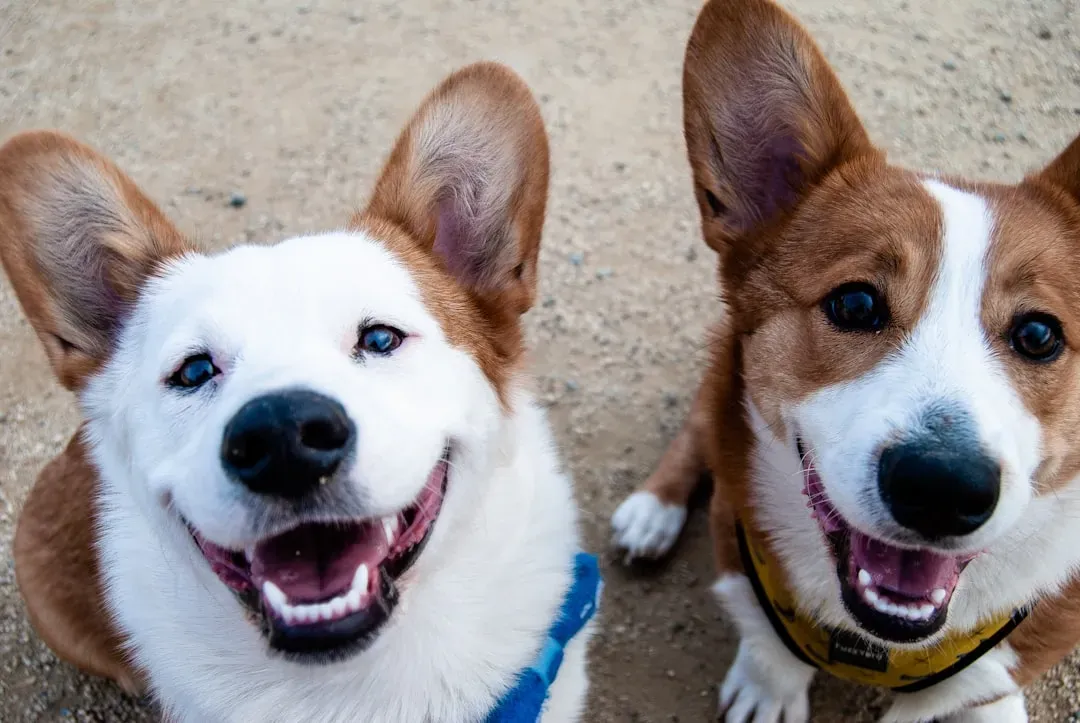
Yes, dogs do smile. If you’ve ever seen your canine companion flash their pearly whites at you and thought it was a smile, you were right. Most people don’t notice it, but it’s a dog’s way of expressing affection.
If you have ever seen your companion flash their teeth at you, that’s a smile. Most people don’t notice it, but it is a way of expressing affection. It’s an easy thing to miss, especially if you’re not looking for it. Once you see it, though, you’ll never unsee it.
18. Emotional Contagion, Mirroring Your Mood
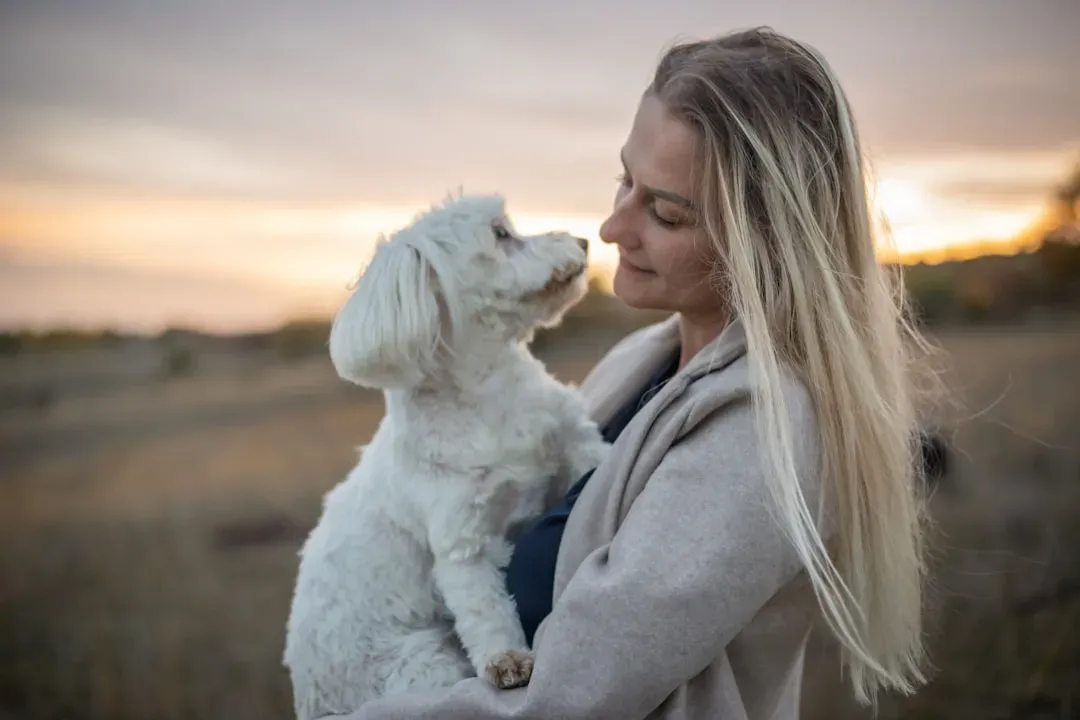
Dogs are incredibly in tune with your moods and emotions. Because of this, emotional contagion, the tendency to reflect the feelings or behaviors of someone you’re close to, can also show up in dogs. For example, if they yawn when you yawn, it can be a sign that you’re emotionally connected.
Dogs that love and trust their humans pay attention to their voice, body language, and cues, even if they don’t always follow commands perfectly. A dog that adjusts their energy to match yours, growing calmer when you’re calm, sitting closer when you’re sad, is doing something genuinely remarkable. They’re paying attention to you.
19. Seeking You Out for Comfort When Scared
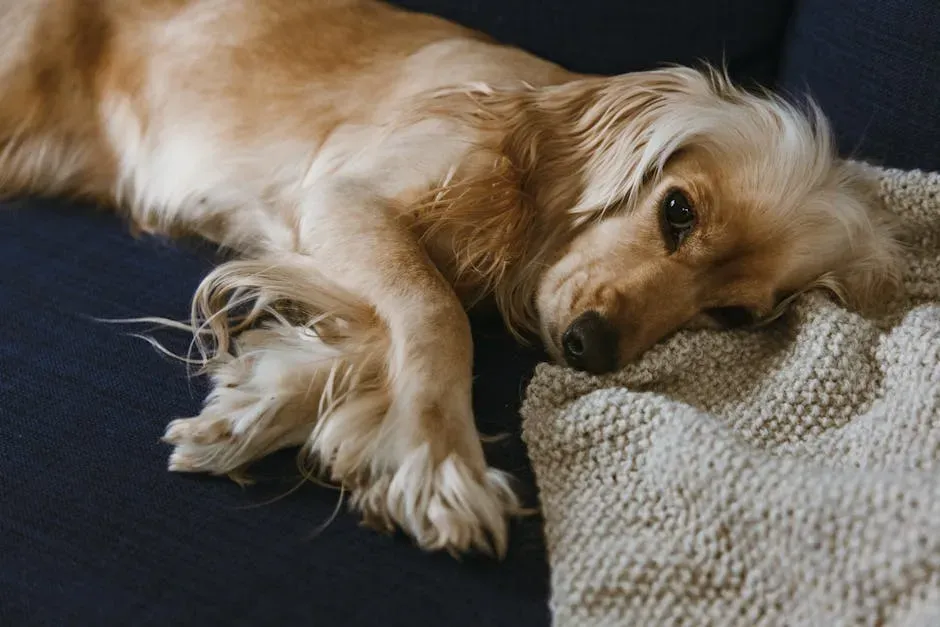
When a dog seeks comfort from you during moments of uncertainty, like after a loud noise or a stressful situation, it’s a strong sign your dog loves you and feels safe in your presence. Leaning into you, standing behind you, or staying close helps them regulate their nervous system. If your dog chooses you in moments of uncertainty, it means your presence actively makes them feel safer.
In addition to using humans as a social reference point, dogs have been shown to develop attachment bonds with humans. This relationship allows them to interact securely with their environment in the presence of the owner and show less distress in response to threatening events. Being someone’s safe place is no small thing.
20. Choosing to Be Near You Even When Nothing Is Happening
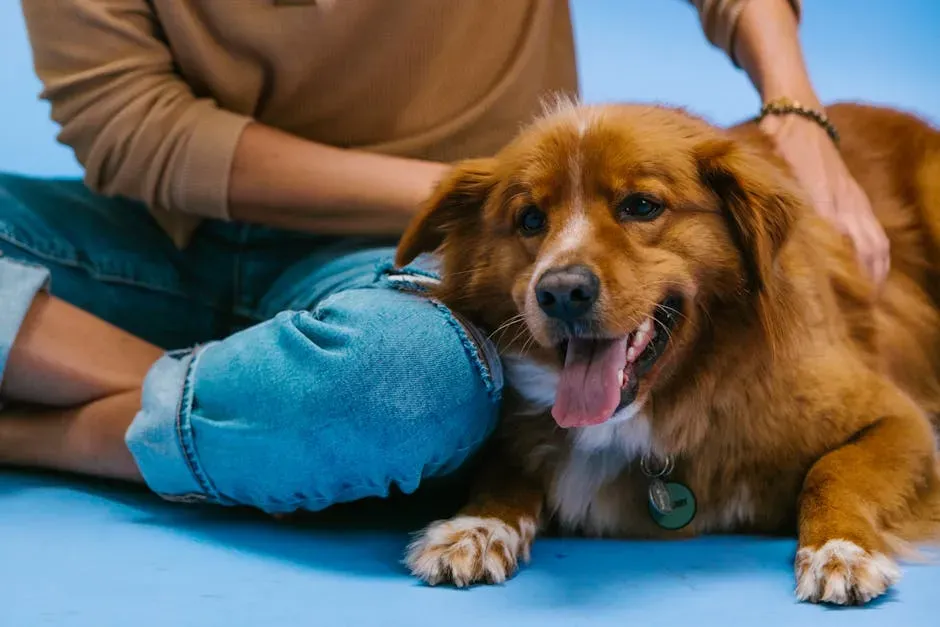
Dogs don’t waste energy hanging around people they don’t feel attached to. Choosing your company during quiet moments shows genuine affection. You might notice them lying at your feet, sitting nearby while you work, or curling up close without asking for attention. For your dog, being near you is the reward. Your presence alone makes them feel safe and content.
Some dogs seek closeness, others prefer to show affection through play, shared routines, or quiet companionship. Paying attention to your dog’s signals and responding with empathy builds a bond based on understanding and respect, not assumptions. The dog who simply lies nearby while you read or work is making a choice, and they’re choosing you.
Conclusion: A Language Worth Learning

We know dogs share much of the same neurological structures as humans and use the same parts of the brain as people do when feeling love and affection. The science is compelling, but honestly, most dog owners already knew this in their bones long before the research caught up.
Evidence shows that dogs do form strong attachments similar to human love that make for a lasting relationship full of affection, trust, and companionship. Their vocabulary is body language, proximity, and small daily rituals rather than words, but it’s no less real for that.
The next time your dog drops a soggy tennis ball in your lap, leans into your leg without warning, or simply follows you into a room you’ll leave in thirty seconds, take a moment to receive it. They are telling you something. They’ve been telling you all along.

- 12 Surprising Facts About Reindeer - July 30, 2026
- 10 Common Bird Feeder Mistakes That Could Harm Your Backyard Visitors - July 30, 2026
- How Beavers Are Naturally Restoring Wetlands and Preventing Flooding - July 30, 2026