
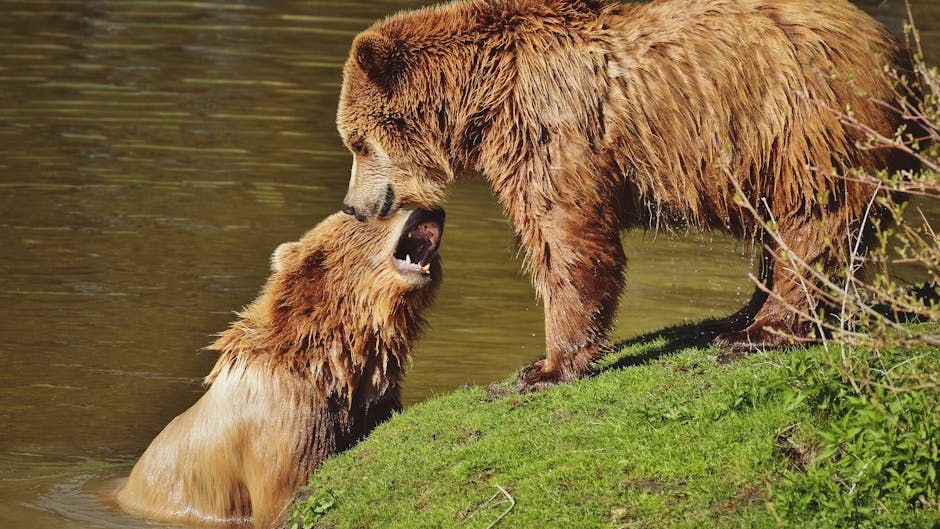
There’s a quiet revolution happening across America’s wild places. In forests, wetlands, alpine meadows, and river valleys, animals that were once pushed to the edge of local extinction are reclaiming their landscapes. Decades of careful conservation work, ecological restoration, and protected habitat management are bearing real fruit.
These aren’t just heartwarming anecdotes. Many of the recoveries unfolding inside US national parks represent landmark moments in the science of wildlife conservation, with cascading effects that reshape entire ecosystems. Here are ten parks where nature is, genuinely, on the rise.
Yellowstone National Park, Wyoming: The Wolf That Rebuilt a World
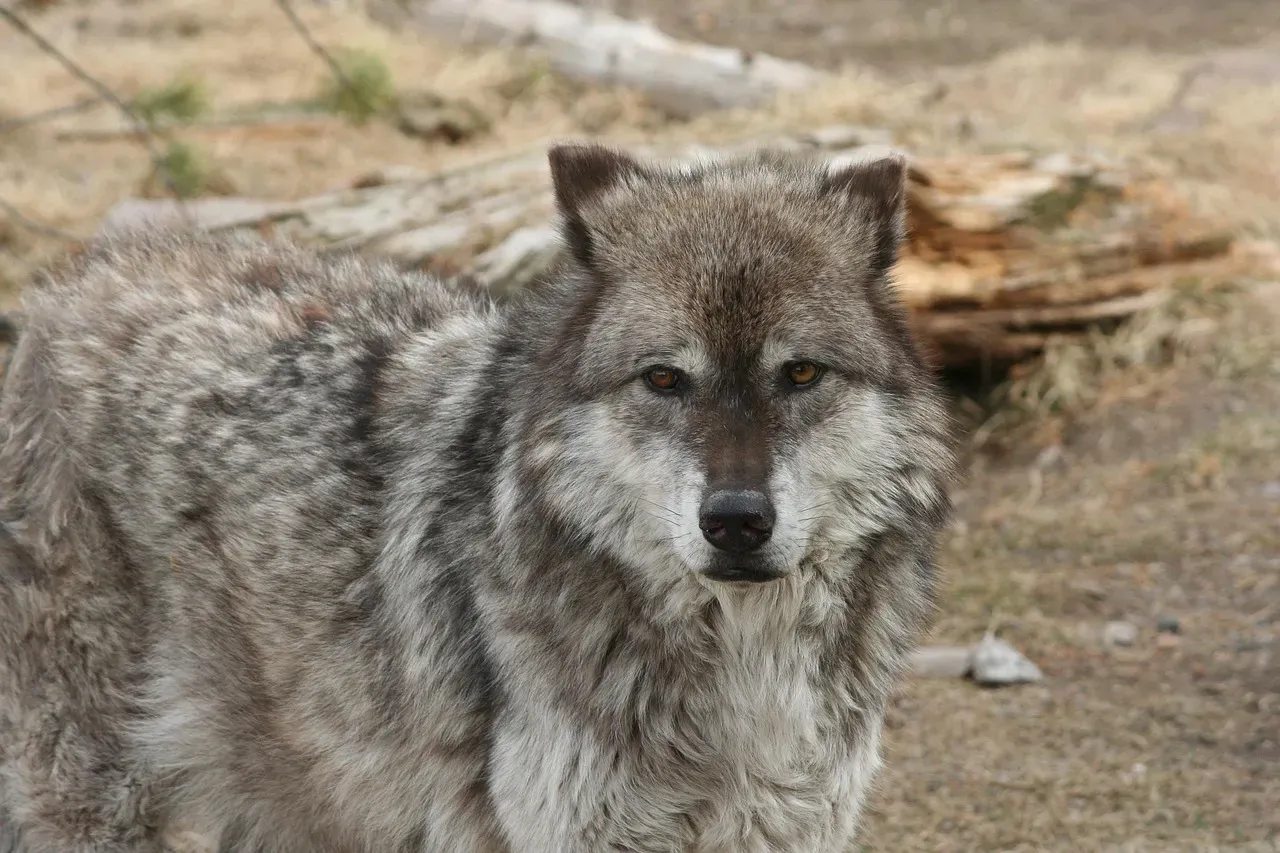
In the mid-1990s, an effort began to reintroduce gray wolves to Yellowstone National Park, bringing 41 wolves from Canada into the park. What followed became one of the most observed and discussed wildlife recoveries in scientific history.
The return of wolves triggered what scholars call a “trophic cascade,” in which the wolves decreased elk numbers, which in turn allowed willow and aspen trees to survive to maturity and restore dense groves of vegetation across the park. The ripple effects were remarkable.
When the gray wolf was reintroduced into the Greater Yellowstone Ecosystem in 1995, there was only one beaver colony in the park. Today, the park is home to nine beaver colonies, with the promise of more to come. Songbirds also came back, now that they could find shade and shelter in trees near water and food sources.
This monumental undertaking marked the first deliberate attempt to return a top-level carnivore to a large ecosystem. The impacts of wolf recovery have been significant, with wolves once again playing a critical role in Yellowstone’s natural ecological processes. The wolf population does fluctuate year to year, and monitoring continues closely, but the overall ecological transformation remains one of conservation’s greatest achievements.
Great Smoky Mountains National Park, Tennessee and North Carolina: The Bear Comeback
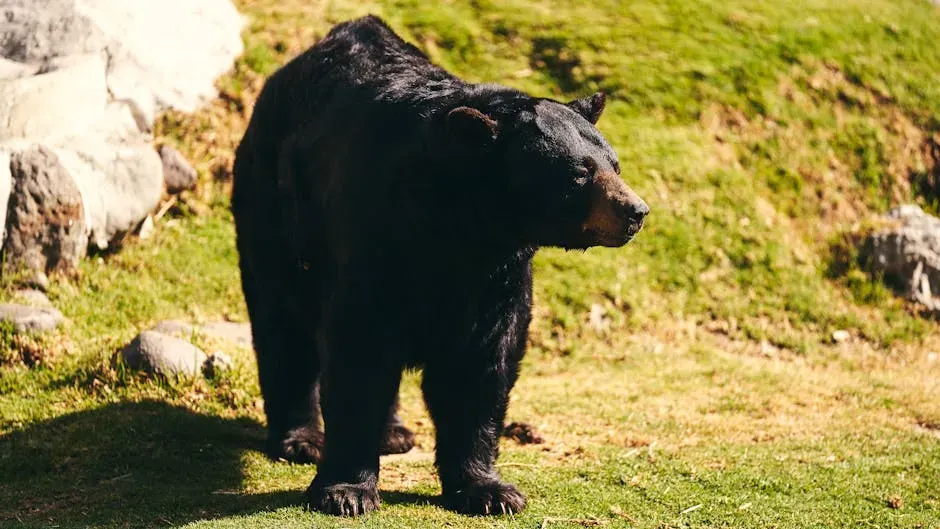
Because their habitat was destroyed and because they were hunted, black bears were nearly eradicated. By 1934, when Great Smoky Mountains National Park was designated, there were only an estimated 100 bears left in the region. Under the park’s protection, the population rebounded to an estimated 1,900 bears in and around the park in 2025.
With approximately 1,500 black bears, Great Smoky Mountains National Park has one of the highest densities of black bears in the National Park Service, with approximately two bears per square mile of park. That density alone tells a compelling story.
Much like the gray wolves in Yellowstone, bears are essential to the health of this ecosystem by preying on other animals, scavenging carcasses, and dispersing seeds. These bears thrive in the park’s varying habitats, including thick forests, open meadows, and mountainous terrain, with popular spots for sightings including Cades Cove, Cataloochee Valley, and the Roaring Fork Motor Nature Trail.
Glacier National Park, Montana: Grizzlies in the High Country
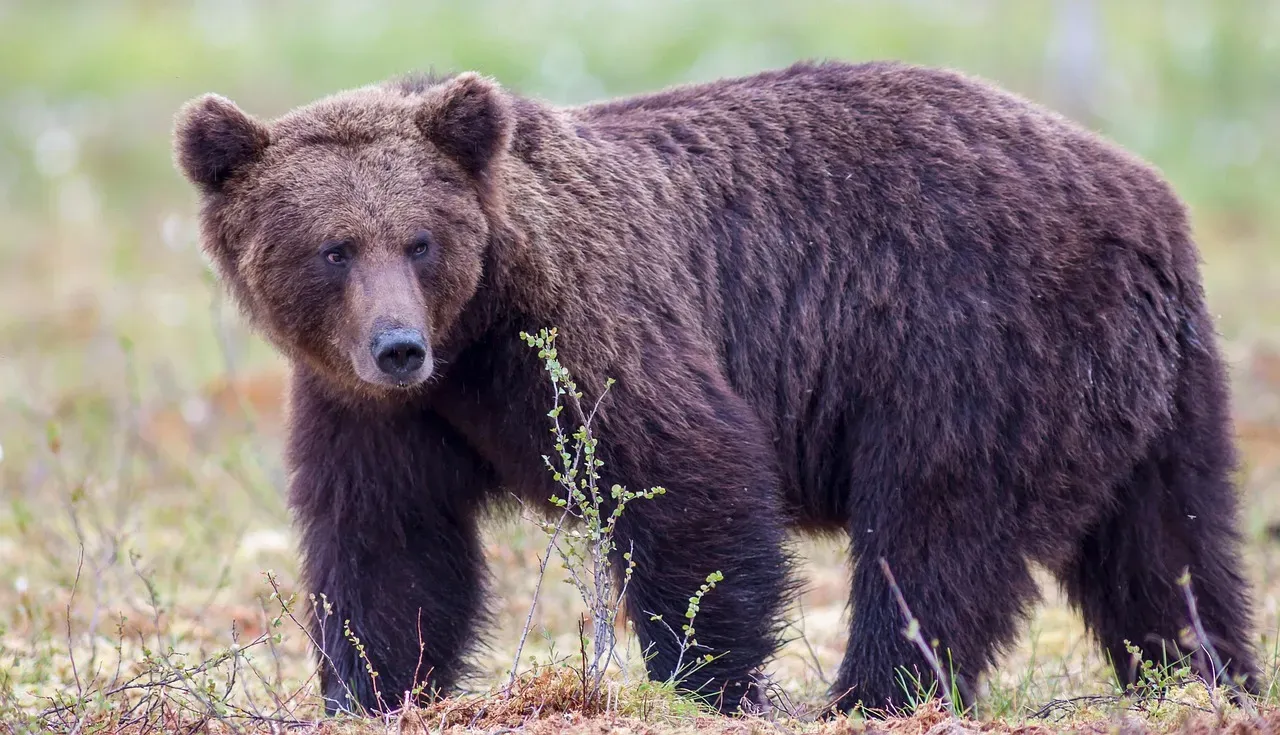
Montana stands as the crown jewel for grizzly bear populations in the contiguous United States. Glacier National Park and the surrounding Bob Marshall Wilderness Complex harbor approximately 1,000 grizzlies, representing the densest population in the lower 48 states.
A recent DNA study determined there are more than 600 grizzly bears in Glacier National Park alone. For a species that was once headed toward regional collapse, that number carries real weight.
The Many Glacier area of Glacier National Park offers some of the best bear-watching opportunities, particularly in spring when bears emerge from hibernation and forage in avalanche chutes and alpine meadows. Glacier also has one of the most advanced grizzly bear research programs in the National Park Service. The combination of vast protected terrain and rigorous science has made this park a model for large carnivore conservation.
Everglades National Park, Florida: A Subtropical Mosaic Under Careful Watch
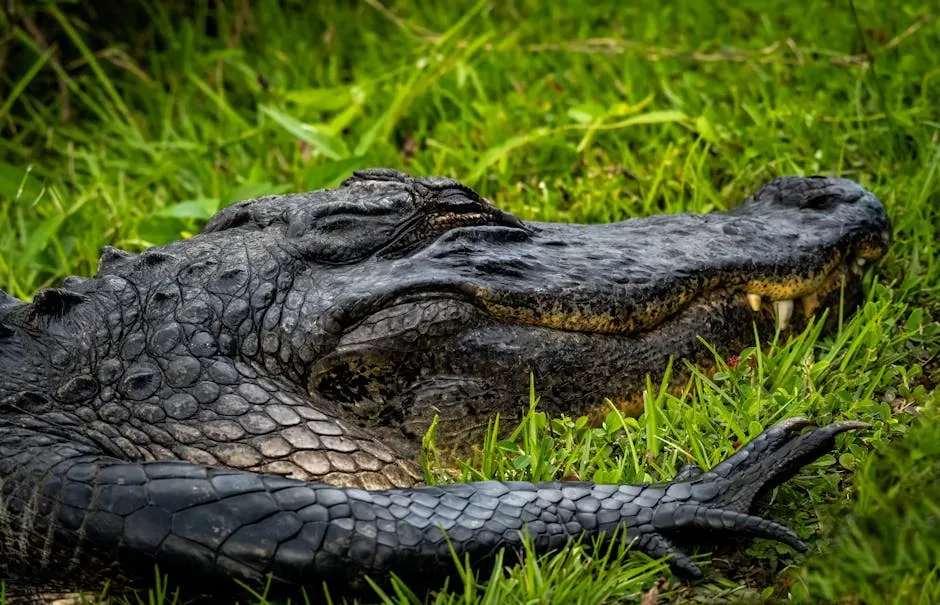
The Everglades are a vast subtropical ecosystem located in southern Florida. They provide drinking water and irrigation to millions of people across the state, help control storm flooding, and are home to dozens of federally threatened and endangered species such as the Florida panther and American alligator.
More than 350 bird species, 300 fish, 50 reptiles, and 40 mammals survive here, among them 36 federally listed species such as the Florida panther, American crocodile, and West Indian manatee. The sheer biological density of this place is hard to overstate.
During the 1970s, only about 20 to 30 Florida panthers remained in the wild. Today, there are just over 200 left, found in southern Florida in swamplands such as Everglades National Park and Big Cypress National Preserve. Conservation corridors, wildlife underpasses, and genetic augmentation with Texas cougars have helped nudge numbers upward. It’s a fragile recovery, but a real one.
Grand Teton National Park, Wyoming: A Crossroads of Abundance
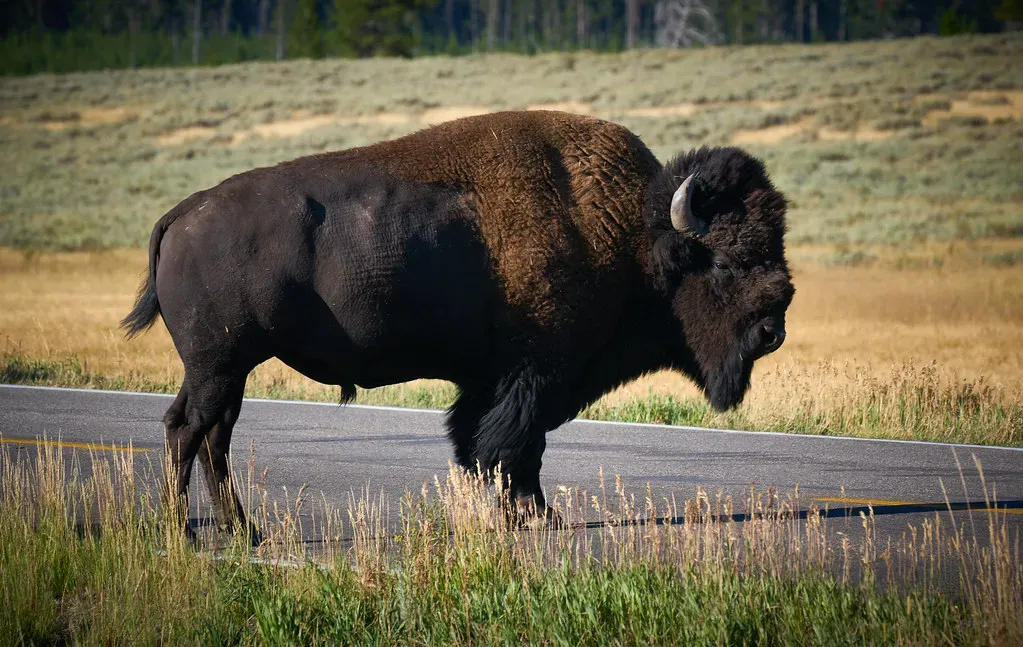
Grand Teton is home to habitats that support moose, elk, bison, pronghorn, coyotes, grizzlies, peregrine falcons, river otters, beaver families, and a long list of bird species that move between Yellowstone and Grand Teton National Park. Few parks pack that kind of wildlife density into one landscape.
Grizzly bears start roaming the valleys once they emerge from hibernation in early spring. A grizzly becomes more active as temperatures rise, which makes spring one of the best times of year for a sighting, as these powerful mammals search open sagebrush and river corridors for food.
Elk graze throughout summer, yet fall rut season creates dramatic scenes and loud bugles across valleys. Elk also migrate to the National Elk Refuge in Jackson during late fall. This natural flow of wildlife across seasons is a testament to just how intact the broader Greater Yellowstone Ecosystem remains.
Olympic National Park, Washington: Where Ecosystems Stack Up
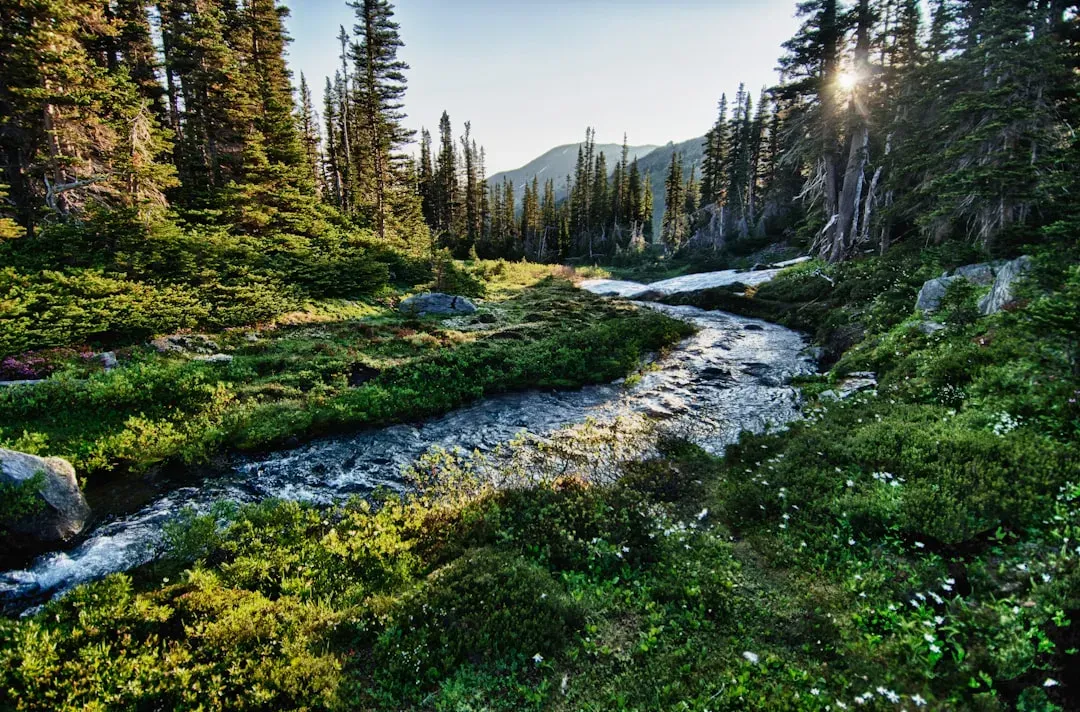
Comprising four distinct ecosystems, including mountains, rivers and lakes, forest, and coastline, Olympic National Park attracts hundreds of bird species. Its lowland old-growth forest hosts trees that are hundreds of years old and over 1,500 plant species.
The lush, verdant Hoh Rainforest is unlike anything else in the Lower 48, and is home to Roosevelt elk, black bears, and other charismatic wildlife. The park’s stunning coast offers some of the country’s wildest and most spectacular beaches, dotted with tide pools and sea stacks.
The park’s particular species, Roosevelt Elk, are the largest breed of elk in North America, with males weighing 900 pounds or more. Visitors can also see where park staff recently removed two large dams, letting the Elwha River flow freely again for the first time in more than 100 years, opening up new habitat for salmon and the wildlife that depends on them.
Katmai National Park, Alaska: The Kingdom of Brown Bears
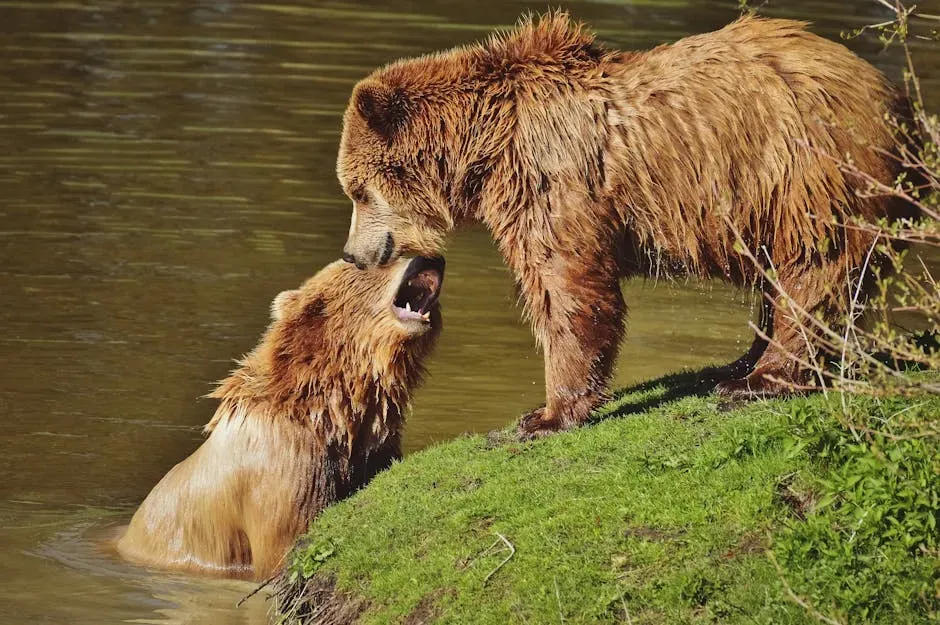
Few wildlife spectacles on the planet compare to what happens at Brooks Falls in Katmai National Park every summer. Dozens of brown bears gather along the falls to catch sockeye salmon mid-leap, a concentration of apex predators that reflects a healthy, functioning ecosystem from river to shore.
Among the best national parks for bear sightings, Katmai offers unique opportunities to observe bears in rugged landscapes, with visitors able to watch these animals in natural hunting behavior. The salmon runs that sustain this population are themselves an indicator of ecological health stretching far upstream.
Katmai’s remoteness is part of its strength. With limited road access and strict visitor guidelines, the park’s wildlife experiences minimal human disturbance. Brown bears here behave in ways that reflect genuine wildness, including complex social hierarchies at the falls that researchers continue to study in depth.
Acadia National Park, Maine: Raptors Return to the Atlantic Coast
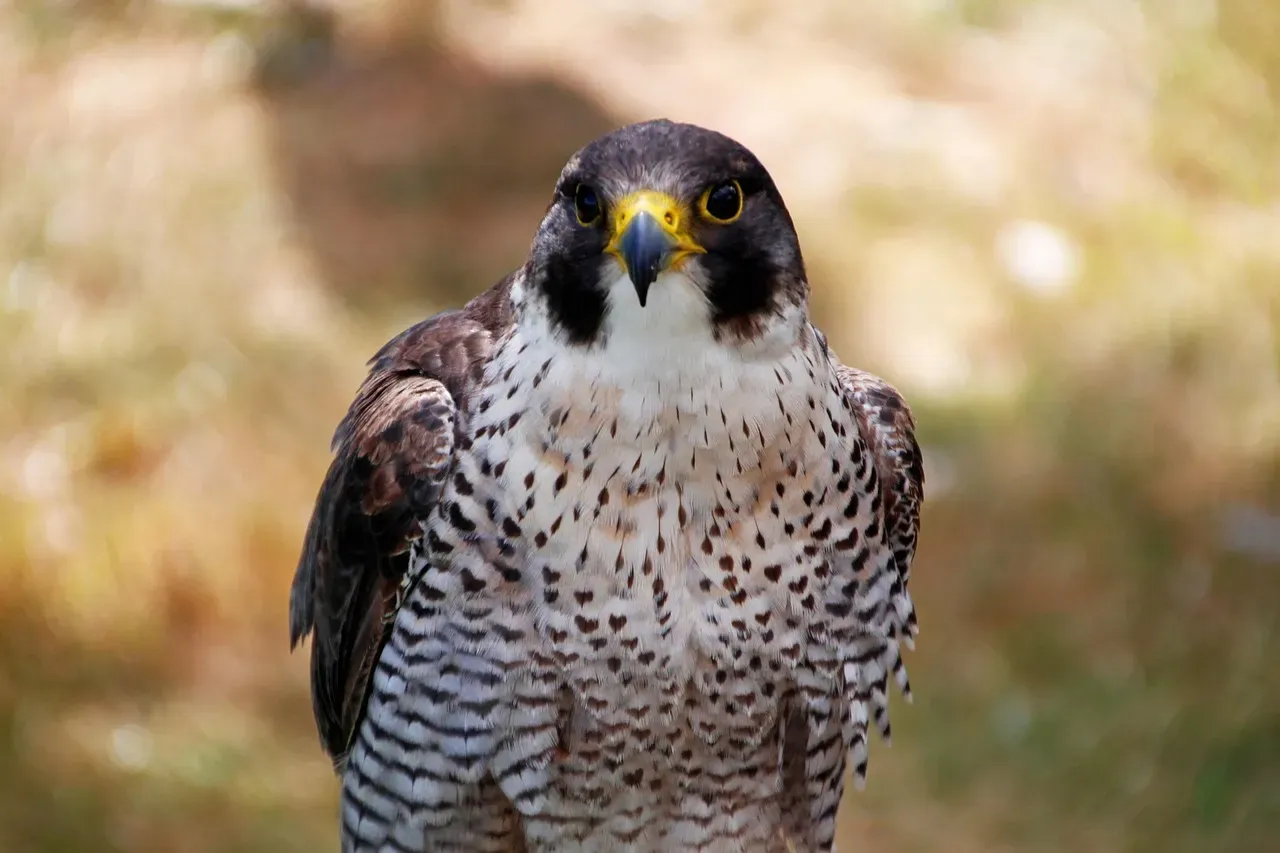
Peregrine falcon recovery has been closely monitored within national parks, with ongoing science tracking the rebound of this species at sites like Acadia. Once decimated by the widespread use of DDT pesticides, peregrine falcons have made a dramatic recovery along the Northeast coast following the pesticide’s ban and targeted reintroduction programs.
Acadia’s dramatic granite cliffs provide ideal nesting habitat for peregrines, and the park has seen consistent nesting activity in recent years. The return of these fast, precise hunters, capable of diving at speeds exceeding 200 miles per hour, is both ecologically meaningful and a genuine visual spectacle for visitors.
Birds are rebounding in areas near the Blue Ridge Parkway and beyond, with researchers recording bird populations to protect rare old-growth forest habitat on which many species depend. Acadia reflects a similar pattern, where habitat protection and reduced pesticide loads are quietly rebuilding bird communities that were in serious trouble a generation ago.
Denali National Park, Alaska: Wild Landscapes, Intact Food Webs
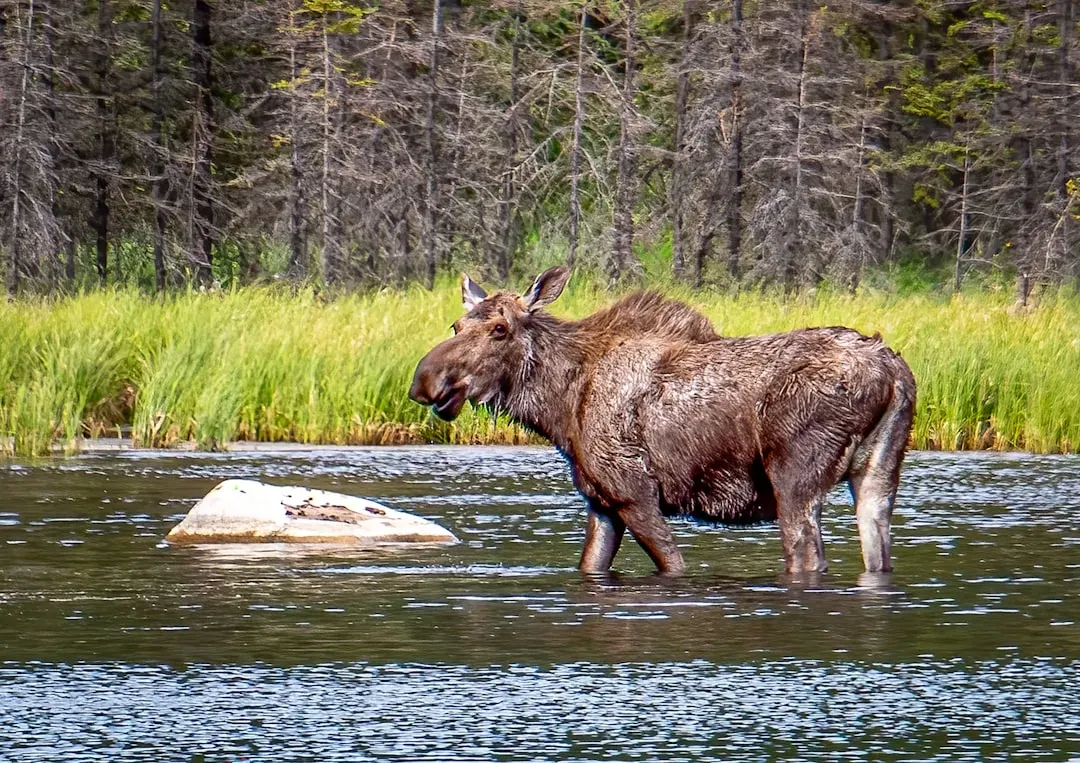
Denali is one of the few places in North America where an intact predator-prey system still functions largely as it has for thousands of years. Wolves, grizzly bears, Dall sheep, caribou, and moose share a vast wilderness where human footprint is deliberately kept minimal. The park covers more than six million acres, most of it accessible only by foot or permitted bus.
Whether observing bears catching salmon or spotting grizzlies roaming the vast wilderness of Denali, these experiences leave a lasting impression and deepen appreciation for the beauty and diversity of wildlife. The park’s wildlife are genuinely wild, not habituated to roads or visitors in the way animals in more accessible parks sometimes are.
Denali’s wolf packs, which have been studied for decades, offer some of the longest continuous behavioral data on wild wolves anywhere in the world. That research underpins conservation decisions well beyond Alaska’s borders. The park is, in many ways, a living laboratory for what wild North America can look like when left largely undisturbed.
Rocky Mountain National Park, Colorado: Elk, Bears, and a Managed Balance
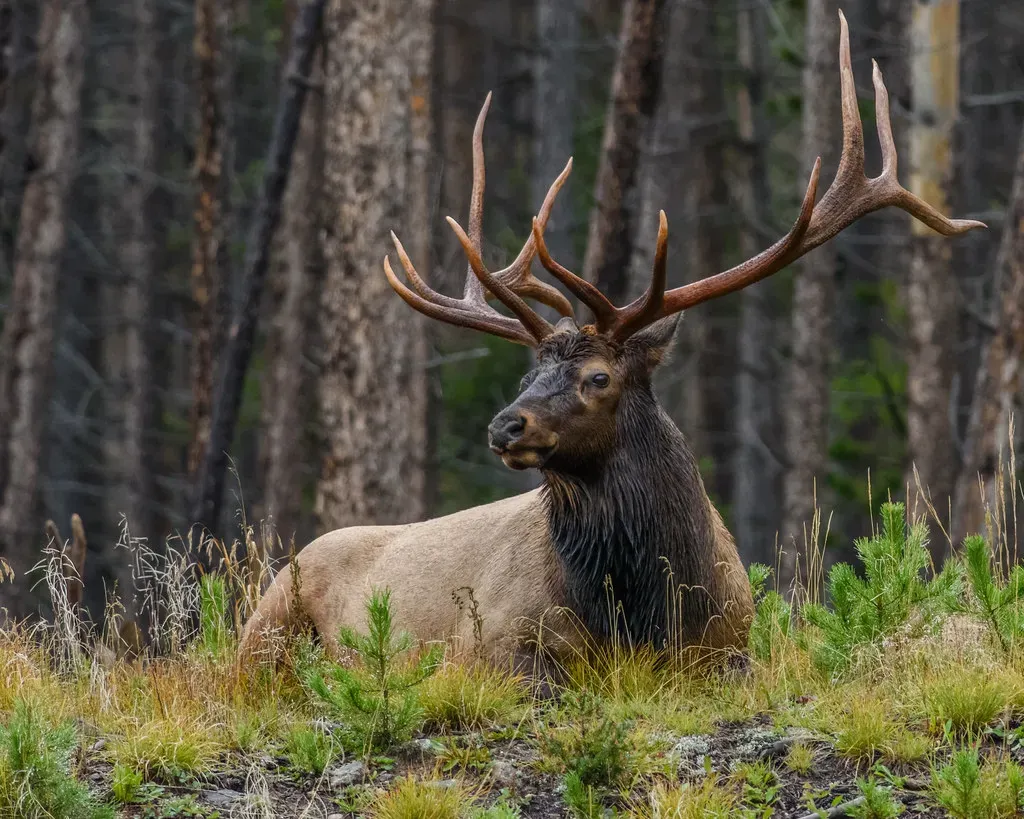
Rocky Mountain National Park sits at the intersection of high-alpine tundra, subalpine forest, and montane meadow, a layered landscape that supports a genuinely varied cast of wildlife. Elk herds are among the most visible, drawing thousands of visitors each fall during the rut when bull elk bugle across open meadows at dawn.
Colorado’s diverse landscapes support a thriving population of black bears, with numbers continuing to rise. Rocky Mountain National Park provides protected habitat where bears can frequently be spotted in meadows and forests, especially during dawn and dusk.
The National Park Service has invested significantly in the health of parks, building climate resiliency, with on-the-ground efforts protecting wildlife and plants, tackling landscape-level conservation challenges, and ensuring healthy environments for wildlife and recreation. Rocky Mountain is a direct beneficiary of those investments, with habitat restoration projects quietly improving conditions for species ranging from native cutthroat trout to elk and black bear alike.
Conclusion: What These Parks Prove
The wildlife recoveries unfolding across these ten national parks didn’t happen by accident. They reflect decades of science-driven conservation, legal protections, habitat restoration, and in some cases, the courage to reintroduce species that humans had previously wiped out. The return of gray wolves to Yellowstone was one of the most exciting and important conservation developments in recent memory, demonstrating that wildlife recovery is possible and that extinction is not inevitable.
Rewilding projects have successfully restored large habitats, reconnecting fragmented landscapes and supporting diverse wildlife populations. National parks are, at their best, exactly the kind of protected anchors that make this possible.
The story these parks tell together is one of resilience, both nature’s and our own. When humans choose to step back, invest in protection, and let ecological processes run their course, wild things return. That’s not idealism. It’s documented, measurable, and still unfolding across some of the most extraordinary landscapes on Earth.

- 12 Amazing Creatures Thriving in Unexpected Urban Environments - July 14, 2026
- America’s Most Dangerous Fault Lines You’ve Probably Never Heard Of - July 14, 2026
- Animal Psychology Says If You See a Large Gathering of Crows in Your Yard at Dawn It Is a Sign of Complex Social Behaviour – and the Cognitive Power Required for It Belongs to an Elite Group of Species - July 14, 2026