

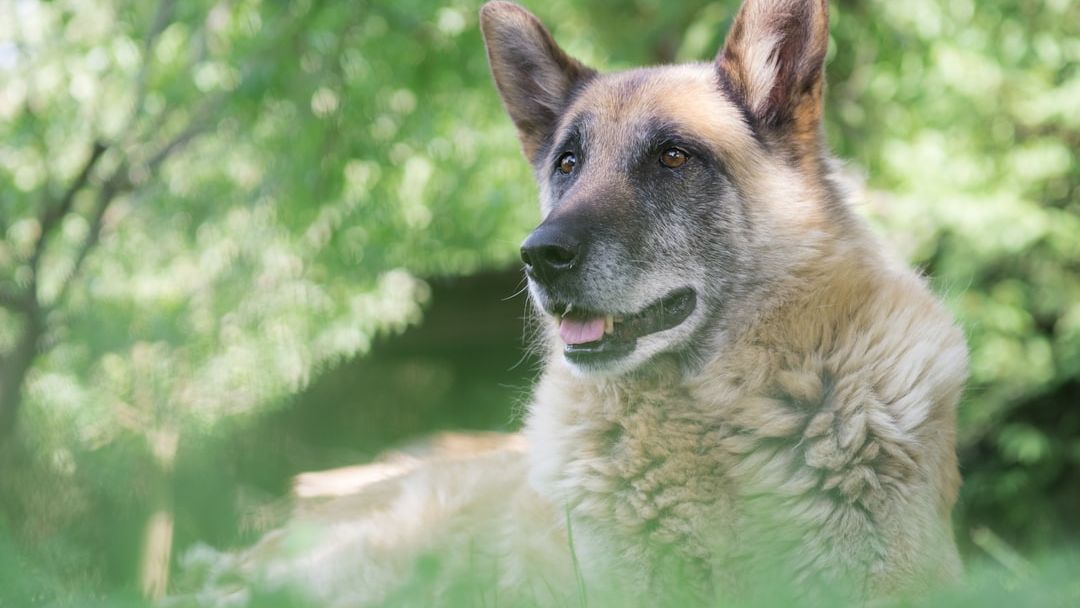
You know that feeling when you walk into a shelter expecting to fall in love with a playful puppy or a tiny kitten, and instead your eyes lock with a graying muzzle or a slow-moving cat in the corner? That quiet connection can hit you harder than any wagging tail frenzy. There’s something disarming about an older animal who isn’t trying to impress you, just quietly hoping you’ll see them. It’s not dramatic or flashy; it’s gentler, deeper, and in many ways, far more powerful.
Senior pets are often the last to be chosen and the first to be overlooked. Yet they’re the ones who often need us most, and who have the most to give back in those final, precious years. Adopting a senior pet isn’t about getting a “perfect” animal; it’s about choosing to be someone’s final safe place. It’s tender, sometimes hard, occasionally heartbreaking – and surprisingly joyful in a way that can change you for good.
The Heartbreaking Truth About Senior Pets in Shelters

Walk through almost any shelter and you’ll notice a pattern: younger animals get the most attention, while older dogs and cats wait in the back, quietly fading into the background. Many of those seniors ended up there for reasons that have nothing to do with their temperament – owners passing away, financial hardship, housing changes, or medical issues that families felt they couldn’t handle. Yet in the chaos of barking and meowing, an older animal’s calm presence can easily be mistaken for disinterest, when it’s often just confusion or grief.
In many regions, senior animals are at higher risk of long-term shelter stays, and in some overcrowded systems, they face a greater risk of euthanasia simply because they are harder to place. That isn’t because they’re broken; it’s because people tend to assume “old” means sick, expensive, or emotionally tough to handle. The reality is more nuanced: while their needs can be different, many seniors are stable, gentle, and incredibly resilient. When you choose a senior pet, you’re not just getting a companion – you’re literally changing the ending of their story.
The Calm, Gentle Energy You Didn’t Know You Needed

If you’ve ever lived with a young dog who believes your entire home is an obstacle course, you know that youthful energy is both adorable and exhausting. Senior pets, on the other hand, often bring a calmer, more grounded presence into your life. A senior dog may be thrilled with a leisurely walk and a comfy couch rather than a three-mile run; an older cat might prefer a sunny windowsill and slow head scratches to zooming across the furniture at midnight. Their pace invites you to slow down too.
That mellow energy can be especially healing in homes that are already overloaded with stress, work, or caregiving responsibilities. It’s like having a living, breathing reminder to take a breath, sit down, and just be. Many people discover that the quiet companionship of a senior animal actually fits better with their lifestyle than the chaos of a younger one. Instead of constantly managing behavior, you spend more time simply sharing space – reading on the couch, working at your desk while they nap nearby, or enjoying the quiet together after a long day.
No Guesswork: What You See Is What You Get
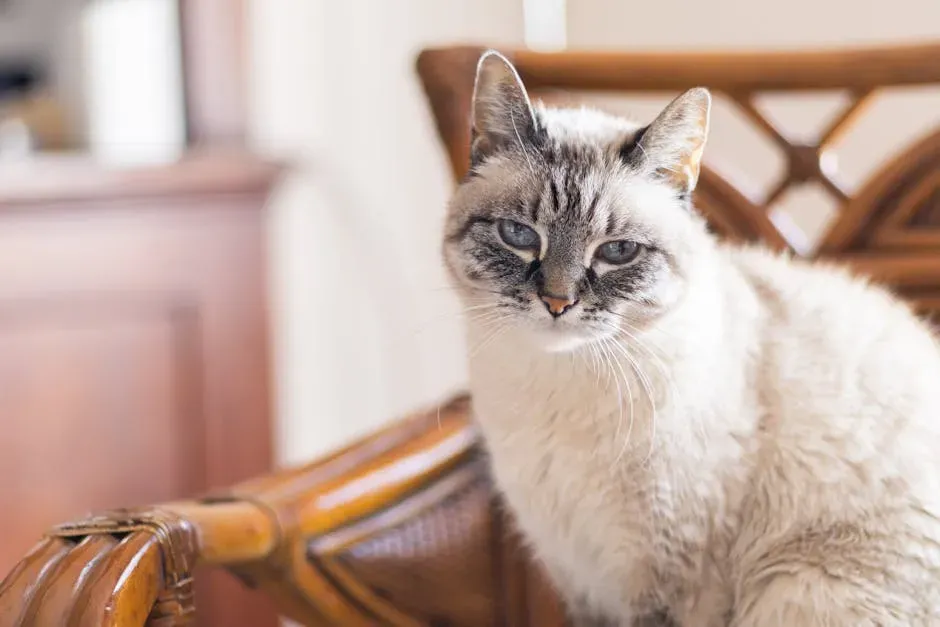
With senior pets, there’s no big mystery about who they’ll grow up to be – they’re already there. Their size is set, their personality is largely formed, and their quirks are typically known. If a senior cat is cuddly at the shelter, there’s a very good chance they’ll be cuddly at home. If an older dog is calm around kids or other animals during meet-and-greets, that temperament is often a reliable preview of life with them. You’re not rolling the dice on an unknown future; you’re choosing a companion you can understand from day one.
Many shelters and rescues also have a better behavioral and medical history on senior animals, because they’ve usually lived in homes before. That means the staff can often tell you whether a dog is house-trained, how a cat handles being alone, or what triggers might stress them. This transparency takes away a lot of the anxiety new adopters feel. Instead of wondering if your “tiny, calm puppy” will turn into a tornado, you can make an informed decision based on who the animal already is – habits, needs, and all.
Senior Pets Often Come Pre-Trained (Yes, Really)

One of the biggest surprises for people who adopt senior pets is just how easy the day-to-day can be compared to starting from scratch. Many older dogs already understand basic commands like sit, stay, or come, and a lot of them are house-trained. Older cats usually know how to use a litter box, scratch appropriate surfaces, and navigate a home without constant supervision. You’re not teaching them what a couch is or that shoes are not chew toys – they already know the basics of coexisting with humans.
This makes senior pets especially appealing for people who want companionship but don’t have endless energy or time for full-on training boot camps. Instead of weeks of sleepless nights and indoor accidents, you often get to skip ahead to the good part: bonding, routines, and that cozy feeling of having a creature who just “gets” how to live with you. Sure, some seniors might need a refresher or a new routine, especially after shelter stress, but you’re usually fine-tuning rather than building from the ground up.
Health Realities: The Honest, Manageable Side of Senior Care
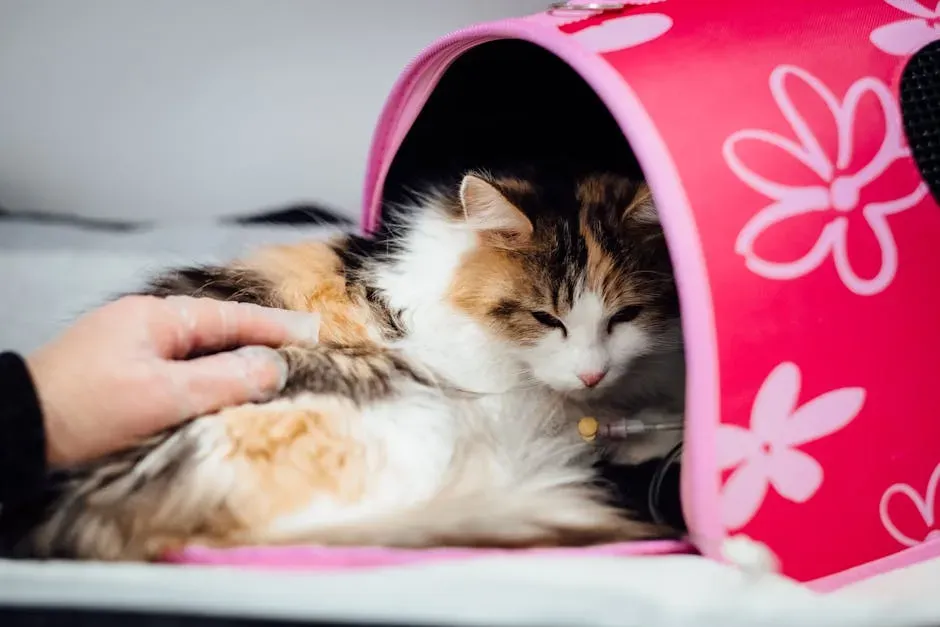
It’s fair to acknowledge the part that quietly scares a lot of people: older pets can have more health issues. Arthritis, dental disease, kidney or heart concerns, and vision or hearing changes are more common as animals age. Vet visits might be more frequent, and you may need to budget a bit extra for medications or special diets. That said, a lot of these conditions are very manageable with modern veterinary care, and many seniors are stable and comfortable for years with proper treatment and monitoring.
What often gets overlooked is that adopting a puppy or kitten is not a health guarantee either; younger animals can develop serious, chronic conditions too. With seniors, sometimes the advantage is that you know what you’re working with from the start. Many shelters provide recent medical evaluations, and some even include lab work or dental cleanings before adoption. You can ask specific questions, plan ahead, and decide realistically what you can handle – rather than being blindsided later by issues that were impossible to predict in a baby animal.
The Deep, Unexpected Bond of Being Someone’s “Final Person”
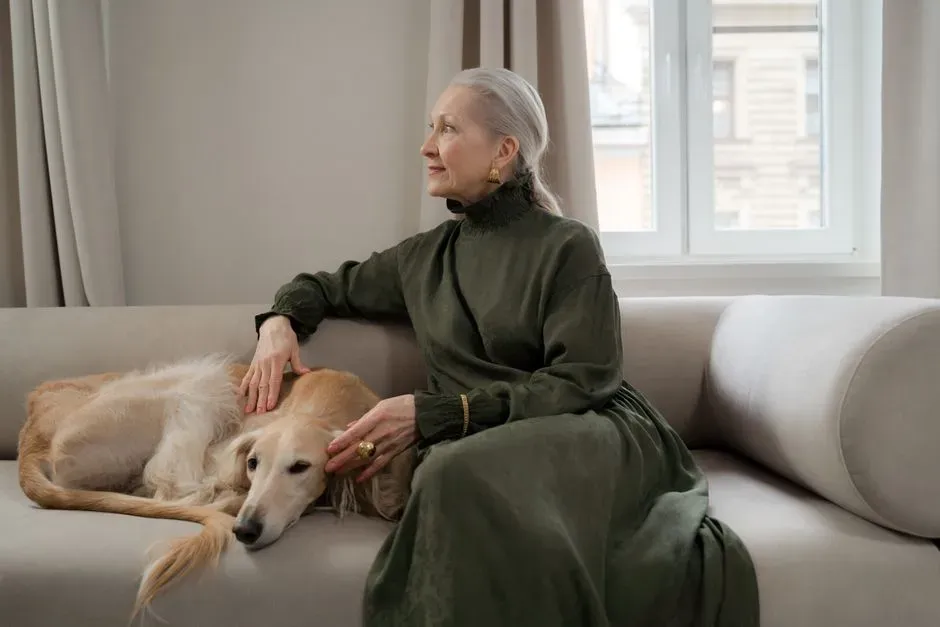
There’s an emotional weight to adopting a senior pet that’s hard to describe until you’ve lived it. You’re not just giving them a home; you’re giving them a soft landing at a time in life when everything could have gone the other way. Many people describe a sense that senior pets seem to know they’ve been given a second chance. They may follow you from room to room, sleep a little closer, or look at you with a kind of quiet intensity that feels like gratitude, even if we can’t scientifically measure it.
Of course, it’s not always easy. You’re aware that your time together might be shorter. There may be more vet appointments, more adjustments, and eventually, tougher goodbyes. But that’s also what makes the bond so raw and meaningful. Instead of measuring your relationship in years, you measure it in depth – small rituals, the way they relax when they finally trust you, the first time they play again after months of shutting down. It’s not about how long you have; it’s about how fully you love them in the time you do.
Senior Pets and Families: Gentle Companions for Kids and Older Adults
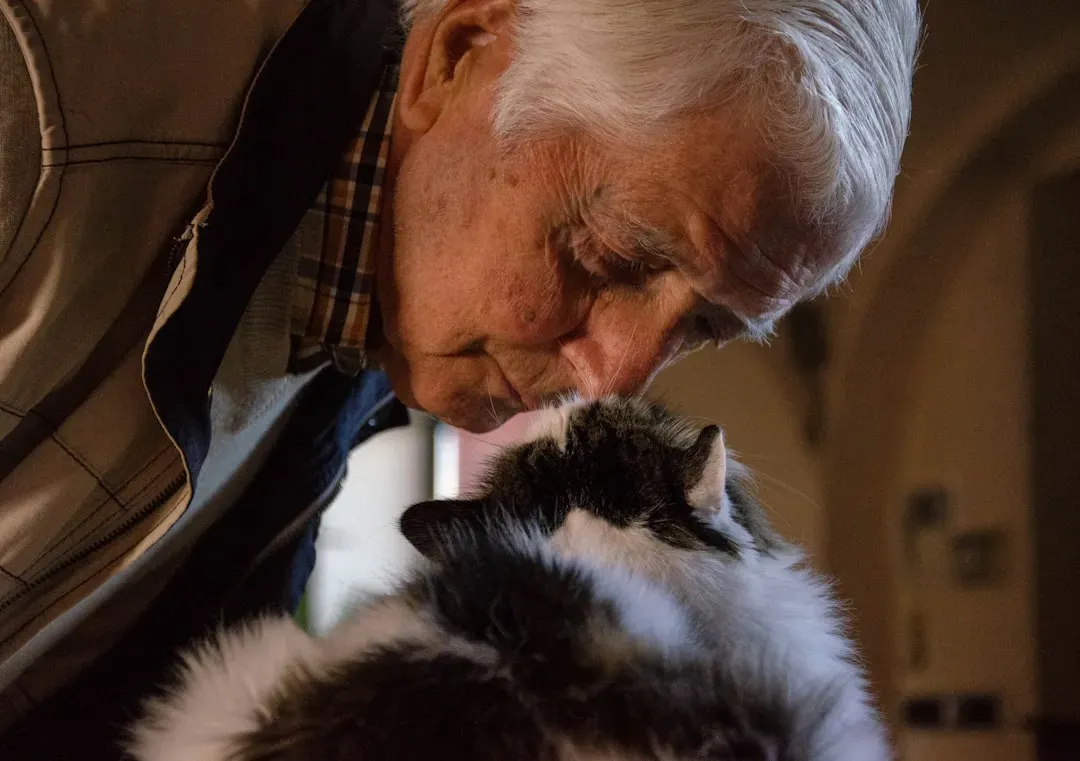
For many families, especially those with young children or older adults, the predictability and calm nature of a senior pet can be a huge advantage. A high-energy puppy that nips and jumps may overwhelm a toddler or knock over a grandparent, even with the best intentions. An older dog who prefers quiet walks and couch time can be a safer, more manageable match. Similarly, a laid-back senior cat might be more tolerant of gentle petting and less likely to turn playtime into a chaotic chase across the house.
Seniors also tend to fit better into the routines of people who don’t have time for constant entertainment and supervision. A retired person might enjoy slow, routine walks with a senior dog and appreciate the steady rhythm that brings to their days. Parents balancing work, school schedules, and everything else may find that a calm, already-trained animal is far easier to integrate than a baby tornado with paws. When you pair the right senior pet with the right household, the relationship can feel surprisingly easy and natural.
The Emotional Healing Power of Older Animals

There’s a quiet magic in the way senior pets can soothe our rough edges. Their slower pace and gentle expectations can be incredibly grounding for people dealing with anxiety, grief, burnout, or major life changes. Instead of demanding constant play, they’re simply there – warm, steady, and present. Sitting with a gray-faced dog at your feet or an older cat purring beside you can feel like being wrapped in a soft, living blanket that doesn’t care about your job title, your to-do list, or your latest mistake.
For some, choosing a senior pet can even be part of their own healing story. People who have gone through divorce, illness, or loss often find comfort in caring for an animal who also carries a past. There’s a kind of shared understanding: you’ve both been through things, and you’re both ready for something gentler. That mutual vulnerability creates a different kind of companionship – less about adventure and more about quiet resilience. In taking care of them, you sometimes realize you’re also taking better care of yourself.
Practical Tips for Welcoming a Senior Pet Home

Bringing home a senior pet is usually less chaos than bringing home a baby animal, but a little preparation makes a big difference. Think soft beds, non-slip rugs for older dogs with wobbly joints, and easy-access litter boxes or low-sided boxes for older cats. Make sure food and water are in spots that don’t require navigating stairs, and consider adding ramps or steps if your new friend has trouble jumping onto favorite resting places. A gentle, predictable routine helps them feel safe faster than any fancy toy ever could.
It’s also smart to schedule a vet visit soon after adoption, even if the shelter has already done an exam. That gives you a baseline for their health, a chance to discuss diet or supplements, and space to ask honest questions about what to expect as they age. Go slowly with introductions to other pets, and give them a quiet area of the house that’s truly theirs. The first few weeks are about building trust and security, not forcing instant snuggles or perfect behavior. Let them adjust at their own pace – you’re rewriting their final chapter, not rushing to the epilogue.
Why Choosing “Old” Might Be the Most Beautiful Thing You Ever Do
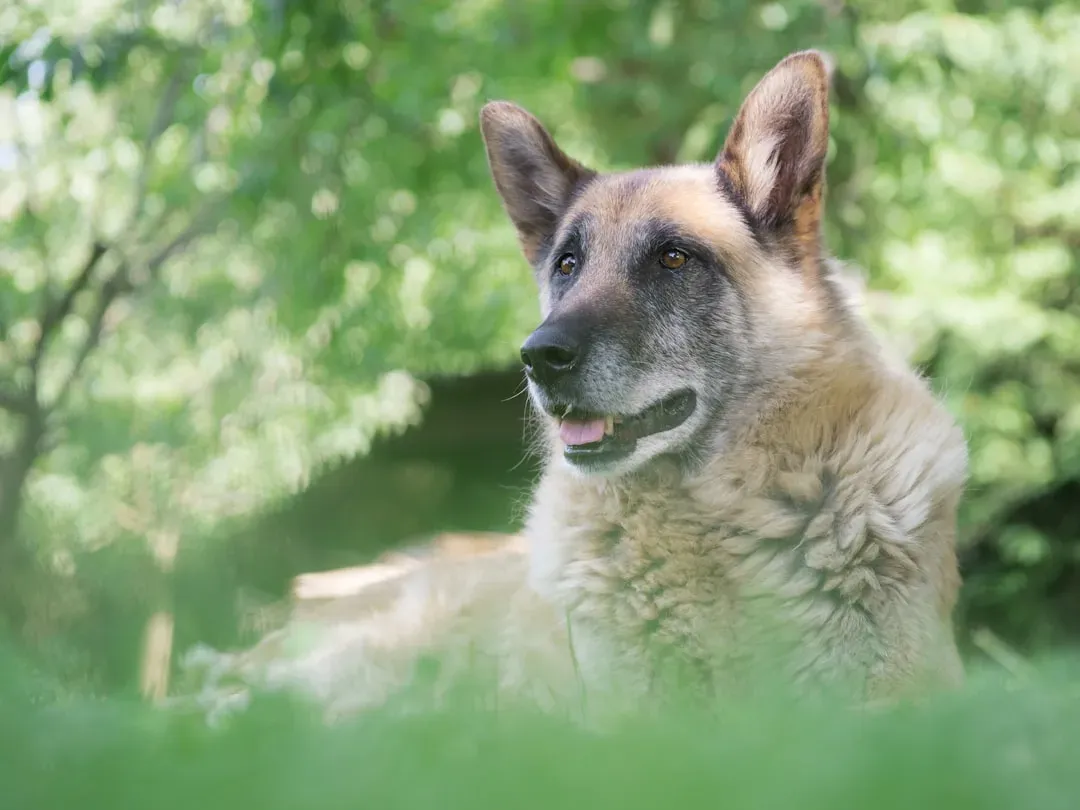
Adopting a senior pet is not the easy choice on paper. It asks you to walk into a relationship knowing that goodbye may come sooner than you’d like. It asks you to look past graying fur, cloudy eyes, or stiff joints and see the soul underneath. But when you do, something shifts. You stop chasing the idea of a perfect, lifelong pet and start embracing the beauty of showing up for a life exactly where it is. There’s a quiet heroism in that, even if you never call it that out loud.
In the end, the joy of adopting a senior animal isn’t about how long they’re with you, but how completely they fill the space they have. You become the person who turned “abandoned” into “beloved,” “left behind” into “finally home.” And years from now, when you think back on the pets that changed you the most, there’s a good chance the old dog or cat who shuffled into your life late will shine the brightest. So when you walk past that senior in the shelter next time, will you keep moving – or will you let yourself imagine what it would feel like to be their last, best chance?

- Scientists Investigate Why Some Bearded Dragons Grow to Record Sizes - June 24, 2026
- What Research Reveals About a Cat’s So Called Sixth Sense - June 23, 2026
- 5 Essential Training Tricks to Quiet a Barking Dog - June 22, 2026