
Most gardeners have a reflex. They spot something crawling or buzzing, they reach for the spray bottle. It’s understandable. A lot of the creatures sharing your backyard don’t exactly look friendly, and a few of them genuinely do damage. The trouble is, far too many gardeners are accidentally destroying their greatest natural allies in the process.
The reality is that a thriving garden is never a sterile one. Some pests are necessary to feed beneficial insects, and some plant damage is natural for any ecosystem. Once you start recognizing which creatures are doing quiet, valuable work in your soil and on your leaves, your whole approach to backyard gardening tends to shift.
1. Ladybugs (Lady Beetles): The Garden’s Most Celebrated Predator
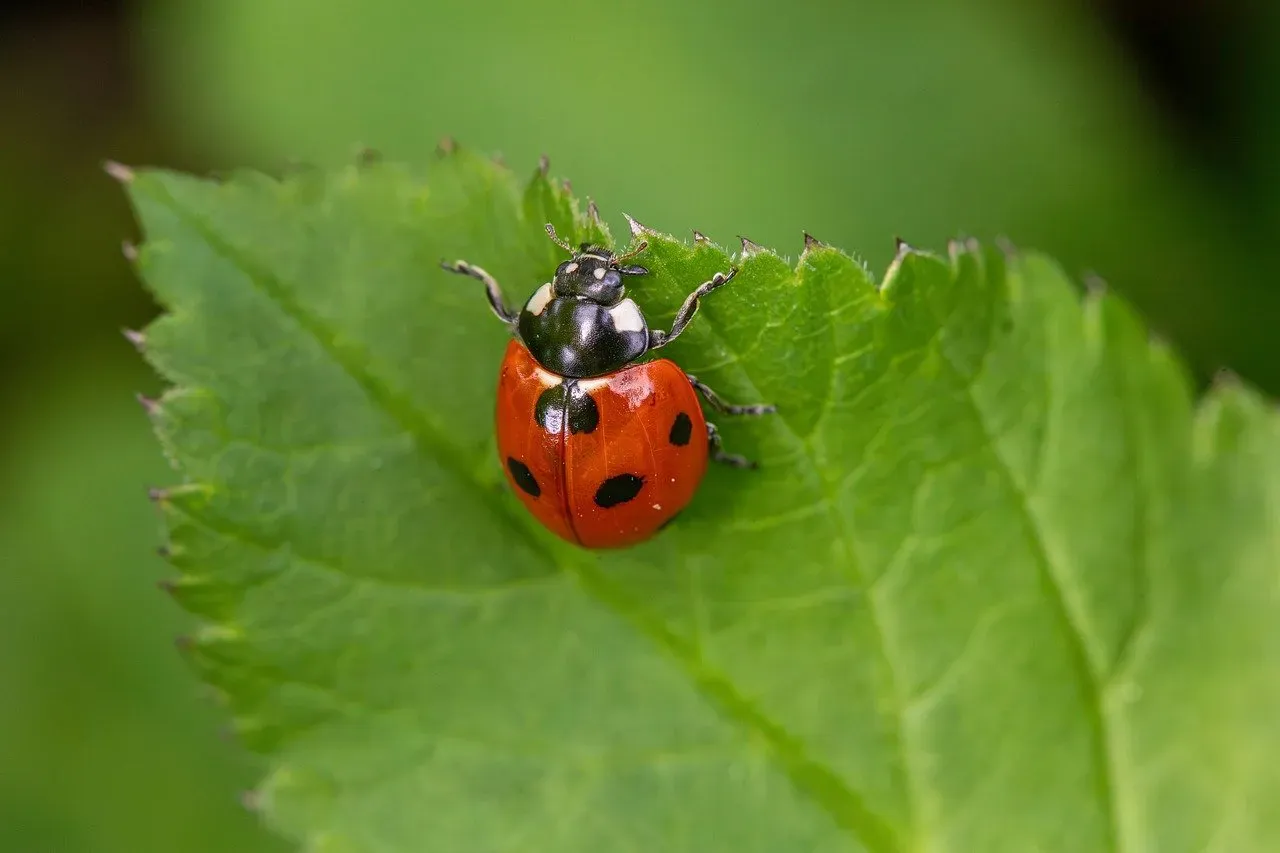
Few garden creatures have earned as much goodwill as the ladybug. Tiny, bright, and immediately recognizable, they are considerably more ferocious than they appear. With approximately 475 species in North America, lady beetles are highly regarded as voracious predators of agricultural pests, and most are specialist predators of aphids or scale insects, though some consume whiteflies, mites, thrips, and insect eggs.
A single lady beetle may consume up to 5,000 aphids in its lifetime. That is a remarkable contribution from one small insect. Their larvae are equally effective and are sometimes called “alligators” because of their spiky, unfamiliar appearance.
University sources estimate that a lady beetle larva can consume 200 to 500 aphids during its life stage until it pupates, and one mature lady beetle can eat 30 to 50 aphids in one day. To attract them, plant dill, yarrow, alyssum, and common fennel in your garden borders.
2. Aphids: The Unlikely Ecosystem Anchor
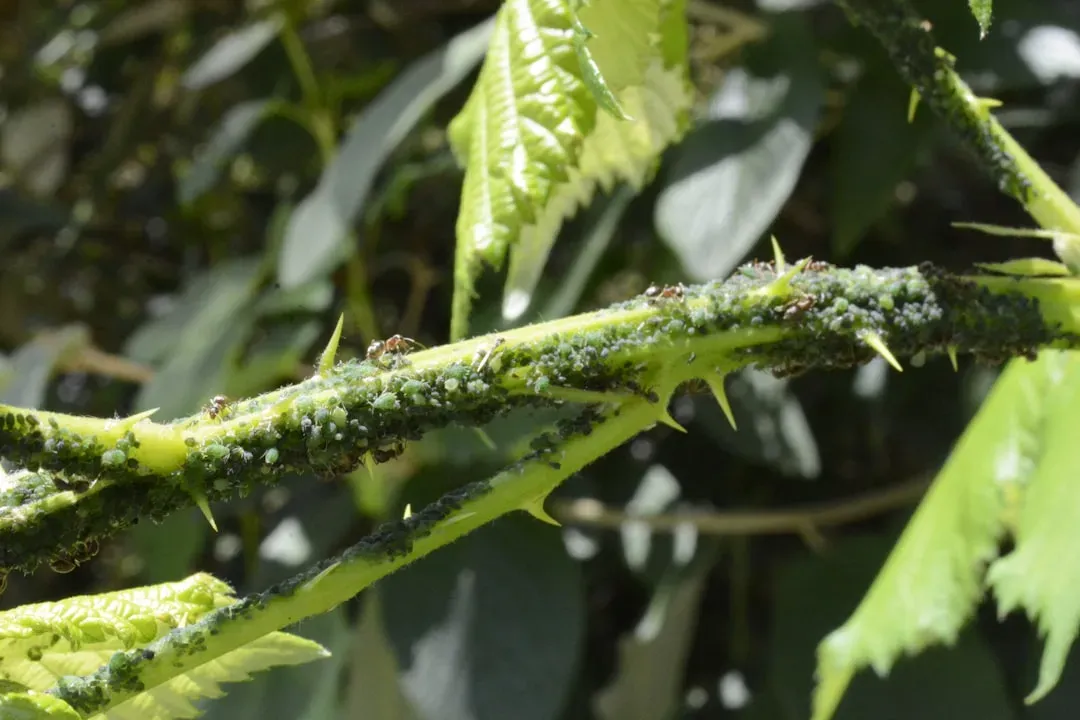
Aphids are the creature gardeners probably hate most. They cluster on tender shoots, suck plant sap, and seem to multiply overnight. They’re genuinely problematic in large numbers. Still, their role in the wider ecosystem is surprisingly significant.
Aphids are the basis of many food chains and part of a healthy garden ecosystem. Without a small resident aphid population, many beneficial predators, from ladybugs to lacewing larvae to parasitic wasps, would have no reason to take up residence in your garden at all.
Aphids can become serious pests because they can build up high populations very quickly, and they feed in large colonies. They may cause plant damage in three important ways: they suck out plant juices, they can transmit plant diseases, and they excrete a sugary substance called honeydew. The key is tolerance in moderation, not elimination. A garden with zero aphids is a garden with zero predators.
3. Ground Beetles: The Night Shift Workers
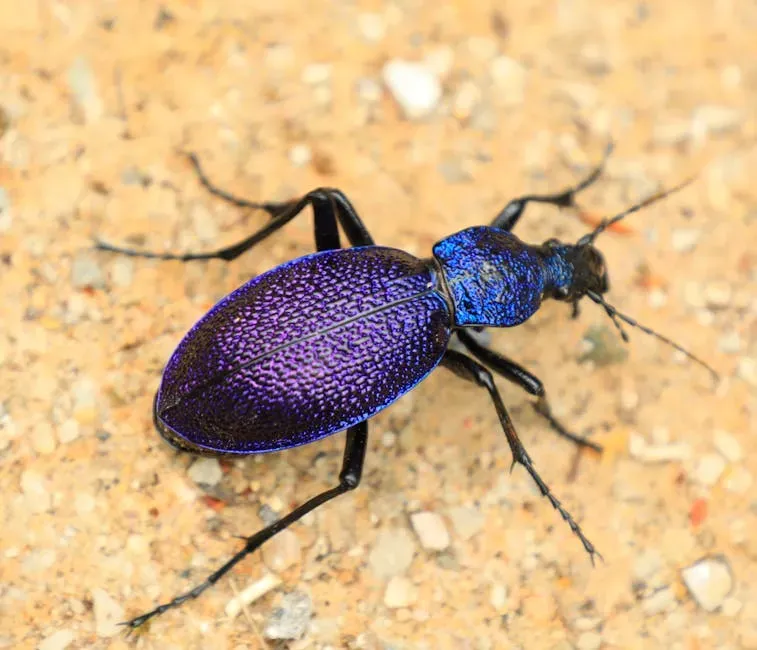
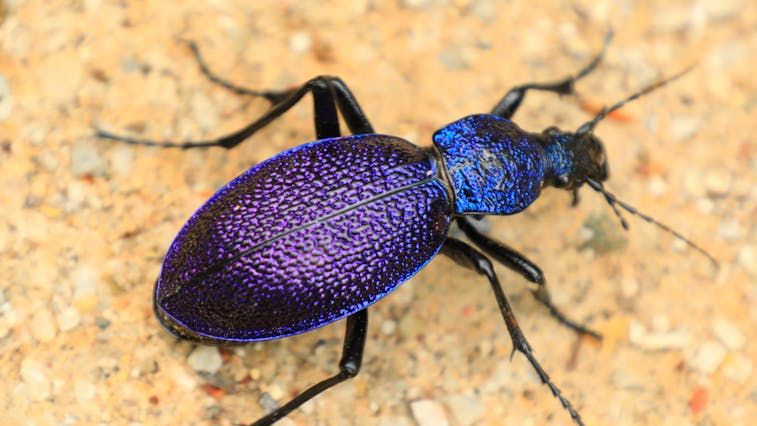
Ground beetles are one of the most overlooked allies in backyard gardening. Dark, fast-moving, and nocturnal, they’re easy to mistake for a threat. Ground beetles are a group of mainly nocturnal predators which feed on many insects and slugs in the garden at night, and during the day they remain hidden in nearby vegetation, beneath rocks, or in soil crevices.
Ground beetles are a large group of predatory beetles that are beneficial as both adults and larvae, and they will eat a wide range of insects, including caterpillars, nematodes, silverfish, slugs, thrips, and weevils. Some species even consume weed seeds, which is a bonus few gardeners are aware of.
Ground beetles are attracted to gardens that provide shelter and food sources, and mulch, leaf litter, moist soil, and healthy plant diversity create ideal habitats for these insects. Leave a few undisturbed corners in your garden and these natural patrollers will do the rest.
4. Green Lacewings: Delicate Wings, Savage Appetites
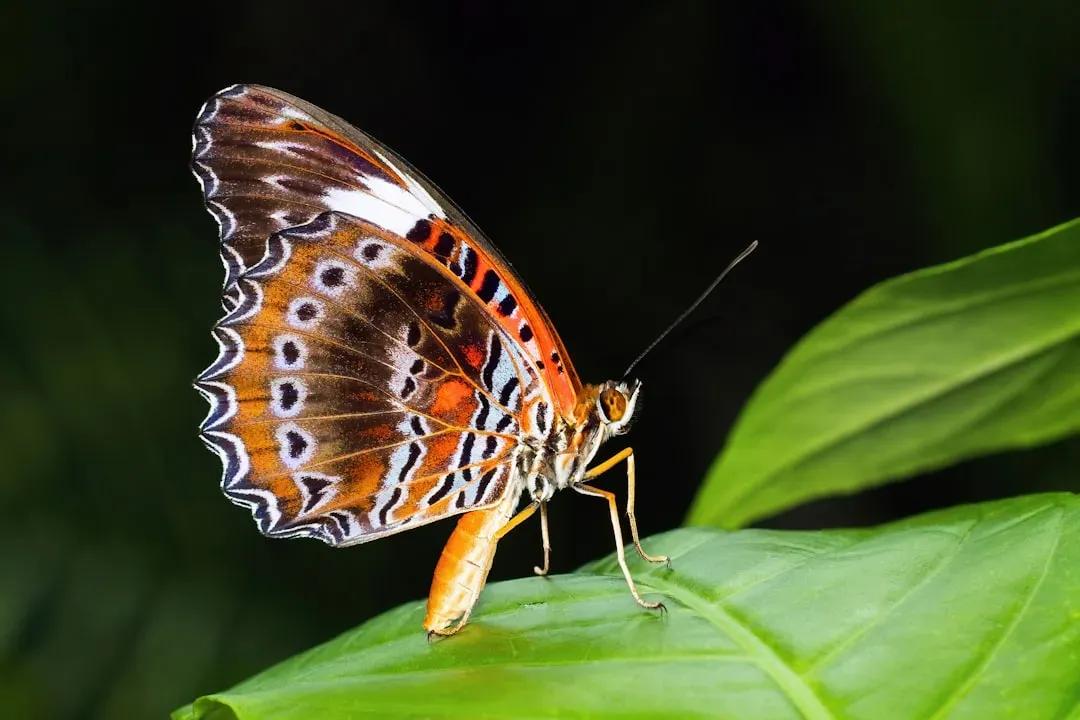
The adult green lacewing is a genuinely pretty insect. Pale green with gossamer wings and delicate antennae, it looks almost decorative hovering around garden plants at dusk. Its larvae, however, are a different story entirely.
Green lacewings are beneficial and interesting insects with attractive green wings for which the adults are named, and larval lacewings prey on many garden pests such as aphids, mites, mealybugs, and scales. In fact, the larvae are so voracious that they are known as aphid lions.
Female adult lacewings need nectar as part of their diet to lay eggs, and nectar-producing flowers may encourage these beneficial insects in the garden. Lacewings are associated with many vegetable crops, especially those commonly infested by aphids. Plant dill, cosmos, or fennel near your vegetables to draw them in.
5. Spiders: Eight-Legged Pest Controllers
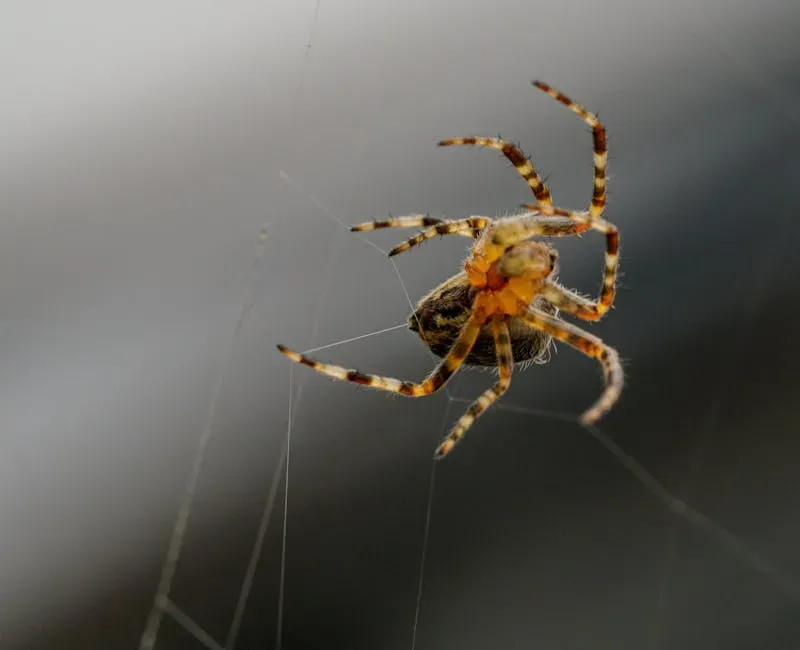
Spiders suffer from a reputation problem that has very little to do with their actual behavior in a garden setting. Most are harmless to humans and extraordinarily effective at reducing pest populations. Spiders are one of the garden’s most effective allies in controlling pests, and many common garden insects such as aphids, caterpillars, beetles, mosquitoes, and flies make up the majority of a spider’s diet.
Orb-weaver spiders build large, circular webs between plants to trap flying insects like flies, moths, and mosquitoes, while other spiders like wolf spiders and jumping spiders are active hunters that patrol the garden floor, pouncing on insects hidden in leaves and mulch.
Leaving some leaf litter, mulch, or stones around the garden provides habitat for ground-dwelling spiders, while dense plants or shrubs give web-builders a place to set up shop. A garden that welcomes spiders is quietly fighting pests around the clock.
6. Parasitic Wasps: The Stealthy Pest Terminators
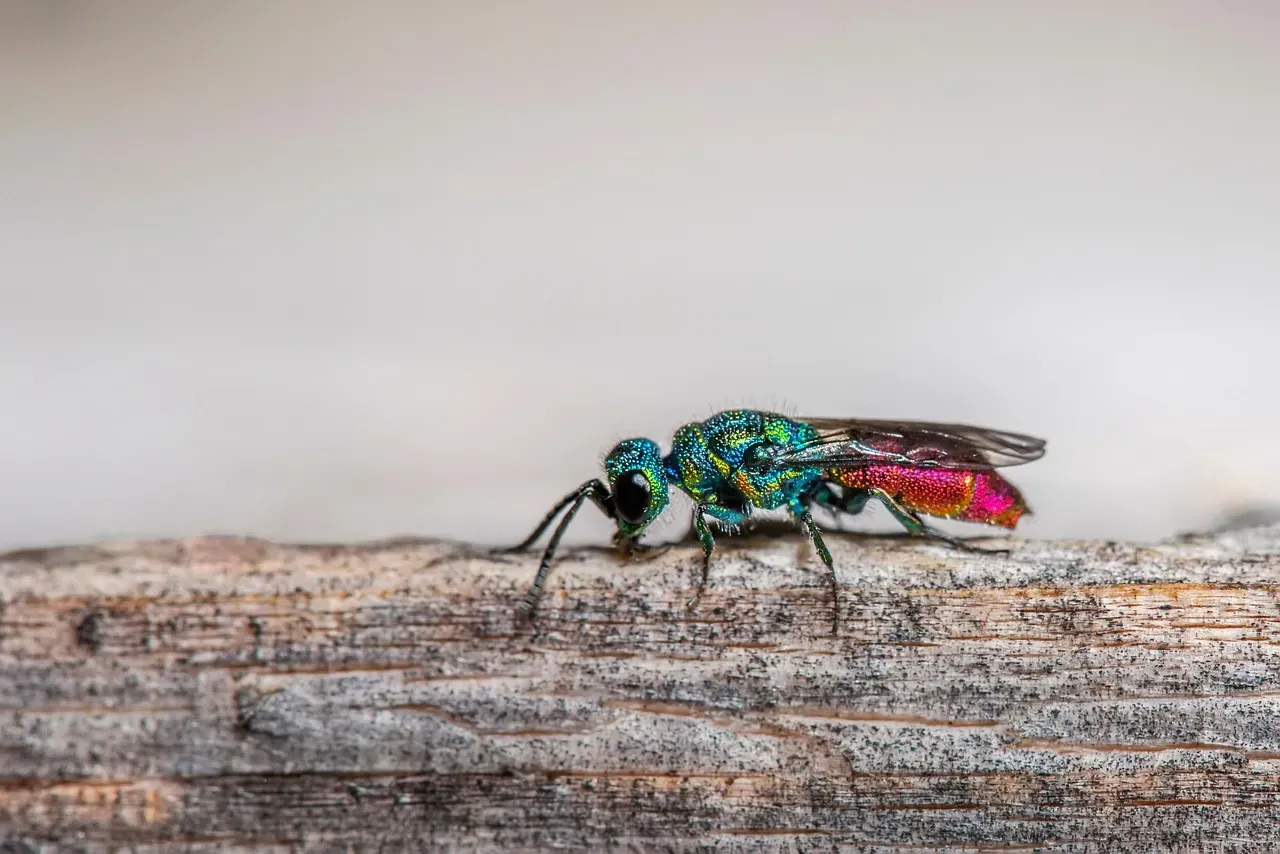
Mention wasps and most people picture something aggressive buzzing around a picnic. Parasitic wasps are an entirely different matter. Many are tiny enough to be invisible to the naked eye, and they never sting humans at all. Many species of wasps infect insect pests in the garden as parasites, and depending on the species, parasitoid wasp females lay eggs on or in the bodies of their prey, and once eggs hatch into larvae, larvae feed and reproduce inside their hosts.
With approximately 7,600 species in North America, adult female parasitoid wasps control pests by laying their eggs on or in the prey insect, and their targets can include eggs, nymphs, larvae, or adults, covering many different potential pests such as caterpillars, grasshoppers, aphids, sawflies, mealybugs, scales, whiteflies, and beetles.
Many of these wasps are host-specific, which means they will only lay their eggs in specific host species, and the life cycle of parasitoid wasps is very closely synchronized to that of their hosts, making them particularly effective in reducing pest populations. If you see a caterpillar covered in small white cocoons, leave it alone. The wasps have already done their work.
7. Hoverflies: The Pollinators in Disguise
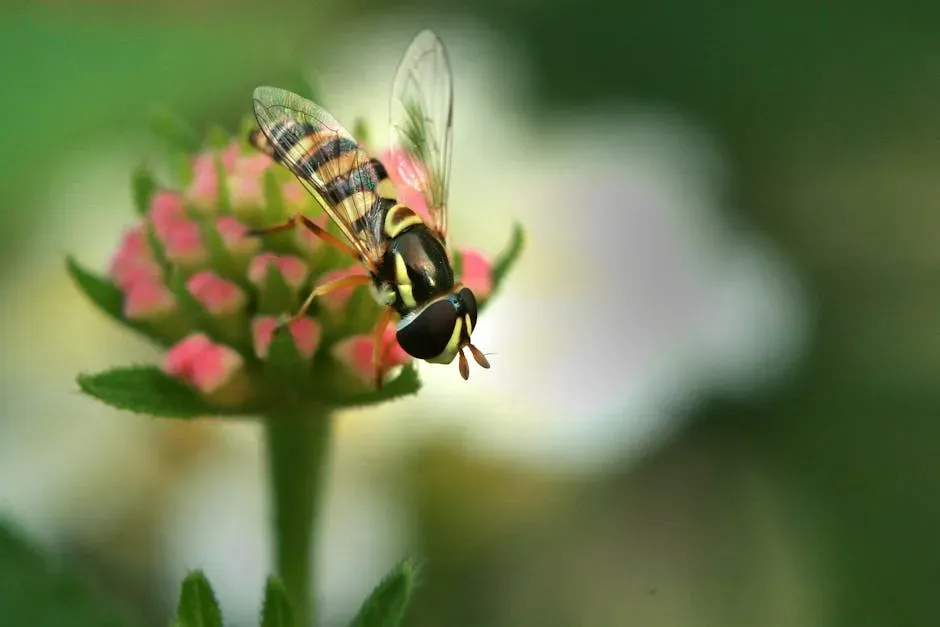
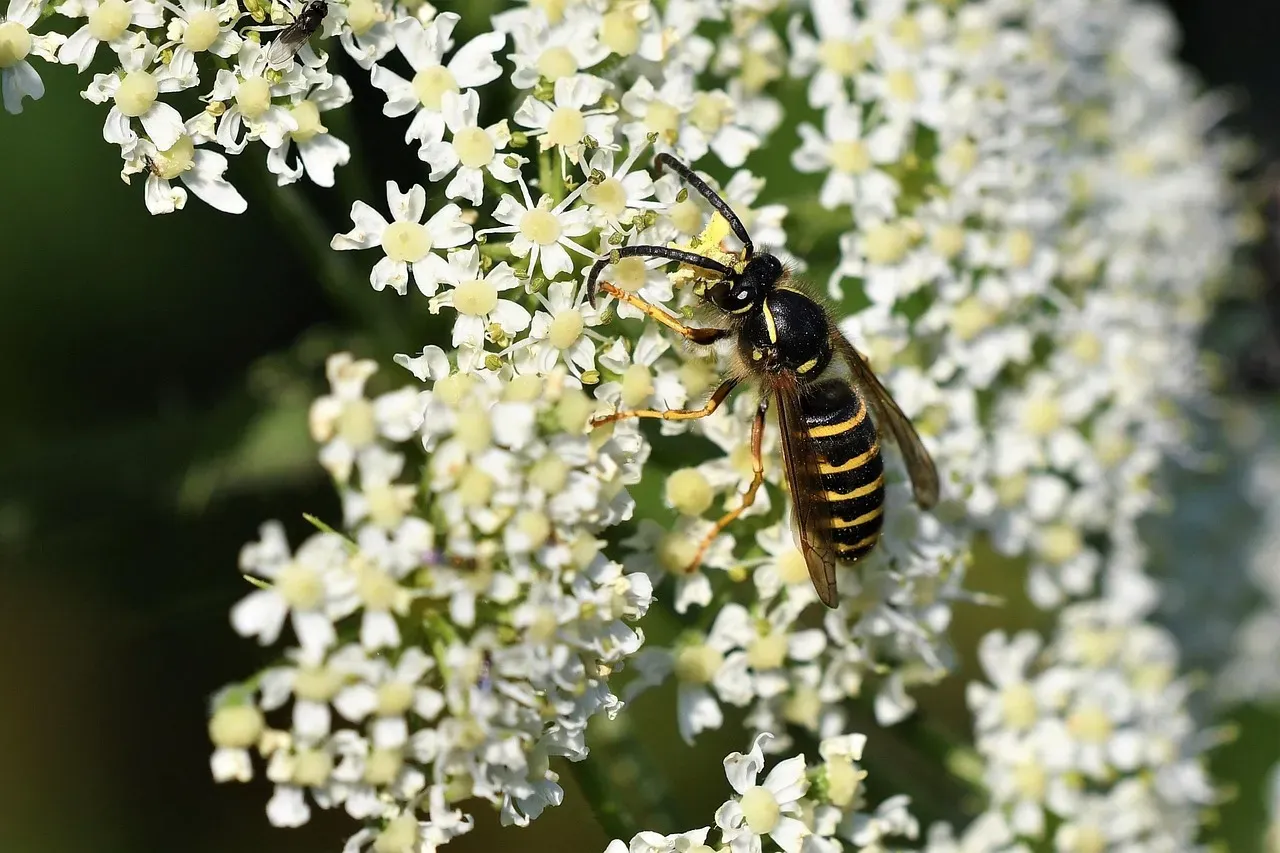
Hoverflies are masters of disguise. The hoverfly looks like a tiny yellow jacket without a stinger, and they feed on pollen and nectar and are crucial pollinators. Many gardeners shoo them away thinking they’re wasps. That’s a costly mistake.
There are approximately 900 species of flower flies in North America, also known as hoverflies or syrphid flies. As larvae, many species are ravenous predators of soft-bodied insects such as aphids, scales, mites, and thrips, and a single flower fly larva can consume as many as 50 aphids per day.
In their adult stage, flower flies are important pollinators, frequently visiting a wide variety of flowers to feed on nectar and pollen. They serve double duty in a way that few other garden insects can match. Growing open-faced flowers like marigolds and phacelia will bring them in reliably.
8. Praying Mantis: The Garden’s Patient Ambush Hunter
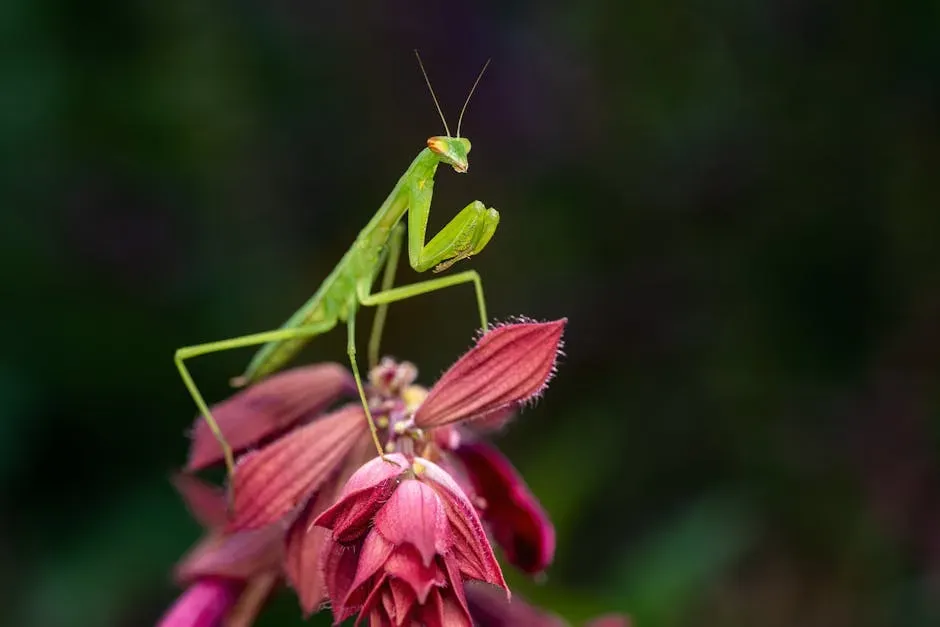
A praying mantis in the garden is one of those sightings that tends to stop gardeners mid-stride. They’re striking creatures, and their hunting ability is just as impressive as their appearance. Praying mantises are fantastic hunters and are generalist ambush hunters, which means they’ll stealthily catch and feast on anything from moths to grasshoppers.
A praying mantis will make short work of any grasshoppers troubling you, and these fierce predators will also hunt many other insect pests that terrorize gardens, including moths, beetles, and flies. They are, however, famously indiscriminate.
Praying mantids are ruthless and will also eat other beneficial creatures, like butterflies, bees, and hummingbirds, and even each other. Think of them as a wild card in your garden’s pest management story. Worth having, worth watching, but not worth relying on exclusively.
9. Earwigs: Misunderstood Scavengers With a Useful Side
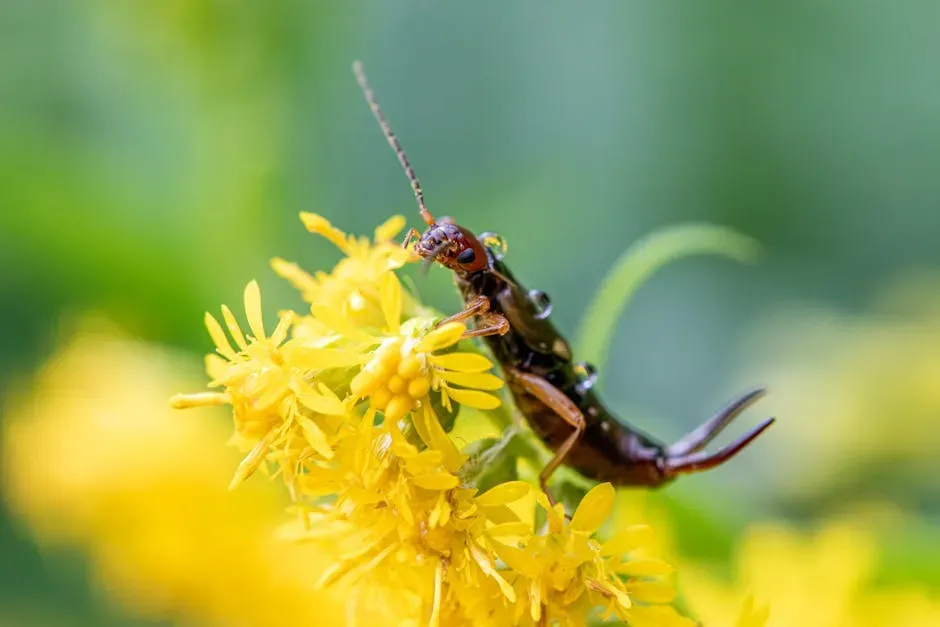
Earwigs might be one of the most unfairly maligned creatures in the garden. That distinctive pair of pincers triggers instant alarm in most people. The reality is considerably less dramatic. Earwigs can be both beneficial and problematic in your garden, and they help control pests and support soil health.
Earwigs feed on harmful insects like aphids, scale, and mites that can damage your plants, and by controlling these pests, earwigs help reduce the need for chemical pesticides. As scavengers, earwigs also break down decaying plant material, enriching the soil and promoting plant growth.
Earwigs can cause minor damage to young plants, particularly when they are weakened or stressed, but they prefer decaying organic matter over healthy plants. In a healthy, established garden they’re far more useful than harmful. Tolerance, once again, is the smarter strategy.
10. Centipedes: The Soil’s Underground Guardians
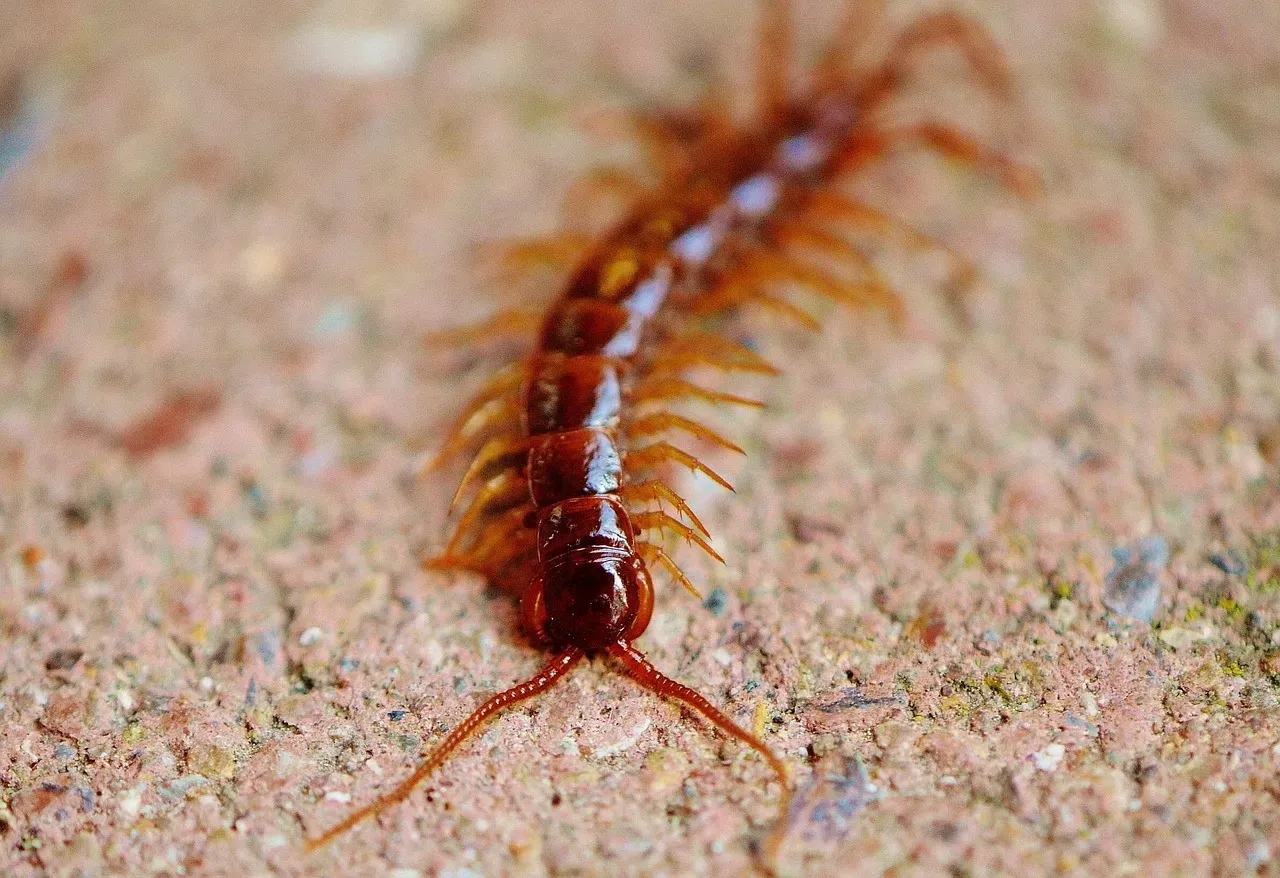
Few things scatter a gardener faster than a centipede shooting out from under an overturned pot. They look formidable. They move fast. They have too many legs for comfort. These fascinating creatures are primarily nocturnal predators, hunting a wide range of invertebrates like slugs, snails, ants, spiders, and even other centipedes, and centipedes can be valuable assets in the garden as they effectively control populations of garden pests.
Centipedes are voracious predators of common garden pests, including aphids, caterpillars, beetles, and earwigs, and by consuming these insects, they can help reduce damage to plants and minimize the need for chemical pesticides.
Centipedes contribute to soil health by breaking down organic matter and creating tunnels that improve aeration and drainage, and their foraging activities also help distribute nutrients throughout the soil. Centipedes are an important part of the garden ecosystem, contributing to biodiversity and a healthy balance of species. Let them work. They ask for nothing in return except a moist corner and a meal.
The Bigger Picture: Working With Your Garden, Not Against It
The most consistent message from entomologists and horticulturalists alike is a simple one. By naturally regulating pest populations, beneficial insects can help minimize reliance on pesticides that have harmful effects on pollinators and soil health. Spraying broad-spectrum chemicals removes this natural balance instantly.
The roles that beneficial insects perform in the garden are sometimes referred to as ecosystem services, which are processes that occur in the ecosystem that happen to benefit humans. Those services are free, reliable, and available to any gardener willing to step back and let nature do some of the heavy lifting.
To prevent beneficial insects from flying away from gardens, different plant species with varying blooming times should be planted to provide alternative food sources such as pollen and nectar. Diversity is the foundation. A garden rich in varied plants, textures, and microhabitats will attract and retain the creatures that keep it healthy, season after season.
The garden that looks a little wild around the edges, with its pile of leaves in the corner, its unsprayed aphid colony, its resident spider webs glinting in the morning light, is often the most productive garden of all. What looks like disorder is frequently just nature doing exactly what it has always done.

- The Most Suitable Small Pet For You According to Your Zodiac Sign - July 15, 2026
- The Spirit Animals That Represent Each Zodiac Sign’s Shadow Side - July 15, 2026
- How to Develop Trust and Strengthen Your Bond With Your Horse - July 15, 2026