

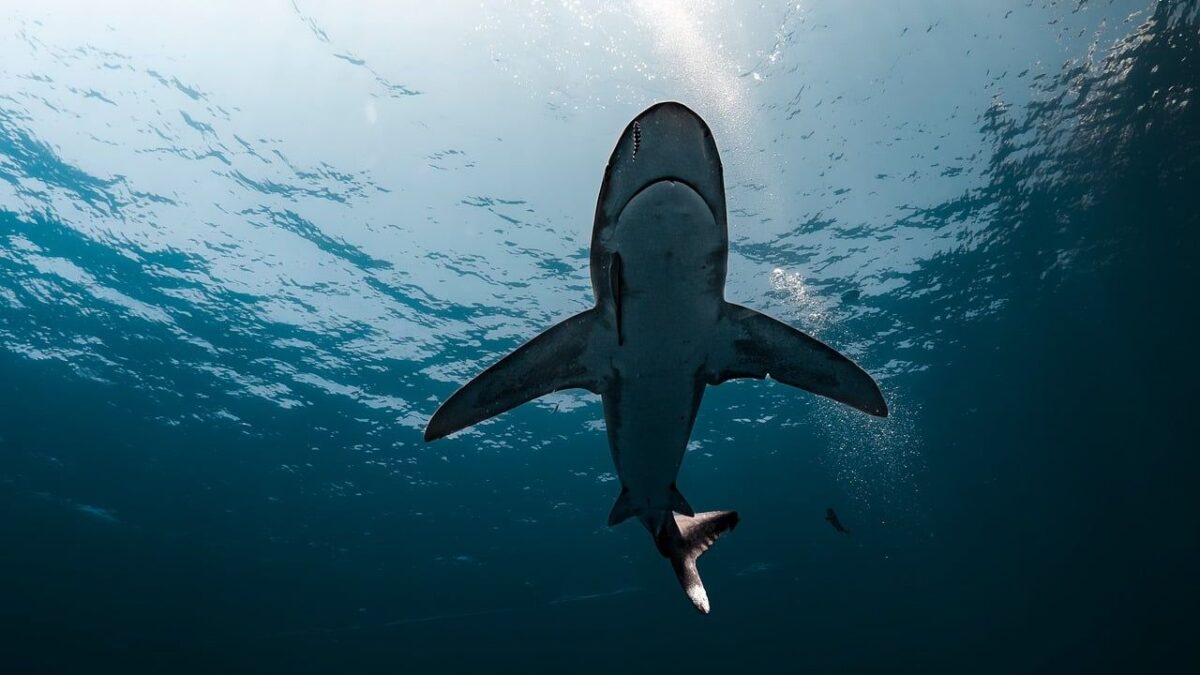
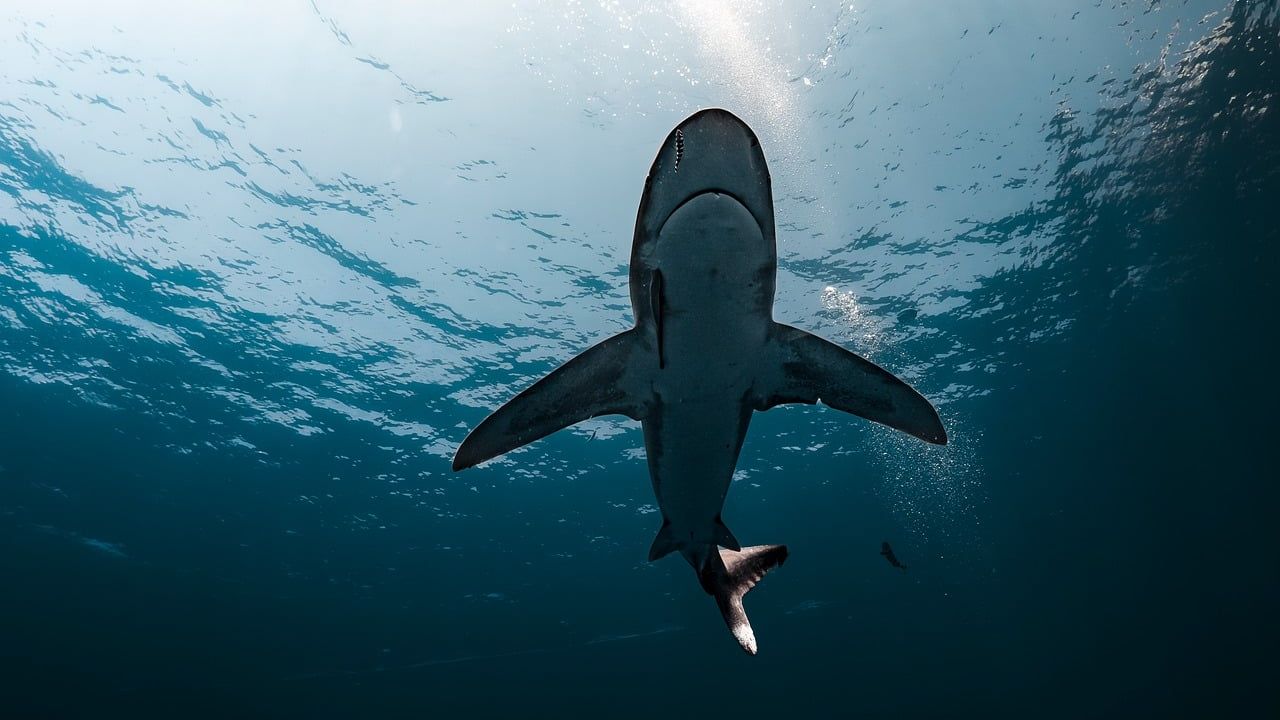
World’s largest shark conference is set to begin in Sri Lanka next week – Image for illustrative purposes only (Image credits: Pixabay)
Colombo, Sri Lanka – Overfishing and habitat destruction have pushed more than one-third of shark and ray species toward extinction, threatening marine ecosystems that sustain coastal communities worldwide. Next week, from May 4 to 8, the Sharks International 2026 conference will bring together hundreds of experts in this Indian Ocean hub to confront the crisis head-on. Organized locally for the first time in Asia, the event underscores the region’s outsized role in both shark biodiversity and exploitation.
A Premier Forum for Marine Survival
The Sharks International conference stands as the world’s largest assembly devoted solely to elasmobranchs – sharks and rays. Held every four years, it serves as the leading scientific platform where researchers, policymakers, fisheries managers, and conservationists exchange knowledge and strategies. This year’s edition in Colombo promises to amplify those efforts amid accelerating threats.
Hosted by the Blue Resources Trust, a Colombo-based organization, the gathering benefits from backing by multiple international groups. Such collaboration proves essential as global shark populations dwindle under mounting pressures. Attendees will tackle solutions grounded in the latest data, aiming to influence policies that protect these vital ocean predators.
Why the Indian Ocean Takes Center Stage
Sri Lanka’s selection as host carries deep significance. The Indian Ocean ranks as a global biodiversity hotspot for sharks and rays, yet it endures some of the heaviest shark fishing pressures anywhere. Daniel Fernando, co-founder and director of the fisheries and policy program at Blue Resources Trust, highlighted this duality as a key reason for the choice.
The conference marks the first Sharks International event in Asia, signaling the continent’s rising prominence in marine conservation. Local organizers view it as an opportunity to elevate regional voices in international discussions. Fisheries here, which provide livelihoods for thousands, face direct consequences from declining shark numbers, including disrupted food webs and reduced catches of other species.
Key Challenges and Proposed Solutions
Delegates will zero in on pressing global priorities, starting with efforts to halt population declines. Overfishing remains the primary driver, compounded by habitat loss from coastal development and inadequate enforcement of protections. Bycatch in industrial fisheries – where sharks are unintentionally caught and discarded – exacerbates the toll across vast ocean expanses.
To address these, sessions will explore practical measures like improved fishing gear and stricter quotas. The agenda emphasizes enforcement gaps that allow illegal trade to persist. Organizers stress that integrated approaches, blending science with policy, offer the best path forward.
- Reducing bycatch through targeted technologies and practices.
- Strengthening monitoring in high-risk fishing zones.
- Promoting sustainable fisheries management in biodiversity hotspots.
- Enhancing international cooperation to close loopholes in trade regulations.
Lessons from a Decade of Conferences
Sharks International has evolved since its debut in Australia in 2010. Subsequent hosts – South Africa in 2014, Brazil in 2018, and Spain in 2022 – each brought fresh regional insights to the table. Those gatherings advanced understandings of migration patterns, threat assessments, and recovery tactics.
Each event built momentum for protections, contributing to listings under international agreements. The 2026 iteration in Sri Lanka continues that trajectory, with a sharper focus on Asia-Pacific dynamics. Past outcomes demonstrate how such forums can shift national policies and spur on-the-water changes.
Implications for Oceans and Communities
Beyond scientific exchange, the conference holds promise for tangible gains in conservation. Strengthened global partnerships could lead to better-resourced patrols and data-sharing networks. For Sri Lanka and neighboring nations, outcomes may reshape local fisheries, balancing economic needs with ecological health.
Yet challenges persist, including varying political wills and resource constraints in developing regions. As the event unfolds next week, its resolutions will test whether collective action can outpace the extinction clock. Coastal fishers and marine-dependent economies stand to gain – or lose – the most from what emerges.

As a little kid, I fell in love with nature, wildlife, and animals. Living in the USA, South Africa, Italy, China and Germany gave me the opportunity to discover the world's Wildlife. My favorite animals are Mountain Gorillas, Siberian Tigers, and Great White Sharks.
I'm a certified PADI Open Water Diver, went to Everest Base Camp and Trekked Gorillas in Uganda. I hold a Master of Science in Economics and Finance.
Please send any feedback to feedback@animalsaroundtheglobe.com
- 11 Most Endangered Insects Buzzing in America Today - July 22, 2026
- 10 Most Frequently Googled Animal Birth Facts - July 22, 2026
- 10 Incredible Migration Journeys in the Animal Kingdom - July 22, 2026