

Most pet owners have experienced that odd moment where your dog stares at you with an intensity that feels deliberate, or your cat suddenly goes quiet in a way that’s just a little off. It’s not your imagination. Life with cats and dogs would be a lot easier if they could tell us exactly what they were thinking. Unfortunately, pets can’t talk – they rely mostly on body language to express themselves.
Some research has been done to determine how well humans interpret canine and feline body language. What’s usually found is that we’re not good at recognizing fear or stress in dogs and cats, and we also underestimate fear when we do recognize it. The good news is that these are learnable skills. Once you know what to look for, the signals become surprisingly clear.
Their Tail Is Speaking Its Own Language
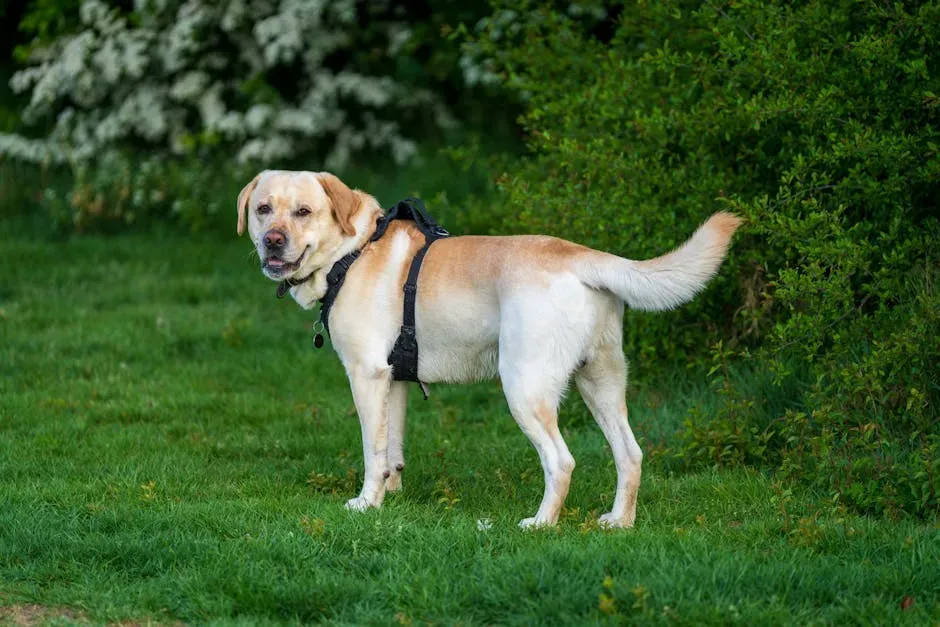
The tail is probably the most watched part of a pet’s body, and also the most misread. Most people assume a wagging tail equals a happy dog. The reality is more layered than that.
All a wagging tail really means is that the dog is emotionally aroused. That arousal can be positive or negative depending on context. A dog slowly wagging its tail from side to side may be relaxed and happy to see you, but a faster, twitching wag could mean the dog is on alert.
Research on tail-wagging showed that dogs tend to wag their tails more to the right when they’re feeling positive about something, such as interacting with their owner. Tails wagged more to the left when dogs faced something negative. That’s a surprisingly fine distinction, but worth knowing.
Dogs with their tails pointing down to the ground or even tucked between their legs are feeling fear and stress. Dogs with their tails held up like a flag are feeling confident, perhaps even aggressive. Relaxed dogs hold their tails in a neutral position, but neutral depends on the breed. For cats, a tail held high indicates that a cat is feeling happy and confident – a cat walking toward you with a tail held high like a flag is usually eager to interact with you.
The Eyes Are Saying More Than You Think

Eyes are a rich source of information in pets, though the signals don’t always map onto human equivalents. Take “whale eye,” for example. It occurs when a dog turns its head but keeps its eyes fixed on something, causing the whites of the eye to show in the corner. Whale eye is a sign of anxiety and stress, and it might indicate fear. A fearful dog can lash out in defense, so when a dog shows whale eyes, it’s important to figure out the source of the fear.
Eye blinks in dogs and cats indicate the desire for a peaceful greeting, while direct eye contact without blinking or looking away can signal a challenge in both dogs and cats. In cats, the slow blink carries particular meaning. A cat who blinks slowly at you shows relaxation and contentment – many cat owners take this to mean that the cat is saying “I love you.” You can slow-blink back at your cat to return the sentiment.
Soft, blinking eyes show calmness and trust. Wide, dilated pupils may signal fear, excitement, or aggression, depending on the situation. Context always matters. A cat with wide pupils in dim lighting is simply adjusting to the dark, but those same pupils in a bright room during a stressful moment are telling a different story.
Ears Signal Emotional State With Precision
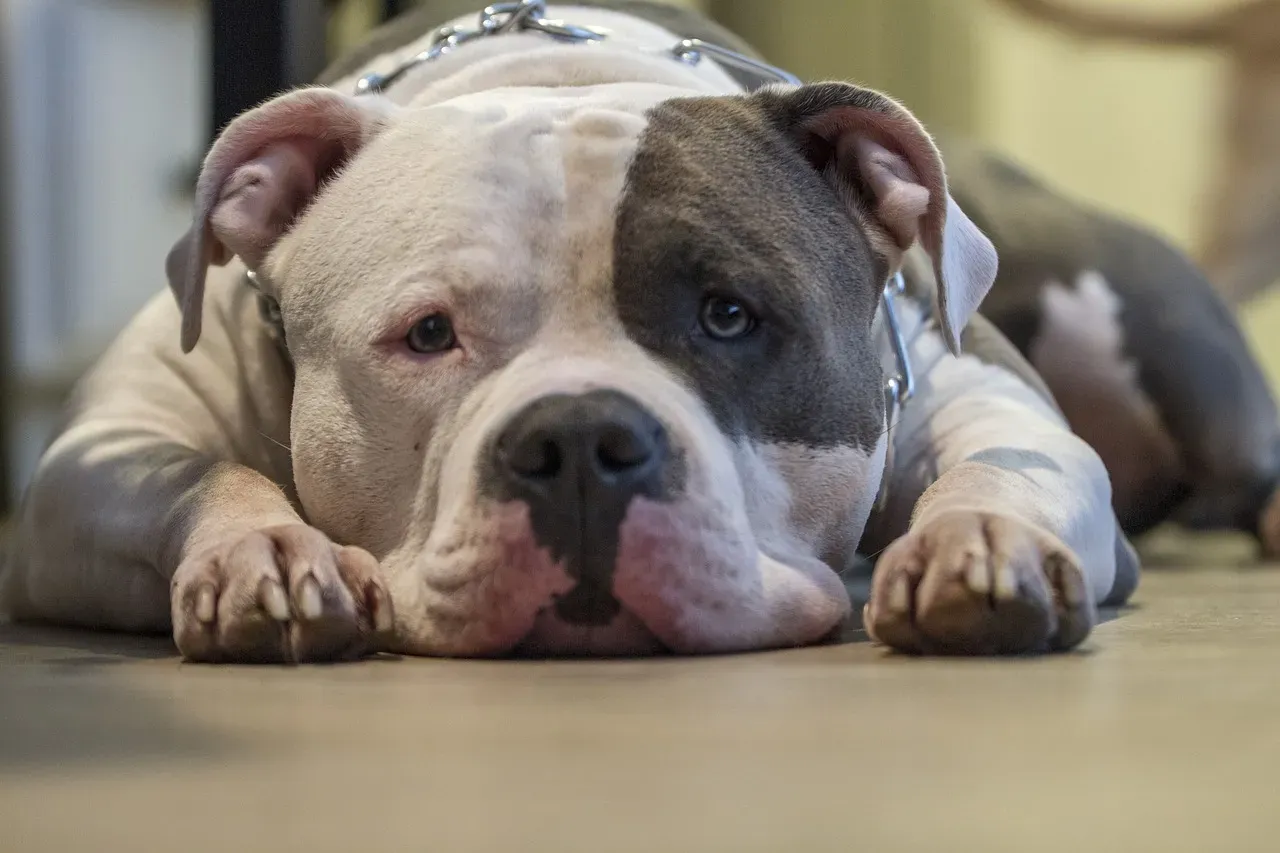
The position of the ears can provide real insights into what a dog is feeling. When a dog has its ears positioned forward, this usually means it is focused. A dog with an overall relaxed posture with its ears back is probably curious, while a dog who is tense and has its ears back is afraid.
The difference between curiosity and fear is in that overall posture. It’s never just one signal in isolation. A cat who is confident greeting people will normally hold her ears forward and alert. If her ears move backward or twitch, it may indicate uncertainty or that the encounter is not going well.
Ears turned sideways or flattened backward are a common stress indicator in cats specifically, and it’s one that owners often miss because the change can be subtle. When you see those ears go flat, it’s worth pausing whatever you’re doing and giving your pet a little space.
Yawning and Lip Licking Are Rarely About Being Tired or Hungry
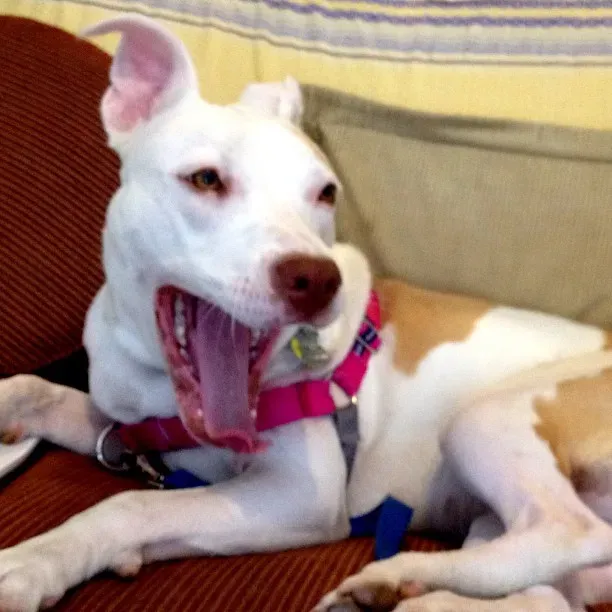
This one surprises a lot of people. People yawn when they’re tired or bored, but dogs yawn when they’re stressed. The same goes for lip licking. Excessive yawning or lip licking often signals stress, not sleepiness.
Yawning and nose-licking are considered to be ambivalent behaviors, meaning that the dog is cautious, concerned, stressed, anxious, or has the potential to respond with aggression if the situation escalates or persists. These are early warning signals in what behaviorists sometimes describe as a ladder of communication.
When these early warning signs are ignored, or the level of threat intensifies, dogs escalate their behavior. They are doing this to stop the situation, and if these early signs are ignored, they move to more obvious signals, ending with the ones we’re more familiar with such as growling, snapping, and biting. Catching the yawn or the lip lick early is genuinely preventative.
Sudden Changes in Behavior Can Mean Something Physical Is Wrong
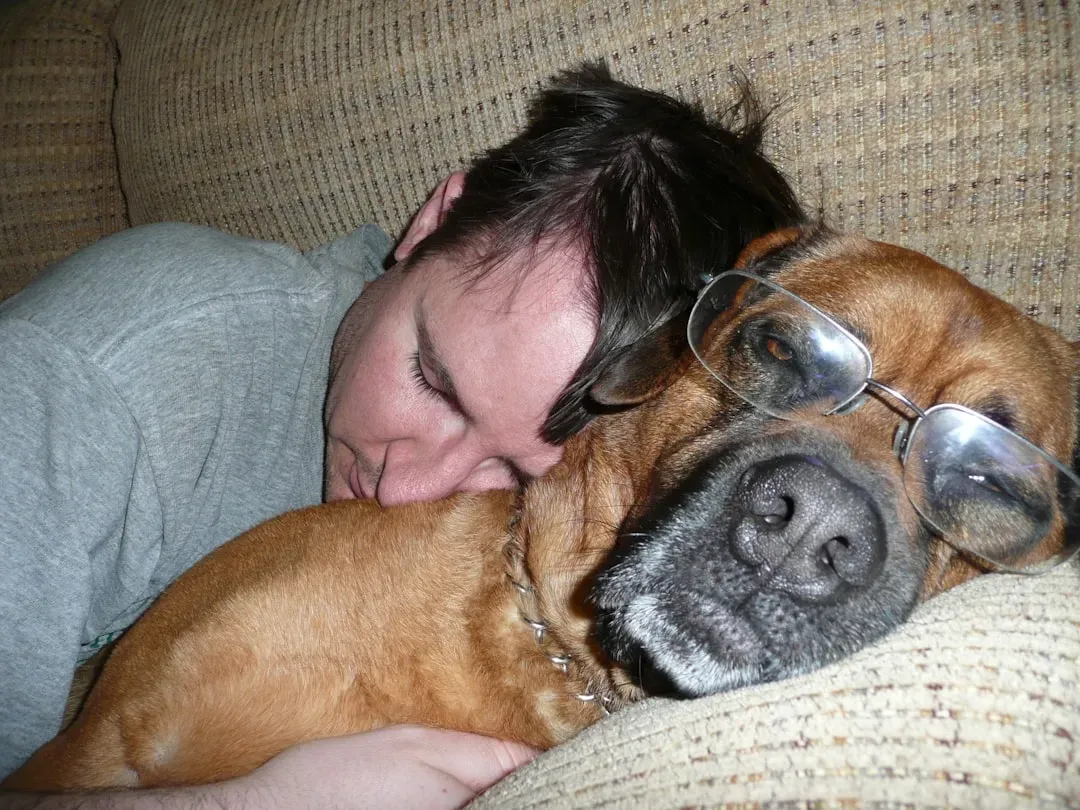
Behavioral shifts are not always about mood. Sometimes they’re medical. Sometimes what your dog is trying to tell you is medical, not behavioral. Pain, thyroid disorders, arthritis, and neurological conditions can alter behavior significantly. If changes appear abruptly, a veterinary exam is recommended.
Changes in body language often signal pain or illness. A normally playful pup who becomes stiff and withdrawn, or a cuddly cat who hides and avoids touch, may be signaling discomfort. These changes deserve attention, not dismissal.
If you notice your dog is showing signs of stress in a situation they have normally been fine with, please get them checked out by a vet. Pain is a common cause of behavior change. Just as we can become less tolerant when we are in pain, so can dogs.
Hiding and Withdrawal Are Calls for Help, Not Attitude
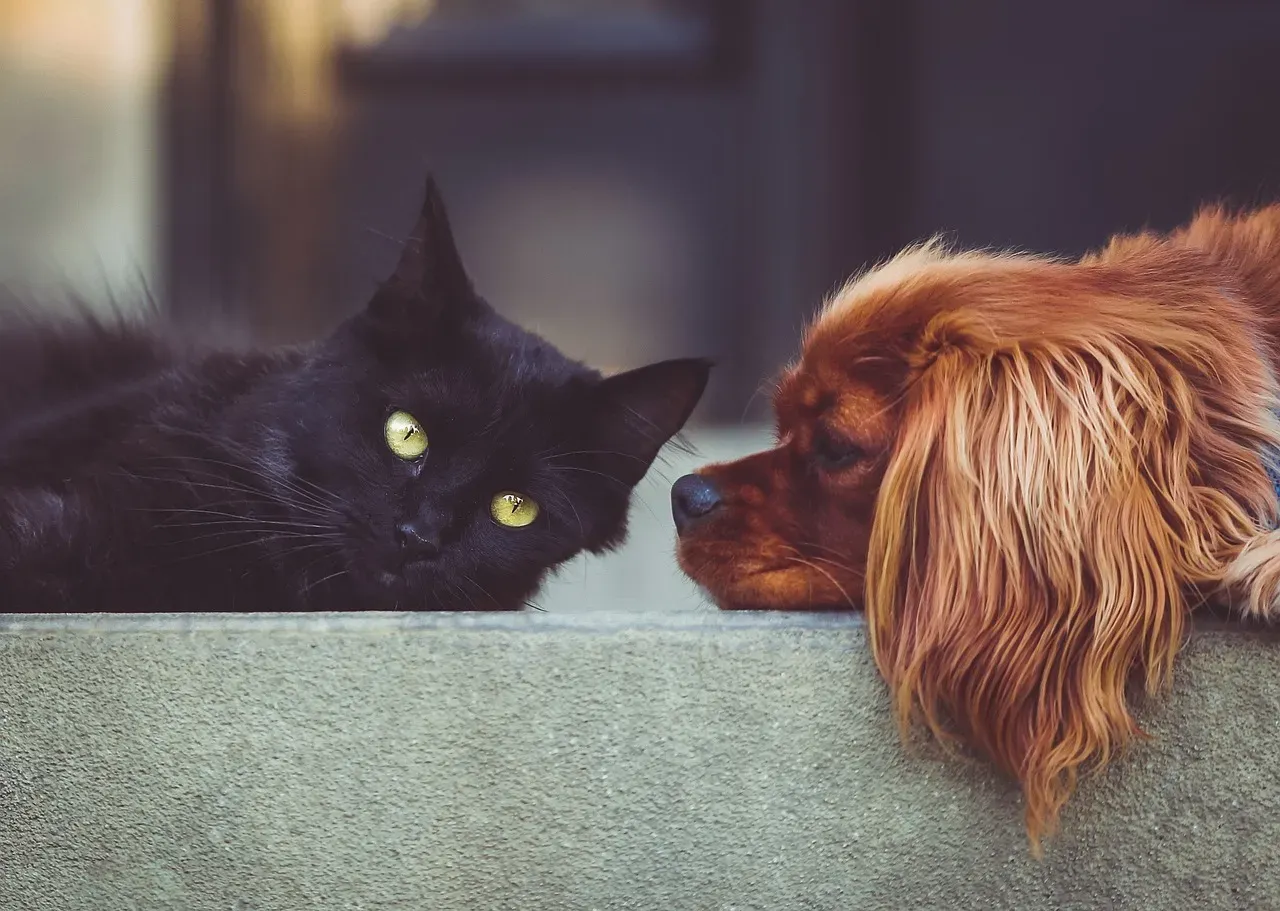
Cats especially get a reputation for being aloof when, in reality, withdrawal is often a distress signal. If a dog avoids interactions or hides from people or other animals, it may indicate fear or discomfort. Most likely, the dog will display various calming signals – such as lip licking, looking away, crouching, or pawing – to express their high stress level and to de-escalate frightening situations.
Hiding is a common response in cats experiencing stress, as they seek safe spaces to cope. Changes in vocalizations, such as increased meowing or yowling, can also signal that a cat is under stress.
Stress-related behavior should never be ignored. Over time, chronic anxiety can lead to health or behavioral issues. If your pet seems persistently tense or withdrawn, schedule a wellness visit to rule out medical causes. What looks like a personality quirk can sometimes be the clearest message your pet knows how to send.
Posture and Body Tension Tell the Full Story
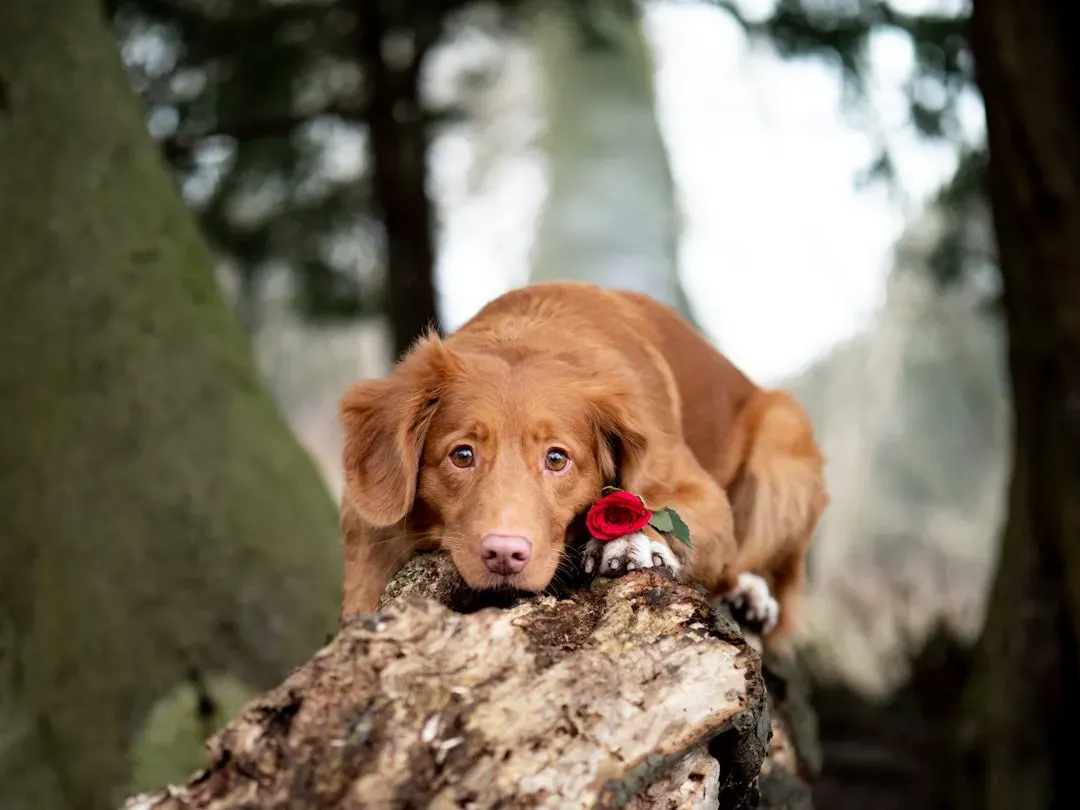
No single body part tells the whole story. Watching combinations of body signals – tail, ears, and posture together – gives you the clearest picture of their emotions. Experienced owners and vets read the whole animal, not individual parts.
A confident, happy dog has loose muscles, an open stance, and wagging movements. A fearful or defensive dog will crouch, stiffen, or avoid eye contact. The difference between the two is easy to spot once you’ve trained yourself to look for muscle tension specifically.
When a dog or cat is afraid of something, it will make its body appear as small as possible, usually with the head held low. Similarly, both dogs and cats curl their tails underneath their bodies to indicate extreme fear. That full-body compression is a hard signal to miss once you know what it means.
The Play Bow and Other Positive Signals Are Worth Recognizing Too

Listening to your pet isn’t only about catching distress. Positive communication matters just as much. When dogs engage in playful behaviors such as a “play bow,” which is a crouched posture with front legs extended and the rear end elevated, they show a positive and friendly disposition.
A dog placing their chest on the ground and rump in the air means the dog is ready and eager to play with you. Responding to that invitation is one of the simplest ways to strengthen your bond. Affectionate behaviors such as licking someone’s hands or face, leaning against their owners, and cuddling are all signs of affection and a secure dog-human bond.
Cats can express at least 25 distinct emotional states, making it essential for owners to learn how to interpret these signals accurately. Some of those states are invitations to connect. When your cat slow-blinks at you, approaches with a tail held high, or kneads contentedly, it’s communicating trust. Returning those signals – with a slow blink of your own, or simply staying calm and present – closes the loop in a way that genuinely registers for them.
Conclusion: The Conversation Is Already Happening

Your pet isn’t waiting for you to teach them how to communicate. They’ve been doing it all along. Pets may not speak our language, but they communicate constantly through their body language. Whether you have a dog, cat, or other companion animal, learning to recognize signs of stress can help you respond quickly and keep your pet comfortable and healthy.
Body language depends on the individual animal. Each cat or dog expresses itself a little differently, and pet owners should pay attention to their pet’s specific style of body language. That specificity is actually what makes it so rewarding to learn.
The shift from passive observation to active listening changes the relationship. When you project your own emotions or interpretation onto your dog’s nonverbal communication, you’re missing an opportunity to listen, form a deep connection, and understand what your dog needs from you. The signals are there. The conversation has always been happening. You just needed to know what to look for.

- 8 Signs Your Pet Is Trying to Tell You Something Important (and How to Listen) - July 22, 2026
- 15 Dog Behaviors That Are Actually Signs of Affection (Not Mischief) - July 22, 2026
- 10 Fierce Facts About Jaguars - July 22, 2026