

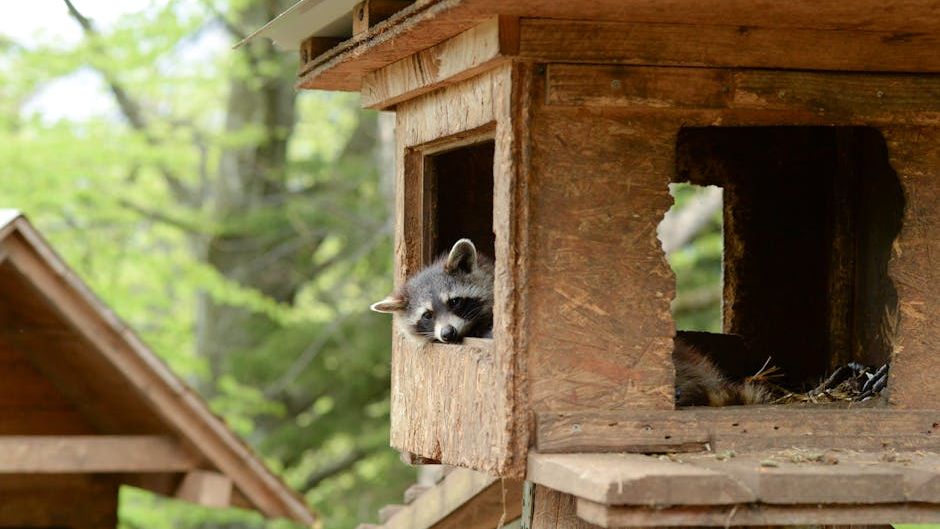
Wild animals are making their homes next to ours. Experts say it’s only natural – Image for illustrative purposes only (Image credits: Pexels)
A mallard duck has chosen the same spot behind a bush near a Minnesota family’s front door for four straight years, laying eggs that hatch around Mother’s Day before the ducklings waddle off.[1] This annual ritual in suburban Eagan highlights a common spring phenomenon: wildlife selecting human-adjacent locations to raise their young. From birds to deer and even alligators, animals gravitate toward yards and porches for shelter and safety. Wildlife specialists stress that homeowners can derive joy from these encounters by simply observing from afar and avoiding interference.
Why Backyards Attract Spring Nesters
Human developments often provide ideal conditions for wildlife reproduction. Structures like bushes, decks, and air conditioning units offer concealment from predators, while nearby gardens supply food sources. In urban and suburban settings, these spots mimic natural habitats but with added benefits such as reduced exposure to some wild threats.
Birds frequently select unconventional sites, including wreaths, porch lights, or hanging planters, drawn by the stability and proximity to resources. Mammals like rabbits burrow into lawns, and deer tuck fawns into quiet corners. Such choices reflect adaptation rather than invasion, as animals exploit available niches during peak breeding season.[1]
Everyday Encounters with Young Wildlife
Homeowners across regions report similar sightings each spring. In the Midwest, rabbits proliferate in yards, their nests often hidden in grass. Deer fawns curl up motionless near homes, a camouflage tactic while mothers forage.[1]
Further south, Florida sees alligator nests resembling leaf piles near ponds and ditches from April through June. In the West, elk calves appear in forested edges close to residences. Birds dominate nationwide, with species nesting in the most unexpected human fixtures.
Common Spring Nesters Near Homes
- Mallard ducks and other waterfowl behind shrubs or near doors.
- Deer fawns in yards or by appliances.
- Rabbits in lawn depressions.
- Birds in wreaths, lamps, or planters.
- Alligators in southern leaf-mound nests.
- Elk calves in western wooded areas.
The Perils of Getting Too Close
Intervening often does more harm than good. Federal law protects most bird nests, making removal illegal and punishable. Disturbance stresses parents, potentially causing nest abandonment or failed parenting. Young animals appear abandoned because mothers intentionally leave them hidden for hours, returning later to nurse or feed.[1][2]
Besides legal risks, contact spreads diseases between species. Wildlife parents fiercely defend offspring; Canada geese and swans charge intruders, capable of knocking adults down. Elk cows and alligators pose even greater threats due to their size and vigilance. “They’re very, very aggressive. They’re long-lived and they protect their reproductive investment very vigorously,” noted John Coluccy of Ducks Unlimited.[1]
Smart Strategies for Safe Coexistence
Experts advocate minimal disruption. Maintain distance from nests and families, using alternative paths if needed. Secure pets, as dogs and cats view young wildlife as prey. For the Minnesota mallard example, the family leashed their dog, allowing the duck to nest undisturbed.[1]
Targeted measures address specific issues. Rabbits benefit from a laundry basket placed over nests daytime to deter pets, lifted evenings for maternal visits. Intruders like raccoons or squirrels in attics or boats respond to constant bright light from a shop lamp, prompting relocation within days. Seal entry points with metal mesh proactively.
When nests occupy hazardous spots, consult local wildlife agencies before acting. Oregon’s Beth Quillian advises calling for guidance on odd bird placements. In Florida, contact the Fish and Wildlife Conservation Commission about alligator concerns. “My two biggest things are: Stay away from the nest or the little family as much as possible, and stay curious,” said Brittney Yohannes of Minnesota’s Wildlife Rehabilitation Center.[1] True orphans – those injured, calling persistently, or with dead parents – warrant professional rehab, but such cases prove rare.
These arrangements remain temporary, typically spanning weeks. Patience yields natural resolution, often with ducklings parading through yards or fledglings taking flight.
Signs of Genuine Need and Final Thoughts
Observe discreetly: healthy young stay quiet and content, parents nearby. Fawns with fire ants or severe injuries need intervention; otherwise, does return reliably.[2] Birds with open eyes and feathers hopping about fledge soon.
These spring visitations remind urban dwellers of nature’s resilience amid development. By granting space, homeowners foster successful wild rearing while enjoying authentic glimpses of life cycles. Such restraint not only aids animals but enriches human appreciation for the wild persisting alongside everyday routines.

As a little kid, I fell in love with nature, wildlife, and animals. Living in the USA, South Africa, Italy, China and Germany gave me the opportunity to discover the world's Wildlife. My favorite animals are Mountain Gorillas, Siberian Tigers, and Great White Sharks.
I'm a certified PADI Open Water Diver, went to Everest Base Camp and Trekked Gorillas in Uganda. I hold a Master of Science in Economics and Finance.
Please send any feedback to feedback@animalsaroundtheglobe.com
- 10 Most Unique Reptiles You will See in the US - July 21, 2026
- 3 Dangerous Invasive Species the USA Must Eradicate - July 21, 2026
- 10 Things That Calm Cats And 4 That Make Them Nervous - July 21, 2026