

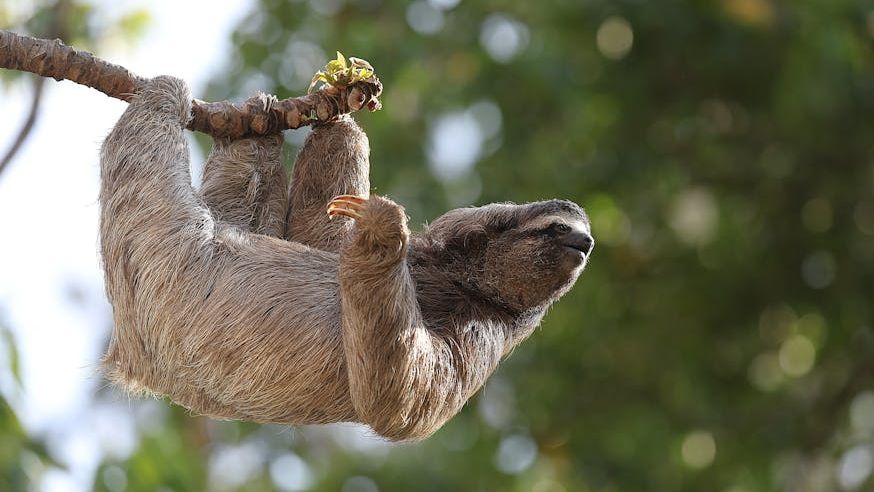
Florida prosecutors launch criminal investigation into deaths of 31 sloths – Image for illustrative purposes only (Image credits: Pexels)
Orlando — Florida authorities escalated their response to a troubling wildlife incident on Friday, confirming a criminal investigation into the deaths of 31 sloths destined for a now-defunct Orlando attraction.[1][2] Attorney General James Uthmeier announced that his office would assist local prosecutors, marking a shift from earlier regulatory reviews that found no basis for charges. The probe centers on potential animal cruelty violations amid revelations of substandard holding conditions.[3]
A Swift Turn to Criminal Scrutiny
State Attorney Monique Worrell’s office in the Ninth Judicial Circuit leads the effort, bolstered by a statewide prosecutor specializing in animal welfare law.[4] Uthmeier outlined the collaboration in a letter to State Representative Anna Eskamani, who had pressed for action after public outcry over Florida Fish and Wildlife Conservation Commission reports.[2] He emphasized resolve in the matter, stating, “Our office is unwavering in its commitment to pursuing justice on behalf of those who are unable to protect themselves. We will ensure accountability wherever the evidence requires.”[1]
The development followed weeks of mounting pressure. Lawmakers and advocacy groups highlighted gaps in oversight, prompting the attorney general’s involvement just days after initial calls for a probe surfaced.[5] Sloth World, the planned International Drive venue billed as a “slotharium” for tourist interactions, has since shuttered its operations and signaled plans to file for bankruptcy.[2]
Conditions That Led to Mass Losses
Between December 2024 and February 2025, 31 sloths perished while held in a makeshift warehouse near the attraction’s construction site.[3] Twenty-one two-toed sloths imported from Guyana suffered a fatal “cold stun” on December 22, 2024, when temporary space heaters failed in the unpowered facility.[1] An additional 10 from Peru arrived emaciated or dead, later succumbing to viral infections, respiratory issues, and other ailments confirmed by veterinarians.[5]
Commission inspectors visited the site multiple times, including an unannounced check in August 2025 that prompted a verbal warning over undersized cages.[1] Records showed permit holders failed to report fatalities promptly, though no immediate enforcement followed. Sloth World owner Ben Agresta attributed the losses to an undetectable foreign virus rather than environmental neglect, disputing cold exposure claims.[2]
What matters now: The investigation could yield felony charges under Florida’s aggravated animal cruelty statutes, which penalize neglect leading to death.
Rescues, Advocacy, and Regulatory Questions
Thirteen surviving sloths reached the Central Florida Zoo and Botanical Gardens last week, where staff provided intensive care including fluids, supplements, and monitoring.[4] One, named Bandit, proved too frail; zoo CEO Richard Glover described the team as heartbroken after euthanizing the animal due to dehydration, lethargy, and organ complications.[1] The rest stabilized, underscoring sloths’ vulnerability to stress from rainforest removal and transit.[5]
Representative Eskamani framed the episode as a regulatory failure, noting, “The loss of dozens of animals under preventable conditions demands accountability.”[3] Groups like PETA echoed demands for charges against principals including Agresta and former associate Peter Bandre, while federal lawmakers urged USDA review. Governor Ron DeSantis called the situation “really, really weird,” directing wildlife officials to address it.[5]
- December 2024: First Guyana shipment arrives; 21 die from cold.
- 2025: Peru imports follow; additional losses amid inspections.
- April 2026: Public reports emerge; survivors transferred.
- May 1, 2026: Criminal probe confirmed.
Toward Greater Oversight in Florida’s Wildlife Sector
The case exposes challenges in regulating exotic animal imports for entertainment, where sensitive species like sloths face high mortality from habitat shifts and inadequate quarantine.[5] As construction lingers at the site despite abandonment plans, the Ninth Circuit’s work promises to clarify lapses and deter repeats. For the sloths that did not survive their journey from South American canopies, the pursuit of answers offers a measure of reckoning.

As a little kid, I fell in love with nature, wildlife, and animals. Living in the USA, South Africa, Italy, China and Germany gave me the opportunity to discover the world's Wildlife. My favorite animals are Mountain Gorillas, Siberian Tigers, and Great White Sharks.
I'm a certified PADI Open Water Diver, went to Everest Base Camp and Trekked Gorillas in Uganda. I hold a Master of Science in Economics and Finance.
Please send any feedback to feedback@animalsaroundtheglobe.com
- 10 Most Unique Reptiles You will See in the US - July 21, 2026
- 3 Dangerous Invasive Species the USA Must Eradicate - July 21, 2026
- 10 Things That Calm Cats And 4 That Make Them Nervous - July 21, 2026