
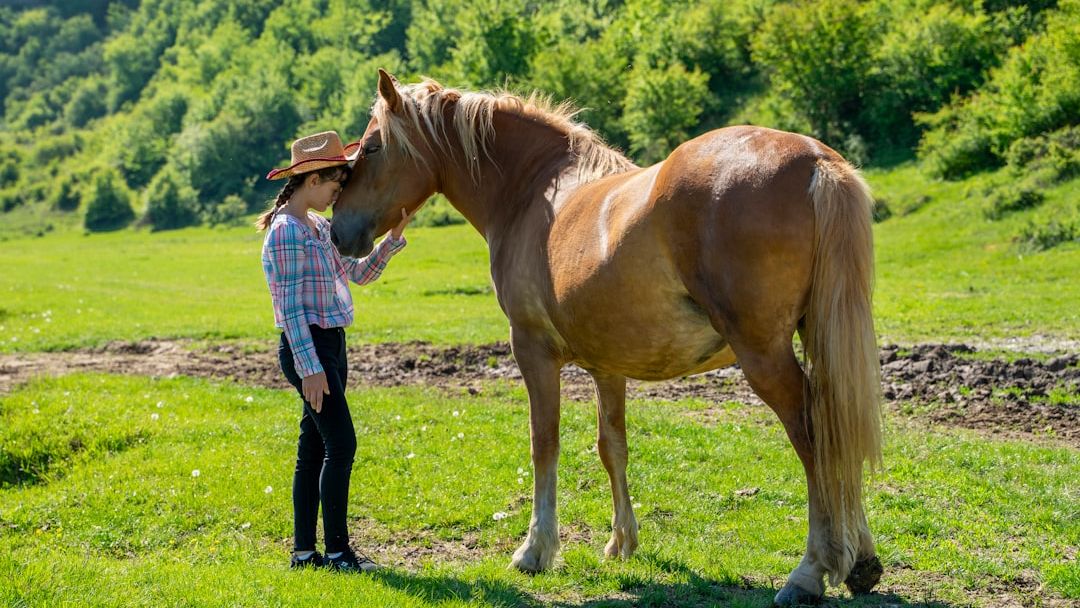
Horses don’t offer their trust easily, and there’s a good reason for that. As prey animals hardwired for survival, every unfamiliar presence is processed through the lens of potential danger. The decision to let someone close, to stand still instead of flee, to relax instead of brace – these are not small things for a horse.
What makes it all the more meaningful is how understated those signs of trust actually are. There’s rarely a dramatic moment. No sudden declaration. Instead, it’s a dropped head here, a soft exhale there, a quiet nicker when you round the corner of the barn. Learning to read these signals changes everything about how you understand the relationship you’ve built.
They Come to You Without Being Called
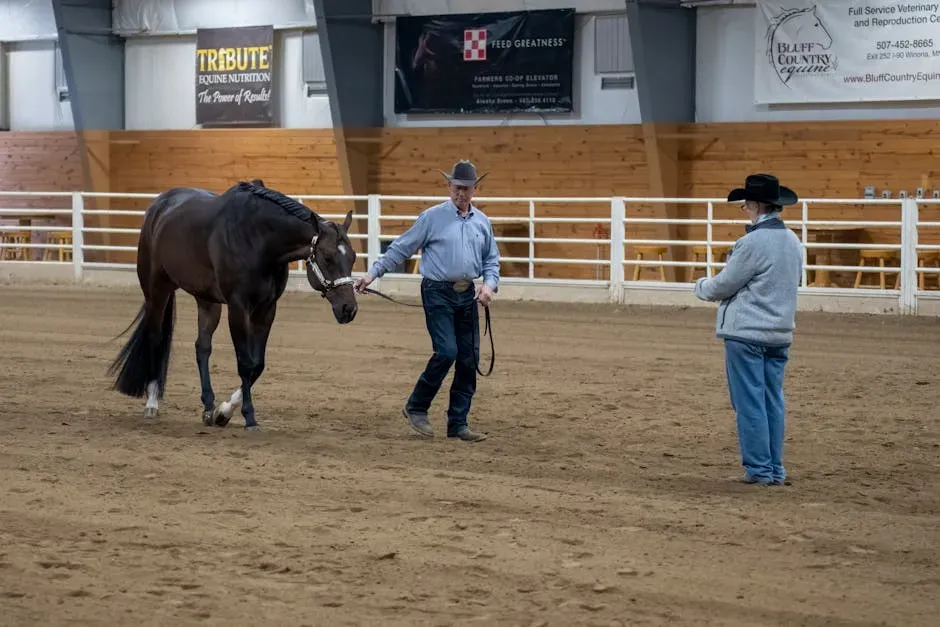
When your horse willingly walks up to you in the pasture without needing to be caught, they’re choosing to be with you – not being bribed by treats or forced by a halter. That voluntary movement across open ground carries a lot of weight.
Horses who willingly approach their owners in the pasture demonstrate trust and positive association, a sign of their overall well-being. It’s one of those moments that feels simple from the outside but reflects something earned over time.
One clear sign of trust is when a horse approaches you willingly. If your horse comes over when they see you, even without treats, it suggests they view you as a safe and positive presence.
Their Body Language Goes Soft Around You
Relaxed body language is a strong indicator. Horses that trust you often have a soft eye, a lowered head, and relaxed ears. They may also sigh or lick and chew in your presence, which are signs that they’re relaxed and comfortable around you.
Signs that a horse trusts you include a decreased heart rate and breathing rate, adopting a relaxed posture where one hind foot is rested on the ground, eyes appearing soft and sleepy, a droopy muzzle, and a lowered head.
Happy horses show relaxed facial expressions, including soft eyes and unflared nostrils, indicating mental well-being and comfort. Once you know what to look for, you’ll never miss it again.
They Nicker When They Hear You Coming
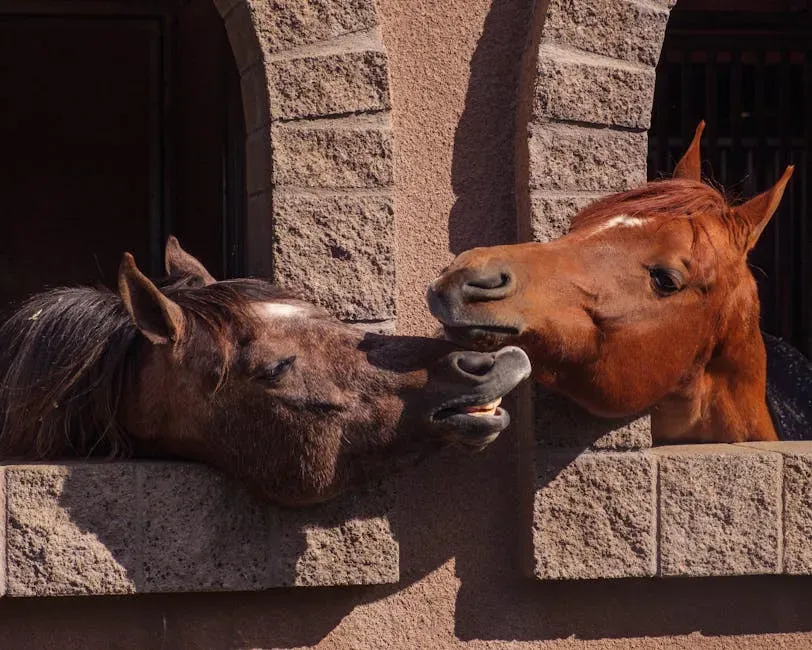
Horses often nicker and whinny towards people they are familiar with. They often vocalize with a nicker when they are trying to get the attention of other horses or people they care about.
When your horse nickers when they hear you coming, they are eager to see you. Nickering is a way for them to greet you as someone they genuinely care about.
When you enter the barn and your horse hears you, he will whinny or nicker in greeting. It’s one of the more reliable and joyful signs of a real bond – pure instinct expressed without prompting.
They Lower Their Head Around You
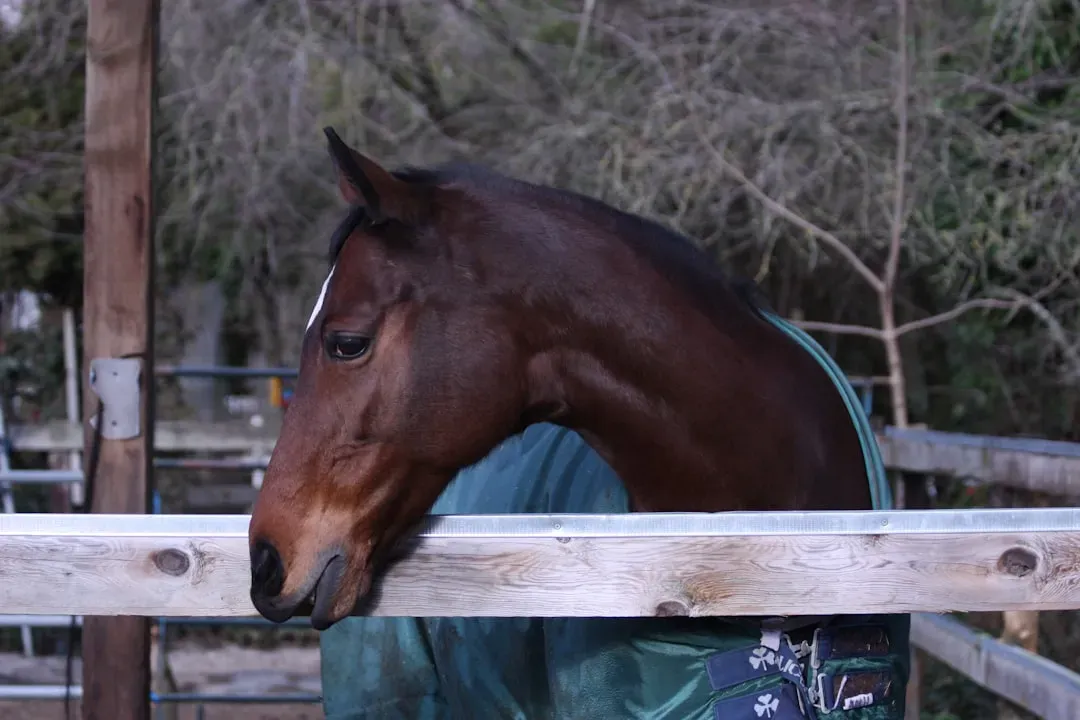
A horse who lowers their head to be at your level is showing submission and trust. In horse social dynamics, lowering the head is a sign of respect and relaxation. When your horse does this voluntarily around you, they’re communicating that they don’t feel threatened and they trust your leadership.
When a horse gently nudges or lowers its head around you, it’s showing signs of trust and affection. Head-lowering is a calming signal that indicates the horse feels safe and relaxed, common among horses when they’re comfortable with someone.
They Let You Touch Sensitive Areas
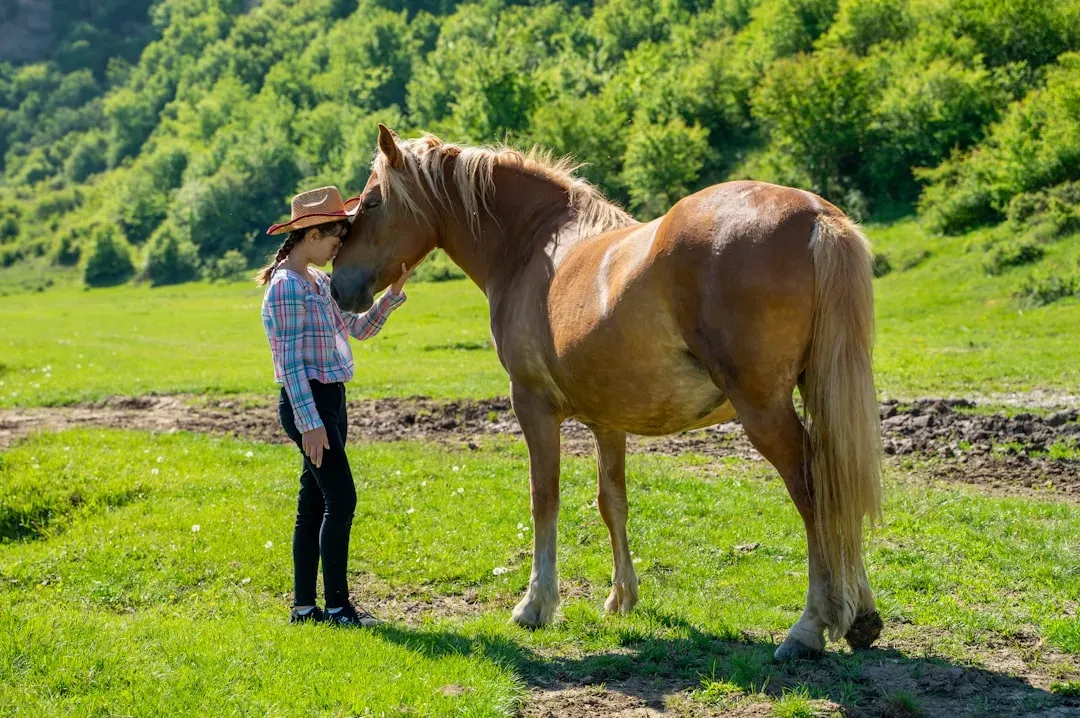
Horses will let those they trust enter their personal space and may even nuzzle or lean into you. If they allow you to touch sensitive areas like their ears, muzzle, or hooves, it’s a good sign that they feel safe with you.
When we ask a horse to pick up a foot and hold their leg up in the air, we are essentially taking away their ability to run away. A horse that picks up all four feet and allows us to take care of their needs is another clear sign of trust.
When your horse allows you to touch, examine, or work with sensitive areas without tension or resistance, they’re demonstrating significant trust in your intentions and actions. That calm stillness under your hand is worth more than any ribbon.
They Rest Their Head on You
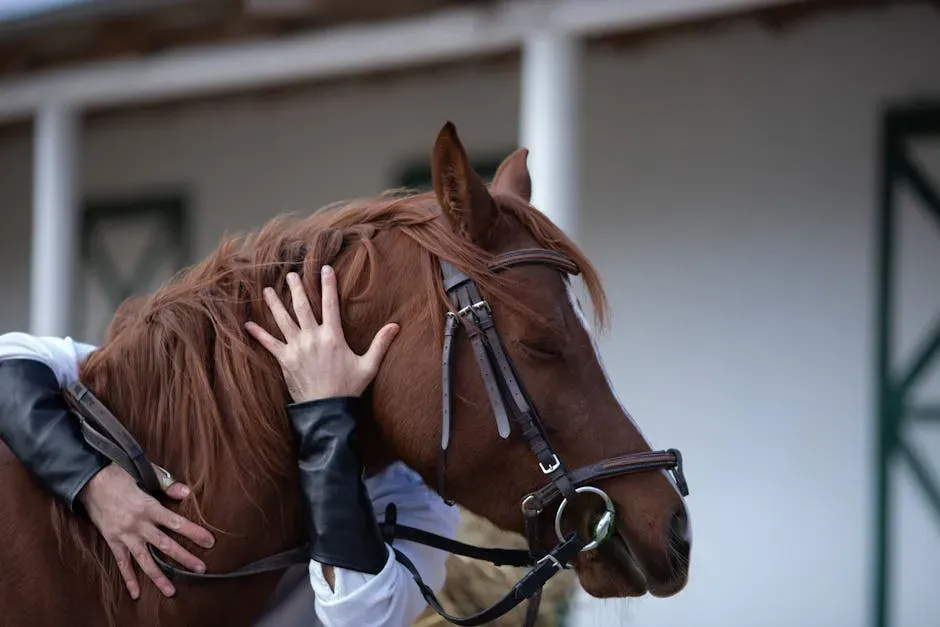
When a horse rests their head on you, it’s a sign of trust. They feel comfortable around you and like you enough to rest their head on you. It’s a way for them to bond with you and show their affection, letting you know they enjoy being in your presence.
When a horse rests its head on you or leans in, it’s a strong display of trust and comfort. This gesture reflects the deep connection between horse and human, where the horse feels secure enough to seek physical closeness.
Horses, being herd animals, use physical contact to express trust within their group, and when they share this behavior with humans, it shows they see you as part of their circle.
They Groom You Back
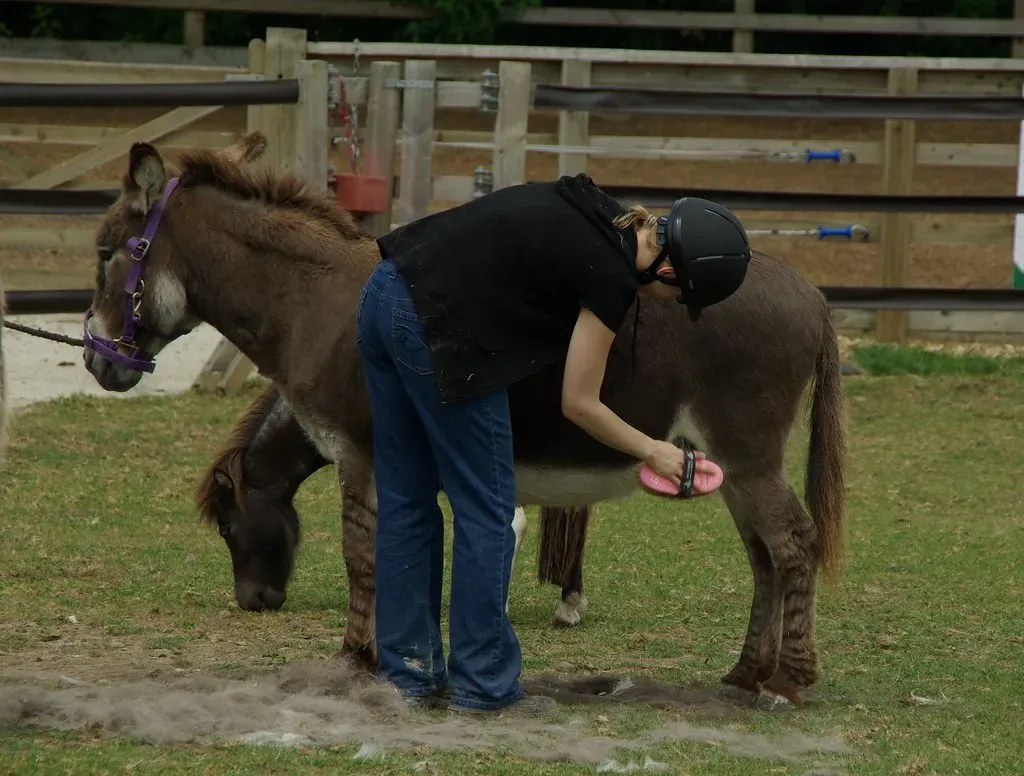
Mutual grooming is how horses bond with each other. If your horse gently nibbles at your clothing, hair, or shoulder while you’re grooming them, they’re trying to groom you back – treating you like a valued herd member.
Horses groom each other in the wild not only because it feels good, but because it is a way to show affection toward one another. They will nibble at each other’s withers, backs, and necks.
Research in Applied Animal Behaviour Science confirms that mutual grooming is a vital social bonding activity for horses. When that behavior extends toward you, it says something genuine about the relationship.
They Blow Gently in Your Face
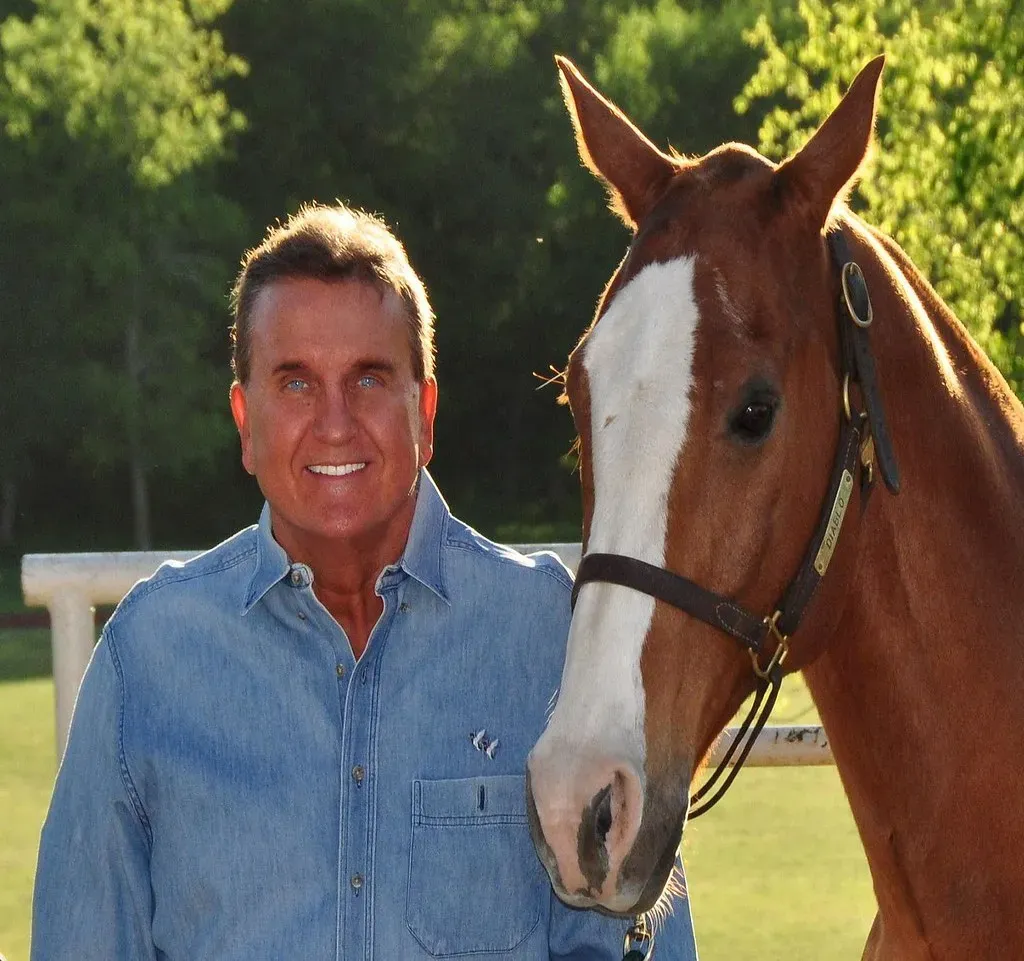
Sometimes horses will blow air in your face through their nostrils to show you they care about you, just like they do with other horses. It’s an easy gesture to overlook if you don’t know what it means.
If a horse comes up and takes a breath on your face, it is an ultimate sign of respect and trust. Horses show affection by gently blowing air on each other through their nostrils. When a horse blows on your face, it is a sign they see you as a trustworthy companion – even part of their family.
Horses will lift their head and blow gently through their nostrils into each other’s faces. This is their version of a horse handshake. Receiving that greeting is as close to a formal introduction as a horse will ever offer you.
They Stay Calm in Stressful Situations
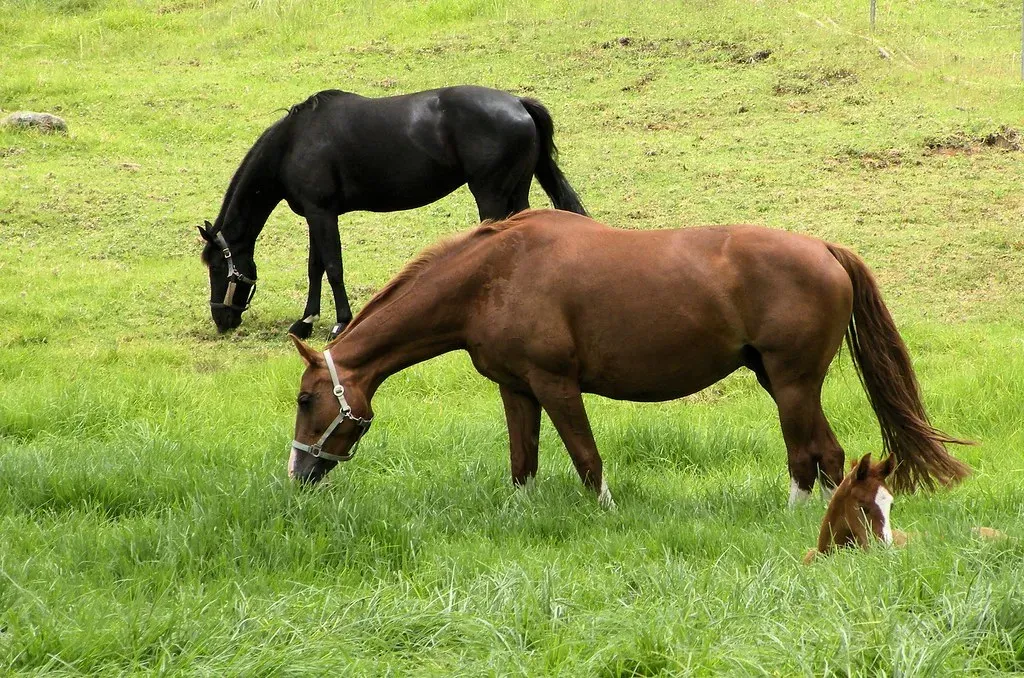
Horses are prey animals with strong self-preservation instincts. A horse that remains calm with you during potentially frightening situations, like veterinary procedures, loud noises, or unfamiliar environments, is displaying remarkable trust.
If you own horses for very long, there will be a time you’ll need to doctor one of them. A trusting horse will be easier to treat and may look to you for comfort, while a horse that does not trust completely will be hard, if not dangerous, to handle.
That willingness to stay close when things get frightening is arguably the most honest signal of all. It means your horse has decided, consciously, that you are safer than the alternative.
They Follow You Without a Lead
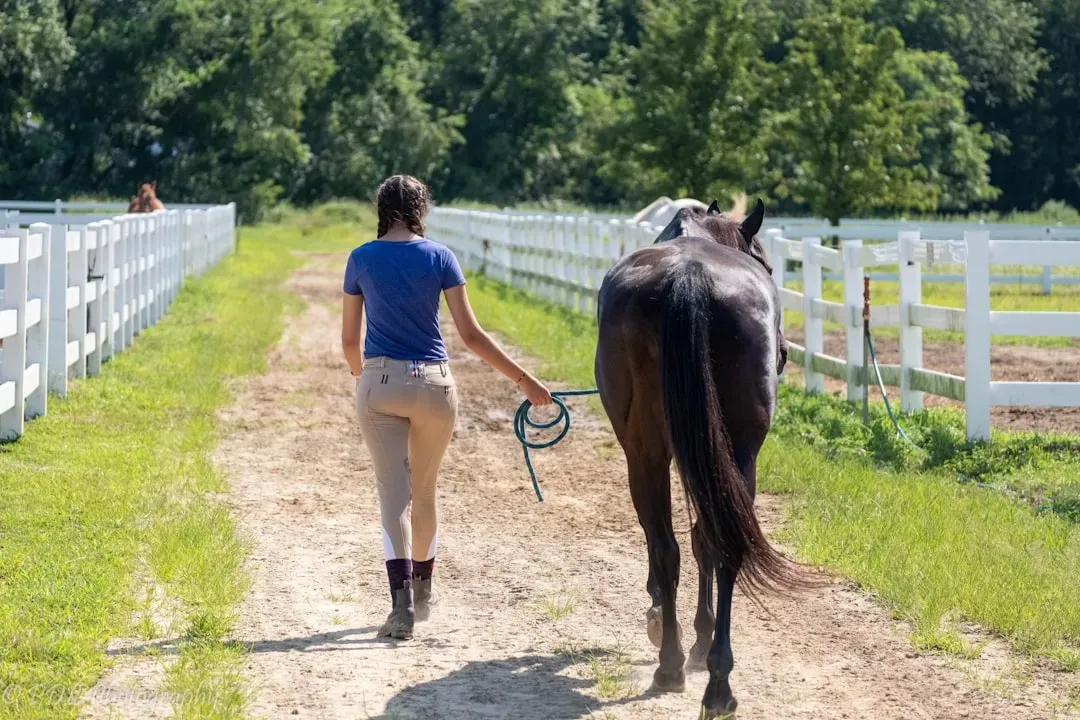
A loving horse will follow you without a lead rope or halter. That kind of voluntary movement, with nothing to compel it, reflects a genuine pull toward your company rather than simple obedience.
This behavior feels natural for horses, who are social animals. In a herd, they often follow one another as part of their group dynamics, and when they extend that to humans, it shows we’re a valued part of their world.
A horse that likes you is willing to follow your lead, which is also a sign of respect. Some horses will even follow their owners around. When a horse follows you, they trust you to take care of them.
They Allow You Near Them When Lying Down
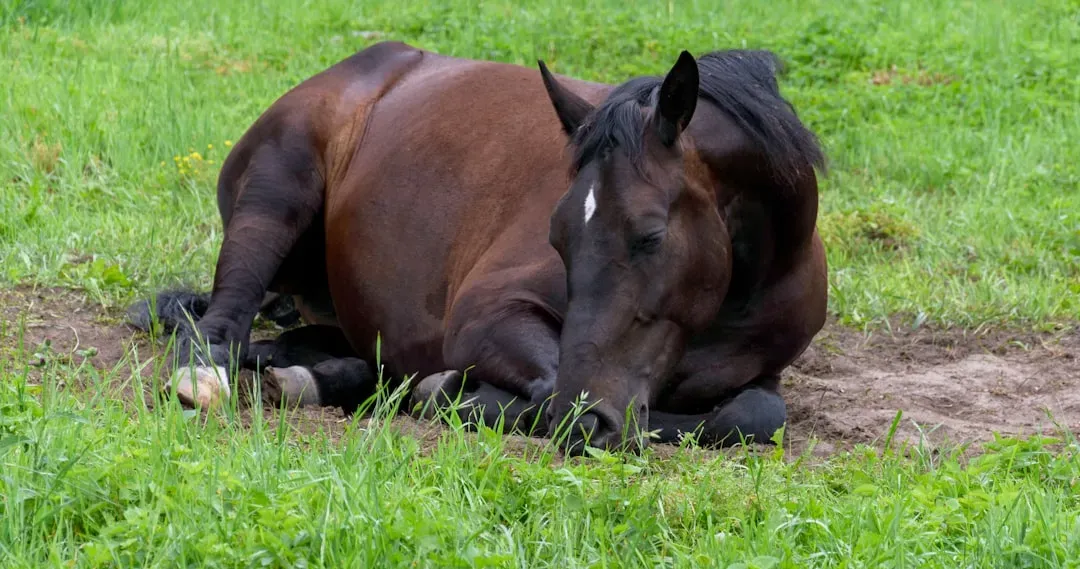
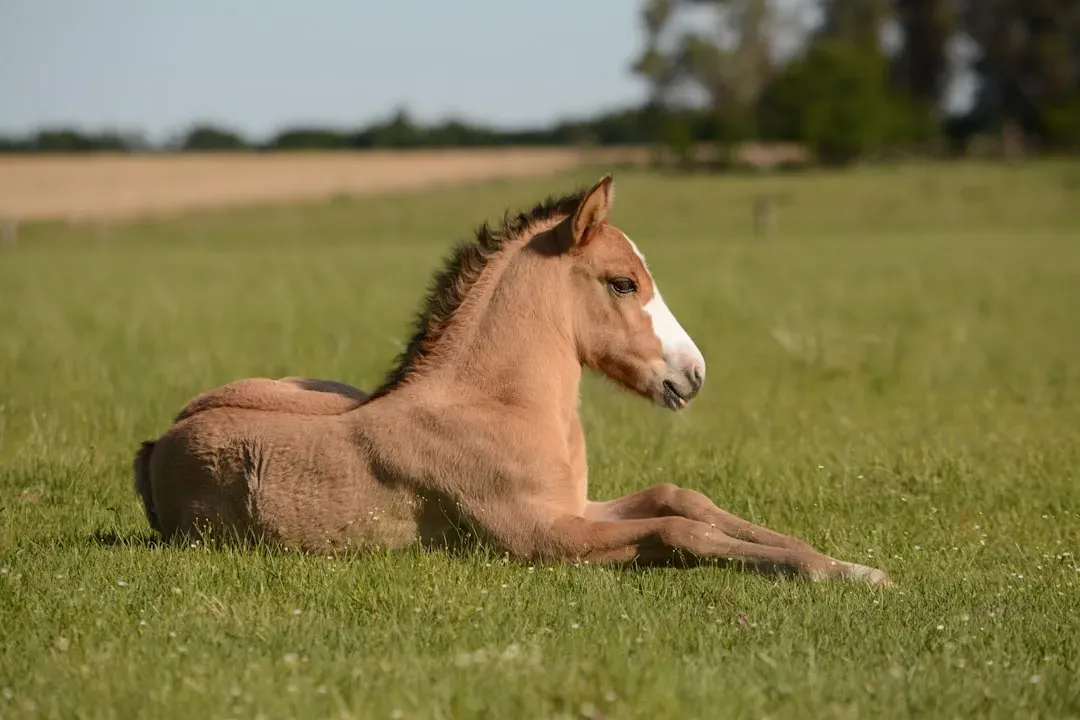
When a horse lets you come up to them while they are lying down, that is a true sign of trust. Horses are vulnerable when they are lying down, so when they let you approach them in that position, they have a great deal of trust and love for you.
If a horse is comfortable enough to lie down around you or even nap, this is a huge sign of trust, as they’re allowing themselves to be fully vulnerable.
A horse on the ground cannot sprint away in an instant. Letting someone stand near them in that position is an act of complete faith. It doesn’t happen often, and when it does, it means something.
They Mirror Your Movements and Watch You With Soft Eyes
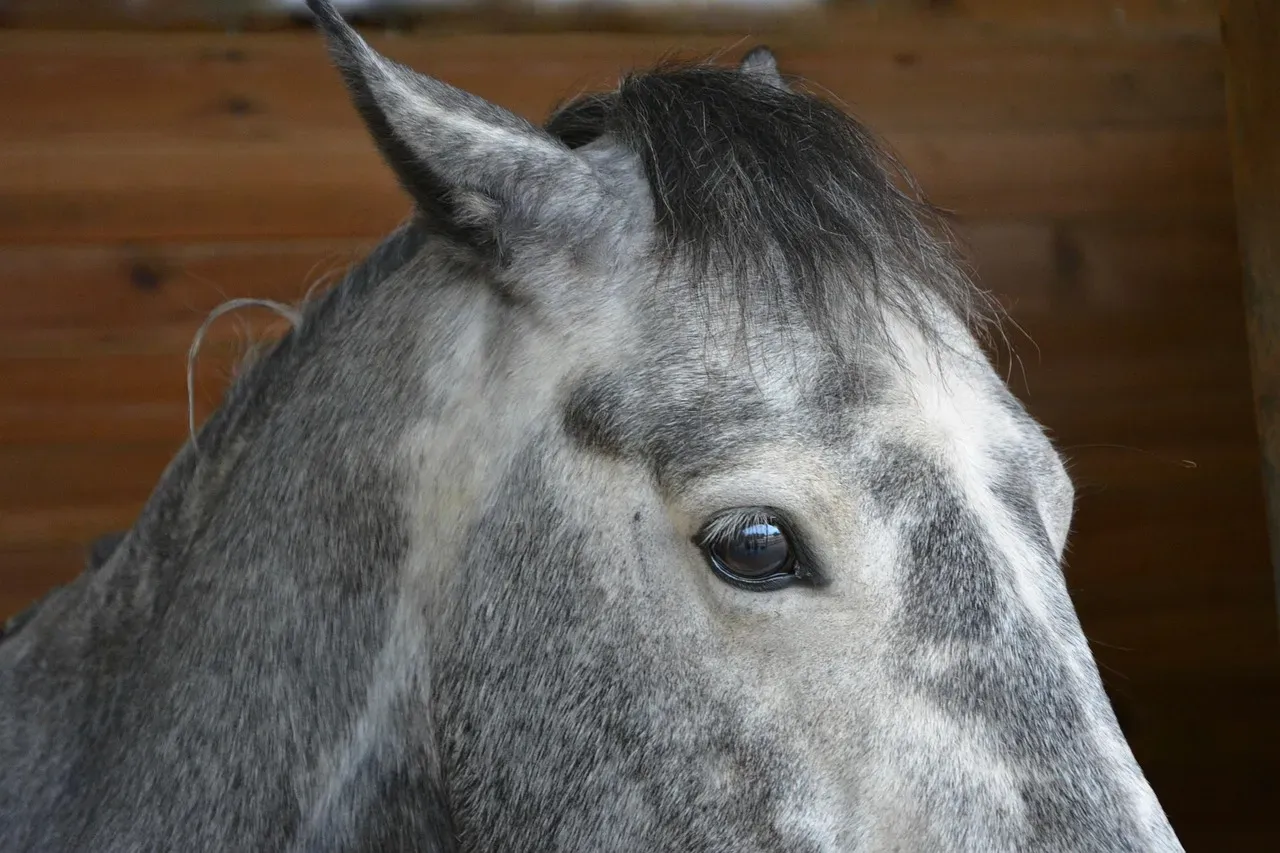
When a horse mirrors your movements, turning its head or moving in sync with your steps, it often signals trust and connection. Studies suggest that horses mimic those they feel relaxed and secure around, reinforcing mutual understanding and companionship.
A horse with soft eyes and ears gently pointing in your direction, rather than pinned back or overly alert, is showing signs of comfort. This relaxed state indicates trust and ease.
Research shows horses are emotionally intelligent beings capable of forming real bonds with people. Studies have found that horses can interpret human emotions through facial expressions and body language. They can even mirror our emotions in a phenomenon called “emotional transfer,” well-documented in equine-assisted therapies.
Conclusion
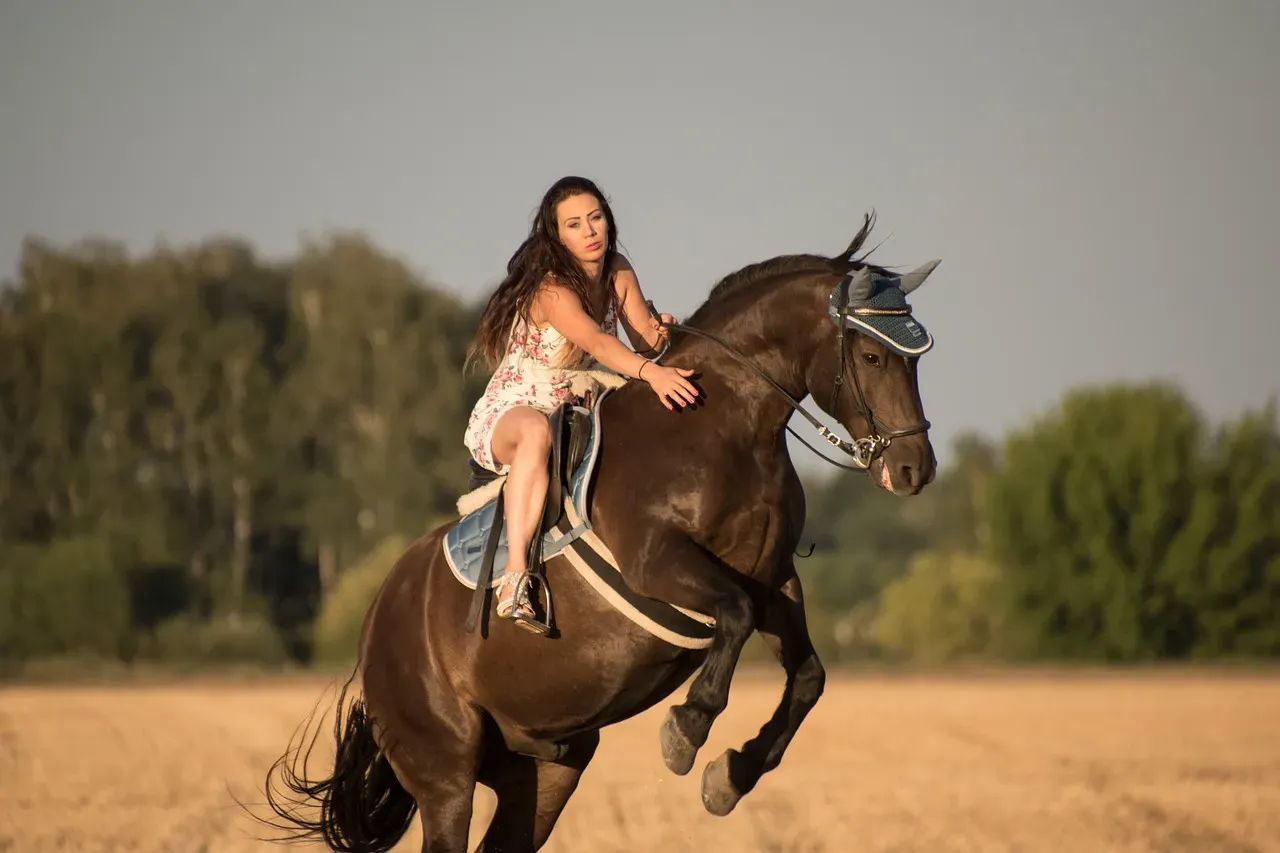
Trust between a horse and a human isn’t built in a single session or cemented by a single gesture. It accumulates slowly, through consistent handling, calm presence, and a willingness to pay attention to what the horse is actually communicating.
Horses bond with us because we’ve proven ourselves trustworthy, patient, and understanding – not because we simply show up with a bucket of feed. The difference between those two things is everything.
Once you start noticing the quiet signals – the soft exhale, the willing step forward, the head resting gently on your shoulder – you realize the conversation has been going on all along. You just needed to learn how to listen.

- 10 Plants That Repel Mosquitoes in Texas - July 24, 2026
- 8 Facts About the Ute People and Their Historic Ties to the Rocky Mountains - July 24, 2026
- 14 Tender Things Hummingbirds Do That Show They Have Learned to Trust You - July 24, 2026