
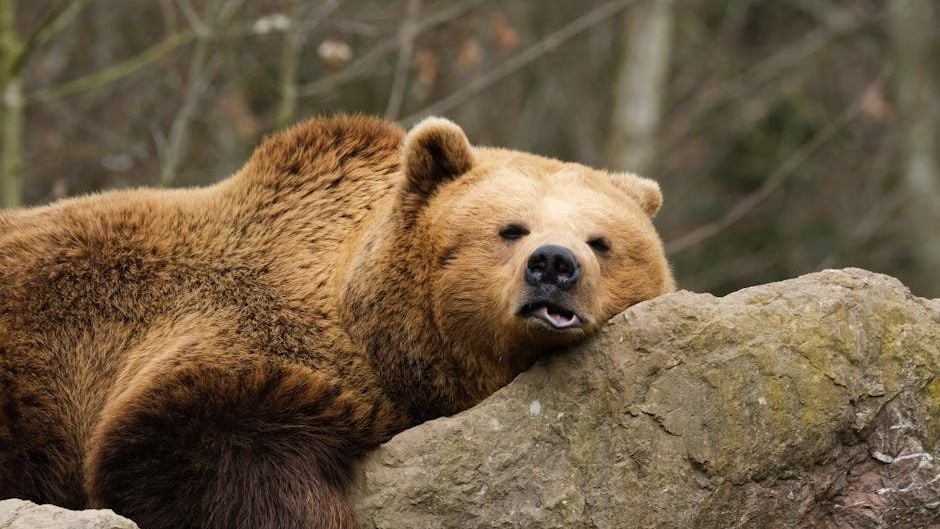
Few animals have captured the human imagination quite like bears do in winter. There’s something almost mythic about a creature the size of a small car simply disappearing into the earth when the cold arrives, reappearing months later as if nothing happened. The reality turns out to be far more interesting than the myth.
Bears don’t just endure winter. They’ve evolved an extraordinary and finely tuned set of biological tools to do it on their own terms. The details behind that process reveal some of the most remarkable physiology in the entire animal kingdom.
Not Quite Hibernation: The Truth About Torpor
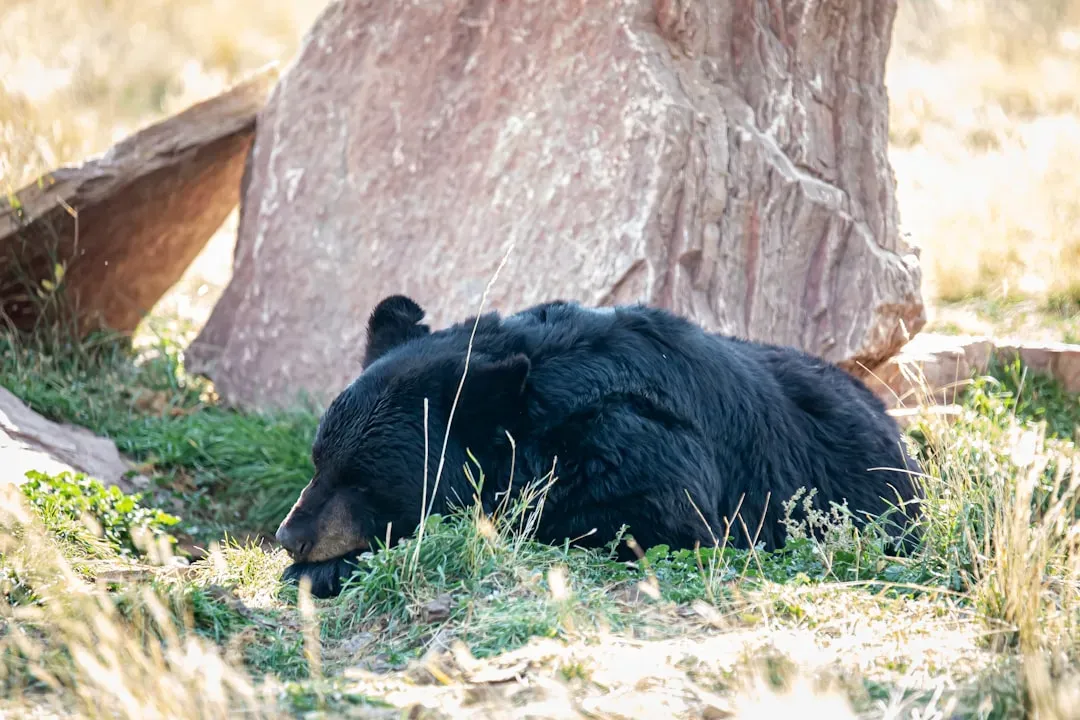
Hibernation is one of nature’s most fascinating survival strategies, but for bears, it’s not quite the deep sleep most people imagine. Unlike true hibernators such as bats or ground squirrels, whose body temperatures drop dramatically, black bears maintain near-normal body temperatures while slowing their metabolism and reducing heart and breathing rates.
Many animals once thought to hibernate, including bears, really only enter a lighter sleep-state called torpor. Like hibernation, torpor is a survival tactic triggered by colder temperatures and decreased food availability.
Unlike true hibernators, bears can awaken relatively quickly if disturbed, an advantage in unstable conditions. This matters more than it might seem. This light sleep is likely a survival mechanism, as bear dens can be in surprisingly exposed locations: scratched into hillsides, in rock crevices or hollow trees, under brush piles or downed trees, or even in open areas of the forest floor.
During this state, bears reduce oxygen consumption and metabolic rate to as little as a quarter of summer rates and breathe once per 15 to 45 seconds. Heart rate can drop to 8 to 21 beats per minute, and blood flow to skeletal muscle can be reduced substantially.
The Eating Marathon That Comes First
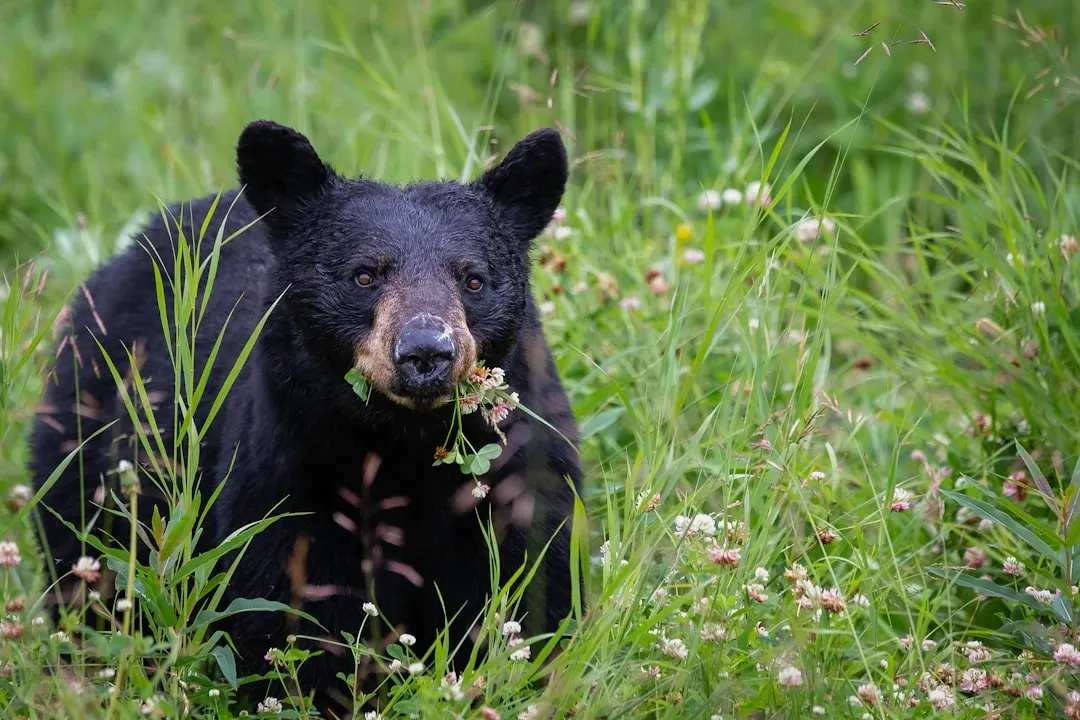
Before a bear can sleep through winter, it must eat its way into position to do so. The preparation phase is as intense as anything the animal does all year.
To prepare for hibernation, bears enter a period of hyperphagia in late summer and fall, consuming up to 20,000 calories per day to pack on the fat reserves that sustain them through the winter. That’s roughly the caloric equivalent of ten large pizzas, every single day.
During hyperphagia, bears cover long distances searching for high-calorie foods like nuts, berries, and fish. They can spend up to 20 hours a day foraging and eating, packing on the pounds, and some bears can gain several hundred pounds in just a few months.
If a female has not accumulated enough fat by the time she settles into her den, the egg she’s carrying will spontaneously abort. The stakes of that autumn eating season couldn’t be higher.
The Body’s Quiet Engineering During Winter Sleep
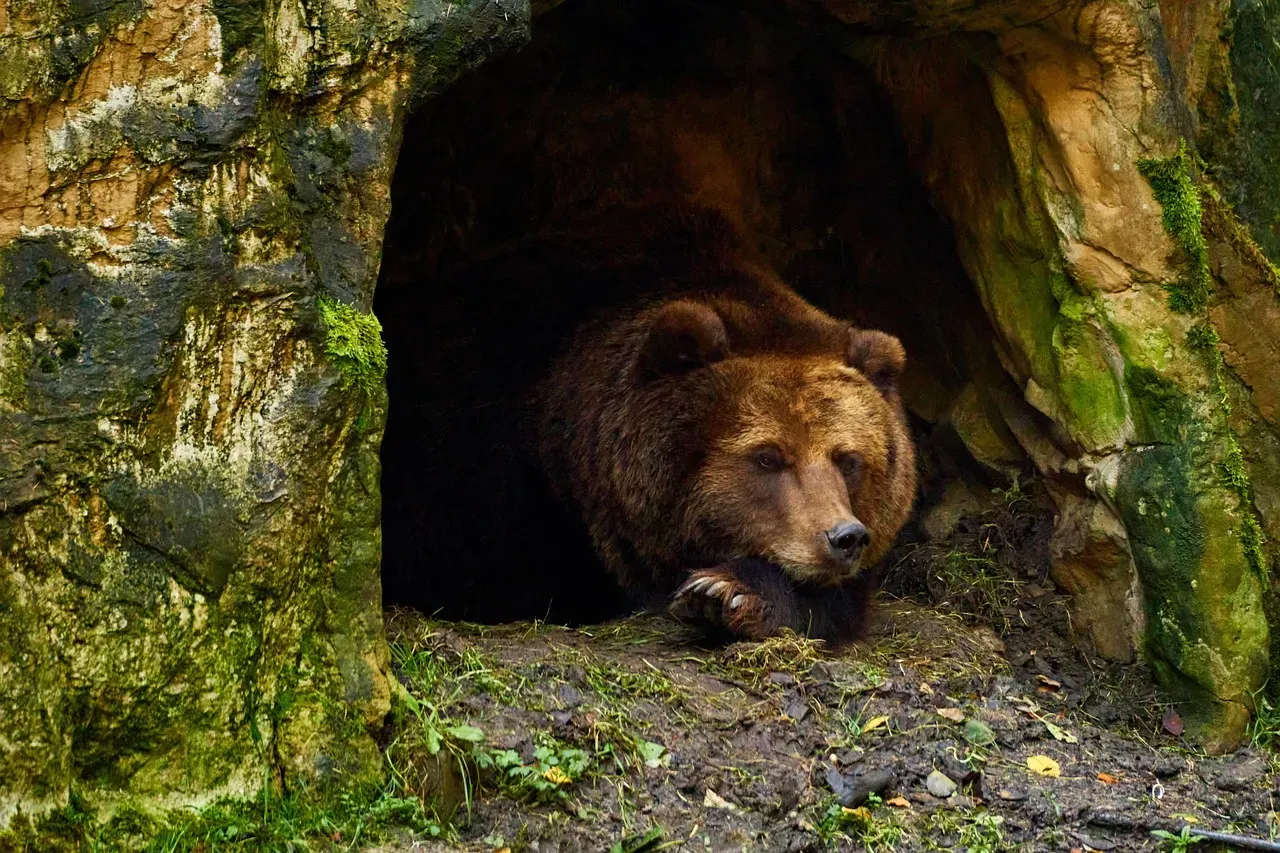
What happens inside a bear’s body during those long, silent months underground is genuinely remarkable. The animal maintains itself with a level of internal precision that researchers are only beginning to understand fully.
Bears’ bodies recycle nitrogen, a byproduct of muscle breakdown, and turn it back into protein. This allows them to maintain muscle and organ tissue even while they aren’t moving for months.
Remarkably, although a bear may lose fifteen to thirty percent of its body mass over the course of a long winter, it may actually have more muscle mass at the end of winter than at the beginning, and its bones retain all of their strength. The bear’s body uses the nitrogen in urea, a byproduct of fat metabolism, to synthesize proteins that maintain muscle and organ mass. It also recycles its own water all winter, thereby avoiding dehydration and kidney failure.
Hibernating animals like brown bears tolerate months of immobility, fasting, and very low heart rates with no long-term consequences, emerging from hibernation with preserved muscle strength, unbroken bones, and functioning brain and eyes. For comparison, humans lose significant muscle mass after just days of bed rest.
Den-Building, Birth, and the Range of Winter Strategies
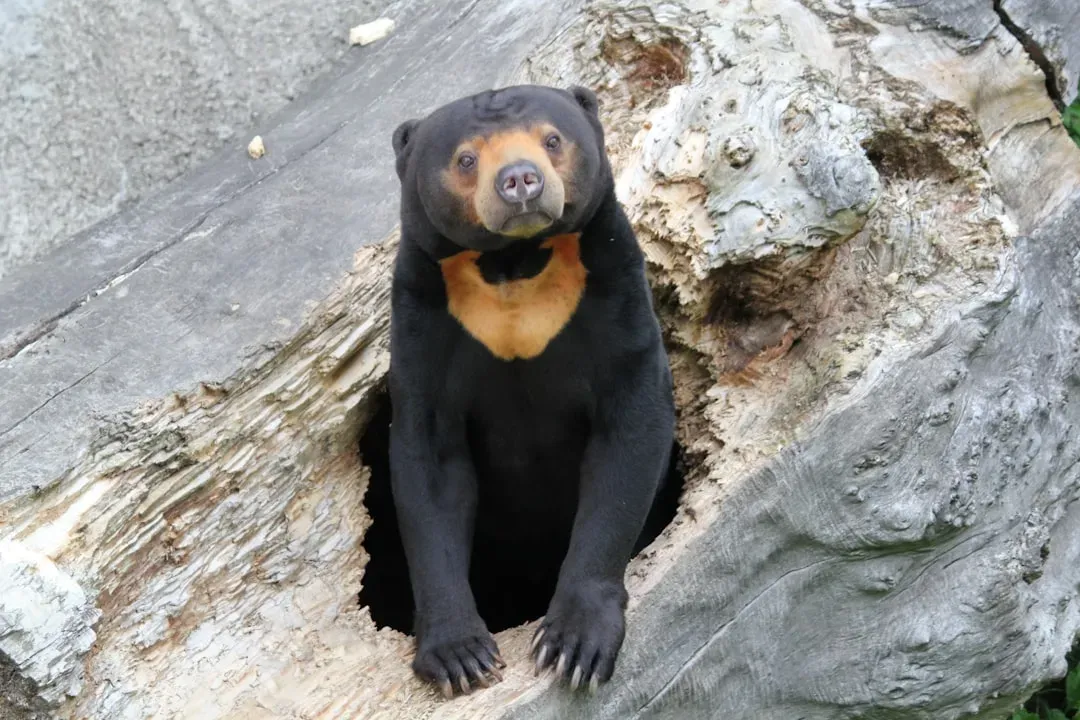
Not every bear spends winter the same way, and the variety of strategies across species says a great deal about just how flexible these animals are.
Each fall, a grizzly moves an incredible one ton of material to make its den. Still, not every bear puts in that kind of effort. Bears do not need snow to make a den. In fact, some bears may not dig a den at all. In one famous Pennsylvania bear study, researchers found bears denning in road culverts, underneath home porches, or simply curled up on a nest of leaves.
Time spent hibernating depends on environmental conditions and the sex and reproductive status of a bear. Males spend the least amount of time hibernating, while females with newborn cubs spend the most. It’s thought that this longer hibernation helps the cubs grow larger and stronger before leaving the den.
Remarkably, bears mate in spring or summer, but don’t technically become pregnant until winter, due to a strategy called delayed implantation. Once a female bear’s egg is fertilized, it remains dormant in her body for months, and pregnancy only develops if the female gains enough weight for a long, comfortable torpor. It’s a built-in safety mechanism tied directly to body condition.
Polar bears, living in harsh Arctic conditions, might seem like obvious candidates for long torpor, but most remain active all winter. It all comes down to diet. Unlike many other bears, polar bears are strict carnivores whose primary food source does not disappear in winter, so they hunt year-round.
What Bear Hibernation Means for Human Science and Conservation
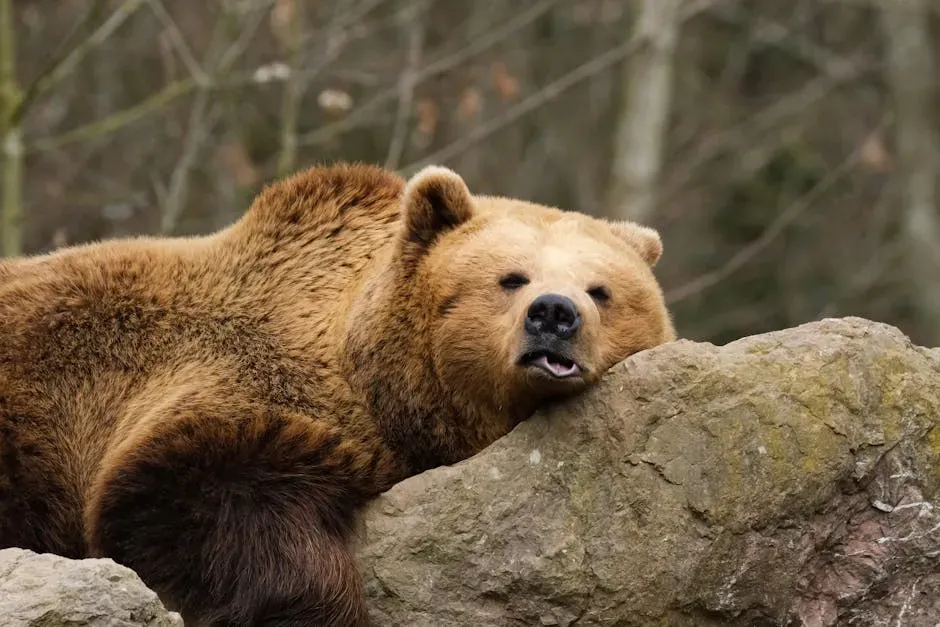
The more scientists study what bears do in winter, the more they realize it has implications that reach far beyond wildlife biology.
Scientists are studying hibernation to see if it could potentially help prevent obesity, Type II diabetes, and osteoporosis, improve treatments for kidney failure, and even extend the viability of organs for transplant.
Bears go months without performing the usual bodily functions, and their breathing and heart rates slow significantly. This has inspired scientists to explore putting astronauts into a similar state for long space voyages to Mars or beyond.
On the conservation side, the picture is more complicated. As winter minimum temperatures rise, black bears are spending fewer days hibernating. Research shows that with every one degree Celsius increase in regional winter temperatures, they stay awake an additional six days on average.
If bears stay awake too long, wake too early, or skip hibernation entirely, they face a significant problem: food scarcity. In winter, natural food sources like berries and nuts are unavailable, and spring vegetation hasn’t yet emerged. Bears that expend energy without replenishing it may burn through their fat reserves too quickly, leading to malnutrition or starvation.
Conclusion
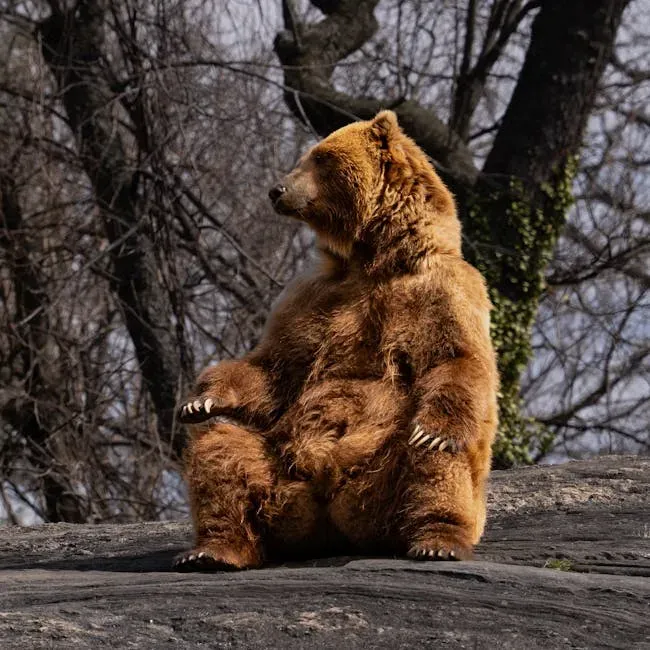
Bears have spent millions of years refining a winter strategy that is, by almost any biological measure, astonishing. The combination of deliberate fat storage, a metabolic slowdown that preserves muscle and bone, flexible denning behavior, and timed reproduction represents one of the most complete survival packages in the natural world.
What makes it especially compelling is that none of it is accidental. The stages of the bear’s annual cycle differ in biochemistry, physiology, appetite, and level of activity, and the onset and duration of these stages are genetically programmed to fit regional norms of food availability.
Bears don’t just survive winter. They’ve shaped their entire biology around it. That’s a distinction worth sitting with, especially now that the winters they’ve adapted to are quietly, steadily changing.
