
Worried about unexpected vet bills?
Pet insurance can cover thousands in unexpected vet costs. Get a free quote from Lemonade in under 2 minutes.
Get My Free Quote →Sponsored · Opens Lemonade.com
1. Persian: The High-Maintenance Classic
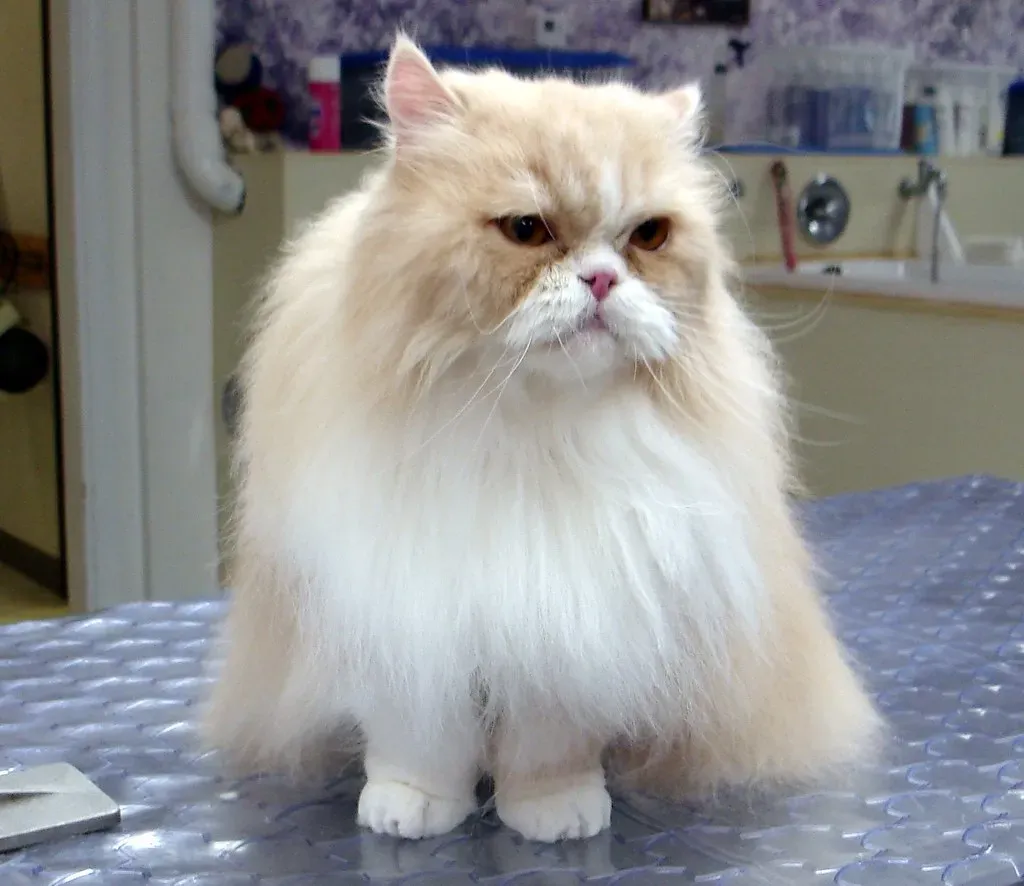
Few breeds command as much daily effort as the Persian. Persian cats are admired for their luxurious long, silky coats, but this beautiful fur demands daily grooming to prevent mats and skin issues, and without meticulous care their coats can easily become tangled, requiring professional grooming or veterinary intervention.
Because of their short, flatter face, Persian cats struggle to breathe properly, and many get short of breath quickly and suffer from inflammation and swelling in their airways. They are also very susceptible to ringworm as well as feline infectious peritonitis, which can be fatal. Owning a Persian means committing to both a daily grooming routine and a consistent vet schedule, ideally for life.
2. Scottish Fold: A Beautiful Breed With a Painful Reality
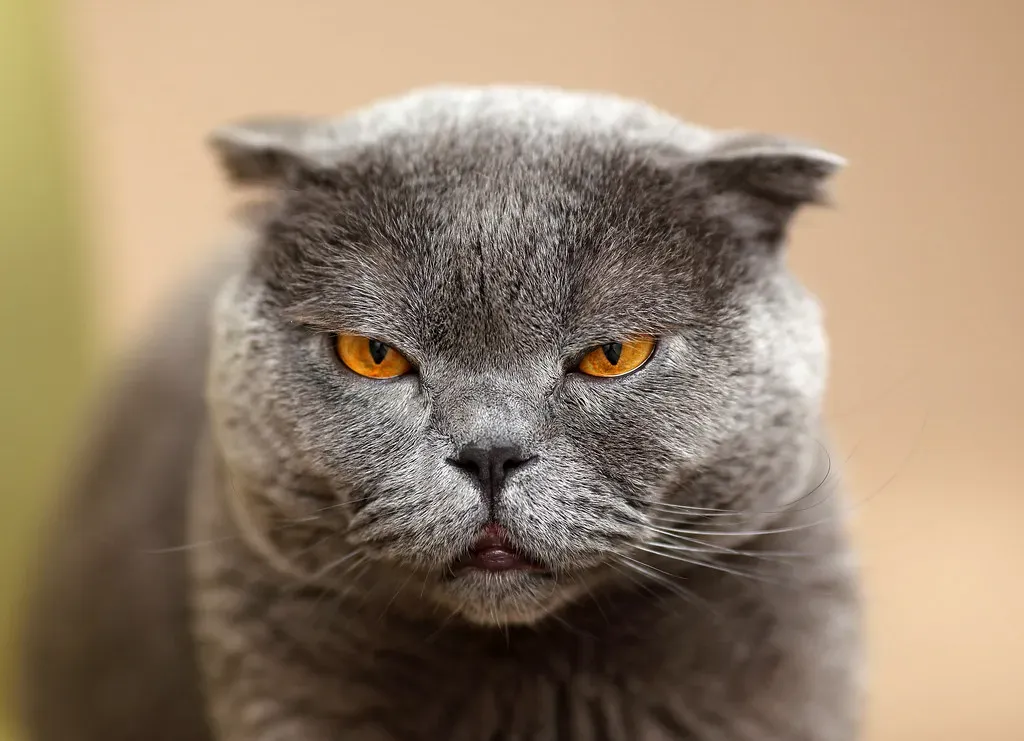
The gene that gives the Scottish Fold such a distinctive cute appearance also seriously affects their cartilage and overall health, resulting in arthritis and potentially bone defects in the tail, knees, and elbows, including fusion, with affected cats experiencing discomfort, lameness, and difficulty jumping to high places.
All cats with folded ears develop osteochondrodysplasia, and in cats which carry two copies of the abnormal gene, a progressive, crippling arthritis develops early in life. While there is no treatment for the disease itself, a vet can help manage a cat’s pain with appropriate medication and may be able to recommend home modifications to make the cat more comfortable. The ongoing medical management required is significant, and the financial and emotional toll on owners can be substantial.
3. Sphynx: Hairless Does Not Mean Effortless
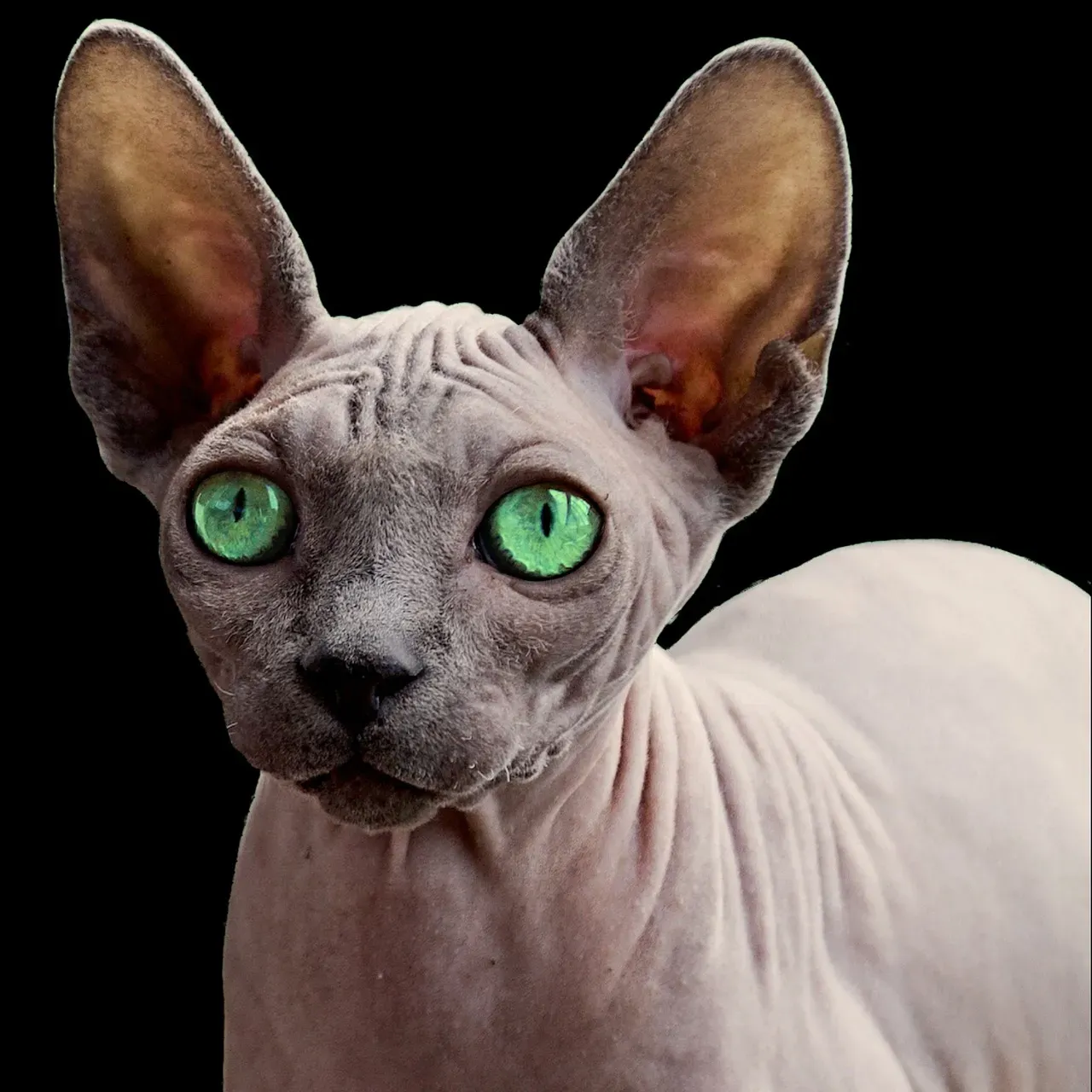
The Sphynx cat’s near-hairless body means it requires unique care, with a fine peach-fuzz coat that doesn’t absorb natural oils, necessitating regular baths, usually weekly, to prevent skin oil buildup and infections, and their skin is sensitive to temperature extremes, requiring protection from cold drafts indoors and sunblock outdoors in summer.
Sphynxes are prone to hypertrophic cardiomyopathy, a thickening of the heart muscle, and a neurological disease called hereditary myopathy, which affects the muscles including the ability to swallow. This is a breed that genuinely needs weekly bathing, cardiac monitoring, and temperature management year-round, which adds up to a level of daily involvement that surprises many first-time owners.
4. Siamese: Emotionally Demanding and Impossible to Ignore
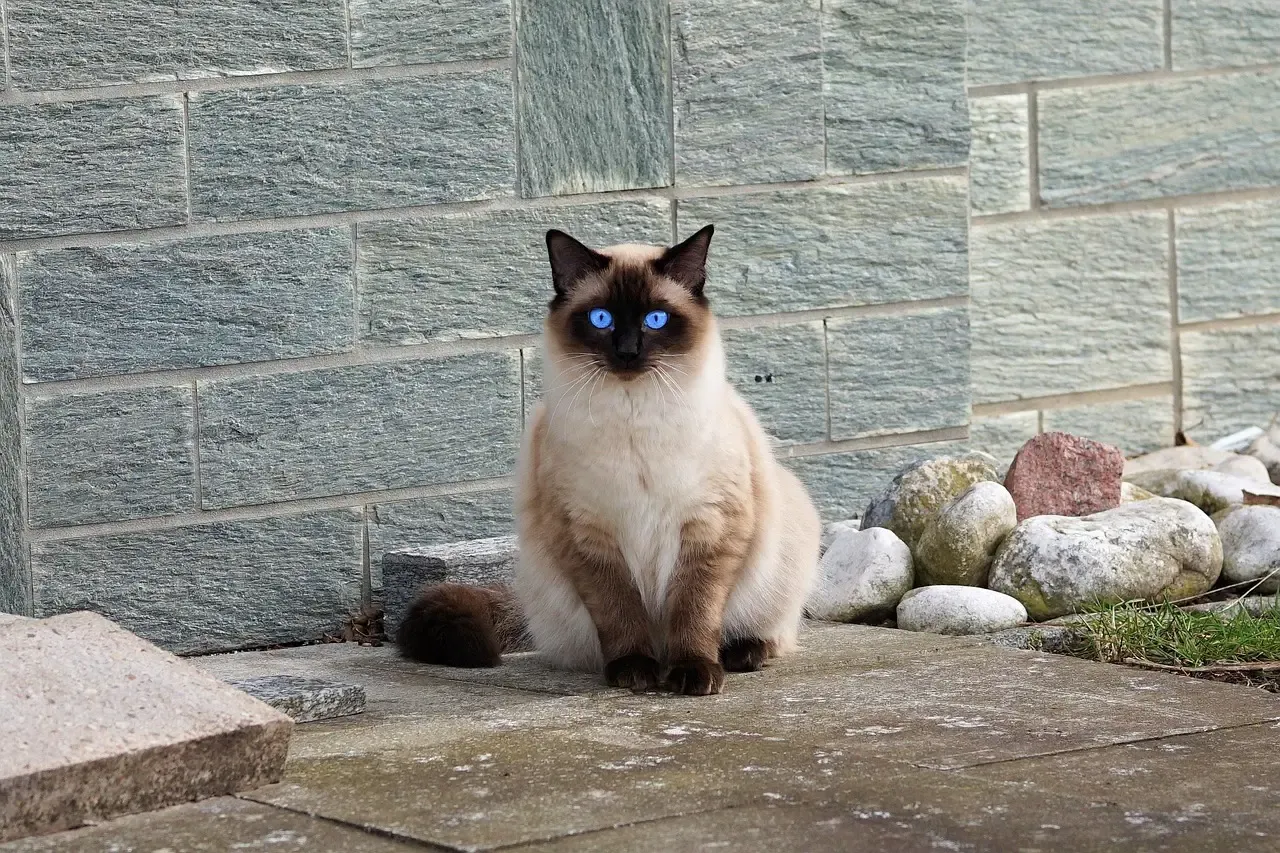
Siamese cats are highly vocal and crave constant interaction, following their owners around and often chatting loudly, and they are not happy when left alone for extended periods and can become anxious or demanding, as mental stimulation and companionship are vital to their wellbeing.
Siamese cats are also prone to developing pica, an abnormal desire to ingest non-food items, and wool-sucking, both of which could result in dangerous intestinal obstruction. Their emotional complexity is one thing; the physical health monitoring they require adds another layer entirely. They’re rewarding, but they’re not remotely hands-off.
5. Himalayan: Double the Challenges of Its Parents
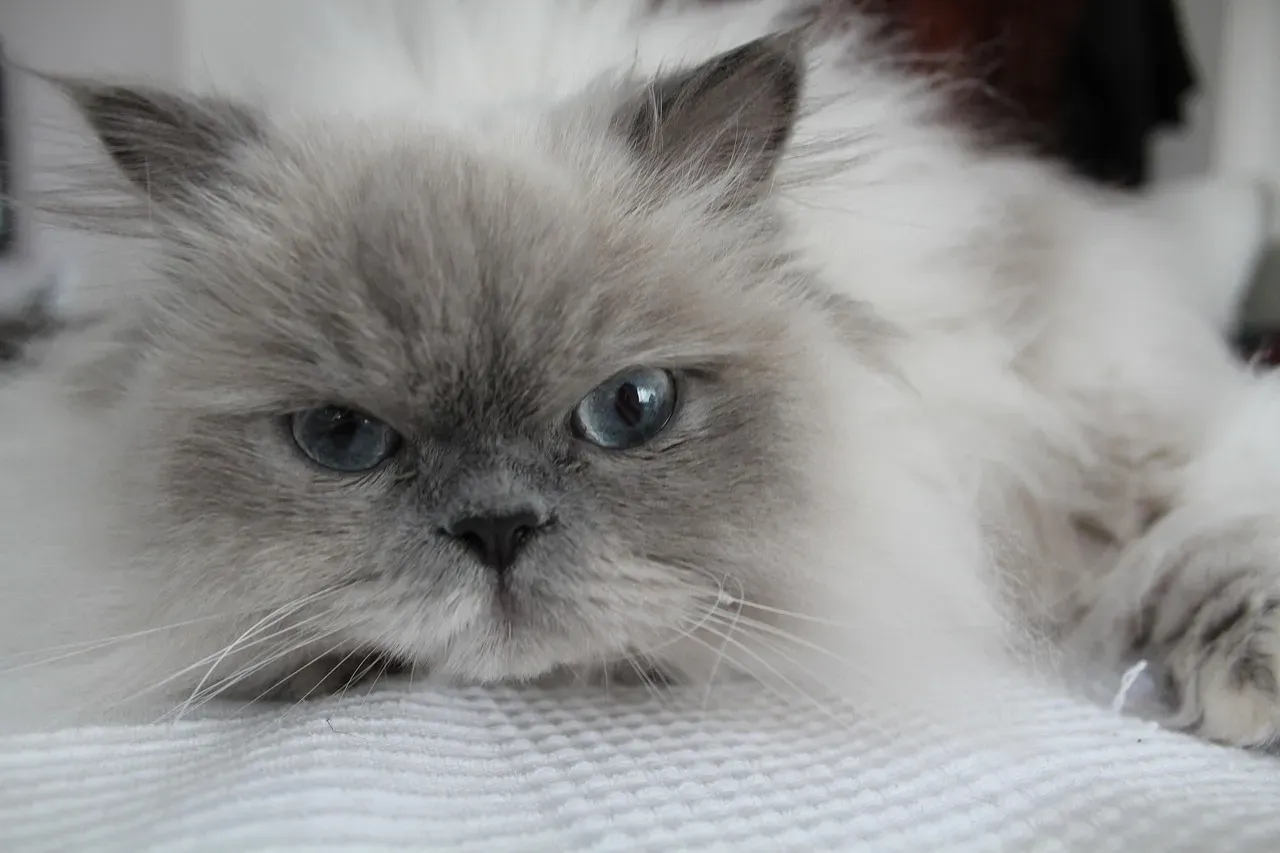
Like many flat-faced cats, Himalayans often have breathing problems due to deformed nasal passages, and the breed is also at risk for polycystic kidney disease, which can cause kidney problems in adult animals, with screening tests available that prospective buyers should ask breeders about.
Adorable breeds like the Himalayan are prone to health issues, demanding a greater commitment to veterinary care. Their coat, inherited from Persian lineage, requires the same intense daily grooming commitment, and their flat face brings the same respiratory concerns as the Persian. Two demanding parent breeds in one cat means double the vigilance from owners and double the vet bills over a lifetime.
6. Bengal: Wild at Heart, Wild in the Home
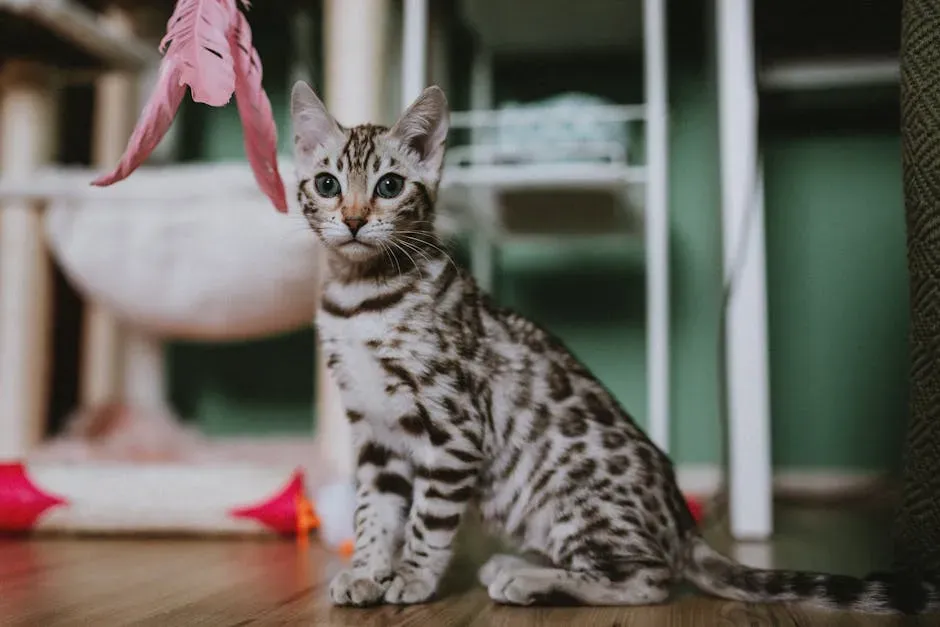
While Bengal cats are low-maintenance in terms of grooming, they are considered high-maintenance in terms of their energy level, need for stimulation, and social needs. Daily exercise is crucial for Bengals, including both structured playtime and free play, and at least thirty minutes to an hour of active play each day is recommended to help them burn off energy.
Purebred Bengals are more susceptible to genetic diseases than mixed breeds, and these cats are prone to distal neuropathy, hip dysplasia, hypertrophic cardiomyopathy, patellar luxation, and progressive retinal atrophy. Bengal cats are also among the breeds that have a high prevalence of Feline Infectious Peritonitis due to genetic factors that affect their immune response, a viral disease that targets the respiratory system and can lead to life-threatening symptoms in susceptible cats.
7. Maine Coon: Gentle Giant With Serious Health Risks
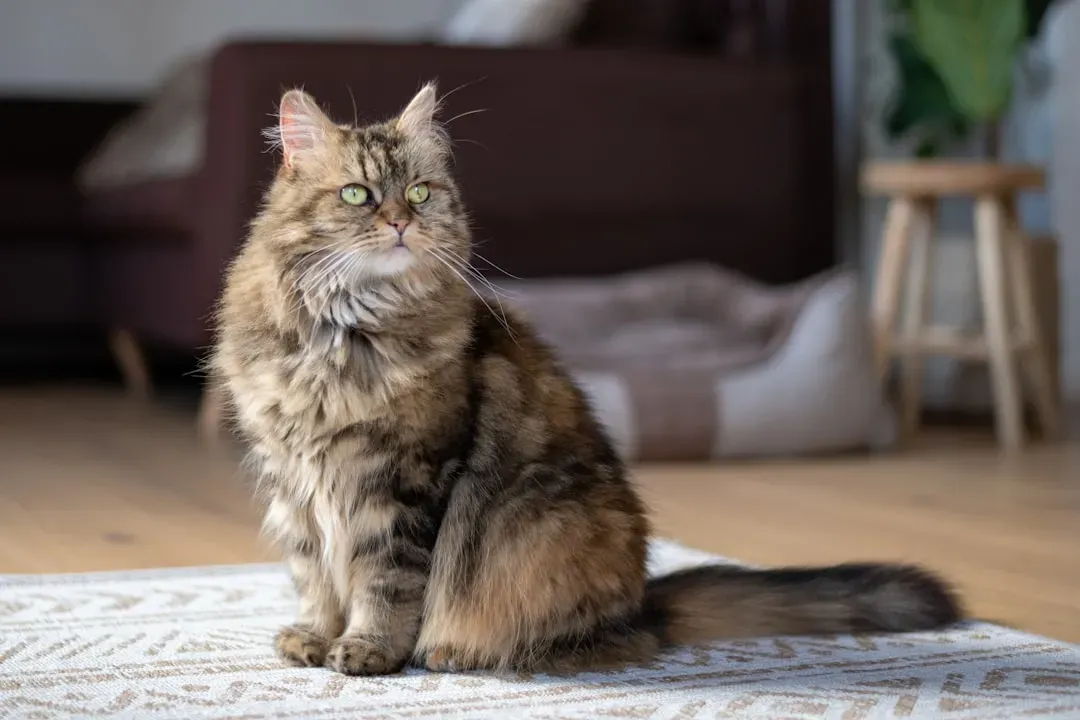
The Maine Coon is one of the largest cat breeds and its coat is just as impressive, a trait from their heritage in Maine where the breed originated, requiring regular brushing to prevent mats and tangles. Their size alone means more surface area to groom, and they shed heavily during seasonal changes, which demands dedicated upkeep.
Regular vet checkups are crucial for a Ragdoll’s health, as they might be prone to certain genetic issues including hypertrophic cardiomyopathy, environmental and food allergies, and bladder stones. Maine Coons share a comparable cardiac risk profile, with hypertrophic cardiomyopathy considered one of the most significant concerns for the breed. Cardiac screening and ongoing monitoring are something responsible Maine Coon owners plan for from the start.
8. Munchkin: Cute Proportions, Complex Consequences
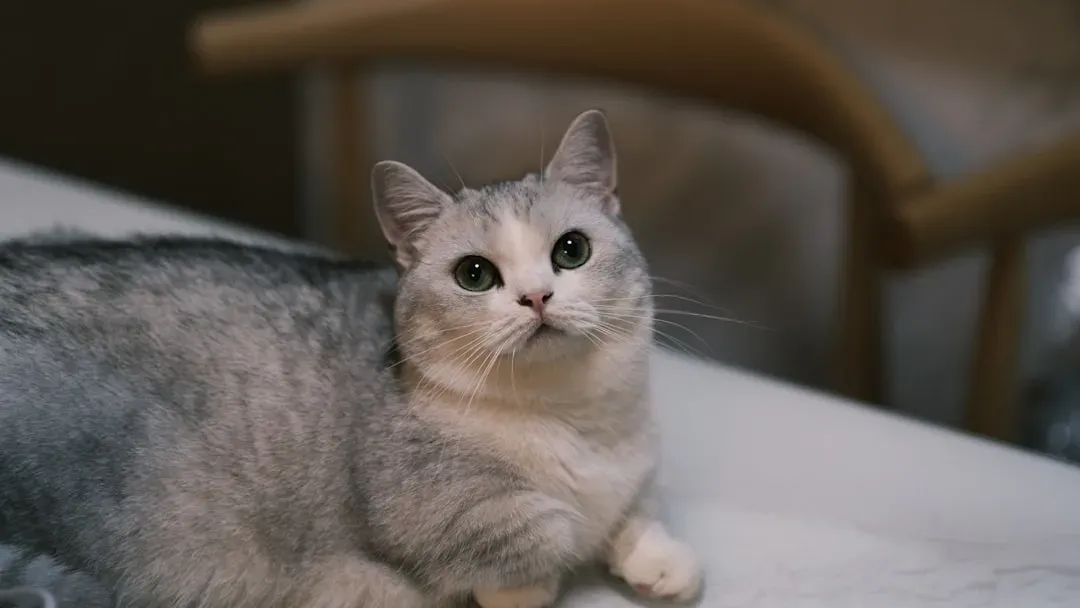
Both long and short-coated Munchkins are prone to certain ailments, and the genes that create the short-legged feature of these cats are quite complicated and are sometimes linked to spine and chest problems. Their unusual skeletal structure means routine activities like jumping and climbing can put abnormal stress on their joints over time.
The most common type of osteochondrodysplasia is achondroplasia, which results in the development of short bones as seen in Munchkin cats, many of whom also have joint and cartilage problems. Owners need to be proactive about managing their environment, monitoring mobility, and working closely with a vet to track any progression of musculoskeletal issues as the cat ages.
9. Manx: A Tailless Breed With Serious Spinal Concerns
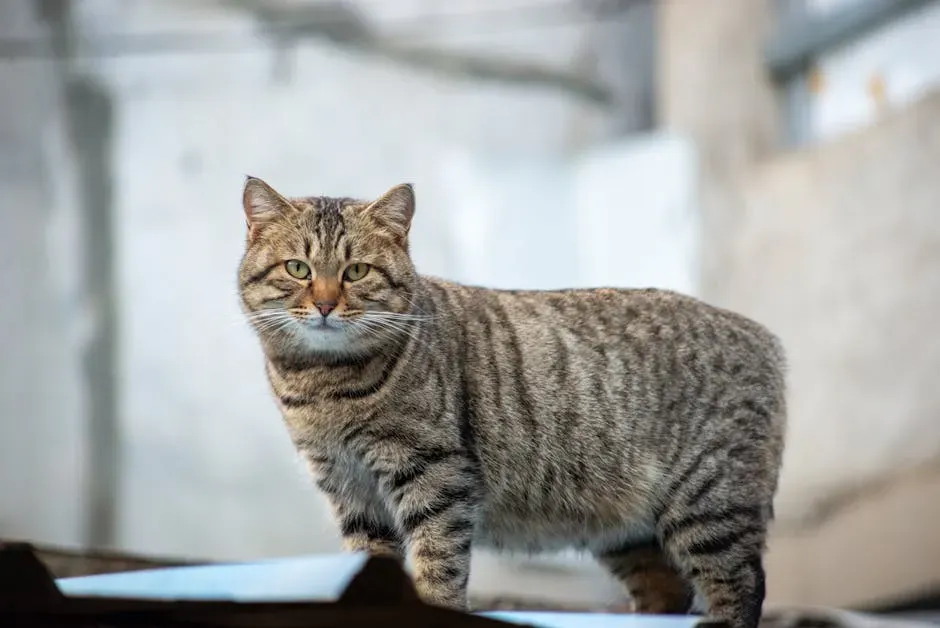
The Manx is easily identified by the absence of a tail and has become a fashionable breed, but the taillessness can be associated with spinal defects that present as problems defecating or urinating, with most of these problems appearing by six months of age.
A Manx kitten likely has some spinal issue if they are displaying difficulty walking or walk with a stiff or hopping gait. This is a breed that requires early veterinary assessment and close monitoring during the first months of life. The long-term potential for bowel, bladder, or mobility complications means Manx owners often face unpredictable and emotionally difficult veterinary decisions as the cat matures.
10. Exotic Shorthair: The Persian in Disguise
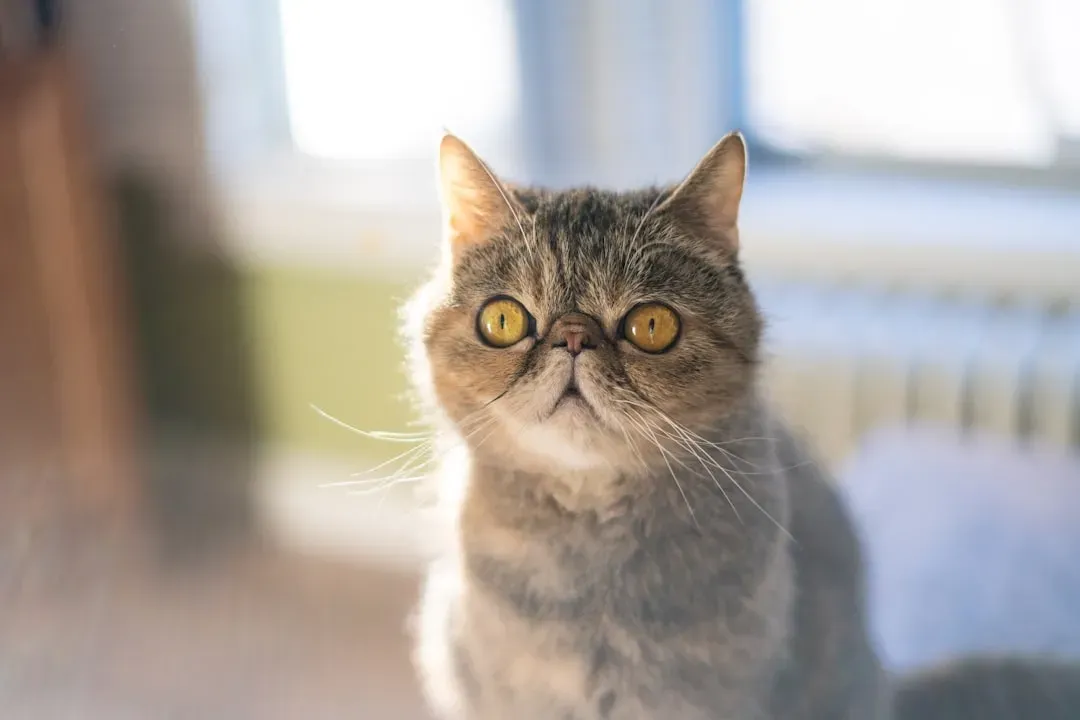
Similar in build to Persians, Exotic Shorthair cats are also prone to brachycephalic airway syndrome, and are also susceptible to polycystic kidney disease. Their shorter coat is easier to manage than a Persian’s, but the underlying structural health problems remain essentially the same, and many owners are caught off guard by how medically involved this breed actually is.
Some breeds may be prone to certain health conditions, which can require regular vet check-ups and potentially costly treatments. The Exotic Shorthair is a prime example of a breed that looks deceptively manageable but carries the same flat-faced respiratory complications, eye discharge issues, and kidney disease risks as its Persian cousin. A routine vet visit might cost between seventy-five and a hundred and fifty dollars, but more serious issues involving lab work, imaging, or emergency care can run from eight hundred to three thousand dollars or more, which is why many owners consider pet insurance to avoid large unexpected bills.
Conclusion: Know Before You Fall in Love
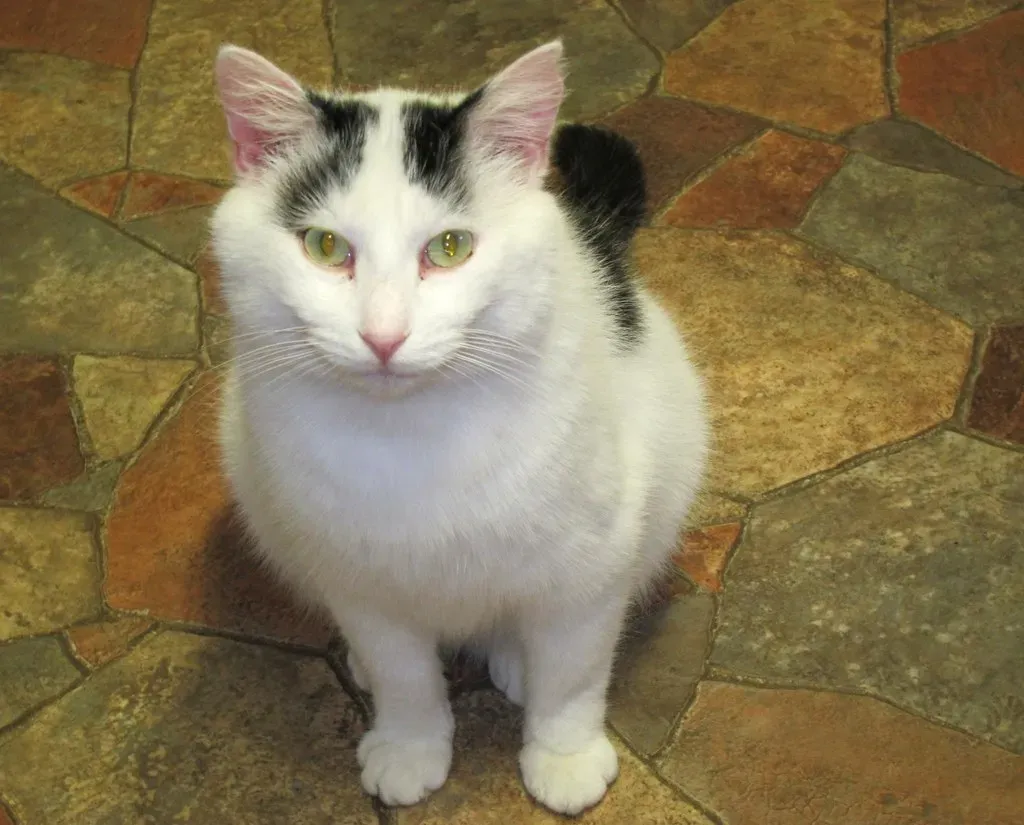
Every breed on this list is genuinely beautiful, often deeply affectionate, and capable of forming strong bonds with their owners. That’s precisely the risk. It’s easy to fall in love before doing the homework, and far harder to manage the consequences once a pet’s needs begin to outpace what you’re able to provide.
High maintenance cats are those with specific needs and temperaments that require dedicated care, and these felines may have demanding grooming requirements, unique dietary considerations, or require ample exercise and mental stimulation to thrive. Vets see the strain on both cats and owners when expectations don’t match reality.
The challenge of owning any of these breeds isn’t a reason to avoid them entirely. It’s a reason to prepare seriously, budget honestly, and build a real relationship with a good vet from day one. A well-cared-for high-maintenance cat can thrive for fifteen years or more. The key is knowing what you’re signing up for before the kitten comes home.
Worried about unexpected vet bills?
Pet insurance can cover thousands in unexpected vet costs. Get a free quote from Lemonade in under 2 minutes.
Get My Free Quote →Sponsored · Opens Lemonade.com
