

Stand at the edge of the Sonoran Desert on a July morning and the air already feels like it’s pressing down on you. The ground is pale, cracked, radiating heat before eight o’clock. Nothing moves. Nothing, that is, until you look closely.
Travelers expecting endless sand dunes and barren wasteland encounter instead a landscape crowded with life: towering saguaro cacti, forests of ironwood and palo verde, javelina rooting through the undergrowth, and coyotes trotting across bajadas at dawn. It is a desert that defies every expectation placed upon it.
The Sonoran Desert is the most biologically diverse of the four U.S. deserts, covering 120,000 square miles of southwestern Arizona, southeastern California, and the Mexican states of Baja and Sonora, with its mountains, rivers, and canyons providing habitat for numerous unique species specially adapted for heat, aridity, and intense summer monsoons. What makes the Sonoran remarkable isn’t just its scale. It’s the sheer ingenuity of the life it holds.
A Desert Unlike Any Other: Setting the Stage
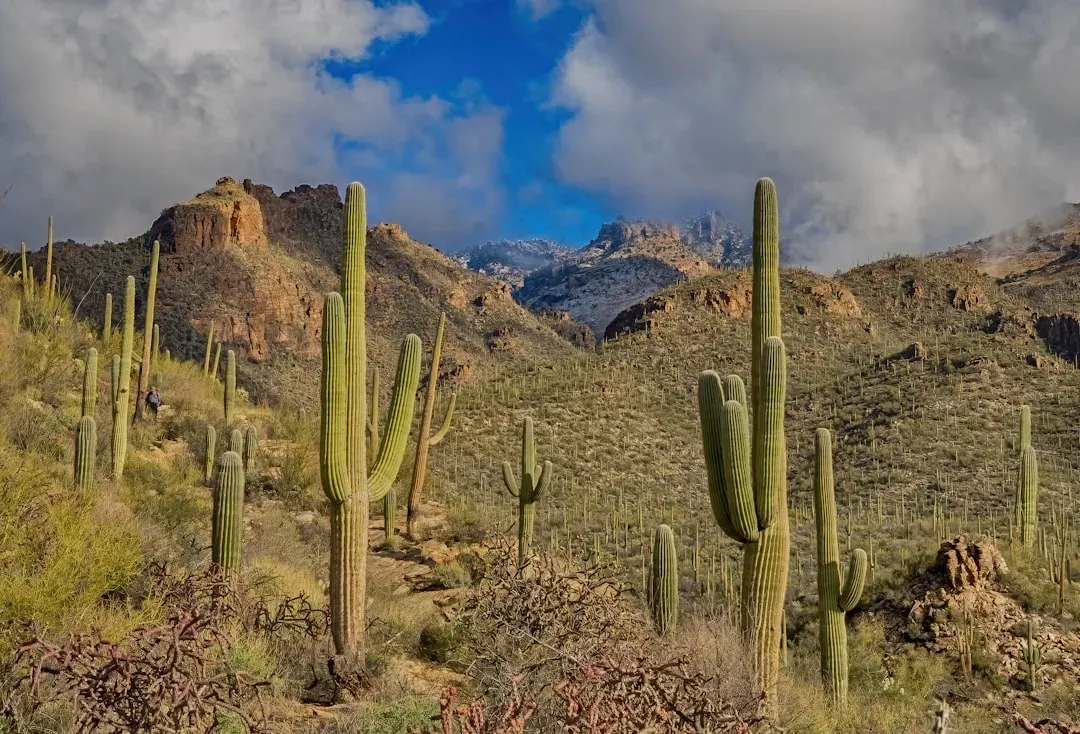
The Sonoran Desert is one of North America’s most interesting deserts, with more plant and animal types than any other desert in the world. It is the wettest and the warmest desert on the North American continent. That may sound contradictory, but the Sonoran’s relative moisture is precisely what elevates its biodiversity above every other arid region on the continent.
The desert is distinct from other North American deserts due to its bi-seasonal rainfall pattern, which supports a variety of plant life, particularly the iconic saguaro cactus. The region receives gentle, soaking rains in the winter, followed by intense, short-duration monsoon thunderstorms in the summer. This combination of heat, aridity, and dual rainy seasons creates a unique environment that has driven the evolution of specialized survival mechanisms in the animals that call the Sonoran home.
More than 100 reptiles, 2,000 native plants, 60 mammals, and 350 birds call this desert home, not only surviving here, but thriving, as long as their habitats remain intact. The density and variety of that life is genuinely surprising, even to seasoned naturalists.
The Saguaro Cactus: A Living Apartment Building
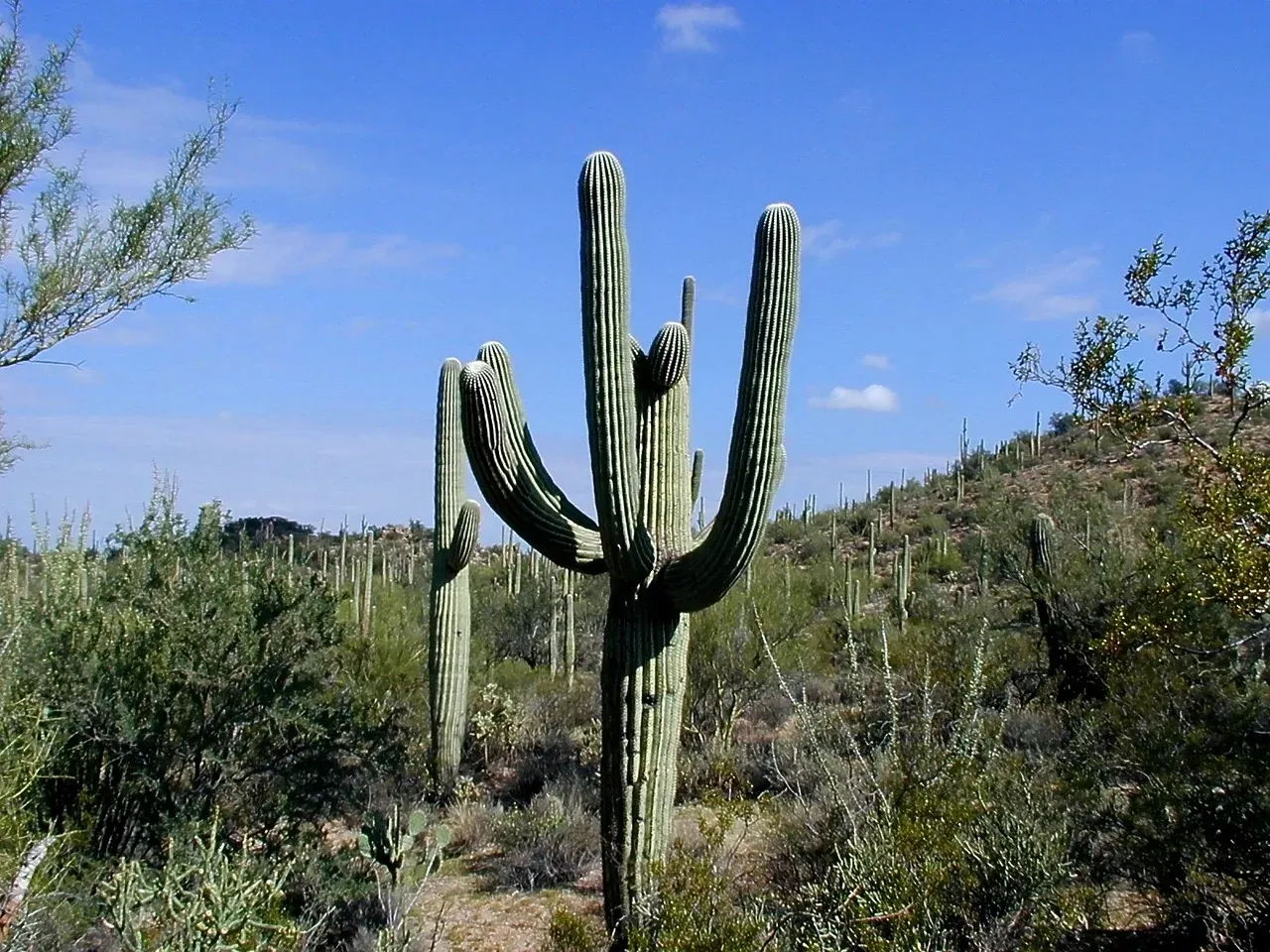
The saguaro is a tree-like cactus species that can grow to be over 12 meters tall. It is native to the Sonoran Desert in Arizona, the Mexican state of Sonora, and parts of California. Slow to establish but extraordinary in longevity, saguaros have a relatively long lifespan, often exceeding 150 years. They may grow their first side arm around 75 to 100 years of age, but some never grow any arms.
The saguaro is a keystone species, providing food, shelter, and protection to hundreds of other species. Every stage of the saguaro’s life sustains a significant number of species, from seedling to after its death. Few plants anywhere on Earth offer that kind of ecological generosity across every chapter of their existence.
Saguaros make excellent nesting places for many birds. Gila woodpeckers and gilded flickers both excavate nest holes in the fleshy stems. The woodpeckers usually excavate new nest holes each year, giving other birds like elf owls, house finches, ash-throated flycatchers, and purple martins an opportunity to occupy old woodpecker nests. When the housebuilders abandon a cavity, other birds move in, relishing a refuge that can be almost 20°F cooler than outside temperatures in summer and vice versa in winter.
Masters of Thirst: The Kangaroo Rat’s Extraordinary Water Economy

The kangaroo rat represents the peak of mammalian adaptation in this desert, often surviving without ever drinking liquid water. It obtains moisture through the metabolic breakdown of the dry seeds it eats, and its highly specialized kidneys produce extremely concentrated urine. The simplicity of that sentence barely captures how remarkable the biology really is.
Not only does the kangaroo rat live in a burrow and remain nocturnal, but it recaptures its own body moisture by storing food within its burrow. Dry seeds absorb moisture from the kangaroo rat’s breath, which condenses more readily in the cooler underground temperatures. Every breath the animal exhales becomes a resource, recovered before it can escape.
The kangaroo rat has such complex kidneys that it is able to retain as much water as possible. It also has specialized tissues in its nasal passages that help it retain much of the moisture that is normally lost through breathing. Together, these systems function as an almost closed loop, one of the most water-efficient biological designs found anywhere in the animal kingdom.
The Gila Monster: Slow, Patient, and Perfectly Designed
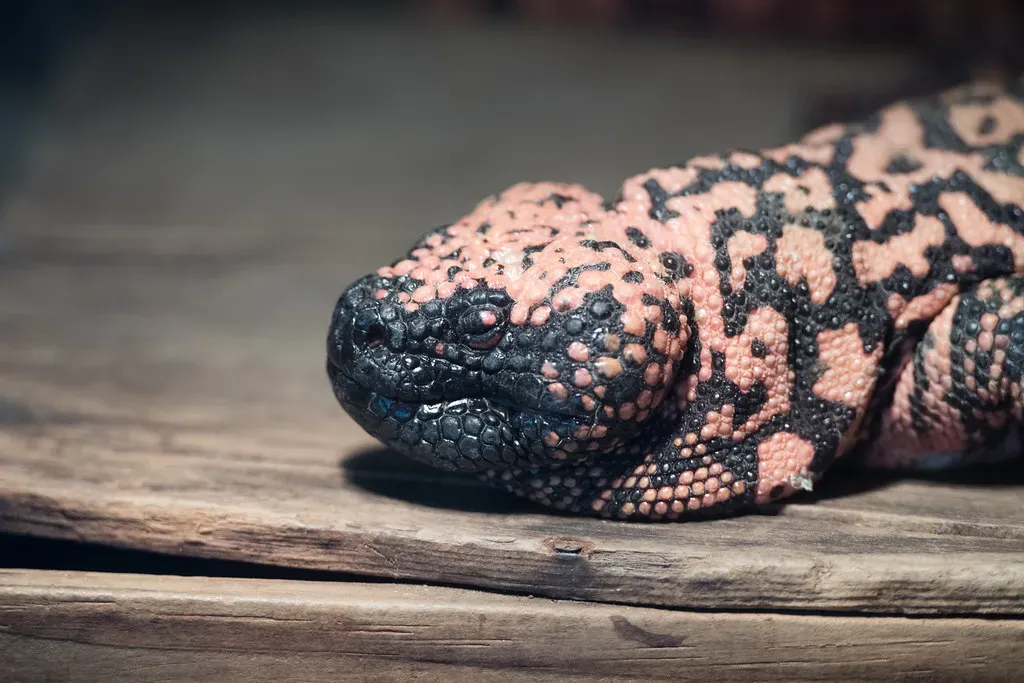
The Gila monster is a species of venomous lizard native to the Southwestern United States and the northwestern Mexican state of Sonora. It is a heavy, slow-moving reptile, up to 22 inches long, and is the only venomous lizard native to the United States. Its unhurried pace is not a weakness. It is a strategy refined over millions of years.
Gila monsters spend 90 percent of their lifetime underground in burrows or rocky shelters. They are active in the morning during the dry season. The Gila monster stores fat in its tail, which serves as a reserve of both energy and water for long periods of inactivity. This carnivore consumes large amounts of food in a single feeding, often consisting of eggs and nestlings, allowing it to sustain itself for months on just a few meals. Its venom serves primarily as a defense mechanism.
Three to four extensive meals in spring are claimed to give Gila monsters enough energy for a whole season. They can store fat in their tails and therefore do not need to eat often. It is a creature built for patience, eating rarely, moving slowly, and outlasting the worst the desert can offer.
Amphibians Against the Odds: Desert Toads and Spadefoots
Finding amphibians in a desert feels counterintuitive. Yet the Sonoran Desert supports a surprising number of them, each one deploying clever, sometimes extreme, strategies to survive an environment that should be entirely hostile to their kind.
The desert spadefoot evolved an accelerated development rate, from egg to toadlet in less than two weeks. In southeastern California, where summer rainfall is less dependable, spadefoots emerge during the first storm, travel to ponds, call and breed, and gorge on lipid-rich, swarming termites, often all in a single night. That compressed urgency, the entire reproductive cycle crammed into hours, is one of nature’s more astonishing time trials.
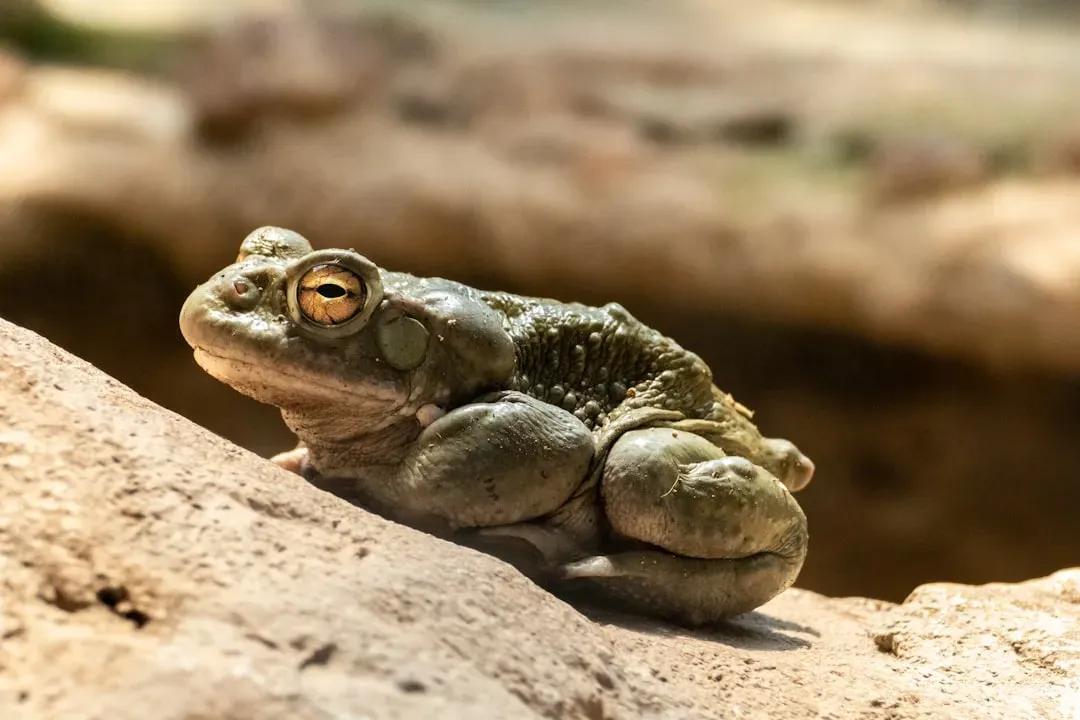
Summer monsoons awaken many reptile species, including the Sonoran desert toad. Sonoran desert toads are one of the largest toads in North America and produce a hallucinogenic poison from glands on their face. These toads are nocturnal, most active at night, avoiding the extreme daytime heat of their desert habitat. They time their lives around the desert’s rhythms with a precision that looks almost deliberate.
Birds That Beat the Heat: Owls, Roadrunners, and Clever Strategies
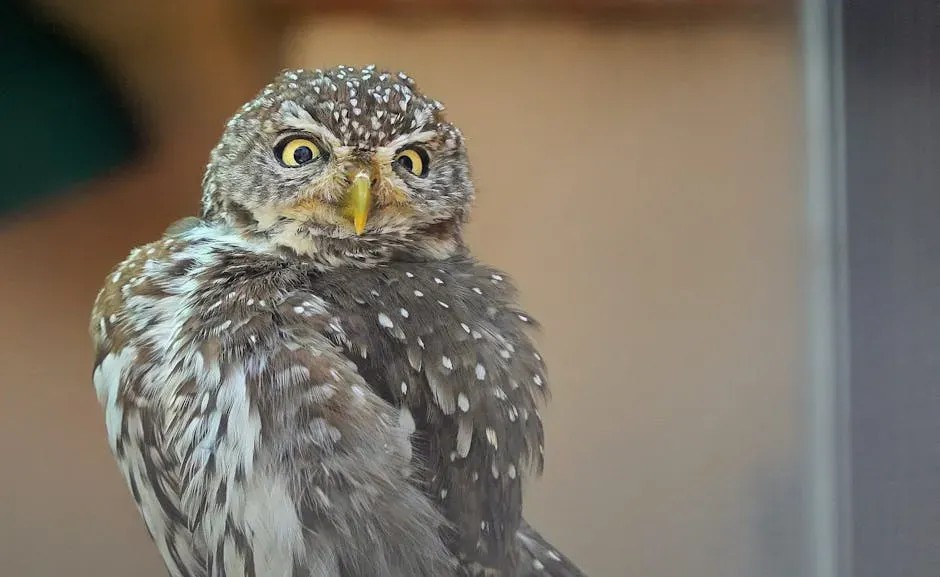
Certain species of birds, such as the Phainopepla, a slim, glossy black bird with a slender crest, breed during the relatively cool spring and then leave the desert for cooler areas at higher elevations or along the Pacific coast. The Costa’s hummingbird, a purple-crowned and purple-throated desert species, begins breeding in late winter and then leaves in late spring when temperatures become extreme. Timing is everything.
Animals escape the desert sun inside a den or cavity. For example, elf owls will hide inside cavity nests in cacti during the heat of the day. Elf owls survive on katydids and scorpions, obtaining both nutrition and hydration from their prey without ever needing to visit a water source.
Many birds are active primarily at dawn and within a few hours of sunset, retiring to a cool, shady spot for the remainder of the day. Some birds, such as the kingbird, continue activity throughout the day but always perch in the shade. Small behavioral choices, repeated across a lifetime in extreme heat, make all the difference between survival and death.
Conservation Pressures: When Resilience Has Its Limits
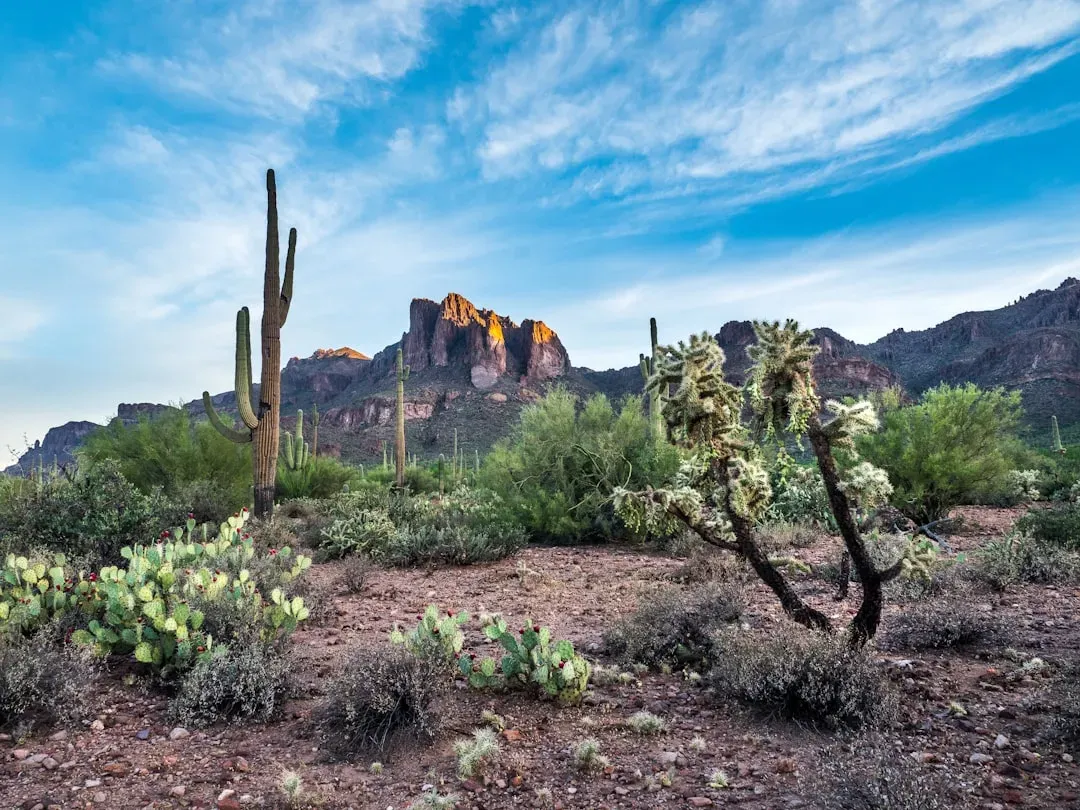
Sadly, pristine Sonoran Desert habitat is increasingly rare. As more and more people move to the desert to enjoy its warm climate, the natural beauty that attracted them becomes paved over, torn up, and polluted. Important riparian areas are altered and destroyed, and water is scarcer than ever. As a result, species that have hardily adapted to desert life for thousands of years are suddenly disappearing, unable to adjust to human-caused stresses on their environment.
Even the saguaro, sometimes called the “monarch of the desert,” is struggling to cope with extreme heat and extended periods of drought. Climate change, together with habitat loss, intensifying wildfires, and the spread of non-native species, is threatening the welfare of this iconic plant with profound connections to desert wildlife and human history.
Invasive species, such as buffelgrass and Sahara mustard, pose significant threats to the Sonoran Desert ecosystem by increasing the rate of fires. Buffelgrass outcompetes saguaros for water and grows densely. It is also extremely flammable but survives fire easily due to deep root systems. Saguaros did not evolve in an environment with frequent fires, thus are not adapted to fire survival. A plant that can live two centuries is finding itself outpaced by a grass that arrived decades ago.
Conclusion: Resilience Has a Name, and It Lives in the Sonoran
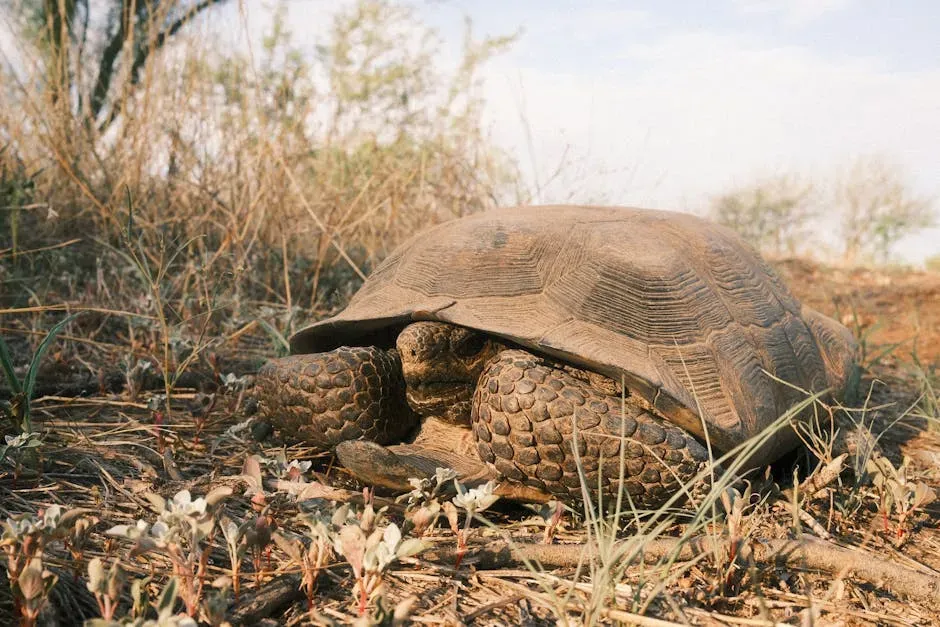
The creatures of the Sonoran Desert did not arrive at their remarkable adaptations by accident. They earned them across millions of years of brutal selection, shaped by heat, drought, and competition into some of the most precisely tuned organisms on Earth. Most desert animals have evolved both behavioral and physiological mechanisms to solve the heat and water problems the desert environment creates. Among the thousands of desert animal species, there are almost as many remarkable behavioral and structural adaptations developed for avoiding excess heat.
Studying desert ecology teaches us about adaptation, resilience, and sustainable living in extreme environments. This knowledge guides conservation efforts and helps solve environmental challenges globally. The Sonoran is, in that sense, both a living laboratory and a warning.
What the Sonoran Desert ultimately teaches, above all else, is that life finds a way not through brute force, but through extraordinary patience and precision. The kangaroo rat that never drinks, the Gila monster that eats three times a year, the spadefoot toad that waits underground for months on end: these are not creatures barely hanging on. They are masterworks of endurance. Whether the desert can withstand the pressures now building against it is a question that no adaptation, however elegant, can answer alone.

- 12 Amazing Creatures Thriving in Unexpected Urban Environments - July 14, 2026
- America’s Most Dangerous Fault Lines You’ve Probably Never Heard Of - July 14, 2026
- Animal Psychology Says If You See a Large Gathering of Crows in Your Yard at Dawn It Is a Sign of Complex Social Behaviour – and the Cognitive Power Required for It Belongs to an Elite Group of Species - July 14, 2026