
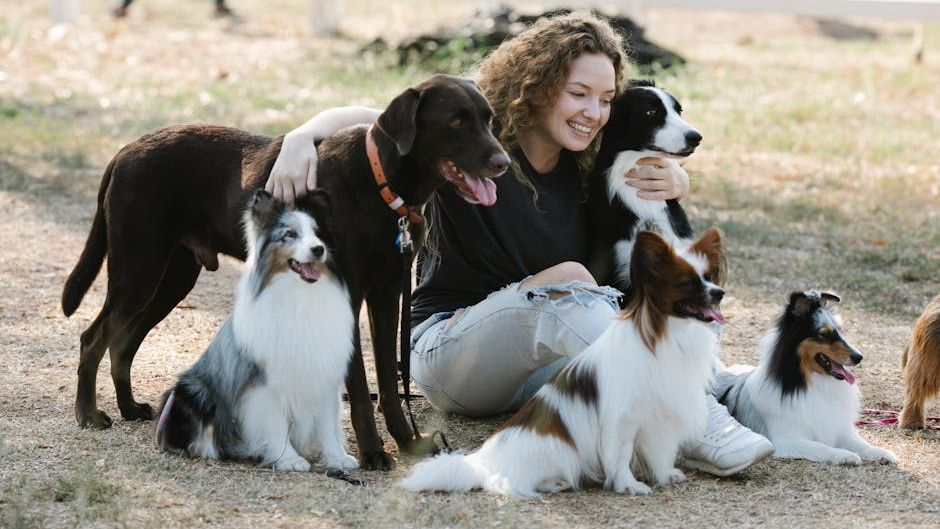
Dogs don’t fill out a form or send a text. Their declarations are quieter than that, and in many ways, far more sincere. They press a paw against your leg at exactly the right moment. They show up in whatever room you’ve wandered into, without being called. These aren’t random habits. They’re choices.
Dogs may not express love in the same way humans do, but that doesn’t make it any less meaningful. From wagging tails and soft gazes to following you around and bringing you toys, they have their own language of affection. The trick is knowing how to read it. Here are 16 things popular dog breeds do that are, in fact, quiet declarations of “you’re my person.”
1. They Follow You From Room to Room
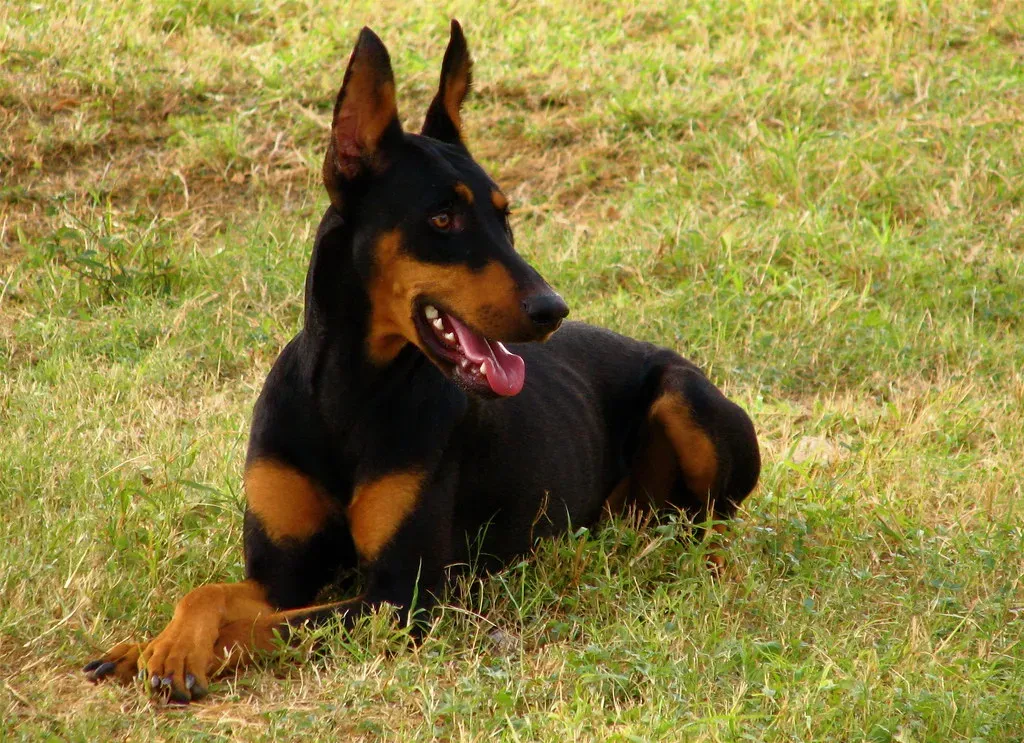
Walk into the kitchen, and there they are. Head into the bathroom, and the sound of paws follows you on the tile. It can feel like you’ve acquired a very fluffy shadow, but this behavior runs deeper than simple curiosity.
When your dog trails you, it’s their way of saying, “I want to be with you.” It’s a clear signal of loyalty and affection. Dogs are genetically wired as pack animals. When they join a human family, you become their pack leader, and following you signals deep attachment, trust, and a feeling of safety.
Some dog breeds are simply hardwired to form a stronger bond with one particular person. Many of the time, these breeds are ones who were bred to work directly with humans, like herd dogs or guard dogs. Because they’ve worked so closely with humans throughout history, that instinct to form a strong bond is there. Border Collies, German Shepherds, and Beagles are classic examples of this.
2. They Make Sustained, Soft Eye Contact
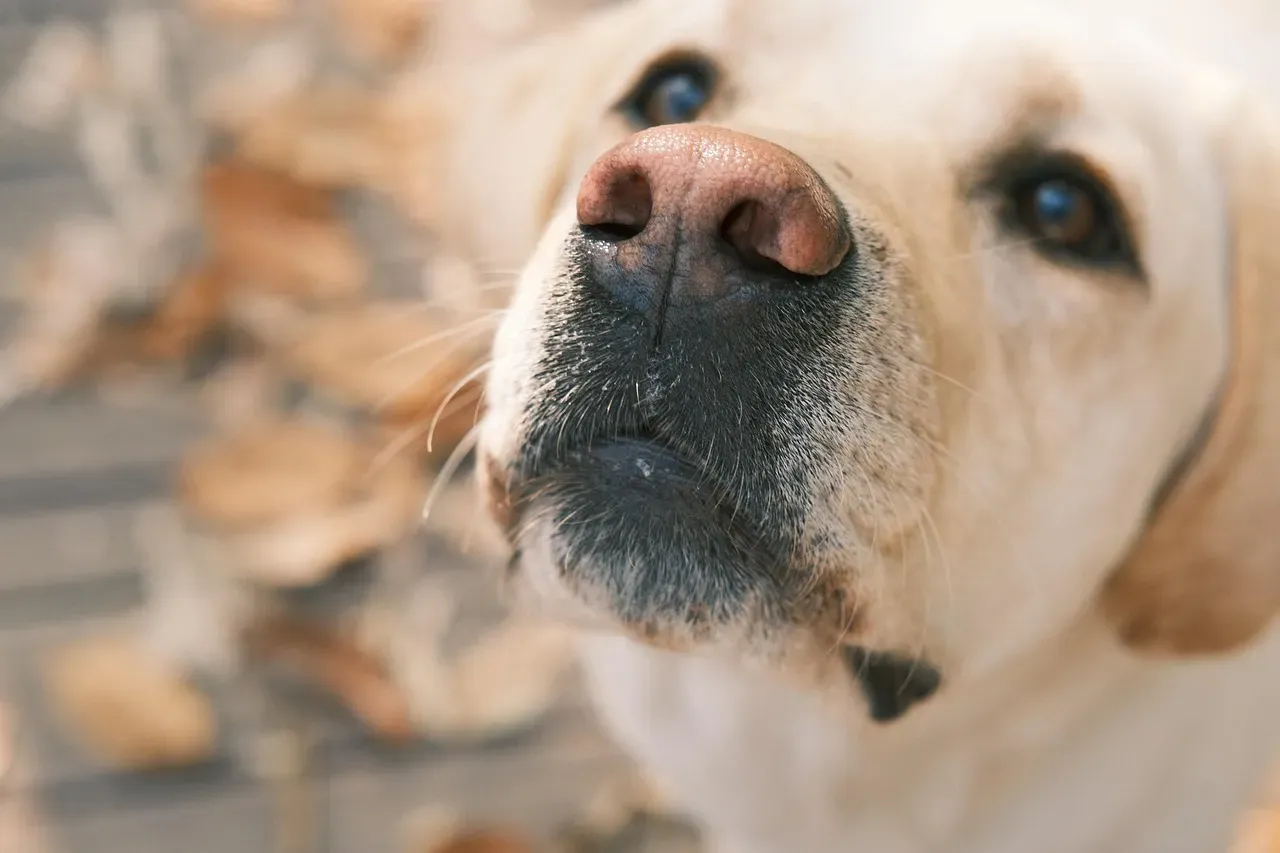
There’s a particular kind of gaze a bonded dog gives. It’s not the hard stare of challenge or the wide-eyed panic of a startled animal. It’s slow, soft, and steady. That look means something real.
Studies from universities such as the University of Tokyo and Duke University show that when dogs and humans look into each other’s eyes, oxytocin levels spike in both, creating a positive feedback loop that cements their bond.
Soft eye contact is a loving behavior where dogs maintain gentle, lingering eye contact. This mutual gaze releases oxytocin, the same hormone linked to human bonding, and indicates peace, comfort, and trust. Avoiding direct eye contact can be a sign of submission, but confident, soft gazing is a love language in dogs.
3. German Shepherds Position Themselves Between You and Uncertainty
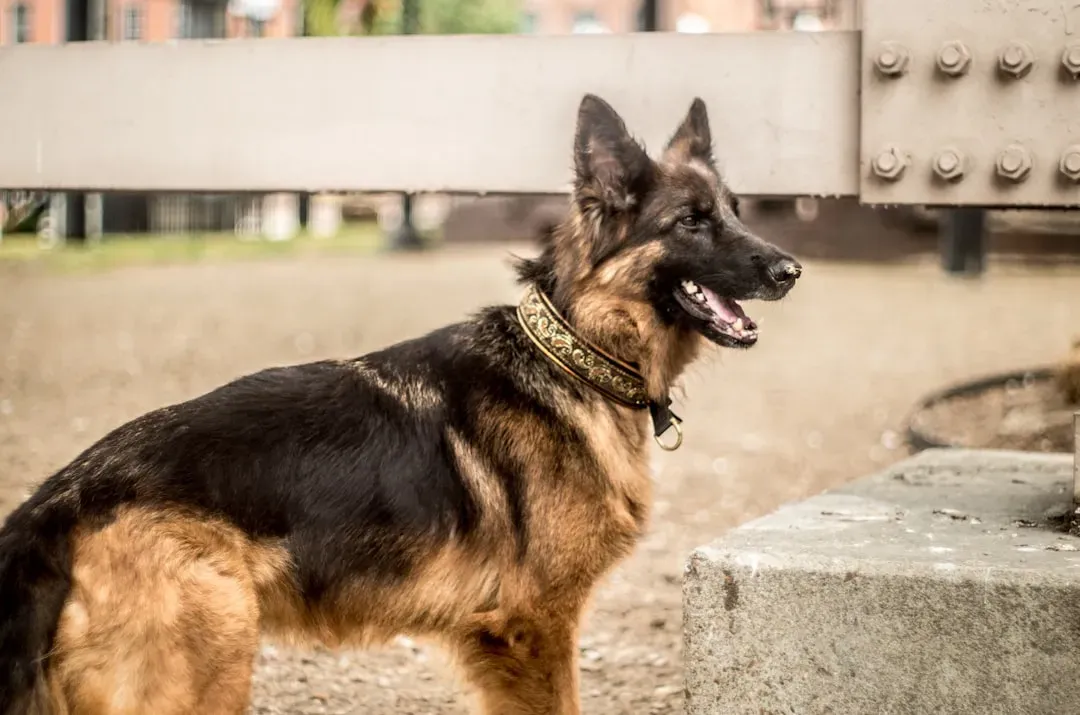
German Shepherds have an almost uncanny habit of placing themselves physically between their chosen person and anything unfamiliar. It’s not aggression. It’s deliberate, calm protection extended toward someone they’ve decided is worth guarding.
When a German Shepherd bonds with you, it is like having a shadow that anticipates moves before you make them. They track your mood, watch your path, and position themselves between you and uncertainty. You feel protected without asking, and their eyes check in as if to say you matter most.
German Shepherds are classic one-person dogs, often choosing a primary handler to mirror and protect. Their loyalty shows in quiet following, strategic positioning, and attentive eye contact. When trained with clarity and kindness, they become intuitive partners at home and in public.
4. They Lean Their Body Weight Against You
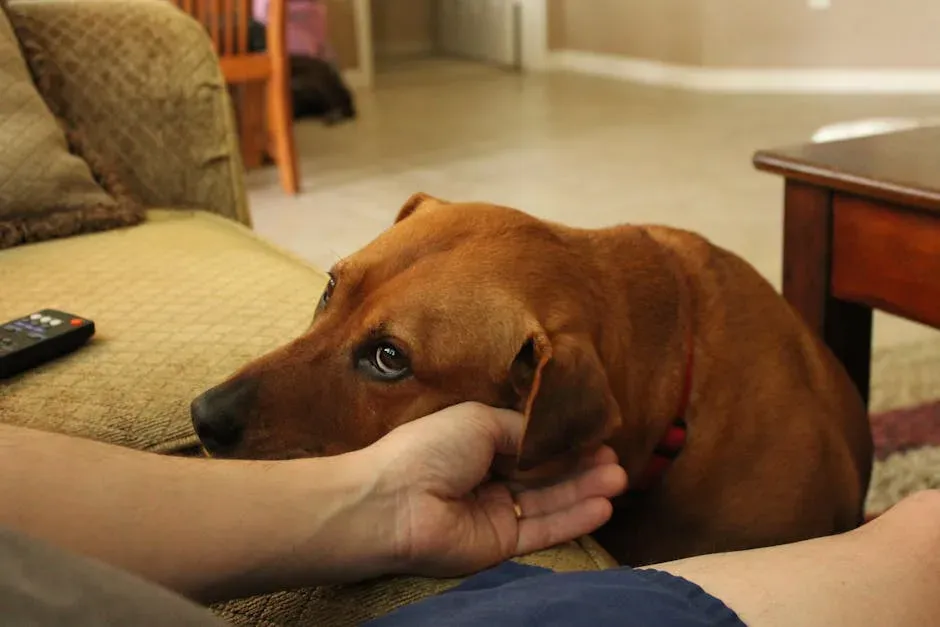
A dog that leans into you isn’t being clumsy. That full-body press, warm and steady, is one of the more underrated signs that a dog has truly claimed you as their person.
Leaning isn’t just for attention; it’s also a sign of attachment. Dogs lean on people they have a strong bond with. If your dog leans on you often, it’s a good indication of their attachment to you.
Physical affection through leaning against your legs, sitting close, or touching with a paw is strong evidence of comfort and connection. Dogs find reassurance in physical proximity, making leaning a subtle but precious love gesture. Dogs also lean for support during moments of insecurity, trusting you as their emotional anchor.
5. Cavalier King Charles Spaniels Follow You With Their Eyes Across the Room
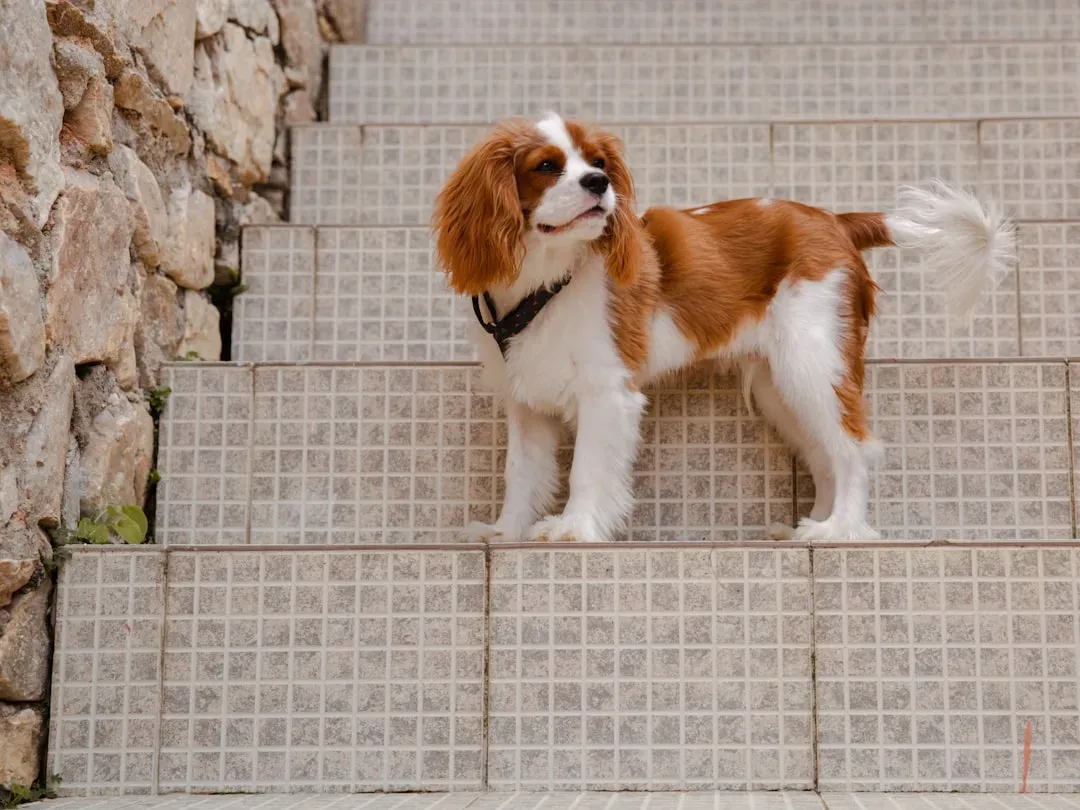
Even when they aren’t physically following you, Cavalier King Charles Spaniels will track you with a gaze so quiet and devoted it’s almost startling. They don’t need to be right next to you. Just knowing where you are is enough.
Cavaliers are gentle hearts that often choose a special human and pour affection into that bond. Soft, steady companionship is their signature, and they excel at comforting you on hard days. They are adaptable, friendly, and happiest when included in daily routines.
Though sociable with many, their eyes follow their chosen person around the house. Expect cuddles, warm sighs, and polite shadowing. It’s a form of attention that costs them nothing and communicates everything.
6. They Bring You Their Most Prized Toy
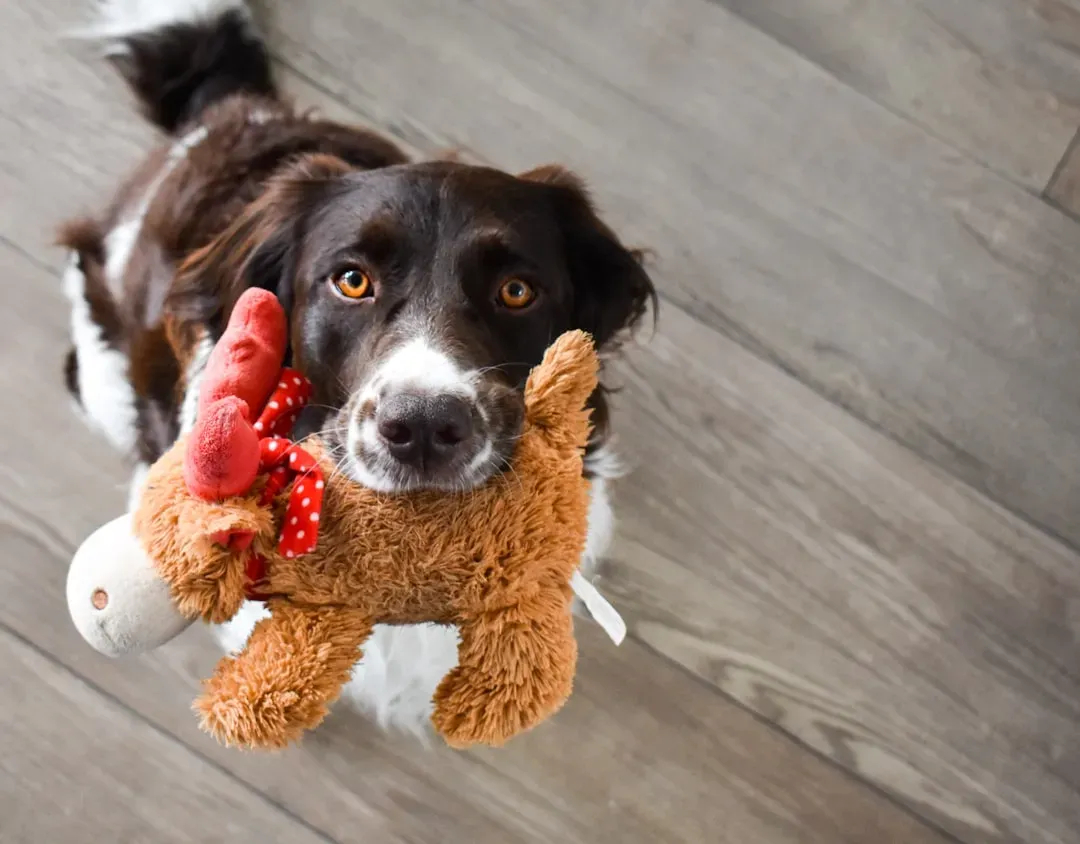
To most people, it’s a slightly soggy tennis ball or a half-chewed rope toy. To your dog, it’s their greatest possession. The fact that they’re handing it over is not a small gesture.
When your dog brings you their favorite toy, it’s more than just a play invite. This act signifies trust and affection. Dogs don’t share their beloved items with just anyone. By offering their toy, they are sharing something valuable with you.
Some dogs express their attachment by bringing you toys or other items as gifts throughout the day. This behavior is similar to how a mother dog might bring food to her puppies, showing that they want to provide for you. Retrievers and sporting breeds tend to show this behavior with particular enthusiasm.
7. Akitas Bond With One Person and Guard Them Quietly
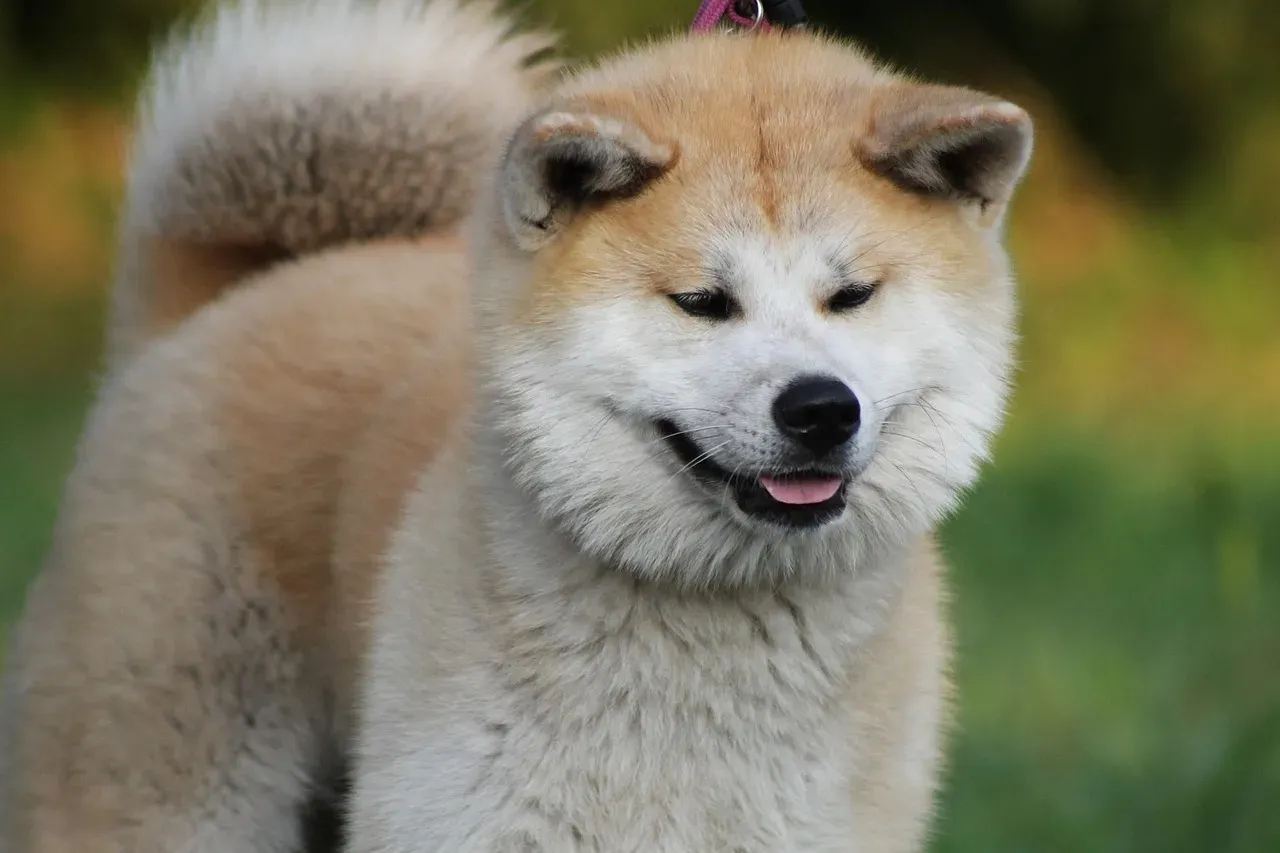
The Akita is not a breed that spreads its devotion thin. This is a dog that picks a person and commits to them with a depth of loyalty that’s almost startling in its intensity. They won’t be loud about it, either.
The Akita is famous for fierce loyalty, often bonding closely to one person and guarding them with quiet intensity. Expect a calm, watchful presence that shadows you through the house and yard.
Daily structure matters, because Akitas respect routine and clear rules. They are not usually clingy in a noisy way, but you will feel their steady gaze and steady footsteps nearby. Breeds like the Akita are known for being loyal and bonding closely with people, and it’s often a function of their historic jobs as watchdogs and guardians.
8. They Greet You Differently Than Anyone Else
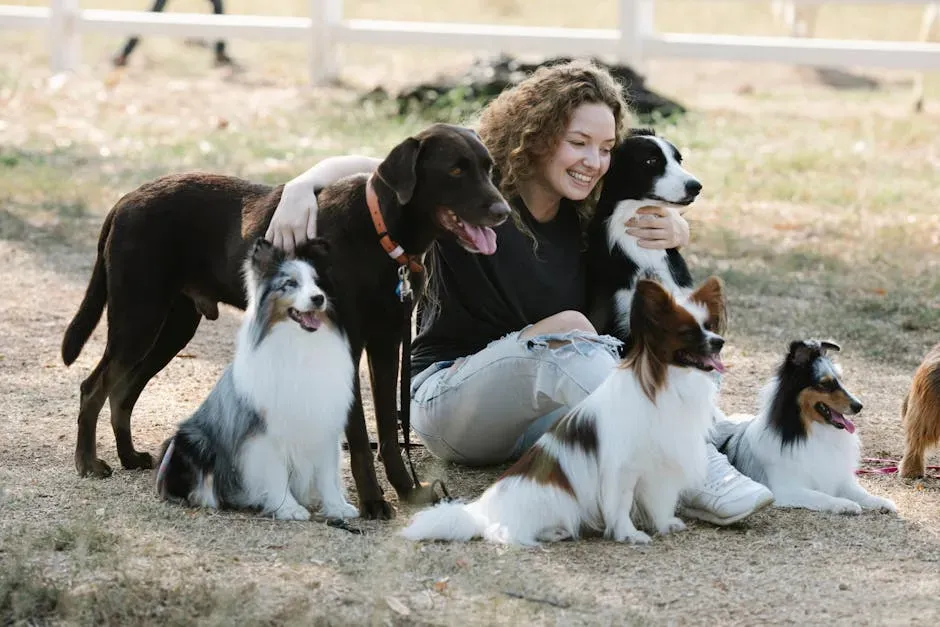
Most dogs are friendly. A bonded dog, though, will greet their chosen person with a particular quality of excitement that stands apart from how they react to everyone else in the household.
Dogs demonstrate preferential greeting behaviors, showing more enthusiasm and excitement when their preferred person returns home compared to their reactions to other household members. It’s a distinction that’s difficult to miss once you know what you’re looking for.
The reunion between the dog and their owner helps to strengthen the bond, and because of this, greeting behaviors after separation helps to maintain and promote the quality of the owner-dog relationship. Even a calm, quiet greeting from a more reserved breed carries real weight.
9. They Sleep as Close to You as Possible
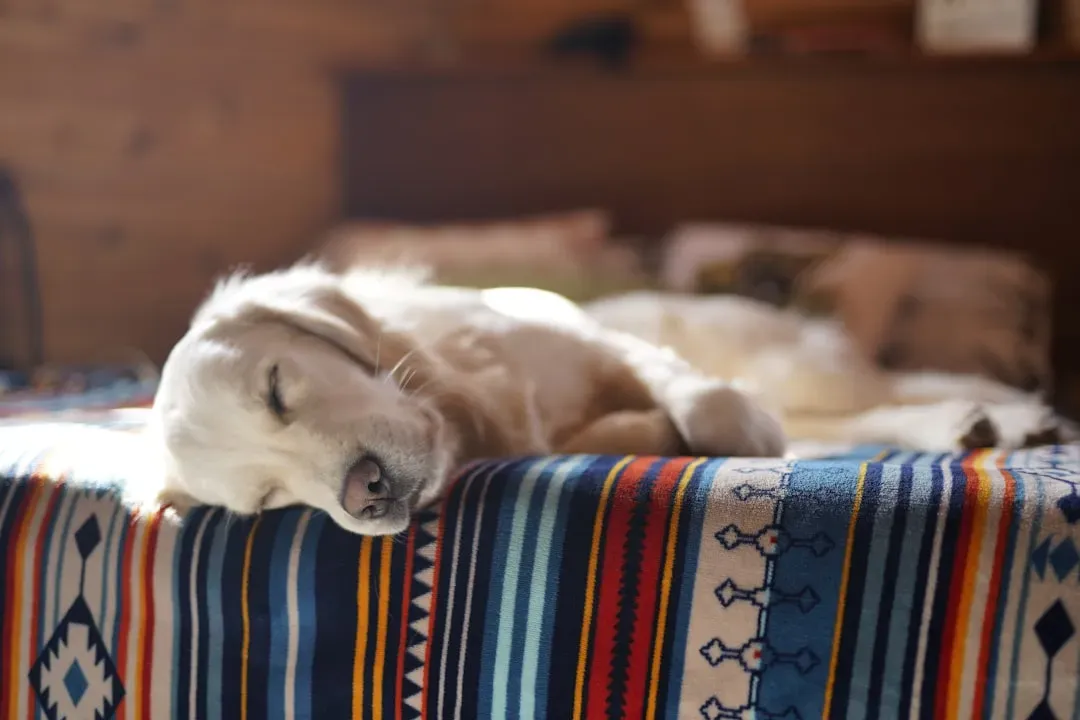
Sleep is a vulnerable state for any animal. The fact that a dog chooses to do it at your feet, against your legs, or curled beside you on the mattress is a statement of trust that’s easy to overlook because it happens every single night.
In the wild, canines are at their most vulnerable when they sleep. To maximize their safety, members of the pack will sleep with their backs facing each other and their noses facing out. If your dog chooses to sleep with you or next to your bed, this means they see you as a trusted member of their pack.
Sleeping close to you, whether on the bed, couch, or curled nearby, is a vulnerable act that shows deep trust. For breeds like Chihuahuas and Italian Greyhounds, who are particularly sensitive to temperature and emotional security, this choice carries even more weight.
10. Chihuahuas Choose One Lap and Rarely Leave It
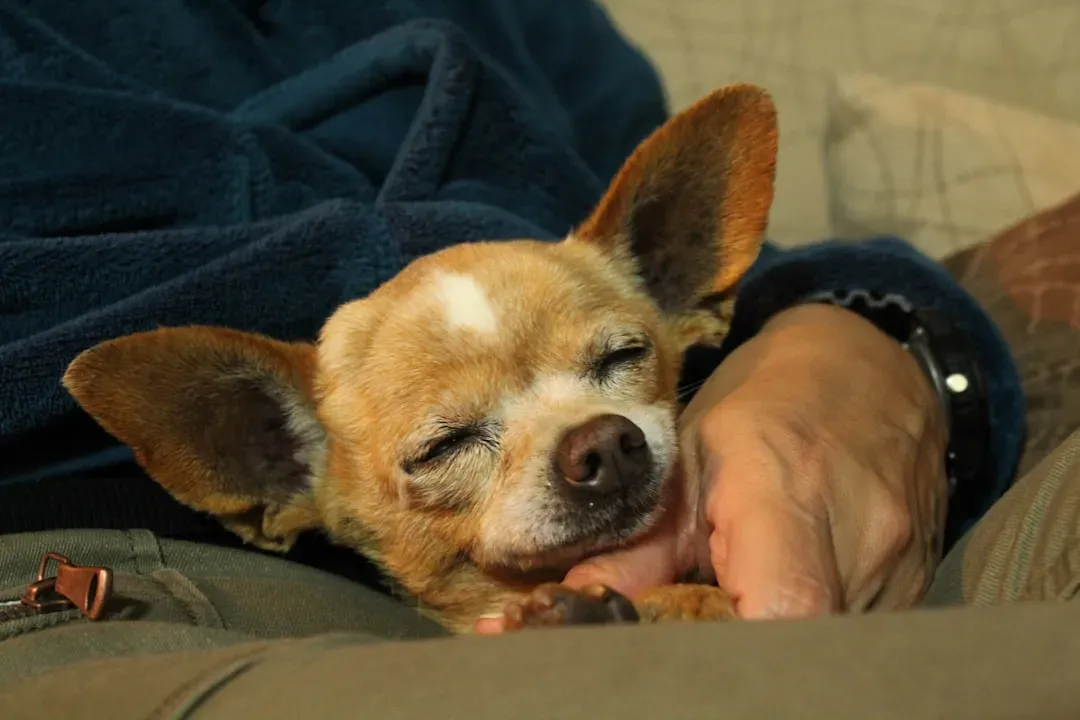
Small in size, enormous in conviction. The Chihuahua is one of the most single-minded dogs when it comes to picking a favorite human. Once you’re chosen, you’ll know it with certainty.
Chihuahuas often pick one beloved person and glue themselves to that heartbeat. Their confidence grows when they feel safe in a predictable routine, close to their chosen lap. Small size does not mean small feelings, and they can be vocal guardians of their favorite human.
When respected, the Chihuahua becomes a fiercely loyal companion who follows you room to room, tail quivering with devotion. That quiver is not performance. It’s sincerity, expressed at maximum frequency.
11. They Mirror Your Movements and Energy
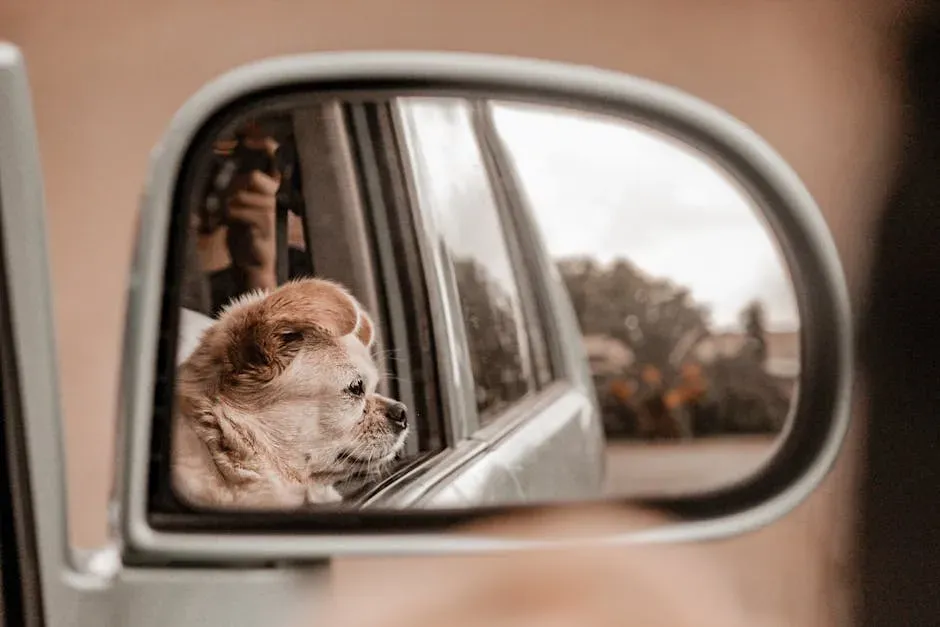
You settle into the couch, and your dog settles beside you. You get up with purpose and suddenly there’s an animal ready for action at your heels. This behavioral mirroring is not coincidence.
When your dog starts copying your movements, like sitting when you sit or relaxing when you do, it’s a sweet sign your dog is bonding with you. Dogs naturally sync with people they feel connected to. That can mean sitting when you sit or kicking back when you do. This shows how attuned your dog is to you, which signifies a strong bond.
Research has shown that dogs often mimic our emotions, a phenomenon known as emotional contagion, which is another way they show love. This is particularly visible in breeds like Labrador Retrievers and Golden Retrievers, who are deeply tuned in to human emotional states.
12. They Check In on You From a Distance
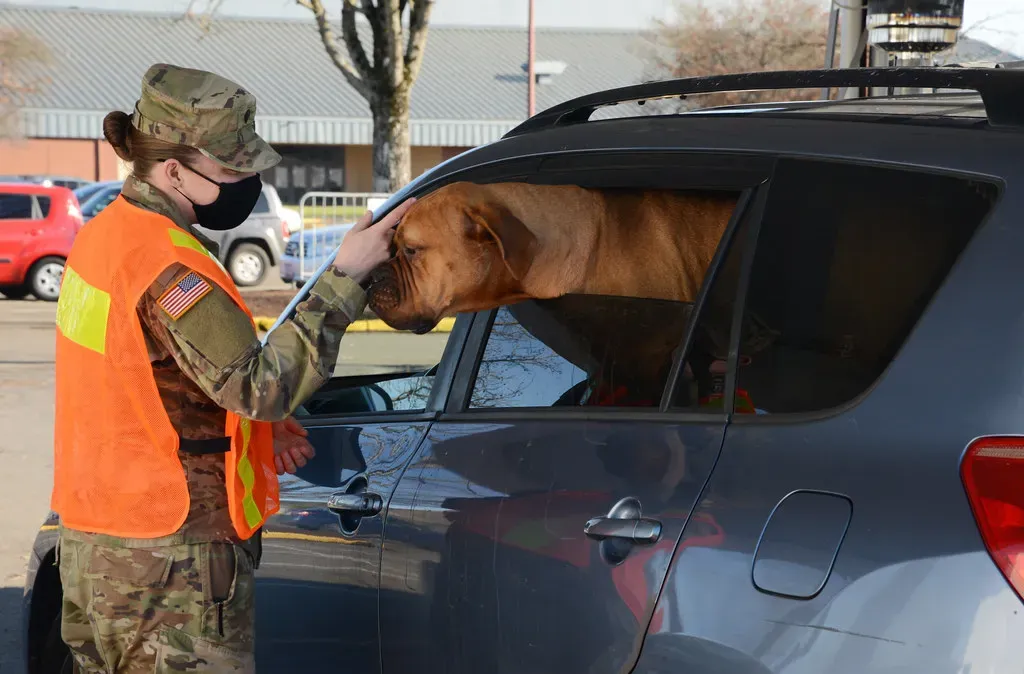
During a walk, a bonded dog will pause, look back at you, and then continue on. It’s quick. Easy to miss. Worth noticing.
During walks or playtime, dogs who frequently glance back at you are showing trust and connection. They want to make sure you’re close and involved, reinforcing that you’re their safe point of reference.
If your dog strolls by just to check in, or places a paw or snout on you randomly, it means they are invested in your well-being. Dogs naturally herd those they care for; the behavior is more than just curiosity, it’s protective connection. Herding breeds like the Border Collie do this with particular consistency, but it shows up across many popular breeds.
13. Vizslas Shadow You From Sunrise to Bedtime
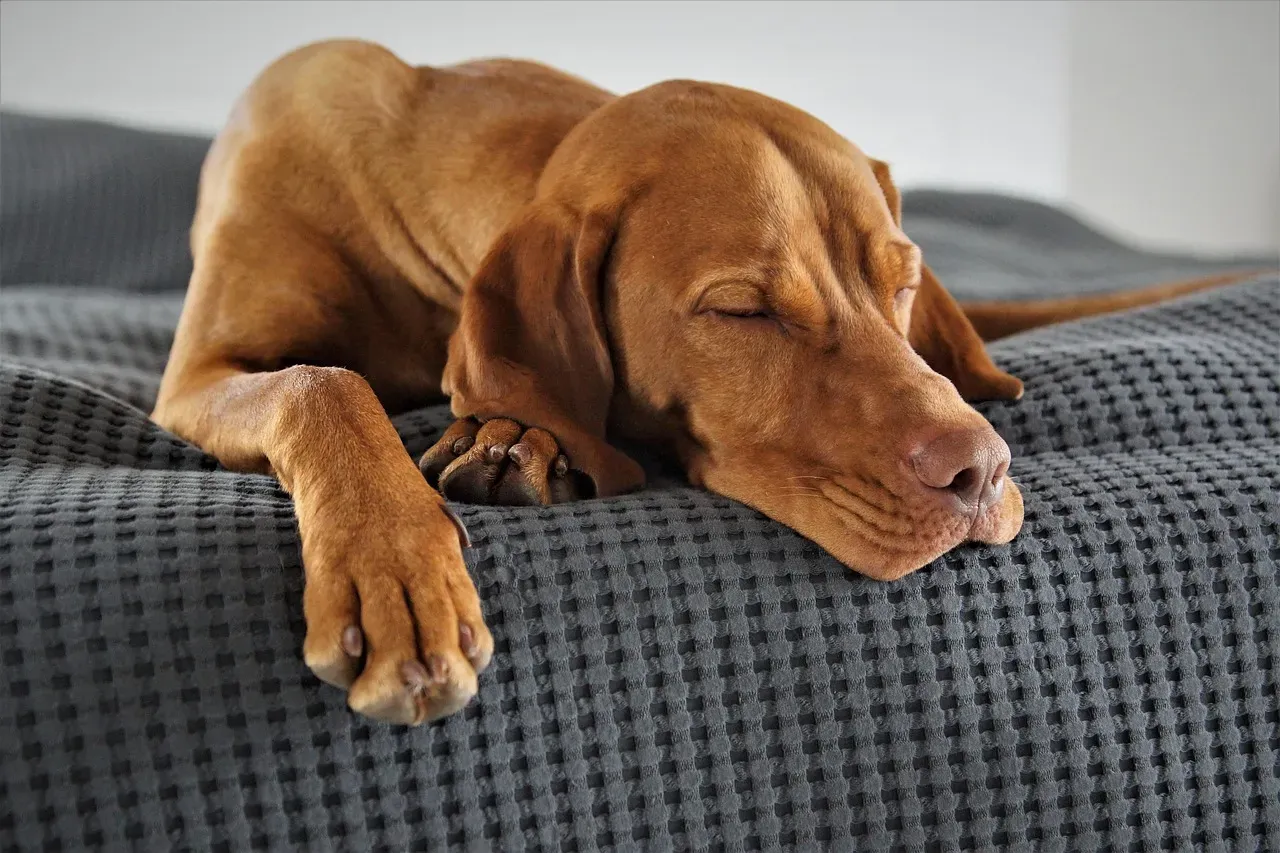
The Vizsla has earned the nickname “Velcro dog” honestly. This is a breed that was developed to work closely alongside hunters, and that historical closeness to one person never really left their DNA.
The Vizsla is the poster child for Velcro affection, shadowing a favorite human from sunrise to bedtime. This breed thrives on purpose, structure, and daily mental work.
Herding and working breeds often demonstrate strong single-person bonding tendencies, reflecting their historical role of working closely with one handler. These dogs may form particularly intense attachments and can be more prone to separation anxiety when separated from their chosen person. For the Vizsla, being near their person isn’t a preference. It’s a deep need.
14. They Gently Paw at You to Initiate Contact
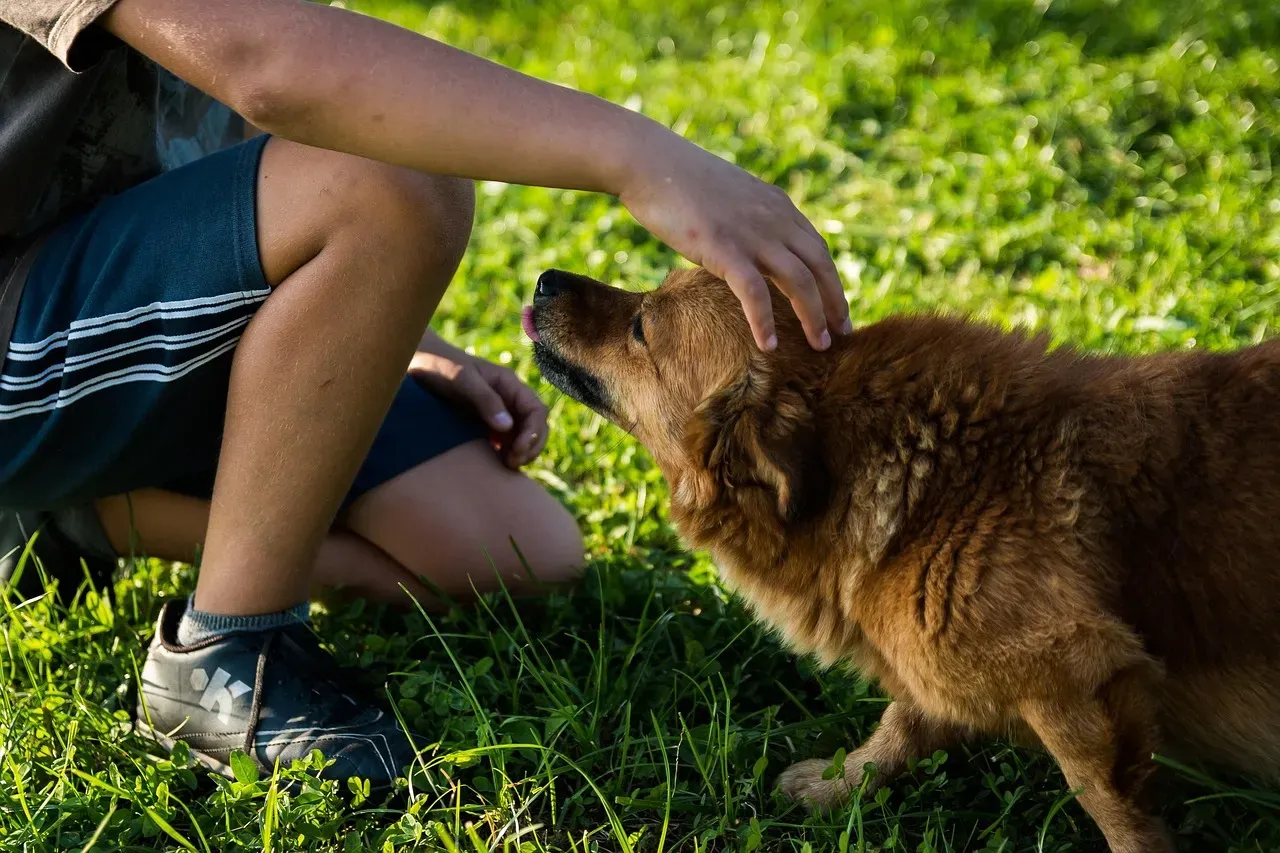
A paw dropped quietly onto your knee while you’re reading or working is one of the most understated and consistent ways a dog says they want to be with you. It’s not demanding. It’s an invitation.
It’s easy to assume your dog is trying to tell you something when they paw at you, and it turns out they are. Pawing is often a dog’s way of initiating interaction or asking for attention. When it happens gently and in relaxed moments, it can show their comfort and a desire to engage with you socially.
Breeds like Golden Retrievers and Boxers are known for this kind of physical check-in. The gesture is rooted in the same impulse that drives puppies to touch their mother for reassurance. In a grown dog, directed at you, that’s meaningful context to hold onto.
15. They Stay Calm Only When You’re in the Room
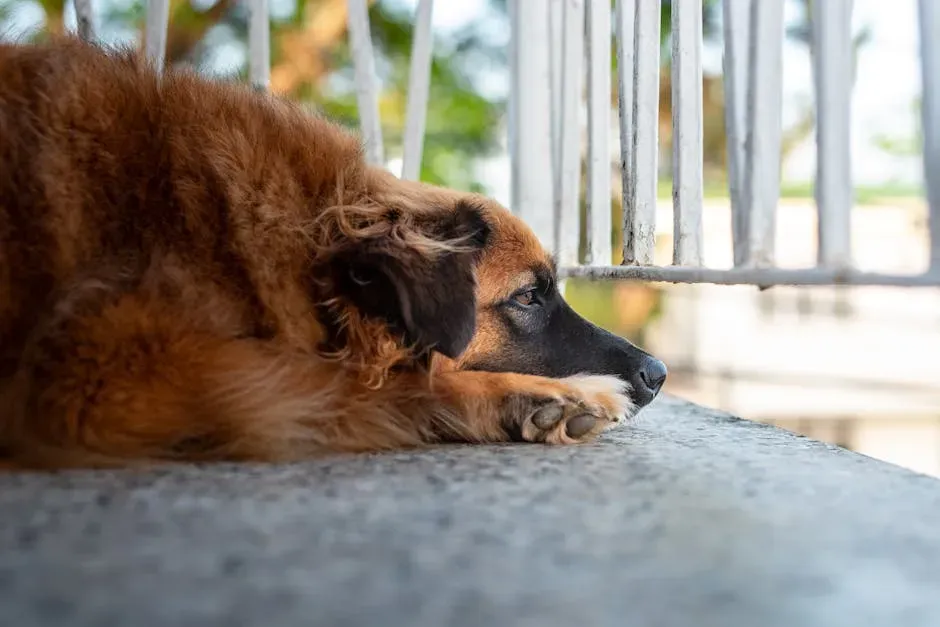
Some dogs are perfectly pleasant in the household but visibly settle into a different, quieter ease the moment their chosen person walks in. It’s not dramatic. It’s the specific drop in tension that only one presence can produce.
Dogs that have imprinted on their person tend to be more relaxed and comfortable when that person is around. This can be observed in their body language, which will be loose and not tense.
Dogs develop attachment bonds with humans that allow them to interact securely with their environment in the presence of the owner and show less distress in response to threatening events. During stressful situations, dogs consistently seek comfort from their favorite person, ignoring other available family members. That selective calm is one of the clearest signals a dog can send.
16. They Yawn When You Yawn
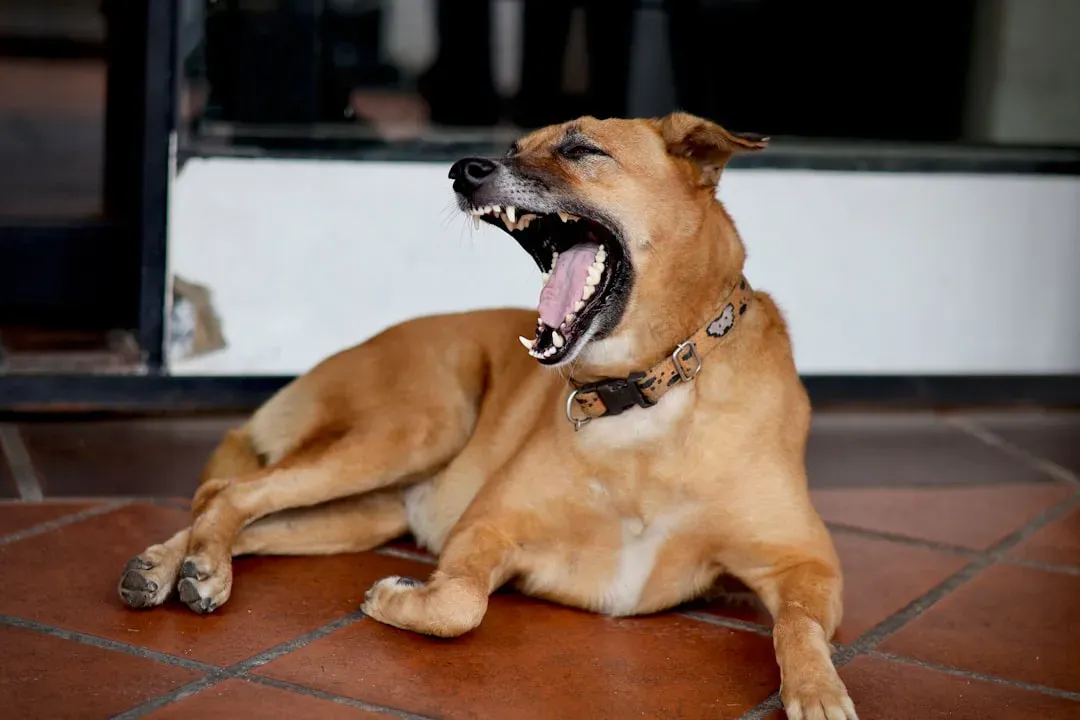
It sounds trivial. It might even seem like a coincidence the first time it happens. It isn’t. This particular behavior sits at the intersection of empathy and deep social bonding, and it’s one of the more quietly remarkable things dogs do.
The social yawn, where your dog yawns right after you do, especially outside sleepy times, is a form of canine empathy. Studies show that dogs will mirror their owners’ yawns as a sign of loyalty and emotional link, demonstrating social bond strength.
Canines are capable of assessing humans’ emotional states, as well as discriminating humans by levels of familiarity. That ability to read a person so closely that they mirror even their unconscious reflexes is not something a dog does with just anyone. It requires a specific kind of trust, built over time, between a dog and the person they’ve decided is theirs.
The Bond Goes Both Ways
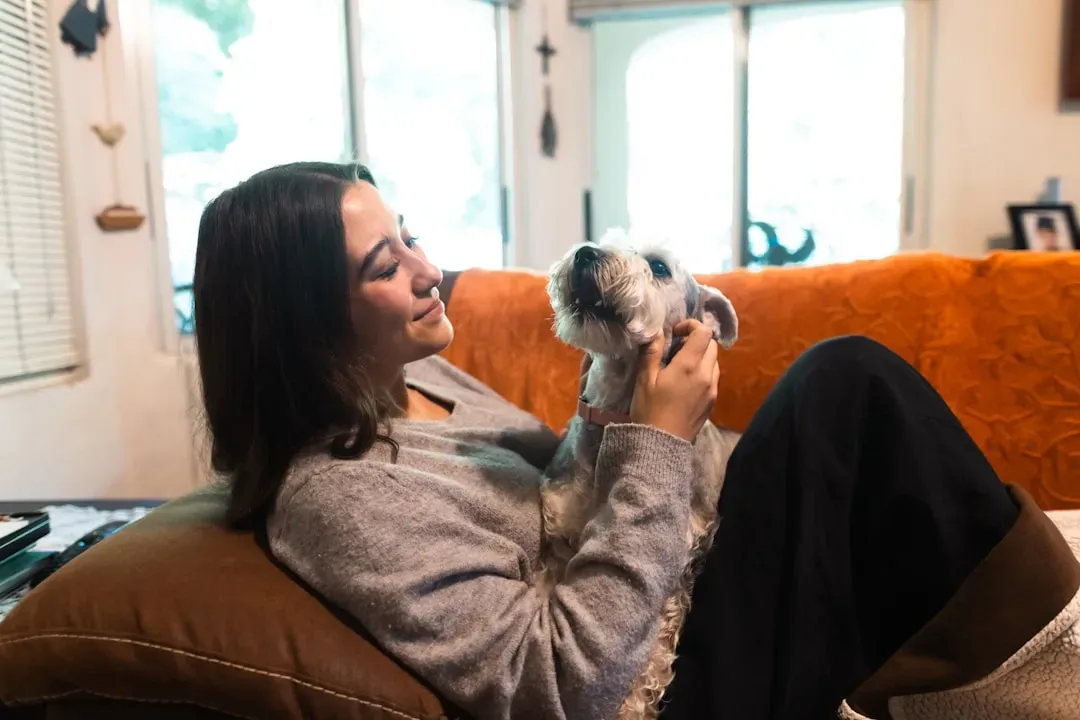
Dogs are hardwired to form strong attachments, and when they bond with their owner, that attachment can become one of the most important relationships in their life. The behaviors listed here aren’t performance or habit. Each one reflects a genuine internal state: safety, trust, and preference.
Many dogs bond hardest to whoever cares for them during their key socialization period, which occurs between birth and six months. At this age, puppies’ brains are incredibly receptive, and their early social experiences influence them for the rest of their lives. Still, with dogs, even older dogs, there’s some flexibility around when learning occurs and when social bonds can be made.
Favorites are chosen based on overall positive associations, attention quality, and emotional compatibility rather than just meeting physical needs. The person who provides the most engaging, consistent, and emotionally fulfilling interactions often becomes the favorite. In the end, the most reliable way to be chosen is remarkably simple: show up, pay attention, and be worth following.
