
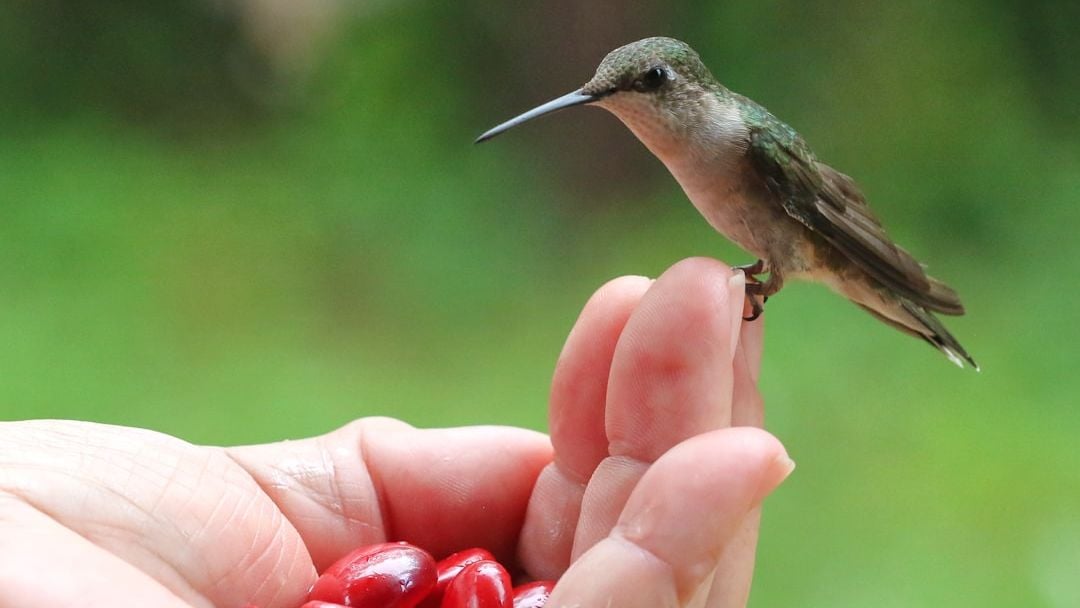
Most people who keep a garden have watched a hummingbird at least once and thought they understood what was happening. A flash of color, a hover, a sip of nectar, and then gone. It seems simple. It’s not.
Hummingbirds are some of the most behaviorally complex creatures visiting any backyard, and the summer months especially are when their strangest instincts come fully alive. The trouble is, most of what they’re actually doing happens too fast, too quietly, or too far out of plain sight for the average gardener to catch.
What follows are thirteen genuinely surprising things these birds get up to during summer, and once you know what to look for, you’ll find the garden a far more interesting place.
They Hang Upside Down Like They’re Dead
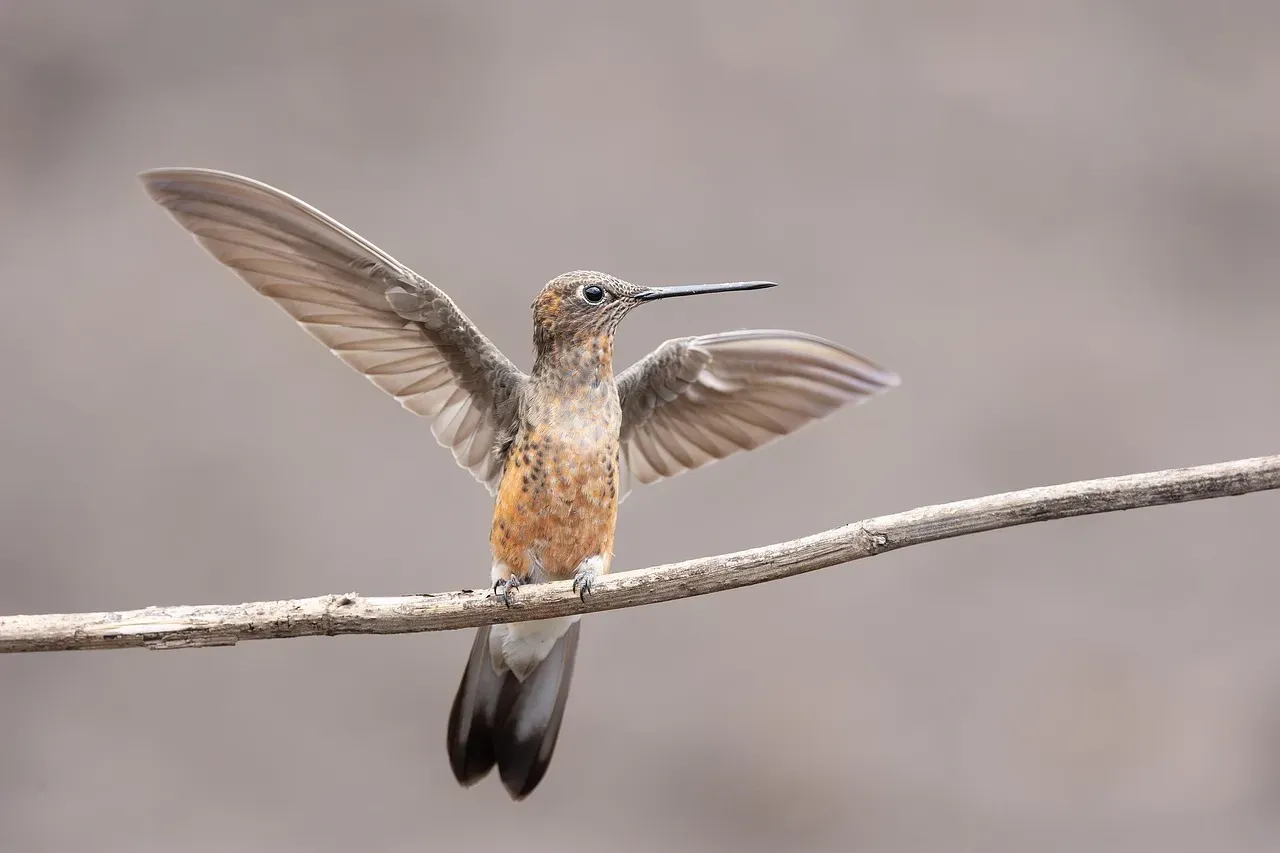
If you’ve ever approached your feeder and found a hummingbird dangling upside down, completely still, apparently lifeless, you probably panicked. Most people do. When most people spot a hummer hanging upside down from a feeder by its feet with open eyes and a motionless body, they assume it has died. While these birds may look dead, they are actually very much alive and simply resting in a hibernation-like state called torpor.
Usually at night, during periods of cold, and sometimes when they’re perched at a feeder, hummingbirds can enter a deep, sleep-like state known as torpor, when all body functions slow dramatically. Metabolism slows by as much as 95 percent, and heart rate and body temperature drop significantly.
Their heartbeat slows from the normal flying rate of 1,000 to 1,200 beats per minute to as low as 50 beats per minute. It can happen even on warm summer days. Scientists aren’t yet sure why some hummingbirds choose to go into torpor while sitting at the feeder. It may be a strategy to have food available immediately upon awakening, which would ensure they start the morning with enough energy for the day.
They Collect Spider Silk for Their Nests
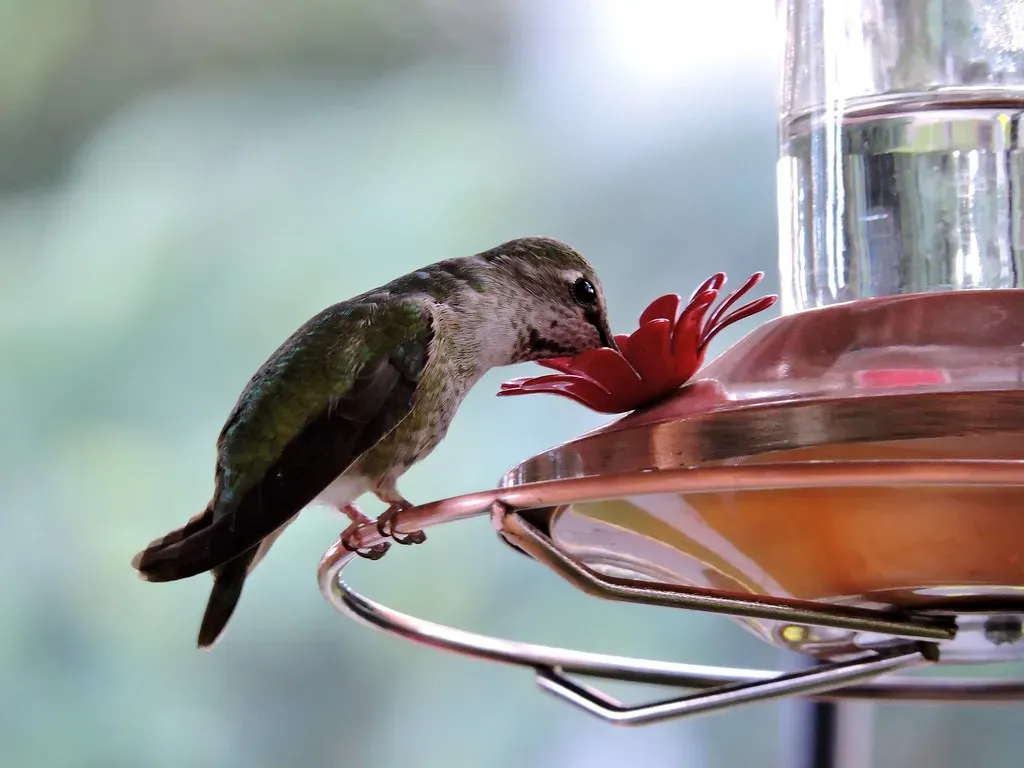
Many gardeners spend summer diligently clearing away cobwebs, not realizing they’re demolishing some of the most valuable building materials in the garden. Songbirds such as Yellow Warblers, as well as many hummingbird species, will use spider silk to support their nest structures and to anchor their nests in place. In fact, spider web silk is a primary building block for hummingbird nests.
When a female Ruby-throated Hummingbird is building her nest, she collects the spider silk she needs by sticking it all over her beak and breast. When she reaches the nest site, she’ll press and stretch the silk onto other materials such as lichen and moss, creating a tough, tiny cup. Spider silk not only acts as a glue, holding the other bits together, but it’s flexible enough to accommodate the growing bodies of nestlings.
Spider silk is an ideal building material, as it is lightweight, incredibly strong, and elastic. This stretchiness is especially important because hummingbird nests aren’t static structures. As eggs hatch and chicks grow, the nest must expand without falling apart, and spider silk allows the nest to stretch gradually, accommodating growing chicks while maintaining its shape and grip on the branch.
They Raid Spider Webs as a Food Source Too
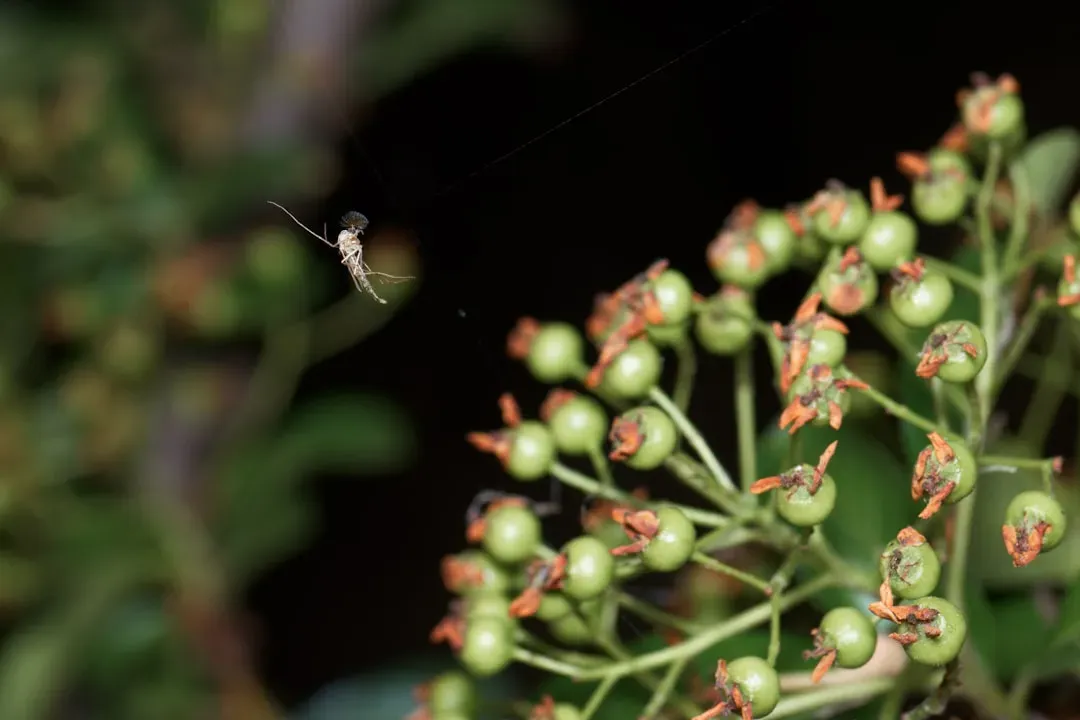
Here’s the twist: spider webs aren’t just building materials to hummingbirds. They’re also a dinner stop. Hummingbirds aren’t just nectar sippers, they’re active predators. Many small insect-eating birds steal entangled insects from spider webs, and it’s common to observe hummingbirds plucking trapped insects from webs.
Hummingbirds eat insects but don’t specialize in any particular kind, taking what they can get by plucking flies from the air or gleaning spiders from their webs, and because of their size they usually stick to smaller insects like mosquitoes. Bugs make up a large part of their diet, especially during nesting season, with gnats, flies, mosquitoes, and spiders providing essential protein.
So that spider web in the corner of your garden shed is simultaneously a grocery store and a hardware depot for the same small bird. Not a bad setup.
They Wipe Their Bills as a Form of Conflict Management
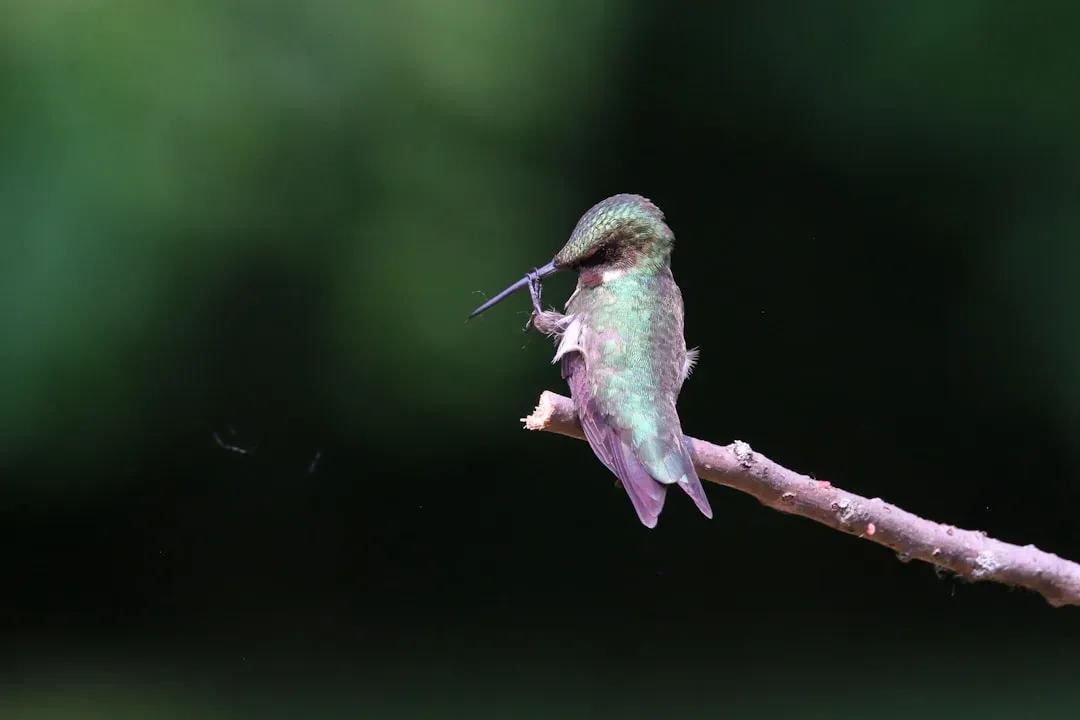
After feeding, hummingbirds often stop to wipe their beaks repeatedly against a nearby twig or perch. It looks mundane. Bill-wiping serves several functions, most importantly keeping the bill clean, and in hummingbirds it keeps pollen from caking up on the bill and removes excess nectar or sugar water that might develop mold.
Bill-wiping is also a displacement activity that birds do when they don’t know what else to do after unusual experiences, and it may displace more violent interactions during territorial disputes, similar to how irritated bulls paw the ground instead of charging.
That casual-looking beak scrub might actually be the bird choosing not to start a fight. It’s a behavioral release valve, and it happens dozens of times a day right in plain sight of most gardeners who just assume the bird is cleaning up after lunch.
They Spend Enormous Amounts of Time Sitting Still
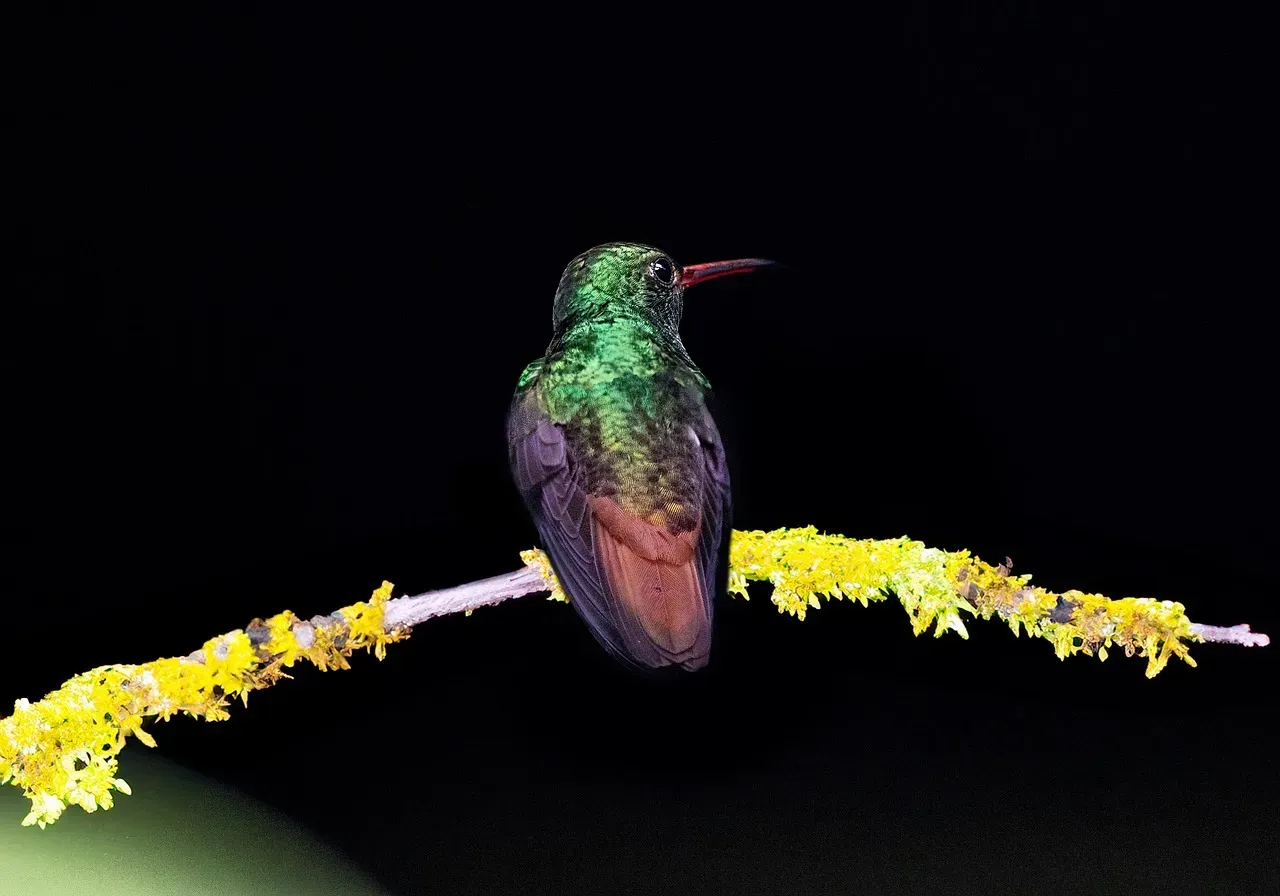
The popular image of a hummingbird is relentless motion, and it’s true they’re extraordinary fliers. However, like other wild birds, hummingbirds are most likely to come out and visit a feeder around dawn and dusk, or early in the morning and late in the afternoon before sunset. Since they have one of the highest metabolic rates of all backyard birds, hummingbirds need to eat almost constantly to keep their energy up.
Between those feeding bursts, they perch. When not fighting, they often settle on a favorite perch and tend to self-maintenance issues. They preen and ruffle their feathers and spend a lot of time scratching with those tiny feet. Most gardeners look for movement and simply never register the bird sitting quietly in the shrub fifteen feet away.
Males often perch higher so they can watch for rivals and visit feeders only briefly, while females spend a longer time at feeders while they’re facing the demands of raising young without the help of the males. The behavior is strategic, not lazy.
They Conduct Dramatic Courtship Dive Bombs
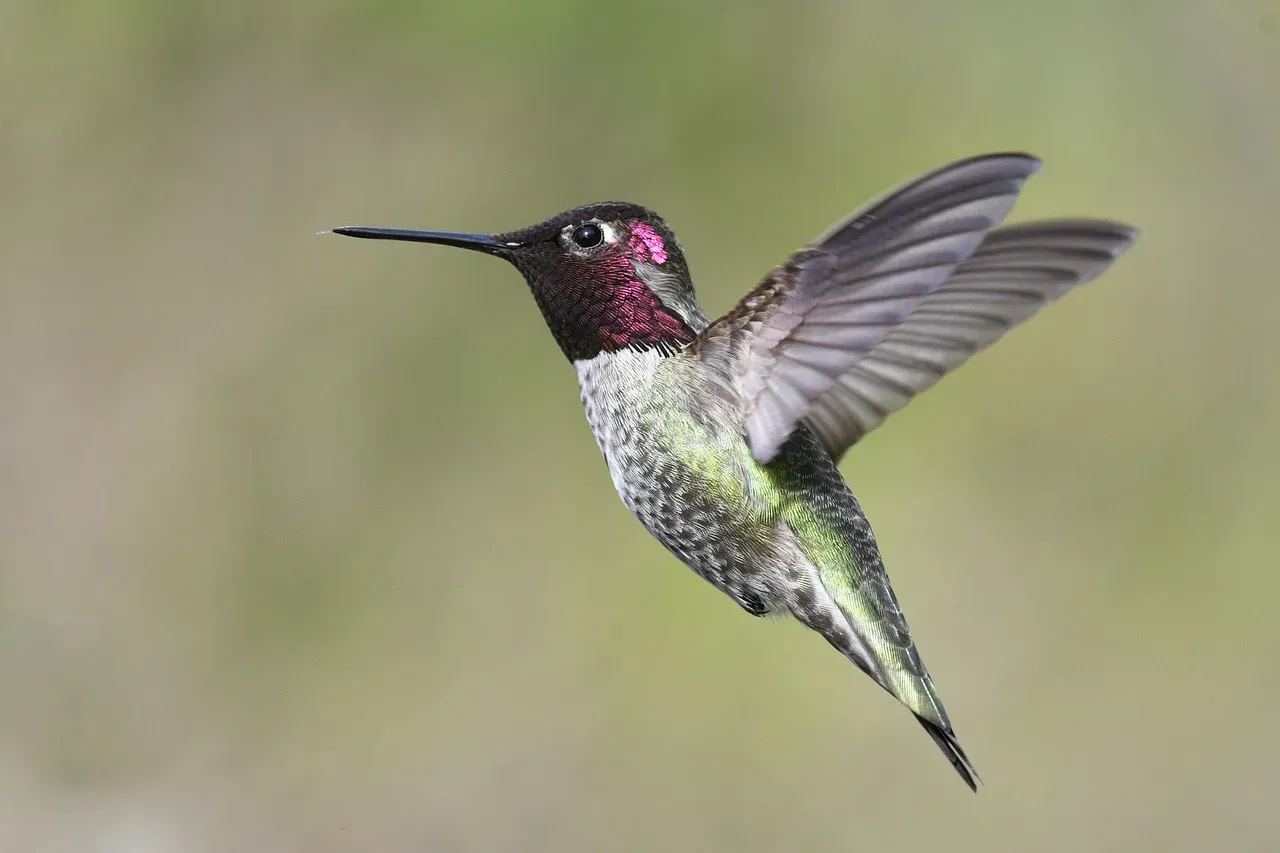
Male ruby-throats put on impressive rituals called shuttle displays as part of their hummingbird courtship behavior. This display is usually directed at a female hummingbird, but she may be hard to spot if she’s hidden in the foliage of a tree or shrub and is just watching without reacting.
Males hover perhaps 40 to 80 feet in the air, then dive down toward the resting female. Pulling up at the last minute, they spread their tail feathers, some of which produce a whistling sound, before zooming back up into the sky again. The whole performance is over in a few seconds and tends to happen above head height, which means most gardeners simply never look up at the right moment.
Hummingbirds have been clocked at nearly 30 mph in direct flight and more than 45 mph during courtship dives. That’s fast enough that the dive itself is barely more than a blur unless you know to watch for it.
They Secretly Drink Tree Sap
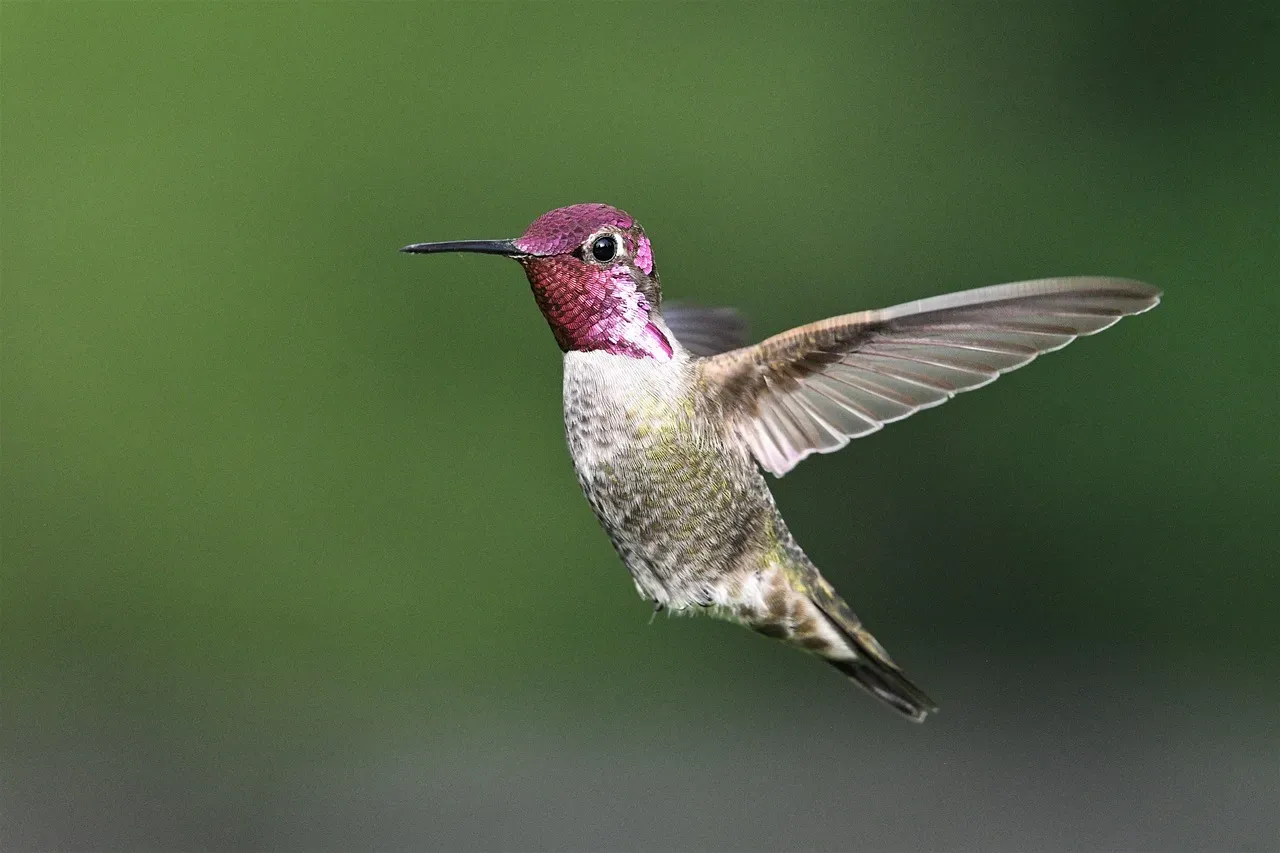
Not every summer meal comes from a flower or a feeder. In northern and high-elevation areas, hummingbirds depend upon sap-wells of woodpeckers known as sapsuckers. The woodpeckers are able to keep the sugary sap of trees flowing, and the hummingbirds sneak in to take advantage of the woodpeckers’ work.
Hummingbirds are known to follow sapsuckers around and drink sap from the holes they drill in trees like maple, birch, and hickory. It’s a quiet habit, and unless you happen to watch a hummingbird hovering beside a tree trunk rather than a flower, you’d never guess it was happening at all.
The sugar content of tree sap is surprisingly similar to flower nectar, which makes it a practical substitute. Sweet oozing tree sap has a high sugar content, not unlike nectar, so it’s also ideal for hummers. Sapsuckers drill holes into trees for their food, creating rows of sap wells, and some hummingbird species readily feast on the sap from these wells.
They Can See Colors You Can’t
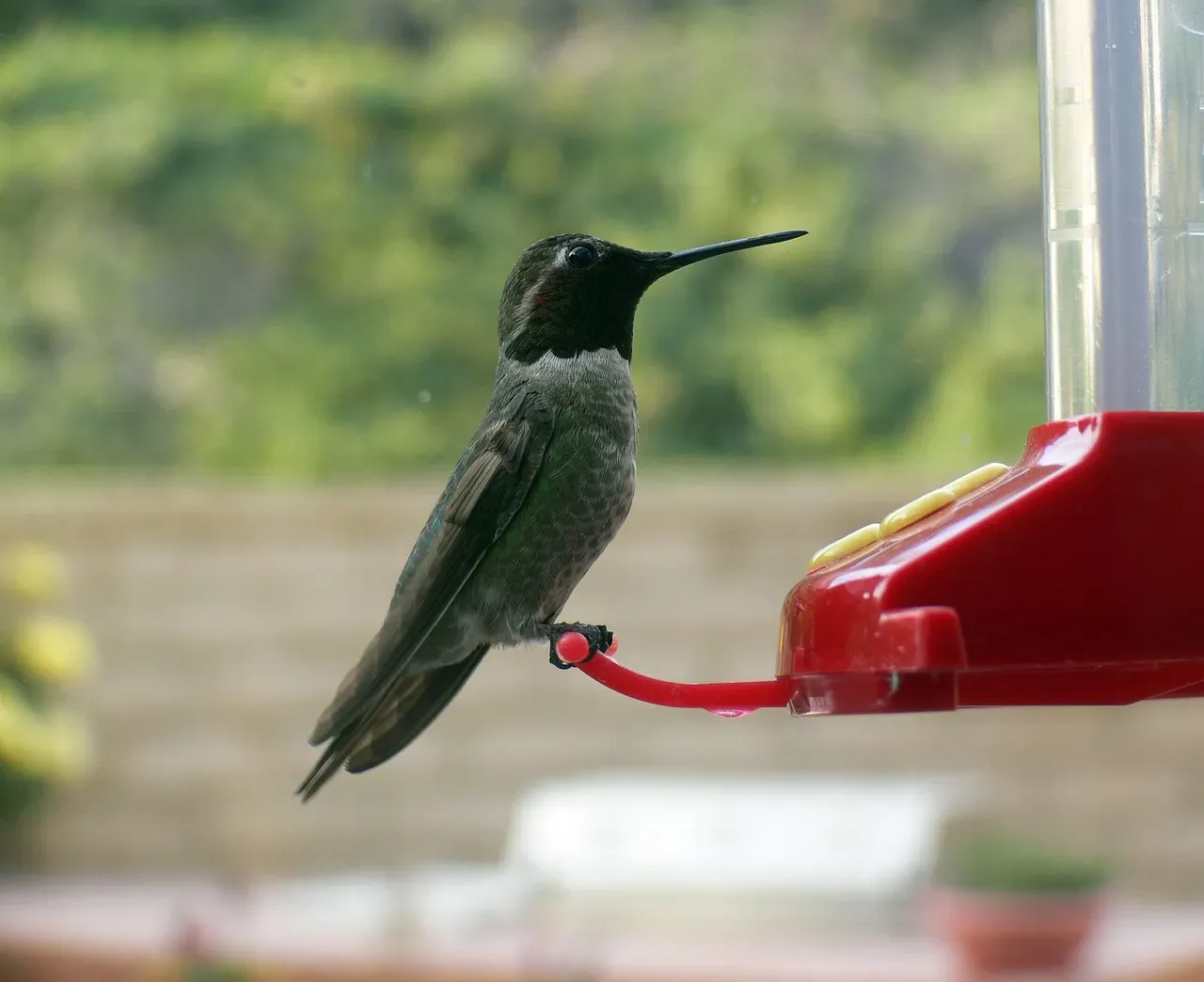
One of the more quietly astonishing things happening while a hummingbird visits your garden is what it’s actually perceiving. They see color even better than we do, with their vision extending into the ultraviolet spectrum.
Their eyes are adapted to see warm shades better than cooler shades. This ability to easily pick out orange, yellow, and red flowers amid a sea of cool green led to the long-held assumption that they prefer red over other colors. Scientists have since learned that the richness of the nectar matters more than the color of its source.
What this means practically is that your garden looks nothing like what you think it does from a hummingbird’s point of view. Flowers that appear similar in color to you may glow very differently in the ultraviolet range, and hummingbirds navigate this invisible visual landscape with precision every single day.
They Feed Up to 2,000 Flowers a Day
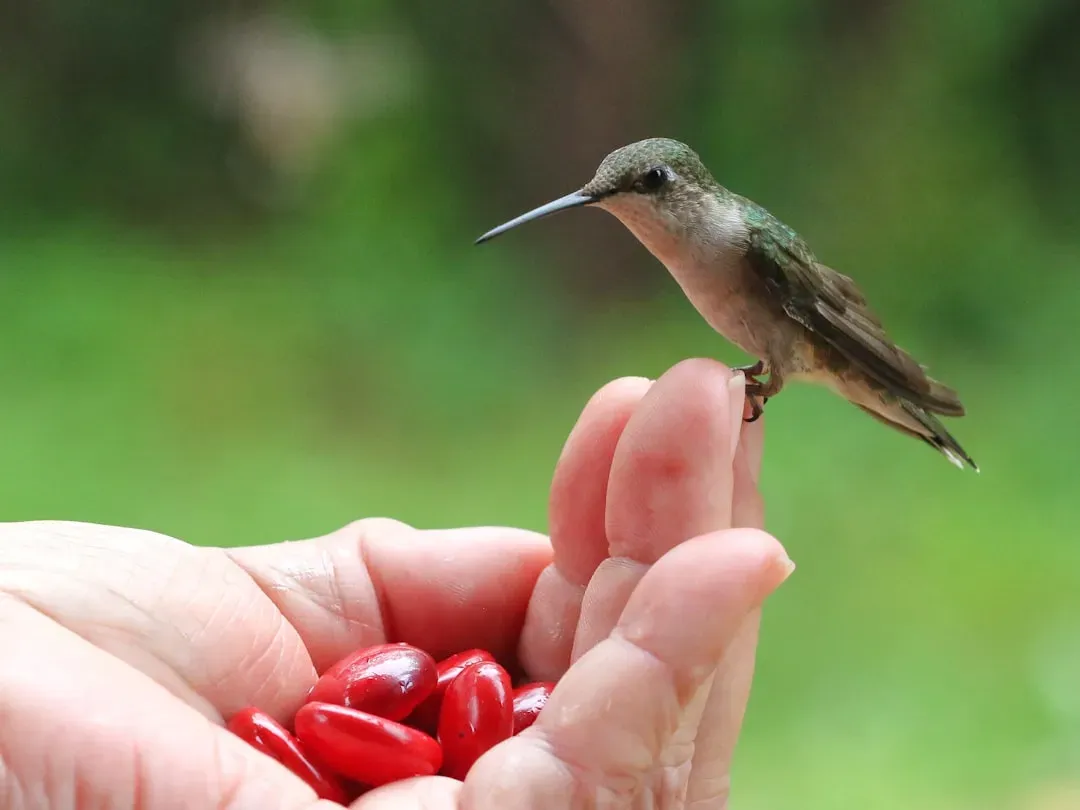
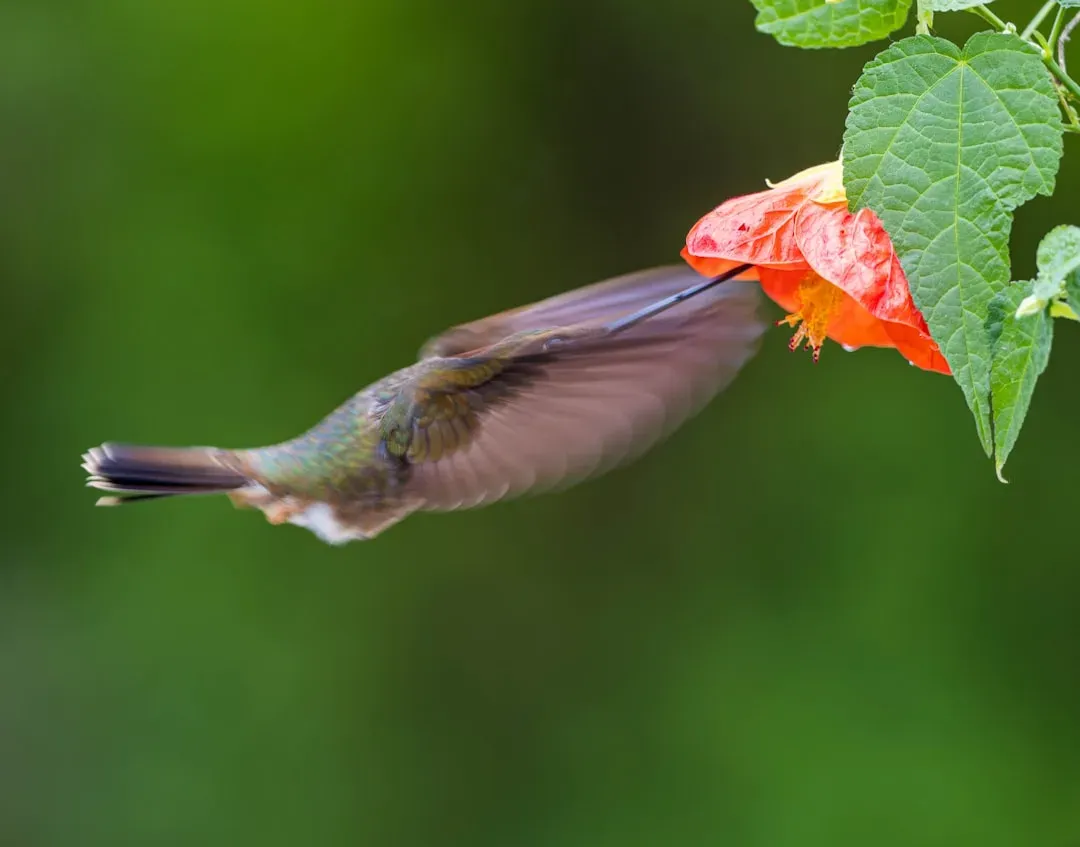
The sheer scale of a hummingbird’s daily food routine is easy to underestimate. Hummingbirds have a very high metabolism and must eat all day long just to survive. They consume about half their body weight in bugs and nectar, feeding every 10 to 15 minutes and visiting 1,000 to 2,000 flowers throughout the day.
Their metabolism is nearly 100 times faster than that of an elephant. Because of this, during a day of nectar consumption, water intake may total five times the body weight per day. The bird you see briefly at your feeder has almost certainly already been to dozens of other feeding sites before arriving, and will visit dozens more afterward.
They Bathe by Brushing Against Wet Leaves
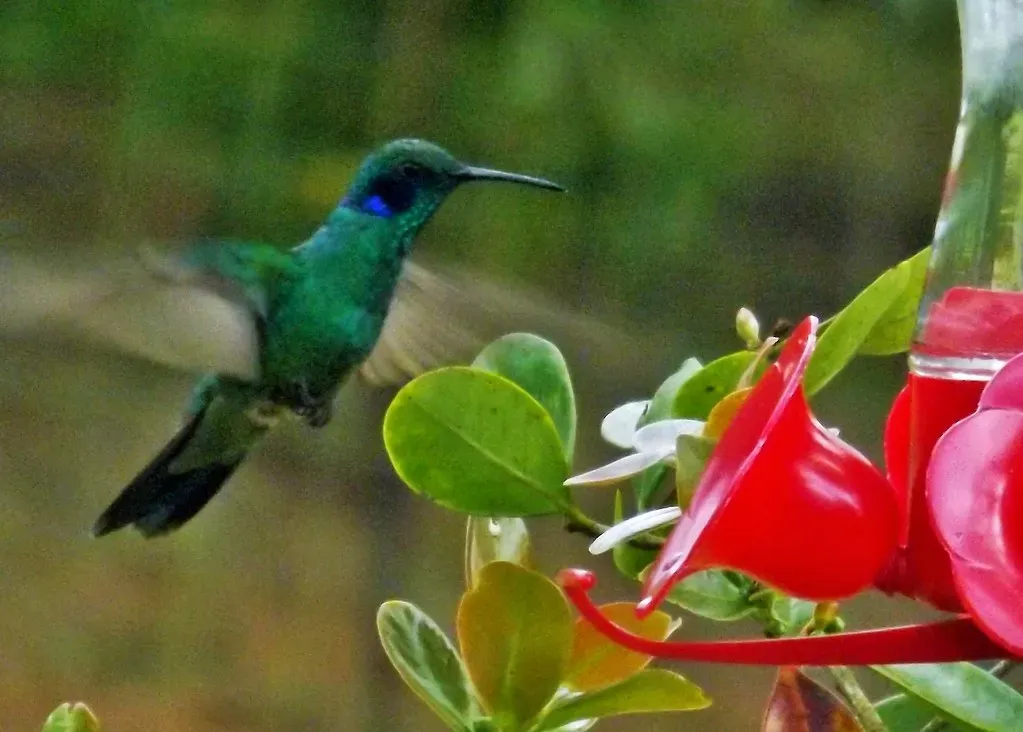
Hummingbirds don’t use a birdbath the way robins or sparrows do. Their bathing habits are considerably more unusual. Hummingbird habits are particularly interesting during bathing. They will brush up against wet leaves, ruffling their feathers to dampen them. Then, they sit to clean and preen their feathers.
Hummingbirds spend an unusual amount of time cleaning and preening their feathers. The condition of the hummingbird’s feathers is a life and death issue. They need to remain extremely light in order to achieve the flight dynamics that keep them alive.
Watching for a hummingbird dragging itself slowly across a dew-covered leaf is not something most gardeners have on their radar. It’s a quiet, furtive act, and it happens most often in the early morning when the garden is still wet.
They Engage in Relentless Territorial Combat
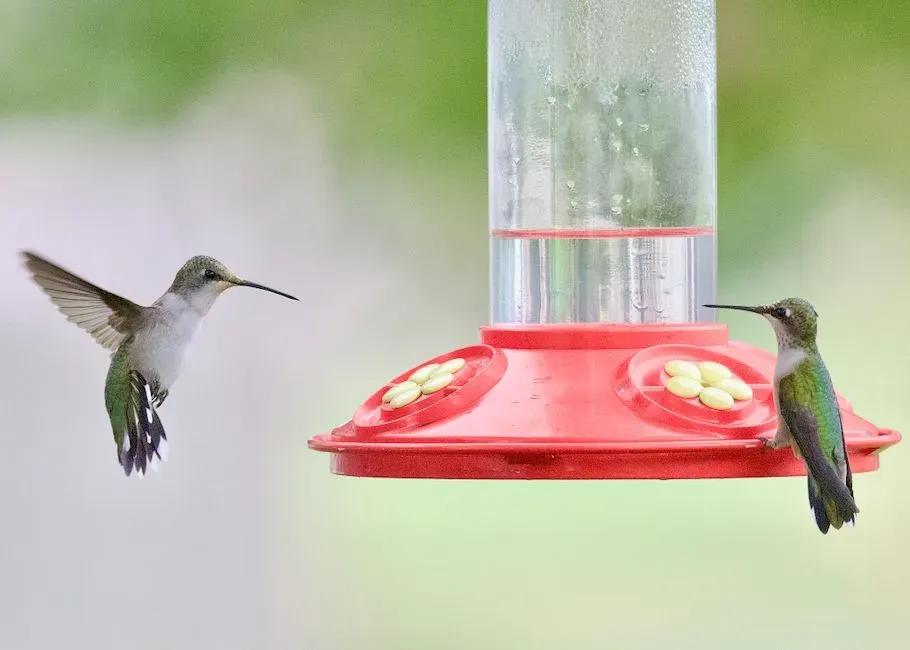
The feeder in your garden may look like a peaceful gathering spot, but what’s actually occurring is closer to a turf war. Hummingbirds are, for the most part, unsociable. In fact, the adjectives pugnacious and feisty are often appropriate. When more than one hummingbird is around, it is often a scene of repeated high-speed chases.
Plants take time to secrete nectar into their flowers. In an ideal world, hummingbirds should time their visits to flowers to take advantage of a full load of nectar. But they wait to feed at a flower at the risk of other hummingbirds beating them to the punch. It is therefore worth the effort for hummingbirds to chase away competitors, so they have access and control of their favorite flowers.
Male hummingbirds will fight over a territory and feeders to make their claim. This is a sparring match which can last for hours until one has little energy left and surrenders. What gardeners often interpret as playful chasing is actually a serious energy-expensive battle.
Female Hummingbirds Build Nests Entirely Alone
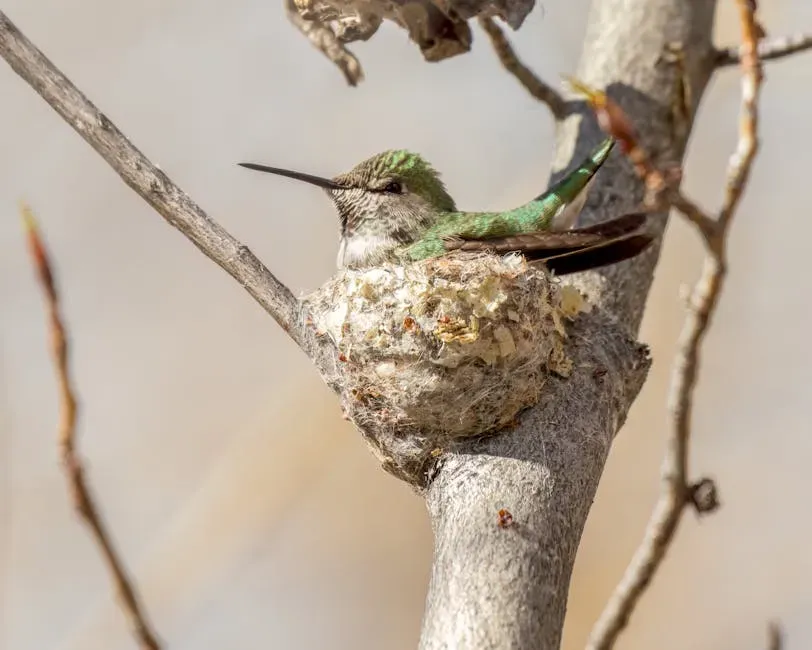
The nesting side of hummingbird summer life is almost entirely hidden from view, and nearly all of it is carried out by the female alone. Only female hummingbirds build nests and will lay only two eggs. The male hummingbird is not involved in raising young and will often find another mate after the young are hatched.
It takes about 5 to 10 days for a female hummingbird to complete a nest, though some hummers take up to two weeks if conditions aren’t ideal. Rain, wind, and difficulty finding spider webs or plant materials can slow the whole process down. The female makes hundreds of trips during nest building, carrying tiny bits of moss, plant fibers, and spider silk back to the nest site each time. She shapes the nest by sitting in it and pressing her body against the walls, rotating around to form that perfect little cup.
The female camouflages the outside of the nest with tiny bits of moss, lichen, and plant materials so it blends into the tree branch. From even a few feet away, a finished hummingbird nest looks like just another bump on a limb. It’s one of nature’s most precise acts of concealment.
They Can Mimic the Sounds of Other Species
Most gardeners associate hummingbirds with a hum, the sound of wings, and the occasional thin squeak. The vocal complexity goes beyond that. Some hummingbird species have developed the surprising ability to mimic the sounds of other birds and even some insects. This unexpected vocal talent serves various purposes, from territorial defense to mate attraction.
Although hummingbirds aren’t capable of producing complex songs like other wild birds, they do have a variety of chirps, calls, and squeals they use to interact with each other. What they may lack in vocal communication, they make up for in physical displays of behavior. Hummingbirds are known to show their feelings by chasing, tracking, diving, and charging at each other during displays of courtship and territorial defense.
The sound of wings alone is worth paying attention to. In some species, the tail feathers produce sounds used by males during courtship flying. So even the physical act of flight carries communicative weight.
Conclusion: The Garden Has More Drama Than You Think
Hummingbirds are one of those subjects where the more you learn, the more ordinary observations start to seem remarkable. The bird quietly sitting in your shrub might be in a near-death metabolic state. The female returning to the same corner of the garden might be building an impossibly small nest out of spider silk and moss. The male diving across the yard might be performing one of the most athletic courtship displays in the bird world.
None of it requires rare habitat or special equipment to witness. It just requires knowing what you’re looking at. Tiny, pugnacious, jewel-like hummingbirds are relatively easy to attract to a garden and fun to have around. A careful look at hummingbirds provides a window into the elegance of adaptation in the natural world.
The best thing a gardener can do is slow down, look twice, and resist the urge to knock down that spider web. Chances are, it’s already on somebody’s shopping list.

- 7 Surprising Benefits of Spending Time Outdoors With Your Dog Every Day - July 10, 2026
- 7 Costly Mistakes When Starting a Hobby Farm - July 10, 2026
- 9 Animals Making a Comeback Across Missouri - July 10, 2026