
is a genuinely remarkable place to watch birds. It’s one of the few states where you can stand in a subtropical woodland in the morning and be in high desert terrain by nightfall, each habitat filled with an entirely different cast of species. That geographic scale, combined with a location directly on major migratory pathways, makes it unlike anywhere else in North America.
With around 668 bird species, including dozens of globally threatened ones, the state offers a level of biodiversity that few places on earth can match. Whether you’re a seasoned lister chasing life birds or someone who simply wants to spend a quiet hour watching something beautiful, has a spot for you.
Big Bend National Park: Where Desert Meets Sky
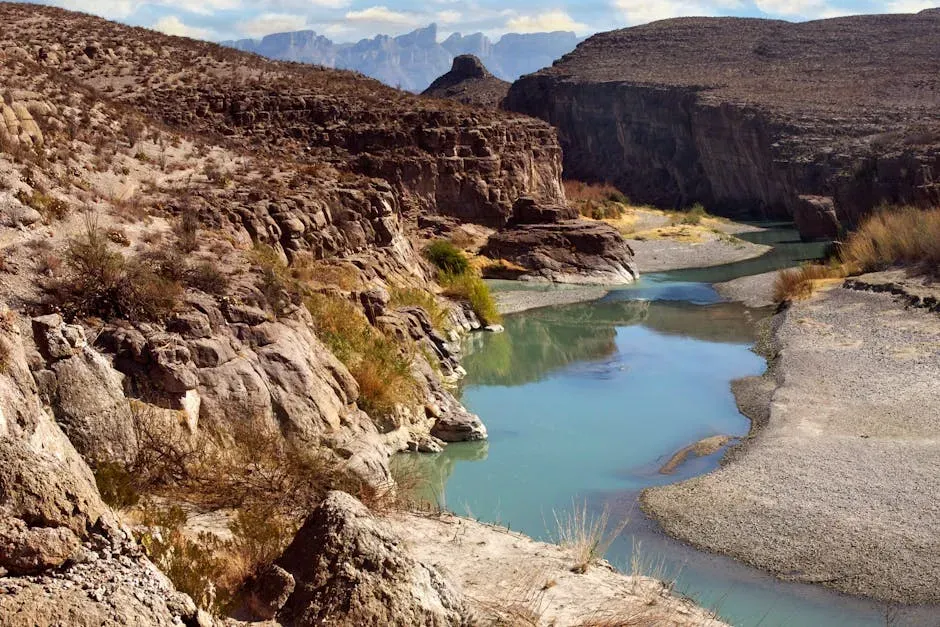
Out in far west Texas, Big Bend sits at the bend of the Rio Grande and covers the largest protected area of Chihuahuan Desert in the entire country. The park’s mix of terrain, from river corridors and open desert scrub to high mountain canyons, creates a mosaic of habitats that few other parks can rival.
More than 450 species of birds have been recorded at Big Bend, including Mexican species that range into the U.S. only along the border, especially into the Chisos Mountains. That kind of number is staggering for a single park, and it draws serious birders from across the country every year.
Big Bend National Park is the only place to see the Colima Warbler in the ABA area, which alone makes it one of the most celebrated target birds in the country for serious listers. The bird nests high in the Chisos Mountains, and finding it requires effort, but the payoff is a species you simply cannot tick off anywhere else in America.
With elevations reaching nearly 8,000 feet, Chisos Basin is a sky island in the Chihuahuan Desert that offers diverse birdwatching opportunities with changing temperatures and habitats, where you can spot species like the Phainopepla, Pyrrhuloxia, Scott’s Oriole, and several hummingbird species. Early mornings on a cool spring day here feel genuinely special.
High Island: The Gulf Coast Fallout Capital
Every spring, birders from across the country head to High Island, a small coastal community on the upper Texas Gulf Coast that quietly transforms into one of the most important migration sites in North America. Thanks to its unique position atop a salt dome and its proximity to the Gulf, High Island offers migratory birds a critical place to land after their nonstop journey from the Yucatán Peninsula.
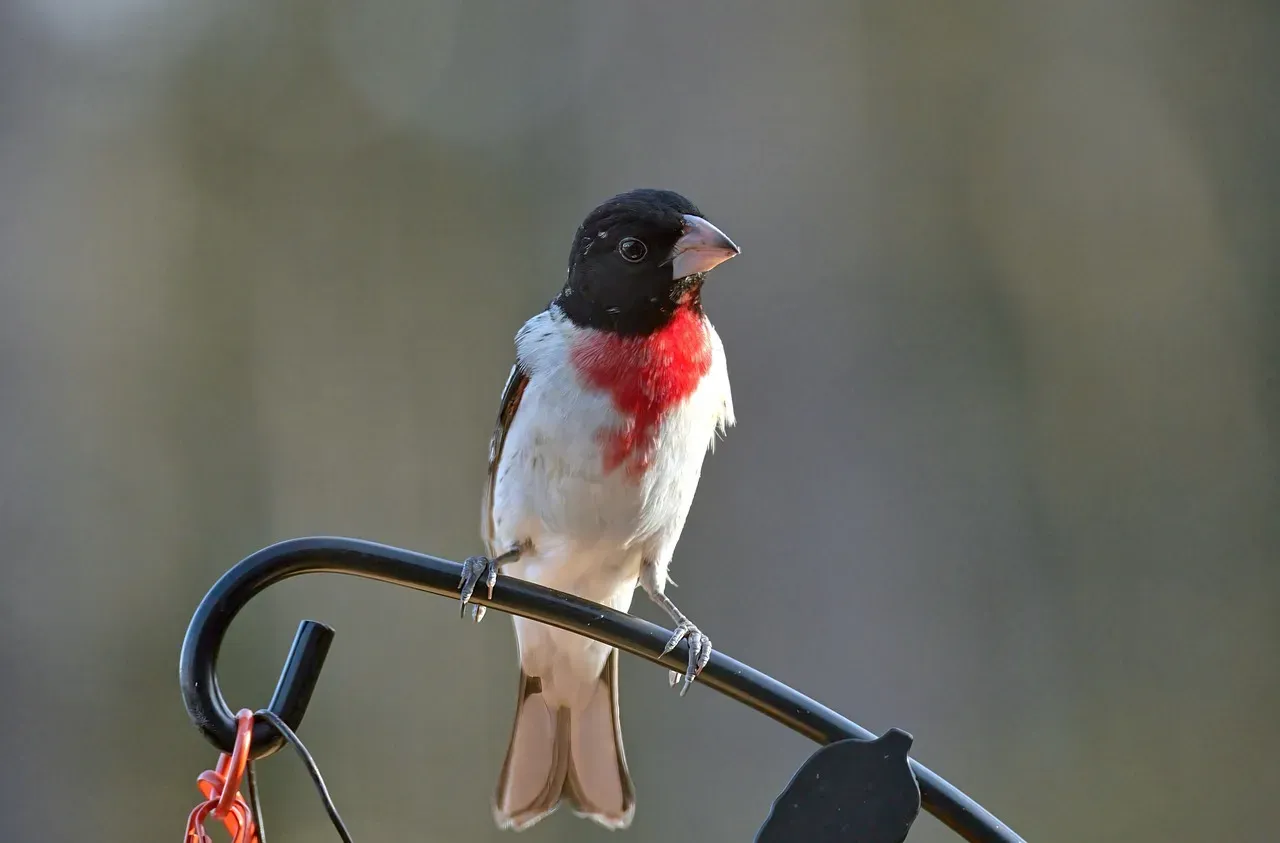
Thousands of birds, including Rose-breasted Grosbeaks, orioles, Painted Buntings, and warblers of all kinds, drop from the sky after flying non-stop across the Gulf of Mexico, covering 600 miles in about 15 hours, exhausted and hungry from the crossing. When this happens, it’s called a fallout, and witnessing one is the kind of experience that stays with you.
Boy Scout Woods, Smith Oaks, Eubanks Woods, Gast Woods, and TOS’s Hooks Woods are all known for prime warbler observation during spring migration. Peak spring migration season runs from mid-March to mid-May.
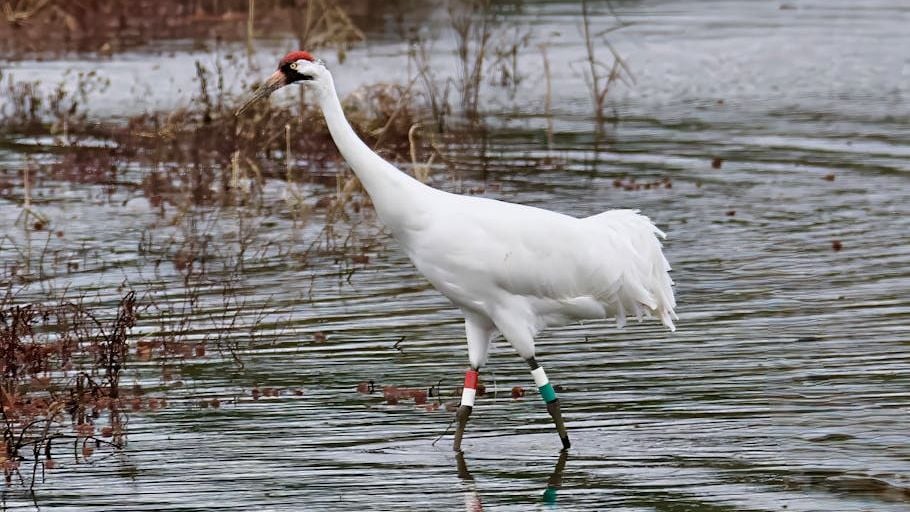
Aransas National Wildlife Refuge: The Whooping Crane Winter Home
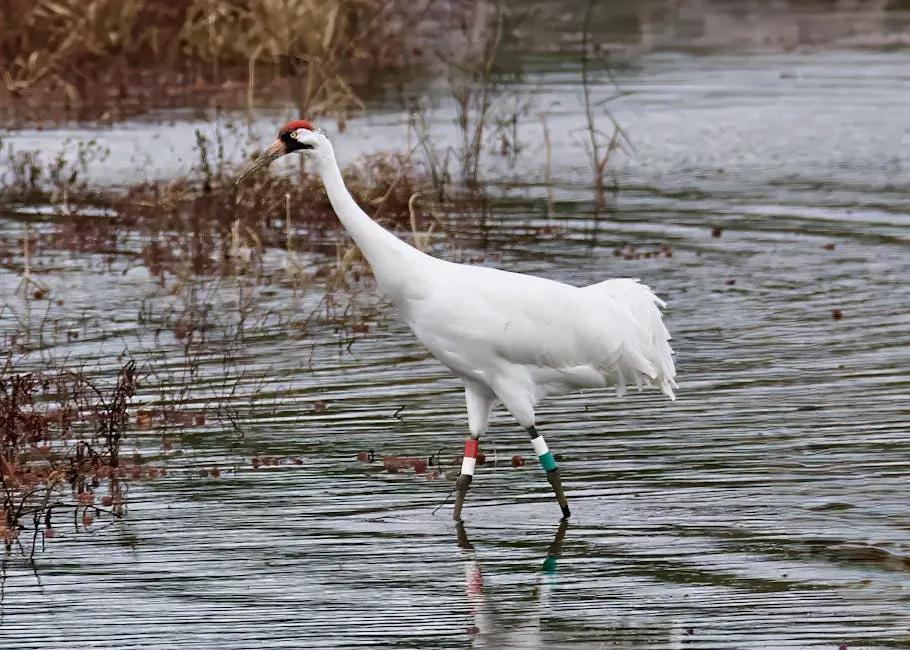
Aransas occupies a large peninsula surrounded by coastal bays, separated from the Gulf of Mexico by barrier islands, and boasts an astoundingly lengthy bird list of more than 400 species. Yet for all of those species, there is one bird that draws the crowds.
The Whooping Crane stands nearly five feet tall as a symbol of American endangered species. Once down to just 15 birds, the species has made a hopeful comeback and now numbers several hundred. The original wild flock nests in northern Canada and winters at Aransas National Wildlife Refuge on the Texas Gulf Coast.
The best way to see them is to take a commercial tour from Rockport or Port Aransas during the season from November to April. These tours almost always find Whooping Cranes as they cruise Aransas Bay and other waterways near the refuge. It’s one of those rare wildlife encounters that feels genuinely earned.
Bentsen-Rio Grande Valley State Park: Headquarters of the World Birding Center
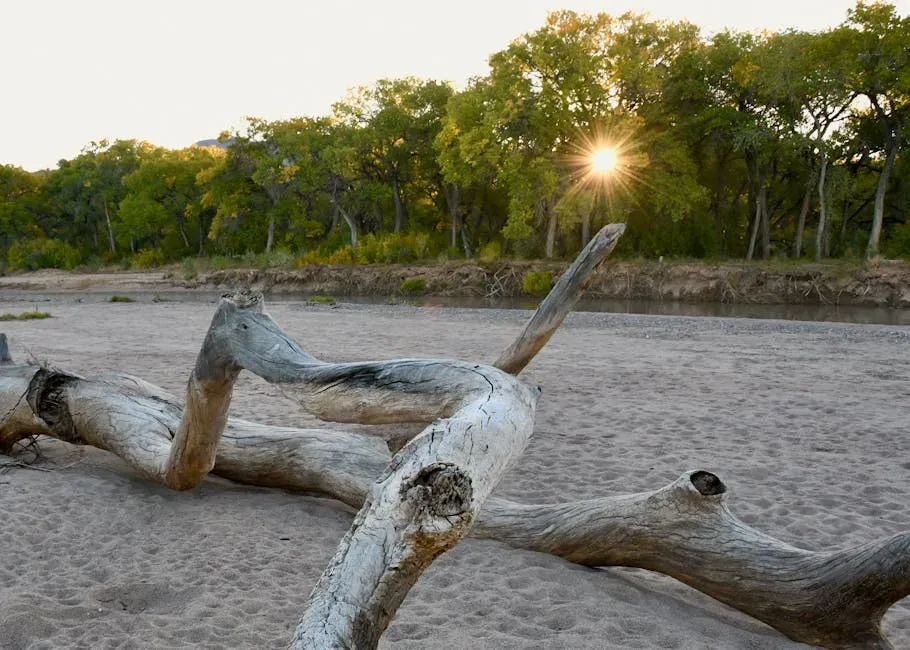
Bentsen-Rio Grande Valley State Park in deep South Texas is one of the top birding destinations in the country and deserves its status as headquarters of the World Birding Center. The park sits at the edge of the subtropical world, a landscape where North American species mix freely with birds that drift north from Mexico.
The 760-acre park, together with over 1,700 acres of adjoining U.S. Fish and Wildlife refuge tracts, promises a year-round nature adventure in the richest birding area north of the Mexican border. Few places in the country can honestly claim that title.
Species like the Altamira Oriole, Ringed Kingfisher, and Plain Chachalaca are everyday sightings here. The park also features two world-class wildlife and bird viewing blinds, which give visitors a quiet, close-up vantage point unlike anything you’d find from a typical trail.
Santa Ana National Wildlife Refuge: A Subtropical Woodland Treasure
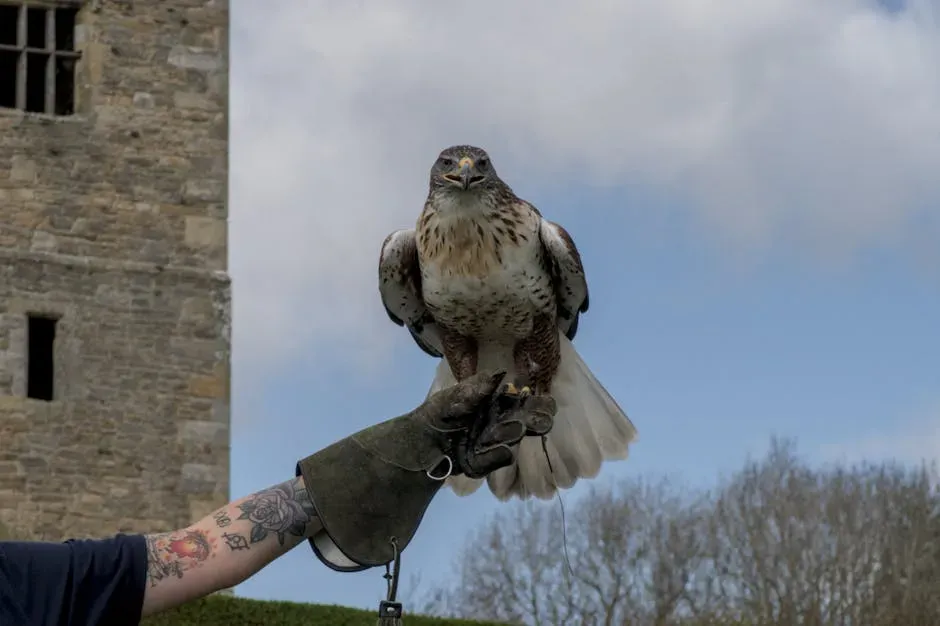
The canopy bridge at Santa Ana National Wildlife Refuge leads off a three-story hawk watchtower over 2,088 acres of subtropical woodland, open fields with small lakes, and sheltered wetlands. Its headquarters in Alamo’s Lower Rio Grande Valley features a bird blind viewable from inside, and the refuge is one of the best hotspots in South Texas, with multiple bird blinds and feeding stations.
There are a variety of habitats from wetlands to woods, and you really never know what might be found here. In addition to the regular Lower Rio Grande Valley specialties such as Green Jay and Common Pauraque, many rare birds have been found here like Rose-throated Becard, White-throated Thrush, and Tropical Parula.
A number of tropical species found nowhere else in the United States reach the northern limits of their range in the Rio Grande Valley. Sought-after birds include Chachalacas, Ferruginous Pygmy-Owls, Red-billed and White-tipped Pigeons, Buff-bellied Hummingbirds, Great Kiskadee, Rose-throated Becards, Green Jays, and Altamira Orioles.
Caddo Lake State Park: East Texas Wetland Magic
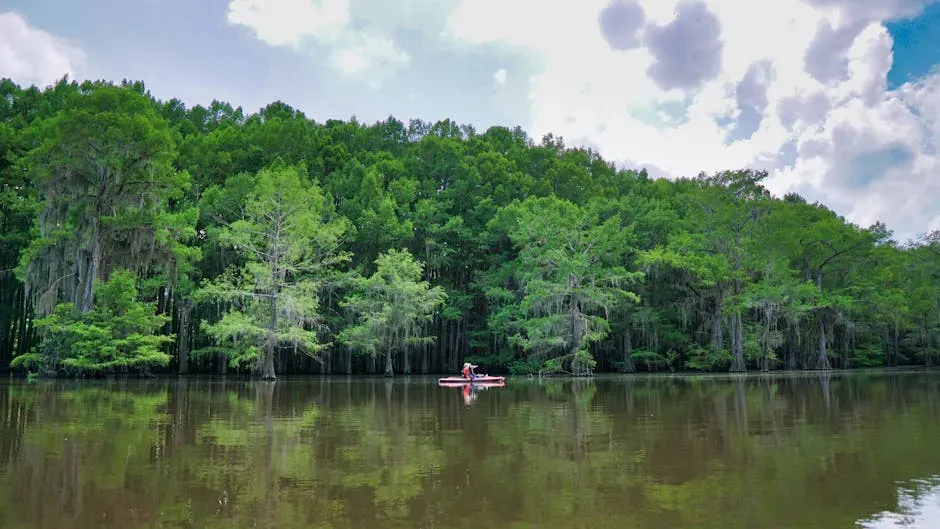
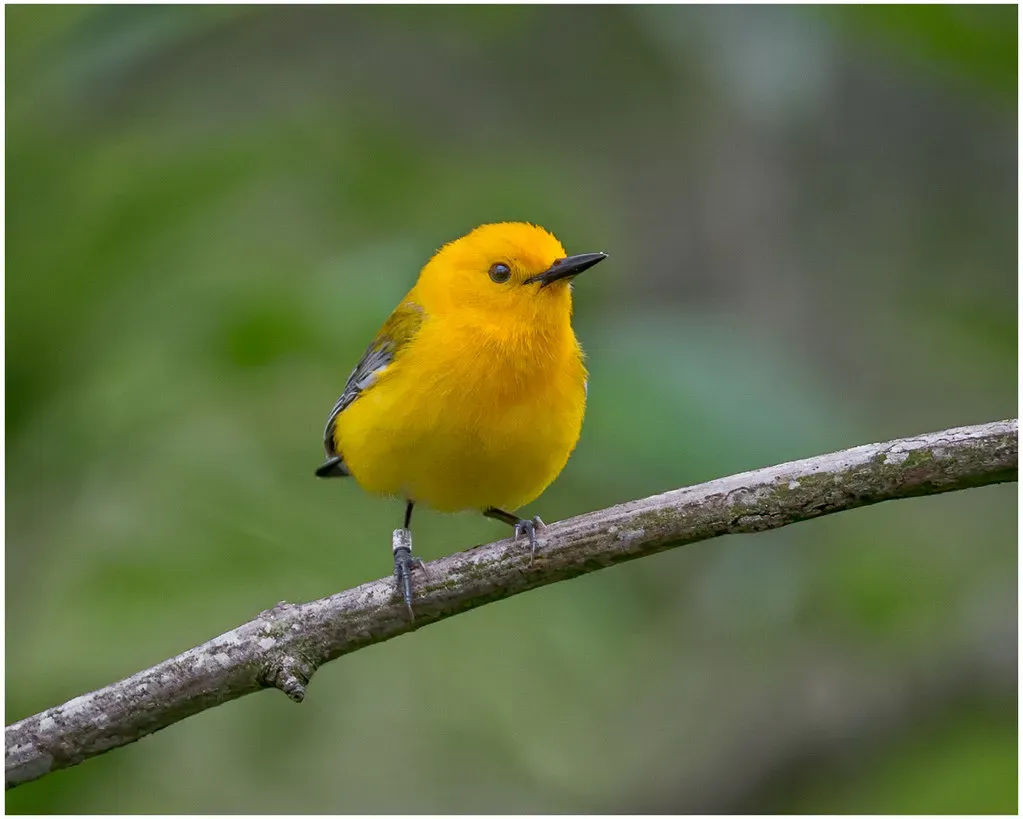
Out east in Caddo Lake State Park, a harmony of chirping songbirds greets visitors as they paddle down the park’s scenic canals, which are lined with impressive bald cypress trees. While on the water, you can easily spot the bright yellow coloring of both Prothonotary and Yellow-throated Warblers flitting about the Spanish moss hanging overhead.
These wetlands are home to a healthy population of waterbirds, which can be found fishing alongside you in the 26,810-acre Caddo Lake or floating in Saw Mill Pond. The combination of old-growth cypress, still water, and morning mist gives Caddo Lake a quality that feels almost prehistoric.
A silent canoe ride through the maze of canals will reveal many Wood Ducks, along with a variety of other waterfowl, herons, and egrets. More than 20 species of warblers can be found in a single day, while flycatchers, vireos, tanagers, buntings, and orioles live in the surrounding oak woodlands.
Davis Mountains State Park: West Texas Highlands Birding
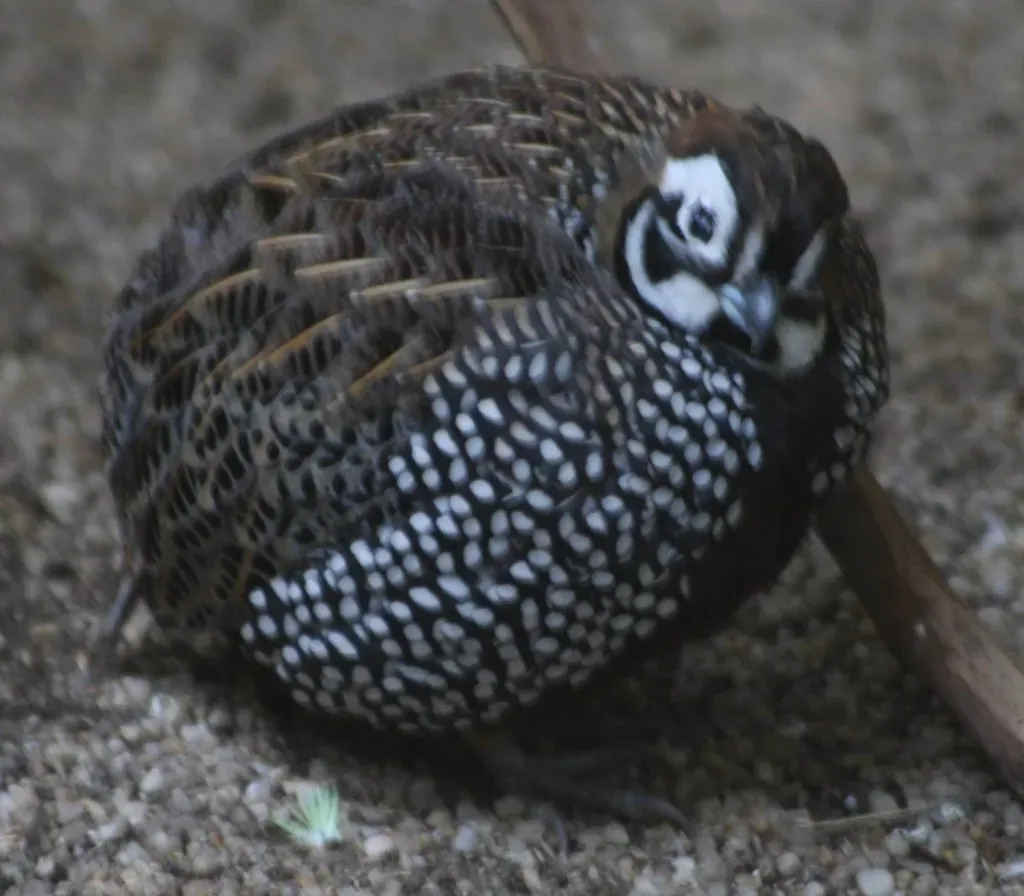
Davis Mountains State Park draws visitors for beautiful hikes, clear night skies, and rare bird sightings. The state park’s bird blind provides an enclosed viewing space where you can watch birds of all kinds at the designated feeders and watering stations, and it’s particularly well known as the best spot to see the rare Montezuma Quail, which can be difficult to find out in the open.
In West Texas, the Trans Pecos region hosts more than 300 varieties of birds annually in San Angelo State Park, the Concho Valley, and along the North Concho River. The Davis Mountains sit right at the heart of this broader region, giving birders an elevated, cooler alternative to the desert floor below.
The park’s combination of pinyon-juniper woodland, grassy mountain meadows, and rocky outcrops draws species that you simply won’t find elsewhere . It rewards patience, and the relatively low visitor numbers compared to other Texas parks means you often have the trails largely to yourself.
Palo Duro Canyon State Park: The Panhandle’s Birding Gem
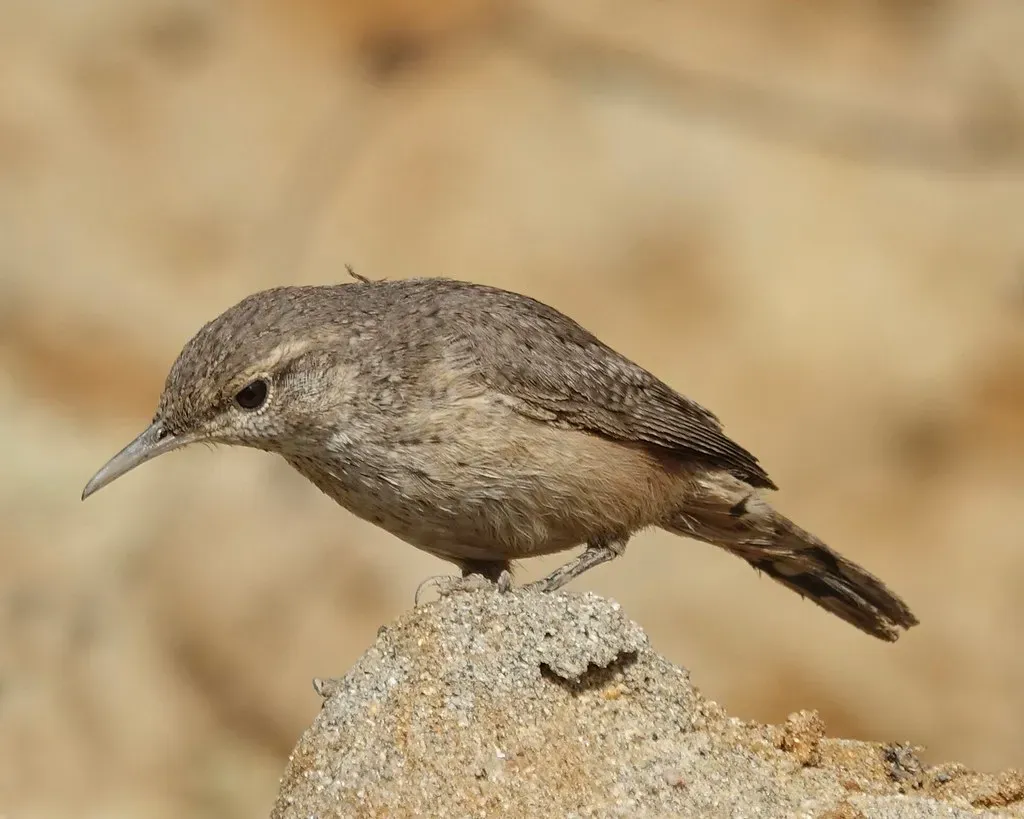
Along the cliffs of the second largest canyon in the country, visitors of Palo Duro Canyon State Park are sure to spot Canyon and Rock Wrens hopping to and fro among the rocks. The sheer visual drama of the canyon adds a dimension to birding that few Texas parks can offer.
At this popular Panhandle park, expect to be serenaded by Rock and Canyon Wrens along the cliffs. In the woodlands along the Prairie Dog Town Fork of the Red River, Golden-fronted Woodpeckers are easy to find. The summer chorus from the cottonwoods along the river includes the Yellow-billed Cuckoo, Ash-throated Flycatcher, Blue Grosbeak, and Bullock’s Oriole.
In the Lubbock-Amarillo area of the Texas Panhandle, Palo Duro Canyon State Park is home to Blue Grosbeaks, Golden-fronted Woodpeckers, and Ash-throated Flycatchers, to name a few. It’s a place that often surprises first-time visitors, who may not expect the Panhandle to deliver birding of this quality.
A Final Thought
Texas lies at the heart of the Central Flyway, one of the Western Hemisphere’s major migratory bird highways. Because of its geography, size, and diversity of habitats, birds from across the hemisphere funnel through Texas as they move between breeding areas in North America and wintering grounds in Central and South America.
That natural geography has made Texas a destination rather than a detour, for birds and birders alike. The eight spots covered here each offer something distinct: mountain rarities, tropical spillover species, dramatic coastal fallouts, and quiet cypress wetlands. They reflect just how layered this state really is.
The best time to visit any of them is usually earlier than you think, and sooner than you’ve planned. Texas birding has a way of reminding you that the natural world is moving constantly, on its own schedule, whether you show up or not.

- The Best Birdwatching Spots in Texas - July 29, 2026
- 15 Places To Visit in Arizona To Fill Your Adventure Soul - July 29, 2026
- 15 Things That Will Make You The Center of Your Cat’s World - July 29, 2026