
Most people think of a bird feeder or a birdbath when they picture a wildlife-friendly yard. Those things help, but the real foundation of any thriving backyard habitat is in the ground itself. The plants you choose, far more than any supplement or store-bought accessory, determine which species show up, stay, and raise their young.
Native plants, those that occur naturally in a region and were not imported from other parts of the globe, are the core of a wildlife habitat garden. This isn’t just ecological idealism. Native plants have formed symbiotic relationships with native wildlife for thousands of years and, in turn, offer the best habitat. The six plants below represent a mix of trees, perennials, shrubs, and flowering species that consistently punch above their weight when it comes to supporting backyard life.
Milkweed (Asclepias spp.) – A Lifeline for Monarchs and More
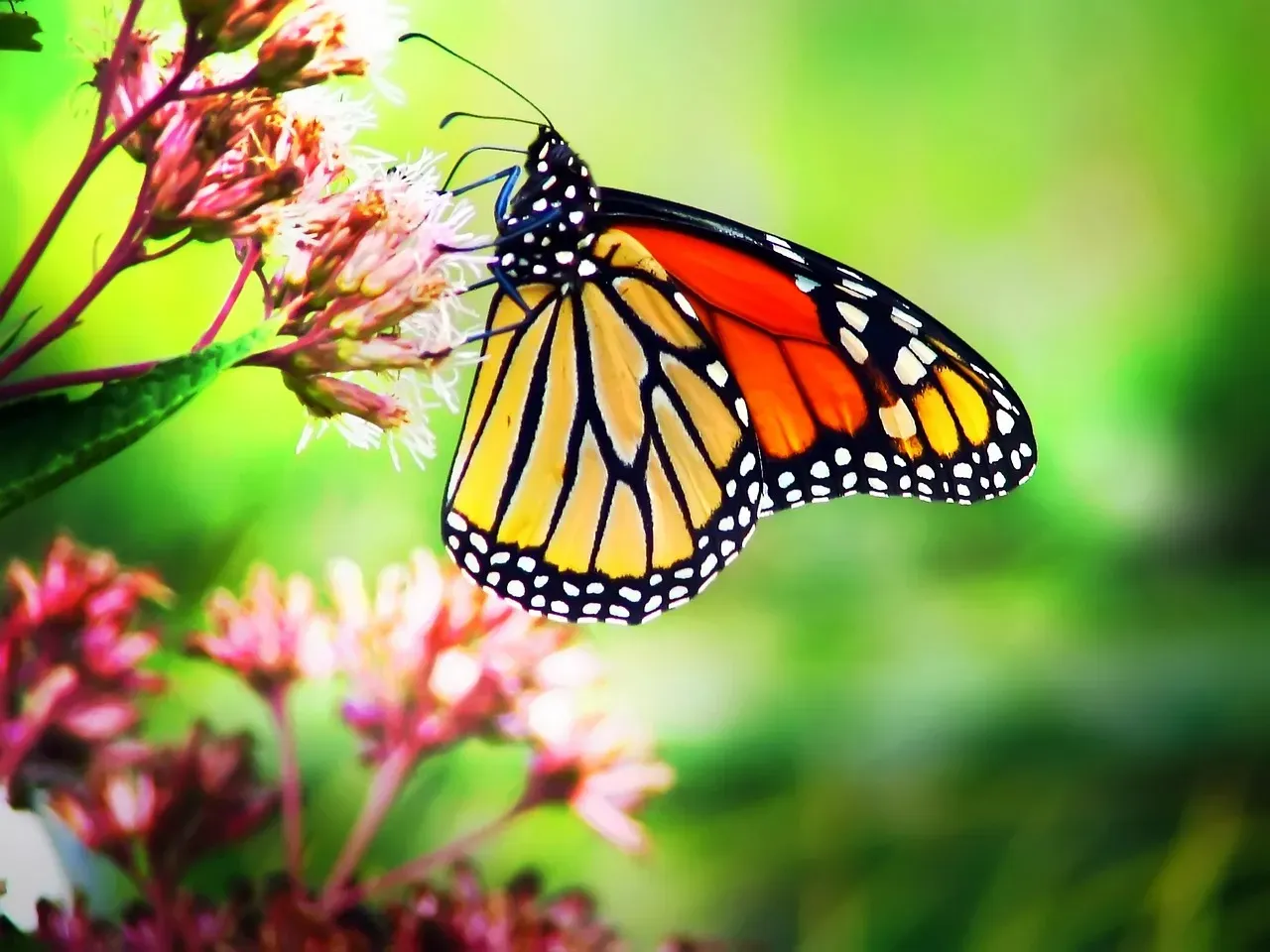
Few plants carry as much ecological weight as milkweed. Milkweed plants serve as a host plant for monarch butterflies, and monarch caterpillars forage solely on milkweed leaves, making this perennial a crucial lifeline for the declining monarch population.
The story doesn’t stop at monarchs. Milkweed flowers are also a rich nectar source for various pollinators, including bees and butterflies. Beyond insects, while milkweed is best known for supporting monarch butterflies, birds love its fluffy seeds for nesting material.
Native milkweed is the only host plant for monarch butterfly larvae, and goldenrod provides critical late-season nectar for migrating pollinators. If you’re planting milkweed, consider swamp milkweed for wetter areas and butterfly weed for dry, sunny spots. Milkweed grows well in most soils and thrives in sunny locations.
Purple Coneflower (Echinacea purpurea) – The Four-Season Workhorse
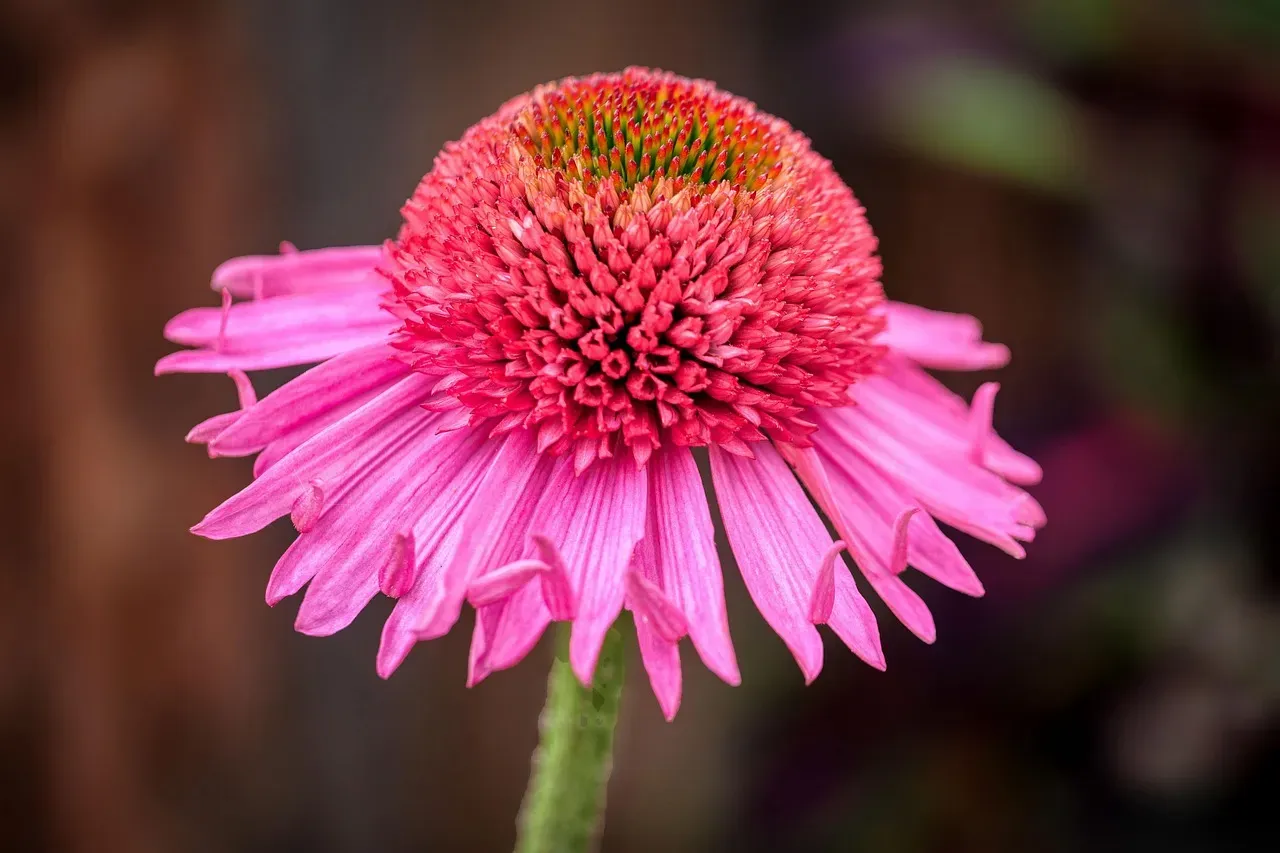
Purple Coneflower is a hardy and adaptable perennial that brings vibrant color and ecological value to any garden. Known for its striking, daisy-like flowers with bold purple petals and prominent cone-shaped centers, this native plant attracts bees, butterflies, and other pollinators throughout the summer.
In the fall, its seed heads provide a valuable food source for birds, making it a favorite for wildlife-friendly landscapes. The practical appeal is real too. Drought-tolerant and deer-resistant once established, purple coneflower is a perfect choice for sustainable gardening.
One underappreciated tip: resist the urge to deadhead the blooms after summer. There’s no need to deadhead the flowers, as allowing them to go to seed provides a valuable food source for birds. The purple coneflower produces seed heads that are irresistible to birds like finches and sparrows, and leaving these seed heads standing through the winter can provide much-needed sustenance for these birds when other food sources are scarce.
Oak Trees (Quercus spp.) – The Keystone of the Backyard Ecosystem
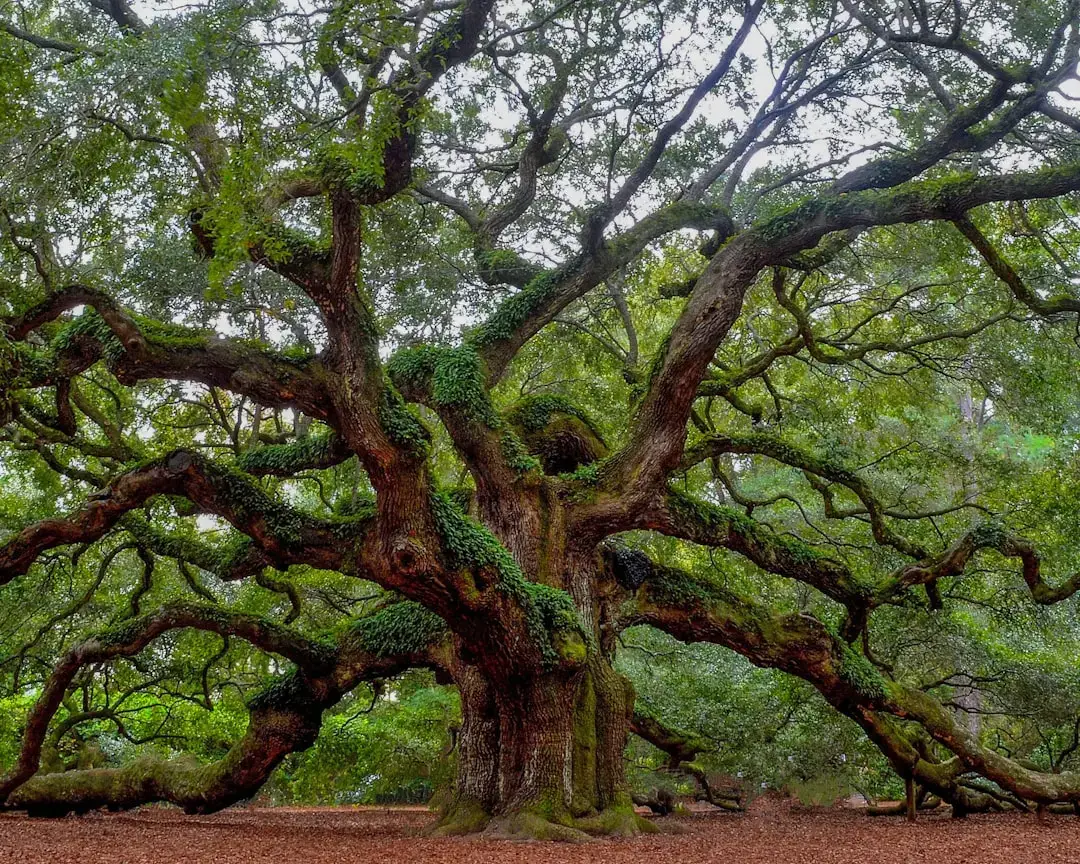
If there is one plant on this list that outperforms everything else by a wide margin, it’s the oak. Oaks hold ecosystems together by providing crucial resources and habitats for a plethora of insects, including over 550 species of caterpillars in some regions. In fact, oaks support more life forms than any other North American tree genus.
Oak-dependent caterpillars are important species in the ecosystem and are a key food source for many birds and their chicks. Just one chickadee brood can consume as many as 9,000 caterpillars before they fledge their nest!
Then there are the acorns. Undoubtedly the most valuable resource oaks provide for vertebrate wildlife is acorns. Acorns are one of the most important food items in the diets of a wide variety of animals, and more than 100 species of vertebrate animals are known to consume acorns in the US, including mammals such as white-tailed deer, gray squirrels, flying squirrels, mice, raccoons, and opossums. The leaf litter matters too. Creatures that depend on oak leaf litter include salamanders, frogs, insect larvae, small mammals, birds, bees, and turtles, and leaf litter provides food, shelter, and warmth for overwintering pollinators and wildlife.
Native Sunflower (Helianthus spp.) – A Natural Bird Feeder You Can Grow
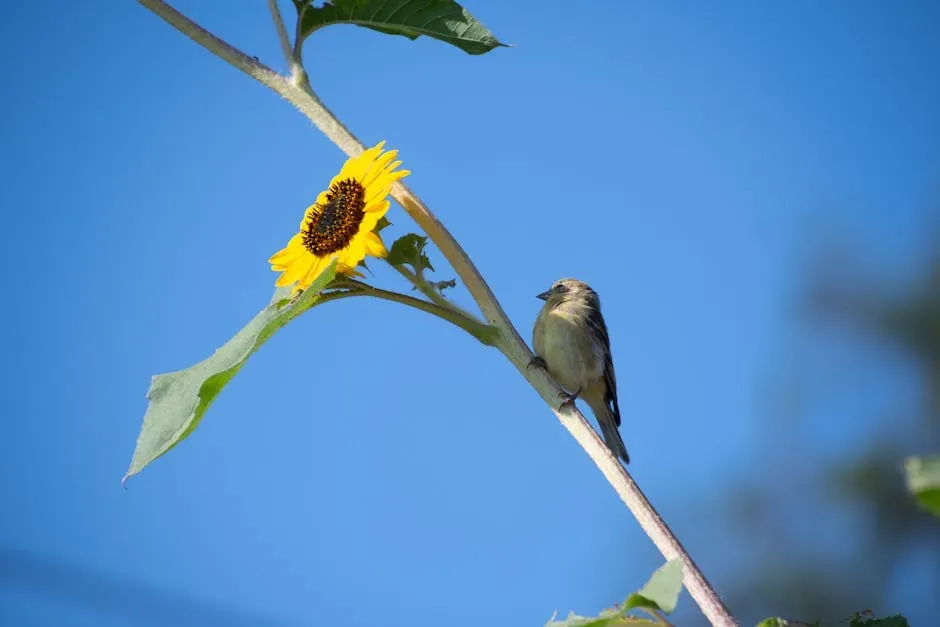
Native sunflowers are, quite simply, one of the most efficient plants you can grow for birds. There are few pleasures greater than watching birds pluck nutrient-rich seeds from the center of enormous yellow sunflowers. Sunflowers attract a wide variety of bird species, and so are practically bird feeders that you can grow in your yard.
Sunflowers may signify loyalty and longevity for people, but they mean food for many birds. Birds often use the sunflower seeds to fuel their long migrations. The value of planting native species specifically, such as Helianthus angustifolius in the eastern US, comes from their natural adaptation to local conditions.
Sunflowers also work well in combination with other wildlife plants. The Oxeye sunflower (Heliopsis helianthoides), a native perennial wildflower with large, daisy-like flowers, blooms in mid to late summer, attracting bees, butterflies, and other pollinators. Their tall stems and broad heads also provide perching and foraging structure that smaller plants simply can’t replicate.
Viburnum (Viburnum spp.) – A Shrub That Covers All the Bases
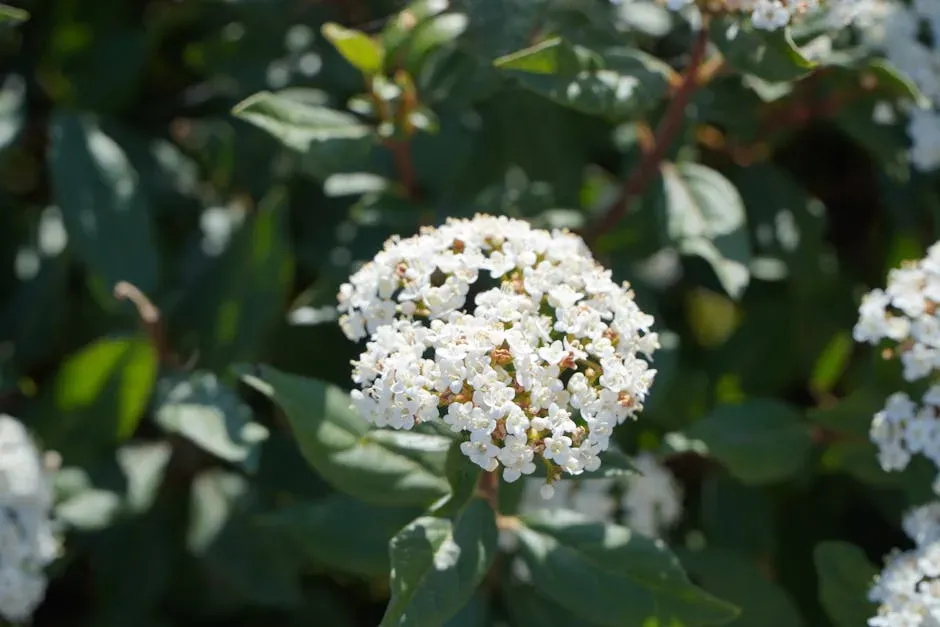
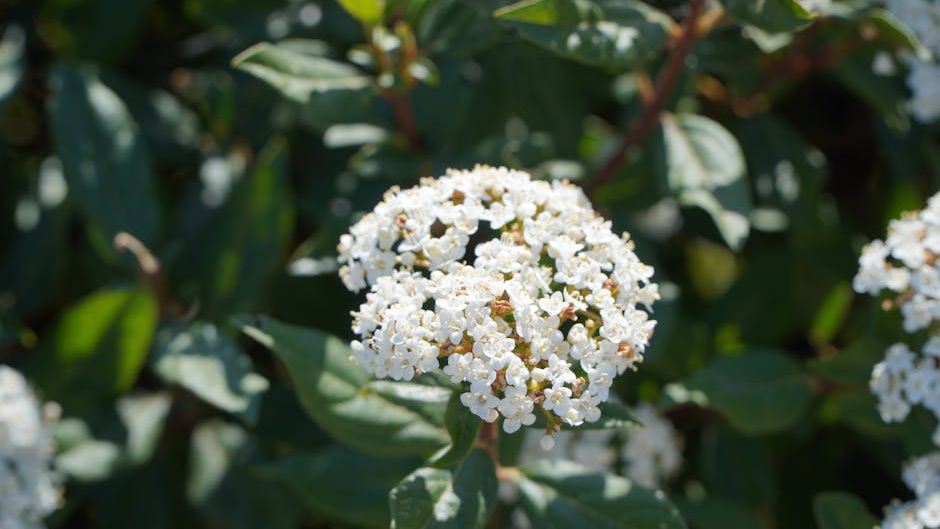
Viburnum is one of those plants that tends to get overlooked in favor of showier ornamentals, which is a missed opportunity. Viburnum shrubs offer year-round benefits, from spring flowers that support pollinators to fall berries that feed robins, thrashers, and cardinals.
Shrubs like viburnum and dogwood produce berries that birds find irresistible, and these shrubs provide food, nesting sites, and shelter for birds throughout the year. That last point matters more than it sounds. Shelter isn’t just comfort for wildlife; it’s survival.
Viburnums prefer full sun but can tolerate partial shade. They adapt well to most soil types, making them versatile for various garden settings. That flexibility makes them a practical pick for yards of all sizes. Shrubs with strong branches make great nesting sites and offer protection during colder months.
Native Asters (Symphyotrichum spp.) – The Last Call for Autumn Pollinators
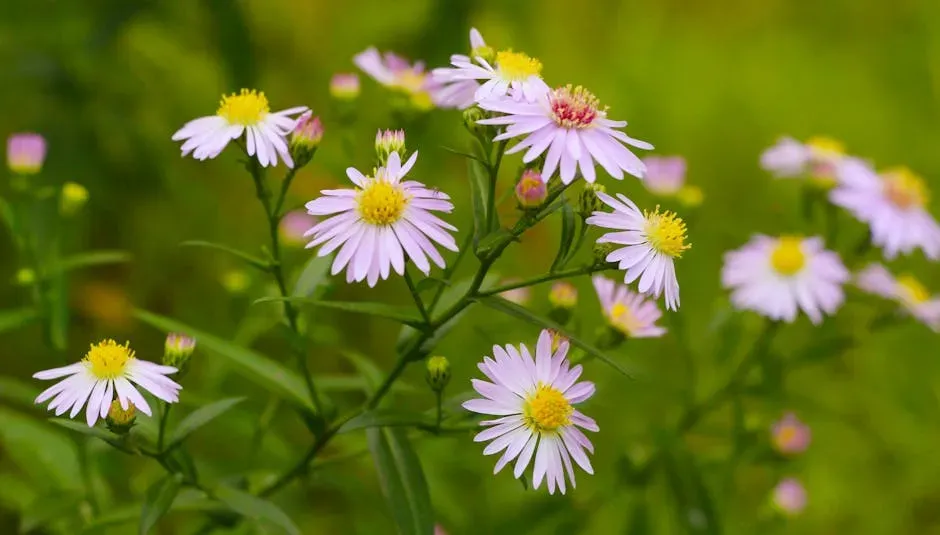
While most gardens fade in late summer, native asters are just getting started. Perennials like asters are essential for sustaining pollinators in the fall. This timing is not a small detail. Many bee species and migrating butterflies are racing to build reserves before winter, and late-season nectar can be genuinely hard to find.
Choose plants that provide pollen and nectar for as long a season as possible, from spring through to autumn, and Michaelmas daisy is particularly valuable in this regard. Native asters in North America, commonly known as Symphyotrichum species, serve the same role and have evolved alongside local pollinators for millennia.
Asters attract many different kinds of butterflies, native bees, and other beautiful pollinators to their flowers. In turn, birds, amphibians, and many other species that survive by eating insects will be attracted to your yard, and many will stay to nest and raise their young. That ripple effect, insects drawing birds drawing other wildlife, is exactly what a healthy backyard ecosystem looks like in practice.
Conclusion: Small Choices, Lasting Impact
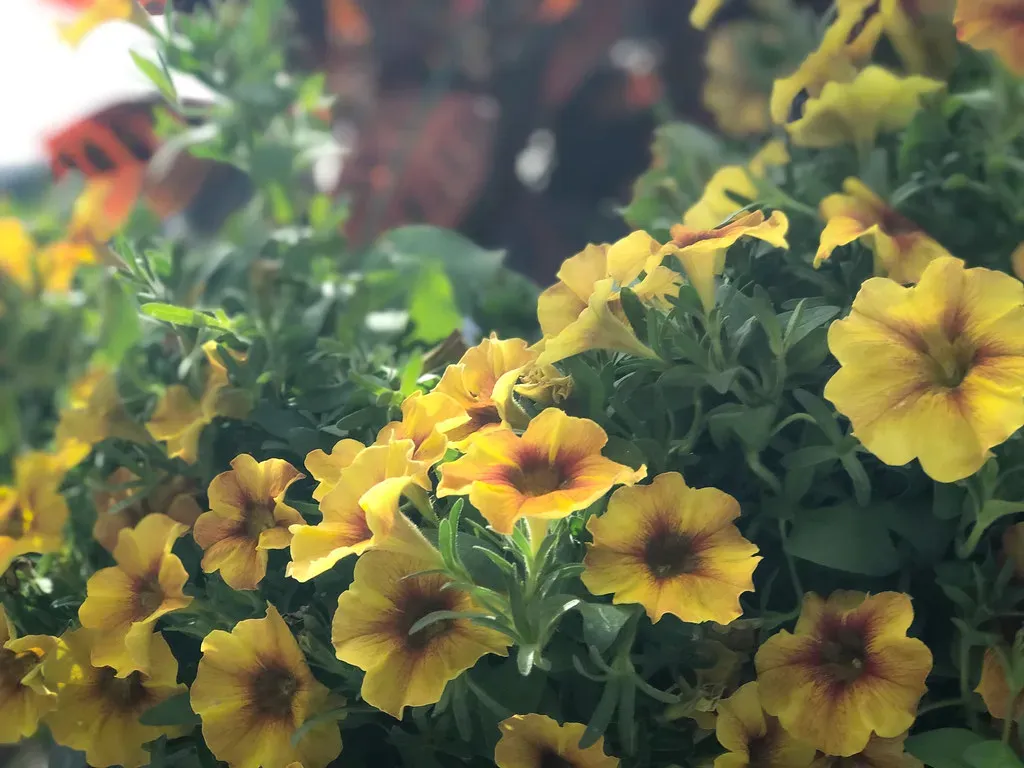
The simplest, most tangible and effective action you can take to help the planet is to restore whatever part of the environment you control with native plants. That’s not an overstatement. Across millions of individual yards, the collective impact of thoughtful planting adds up to something significant.
Thoughtful landscaping can help to maintain biodiversity. By offering many kinds of native plants, you are ensuring that a wide range of wildlife can thrive. You don’t need a large property or a formal garden design to get started. Even a single coneflower or a small viburnum at the edge of a fence line represents a real contribution.
The six plants covered here are not rare or difficult to find. Most are available at local nurseries or native plant sales. What they share is the ability to do something a decorative annual never can: anchor a food web, shelter a nesting pair, or sustain a caterpillar through its entire life. That’s the quiet, durable kind of value a garden can offer, season after season.

- 6 Common Plants That Are Essential for Backyard Wildlife - July 28, 2026
- The Silent Promise Your Dog Makes Every Time They Follow You From Room to Room - July 28, 2026
- 10 Disadvantages of Wind Power in The US - July 28, 2026