
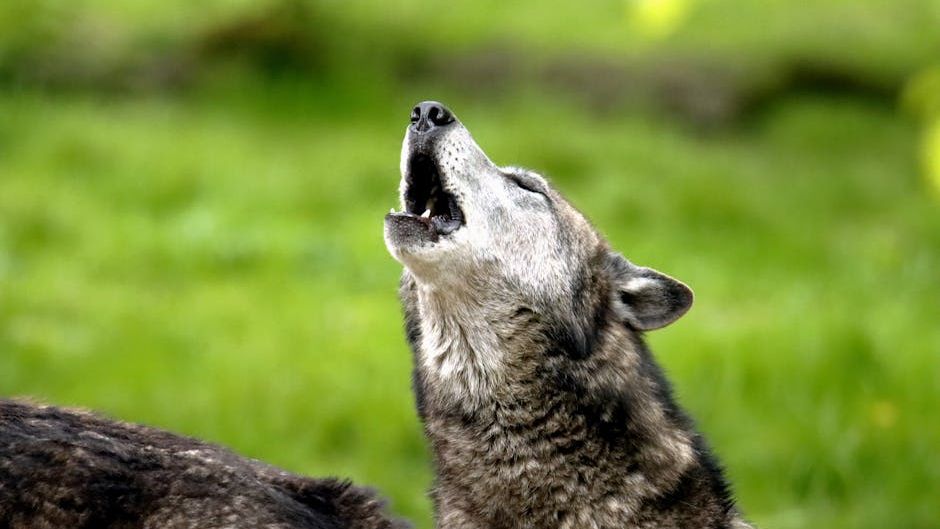
Few sounds in nature carry as much weight as the howl of a wolf. It drifts across frozen tundra, echoes through dense forest, and stops you cold the moment you hear it. For centuries, humans have been drawn to that sound, and almost as quickly, they’ve gotten it completely wrong.
The image of a wolf tilting its head back under a full moon is one of the most enduring symbols in folklore, mythology, and pop culture. The only problem is that it’s not real. Wolves don’t howl at the moon. Scientists have found no correlation between the canine and Earth’s satellite, except perhaps an increase in overall activity on brighter nights. What wolves are actually doing when they howl is far more interesting than any myth.
The Moon Is Innocent: Where the Myth Came From
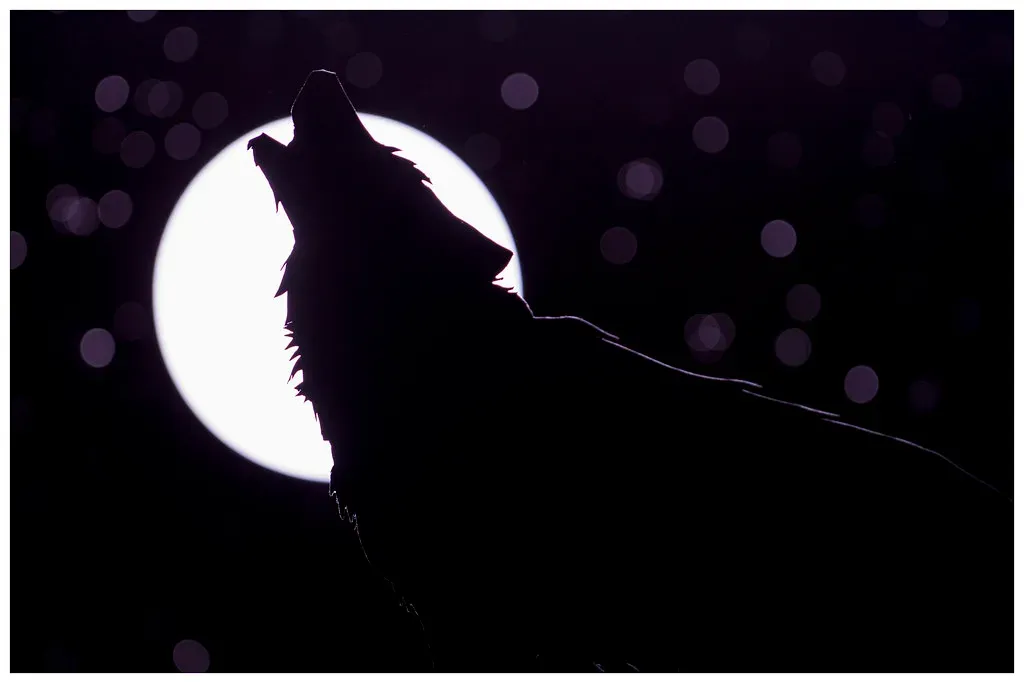
Of all the myths that follow the wolf, none is more widely accepted than the idea that wolves howl at the moon. Images of wolves with their heads upturned, singing at the night sky, are as unquestioned as a goldfish’s three-second memory. These ideas have deep roots.
In Norse mythology, the descendants of Loki were wolves prophesied to eventually devour the moon and sun. Even earlier, in Roman antiquity, Pliny the Elder recorded a skeptical account of lycanthropy in his Natural History. Gothic fiction and centuries of cultural storytelling kept the association alive long after it deserved to die.
Howling reaches a seasonal peak in the winter months, during the time of courtship and breeding, and it’s easy to see how the idea that wolves howl at the moon might have gained credence during cold, clear nights when the sound carried far and a full moon lent an eerie aspect to a snowscape. Timing and atmosphere did the myth’s work for it.
When you hear a wolf howl in the night, they are not howling at the moon – they are communicating. They call any time of the day, but are most easily heard in the evening when the wind dies down and wolves are most active. That’s a practical detail, not a romantic one.
A Long-Distance Communication System Unlike Any Other
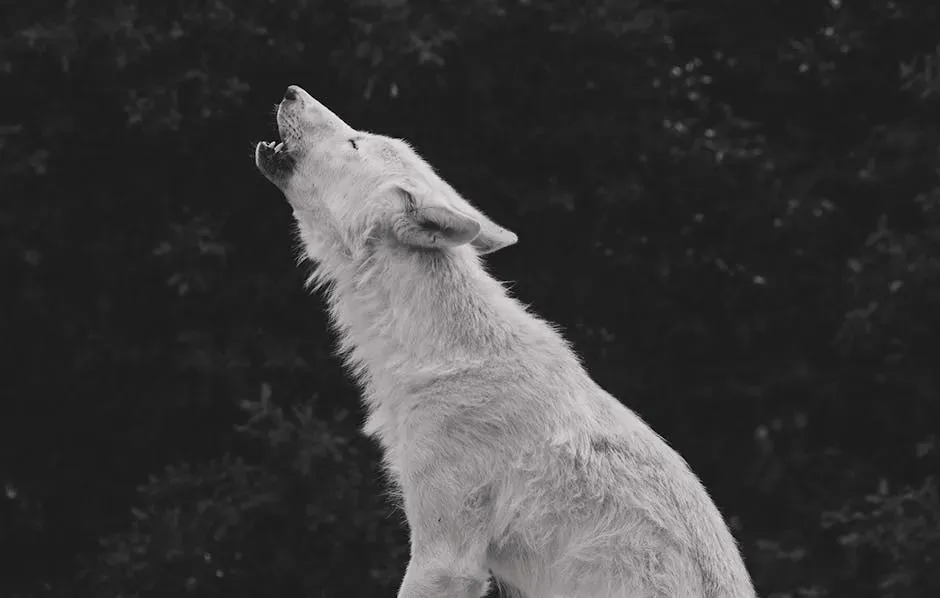
A wolf’s howl is a vocalization, which means it’s a sound produced in order to communicate. What makes it remarkable is just how far that sound travels.
When wolves howl, they’re creating sound messages that can travel incredible distances, often up to ten miles across open tundra and somewhat less through forests. That kind of range turns a howl into one of the most efficient long-distance communication tools in the animal kingdom.
Unlike the barks, growls, or whimpers wolves use for up-close communication, howls are their long-distance calling system. The sound rises from low to high to create that iconic echo that carries through wilderness areas. Each type of sound serves a different purpose, and wolves use them with surprising precision.
Researchers have identified at least eleven types of wolf call. With the exception of the howl, these are all short- to medium-range noises communicating intimate emotions, directed mainly at family members. The howl, by contrast, is a relatively low-frequency, elongated call designed to carry over large distances.
Pack Survival: Location, Territory, and the Hunt
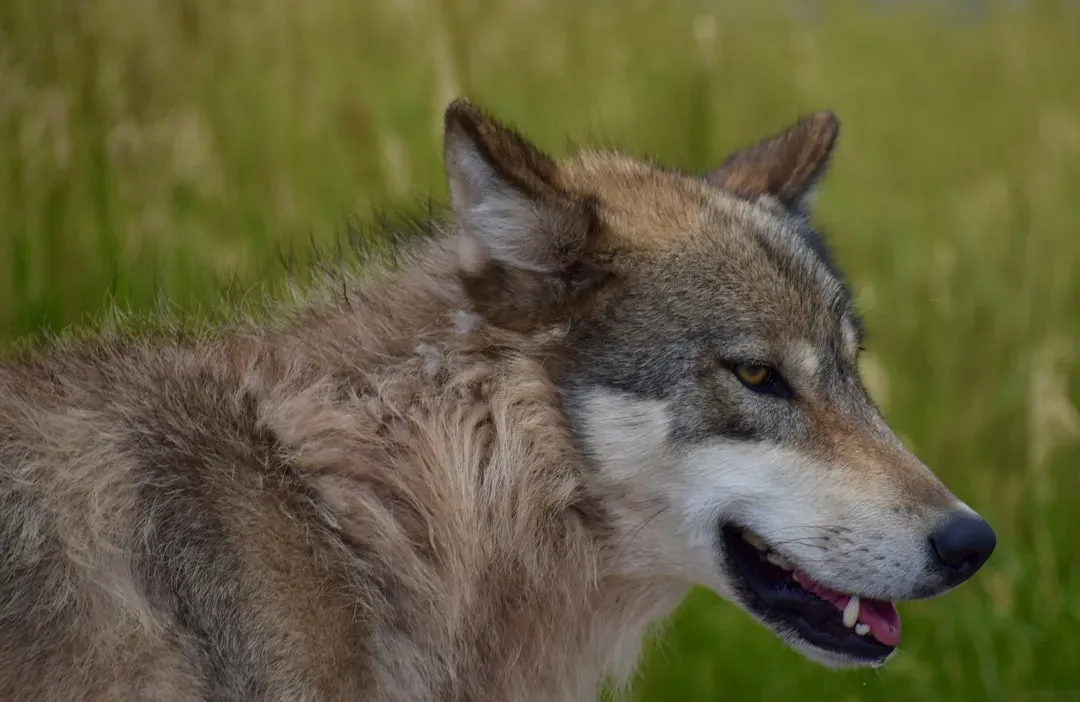
Wolf packs tend to claim large territories for themselves, especially if prey is scarce. These territories can be as large as 3,000 square kilometers. Wolves may separate from their packs when hunting, so howling becomes an effective way to communicate about location. Keeping track of each other across that kind of space is genuinely difficult work.
Gray wolves howl to assemble the pack, usually before and after hunts, to pass on an alarm particularly at a den site, to locate each other during a storm or while crossing unfamiliar territory, and to communicate across great distances. The howl carries a lot of responsibility.
While wolves also mark territory with urine and feces, these markers might last only for days. Howls, however, provide real-time updates about who’s currently in the area and how many are claiming that space. Scent marking is memory; howling is live news.
Another type of howl is an aggressive howl directed at other packs. It warns rival packs or individual wolves in the area to stay away from the territory. When howling together, wolves harmonize rather than chorus on the same note, thus creating the illusion of there being more wolves than there actually are. It’s a strategic bluff built right into their biology.
The Emotional Side: Howling as a Bond Between Individuals
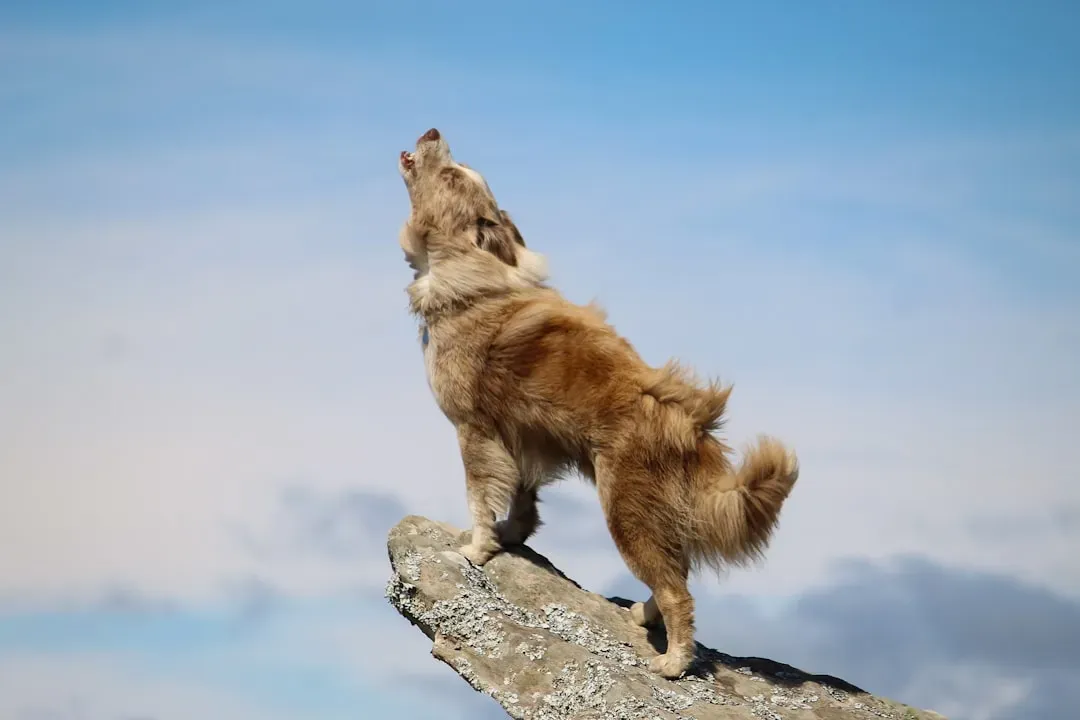
This is where wolf behavior gets genuinely surprising. For a long time, researchers assumed howling was mostly a reflexive response to stress or separation. A landmark study published in 2013 complicated that picture considerably.
Researchers found that wolves howled more frequently to members of their pack with whom they spent more time. In other words, the strength of the relationship between wolves predicted how many times a wolf howled, said Friederike Range, a researcher and co-director of the Wolf Science Center at the University of Vienna.
In the study, researchers removed one wolf at a time from a captive pack and took each wolf for a 45-minute walk into the surrounding woods while measuring the howling rates of the animals left behind. The howling rate, they found, was directly related to how much quality time the howler and the removed wolf spent together, as defined by positive interactions like playing and grooming.
The researchers also measured levels of the stress hormone cortisol from saliva samples of each howling wolf. This allowed scientists to show that howling rate wasn’t strongly tied to stress levels. Some scientists think that animal vocalizations like howling may be a sort of automatic reaction to a stressful condition – an idea that this study refutes. The wolves weren’t howling because they were anxious. They were howling because they missed someone.
What Science Is Still Learning About the Howl
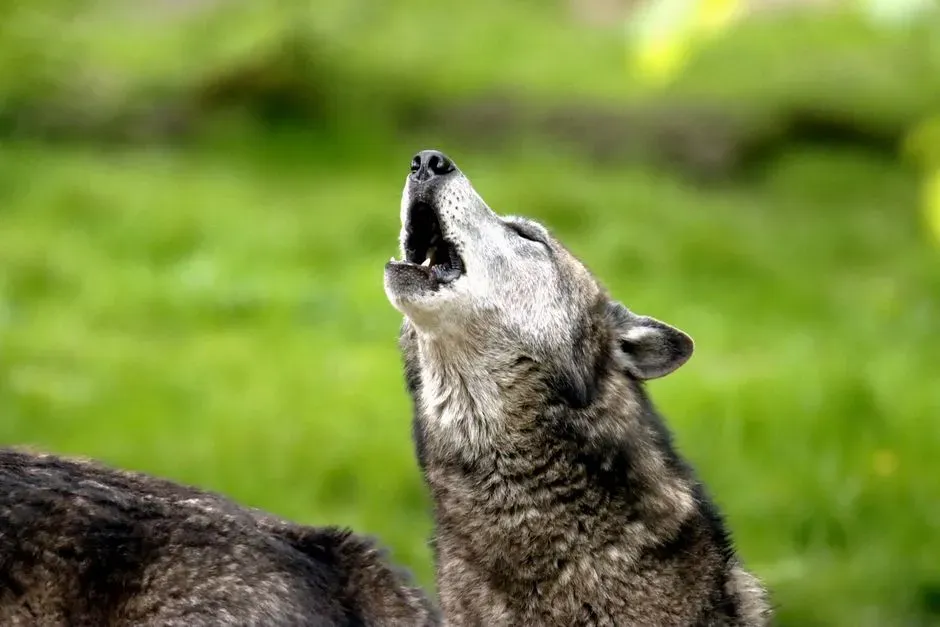
Wolf research has come a long way, but there’s still a great deal that scientists don’t fully understand about what individual howls actually mean at a fine-grained level.
Researchers quantified triggers and consequences of over five hundred wolf howl events in Yellowstone National Park observed across sixteen years, relating their findings to general theories of animal communication. The scale of that work reflects how seriously the field now takes the question.
The largest quantitative study of howling, and the first to use machine learning, defined different howl types and found that wolves use these types more or less depending on their species, resembling a howling dialect. Researchers say findings could help conservation efforts and shed light on the earliest evolution of human language.
Artificial intelligence and generative machine learning now enable huge volumes of data to be processed. In the case of Yellowstone, that means tens of thousands of hours of recordings of wolf communication. The main advantage, as one researcher notes, is that it allows listening all of the time, which is not feasible with human researchers alone.
Whether language or protolanguage, emotion or reason-driven, it is clear that wolf howling touches on deep concepts. For centuries these concepts have occupied the thoughts and writings of psychologists, physiologists, neurobiologists, ethologists, and ecologists, including intelligence, reason, cooperation, language, cognition, and consciousness.
Conclusion: A Richer Sound Than the Myth Ever Allowed
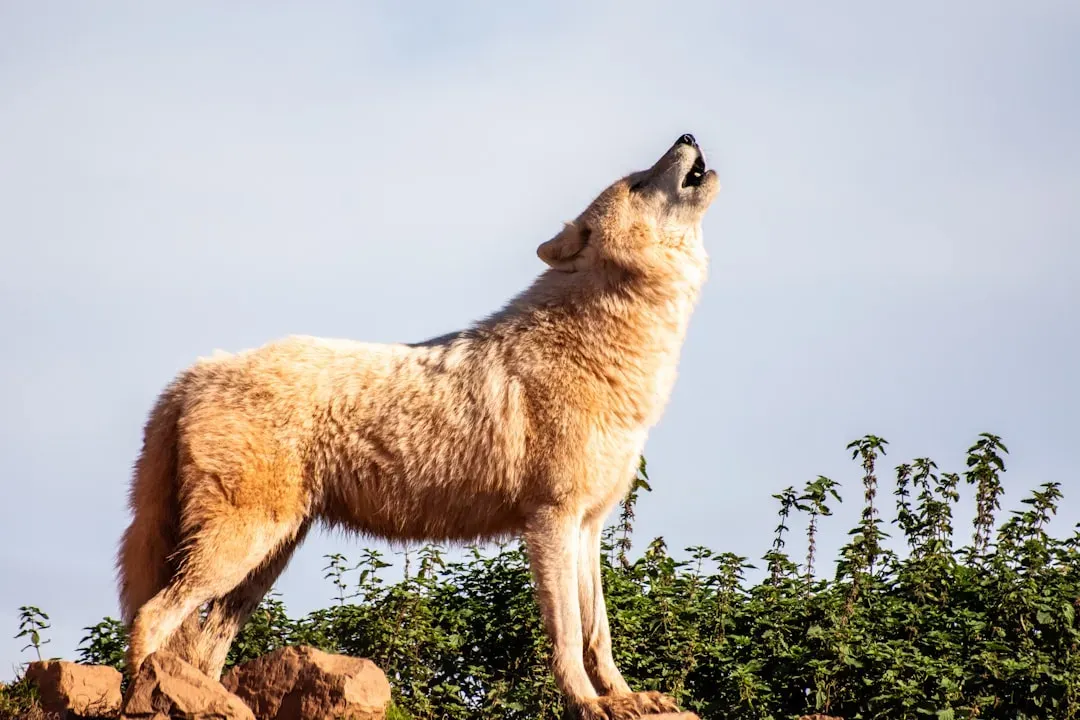
The moon myth was always more about us than about wolves. It let us project romance, danger, and wildness onto an animal we barely understood. The reality, it turns out, is more layered and more moving.
Wolves howl to find each other across vast distances. They howl to warn rivals, to coordinate a hunt, to keep the pack together. They howl more for the ones they’re closest to. That last detail alone says something worth sitting with.
There’s a kind of quiet dignity in replacing a fanciful myth with something true. The howl of a wolf isn’t a message to the sky. It’s a message to the pack – and the pack is everything.
