
Midsummer is the point in the season when a garden can either hit its stride or quietly start to fall apart. The gap between those two outcomes is often narrower than people expect, and the culprit is rarely a lack of effort. More often, it comes down to a handful of repeated habits that seem reasonable but work against the garden’s natural rhythm.
Most of these mistakes come from good intentions. Watering often because you care, feeding plants because they look tired, pruning because things look overgrown – the logic makes sense until the results push back. Understanding what’s actually happening beneath the surface makes all the difference.
Skipping Deadheading When It Matters Most
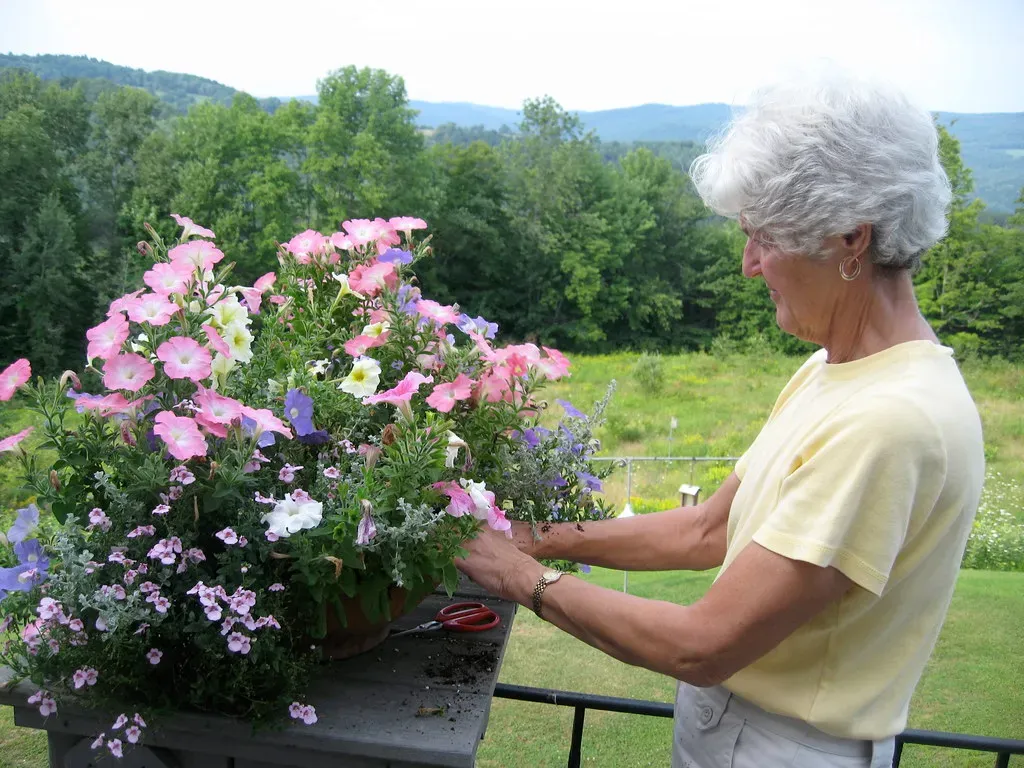
When annuals go to seed, they essentially decide their job is done for the season. Energy shifts from producing new flowers to developing seeds, and bloom production drops dramatically.
Removing spent flowers before seeds form tricks plants into continuing flower production. Check your annuals every few days during peak growing season.
Look for faded blooms, developing seed heads, or flowers that have lost their vibrant color. Cut or pinch these off, making sure to remove the entire flower stem back to the next set of leaves or flower buds. It takes only a few minutes, and the payoff in continuous color is worth every snip.
Common flowers that benefit from deadheading include continuous or repeat-blooming roses, cosmos, lavender, peonies, delphiniums, petunias, and marigolds. Flowers you should not deadhead include sunflowers, foxgloves, viburnum, and asters. Knowing the difference matters before you reach for the shears.
Watering at the Wrong Time of Day
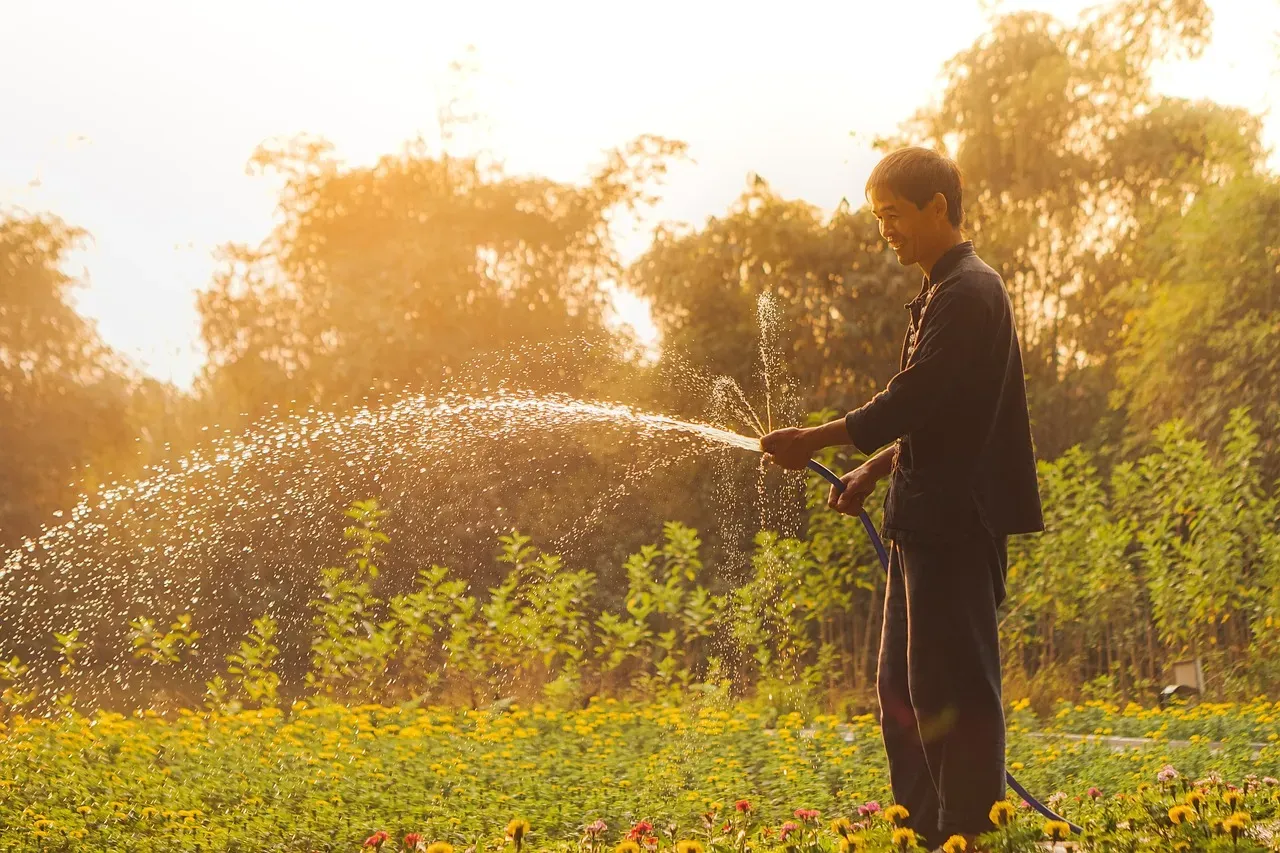
Watering your garden at noon or in the early afternoon feels productive, but most of that moisture never reaches the roots. University extension programs estimate that up to roughly a third of midday water evaporates before it can soak into the soil.
Early morning is the ideal window, roughly between 5 and 9 a.m. Temperatures are cooler, winds are calmer, and the water has time to penetrate the root zone before the sun intensifies.
If mornings don’t work for your schedule, early evening is a reasonable backup. Just avoid leaving foliage wet overnight, which can invite fungal diseases. Wet leaves sitting in dark, still conditions are practically an invitation for mildew.
Overwatering Instead of Watering Deeply
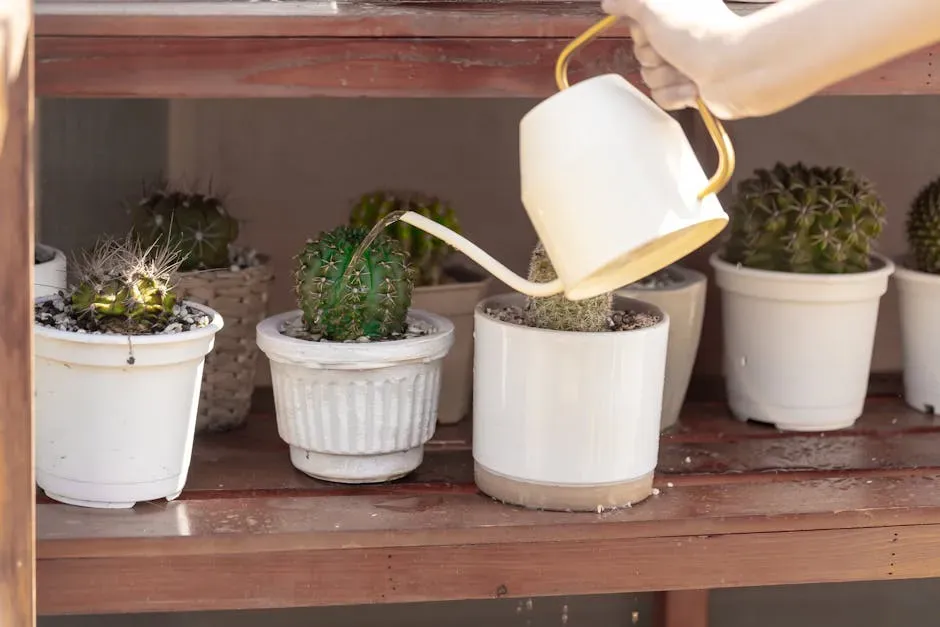
Water deeply, not daily. A good soak once or twice a week is better than shallow watering. Frequent light watering trains roots to stay near the surface, where they’re far more vulnerable to heat stress.
Neglecting your plants or killing them with too much kindness are both common flower gardening mistakes, just as bad as one another. One leads to flowers fading due to a lack of care, and the other leaves plants suffocated in unneeded surplus, like too much water or fertilizer.
Overwatering in summer is especially damaging because soggy, warm soil accelerates root rot at exactly the time roots need to be healthy and active. Before you water, press a finger a few inches into the soil. If it still feels damp, wait another day.
Fertilizing During a Heat Wave
Fertilizing in high temperatures can actually injure your plants by restricting their ability to take up water, resulting in physical burns and visible damage. Because plants are trying to conserve energy rather than grow during hot weather, they won’t actually be able to use the fertilizer you give them.
More fertilizer doesn’t mean more growth, especially when temperatures climb above 85°F. Excess nitrogen during hot weather can burn roots and foliage, pushing plants to produce tender new growth that’s immediately stressed by the heat.
Withhold fertilizers, or apply a weaker diluted solution, until the weather cools off a bit and your plants have had a chance to recover. Many experienced gardeners stop fertilizing entirely during peak summer heat and resume when temperatures moderate in early fall. Slow-release organic options like compost or fish emulsion are gentler alternatives that feed the soil gradually without the risk of chemical burn.
Crowding Plants and Blocking Airflow
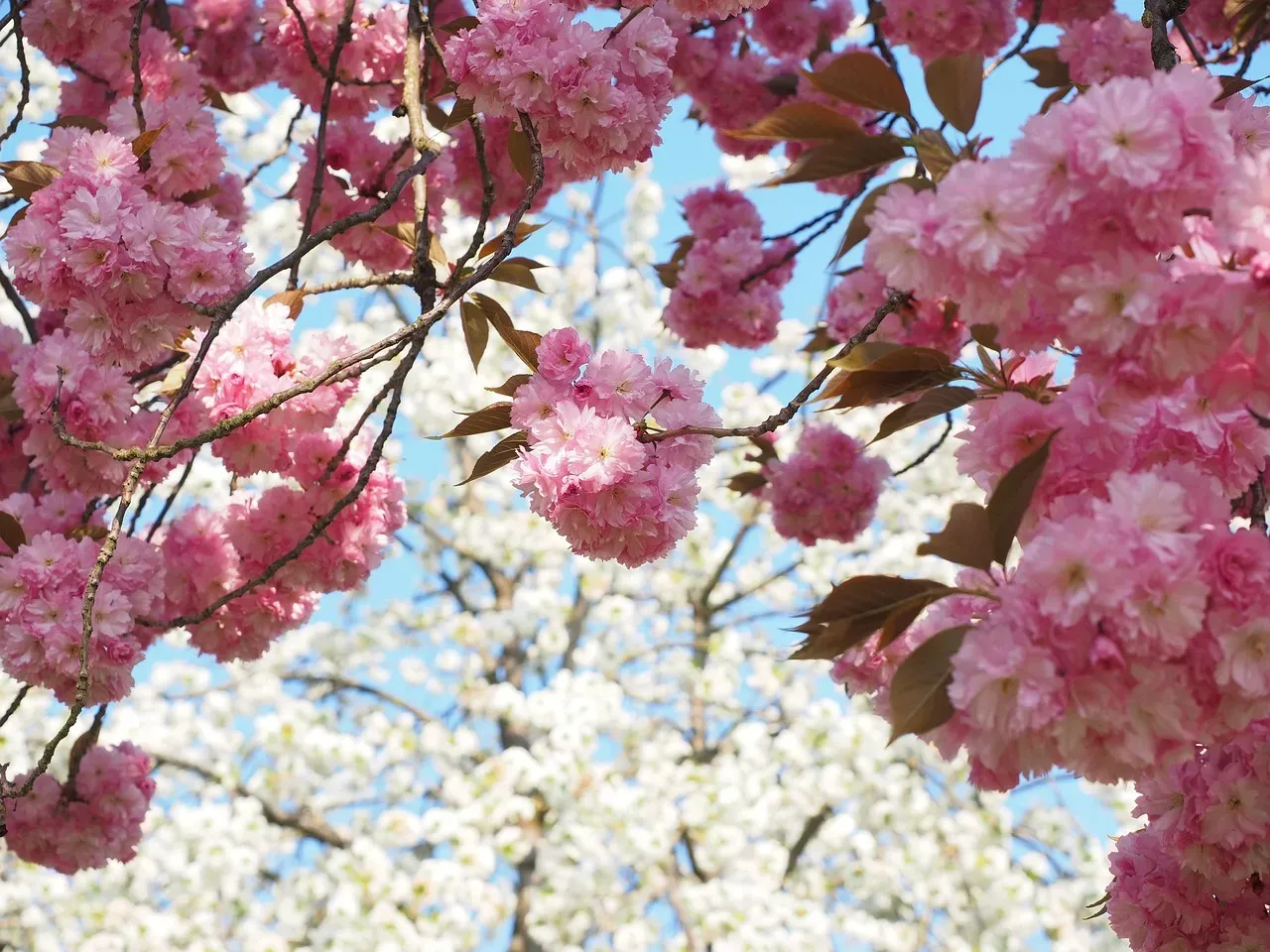
Crowding plants is a common mistake. When flowers are too close together, some might not get enough sun or nutrients. Air circulation between them will also be poor, which can lead to mold or mildew.
For diseases like black spot and powdery mildew, consider whether your plant is positioned so that it’s getting proper air circulation. You’ll be battling disease constantly if plants are too crowded, creating an environment that holds moisture and letting disease thrive.
Proper spacing is key to maintaining good air circulation around your plants. Good airflow helps dry out foliage quickly after rain or watering, reducing the likelihood of fungal infections. It also makes it harder for pests to spread from one plant to another. A little breathing room goes a long way in July and August.
Neglecting Weeds Until They Set Seed
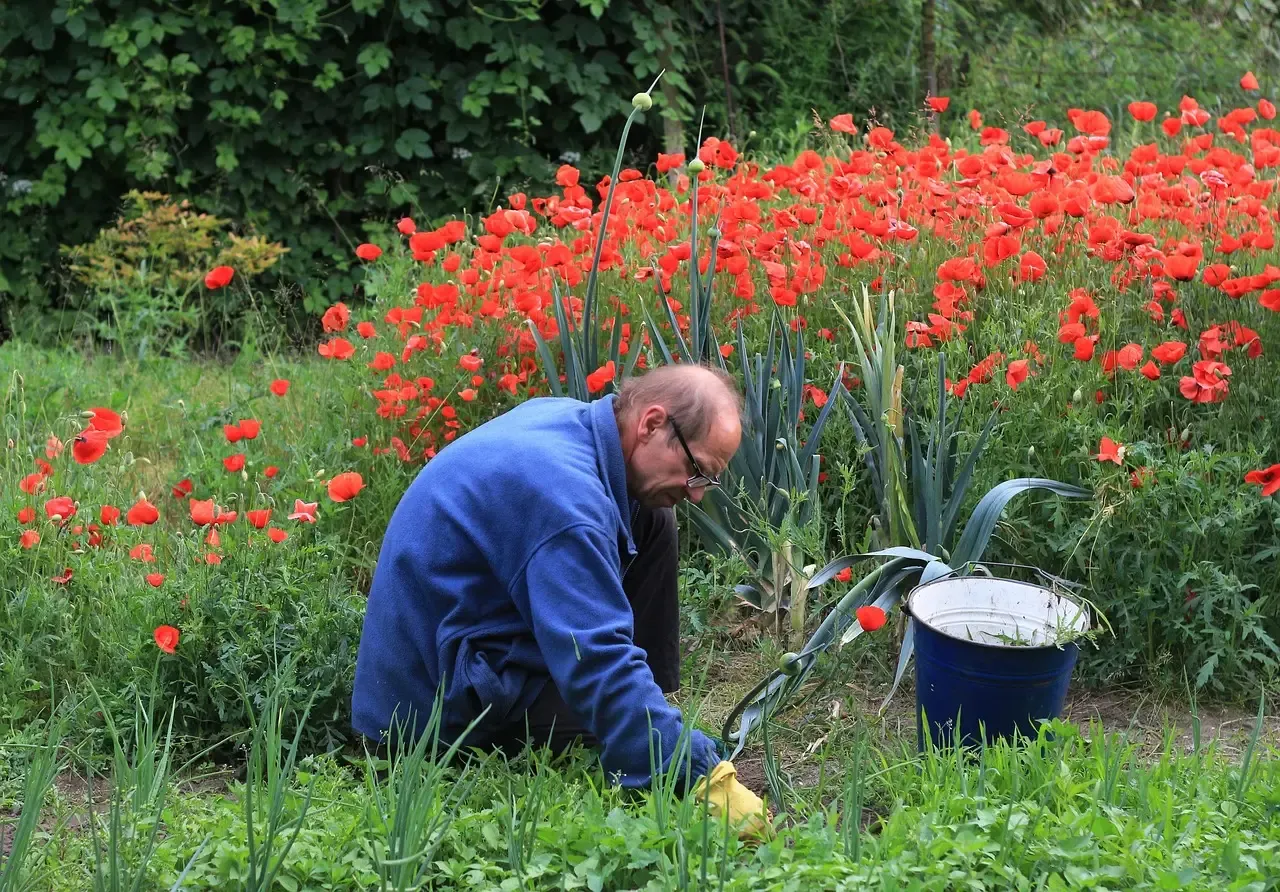
A few weeds in June become hundreds by August if they’re allowed to flower and set seed. Each weed that completes its life cycle deposits dozens, sometimes thousands, of seeds back into your soil, creating problems that persist for years.
Five minutes of weekly weeding prevents hours of future work. Pull weeds before they flower, and toss flowering weeds in the trash rather than the compost bin. Most home compost piles don’t reach temperatures high enough to destroy weed seeds reliably.
Weeds don’t just look untidy. When weeds take hold, they compete with your flowers for water and nutrients, leaving your plants more likely to become deprived. That competition quietly chips away at bloom quality well before the damage becomes obvious.
Pruning Aggressively During Hot Spells
Pruning during extreme heat puts plants under double stress: they lose protective foliage just when they need it most. Freshly cut stems and newly exposed inner leaves haven’t developed the tolerance to handle intense direct sunlight. The result is sunscald, wilting, and sometimes permanent damage to branches that were doing just fine before.
In the heat, plants need to conserve as much energy as possible to survive. They shut down a little during summer in an effort to conserve water, and they’re also busy producing proteins that protect their leaves from sun damage. The last thing a plant wants to do in a heatwave is focus its energy on producing new leaves and blooms, but pruning away existing foliage encourages exactly that.
If you need to cut leggy stems back, prune during a period when you can provide extra water and care for a week or two while plants recover. Late July works well in most climates, giving plants time to regrow and settle back in before fall weather arrives.
Ignoring How Light Patterns Shift Through the Season
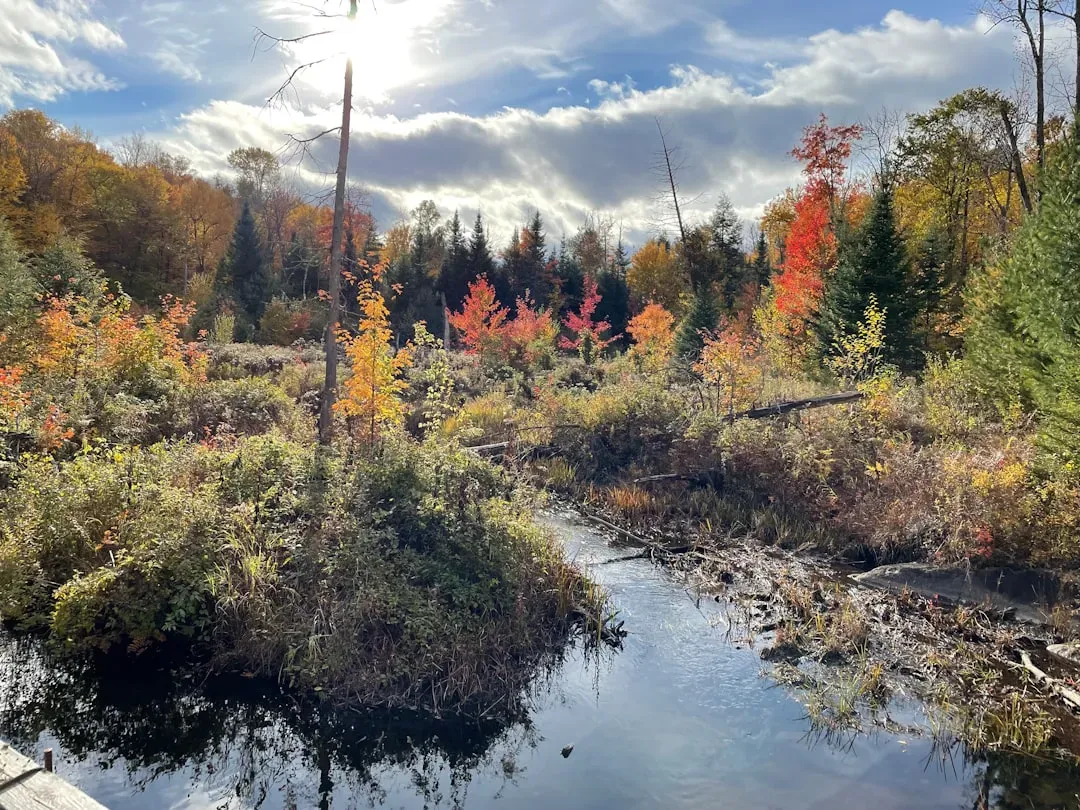
This mistake often originates in spring when the tree canopy hasn’t fully leafed out yet. A spot that gets six hours of sun in April might only get two by July once surrounding trees are in full foliage.
Plants placed with spring conditions in mind may quietly struggle all summer long as a result. Pay attention to how light patterns shift as the season progresses. Sun-loving flowers like zinnias and dahlias placed beneath a canopy that filled in over spring will simply slow down and sulk.
This is also worth noting when it comes to afternoon heat. Morning sun with afternoon shade often produces better results than all-day full sun during summer heat. Plants get the bright light they need for flowering while avoiding the stress of intense afternoon sun.
Skipping Mulch When the Soil Needs It Most
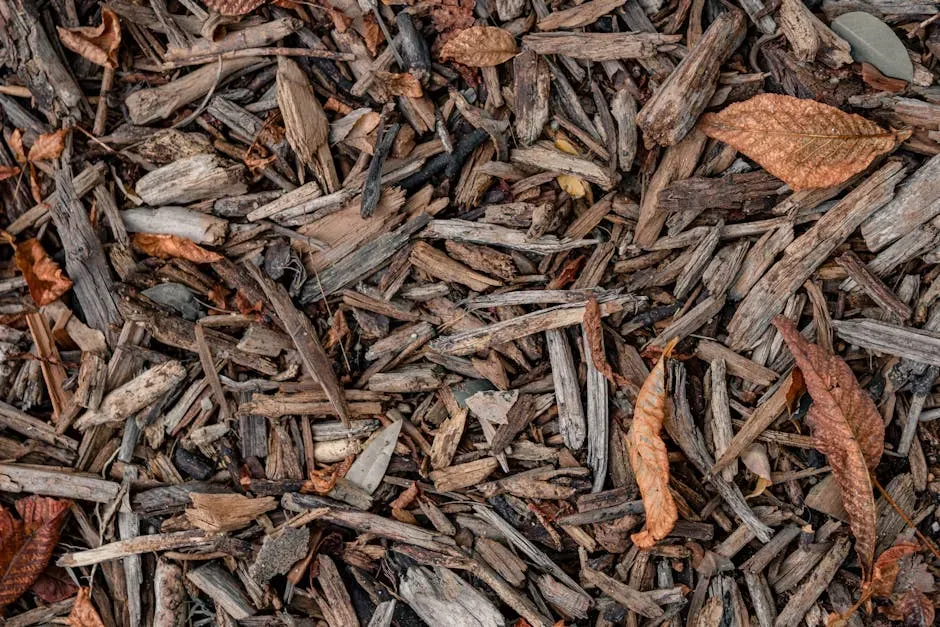
Apply a layer of mulch. It conserves moisture, cools roots, and cuts down on weeding. In midsummer, bare soil bakes in the sun and dries out far faster than mulched beds, putting constant pressure on root systems that are already dealing with heat stress.
Soil left exposed to the baking sun becomes a dried-out hard surface that water can’t penetrate. Water droplets add to compaction by hammering the soil when there is no mulch to lessen the impact. What you end up with is runoff that carries fertilizer, pesticides, and topsoil away with it.
Use mulch as added protection to regulate soil temperatures and retain moisture. A layer of two to three inches around your flower beds is usually enough to make a visible difference in how long your plants stay hydrated and how consistently they bloom through the hottest weeks of summer.
Conclusion: Small Adjustments, Big Results
Most midsummer garden problems don’t arrive all at once. They creep in gradually through repeated small habits: watering at noon, skipping deadheading for a week, letting a few weeds go to seed. The good news is that the fixes are equally small.
Switching your watering to early morning, pulling weeds before they flower, adding a layer of mulch, and checking for spent blooms every few days can shift the entire trajectory of your summer garden. Summer gardening doesn’t require perfection, but it does reward consistency. Most of these mistakes come down to small habits: checking soil moisture before watering, pulling weeds before they seed, and paying attention to how your plants respond to the heat.
Gardens are patient teachers. The ones that bloom beautifully through August and into fall usually belong to gardeners who’ve simply learned to observe before they act, and to resist the urge to do more when doing less is exactly what the plants need.
