
Nature has always had its own rulebook, and nowhere does it get more creative than in the pursuit of a mate. While humans navigate candlelit dinners and carefully worded texts, the animal kingdom operates on a far more dramatic scale. Some species dance, some build, some sacrifice body parts. Some do all three.
What’s remarkable isn’t just how strange these rituals look from the outside, it’s how perfectly logical they are within the context of survival and reproduction. Each behavior, however bizarre, has been shaped by millions of years of evolutionary pressure. The result is a collection of courtship strategies that genuinely read like science fiction.
1. The Anglerfish: A Love Story of Total Merger
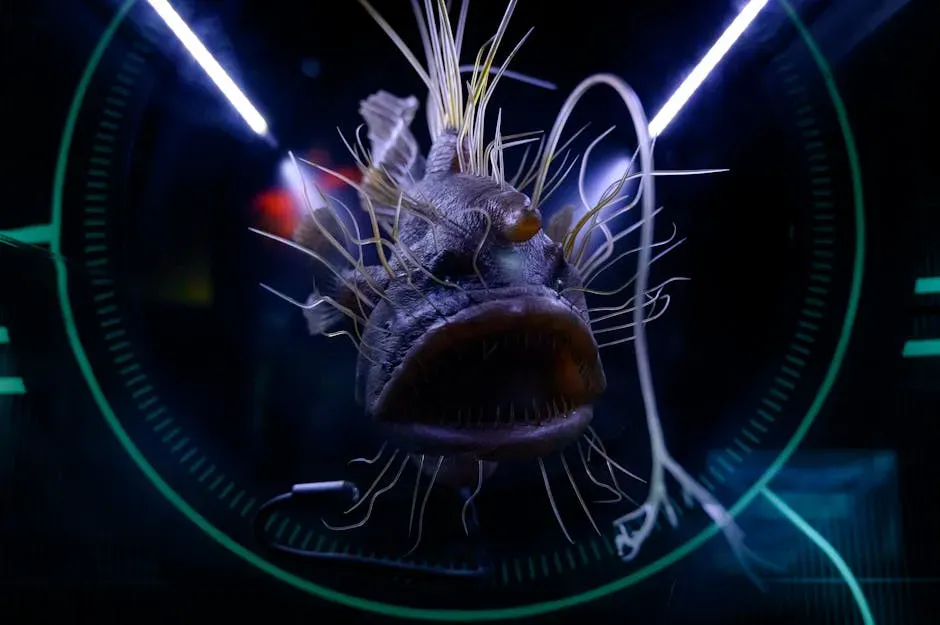
Anglerfish mating begins when the male literally sinks his teeth into the female’s body, attaching himself permanently and living as a parasite on her much larger frame.
As their bodies fuse, the male becomes completely absorbed into the female, losing any independent existence. All that remains is a pair of gonads, which the female keeps to use when she’s ready to reproduce.
Only the females are large and fearsome. Male anglerfish are small and parasitic, and depending on the species, may be more than 60 times shorter than their female partners. In most anglerfish, the male attaches to his mate, fuses his circulatory system with hers for nutrient uptake, and fertilizes her eggs for the rest of his life. It’s arguably the most extreme form of commitment in the entire animal kingdom.
2. The Praying Mantis: Romance with Fatal Consequences
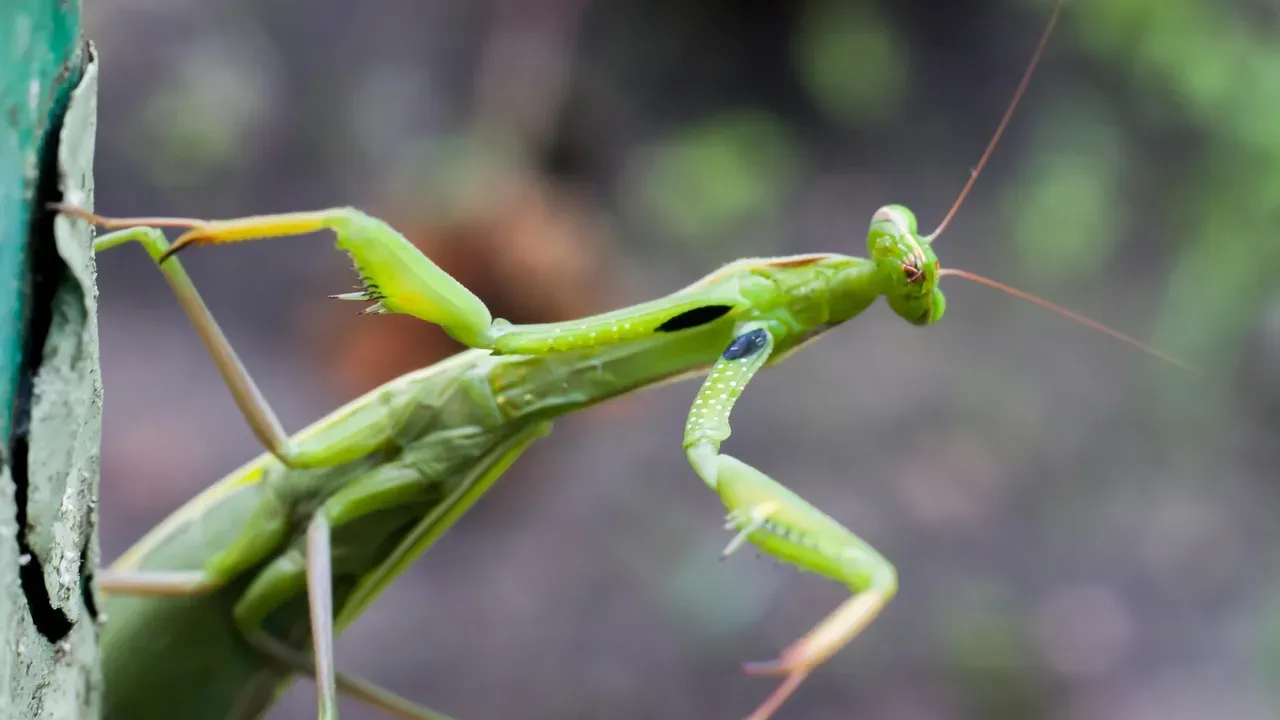
The female praying mantis will often bite off the head of its prospective partner. During mating season, it’s estimated that up to roughly two thirds of a female mantis’s diet is made up of males of the same species.
This doesn’t stop the males, though, with headless males having been seen to continue to initiate sex and copulate successfully, even without their heads.
Females only resort to cannibalism somewhere between about one in eight and roughly one in four times they mate. Their reasons for doing so are varied. Females feast on their partners if they’re starving or want to increase the number of eggs they produce. Devouring her mate can produce up to twice as many eggs for the next generation.
3. The Bowerbird: Architecture as Seduction
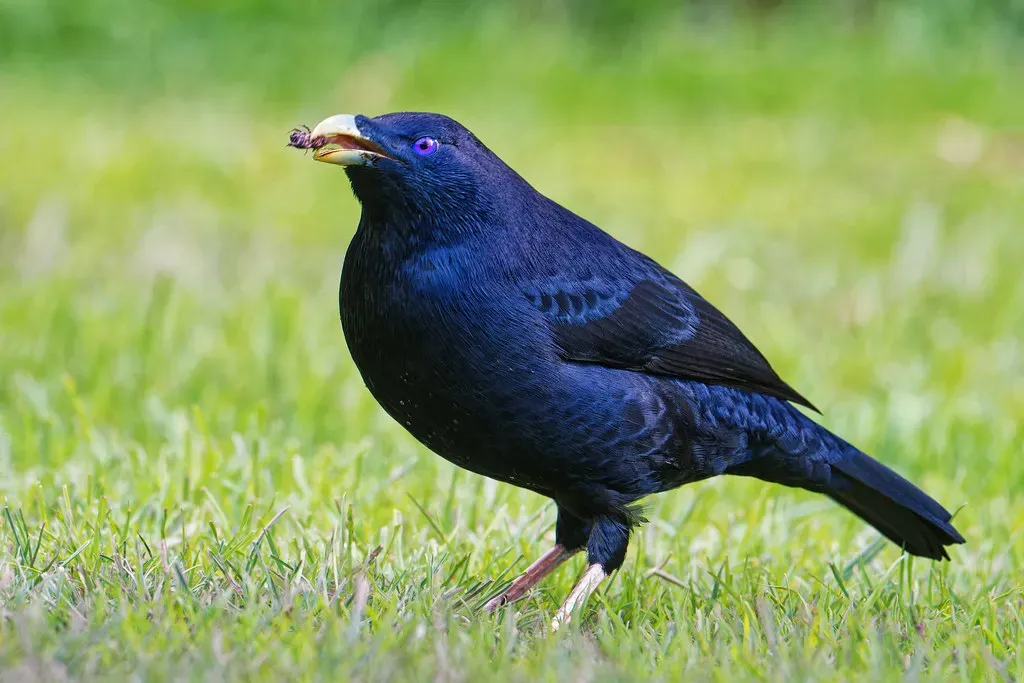
Female bowerbirds are less impressed with athletic prowess than they are with the male’s ability to dance and decorate. During courtship, male satin bowerbirds build nuptial bowers and decorate them with exclusively blue objects.
These creative engineers decorate their bachelor pads with available resources like seeds, berries, leaves, and other discarded items. Many have a preferred color scheme and look for items to match. Some species even use their beak or a piece of bark to paint their pad with an extra splash of color.
The geometry of the courtship site even creates an illusion of uniformity: when a female bowerbird views the court from within the avenue, all of the objects appear to be the same size. It’s essentially the animal kingdom’s version of interior design, complete with deliberate optical tricks.
4. The Porcupine: A Very Short Mating Window
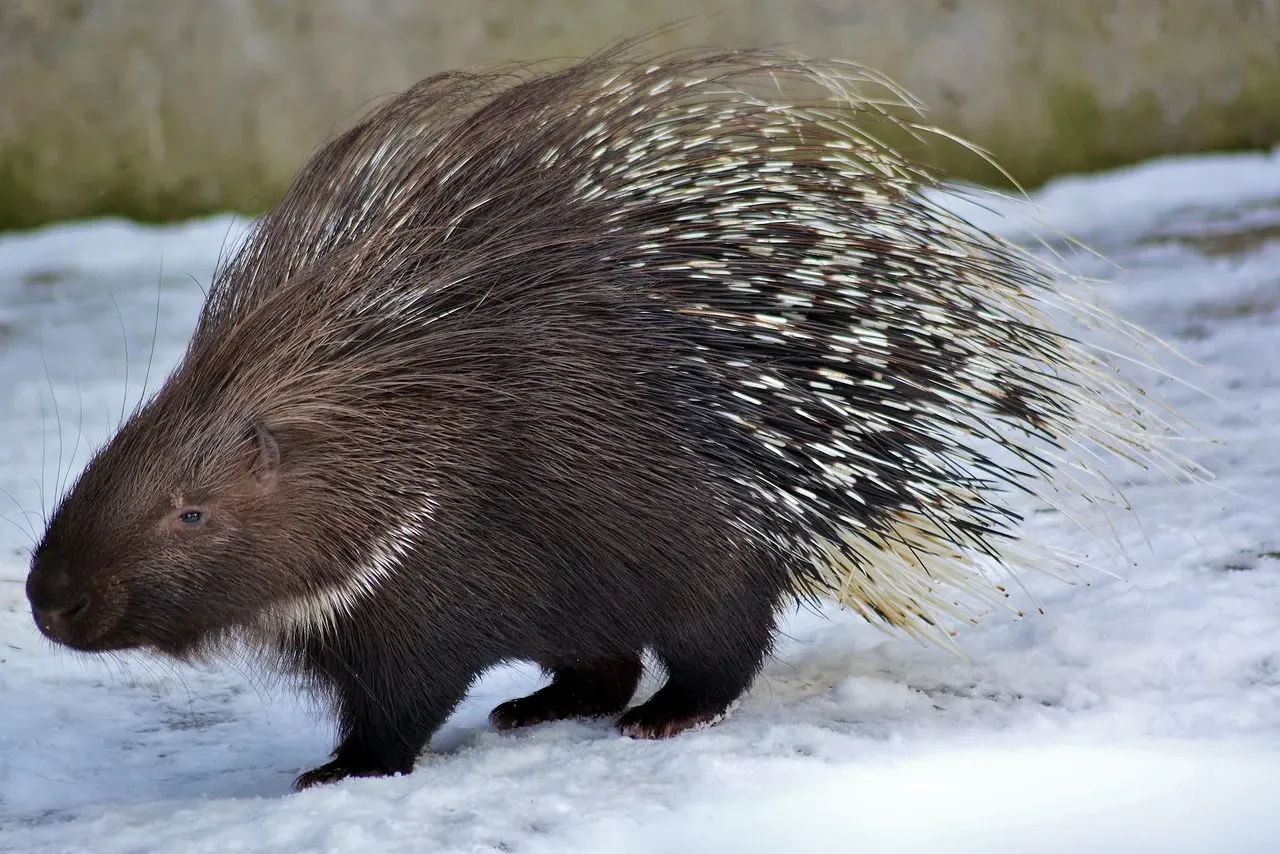
The female North American porcupine is in estrus, the period when a female can accept a mate, for about eight to twelve hours a year. That’s a remarkably tight schedule for any romantic encounter.
The male porcupine opens by climbing a tree and soaking the female with urine from up to seven feet away. If she likes how it smells, she will mate with him over and over again until he’s completely exhausted.
Male porcupines also arrive ready to battle each other with their quill-covered tails. The winner then climbs up the female’s tree and waits. Patience, it turns out, is every bit as important as showing up at all.
5. The Club-Winged Manakin: Music from the Wings
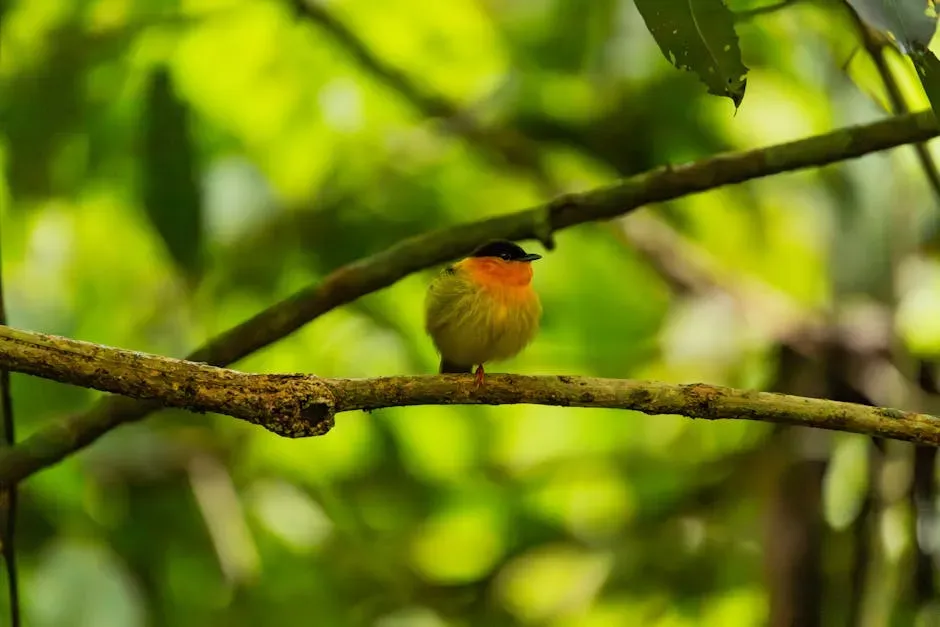
Club-winged manakins make sounds using their wings to woo potential mates, a process called sonation. They sing to attract a mate, but not like other birds.
The male manakins have specially adapted feathers in their wings that they use to make sound. During mating season, males flick their wings behind their head, striking large rigid secondary feathers together at incredibly high speeds, up to 107 times per second, to produce a bright, buzzing sound telling females they are ready to mate.
The sheer physical adaptation required for this behavior is extraordinary. These birds have evolved a skeletal structure unlike almost any other bird, all in the service of producing one very specific mating sound.
6. The Giraffe: A Peculiar Fertility Test
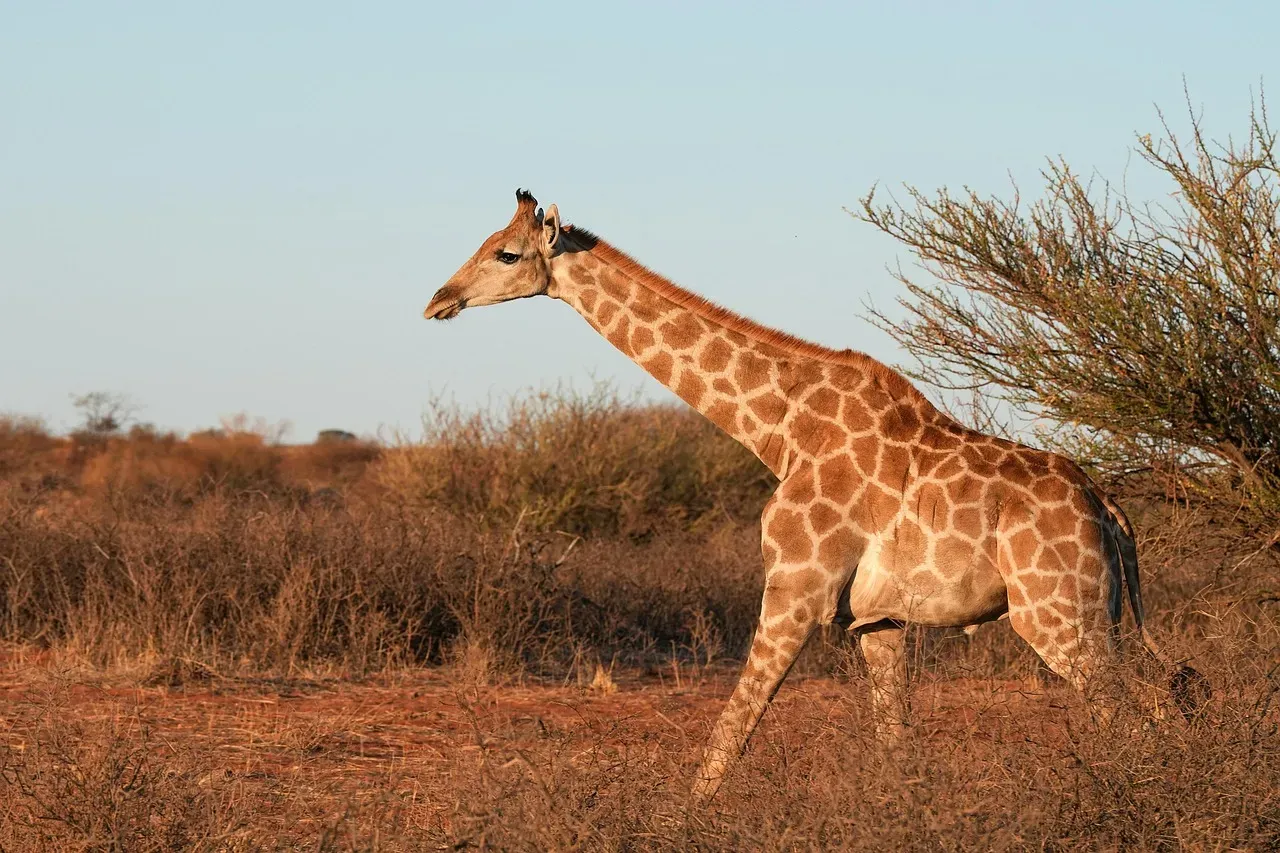
A male giraffe has a very strange mating ritual to detect if a female is fertile, a technique that involves an exceptionally fine sense of smell. To determine if the female is ovulating, she urinates into the bull’s mouth.
The bull then curls his lip and inhales deeply with an open mouth. This sends the scent to the back of his mouth where he can get a better read on it. He then analyzes the scent for certain chemicals that might suggest the female is ready to mate.
This behavior is called the Flehmen response, where the male curls his lips and inhales deeply to analyze the scent. If she’s not interested, she kicks him in the face. There are no mixed signals there.
7. The Ring-Tailed Lemur: Stink Fights for Love
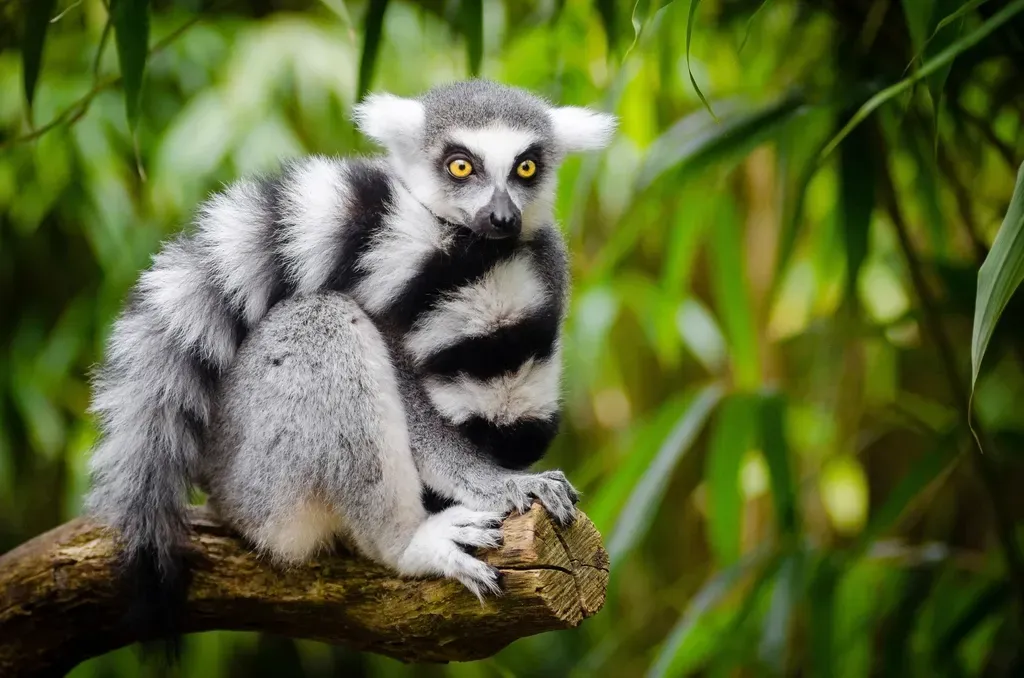
Having a strong stench is a good thing for ring-tailed lemurs. During mating season, males compete for females through stink fights that involve smearing scent from glands onto their tail and jerking and swinging the tail to waft the sharp odor toward their opponent.
Male ring-tailed lemurs use their scent to flirt, something known as stink-flirting. They perform scent-wafting displays, rubbing secretions containing sex pheromones from their wrists onto their tail and waving the scent toward a potential female mate.
The male with the most overwhelming scent wins the right to mate. It’s a reminder that what counts as attractive is entirely in the nose of the beholder.
8. The Jumping Spider: Dance or Become Dinner
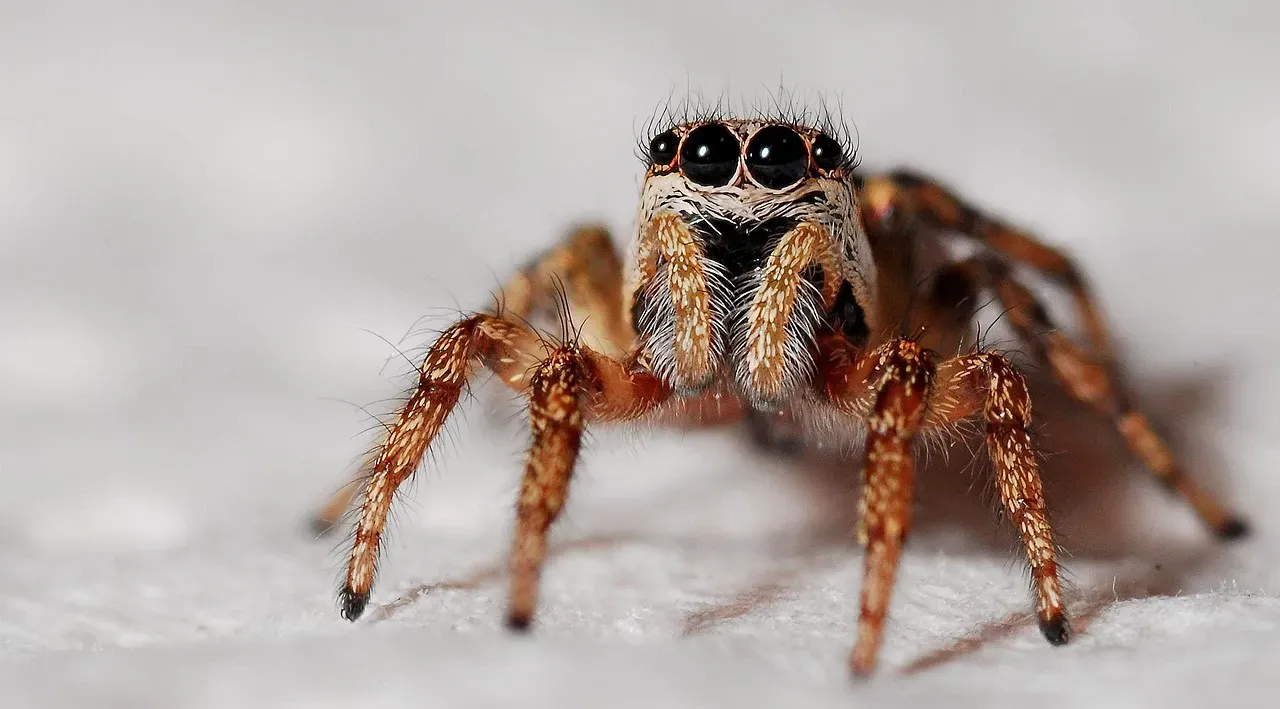
Male jumping spiders, dressed with brightly colored reflective scales, perform a complex set of dance moves alongside a drum routine that sends vibrations through the ground. If the female is impressed by his performance, he can mate with her. If not, he becomes her lunch.
Both male and female spiders rely on specific UV signals to tell who’s in a mating mood. When ultraviolet light was blocked and the spiders didn’t glow, they lost interest in mating entirely.
The stakes are about as high as courtship gets. The male jumping spider is essentially auditioning for his life, putting on a full-body light and sound performance with no guarantee of survival on the other side.
9. The Clownfish: Change Your Sex, Change Your Status
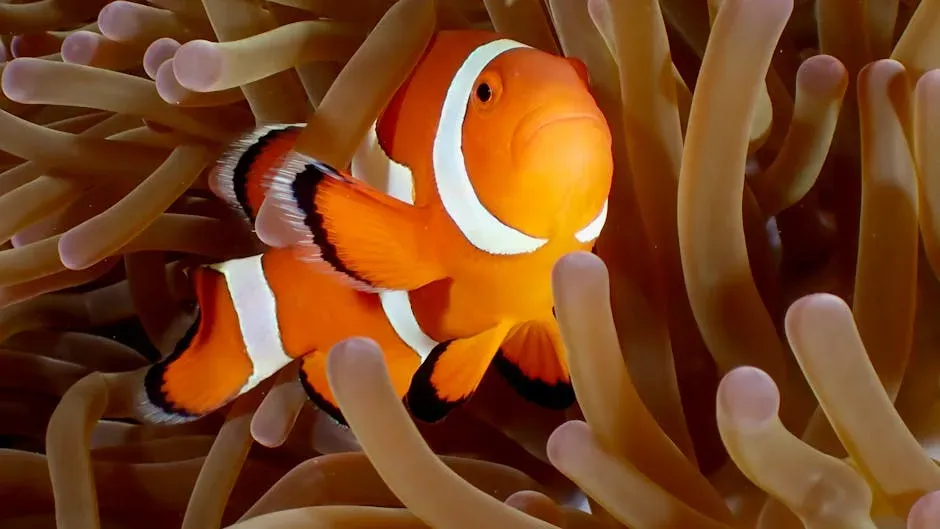
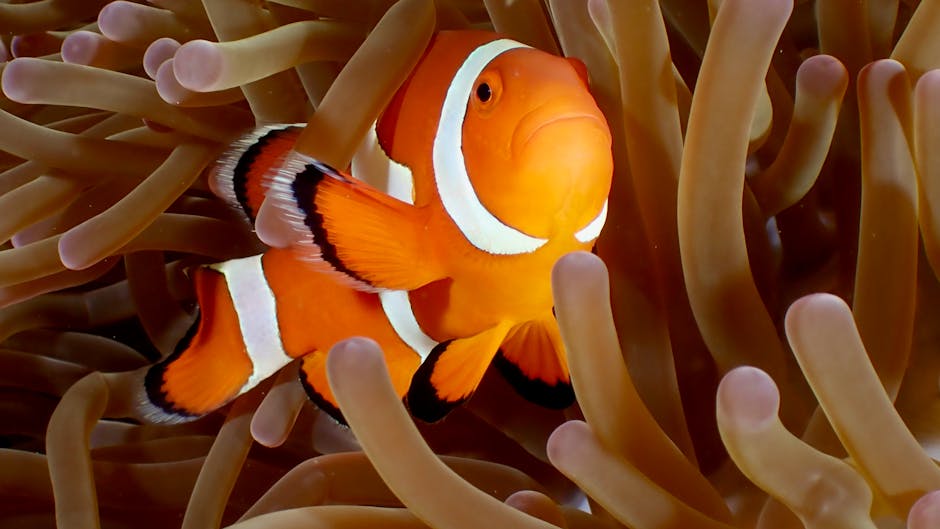
All clownfish are born male and spend their lives fighting their way up a strict hierarchy determined by size and aggression. The ones tough enough to reach the very top of their group earn a special prize: they transition into female form and become the only female in the group. They then mate with the second most dominant clownfish on the ladder.
These fish reside in groups where there is one dominant male and one dominant female who are responsible for breeding. In the event that the female dies or is separated from the group, the largest male undergoes a sex change and takes on the role of the breeding female.
The popular children’s film that made clownfish famous never quite got into that part of the biology. The science is considerably more complicated, and arguably more interesting, than the story on screen.
10. The Honeybee Drone: The Ultimate Sacrifice
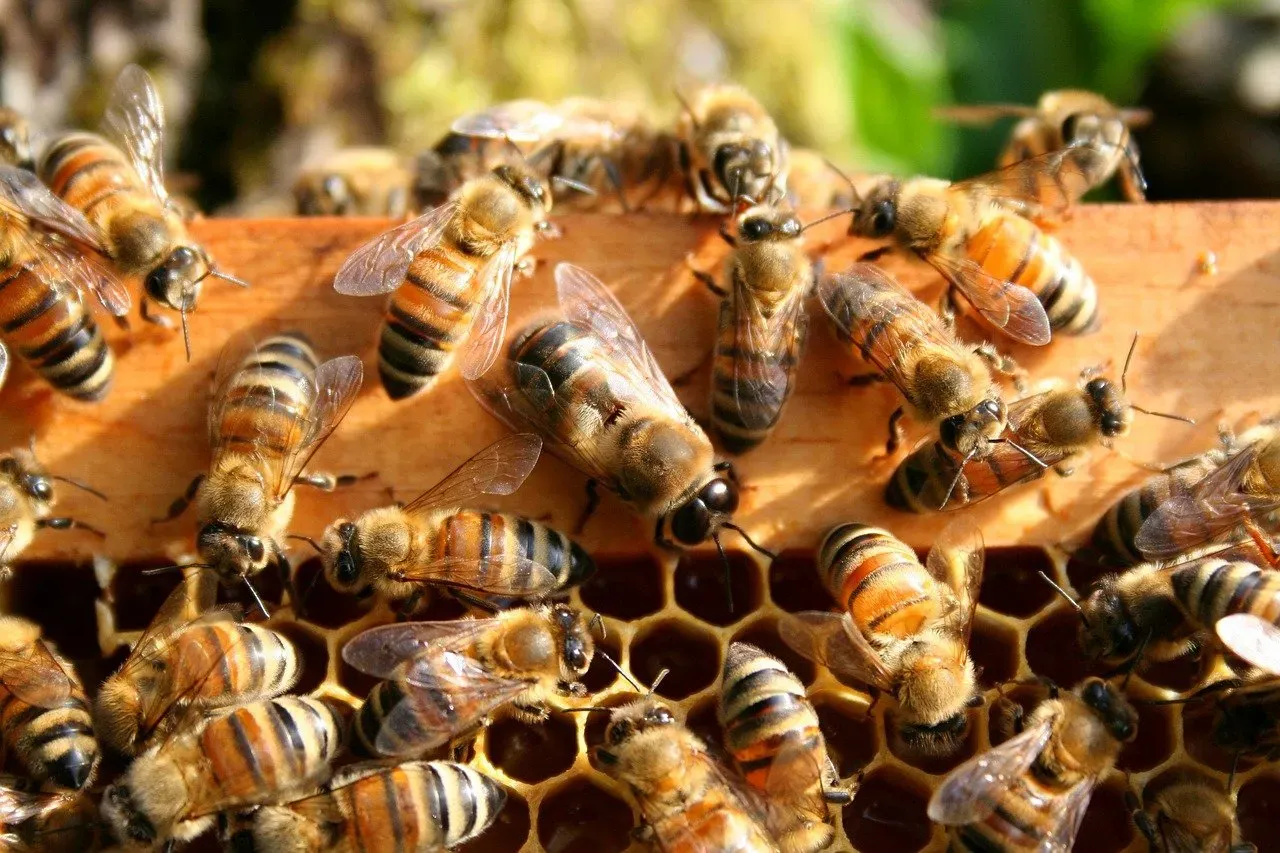
When a male bee successfully mates with a queen bee in mid-air, his reproductive organs explode, releasing his sperm and a portion of his detached phallus into the queen. This may serve as a barrier to prevent other males from entering.
The drone ultimately sacrifices its life in the pursuit of reproduction. The entire purpose of the male honeybee’s existence is condensed into a single, catastrophic mating event high above the ground.
From a biological standpoint, it’s a remarkably efficient system. The queen acquires and stores enough genetic material from multiple drones to fertilize eggs for years. The drones, for their part, never get a second chance.
11. The Great Crested Grebe: A Synchronized Water Ballet
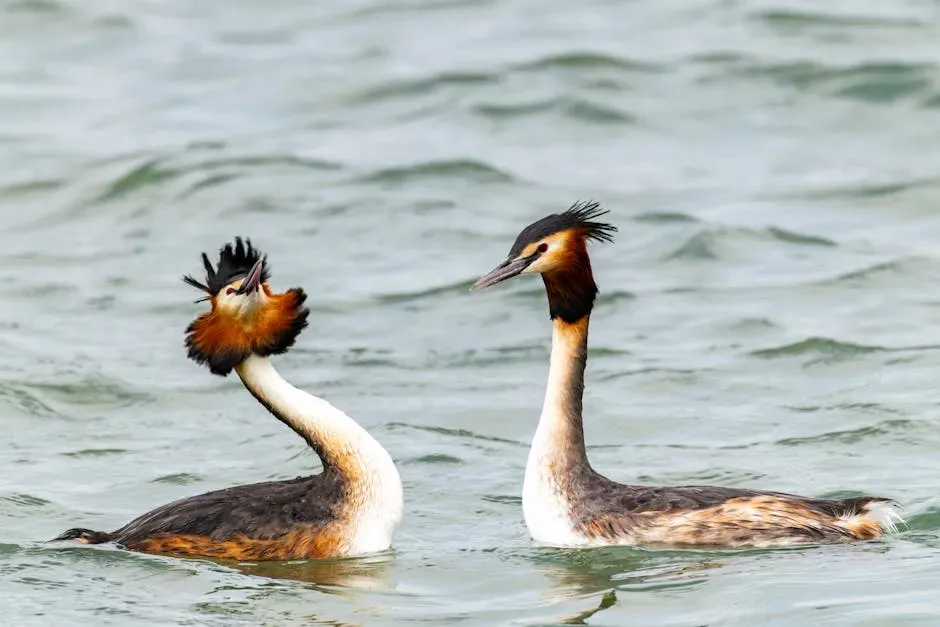
Courtship between great crested grebes is a delicate affair and doesn’t begin until one has accepted the other with a ruffle of its feathers and a flaring of its ruff. Then the water ballet begins. The grebes start by facing each other and shaking their heads from side to side, occasionally turning to preen the feathers on their back.
The grebes dive, resurface with clumps of weed in their bills, and rush toward each other, meeting breast-to-breast and rearing high out of the water, paddling wildly and turning in a frantic waltz. The birds repeat this dance until they suddenly settle back onto the water and share one last head-shake, officially paired.
Few courtship rituals in the natural world are as visually elegant as this one. It looks less like animal behavior and more like something deliberately choreographed, which, in an evolutionary sense, it effectively is.
12. The Leopard Slug: Dangling and Intertwining
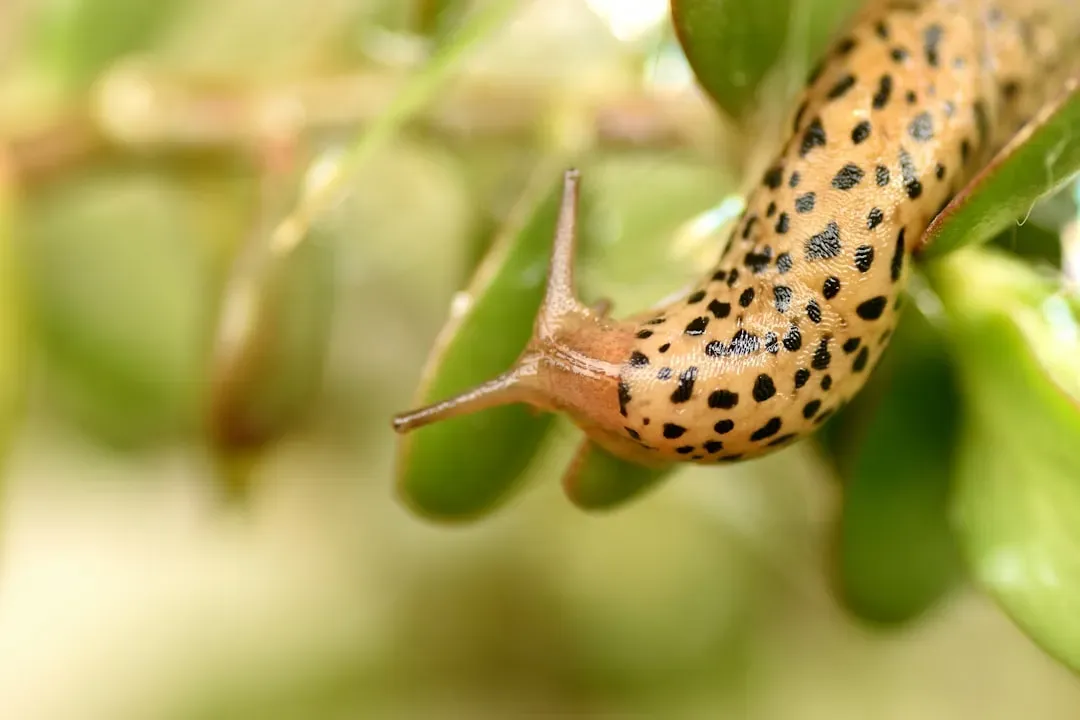
Leopard slugs have mating habits that are sensational, sticky, and genuinely strange. They hang upside down from a string of mucus and twist their slimy bodies together. As they dangle and rotate, large blue tube-like growths emerge from each slug’s head and intertwine.
These structures are the slugs’ penises, and they can expand to the length of the animal’s entire body. As leopard slugs are hermaphrodites, they can fertilize each other’s eggs, of which they can lay up to 200 after a single mating session.
The whole event takes place suspended in midair on a thin thread of mucus, which makes it one of the most surreal scenes in nature. Both partners simultaneously play every role. It’s an elegant solution to a complex biological problem, even if it looks like anything but.
Conclusion: Evolution’s Most Inventive Work
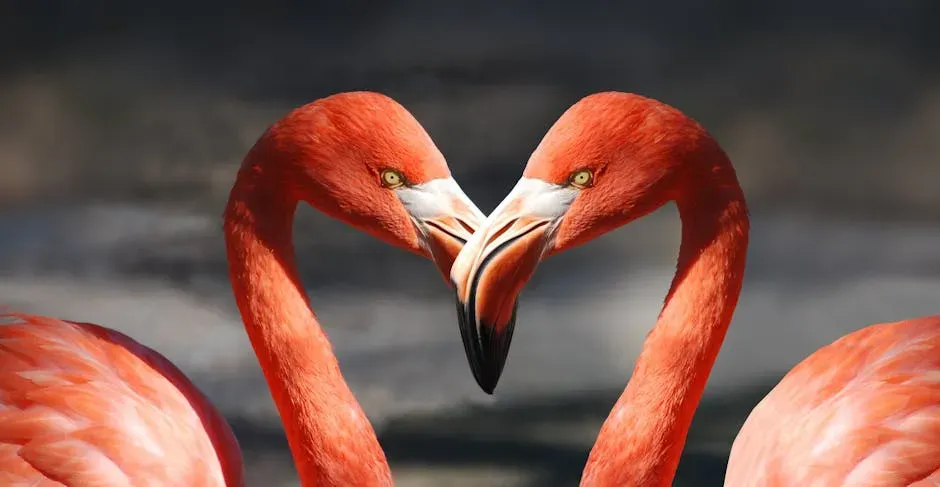
What ties all twelve of these rituals together is that none of them are accidental. It is widely believed that courtship behaviors carry information that females use in assessing male quality, forming the basis of their choice for copulation. Every seemingly absurd behavior exists because it worked, generation after generation, under the unforgiving pressure of natural selection.
Animal courtship is a fascinating mix of dance, art, music, strength, and even danger. Whether it’s a pufferfish artist, a firefly with a Morse code love signal, or a giraffe’s very specific taste test, nature has evolved some truly incredible ways for animals to find their perfect match. Each quirky courtship behavior, no matter how extreme, plays a vital role in ensuring the survival of the species.
The deeper you look into these rituals, the more you realize that strangeness is often just sophistication in disguise. Nature doesn’t do bizarre for the sake of it. Every exploding organ, every synchronized water dance, every blue-decorated bower is a solution to the oldest problem there is. Finding the right partner, and proving you’re worth choosing.

- 9 Touching Stories of Animal Loyalty That Redefine Family Bonds - July 25, 2026
- 8 Unique Dog Breeds That Are Perfect for Older Owners - July 25, 2026
- The Way You Pet Your Dog Can Make All the Difference to Their Comfort - July 25, 2026