
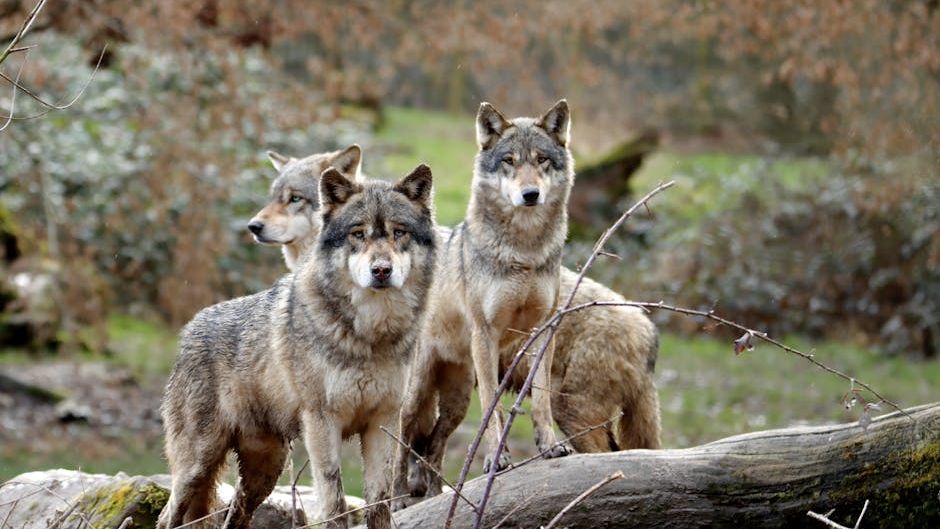
Few animals have captured the human imagination quite like the wolf. They’ve been cast as villains in folklore, symbols of freedom in modern culture, and studied obsessively by scientists trying to understand what makes a social group tick. What keeps drawing researchers back, though, is how surprisingly nuanced wolf society turns out to be. Strip away the mythology and what you find is something closer to a tightly knit family than a military unit.
The real picture is both more ordinary and more remarkable than the popular image suggests. Wolves don’t rule through brute force or constant power struggles. They build bonds, share responsibilities, and raise their young collectively in ways that parallel some of our own deepest social instincts.
The Pack Is Fundamentally a Family Unit
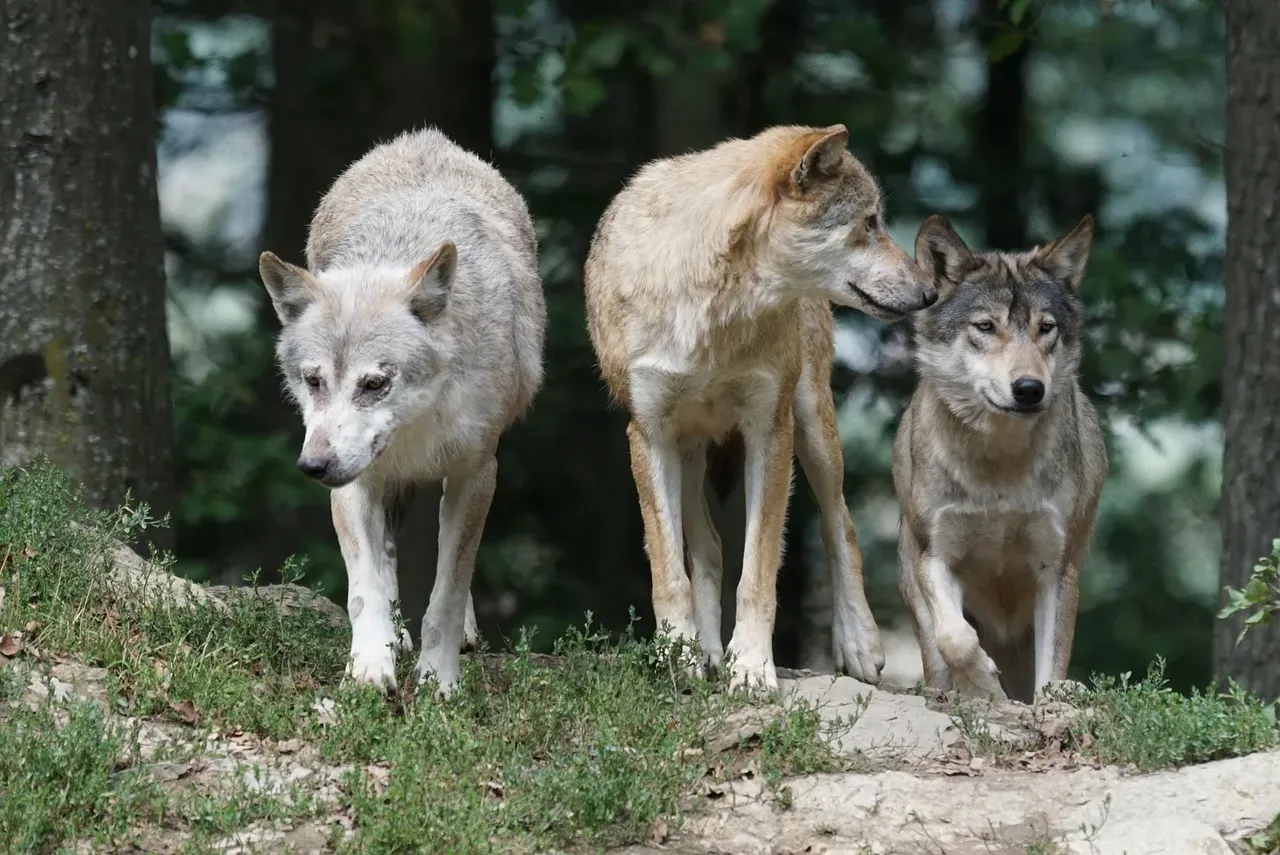
A wild wolf pack is, at its core, a family unit. It typically consists of a breeding pair and their offspring from the current and previous years, a kinship-based organization that creates a stable environment where most individuals are directly related.
A pack often consists of five to ten mostly related individuals, specifically a typically unrelated breeding pair, their offspring, and occasionally a handful of other wolves which can be related or not. Pack size isn’t fixed, though. The average size of a pack varies significantly, ranging from just a few individuals to as many as twenty or more, depending largely on the availability of prey, habitat, and environmental conditions.
A wolf pack is an exceedingly complex social unit, an extended family of parents, offspring, siblings, aunts, uncles, and sometimes dispersers from other packs. There are old wolves that need to be cared for, pups that need to be educated, and young adults that are beginning to assert themselves, all altering the dynamics of the pack.
Leadership Comes From Parenthood, Not Dominance
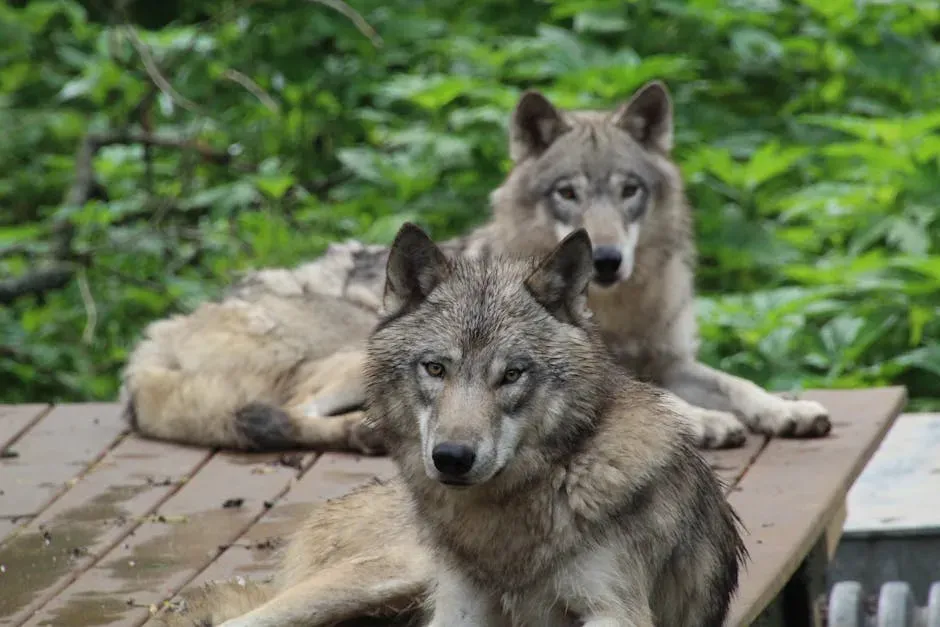
One of the most persistent misconceptions about wolves is the idea that a ruthless “alpha” battles its way to the top and rules by fear. The reality, confirmed by decades of fieldwork, is considerably more grounded. In natural wolf packs, the alpha male or female are merely the breeding animals, the parents of the pack, and dominance contests with other wolves are rare, if they exist at all.
In the wild, the alpha pair is almost always the biological parents of the rest of the pack, which makes the “alpha” role fundamentally a parental one. Biologist L. David Mech, who originally popularized the term “alpha” in his 1970 book, later published research arguing that the label is misleading when applied to wild packs. His point: these wolves don’t fight their way to the top. They start a family, and the family follows them because they’re the parents.
While you might think of the alpha pair as strict leaders, their role is more nuanced than that. They don’t dominate through force; instead, they guide the pack with social freedom. Typically monogamous, they initiate hunts and coordinate activities, ensuring the pack thrives.
Every Pack Member Has a Role to Play
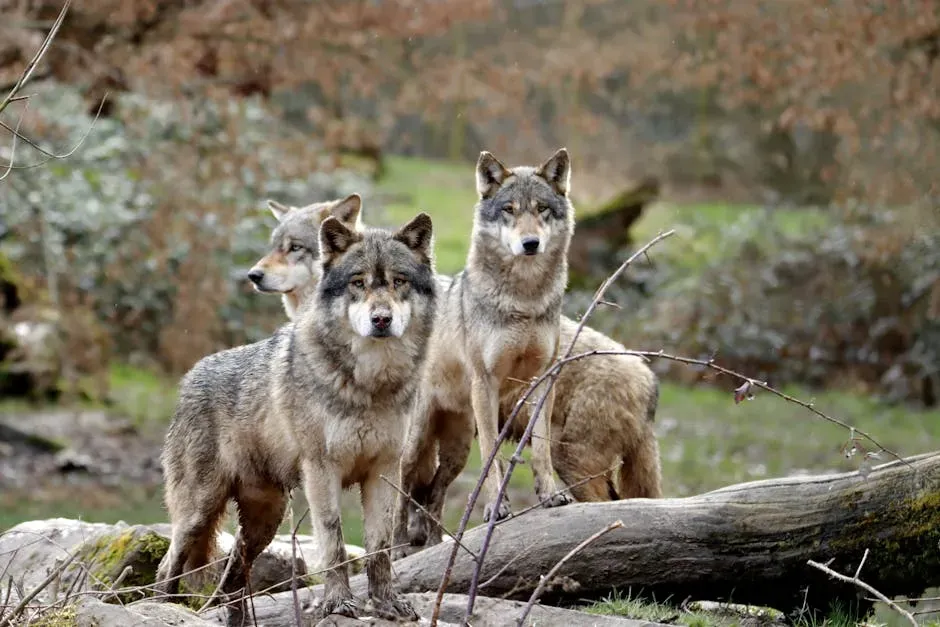
All individuals benefit from being a member of the wolf pack. The weak are supported by the efforts of stronger wolves, and higher-ranking individuals enjoy better and larger kills than could be taken on their own. Protection is granted by sheer number, and larger, more plentiful territory can be won and sustained. Care and protection of the young are shared, and knowledge can be passed down through generations, creating a unique culture within each group.
Betas serve as second-in-command, while other mid-ranking members maintain territory and care for others. The omega, sometimes called the social glue, helps resolve conflicts and nurtures younger wolves. These roles aren’t rigid labels so much as functional tendencies that shift with circumstances and the changing composition of the pack.
While the two extremes of the pack hierarchy tend not to vary, except in cases of injury or death, the average rank is more socially dynamic. That fluidity is part of what makes wolf packs so resilient as family systems.
The Omega Wolf Serves a Genuine Social Purpose
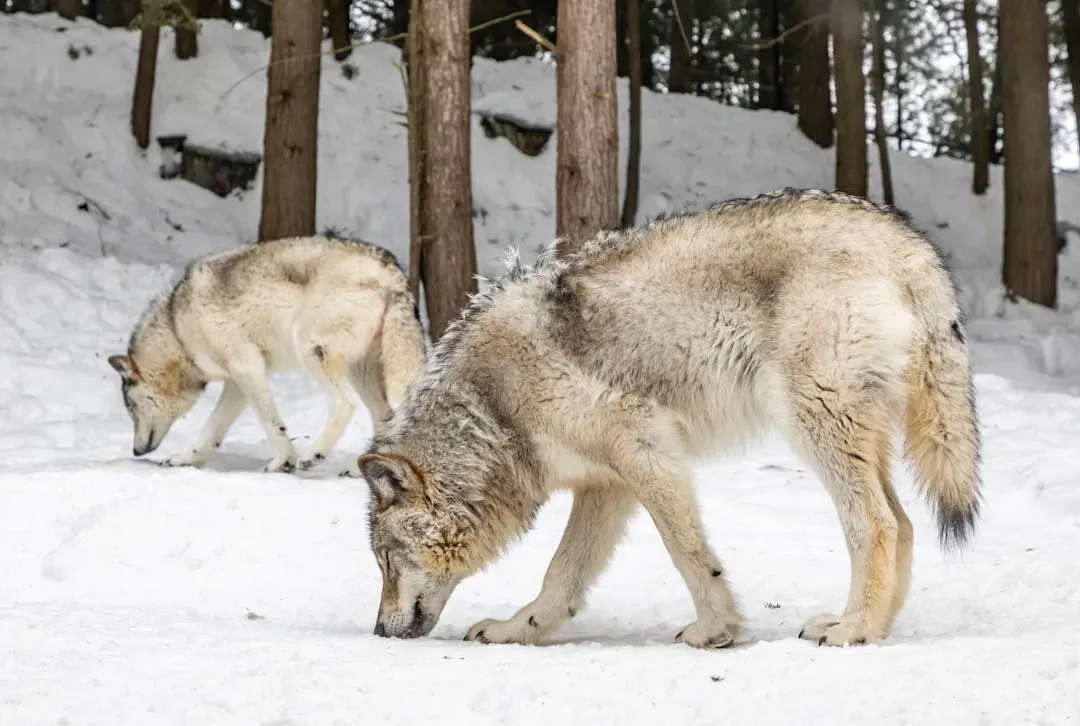
The omega often gets portrayed as the lowly outcast at the bottom of the pecking order. The reality is more interesting. Omegas eat last and absorb most of the pack’s tension. The rank sounds like a punishment, but research suggests omegas serve a real social function: acting as a release valve when conflict builds.
They’re often the first to bow, pounce, and wrestle with other pack members during downtime. Researchers at the Sawtooth Pack project in Idaho documented omega wolves consistently breaking tension by soliciting play from agitated packmates. The omega’s willingness to absorb social pressure and convert it into play behavior is one of the reasons pack cohesion holds under stress.
Their role is to act as the social glue, providing light relief within the volatile pack by promoting periods of play, and calming the others in times of conflict. The omega often plays the role of the scapegoat, regularly tolerating a lack of consideration from the rest of the pack. Whether that arrangement is entirely equitable is another question, but its function within the group is clearly real.
Howling Is a Sophisticated Communication System
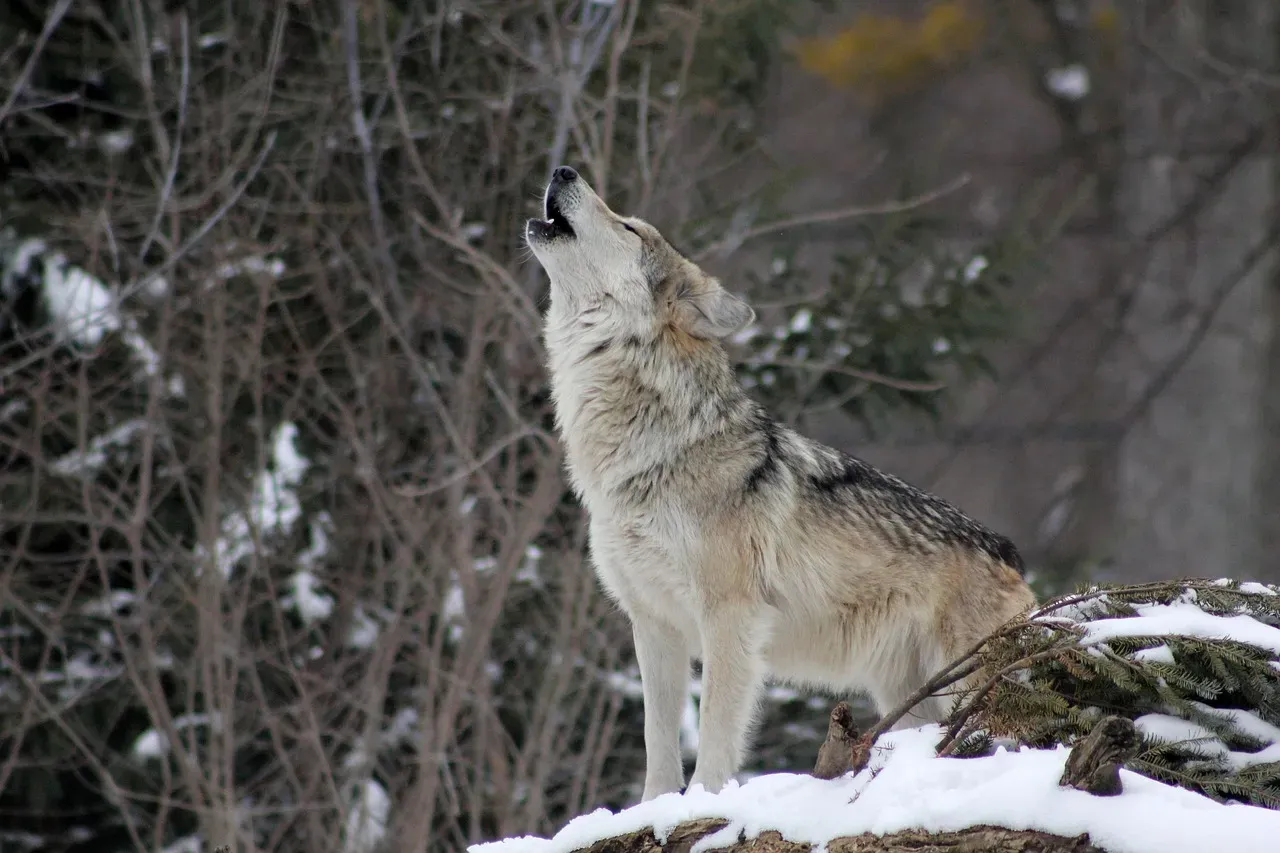
Wolves howling at the moon is one of the most evocative images in nature. The reality behind that howl, though, is far more layered than atmosphere. The howl is a sophisticated, multi-functional communication system. It is the primary long-distance signaling tool a pack uses, conveying information about location, territory, and social status across vast wilderness areas. This complex acoustic signal binds the pack internally while defining its relationship with the outside world.
The fundamental frequency of a typical howl falls between 150 and 780 Hertz, a range that suffers less degradation from terrain and vegetation than higher-pitched sounds. This acoustic engineering allows the call to travel up to 10 kilometers in open terrain under optimal conditions.
What’s more fascinating is that wolves seldom howl on the same note continuously; individual wolves howling in chorus will change the frequency and pitch of their howls to make it sound as if their pack contains more members than it actually does. Howling serves a social purpose, reinforcing the internal structure and emotional bonds within the pack. The group chorus howl is a ritualized, synchronized vocalization that strengthens the sense of pack identity. This shared activity helps to alleviate tension and confirm membership.
Cooperative Hunting Is Built on Instinct, Not Orders
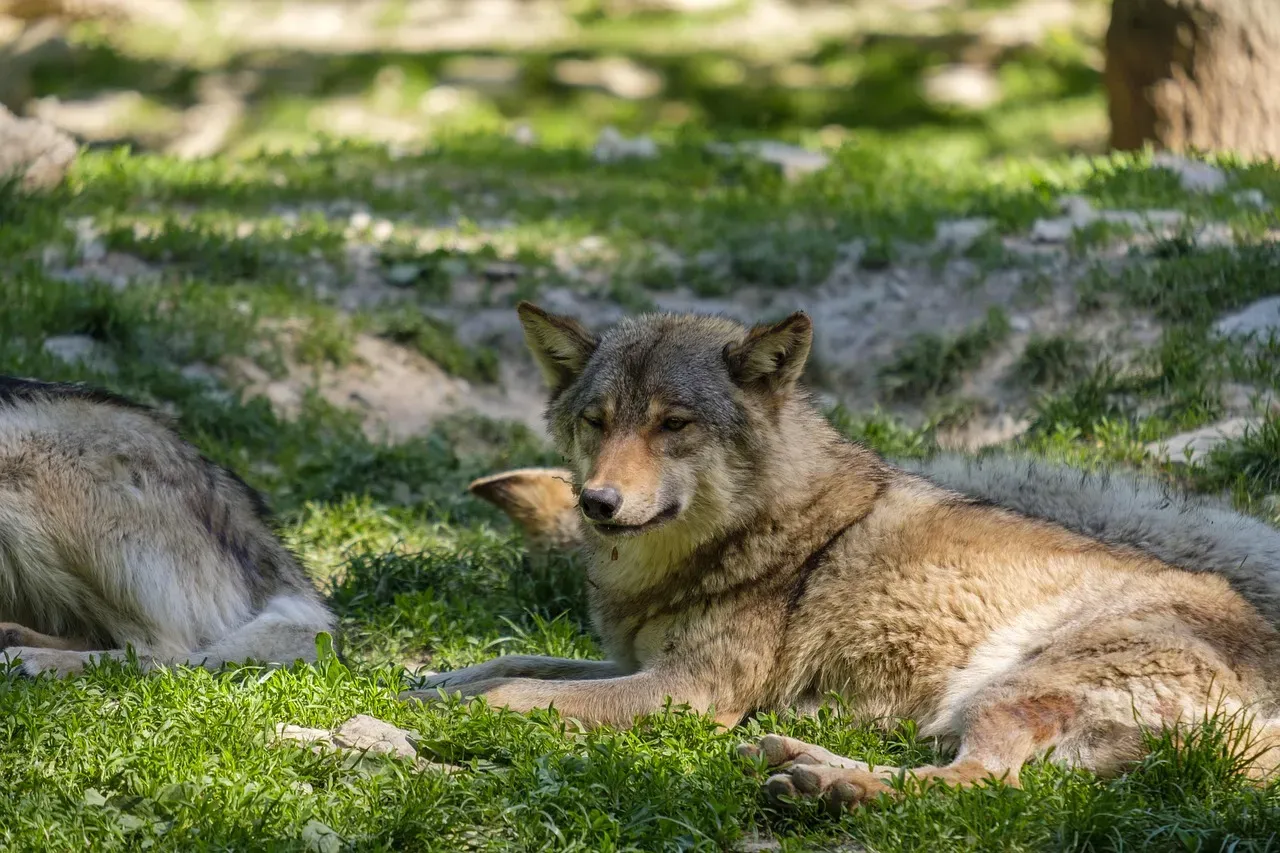
A wolf hunt looks like a brilliantly choreographed operation. Interestingly, that coordination may be less about leadership command than about individual instinct. Research using computational simulations has shown that the complex-looking choreography of a wolf hunt can emerge from two surprisingly simple behaviors: each wolf moves toward the prey until reaching a safe distance, then spreads out away from other wolves that are also close. This creates the characteristic pattern of tracking, pursuing, and encircling prey until it stops moving. What’s striking is that this coordination doesn’t require sophisticated communication or a leader barking orders. The hunting behavior emerges naturally from each wolf following the same basic instincts.
During hunts, each pack member often takes on specific roles, with some wolves driving prey toward others waiting in ambush, while others flank or pursue. This division of labor requires intense communication through body language, vocalizations, and learned behaviors. Research has shown that hunting success rates increase dramatically with coordinated efforts. Wolves hunting as a pack can achieve success rates of up to fourteen percent when pursuing moose, compared to just one or two percent for lone wolves.
The late biologist Gordon Haber observed wolves changing their hunting strategy based on weather, terrain, and prey behavior. That adaptability, passed between generations within the same pack, is one of the key reasons wolf families can persist and thrive across drastically different landscapes.
Dispersal and the Lone Wolf: A Phase, Not a Lifestyle
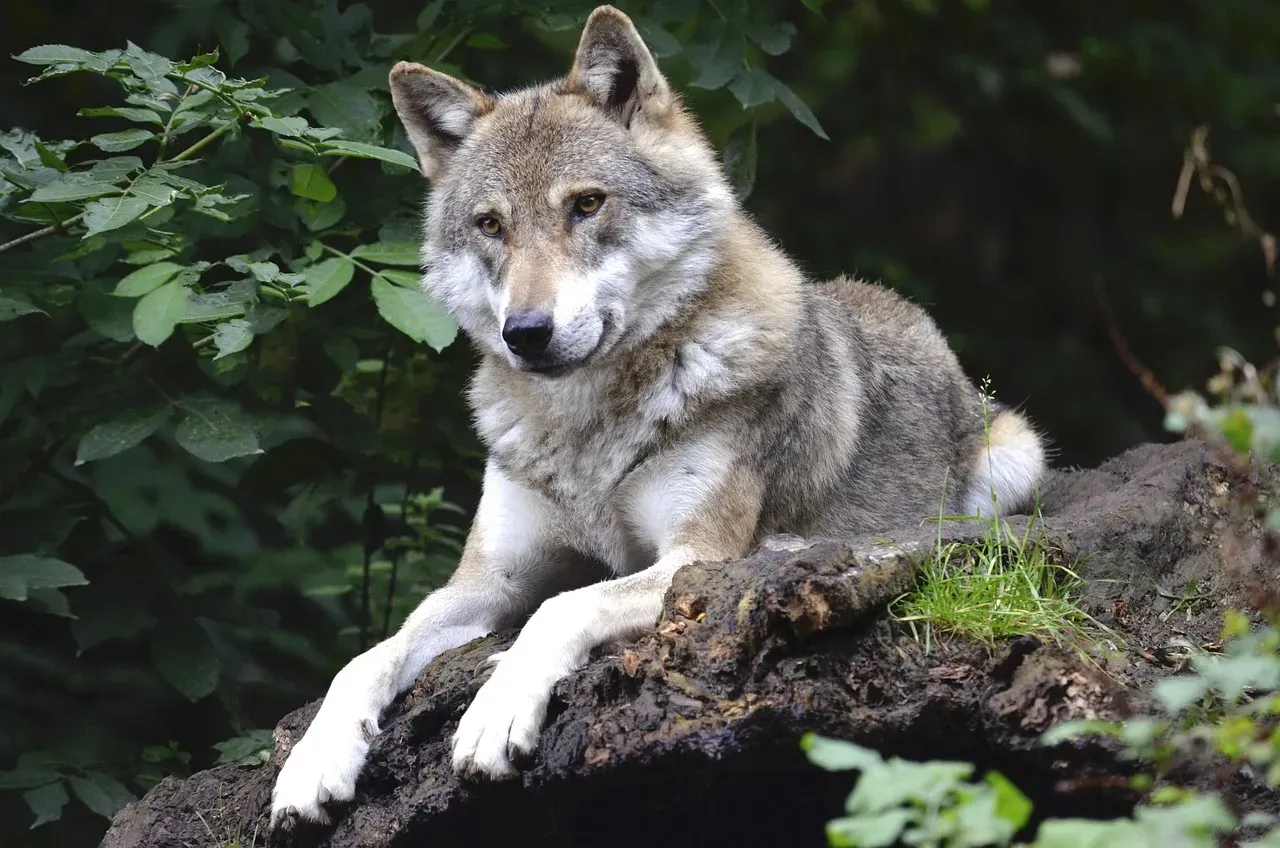
Popular culture celebrates the lone wolf as a symbol of independence and self-reliance. Biologically, the picture is very different. Many wolves eventually leave their natal pack to find a mate and territory. This dispersal phase can last weeks to months and often involves traveling through unfamiliar landscapes. A disperser is temporarily alone because they are in transition, not because they are rejecting social life.
Every year, individual wolves leave the pack they were born into and go solo. While some may think it’s a brave choice reserved for the truly independent, a wild wolf’s decision to leave a pack is quite common. Known as dispersing, this is how wolves find mates and form new packs.
Lone wolves are vulnerable to food scarcity and territorial attacks and generally comprise less than fifteen percent of the total wolf population. This dispersal behavior ensures genetic diversity and helps prevent inbreeding, making it essential for the long-term health of wild wolf populations, even if the individual cost is steep. A lone wolf is a wolf that is searching, and what it seeks is another wolf. Everything in a wolf’s nature tells it to belong to something greater than itself: a pack.
Conclusion: Family Is the Architecture of the Pack
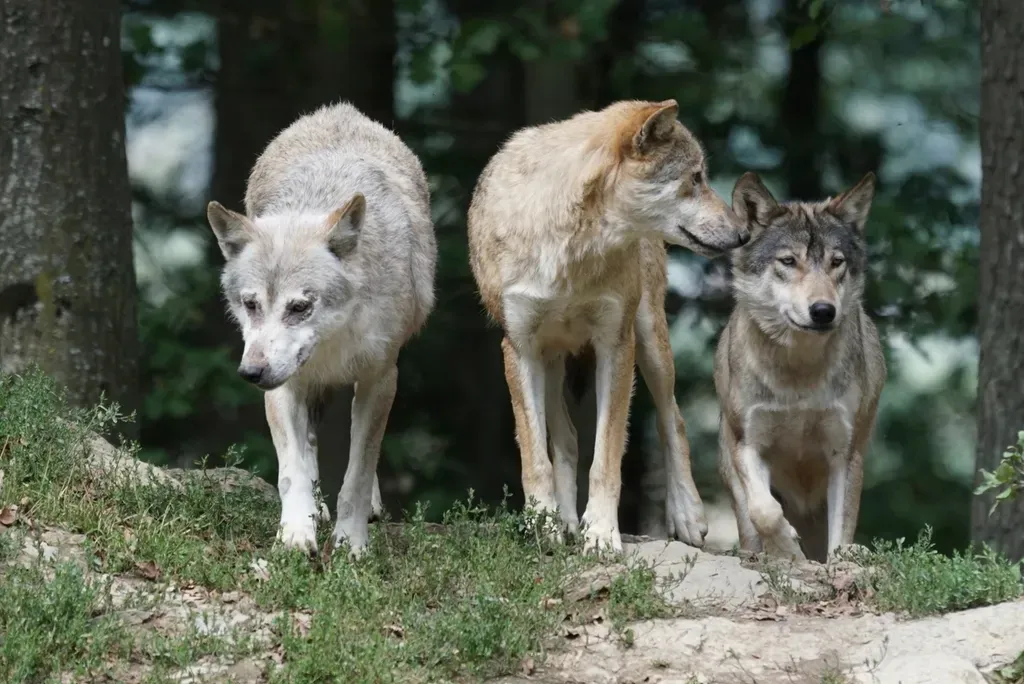
What emerges from a close look at wolf pack behavior is something that feels unexpectedly familiar. These are not rigid military hierarchies held together by fear. The wolf pack represents one of nature’s most sophisticated social organizations, a cooperative unit where individual survival depends on the success of the group. This tightly bonded structure allows wolves to thrive in diverse and often harsh environments. Their collective behavior involves complex communication and a social structure built on kinship, moving far beyond the simple predator image often portrayed.
Living in a pack not only facilitates the raising and feeding of pups, coordinated hunting, and the defense of territory, it also allows for the formation of many unique emotional bonds between pack members, the foundation for cooperative living. Wolves care for each other as individuals. They form friendships and nurture their own sick and injured.
The wolf pack, at its heart, is a family that hunts together, grieves together, and passes knowledge from one generation to the next. It’s a structure built not on power, but on belonging. That, perhaps more than any other detail, is what makes it so worth understanding.

- 9 Touching Stories of Animal Loyalty That Redefine Family Bonds - July 25, 2026
- 8 Unique Dog Breeds That Are Perfect for Older Owners - July 25, 2026
- The Way You Pet Your Dog Can Make All the Difference to Their Comfort - July 25, 2026